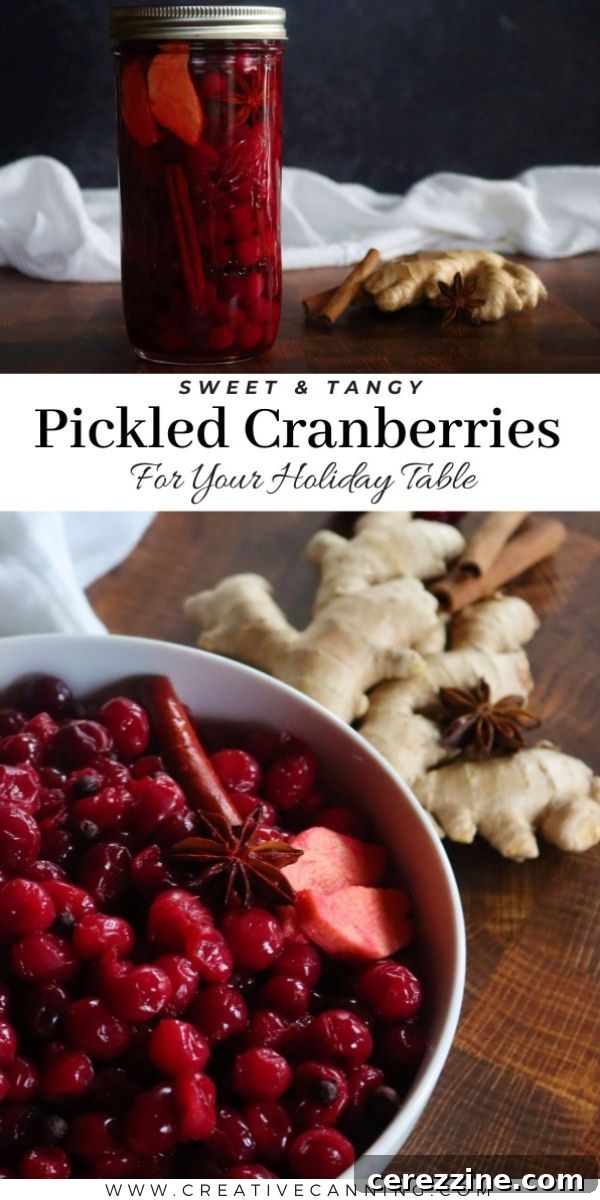
Homemade Pickled Cranberries: A Zesty Holiday Essential
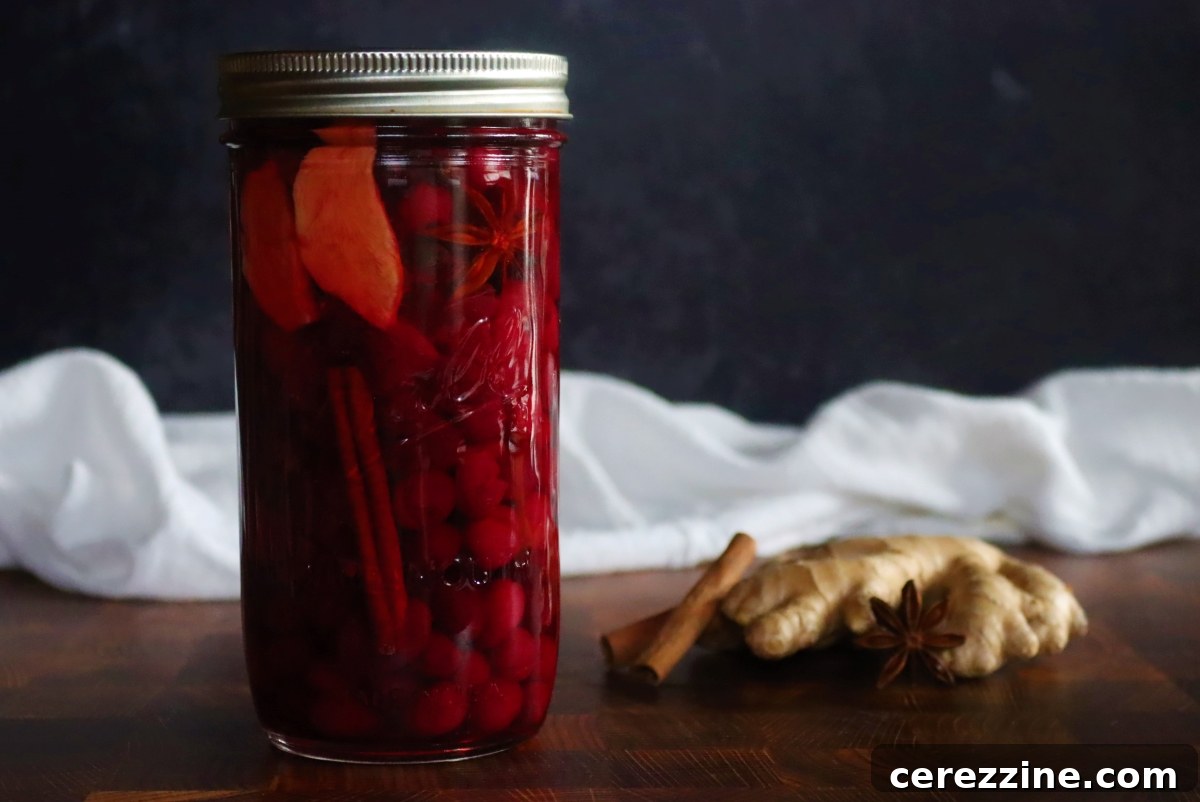
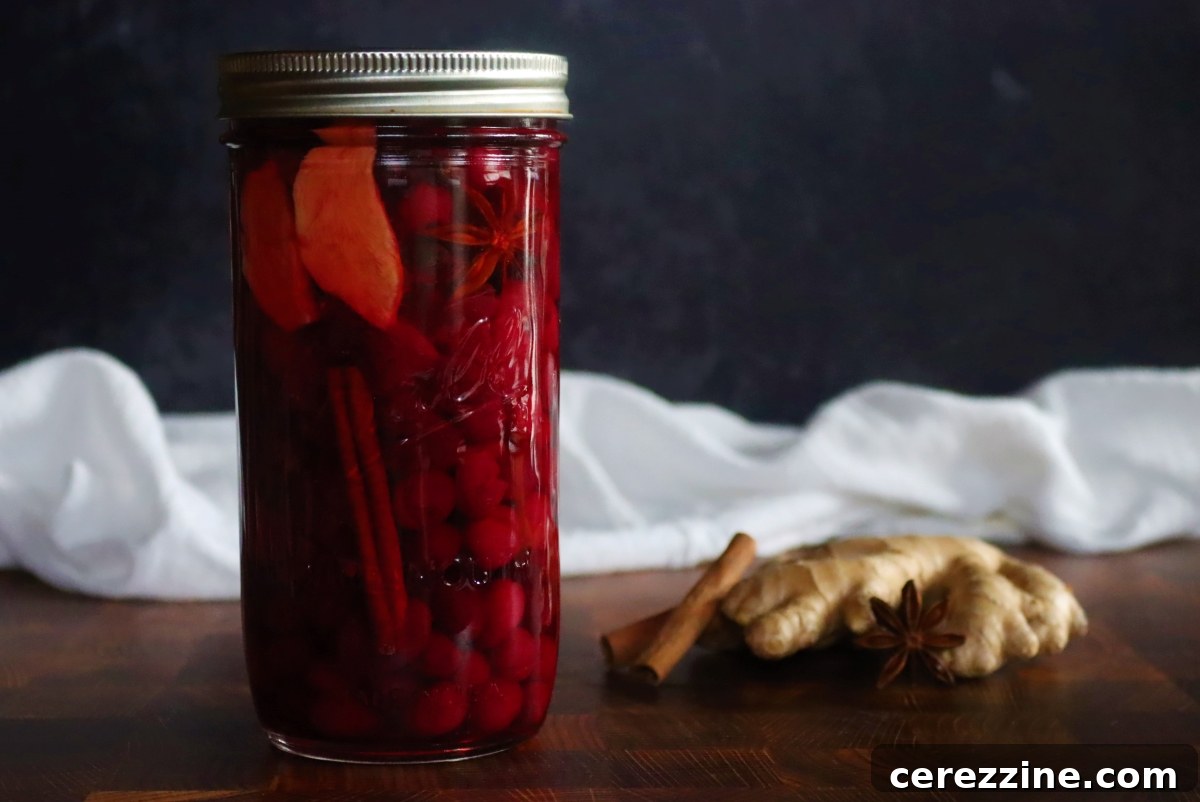
Elevate your holiday table with a truly distinctive and flavorful side dish: homemade pickled cranberries. Far from your average cranberry sauce, these tangy, sweet, and perfectly spiced berries offer a vibrant burst of flavor that complements a wide array of meals. They’re not just a festive addition; they’re a versatile condiment that will quickly become a cherished part of your culinary repertoire, whether served alongside roasted meats, enriching a cheese board, or even enhancing your favorite cocktails.
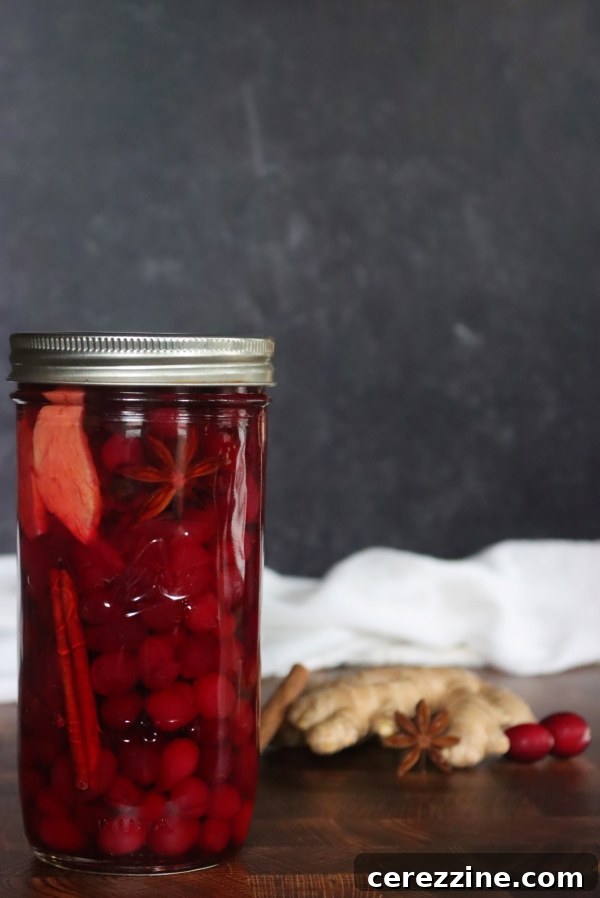
Imagine the delightful zing of cranberries infused with warming spices like fresh ginger, cinnamon, and cloves, all preserved in a perfectly balanced brine. This recipe provides an easy-to-follow method for creating four 1-pint jars of these exquisite pickled cranberries, making them ideal for gifting or simply enjoying throughout the season. We’ll cover both quick refrigerator pickling and the secure method of water bath canning, ensuring you can choose the best preservation approach for your needs.
Why Pickled Cranberries are a Must-Try
For many, cranberries conjure images of a jellied or whole-berry sauce, often sweet and straightforward. Pickled cranberries, however, introduce an exciting new dimension. The pickling process transforms the fruit, balancing its inherent tartness with a subtle sweetness and an aromatic warmth from the spices. This creates a condiment that is wonderfully complex, offering a bright acidity that cuts through rich holiday dishes and a unique texture that adds intrigue to any plate.
Beyond their delightful taste, pickled cranberries offer incredible versatility. They can refresh a heavy meal, act as a sophisticated spread, or provide a surprising twist in drinks. Unlike their often one-note counterparts, these pickled berries boast a depth of flavor that can enhance everything from savory roasts to delicate cheeses. Plus, making them at home means you control the ingredients, ensuring a wholesome and natural product free from artificial additives. They’re not just food; they’re an experience, a little jar of holiday magic that keeps on giving.
How to Make Pickled Cranberries: The Simple Guide
Crafting your own batch of pickled cranberries is a straightforward process that yields impressive results. This recipe is designed to be accessible for home cooks of all skill levels, requiring minimal preparation and common kitchen equipment. Here’s a detailed look at the ingredients and steps involved in creating these exquisite preserves.
Essential Ingredients for Pickled Cranberries
To begin your pickled cranberry journey, gather the following high-quality ingredients. The precise measurements are crucial for a balanced flavor profile and safe preservation:
- Fresh Cranberries: You’ll need approximately 36 ounces, which typically equates to three standard 12-ounce bags from the grocery store, or about 9 cups in total. Opt for plump, firm berries for the best texture.
- Cider Vinegar: 3 cups of good quality apple cider vinegar forms the tangy base of our brine. Its fruity acidity is a perfect match for cranberries.
- Water: 3/4 cup of filtered water helps to dilute the vinegar slightly, ensuring the brine isn’t overly sharp.
- Sugar: 2 cups of sugar are used to balance the tartness of the cranberries and the acidity of the vinegar. While standard white sugar works wonderfully, consider experimenting. Organic raw cane sugar can offer a richer, more nuanced sweetness. For an extra layer of complexity that beautifully complements the spiced flavors, I highly recommend using homemade maple sugar or a blend of maple and white sugar. The original recipe from Marisa McClellan’s book, Naturally Sweet Food in Jars, suggested coconut sugar as an alternative, but I personally prefer the flavor profile achieved with white or maple sugar.
- Warming Spices: These aromatic additions are key to the distinctive flavor of the pickled cranberries.
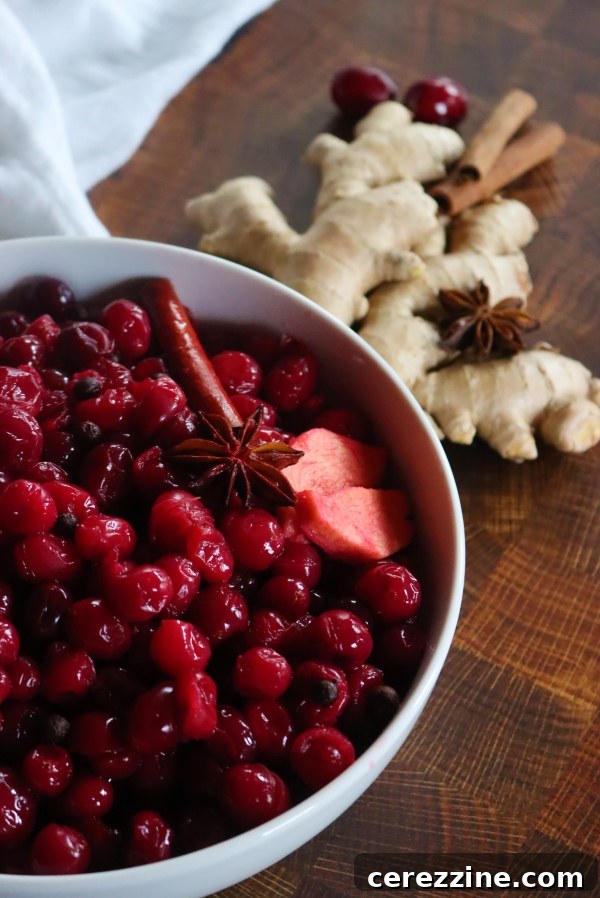
- Cinnamon Sticks: 2 whole cinnamon sticks infuse the brine with a classic, comforting sweetness.
- Fresh Ginger: 1 inch of fresh ginger, thinly sliced, adds a subtle zing and warmth.
- Allspice Berries: 1 teaspoon of whole allspice berries contributes a complex flavor reminiscent of cloves, cinnamon, and nutmeg.
- Whole Cloves: 1/2 teaspoon of whole cloves provides a deep, pungent, and sweet aroma.
- Whole Black Peppercorns: 1/2 teaspoon of whole black peppercorns adds a mild, earthy spice that rounds out the flavor profile.
Preparation Steps
Once your ingredients are ready, the cooking process is quick and engaging:
- Prepare Your Jars: If you plan to can your cranberries, prepare your water bath canner, 4 pint-size canning jars, and 4 new two-piece canning lids. Clean and sterilize the jars according to standard canning practices. Even for fridge pickles, clean jars are essential.
- Create the Brine: In a large, non-reactive saucepan, combine the cider vinegar, water, and sugar. Bring this mixture to a rolling boil over medium-high heat, stirring occasionally to ensure the sugar fully dissolves.
- Infuse with Spices: Once the brine is boiling, add the two whole cinnamon sticks directly to the saucepan. For the remaining spices—fresh ginger, allspice berries, whole cloves, and whole black peppercorns—it is crucial to gather them in a spice bag or a piece of cheesecloth tied securely with kitchen twine. This “spice sachet” allows the flavors to infuse the brine while making it easy to remove the whole spices later, which is vital for canning safety and optimal flavor. Add this spice sachet to the boiling brine.
- Cook the Cranberries: Carefully stir the fresh cranberries into the boiling brine. Allow them to cook for 5 to 7 minutes, or until they begin to “pop” open and the brine returns to a full boil. This brief cooking softens the cranberries and allows them to absorb the wonderful flavors of the brine.
- Remove Spices: This is a critical step, especially if you plan to water bath can. Once the cranberries are cooked, remove the saucepan from the heat. Carefully fish out and discard both the cinnamon sticks and the spice sachet. Leaving whole spices in the jars during canning can lead to off-flavors and can interfere with safe processing. For refrigerator pickles, you might keep a few whole spices for display for a day or two, but they should be removed to prevent bitterness.
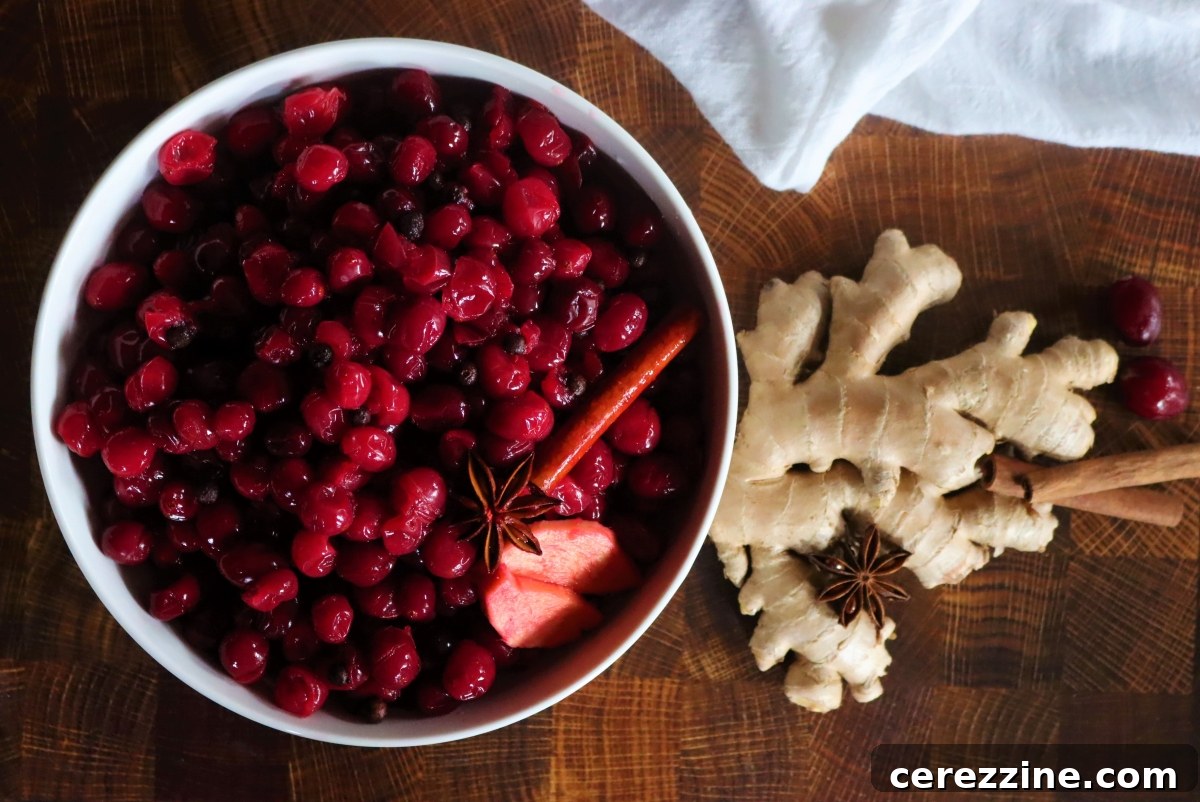
- Jar the Cranberries (Refrigerator Method): At this point, you can divide the hot cranberries and brine evenly among your clean pint jars. Let the contents come to room temperature, then seal with lids and store them in the refrigerator. These quick fridge pickles will last for 4 to 6 weeks, though in most homes, they’re enjoyed long before then!
Canning Pickled Cranberries for Long-Term Storage
If you wish to preserve your delicious pickled cranberries for an extended period, water bath canning is the recommended method. This process ensures shelf-stability, allowing you to enjoy your homemade preserves months down the line. If you’re new to canning or need a refresher, I highly recommend reviewing a comprehensive guide to water bath canning for beginners to ensure safety and success.
Water Bath Canning Process
- Prepare Your Canning Setup: Before you start cooking the cranberries, ensure your water bath canner is ready. Fill it with water and begin heating it. Prepare four pint-size canning jars by washing them thoroughly and keeping them warm. Wash and prepare new two-piece canning lids and rings; the lids should be simmered (not boiled) in a small pot of water according to manufacturer’s instructions.
- Fill the Jars: Using a slotted spoon, carefully transfer the hot, cooked cranberries (without any whole spices) into the warm canning jars, leaving about 1/2-inch headspace at the top. This headspace is crucial for proper sealing and creating a vacuum.
- Cover with Brine: Ladle the hot brine over the cranberries in each jar, ensuring the cranberries are fully submerged and maintaining that 1/2-inch headspace. Use a non-metallic utensil (like a plastic spatula or wooden chopstick) to remove any air bubbles trapped between the cranberries. Wipe the rims of the jars clean with a damp cloth.
- Secure Lids and Process: Place the prepared lids on the jars, followed by the rings, and screw them on “fingertip tight.” This means tightening until you feel resistance, then giving a gentle tug. Don’t overtighten, as this can prevent proper sealing. Carefully load the jars into the preheated water bath canner, ensuring they are fully submerged by at least 1 inch of water. Bring the water to a rolling boil.
- Processing Time: Once the water is boiling vigorously, process the pint jars for 10 minutes. Adjust for altitude if necessary (add 5 minutes for every 1,000 feet above sea level).
- Cool Down: After 10 minutes, turn off the heat and remove the canner lid. Allow the jars to rest in the hot water for 5 minutes before carefully removing them with a jar lifter. Place the hot jars on a clean towel or cooling rack, ensuring they are not touching each other and are out of drafts.
- Check Seals and Store: Let the canned pickled cranberries cool undisturbed for 12 to 24 hours. After this time, check the seals by pressing on the center of each lid; it should not flex. If a lid does not seal properly, immediately refrigerate that jar and treat its contents as a fridge pickle. Properly sealed jars should be stored in a cool, dark place, where they will maintain their quality for up to a year or even longer.
Ways to Use Pickled Cranberries: Beyond the Holiday Table
The versatility of pickled cranberries extends far beyond a simple holiday side. Their distinctive sweet-tart profile and spiced notes make them a dynamic ingredient that can elevate a multitude of dishes throughout the year. Don’t be afraid to experiment and discover your own favorite ways to incorporate these vibrant berries!
Culinary Pairings and Creative Applications
- Meat and Poultry Accompaniment: This is arguably their most classic application. Pickled cranberries are a phenomenal match for rich meats like roasted beef, pork tenderloin, turkey, chicken, duck, and even game meats. The tartness cuts through the fat, while the spices enhance the savory flavors, creating a harmonious balance on the palate. Serve them alongside your main course for an instant flavor upgrade.
- Cheese and Charcuterie Boards: Here, pickled cranberries truly shine. Their acidity and sweetness provide a wonderful counterpoint to a variety of cheeses, especially strong, aged varieties like sharp cheddar, blue cheese, or goat cheese. Serve them whole in a small dish on the board, or for a gourmet twist, roughly chop the berries and mix them into a robust Dijon mustard to create an instant, delicious condiment inspired by Italian mostarda. They also pair beautifully with cured meats like prosciutto and salami.
- Salads and Vinaigrettes: Add a handful of pickled cranberries to your next green salad for a pop of color and flavor. They work exceptionally well in salads featuring robust greens like kale or Swiss chard, providing a tangy contrast. The leftover brine is also a treasure! Use it as a base for a unique vinaigrette – simply whisk it with olive oil, a touch of mustard, and a pinch of salt and pepper for a dressing that will bring leafy greens to life. For inspiration, try this kale salad with pickled cranberries.
- Gourmet Sandwiches and Wraps: Swap out plain cranberry sauce for pickled cranberries in your turkey or chicken sandwiches. Their bold flavor can transform an ordinary lunch into something extraordinary. They also add a delicious zing to vegetarian wraps.
- Cocktails and Shrubs: For the adventurous mixologist, pickled cranberries and their brine offer exciting possibilities. The brine, often referred to as a “shrub,” can be used as a sweet-tart cocktail base. Try making a festive dirty cranberry Gibson, which ingeniously calls for both the berries and a splash of their brine. You can also muddle a few pickled cranberries into a gin or vodka cocktail for a unique seasonal drink.
- Desserts and Baking: While less conventional, finely chopped pickled cranberries can add a surprising depth to baked goods like muffins or quick breads, especially those with other warming spices. They can also be simmered into a glaze for pork or chicken.
Tips for Success and Variations
Achieving perfectly pickled cranberries is simple, but a few tips can elevate your results:
- Choose Fresh, Firm Cranberries: While frozen cranberries can be used, fresh, plump berries will hold their shape better and offer a more satisfying texture. If using frozen, do not thaw them before adding to the brine; simply add them frozen and extend the cooking time slightly until they begin to pop.
- Adjust Sweetness to Taste: The recipe provides a balanced sweet-tart profile. If you prefer a sweeter pickle, you can slightly increase the sugar, though be mindful not to reduce the vinegar as it’s crucial for preservation. Conversely, for a tarter batch, you could slightly decrease the sugar.
- Spice It Up: Don’t be afraid to customize the spice blend. A bay leaf, a few star anises, or even a tiny pinch of red pepper flakes could add interesting dimensions. Just remember the rule about removing whole spices for canning.
- Use a Non-Reactive Pan: Always use stainless steel, enamel, or glass cookware when making acidic foods like pickles to prevent unwanted reactions and metallic tastes.
- Patience is Key: While delicious immediately, pickled cranberries truly deepen in flavor after a few days in the refrigerator. If canning, allow them to rest for at least 2-3 weeks for optimal flavor integration.
More Ways to Preserve Cranberries
Cranberries are a wonderfully versatile fruit for preservation. If you find yourself with an abundance of these tart berries and are looking for other creative ways to extend their shelf life, consider these fantastic options:
- Dried Cranberries: Perfect for baking, snacking, or adding to granola.
- Cranberry Wine: A unique beverage that makes an excellent homemade gift.
- Fermented Honey Cranberries: A probiotic-rich and flavorful preserve.
- Cranberry Shrub: A concentrated syrup perfect for cocktails or sparkling water.

Pickled Cranberries
By Ashley Adamant
These pickled cranberries are easy to make and full of tart-sweet flavor.
Servings: 28 servings, makes 4 pints
Prep Time: 10 mins
Cook Time: 10 mins
Canning Time (Optional): 10 mins
Total Time: 30 mins
Equipment
- Water Bath Canner
- Large saucepan
- 4 pint-size canning jars with two-piece lids
- Spice bag or cheesecloth
- Slotted spoon
- Jar lifter (for canning)
- Non-metallic utensil (for air bubbles, if canning)
Ingredients
- 9 cups fresh cranberries (approximately three 12-ounce bags)
- 3 cups cider vinegar
- 3/4 cup water
- 2 cups white sugar (see note for alternatives)
- 2 whole cinnamon sticks
- 1 inch fresh ginger, thinly sliced
- 1 tsp. allspice berries
- 1/2 tsp. whole cloves
- 1/2 tsp. black peppercorns
Instructions
- Prepare your water bath canner, pint jars, and two-piece canning lids. Ensure jars are clean and warm.
- In a large saucepan, combine the cider vinegar, water, and sugar. Bring the mixture to a boil, stirring until the sugar is dissolved. Add the 2 whole cinnamon sticks.
- Gather the thinly sliced ginger, allspice berries, whole cloves, and black peppercorns in a spice sachet or a piece of cheesecloth tied securely. Add this spice sachet to the boiling brine.
- Carefully stir in the fresh cranberries. Allow them to cook for 5 to 7 minutes, or until they begin to pop and the brine returns to a boil.
- When the cooking time is complete, remove the saucepan from the heat. Carefully remove and discard both the cinnamon sticks and the spice sachet. It is crucial to remove all whole spices before jarring, especially if canning, to prevent bitterness and ensure proper preservation.
- Using a slotted spoon, divide the cooked cranberries among the prepared pint-size jars. Pour the hot brine over the cranberries, ensuring an even distribution and leaving 1/2-inch headspace at the top of each jar. Remove any trapped air bubbles using a non-metallic utensil and wipe jar rims clean.
- At this point, you have two options:
- For Fridge Pickles: Let the jars cool to room temperature, then seal with lids and store in the refrigerator for 4 to 6 weeks.
- For Canned Pickles: Place lids and rings on the jars, screwing fingertip tight. Load the jars into the hot water bath canner, ensuring they are covered by at least 1 inch of water. Bring to a rolling boil and process for 10 minutes. Turn off heat, let jars rest for 5 minutes in the canner, then remove and cool for 12-24 hours before checking seals. Store sealed jars in a cool, dark place.
Notes
If you prefer, you can use maple sugar or a mix of maple sugar and white sugar when making pickled cranberries for an added depth of flavor. While the original recipe adapted from Marisa McClellan’s book, Naturally Sweet Food in Jars, suggested coconut sugar, I personally find white or maple sugar yields a more complementary taste profile for these spiced cranberries.
Nutrition
Calories: 76kcal
Carbohydrates: 19g
Protein: 0.2g
Fat: 0.1g
Saturated Fat: 0.01g
Polyunsaturated Fat: 0.03g
Monounsaturated Fat: 0.01g
Sodium: 3mg
Potassium: 50mg
Fiber: 1g
Sugar: 16g
Vitamin A: 21IU
Vitamin C: 5mg
Calcium: 8mg
Iron: 0.2mg
Nutrition information is automatically calculated and should only be used as an approximation.
Enjoyed making this recipe? Leave a comment below and share your experience!
More Cranberry Canning Recipes
Looking for more easy cranberry canning recipes to fill up your mason jars and enjoy the taste of cranberries year-round? Explore these wonderful options:
- Canning Cranberry Sauce
- Canning Whole Cranberries
- Canning Cranberry Juice
- Christmas Jam (Cranberry Strawberry Jam)
Essential Holiday Canning Recipes
Beyond cranberries, the holiday season offers numerous opportunities for canning delicious produce and ingredients. Prepare your pantry for festive feasts with these essential holiday canning recipes:
- Canning Sweet Potatoes
- Canning Pumpkin
- Canning Turkey