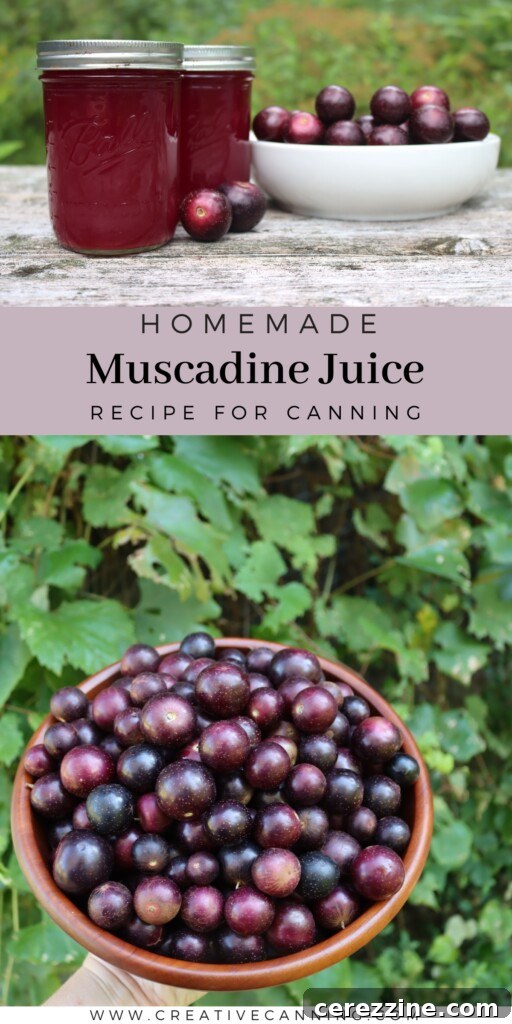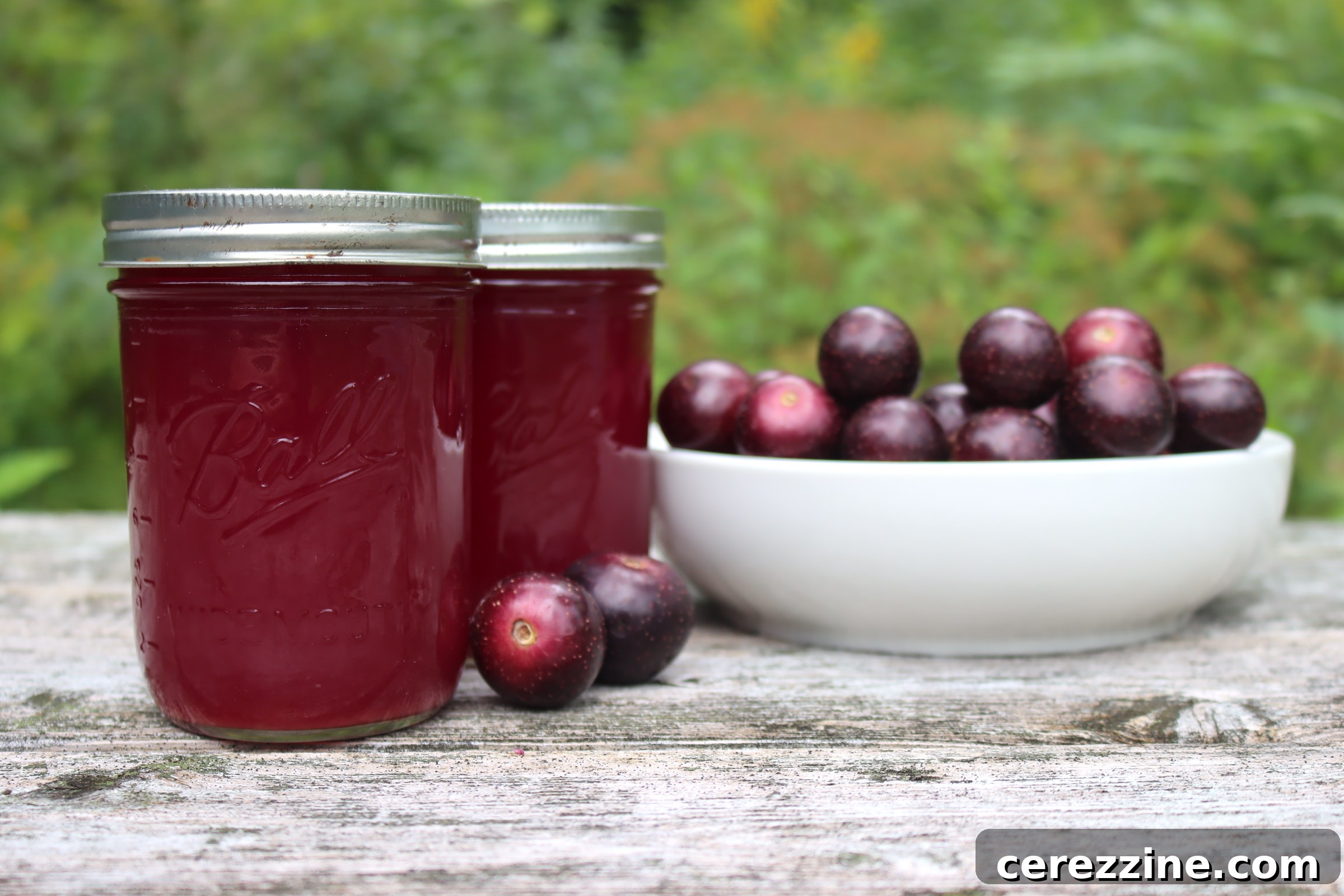
Muscadine juice is a deeply flavorful, naturally sweet beverage crafted from the distinct muscadine and scuppernong grapes. These thick-skinned, robust grapes are indigenous to the sun-drenched southeastern United States and are celebrated for their rich taste, impressive antioxidant content, and natural pectin.
While their intense flavor might be a bit much for some when eaten fresh, muscadines transform into an extraordinary juice. This versatile juice can be savored on its own, serve as the perfect base for homemade muscadine jelly, or even be fermented into a delightful muscadine wine. Preparing this vibrant juice at home is a rewarding experience, allowing you to capture the essence of grape season all year long.
What Are Muscadine Grapes? A Southern Delicacy
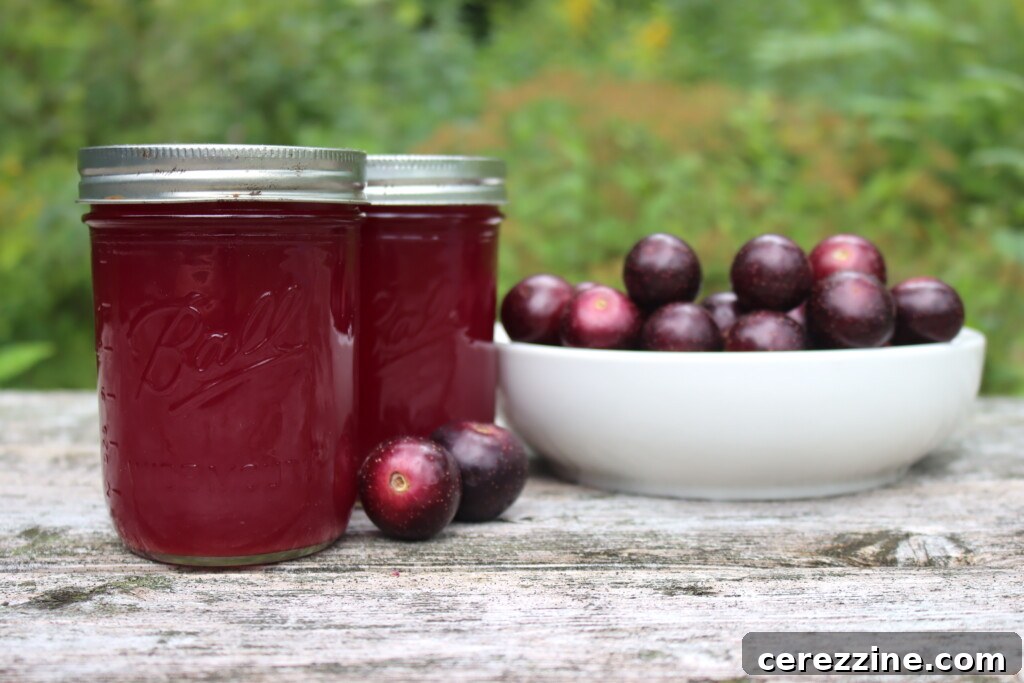
Muscadines, scientifically known as Vitis rotundifolia, are a unique species of grape native to the American South. Unlike their thinner-skinned European counterparts, muscadines thrive in hot, humid climates and are characterized by their sturdy skins, prominent seeds, and intense, aromatic flavor. These grapes come in various hues, from the deep purple or black muscadines to the golden-green scuppernongs, which are a specific variety of muscadine. Despite their color differences, both varieties yield equally delicious juice.
Growing wild throughout the southeastern U.S. and extensively cultivated in vineyards and backyards, muscadine grapes are a cherished regional fruit. Their robust nature and rich flavor profile make them ideal for culinary applications beyond fresh eating, especially for juice, jellies, and wines. If you’re fortunate enough to have access to these incredible grapes, preserving them as juice is one of the easiest and most satisfying ways to enjoy their bounty.
The Unique Flavor Profile of Muscadine Juice
Muscadine juice offers a distinctive taste that sets it apart from traditional grape juices. It’s often described as bold, intensely fruity, and earthy, with notes of honey and a subtle tang. The thick skins of muscadine grapes contribute significantly to this complex flavor and aroma, releasing powerful compounds during the juicing process. Scuppernong juice tends to be a bit milder and sweeter, with a lighter, almost honeyed finish. This natural sweetness means that often, no added sugar is needed, allowing the pure, unadulterated essence of the grape to shine through. Its rich color, ranging from a deep ruby to a translucent gold, is as appealing as its taste.
Why Make Homemade Muscadine Juice? Benefits & Satisfaction
Making muscadine juice at home is more than just a culinary task; it’s a tradition that connects you to the rich agricultural heritage of the South. Beyond the joy of creating something delicious from scratch, there are several compelling reasons to embrace homemade muscadine juice:
- Unbeatable Freshness and Flavor: Store-bought juices often contain additives or are made from concentrates. Homemade juice guarantees the freshest, most vibrant flavor, capturing the peak ripeness of the grapes.
- Control Over Ingredients: You decide what goes into your juice. No artificial sweeteners, preservatives, or colors. You can choose to leave it unsweetened for a healthier option or add natural sweeteners to your liking.
- Cost-Effective Preservation: If you have an abundant harvest from your own vines or a local source, juicing and canning are incredibly economical ways to preserve large quantities of fruit, preventing waste and ensuring a supply throughout the year.
- Health Benefits: Muscadines are a powerhouse of antioxidants, particularly resveratrol, ellagic acid, and anthocyanins (in dark varieties). Making fresh juice allows you to retain these beneficial compounds.
- Versatility in the Kitchen: Homemade muscadine juice isn’t just for drinking. It’s an incredible ingredient for a myriad of recipes, from gourmet sauces to refreshing cocktails, expanding your culinary repertoire.
The Abundant Health Benefits of Muscadine Grapes
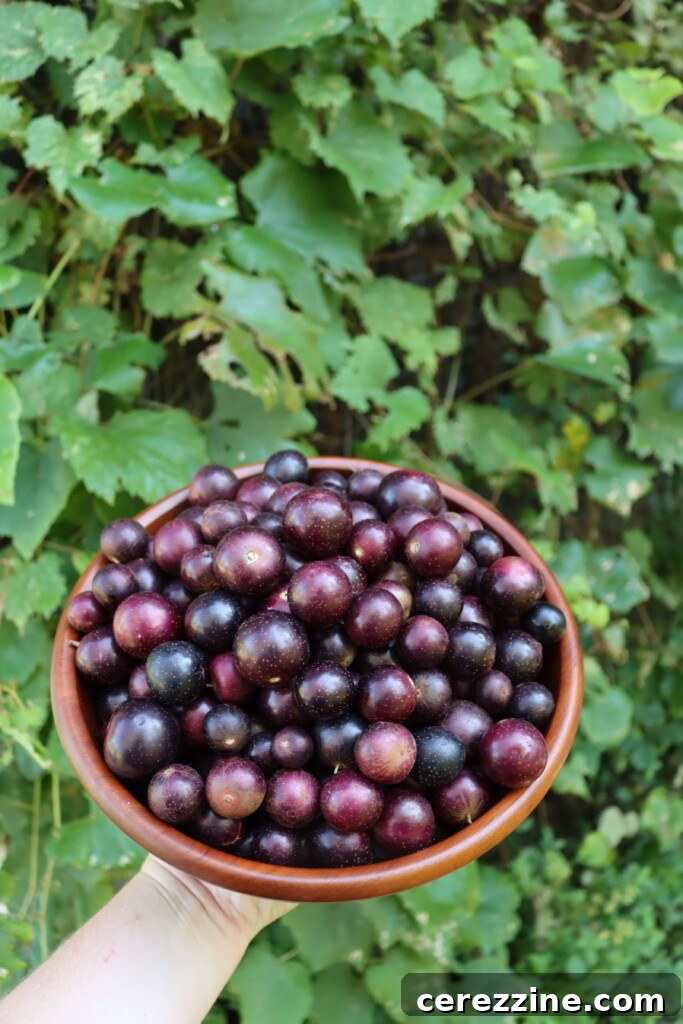
Often hailed as a “superfruit,” muscadine grapes are packed with an impressive array of nutrients and beneficial compounds. They are particularly rich in antioxidants, which combat free radicals in the body and contribute to overall well-being. Key health benefits include:
- High Antioxidant Content: Muscadines contain powerful antioxidants like resveratrol and ellagic acid, compounds also found in red wine. These are known for their anti-inflammatory properties and potential roles in heart health.
- Rich in Polyphenols: These plant compounds have been linked to improved cardiovascular health and may help reduce the risk of certain chronic diseases.
- Vitamins and Minerals: Muscadines provide a good source of Vitamin C, dietary fiber, and essential minerals like potassium and manganese.
- Supports Immune Function: The vitamins and antioxidants present in muscadines can help bolster the immune system, protecting the body from illness.
- Natural Pectin: The high pectin content in muscadines is not only beneficial for making jellies but also aids in digestive health.
Enjoying muscadine juice is a delicious way to incorporate these health-boosting properties into your diet.
Choosing and Preparing Your Muscadine Grapes
The key to exceptional muscadine juice begins with selecting the finest grapes. Look for fruit that is plump, firm but slightly yielding, and highly aromatic. Avoid any grapes that appear shriveled, moldy, or bruised. Whether you choose dark purple muscadines or golden-green scuppernongs, the preparation process remains the same.
For one quart of finished muscadine juice, you’ll typically need approximately 3 to 4 pounds of fresh grapes. If you’re planning a larger batch for canning, aim for 20 to 28 pounds of fruit to yield a full canner load of 7 quarts. Remember, muscadines are naturally sweet, so added sugar is often optional, depending on your preference and the ripeness of the grapes. If you desire a sweeter juice, a general guideline is to add about ¼ to ½ cup of sugar per quart, which can be stirred in after the juice is extracted and gently heated.
Before juicing, thoroughly rinse your grapes under cool running water. Carefully inspect and remove any stems, leaves, or underripe/damaged fruit. This meticulous sorting ensures the best quality and flavor for your homemade juice.
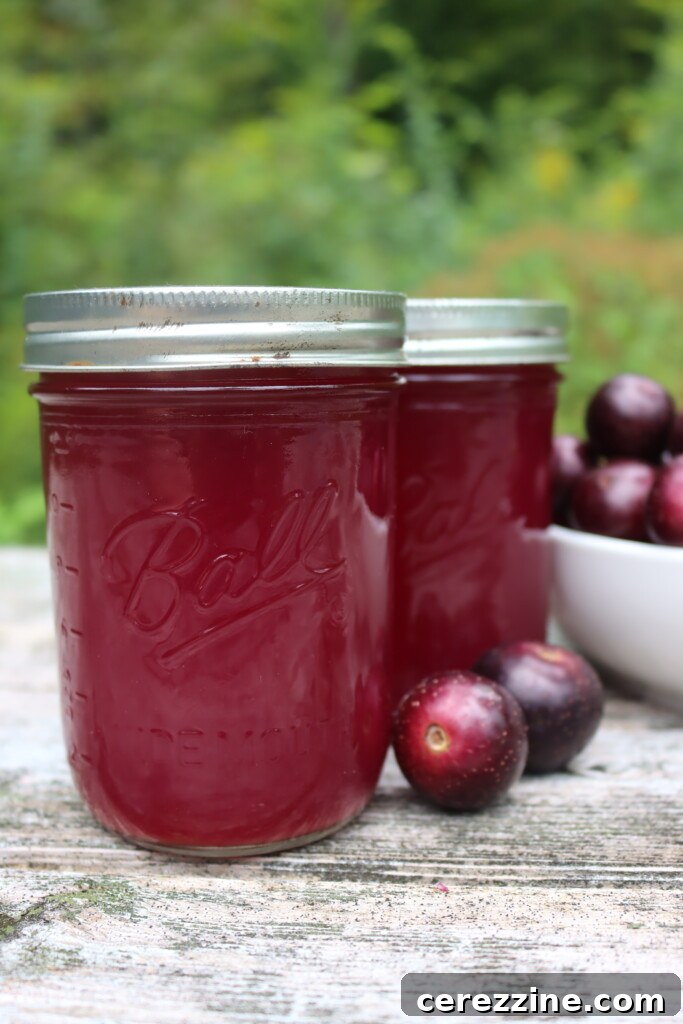
How to Make Muscadine Juice: Step-by-Step Methods
Crafting delicious muscadine juice at home is a straightforward process, achievable with either a specialized steam juicer or a simple stovetop method. Both approaches are effective and produce a naturally flavorful juice without the need for added preservatives.
1. Steam Juicer Method: For Effortless, Clear Juice
The steam juicer method is ideal for those seeking a hands-off approach to produce clear, vibrant juice with minimal effort. This equipment uses steam to gently extract juice, leaving seeds and skins behind.
- Prepare Grapes: Wash and sort your muscadine or scuppernong grapes, removing all stems and discarding any imperfect fruit.
- Assemble Juicer: Fill the bottom chamber of your steam juicer with water according to the manufacturer’s instructions. Place the grapes into the perforated top basket.
- Steam and Collect: Bring the water to a boil, creating steam that rises and extracts juice from the fruit. As the juice collects in the middle chamber, you can periodically drain it through the spigot into clean jars or heat-proof containers. Continue until most of the juice has been extracted, typically 60-90 minutes.
- Ready for Use or Canning: The hot juice collected this way is ready to be sweetened (if desired), served fresh, or canned immediately for long-term storage.
2. Stovetop Method: A Traditional Approach
If you don’t own a steam juicer, the stovetop method is an equally effective and accessible way to make muscadine juice. This method involves simmering the grapes to release their liquid, then straining.
- Prepare Grapes: Rinse and sort your grapes thoroughly, discarding stems and any undesirable fruit.
- Combine in Pot: Place the clean grapes into a large, heavy-bottomed stockpot. Add just enough water to prevent scorching at the bottom – about 1 cup of water for every 4 pounds of grapes is a good starting point.
- Gently Crush: Using a potato masher or a sturdy spoon, gently crush the grapes. This helps to break the skins and initiate the release of juice. Avoid mashing too aggressively, as this can break seeds and introduce bitterness.
- Simmer: Bring the mixture to a gentle boil, then reduce the heat to a simmer. Cook for about 10 to 15 minutes, stirring frequently, until the grape skins have softened and burst, and a significant amount of juice has been released.
- Strain the Juice: Place a fine-mesh strainer or a jelly bag over a large bowl or pot. Carefully pour the grape mixture into the strainer/jelly bag. Allow the juice to drain naturally. For the clearest juice, resist the urge to press or squeeze the solids, as this can push pulp and sediment through, resulting in a cloudy juice. Let it drain for several hours or even overnight.
- Ready for Use or Canning: Once strained, the juice is ready to be sweetened, enjoyed fresh, or prepared for canning.
Sweetening and Customizing Your Muscadine Juice
Muscadine grapes are naturally sweet, and many people prefer their juice unsweetened to fully appreciate its robust, authentic flavor. However, if you have a sweeter palate or if your grapes are particularly tart, you can easily sweeten the juice to your preference.
After the juice has been extracted, taste a small amount. If you decide to sweeten it, gently heat the juice in a saucepan over medium heat. Stir in ¼ to ½ cup of sugar per quart of juice, adjusting to your desired sweetness. Continue stirring until the sugar is completely dissolved. Do not bring the sweetened juice to a full boil; simply heat it enough to dissolve the sugar, aiming for about 190°F (88°C).
Beyond sugar, you can also customize your muscadine juice with other natural flavors. A squeeze of lemon or lime juice can brighten the flavor and add a touch of acidity. A cinnamon stick, a few cloves, or a slice of ginger can be added during the simmering phase (for the stovetop method) or infused into the hot juice (after extraction) for a spiced variation.
Canning Muscadine Juice for Long-Term Storage
Canning muscadine juice is an excellent way to preserve the bounty of the harvest, ensuring you have this delicious and nutritious beverage available all year round. Once properly processed in jars, muscadine juice becomes shelf-stable for up to 18 months, ready whenever you crave a taste of summer.
Here are the steps for safe water bath canning:
- Prepare Your Canner and Jars: Ensure your water bath canner is ready. If your processing time is less than 10 minutes (which is not the case for juice), you would sterilize your jars. For juice, simply wash jars in hot, soapy water and keep them hot until filling. Heat canning lids in simmering water (not boiling) according to manufacturer directions.
- Heat the Juice: If you’ve just extracted the juice, ensure it is hot (at least 180°F or 82°C). If you’re canning previously chilled juice, reheat it gently to a simmer before filling jars.
- Fill Jars: Ladle the hot muscadine juice into hot, clean canning jars, leaving precisely ½ inch of headspace at the top. This headspace is crucial for proper sealing and food safety.
- Clean Rims and Apply Lids: Wipe the rims of the jars thoroughly with a clean, damp cloth to remove any juice residue. This ensures a proper seal. Center the warm lids on the jars and apply the screw bands, tightening them “finger-tight” – just until resistance is met.
- Process in Water Bath: Carefully place the filled jars into the prepared boiling water bath canner, ensuring they are fully submerged by at least 1 inch of water. Bring the water to a rolling boil.
- Processing Time: Once the water reaches a full boil, begin your timer. Process pint or quart jars for 10 minutes at elevations up to 6,000 feet. If you are above 6,000 feet in elevation, increase the processing time to 15 minutes.
- Cool and Check Seals: After the processing time is complete, turn off the heat and carefully remove the canner lid. Let the jars sit in the hot water for 5 minutes before carefully removing them with a jar lifter. Place the hot jars on a wire rack or a towel-lined counter, leaving space between them to cool undisturbed for 12 to 24 hours. Do not retighten screw bands during cooling.
- Store: After cooling, check the seals. Lids should be concave and not flex when pressed. Remove screw bands, wipe jars clean, label with content and date, and store in a cool, dark, dry pantry. Properly sealed jars will last for 12-18 months.
Beyond the Glass: Creative Ways to Enjoy Muscadine Juice
Homemade muscadine juice is incredibly versatile and can be enjoyed in countless ways, far beyond just drinking it chilled straight from the jar. Its rich, unique flavor makes it an excellent ingredient for both sweet and savory applications:
- Refreshing Beverages: Serve it chilled, dilute with sparkling water for a lighter spritzer, or mix with lemonade or iced tea for a unique twist.
- Cocktails and Mocktails: Muscadine juice makes a fantastic mixer. Use it in place of other grape juices in classic cocktails, or create signature muscadine-infused drinks. For non-alcoholic options, it’s a delightful base for vibrant mocktails and shrub drinks.
- Jellies, Jams, and Syrups: The natural pectin in muscadines makes them perfect for preserves. Turn your juice into luscious muscadine jelly or a rich syrup to drizzle over pancakes, waffles, or ice cream.
- Desserts: Incorporate muscadine juice into homemade popsicles, sorbets, custards, or even as a glaze for cakes and pastries.
- Savory Applications: Don’t limit it to sweets! Muscadine juice can add depth and a touch of fruity sweetness to savory dishes. Use it as a base for marinades for pork or poultry, simmer it into a pan sauce, or create a reduction to serve alongside roasted meats.
- Fruit Punches and Blends: Combine muscadine juice with other fruit juices like apple, cranberry, or orange to create custom juice blends and punches for gatherings.
★
★
★
★
8 servings, 2 pints or 1 quart
Homemade Muscadine Juice
20
10
30
Equipment
-
Water Bath Canner
-
Jelly Strainer with Bag
-
Steam Juicer
Ingredients
- 3 to 4 lbs muscadine or scuppernong grapes, per quart of juice
- Optional: ¼ to ½ cup sugar per quart of juice, to taste
Instructions
-
Prepare the grapes: Rinse the grapes thoroughly under cool water and discard any underripe, spoiled, or damaged fruit. Carefully remove all stems.
Extract the juice (choose one method):
-
Steam juicer method: Place the prepared grapes into the top basket of a steam juicer. Add water to the base of the juicer and heat according to the manufacturer’s instructions. Collect the hot juice as it flows from the center spout, continuing until the desired amount of juice has been extracted.
-
Stovetop method: Place the prepared grapes into a large stockpot. Add 1 cup of water for every 4 pounds of fruit to prevent scorching. Gently crush the grapes using a potato masher to help release the juice. Bring the mixture to a gentle simmer. Cook for 10 to 15 minutes, stirring frequently, until the grapes are soft and have released their juice. Strain the mixture through a fine-mesh strainer or a jelly bag, allowing it to drain naturally without pressing or squeezing the solids to avoid cloudy juice.
-
Sweeten (optional): Taste the extracted juice. If a sweeter juice is desired, stir in ¼ to ½ cup of sugar per quart of juice, or to your personal taste. Gently heat the juice (without boiling) to about 190°F (88°C) to ensure the sugar fully dissolves.
Canning Muscadine Juice
-
Prepare jars and canner: Wash canning jars in hot, soapy water and keep them hot until filling. Heat canning lids in simmering water (not boiling) as per manufacturer’s instructions. Prepare your boiling water bath canner.
-
Fill jars: Carefully ladle the hot juice into the hot prepared jars, ensuring to leave exactly ½ inch of headspace at the top. Wipe the jar rims clean with a damp cloth, apply the warm two-piece lids, and tighten finger-tight.
-
Process in a boiling water bath canner: Place the filled jars into the boiling water bath canner, ensuring they are covered by at least 1 inch of water. Bring the water to a rolling boil and process pint or quart jars for 10 minutes. For elevations above 6,000 feet, process for 15 minutes. Start timing only after the water has returned to a full boil.
-
Cool and store: Once processing is complete, turn off the heat and carefully remove the canner lid. Let the jars stand in the hot water for 5 minutes before carefully removing them. Place jars on a towel-lined counter or wire rack to cool undisturbed for 12 to 24 hours. After cooling, check seals (lids should be concave). Store properly sealed jars in a cool, dark pantry for up to 18 months.
Notes
You will typically need about 3 to 4 pounds of muscadine or scuppernong grapes to produce 1 quart of juice. A larger batch using 10 to 12 pounds of grapes generally yields 3 to 4 quarts of juice, though this can fluctuate based on grape ripeness and your chosen juicing method.
Nutrition
Serving: 0.5cup
Calories: 76kcal
Carbohydrates: 19g
Protein: 0.5g
Fat: 0.2g
Saturated Fat: 0.03g
Polyunsaturated Fat: 0.03g
Monounsaturated Fat: 0.004g
Sodium: 6mg
Potassium: 132mg
Fiber: 0.3g
Sugar: 18g
Vitamin A: 10IU
Vitamin C: 0.1mg
Calcium: 14mg
Iron: 0.3mg
Nutrition information is automatically calculated and should be used as an approximation.
Troubleshooting Common Muscadine Juice Issues
While making muscadine juice is generally simple, you might encounter a few common questions or issues. Here are some tips:
- Cloudy Juice: If your juice appears cloudy, it’s often due to pressing the solids too hard during the stovetop straining method. To achieve clearer juice, let it drip naturally through a jelly bag without squeezing. A cloudy appearance doesn’t affect flavor or safety, just aesthetics.
- Sediment in Jars: After canning and storage, some natural sediment might settle at the bottom of your jars. This is perfectly normal and safe to consume; it’s simply fine fruit particles.
- Too Tart/Too Sweet: The sweetness of muscadines can vary. If your juice is too tart, you can sweeten it after extraction (as described above). If it’s too sweet, you can dilute it with water or sparkling water, or balance it with a squeeze of lemon juice.
Conclusion: Savor the Southern Flavor
Homemade muscadine juice is a true taste of the South – rich, vibrant, and bursting with natural goodness. Whether you opt for the efficiency of a steam juicer or the traditional charm of the stovetop method, the process is rewarding, culminating in a delicious and healthy beverage. By canning your muscadine juice, you extend the enjoyment of these unique grapes throughout the year, ready to be sipped on its own or transformed into an array of culinary delights. Embrace the simple pleasure of preserving and let the distinctive flavor of muscadine juice bring a touch of Southern charm to your table.