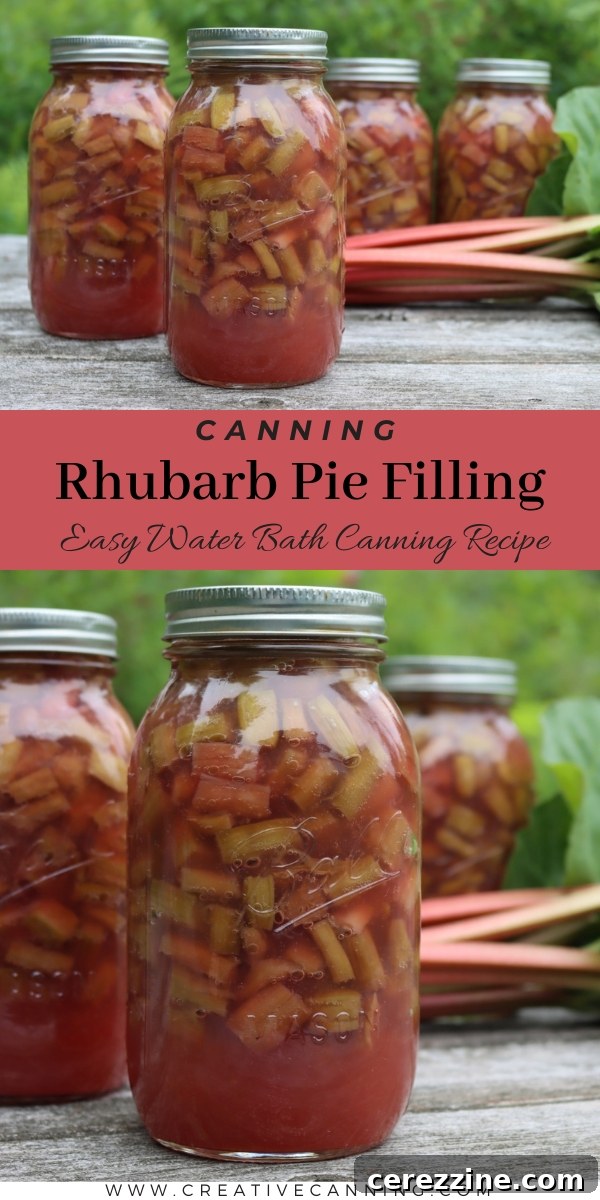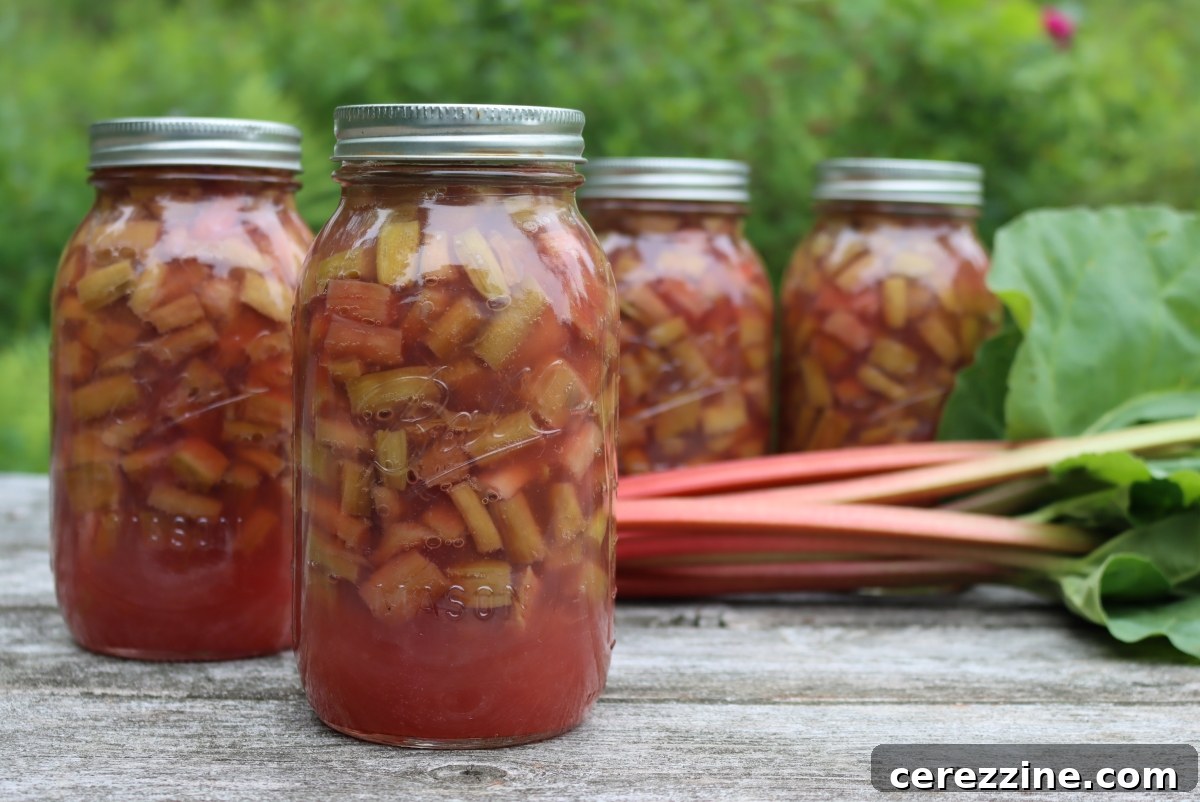
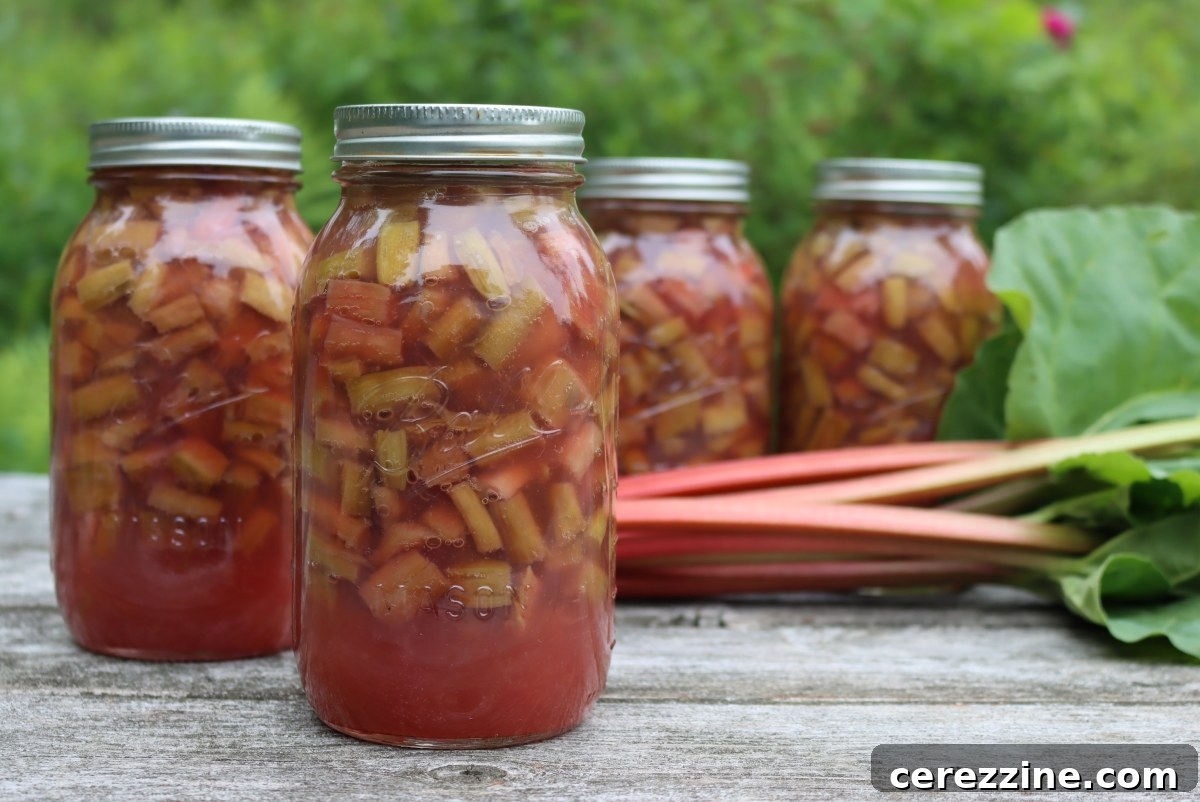
Preserving the bounty of summer and early fall is a rewarding culinary art, and canning rhubarb pie filling stands out as an incredibly creative and convenient way to extend the joy of this unique vegetable. Imagine having ready-to-use, perfectly flavored pie filling waiting in your pantry – simply pour it into a crust, bake, and enjoy. This guide will walk you through the essential steps to create delicious, pre-thickened rhubarb pie filling, ensuring your efforts result in jars of homemade goodness, ready for a quick dessert anytime.
Embracing the Versatility of Rhubarb: A Gardener’s Delight
Often mistaken for a fruit due to its culinary applications, rhubarb is, botanically speaking, a vegetable. Its distinct tart and sometimes sour flavor profile, reminiscent of crisp green apples, makes it a highly prized ingredient, especially when paired with sweet elements. This vibrant perennial is one of the first crops to emerge in spring, offering a refreshing burst of flavor that signals the end of winter.
Rhubarb stalks boast a spectrum of colors, from a subtle green to a stunning, bold pink. While often believed to indicate sweetness or ripeness, the color of rhubarb mainly depends on the variety and growing conditions, not necessarily its flavor intensity. This beautiful hue effortlessly translates into a wide array of culinary creations, from luscious sauces and vibrant syrups to classic preserves and even savory dishes.
Beyond the Pie: Maximizing Your Rhubarb Harvest
If your garden produces an abundant harvest of rhubarb, you’re in luck! There are numerous ways to preserve this versatile vegetable to enjoy its unique taste year-round. Beyond the popular pie filling, consider making rhubarb juice concentrate, which can be delightful when mixed with seltzer for a refreshing drink or used as a mixer in various cocktails. For long-term storage, chopped rhubarb can be frozen or canned during its peak season, before the stalks become tough and stringy.
For those interested in fermented beverages, rhubarb also shines in the creation of rhubarb wine and rhubarb mead, both celebrated for their beautiful golden-pink shades and complex flavors. Of course, classic rhubarb preparations include delectable rhubarb jam and jelly. However, for sheer convenience and a taste of homemade comfort, ready-to-bake rhubarb pie filling reigns supreme. Simply open a jar from your pantry, combine it with your favorite pie crust, and you’re just moments away from a delightful rhubarb pie.
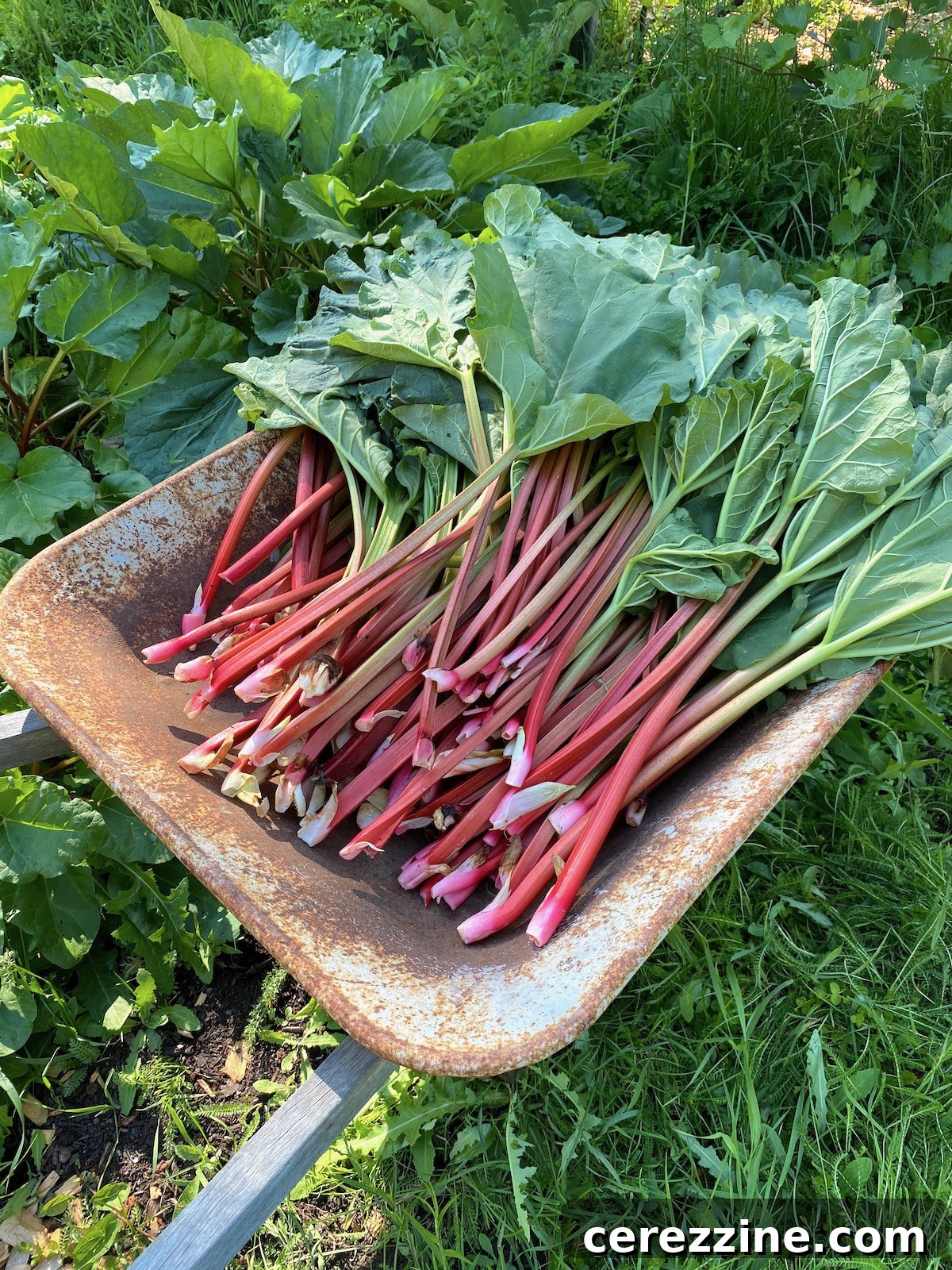
When faced with a wheelbarrow load of fresh rhubarb, as many enthusiastic gardeners often are, traditional freezing methods may not be sufficient due to limited freezer space. This is precisely where water bath canning rhubarb pie filling becomes an invaluable solution, allowing you to efficiently preserve large quantities of your harvest without compromising quality or flavor.
Essential Ingredients for Canning Rhubarb Pie Filling
For the finest pie filling, prioritize rhubarb harvested early in the season. These stalks are typically more tender and less fibrous compared to late-season rhubarb, which can become stringy and tough, impacting the texture of your finished product. Careful selection of ingredients is key to canning success and safety.
Here are the precise measurements for both a single quart jar and a full 7-quart canner batch of delicious rhubarb pie filling:
For a Single Quart Jar of Rhubarb Pie Filling:
- 3 ½ cups of rhubarb, thoroughly washed and chopped
- 1 cup granulated sugar
- ¼ cup Cook-Type Clear Jel
- ¾ cup cold water (or rhubarb juice for enhanced flavor)
- ¼ cup bottled lemon juice
For a Full 7-Quart Canner Batch:
- 6 quarts of rhubarb, thoroughly washed and chopped
- 7 cups granulated sugar
- 1 ¾ cups Cook-Type Clear Jel
- 5 ¼ cups cold water (or rhubarb juice)
- 1 ¾ cups bottled lemon juice
A Critical Note on Thickening Agents: It is imperative to use only Cook-Type Clear Jel for this recipe. This specific type of Clear Jel is activated by heat and is designed to maintain its thickening power through the canning process and subsequent baking. Instant Clear Jel, cornstarch, flour, or other starch-based thickeners are NOT suitable substitutes for canning pie fillings, as they can break down under the prolonged heat of water bath canning, leading to a thin, watery product and potentially unsafe conditions. Cook-Type Clear Jel is typically sold by the pound; one pound is approximately 3 cups.
The Importance of Bottled Lemon Juice: This recipe explicitly calls for bottled lemon juice, not fresh. While fresh lemon juice might seem like a natural choice, its acidity can vary significantly, making it unreliable for ensuring the precise pH levels required for safe home canning. Bottled lemon juice, on the other hand, provides a standardized and consistent acidity, which is crucial for preventing the growth of harmful bacteria. Always adhere to the use of bottled lemon juice to guarantee canning safety.
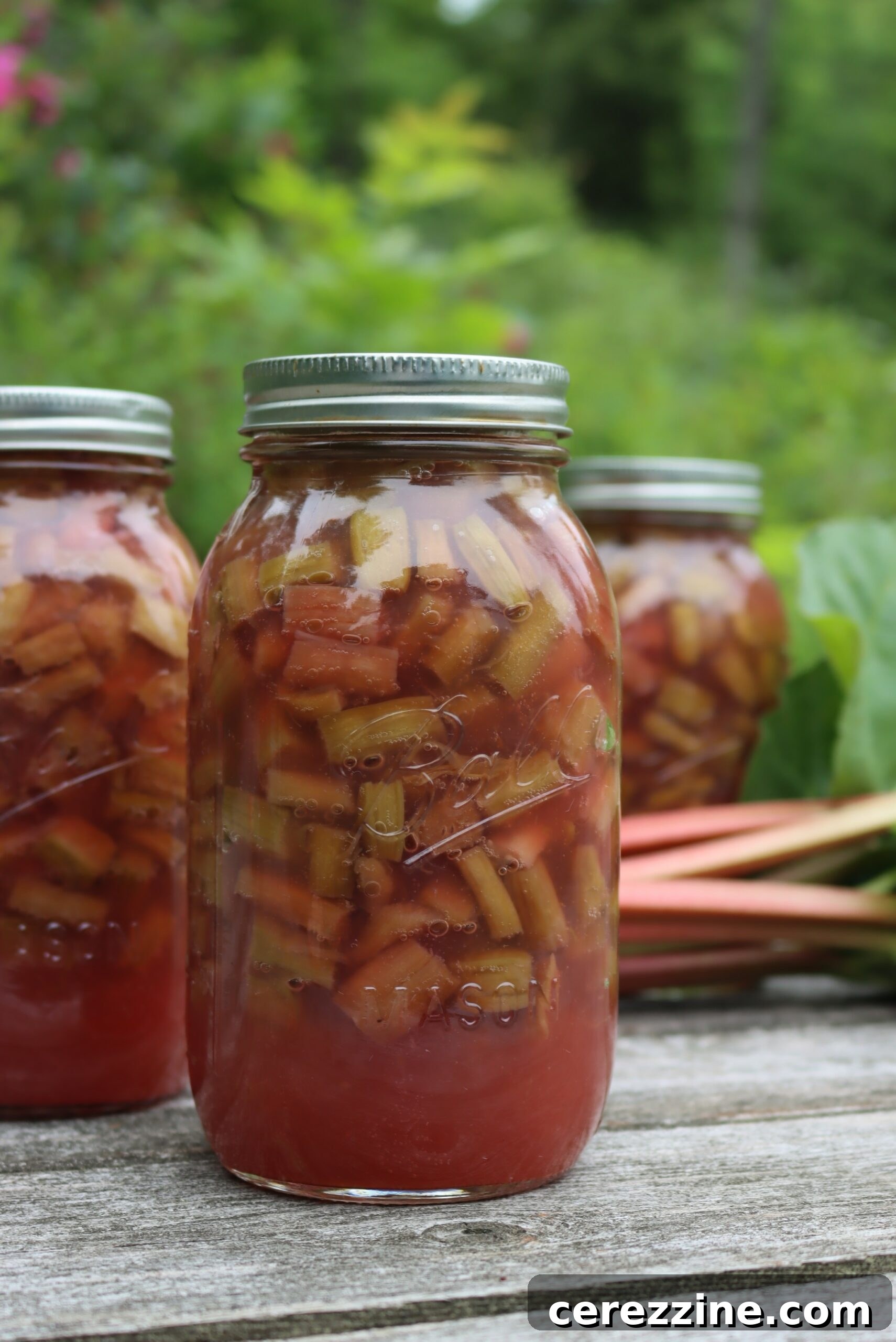
Customizing Your Canning Rhubarb Pie Filling Recipe
This rhubarb pie filling recipe is a tested and approved formula, originating from reputable sources such as the Washington State University Extension. Adhering to tested recipes is paramount in home canning to ensure product safety and quality. While some modifications are permissible, certain elements are non-negotiable for safety.
Lemon Juice: The amount of bottled lemon juice in this recipe cannot be reduced. Its role is critical for ensuring the proper acidity for safe water bath canning. You may, however, add a small amount more if you desire an extra tart pie filling, but be mindful that rhubarb is inherently quite tart, so additional lemon might make it excessively sour for some palates.
Thickener (Clear Jel): You can reduce the total amount of Cook-Type Clear Jel if you prefer a less thick pie filling. However, you must not increase it beyond the specified quantity, nor should you substitute it with any other thickener. Cook-type Clear Jel remains the sole approved starch for safely canning pie fillings, as it is the only one designed to withstand the high temperatures of the canning process without losing its thickening properties.
Sugar: The sugar content is one of the most flexible aspects of this recipe. You can increase or decrease the amount to suit your personal taste preferences. Additionally, you may experiment with alternative sweeteners such as honey or maple syrup. Be aware that using less sugar or a liquid sugar substitute might affect the final set of the filling, making it slightly less firm, but it will not compromise the canning safety of the product.
Spices and Extracts: This is where you can truly personalize your rhubarb pie filling. Spices such as ginger, nutmeg, or cinnamon complement rhubarb beautifully. Other popular additions include vanilla extract, allspice, cardamom, or cloves. Feel free to experiment with combinations to create a signature flavor, as these additions do not impact canning safety.
Step-by-Step Guide: How to Can Rhubarb Pie Filling
Embarking on your canning journey requires careful preparation. Before you begin cooking, ensure your canning jars, lids, and water bath canner are properly prepared. If you are new to the world of home canning, it’s highly recommended to consult a comprehensive beginner’s guide to water bath canning to familiarize yourself with all safety protocols and best practices.
1. Prepare the Rhubarb: Start by thoroughly washing your rhubarb stalks under cold running water. While optional, some prefer to peel rhubarb, especially for older or late-season stalks, which can be tough and stringy, or if you desire an exceptionally smooth pie filling. Regardless of peeling, always remove and discard all leaves, as they are toxic. Trim off the very tops and bottoms of the stalks, along with any bruised sections. Once cleaned, chop the rhubarb into uniform pieces, approximately ½ to 1 inch in length.
Optional Color Preservation: To help maintain the vibrant color of your rhubarb and prevent browning, you can soak the chopped pieces in a solution of 1 teaspoon ascorbic acid crystals (or six 500 mg vitamin C tablets, crushed) per 1 gallon of water. This step is purely cosmetic and does not affect canning safety.
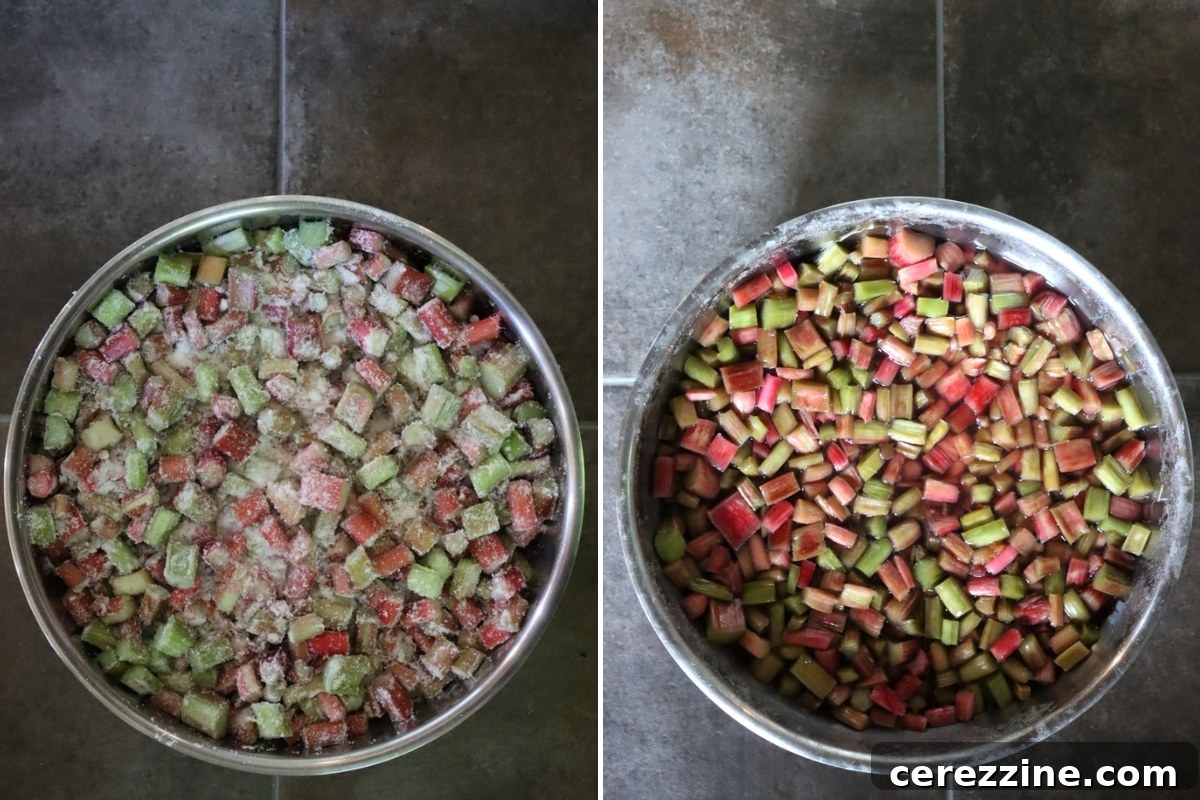
2. Macerate the Rhubarb: Unlike many fruits that are blanched before canning into pie filling, rhubarb benefits from a maceration step. In a large bowl, combine the chopped rhubarb with the granulated sugar. Stir gently to coat the rhubarb evenly. Allow this mixture to sit for at least an hour at room temperature, or ideally, refrigerate it overnight. During this time, the sugar will draw out the natural juices from the rhubarb, creating a delicious, natural syrup.
3. Prepare the Clear Jel Mixture: In a separate bowl, whisk the measured Cook-Type Clear Jel into the cold water (or juice) specified in your recipe. This step is critically important: ensure the liquid is cold or at room temperature. Adding Clear Jel to hot or even warm liquid will cause it to clump instantly and irrevocably. Whisk thoroughly until the Clear Jel is completely dissolved and there are no lumps.
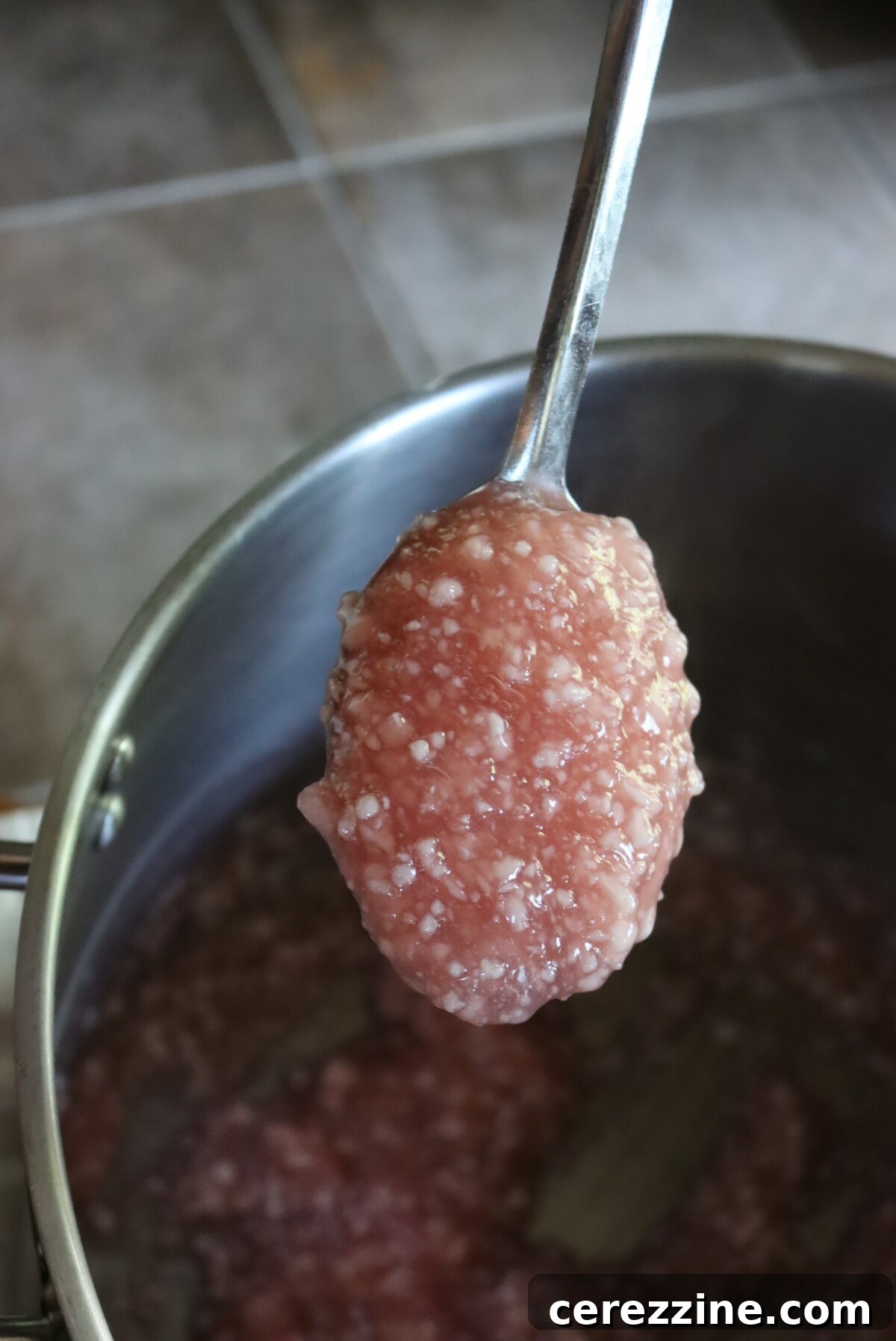
4. Cook the Filling: Transfer the macerated rhubarb and its released juices to a large stockpot. Heat the mixture over medium heat, stirring occasionally, until it reaches a gentle simmer and the rhubarb is warmed through. Once simmering, gradually whisk in the dissolved Clear Jel and water mixture. Increase the heat to medium-high and stir continuously as the filling heats and begins to thicken. Continue stirring until the mixture comes to a full boil. At this point, add the bottled lemon juice and boil for a full minute, stirring constantly to prevent sticking and ensure even thickening.
5. Fill and Seal Jars: After boiling for one minute, remove the pot from the heat. Carefully ladle the hot rhubarb pie filling into your prepared, hot canning jars, leaving precisely 1 inch of headspace. Since the filling will be thick, use a non-metallic utensil (like a plastic de-bubbler or chopstick) to gently remove any trapped air bubbles. Ensure the 1-inch headspace is maintained after de-bubbling. Wipe the rims of the jars thoroughly with a clean, damp cloth to remove any residue that could interfere with a proper seal. Center the two-piece canning lids on the jars and apply the bands, tightening them “fingertip tight” – just enough to feel resistance.
6. Process in a Water Bath Canner: Carefully place the filled and sealed jars into your preheated water bath canner, ensuring they are fully submerged in water by at least 1 inch. Bring the water to a rolling boil. Once boiling, begin your processing time. Process for 30 minutes, adjusting the time as necessary for your altitude.
7. Cooling and Sealing: After the processing time is complete, turn off the heat on your water bath canner. Leave the jars undisturbed in the canner for an additional 10 minutes. This crucial resting period helps to gradually equalize the pressure inside and outside the jars, significantly reducing the chances of siphoning (liquid loss from the jars). After 10 minutes, carefully remove the jars using a jar lifter and place them on a towel-covered surface, away from drafts, to cool completely for 12 to 24 hours. The towel acts as a buffer, preventing thermal shock that could crack the hot jars.
8. Check Seals and Store: Once the jars are completely cool, check the seals. A properly sealed lid will be concave (curved inwards) and will not flex when pressed. Remove the bands (they can trap moisture and harbor rust) and wipe down the jars. Any jars that did not seal properly should be stored in the refrigerator and used within a few weeks. Properly sealed and stored rhubarb pie filling will maintain its peak quality for up to 12 months in a cool, dark place. Refrigerate any open jars after use.
Altitude Adjustments for Canning Rhubarb Pie Filling
Canning times must be adjusted for higher altitudes to compensate for the lower boiling point of water. Refer to the following chart:
- 0 to 1,000 Feet in Elevation: 30 minutes
- 1,001 to 3,000 Feet in Elevation: 35 minutes
- 3,001 to 6,000 Feet in Elevation: 40 minutes
- Above 6,000 Feet in Elevation: 45 minutes
Juice or Water for Canning Liquid? Elevating Flavor
While cold water works perfectly fine as the liquid component in your pie filling, substituting some or all of it with rhubarb juice can significantly enhance the overall flavor depth of your finished product. There are several effective methods to obtain rhubarb juice for this purpose:
Fresh Rhubarb Juice: If you have an abundance of fresh rhubarb, you can extract your own juice. A common method, often used for rhubarb jelly recipes, involves boiling chopped rhubarb in a small amount of water until tender, then straining the liquid through a jelly strainer or several layers of cheesecloth. Chill the extracted juice before using it in your pie filling recipe.
Juice from Frozen Rhubarb: When thawing frozen rhubarb for this recipe, simply place it in a colander set over a bowl. As the rhubarb thaws, it will release its juices, which can be collected and used. Measure the collected juice and supplement with cold water if needed to reach the required amount for the recipe.
Countertop Juicer: For a quick and easy method, a countertop juicer can efficiently extract fresh rhubarb juice.
Other Fruit Juices: Feel free to experiment with the juices of other fruits, such as apple or strawberry juice, to create unique flavor combinations. Strawberry juice, in particular, pairs exceptionally well with rhubarb. When substituting, aim to replace ¼ to ½ of the water with juice for a more robustly flavored pie filling. Always ensure any juice used is cold or at room temperature when mixing with Clear Jel to prevent clumping.
Troubleshooting Common Canning Issues
Canning, while rewarding, can sometimes present challenges that feel like a science experiment gone awry. If your rhubarb pie filling didn’t turn out exactly as expected, understanding common issues and their solutions will help you achieve perfect results next time.
If your pie filling turned out runny, the primary culprit is almost always the thickener. For safe and effective canning, you must use Cook-Type Clear Jel. Instant Clear Jel, cornstarch, flour, or any other starch substitute will not work, as they cannot withstand the prolonged heat of the canning process and will break down, leaving your filling thin and watery. Cook-Type Clear Jel is the only thickener specifically tested and approved for safe home canning of pie fillings, ensuring it maintains its texture even after processing and baking. If you’re confident you used the correct product and still experienced issues, it could be a rare instance of a faulty batch (though uncommon). Many home canners have found reliable success with brands like Hoosier Hill Farm.
Clear Jel is highly effective but can be particular about its preparation. It requires thorough whisking into cold liquid before any heat is applied. Attempting to mix it into hot, or even warm, juice or water will cause it to thicken instantly and form undesirable clumps. A past experience involved trying to use freshly extracted rhubarb juice that was still warm, resulting in the Clear Jel seizing into a gummy mess before it could be properly stirred. Always ensure your liquid is cool, add the Clear Jel gradually while whisking vigorously, and only then proceed to heat the mixture.
Discovering sticky residue or a noticeable loss of syrup from your jars after canning is typically due to siphoning, which occurs when internal jar pressure changes too rapidly. The most effective way to prevent this is to allow the jars to rest in the canner with the heat off and the lid removed for about 5 to 10 minutes before removing them. This gentle pause allows the internal pressure within the jars to equalize gradually with the external environment. Even if some syrup siphons out, the jars are generally still safe for storage provided the seals remain intact. Thoroughly wash any sticky jars after they have cooled completely, remove the rings, and confirm a strong seal before storing. (The image below shows a batch of apple pie filling that siphoned slightly, but was still safe to store after cleaning.)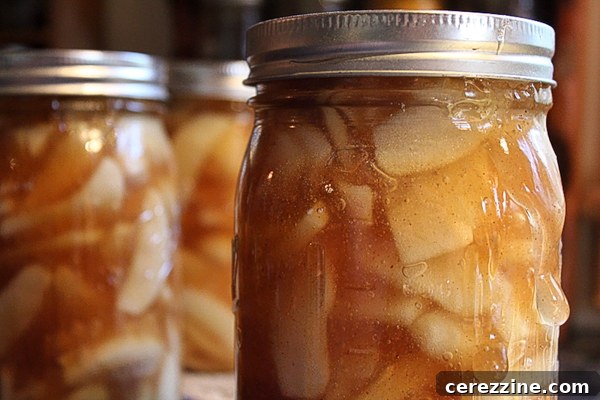
While rhubarb typically doesn’t float as prominently as some other fruits like strawberries or peaches, some separation can still occur if the filling isn’t stirred thoroughly just before ladling it into jars. Factors like an under-thickened gel or inadequately blanched (or macerated, in rhubarb’s case) fruit can also contribute. Ensure the rhubarb is properly macerated as directed—this process softens the fibers and helps release trapped air. Give the filling a good, final stir before filling each jar. If minor separation still happens, rest assured it’s primarily a cosmetic issue and does not affect the safety or taste of your preserved pie filling.
Cook-Type Clear Jel sets relatively quickly, meaning that by the time you’re filling the last few jars, the mixture might be quite thick. This can make it challenging to efficiently remove all air bubbles with a bubble remover or knife. Work as quickly as possible, and remove the bubbles you can, but don’t obsess over achieving perfect bubble-free jars. A few small, trapped air pockets do not pose a safety concern. As long as your jars have sealed correctly and the headspace is appropriate, your canned pie filling is good to go, even if it might not win a beauty contest.
Creative Ways to Use Your Home-Canned Rhubarb Pie Filling
While classic rhubarb pie remains the quintessential application for this delightful filling, its uses extend far beyond the traditional pastry shell. The tangy-sweet flavor of home-canned rhubarb pie filling makes it a versatile ingredient for a myriad of desserts and culinary creations.
Classic Pie Variations: Beyond the standard rhubarb pie, consider combining it with other beloved flavors. Strawberry rhubarb pie is a timeless favorite, but you can also explore creamy rhubarb pies, meringue-topped rhubarb pies, or rich rhubarb custard pies.
Beyond the Pie Plate: The convenience of pre-made pie filling makes it ideal for integrating into various baked goods. Swirl it into muffins, scones, or coffee cakes for a burst of flavor. It can be layered with cake mix for an easy rhubarb dump cake, or used as the star of a sweet rhubarb upside-down cake.
Handheld Treats: Transform your pie filling into convenient, grab-and-go desserts like strawberry rhubarb pie bars, perfect for picnics or lunchboxes.
Simple Desserts: For a quick and refreshing dessert, simply spoon the rhubarb pie filling over pound cake, vanilla ice cream, or even a dollop of fresh whipped cream. It serves as an excellent alternative to stewed rhubarb, offering a ready-to-serve option.
Fruit Combinations: Don’t limit yourself to strawberries! Rhubarb pairs wonderfully with a variety of fruits. Experiment with combinations like rhubarb and apples, raspberries, or other mixed berries in pies, crumbles, crisps, or even fruit tarts. The tartness of rhubarb beautifully complements the sweetness of other fruits, creating complex and balanced flavors.
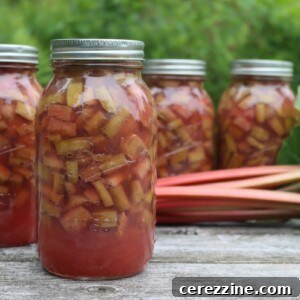
Canning Rhubarb Pie Filling
Rate
Equipment
-
Water Bath Canner
Ingredients
For a Single Quart:
- 3 ½ cups rhubarb, washed and chopped
- 1 cup sugar
- ¼ cup Clear Jel
- ¾ cup cold water, or juice
- ¼ cup bottled lemon juice
For a 7 Quart Canner Batch:
- 6 Quart rhubarb, washed and chopped
- 7 cups sugar
- 1 ¾ cup Clear Jel
- 5 ¼ cups cold water, or juice
- 1 ¾ cup bottled lemon juice
Instructions
-
Prepare canning jars, lids, and heat a water bath canner.
-
Wash rhubarb and peel if desired. Remove the tops and bottoms of the stalks and discard any leaves. Chop rhubarb stalks into ½ inch to 1 inch pieces.
-
Mix the rhubarb and sugar and allow it to macerate for at least an hour (or overnight) to release its juices.
-
Whisk the clear gel into the measured cold water (or juice) called for in the recipe. Make sure it’s completely dissolved, then set aside.
-
Add the macerated rhubarb to a large stock pot and bring to a gentle simmer.
-
Next, add in the dissolved clear gel and water mixture and cook until thickened.
-
When the mixture has thickened and begun bubbling, add the lemon juice and boil for one minute more.
-
Remove from heat and quickly ladle in prepared canning jars, leaving 1 inch headspace. Be sure to de-bubble the thick liquid as well.
-
Wipe rims to ensure a tight seal and apply 2-part canning lids, twisting until fingertight. Process in a water bath canner for 30 minutes, increasing time as needed for altitude.
-
After the processing time is complete, turn off the water bath canner and allow jars to rest for another 10 minutes to reduce the chances of siphoning.
-
Remove with the aid of a jar lifter and place atop a towel-covered surface to cool. Check seals after 12 to 24 hours. Any unsealed pie fillings should be moved to the refrigerator to be used first.
-
Store properly sealed jars in a cool dark location. Refrigerate after opening. Jars of rhubarb pie filling will maintain peak quality for 12 months when properly canned and stored.
Notes
If new to home-canning, be sure to read this beginner’s guide to water bath canning beforehand.
Processing times for pints and quarts are as follows:
- 0 to 1,000 Feet in Elevation: 30 minutes
- 1,001 to 3,000 Feet in Elevation: 35 minutes
- 3,001 to 6,000 Feet in Elevation: 40 minutes
- Above 6,000 Feet in Elevation: 45 minutes
Once processing time is complete, turn off your water bath canner and allow jars to rest another 10 minutes. This reduces the risk of siphoning. Remove with a jar lifter and place atop a towel to cool, undisturbed.
Don’t forgo the towel – it acts as a buffer, preventing thermal shock (cracked jars).
Nutrition
Nutrition information is automatically calculated, so should only be used as an approximation.
Delicious Home-Canned Pie Fillings
If you’ve enjoyed the process of canning rhubarb pie filling, you might be interested in expanding your repertoire of home-canned desserts. Building a well-stocked pantry with a variety of pie fillings ensures you’re always ready for a spontaneous baking session or a thoughtful homemade gift.
- Canning Apple Pie Filling
- Canning Blackberry Pie Filling
- Canning Peach Pie Filling
- Canning Cherry Pie Filling
Expand Your Canning Horizons with More Fruit Recipes
Rhubarb is just one of many garden edibles perfect for preserving. Home canning offers a fantastic way to capture the essence of various fruits, ensuring your pantry shelves are brimming with seasonal delights throughout the year. Explore these additional fruit canning recipes to keep your kitchen stocked and ready for any culinary inspiration.
- Canning Peaches
- Canning Blackberries
- Canning Plums
- Canning Blueberries
- Canning Cherries