Unlock the Sweetness: Easy 3-Ingredient No-Pectin Fig Jam for Canning
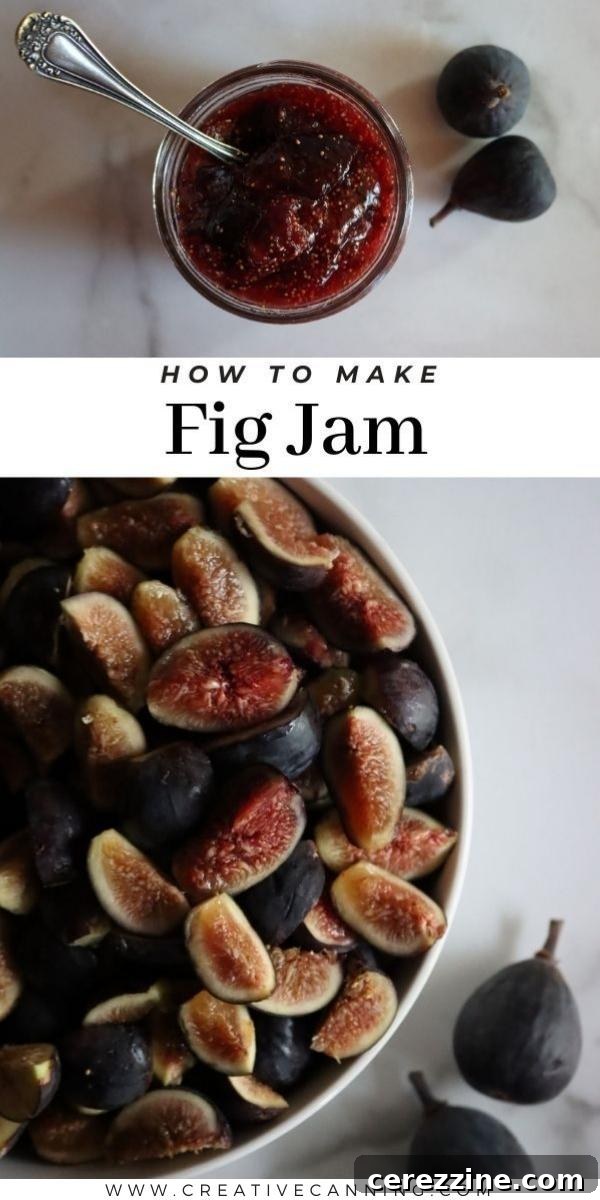
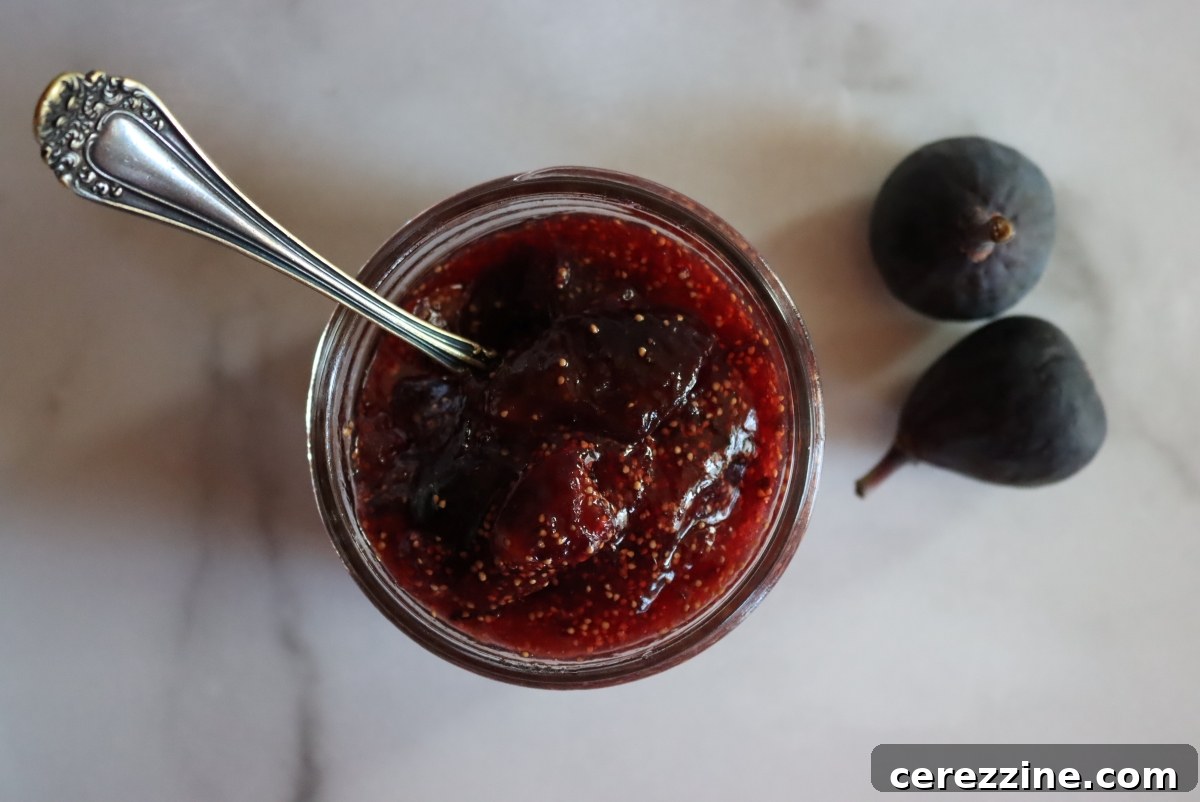
Transform fresh, ripe figs into a luscious homemade jam with this incredibly simple 3-ingredient recipe. Whether you’re a seasoned canner or new to preserving, this no-pectin fig jam offers a delightful way to capture the sweet essence of fig season. Perfect for enjoying fresh or sealing away for year-round delight, this recipe is designed for both ease and flavor.
Figs, with their unique texture and bursting sweetness, are a truly special fruit that elevates any homemade preserve. While they shine as the star ingredient, their flavor also harmonizes beautifully with other fruits and complementary ingredients. This recipe focuses on creating a pure fig experience, showcasing their natural sugars and rich aroma without the need for added pectin.
Beyond the obvious pleasure of slathering a thick layer of this homemade fig jam on a slice of warm, crusty bread, its elegant and sophisticated profile makes it an exceptional addition to various culinary creations. Imagine it gracing a gourmet cheese board, pairing exquisitely with aged firm cheeses like Manchego or sharp cheddar, or offering a sweet counterpoint to the pungent notes of almost any blue cheese. For a truly indulgent experience, use it as the secret ingredient in your next grilled cheese sandwich, spreading a thin layer between two slices of bread and generous amounts of your favorite cheese.
Why Homemade Fig Jam is a Must-Try
There are countless reasons to fall in love with making fig jam, but its remarkable simplicity often tops the list. Unlike many other fruits that demand extensive preparation, figs require minimal effort. There’s no tedious peeling or coring involved; simply trim off the small woody stems, and your figs are ready for cooking. This significantly reduces prep time, making it an ideal project for busy individuals.
The canning process for this fig jam is equally straightforward. A quick 10-minute water bath canning session is all it takes to make your jars shelf-stable, allowing you to enjoy the taste of summer figs long after the season ends. This ease sets it apart from more involved fig preservation methods, such as pickled figs or figs canned in light syrup, both of which typically require additional steps and attention.
Choosing the Perfect Figs for Your Jam
The beauty of homemade fig jam lies in its adaptability to nearly any fig variety, or even a blend of several. While the core recipe remains consistent, different figs offer distinct nuances in flavor, sweetness, and color, allowing you to customize your jam experience.
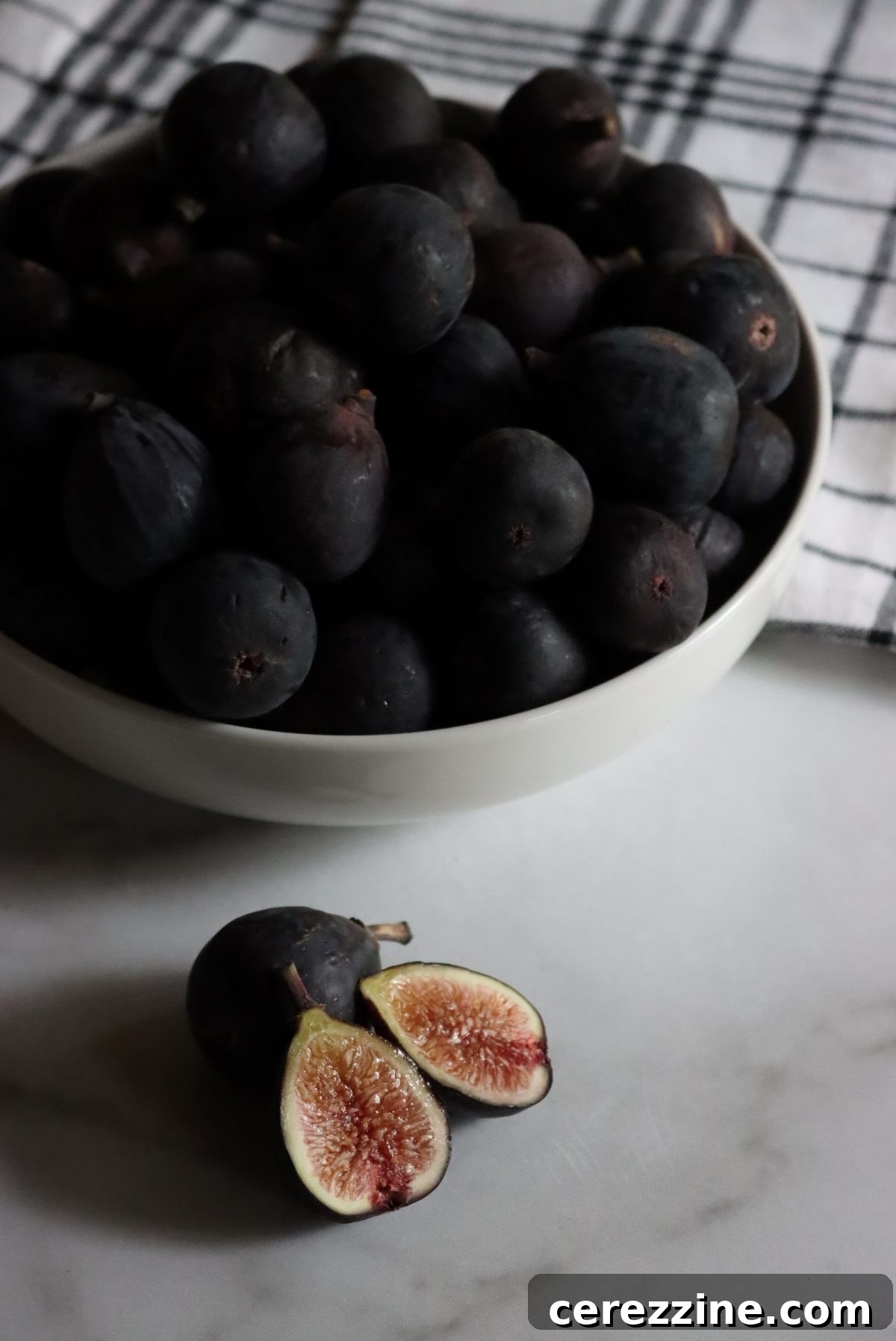
- Black Mission Figs: These are a popular choice due to their intense sweetness and deep, purplish-black skin. When cooked, they produce a stunningly dark and rich jam, both visually appealing and bursting with flavor. They are often readily available during peak fig season.
- Brown Turkey Figs: Slightly less sweet than Black Missions, these figs have a milder, more earthy flavor and a brownish-purple skin. They make a wonderfully balanced jam, offering a nuanced sweetness that isn’t overpowering.
- Green Calimyrna Figs: If you’re lucky enough to find these, often from a local farm or your own garden, they offer a delicate, nutty flavor and a beautiful pale green jam. My grandmother’s tree produced these, and they are truly a treat for a unique tasting experience. While less common in grocery stores, their distinct flavor is worth seeking out.
Ultimately, the best fig to use is the one you have access to when it’s ripe and fresh. The peak ripeness of a fig ensures maximum sweetness and flavor, which is key for a truly outstanding no-pectin jam. If fresh figs are scarce or prohibitively expensive, you can still craft a delightful jam using dried figs. However, be aware that dried figs will require additional rehydration steps, adding to the preparation time.
In this comprehensive guide, we’ll walk you through the fundamental 3-ingredient fig jam recipe, detailing a super-simple water bath canning method for long-term storage. We’ll also explore a wide array of exciting variations, demonstrating how the sunny, naturally sweet flavor of fig jam provides the perfect canvas for both savory and sweet enhancements. Think aromatic rosemary and thyme, tangy balsamic vinegar, or complementary fruits like pears and raspberries.
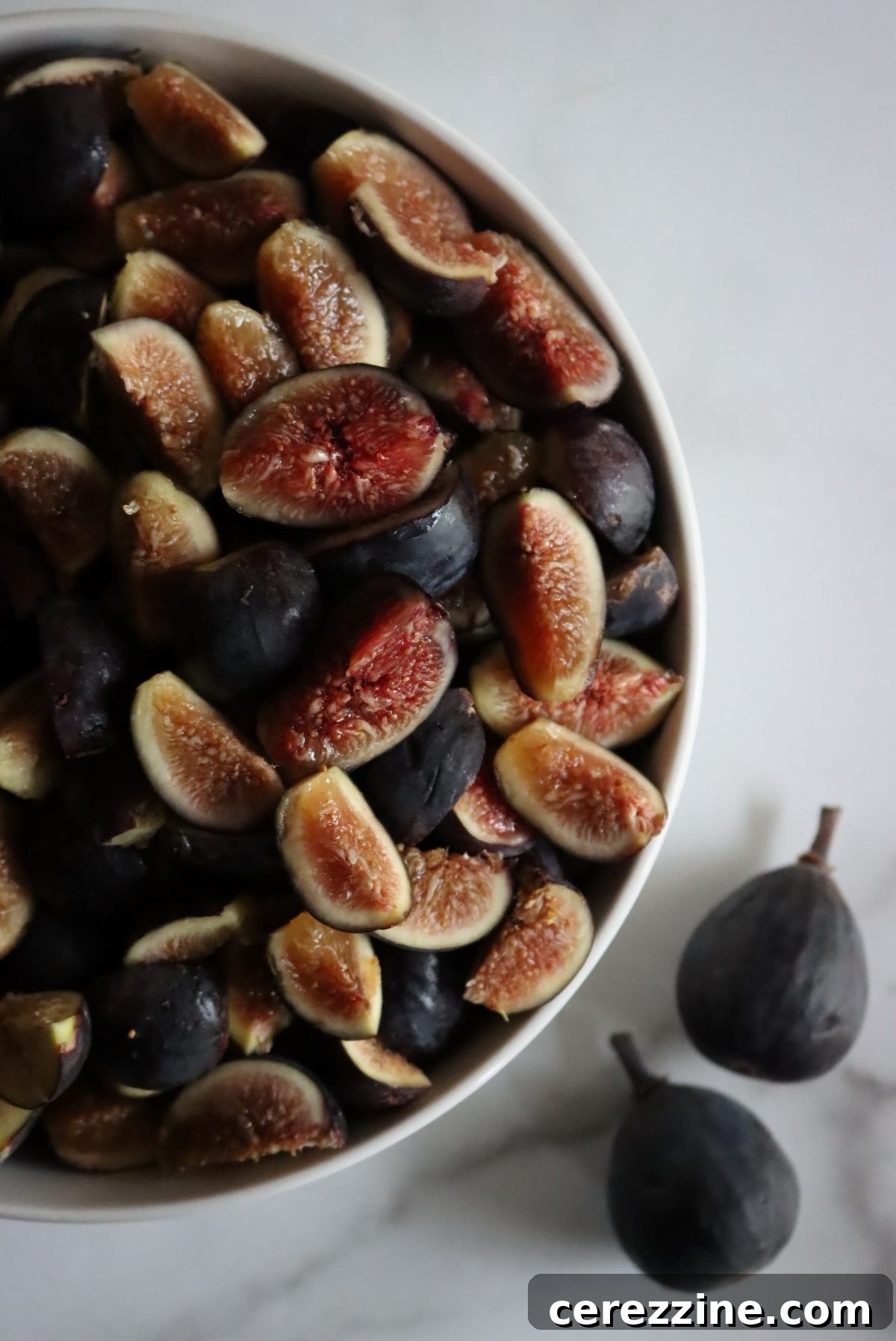
How Many Figs Do You Need to Make Jam?
To yield approximately three half-pint (8 oz) jars of this delightful basic fig jam, you’ll need about 1 3/4 pounds of fresh figs. If you’re measuring by volume rather than weight, this equates to roughly one dry quart of figs. When selecting your fruit, prioritize ripe, fragrant figs that are soft to the touch. If fresh figs aren’t in season, high-quality frozen figs can also be used successfully. Before starting, gently wash the figs in cold water to remove any surface impurities.
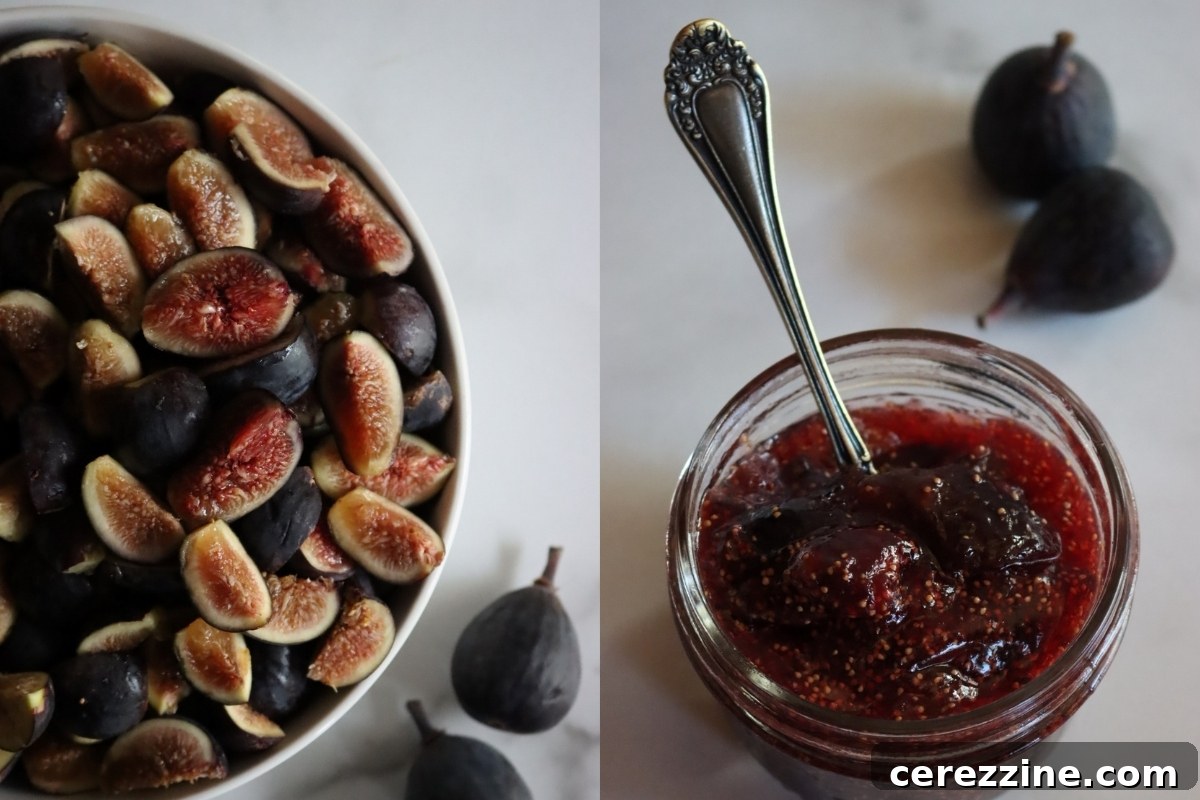
The next step is to prepare the figs by trimming away the tough, woody stems. After stemming, you can coarsely chop the fruit into small pieces. For exceptionally ripe figs, you might even find that they tear apart easily with your hands, eliminating the need for a knife entirely. This minimal prep contributes to the overall simplicity of the recipe.
How to Make Perfect No-Pectin Fig Jam
Once you’ve chosen and prepared your preferred fig variety—be it Black Mission, Brown Turkey, or Green Calimyrna—the secret to an intensely flavorful jam lies in the maceration process. Figs are naturally quite dry, and simply placing them directly into a hot jam pot can cause them to scorch quickly. Macerating the figs with sugar is a crucial step that draws out their natural juices, creating a rich, concentrated base without the need for added water, which can dilute the vibrant fig flavor. Some traditional recipes might suggest boiling figs to break down their cells and then draining them, but in my experience, this often results in a washed-out, less potent flavor profile. Maceration, by contrast, enhances the natural sweetness and depth.
To begin, transfer your chopped or torn figs to a large bowl. Add 1 1/4 cups of granulated sugar and 2 tablespoons of lemon juice. Stir all the ingredients thoroughly to ensure the figs are well coated. Allow this fig mixture to macerate at room temperature for 30 to 45 minutes. During this time, the sugar will dissolve, pulling moisture from the figs and forming a thick, brown, sticky syrup. This visual cue tells you the figs are perfectly ready for cooking.
Next, transfer the macerated figs and their newly formed syrup into a large skillet, a heavy-bottomed saucepan, or a Dutch oven. Begin heating the contents over medium-high heat. It’s essential to stir the figs frequently as they start to bubble and soften to prevent any scorching at the bottom of the pan. The goal is to cook the mixture until it reaches a thick, jam-like consistency.
To test for doneness, use a spatula to scrape a path across the bottom of the pan. If the jam is ready, a noticeable “trace” or clear line will momentarily form, meaning the jam doesn’t immediately pool back together. This typically takes anywhere from 10 to 12 minutes, though the exact time can vary depending on the ripeness and water content of your initial figs. Once your homemade fig jam reaches this stage, it’s ready to be carefully decanted into prepared jars for canning or immediate enjoyment.
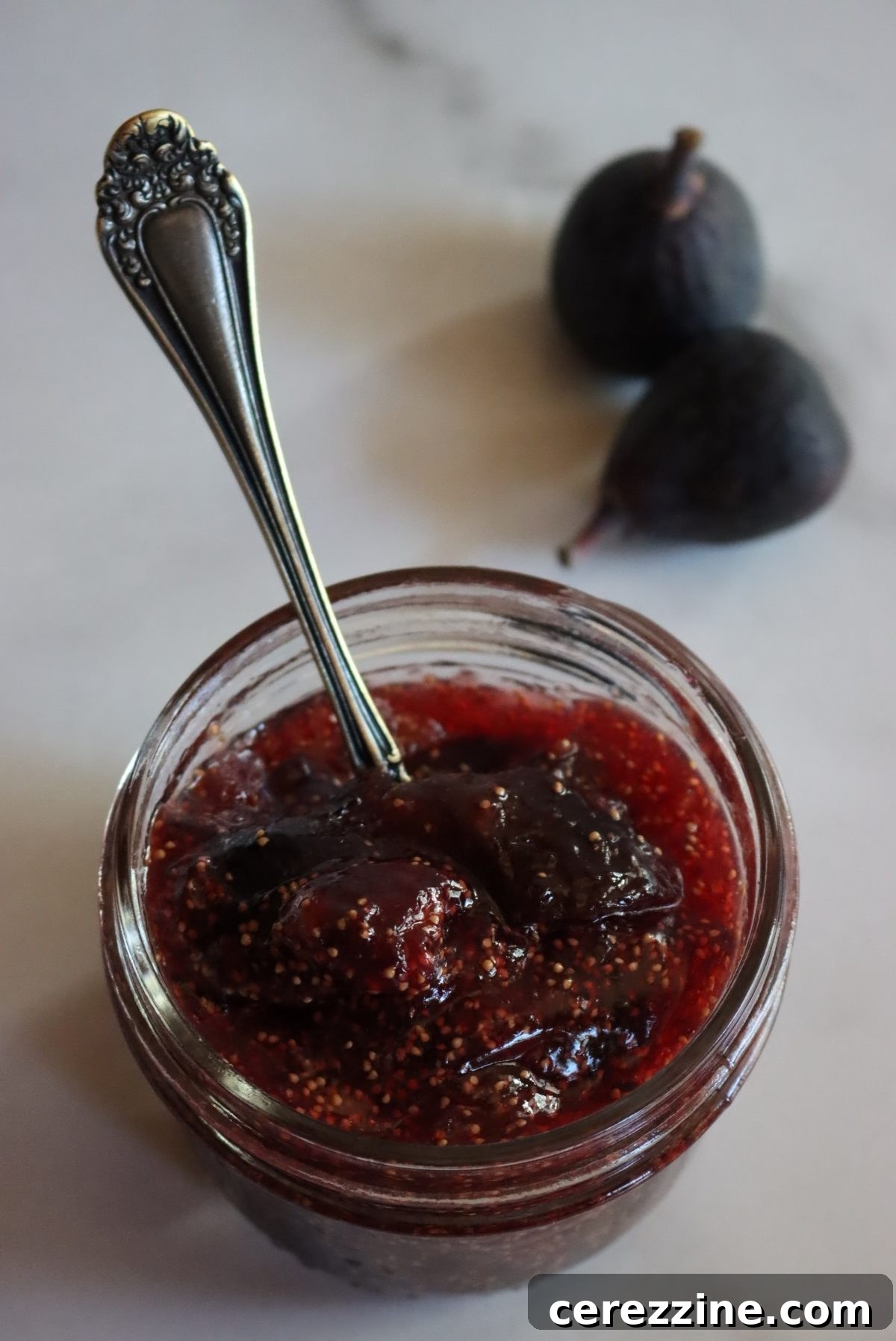
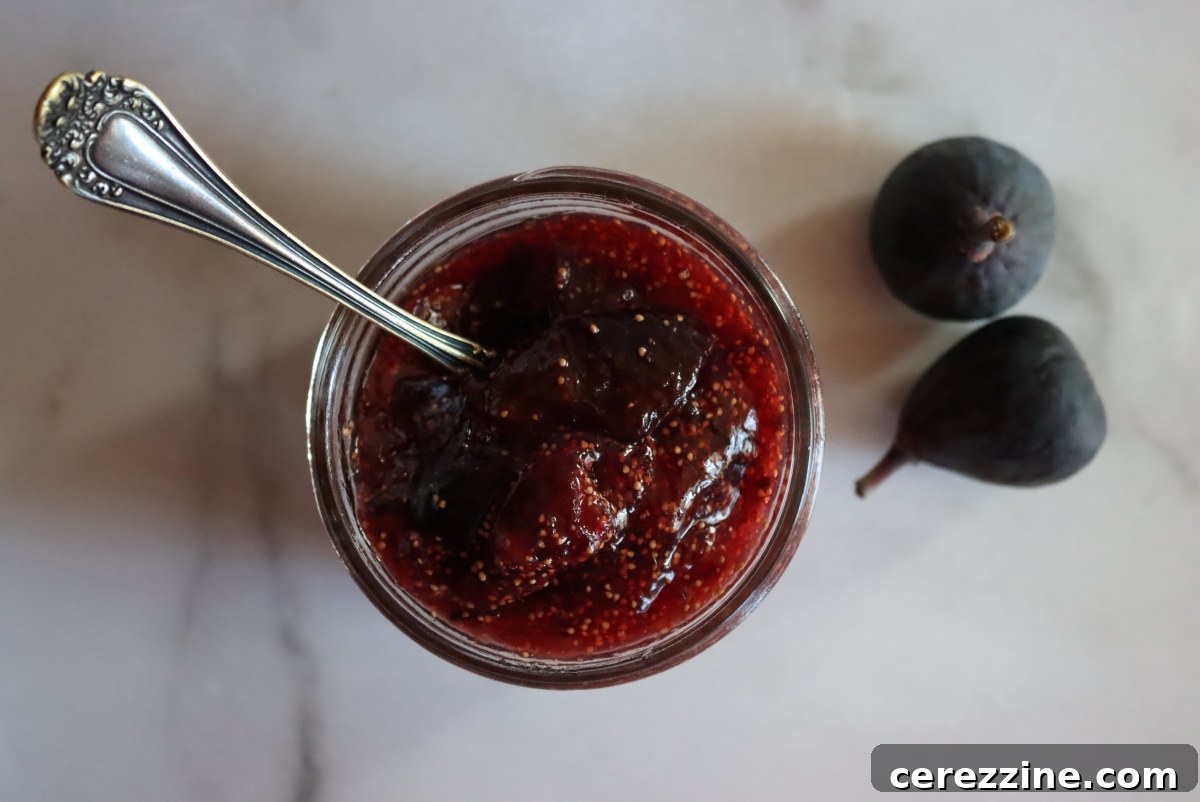
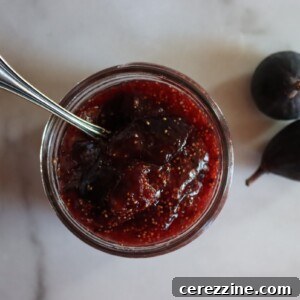
After the jam has cooled, you’ll find that it sets up beautifully without any added pectin, holding its shape perfectly on a spoon. If you opted to leave the figs in larger pieces or halves, your jam will boast wonderful, substantial fruit chunks—a personal favorite for a rustic, satisfying texture. However, if you prefer a smoother jam, simply chop the figs more finely into 1/2-inch dice before macerating. Personally, I adore the large fig chunks; they make for an exquisite topping on a cracker paired with cheese from a charcuterie board.
Elevate Your Spread: Creative Fig Jam Variations
While classic, plain fig jam is an absolute delight on its own, its naturally sweet and slightly earthy flavor profile makes it an incredibly versatile base for a wide array of culinary creations. Figs are wonderfully complementary to both savory and sweet ingredients, inviting endless possibilities for customization. Drawing inspiration from an extensive library of canning books, I’ve gathered some truly unique fig jam ideas that will transform your kitchen into a gourmet preserve haven.
One particularly enchanting direction is to blend the inherent sweetness of figs with savory herbs, such as fresh rosemary or thyme. The fragrant notes of these herbs introduce a sophisticated dimension, making the jam an ideal accompaniment for roasted meats, charcuterie, or even a simple cheese toast. The depth of red wine also offers a luxurious enhancement, infusing the jam with complex, fruity undertones.
For those who find the intense flavor of figs occasionally overwhelming, balancing them with milder fruits can create a beautifully harmonious blend. Using half figs and complementing the remaining volume with a fruit like strawberries or pears results in a well-rounded and exquisitely balanced jam that appeals to a broader palate. Here are some of the best fig jam ideas to inspire your next preserving adventure:
- Fig and Raspberry Jam: A vibrant combination that marries the rich sweetness of figs with the bright tartness of raspberries. This variation, often found in gourmet jam books, typically blends a higher proportion of figs (e.g., 2 pounds) with a smaller amount of raspberries (e.g., 1 pound, 2 ounces). Cooked down with sugar and a generous splash of lemon juice, the result is a beautifully balanced sweet and tart jam, perfect for spreading or as a dessert topping.
- Fig Jam with Red Wine: For an exceptionally rich and sophisticated preserve, incorporating red wine adds layers of complexity. Imagine a hearty blend of 5 pounds of figs cooked with sugar and lemon juice, with a good quality, fruity red wine (about 2/3 cup) stirred in during the final minutes of cooking. This jam is fantastic with aged cheeses and makes an elegant gift.
- Fig and Strawberry Jam: Achieving a perfectly set strawberry jam without added pectin can be a challenge. However, the natural pectin and setting properties of figs come to the rescue! This delightful summery jam combines 1 pound of fresh figs with 2 cups of strawberries, 2 cups of sugar, and 3 tablespoons of lemon juice. The mixture is cooked down to create a sweet, vibrant, and naturally set preserve, boasting the best of both fruits.
- Fig and Pear Preserves: This autumnal blend celebrates the brief period when both figs and pears are at their peak. It creates a truly refined preserve that shines on a charcuterie plate. Combine 1 1/2 pounds of figs with 1 pound of small pears (peeled, cored, and sliced), 3 cups of sugar, the juice and grated zest of 1 orange and 1 lemon, and a teaspoon of crushed cardamom seeds. Allowing this mixture to macerate overnight intensifies the flavors before a brief cook down to a preserves-like consistency.
- Sicilian Fig Marmalade: Transport your taste buds to the Mediterranean with this exotic marmalade. This recipe typically calls for a combination of dry white wine, sugar, figs, ground cinnamon, lemon juice, and a surprising kick of cayenne pepper. The wine, sugar, and figs are simmered gently, allowing the flavors to meld, before the warm spices and citrus are stirred in at the end, creating a truly unique sweet and spicy spread.
- Fig Jam with Porchetta Flavors: A testament to the savory versatility of figs, this innovative jam is inspired by the classic Italian roast pork dish, porchetta. Two pounds of figs and 2 cups of sugar are macerated overnight. The macerated fruit is then cooked with a covering of water or apple juice, infused with aromatic fresh bay leaves, a sprig of rosemary (contained in a sachet or tea ball), ground fennel seeds, ground cloves, freshly ground pepper, and a pinch of salt. After the figs plump up in the infused juices, lemon juice is added, and the jam is cooked a second time to its final, rich consistency. This sweet and savory jam is incredible with roasted meats or bold cheeses.
- Fig Jam with Thyme and Balsamic: This sophisticated variation highlights two ingredients that perfectly complement figs: fresh thyme and balsamic vinegar. Combine 2 pounds of fresh figs with 3/4 cup of balsamic vinegar, 1/2 cup of light brown sugar, 1 teaspoon of dried thyme, and a pinch of black pepper. Let this mixture sit overnight at room temperature to allow the flavors to deepen. The figs are then simmered with an additional 2 tablespoons of lemon juice until the mixture thickens to a beautiful, jam-like consistency. It’s a gourmet choice for crostini or as a glaze.
My foundational fig jam recipe is thoughtfully adapted from “Preserving By the Pint” by Marissa McClelland, a fantastic resource for small-batch preserving. Her original recipe includes a touch less lemon juice and often features fresh thyme, a truly classic and winning combination with figs. However, for this version, I aimed for a pure, classic fig jam experience, slightly increasing the lemon juice to provide a brighter balance to the figs’ inherent sweetness, resulting in a perfectly balanced preserve.
Canning Fig Jam for Long-Term Storage
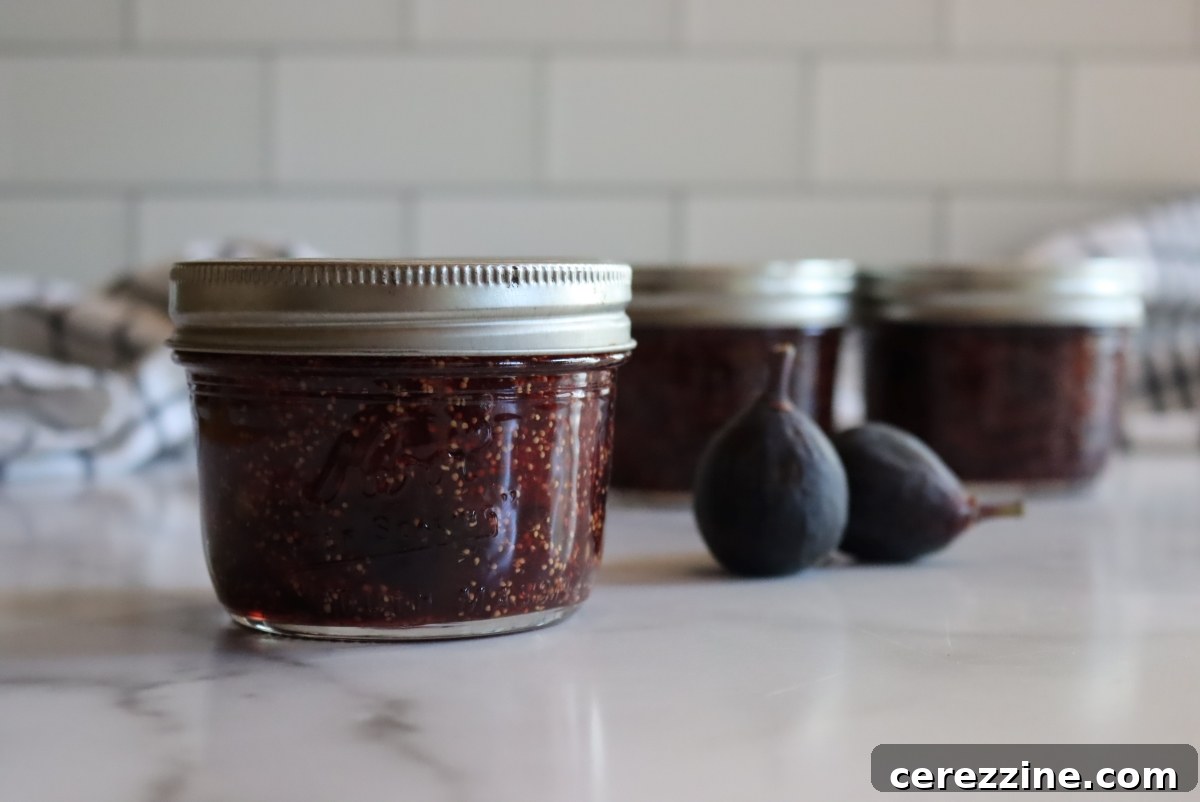
While this homemade fig jam recipe performs beautifully as a refrigerator or freezer jam, offering instant gratification, the true magic lies in canning it. Preserving fig jam through canning makes it shelf-stable, allowing you to savor the rich flavors of fig season throughout the entire year, regardless of when the fresh fruit is available. Figs have a notoriously short season, and canning ensures that this delicious preserve is always just a pop of a jar away from your pantry shelf.
If you are new to the world of home preserving, I highly recommend reviewing a beginner’s guide to water bath canning before you begin to ensure a safe and successful canning experience.
Here’s how to safely can your delicious fig jam:
- Using a ladle, carefully transfer the hot, finished fig jam into clean, prepared half-pint canning jars. Be sure to leave 1/4-inch headspace at the top of each jar. This space is crucial for proper sealing and preventing siphoning during processing.
- Wipe the rims and sides of each jar thoroughly with a clean, damp cloth to remove any sticky residue. This ensures a proper seal.
- Apply two-piece canning lids (new flats and bands) to each jar. Tighten the bands only until “fingertip tight”—meaning snug, but not overly tight. This allows air to escape during processing.
- Carefully load the filled jars into a prepared hot water canner using a jar lifter. Ensure the jars are covered by at least 1-2 inches of water. Bring the water to a rolling boil.
- Once the water reaches a full boil, set your timer for 10 minutes. This processing time is suitable for altitudes between 0 and 6,000 feet.
- If you live at an altitude higher than 6,000 feet, you will need to increase the processing time to 15 minutes to account for the lower boiling point of water.
- When the processing time is complete, turn off the heat on the canner. Allow the jars to remain in the hot water, undisturbed, for an additional 5 minutes. This helps to equalize the temperature and aids in achieving a strong seal.
- After 5 minutes, carefully remove the jars from the canner using a jar lifter. Place them on a clean tea towel or a wire rack on your countertop, ensuring there’s space between each jar for air circulation.
- Let the jars cool completely to room temperature, which typically takes anywhere from 12 to 24 hours. Do not disturb them during this time.
- Once cooled, check the seal of each jar lid. A properly sealed lid will be concave (curved inward) and will not flex when pressed in the center. Remove the screw bands for storage; they can be reused for future canning projects.
- If any jar did not seal properly (the lid flexes or pops), store that jam in the refrigerator and plan to consume it within one to two weeks.
- Store properly sealed jars of fig jam in a cool, dry, dark place away from direct sunlight. For the best quality and flavor, enjoy your homemade canned fig jam within 18 months.
More Fig Canning Recipes
Pickled Figs
Canning Figs
Fig Jam
Beyond Jam: Other Wonderful Ways to Preserve Figs
While this delectable fig jam recipe is a fantastic way to capture the season’s bounty, figs offer a wealth of other preservation possibilities. Expanding your repertoire of fig preservation techniques ensures you can enjoy this versatile fruit in many forms throughout the year. If you have ample freezer space, freezing fruits is often the quickest and easiest method, preserving their fresh flavor for later use in smoothies, baked goods, or savory dishes.
- Canning Whole Figs in Syrup: Preserve the integrity of whole figs by canning them in a light or medium syrup. This method is perfect for serving alongside desserts, adding to fruit salads, or as an elegant garnish.
- Freezing Figs: A simple and effective method. Wash and dry figs, then arrange them in a single layer on a baking sheet to freeze individually. Once frozen, transfer them to freezer-safe bags or containers. They retain much of their flavor and can be used in cooked applications.
- Dehydrating Figs: Drying figs concentrates their sweetness and creates a chewy, naturally sweet snack. Dehydrated figs are excellent for trail mix, baking, or simply enjoying on their own as a healthy treat.
- Fig Wine: For the adventurous preserver, making fig wine offers a truly unique way to enjoy the fruit. The fermentation process transforms the figs into a delightful alcoholic beverage, perfect for sipping or as a culinary ingredient.
24
servings, Makes 3 half-pint (8oz) jars
Easy 3-Ingredient No-Pectin Fig Jam
45 minutes
15 minutes
10 minutes
1 hour 10 minutes
Rate
Equipment
-
Water Bath Canner
Ingredients
- 1 3/4 lb ripe figs (approximately One Dry Quart)
- 1 1/4 cup granulated sugar
- 2 Tbsp. bottled lemon juice
Instructions
-
Carefully wash the figs. Remove tough stems and coarsely chop the fruit into small pieces.
-
Transfer the chopped figs to a large bowl and stir in the sugar and lemon juice until the ingredients are combined. Let the mixture sit at room temperature for 30 to 45 minutes or until the sugar has dissolved into a syrup (maceration).
-
Add the macerated fruit to a large skillet, heavy-bottomed saucepan, or Dutch oven and cook the fig mixture over medium-high heat. Stir frequently until it bubbles and thickens to a jam-like consistency. The fig jam is done when a spatula can be traced along the bottom of the skillet, with the jam remaining separated after the spatula is lifted — this usually takes about 10 to 12 minutes.
-
Carefully ladle the hot jam into prepared half-pint canning jars, leaving 1/4-inch headspace. Wipe jar rims with a clean cloth and apply two-piece canning lids until fingertip tight.
-
Load the jars into a prepared hot water canner and process for 10 minutes if canning at an altitude below 6,000 feet.* When the timer goes off, turn off the canner and let the jars sit in the hot water for 5 minutes before removing them with a jar lifter.
-
Let fig jam come to room temperature (about 12 to 24 hours) and check the seal of each jar. Remove rings from sealed jars for another canning project. Transfer any jars with unsealed lids to the refrigerator (enjoy within a week or two). Jars with sealed lids should be stored in a cool, dry place away from direct sunlight and enjoyed within 18 months for best quality.
Notes
Nutrition Information (per serving, approximate)
Calories: 65 kcal, Carbohydrates: 17g, Protein: 0.3g, Fat: 0.1g, Saturated Fat: 0.02g, Polyunsaturated Fat: 0.05g, Monounsaturated Fat: 0.02g, Sodium: 0.4mg, Potassium: 78mg, Fiber: 1g, Sugar: 16g, Vitamin A: 47IU, Vitamin C: 1mg, Calcium: 12mg, Iron: 0.1mg
Nutrition information is automatically calculated, so should only be used as an approximation.
More Delicious Homemade Jam Recipes
Craving more easy homemade jam recipes to fill your pantry? Explore these other fantastic options:
- Blackberry Jam
- Grape Jam
- Gooseberry Jam
- Plum Jam
Beyond Jam: Essential Canning Recipes
If you’re canning more than just jam this season, I offer a wealth of canning recipes covering a wide variety of fruits and vegetables:
- Canning Apple Slices
- Canning Plums
- Canning Peaches
- Canning Corn
- Canning Potatoes