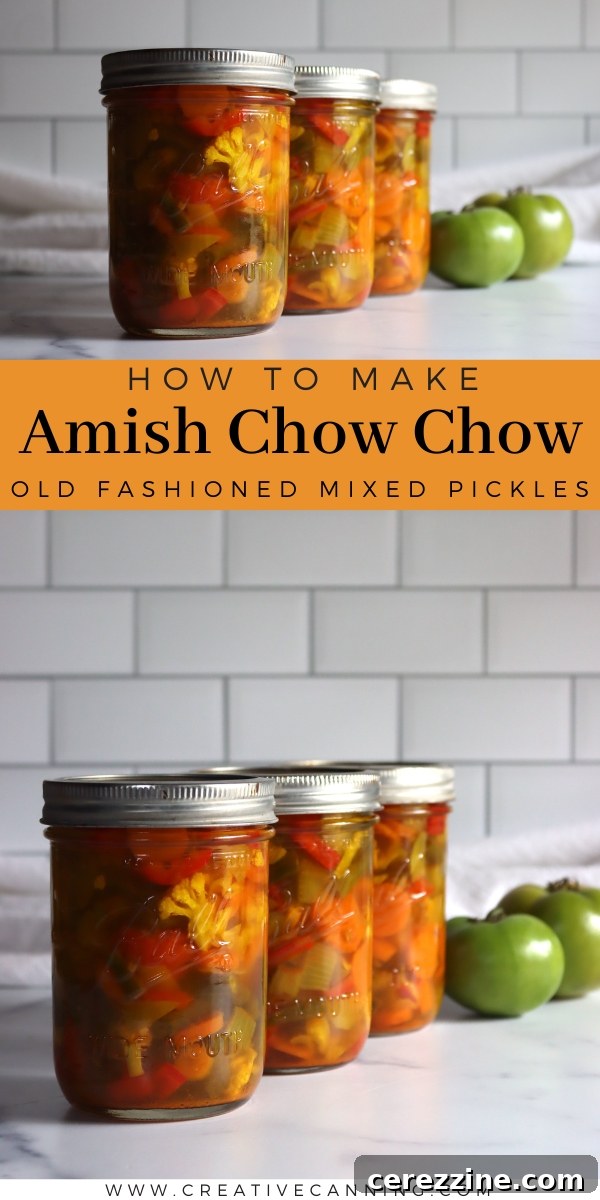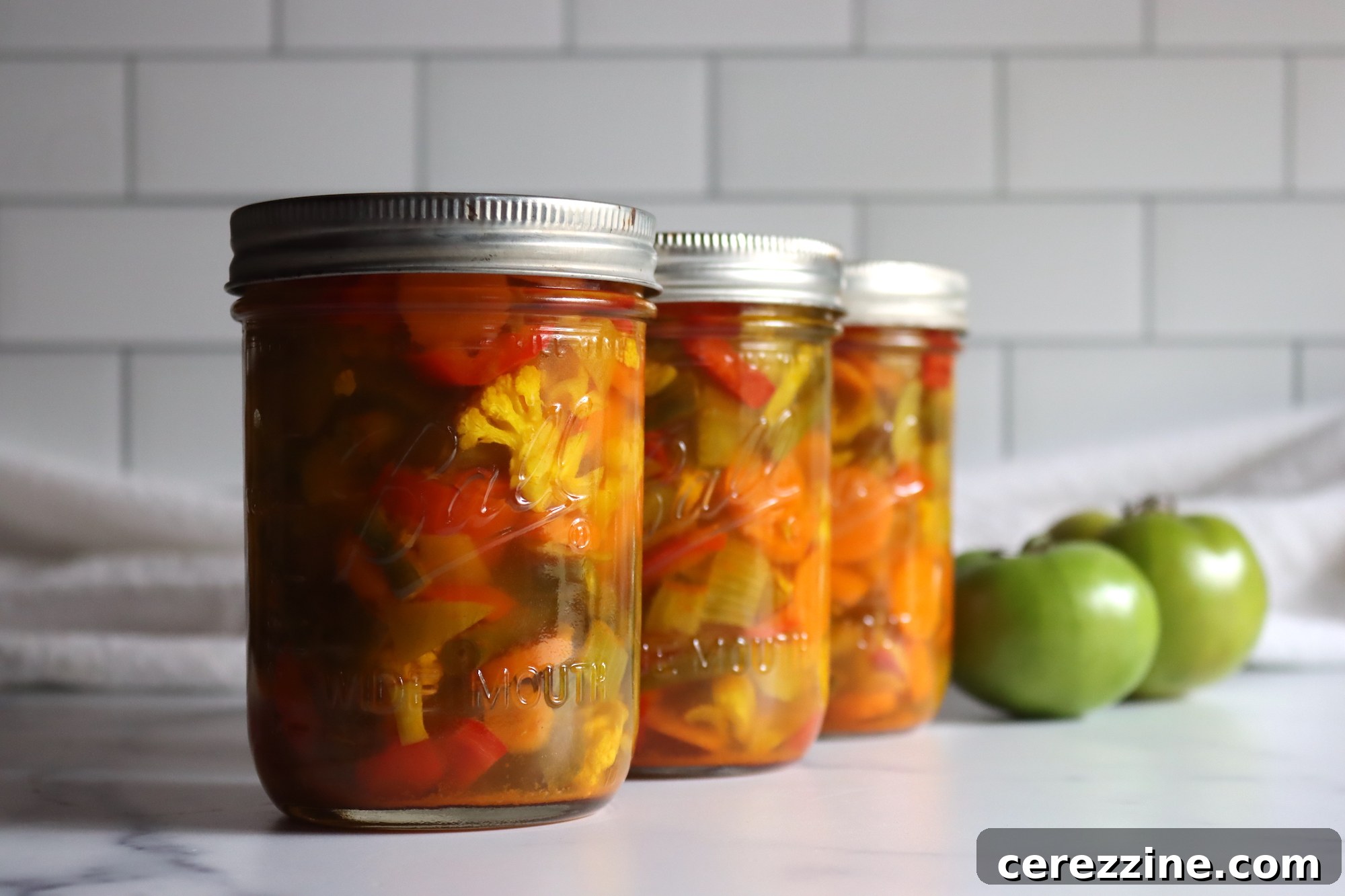
Amish Chow Chow, a beloved traditional homemade relish, offers a delightful burst of sweet and tangy flavors. It’s not just a side dish; it’s a chunky condiment deeply rooted in community gatherings and family meals, especially cherished alongside hearty fare. This timeless recipe also serves as an excellent method for preserving the season’s bounty, transforming an abundance of garden vegetables into a year-round pantry staple.
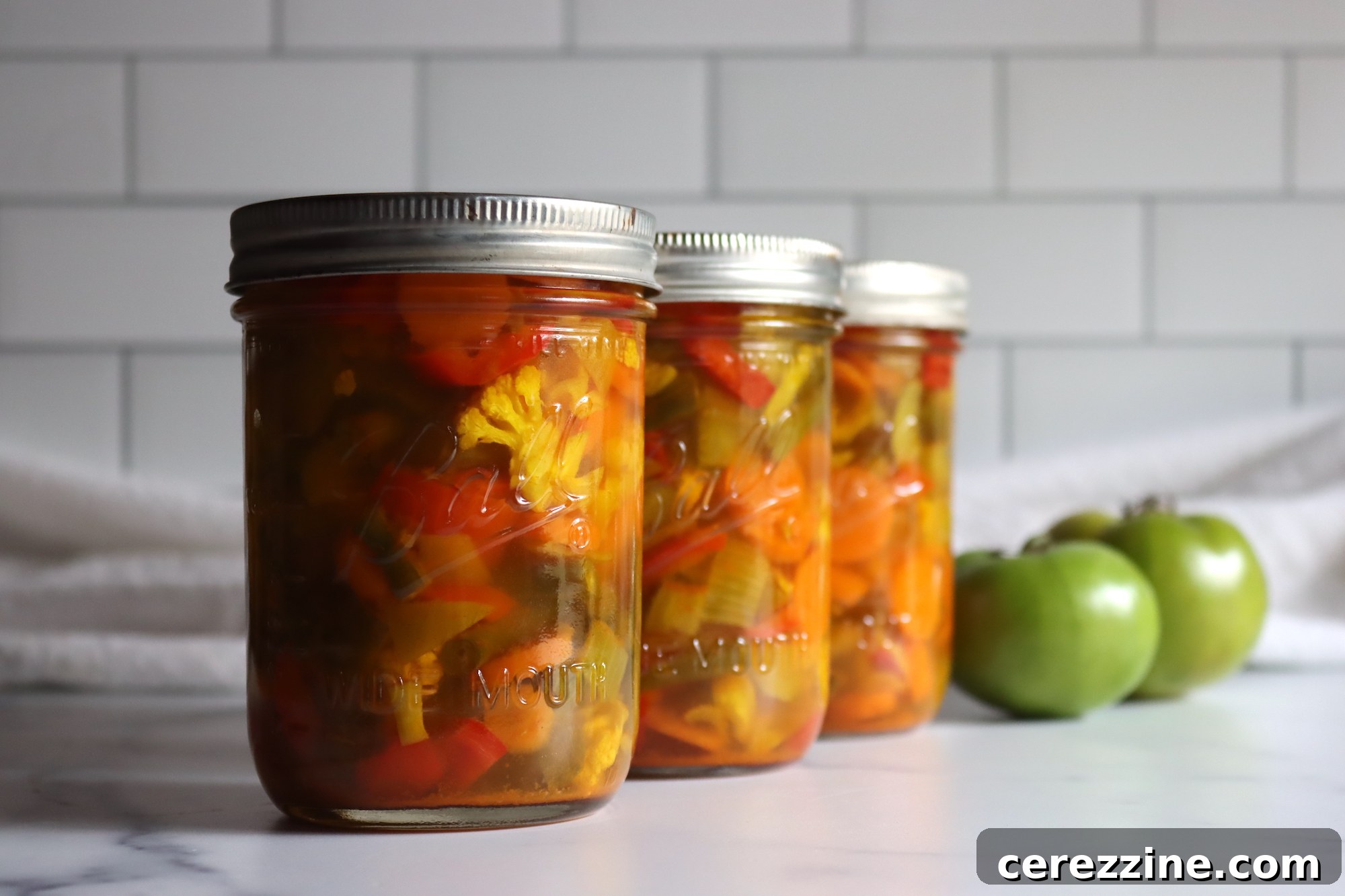
Are you ready to unlock the secret to a condiment that has graced tables for generations? Amish Chow Chow is a culinary gem, a vibrant medley of pickled vegetables that promises a symphony of tastes in every spoonful. Its enduring popularity stems from a perfect harmony of ingredients and a meticulous preparation process that ensures both flavor and longevity.
The magic of Amish Chow Chow lies in its core ingredients: a carefully selected blend of crisp vegetables. Ripe tomatoes, crunchy cabbage, vibrant peppers, pungent onions, and fresh cucumbers are typically soaked overnight in a saltwater brine. This crucial step is not just about infusing flavor; it’s about drawing out excess moisture, which helps the vegetables retain their satisfying crispness through the canning process. To elevate the texture and nutritional value, additions like carrots and green beans are often included, contributing a delightful crunch and a touch of natural sweetness to this already flavorful dish.
There’s an undeniable charm and superior taste to homemade Chow Chow that store-bought versions simply can’t replicate. The ability to control the freshness of ingredients and customize the spice blend makes it a rewarding kitchen project. Best of all, once prepared and properly canned, you can savor this vibrant relish throughout the entire year, bringing a taste of summer to your winter table.
Exploring the Diverse World of Chow Chow and Piccalilli
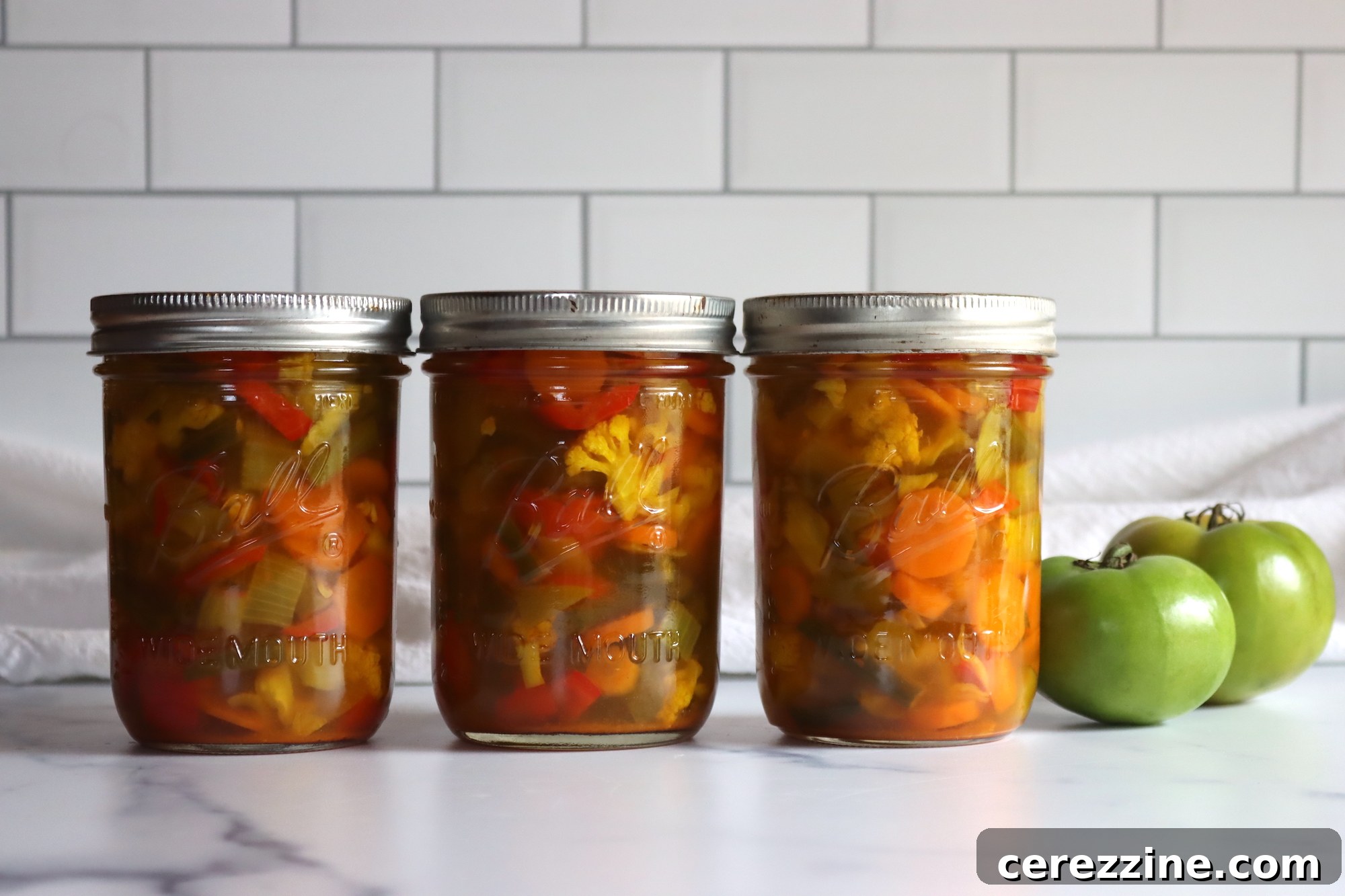
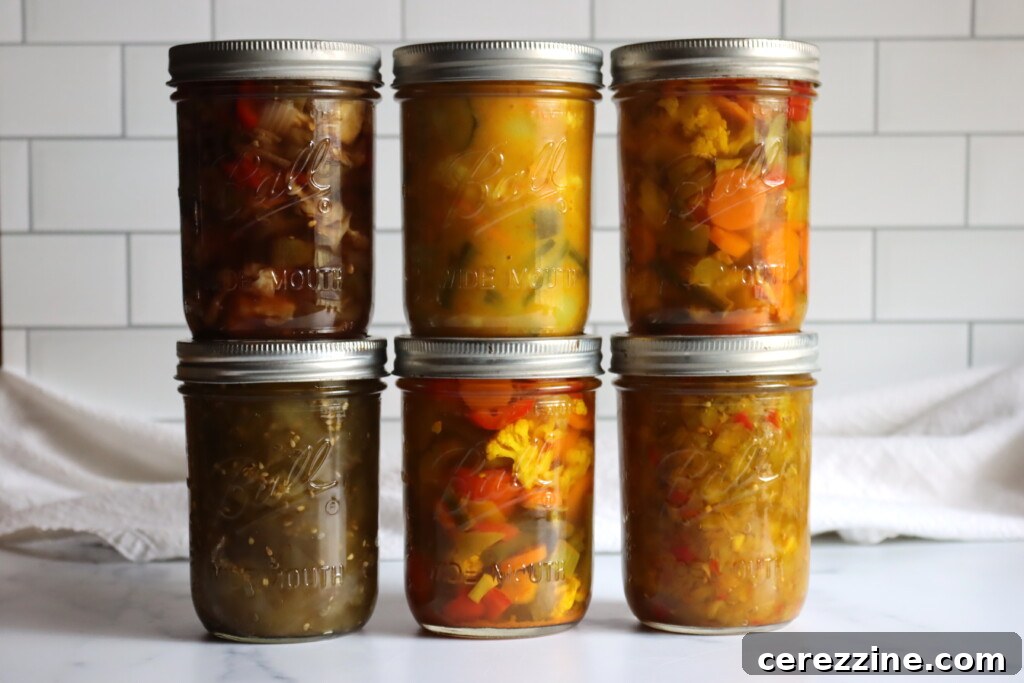
While Amish Chow Chow is a specific, cherished recipe, the term “Chow Chow” (and its European cousin, “Piccalilli”) encompasses a fascinating array of pickled vegetable relishes found across various cultures and regions. Each variation boasts its unique character, reflecting local produce and culinary traditions. Our featured Amish version is celebrated for its chunky texture, packed with a wholesome mix of cauliflower, carrots, and beans, all suspended in a sweet and tangy vinegar brine. However, a glance at other regional styles reveals just how diverse this condiment can be.
For instance, Southern Chow Chow often distinguishes itself by omitting beans and placing a strong emphasis on cabbage and green tomatoes. This typically results in a relish with a more robust, slightly spicier profile, perfect for complementing rich, savory Southern dishes. Travel north, and you might encounter New England Piccalilli, which tends to incorporate brown sugar and a more intricate blend of spices, often including turmeric, giving it a distinctive golden hue and a complex sweet-sour taste.
Across the border, the Canadian Green Tomato Chow Chow offers a simplified yet equally flavorful experience, often focusing on green tomatoes and a more straightforward spice combination. This minimalist approach allows the natural tang of the green tomatoes to shine. For those who appreciate a thicker, more mustard-forward pickle, returning to the roots of this relish reveals British Piccalilli. This classic English condiment is characterized by its vibrant yellow color (from mustard and turmeric) and its thick, chunky consistency, making it an ideal accompaniment for cold meats and cheeses. Regardless of the regional twist, the essence of Chow Chow—a vibrant, pickled vegetable mixture—remains a testament to ingenious food preservation and delicious flavor creation.
A Quick Look at the Recipe: Amish Chow Chow
- Recipe Name: Amish Chow Chow
- Recipe Type: Relish Canning Recipe
- Canning Method: Waterbath Canning
- Prep/Soak Time: 1 Day Overnight Soak (12 hours)
- Cook Time: 10 minutes
- Canning Processing Time: 10 Minutes
- Yield: Approximately 4 Pints
- Recommended Jar Sizes: Quarter Pint, Half Pint, and Pint
- Headspace: 1/2 inch
- Ingredients Overview: A delightful blend of mixed vegetables, vinegar, sugar, and salt.
- Difficulty: Easy. While it involves an overnight soaking step, the active preparation and canning steps are straightforward and suitable for beginners.
Essential Ingredients for Homemade Amish Chow Chow
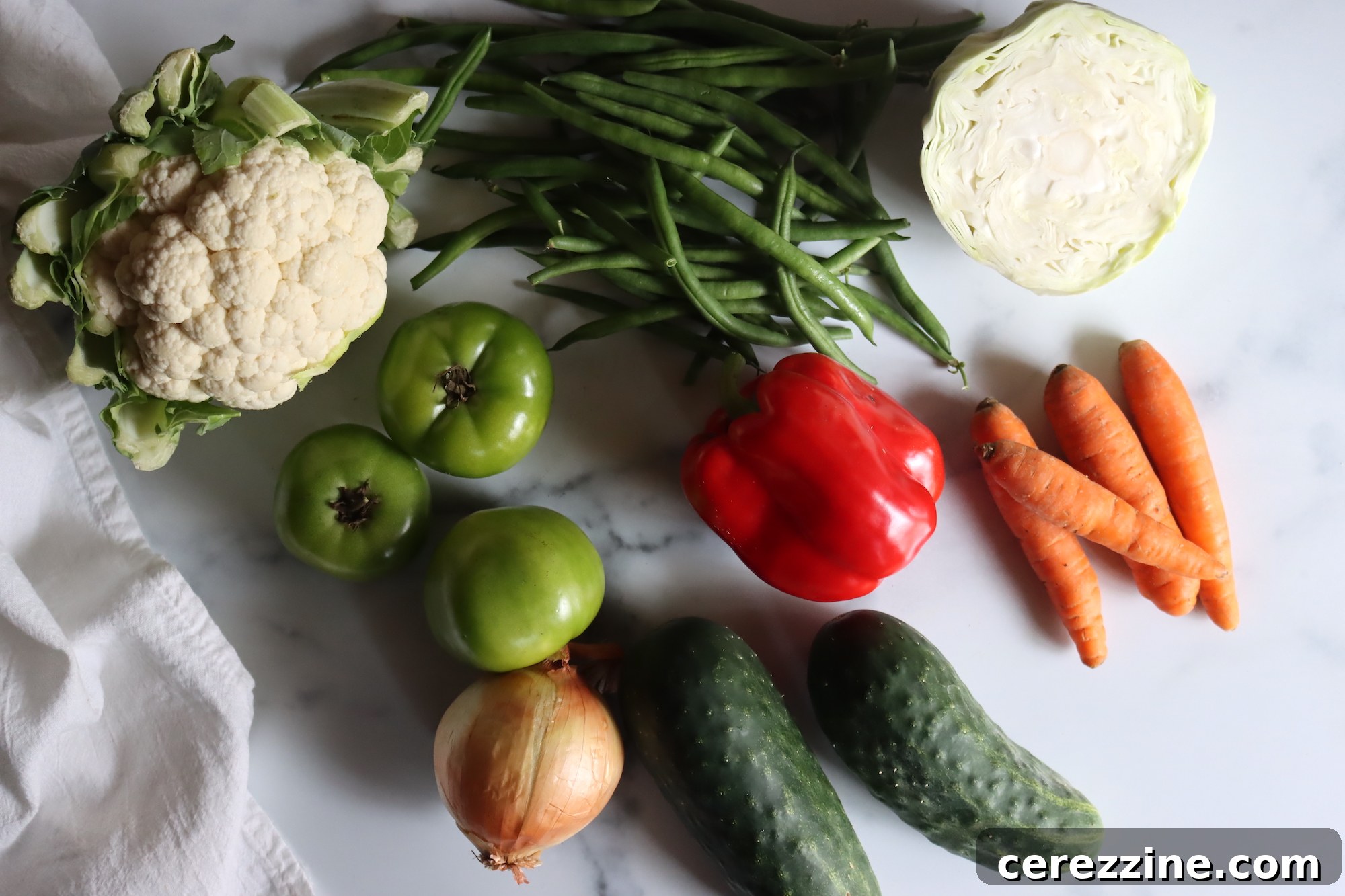
Crafting a batch of authentic Amish Chow Chow requires a selection of fresh, crisp vegetables and simple pantry staples. The beauty of this recipe lies in its wholesome components, which, when combined and preserved, create a truly exceptional relish. To prepare a canner batch yielding approximately four pints, gather the following:
- 1 cup green tomatoes (chopped)
- 1 cup cabbage (chopped)
- 1 cup bell peppers (chopped)
- 1 cup cucumber (chopped)
- 1 cup yellow onions (chopped)
- 1 cup cauliflower (broken into small florets)
- 1 cup carrots (chopped)
- 1 cup green beans (chopped)
- 2 tsp celery seed
- 2 tsp mustard seed
For the vital salt water soak:
- 2 quarts water
- ¼ cup salt (pickling or canning salt is recommended for best results)
For the vibrant pickling brine:
- 2 cups sugar
- 2 cups white vinegar (ensure it is at least 5% acidity for safe canning)
One of the appealing aspects of making Amish Chow Chow is the flexibility in vegetable selection. This recipe is quite forgiving, allowing you to substitute or adjust almost any canning-safe vegetable to suit your preference or to utilize what’s abundant in your garden. The high acidity of the vinegar in the pickling liquid is the primary preserving agent, which means the general canning times and headspace recommendations remain consistent for most relishes. If there’s an ingredient you’re not fond of, feel free to reduce its quantity, omit it entirely, or substitute it with more of another favorite vegetable from the list. While many canning recipes require strict adherence to ingredient ratios, the robust vinegar content in pickles and relishes offers a bit more room for creative adaptation.
That being said, we highly recommend trying this traditional recipe as it’s written, especially with the inclusion of green tomatoes. These unripe tomatoes are an indispensable element in classic chow chow recipes and contribute a unique tartness and firm texture that truly defines the relish. You’ll discover countless versions featuring green tomatoes across various regions of the United States and Canada, each a testament to their essential role in this beloved condiment.
Crafting Amish Chow Chow: Step-by-Step Perfection
The journey to homemade Amish Chow Chow begins with meticulous preparation, ensuring each vegetable contributes its best to the final relish. Follow these steps carefully to achieve the perfect balance of flavor and texture.
- Prepare the Vegetables: Start by thoroughly washing your green tomatoes, cabbage, bell peppers, yellow onions, cucumbers, and cauliflower florets. Once clean, chop all of these vegetables into uniformly small, bite-sized pieces. Consistency in size ensures even soaking and cooking.
- The Overnight Salt Soak: Place all the chopped vegetables (excluding carrots and green beans, as they are treated differently) into a large, non-reactive bowl. In a separate container, dissolve the ¼ cup of pickling salt into 2 quarts of water to create your brine. Pour this saltwater solution over the chopped vegetables, ensuring they are fully submerged. Cover the bowl and let the vegetables soak overnight, ideally for 12-18 hours. This critical step draws out excess moisture, helping the vegetables remain crisp during canning, and also begins the flavor infusion process.
- Rinse and Drain: The next day, carefully drain the soaked vegetables in a colander. Rinse them thoroughly under cold running water to remove excess salt. Allow them to drain completely, gently pressing down to remove as much liquid as possible.
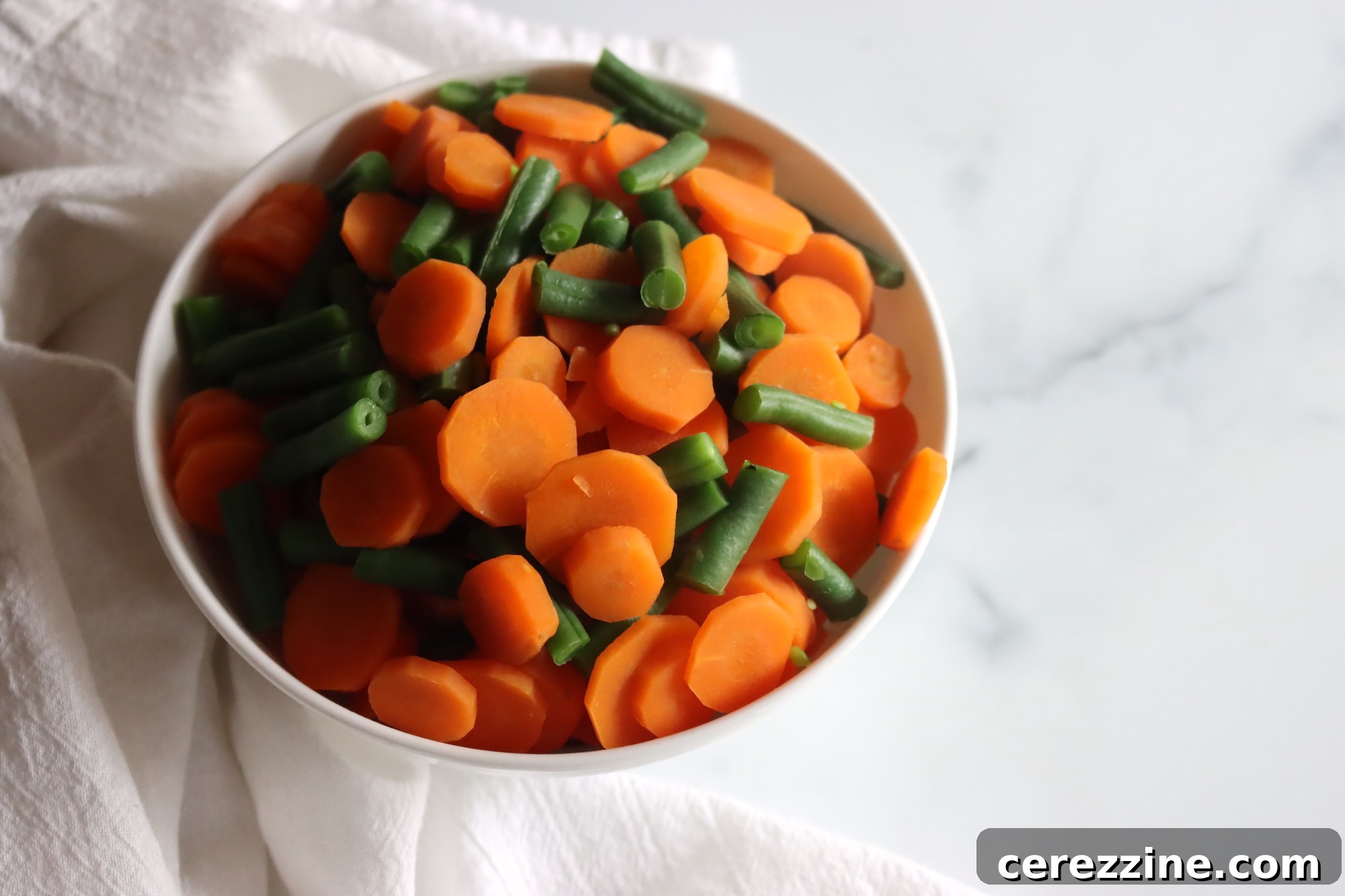
- Pre-cook Carrots and Green Beans: In a separate pot, bring a pot of water to a rolling boil. Add your chopped carrots and green beans and blanch them for exactly ten minutes. This pre-cooking step ensures that these harder vegetables achieve a tender-crisp texture, preventing them from being too firm or mushy in the final relish. After ten minutes, drain them thoroughly.
- Prepare the Brine and Combine: In a large, heavy-bottomed pot, combine the 2 cups of sugar and 2 cups of white vinegar. Bring this mixture to a boil over medium-high heat, stirring until the sugar is fully dissolved. Once boiling, add all the other ingredients to the pot: the drained and rinsed soaked vegetables, the pre-cooked carrots and green beans, and the celery and mustard seeds.
- Simmer to Perfection: Continue to heat the mixture to a gentle boil, stirring occasionally to ensure all ingredients are evenly distributed and heated through. Allow the chow chow to simmer for 2-3 minutes. This brief cooking time marries the flavors and warms all components, making them ready for jarring.
- Alternative: Refrigerator Pickle: If you prefer not to can, you can skip the full canning process. Simply ladle the hot chow chow into clean jars, allow them to cool to room temperature, and then store them in the refrigerator. This “refrigerator pickle” will keep fresh for several weeks, offering a delicious, quick-to-enjoy condiment.
- For Shelf-Stable Preservation: To create a truly shelf-stable preserve that can be enjoyed for months, you will need to proceed with the water bath canning method.
Achieving the perfect flavor profile and crunchy texture in your Amish Chow Chow is all about these careful steps. From the initial soak to the final simmer, each stage plays a vital role in creating a relish that’s both delicious and satisfying.
Safe and Successful Canning of Amish Chow Chow
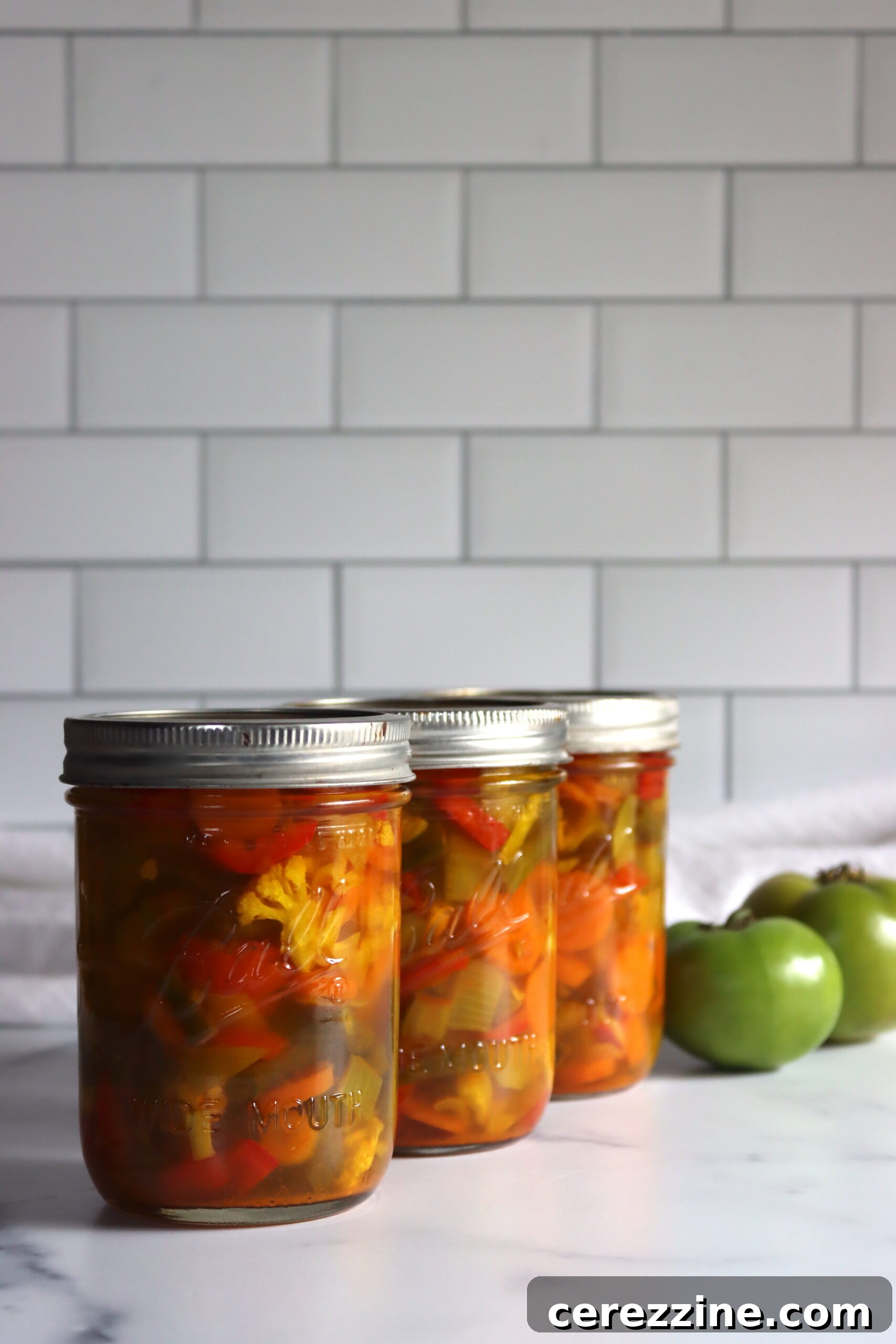
Canning Amish Chow Chow ensures you can enjoy this delightful relish year-round. Adhering to proper canning techniques is crucial for safety and preserving the quality of your homemade creation. Always begin with sterilized jars and lids, and follow these steps carefully.
- Prepare Jars and Lids: Ensure your pint jars are clean and hot, either by running them through a dishwasher’s sanitizing cycle or keeping them submerged in hot water in your canner. Lids should also be new and sanitized according to manufacturer’s instructions.
- Pack the Jars: Using a ladle or spoon, carefully pack the hot Amish Chow Chow into the hot pint jars. Fill each jar, ensuring that the vegetables are covered by the pickling liquid and leaving precisely 1/2 inch of headspace from the rim of the jar. Headspace is vital; too little can cause siphoning during processing, and too much can lead to an improper seal.
- Remove Air Bubbles: After filling, use a clean, non-metallic utensil (like a plastic spatula or chopstick) to gently remove any trapped air bubbles from the jars. Slide the utensil along the inside of the jar, pressing against the vegetables. If the liquid level drops below 1/2 inch headspace, add more hot brine to maintain the correct level.
- Clean Rims and Apply Lids: Wipe the rims of each jar thoroughly with a clean, damp cloth. Any food residue on the rim can prevent a proper seal. Place the sanitized lids onto the jars, followed by the screw bands. Tighten the bands “fingertip tight” – meaning just enough resistance so they won’t wobble, but not overtightened, which can prevent air from escaping during processing.
- Load the Canner: Carefully place the filled jars onto the rack in your water bath canner. Ensure the jars are not touching each other or the sides of the canner. Add more hot water to the canner if needed, ensuring that the tops of the jars are covered by at least one to two inches of water.
- Process the Jars: Bring the water in the canner to a rolling boil. Once a strong, steady boil is achieved, begin your processing time. For altitudes between 0 and 1,000 feet, process pint jars for 10 minutes (and quart jars for 15 minutes). It is critical to adjust processing times for higher altitudes to ensure food safety. Refer to the altitude adjustment chart below.
- Cool and Check Seals: Once the processing time is complete, turn off the heat and carefully remove the canner lid. Allow the jars to rest in the canner for 5 minutes before carefully removing them. Place the hot jars on a clean towel or cooling rack, ensuring they are not touching each other, and allow them to cool undisturbed for 12 to 24 hours. During this time, you should hear satisfying “ping” sounds as the lids seal.
- Storage: After 24 hours, check each jar for a proper seal. The center of the lid should be concave and not flex when pressed. If any jars did not seal properly, refrigerate them immediately and consume within a few weeks. Properly sealed jars can be stored in a cool, dark, dry place for up to one year. Remove the screw bands before storing to prevent rust and ensure seals remain intact.
By following these detailed steps, you can confidently preserve your delicious Amish Chow Chow, ready to brighten your meals whenever the craving strikes.
Crucial Altitude Adjustments for Safe Canning
Water boils at a lower temperature at higher altitudes, which means food needs to be processed for a longer duration to achieve the same level of safety. Failing to adjust processing times for your elevation can result in unsafe canned goods. Please consult the chart below and adjust the processing time for your Amish Chow Chow based on your specific altitude:
- For 0 to 1,000 Feet in Elevation: Process pint jars for 10 minutes, and quart jars for 15 minutes.
- For 1,001 to 6,000 Feet in Elevation: Process pint jars for 15 minutes, and quart jars for 20 minutes.
- Above 6,001 Feet in Elevation: Process pint jars for 20 minutes, and quart jars for 25 minutes.
Always ensure the water in your canner maintains a rolling boil throughout the entire adjusted processing time. If the boil subsides, bring it back to a full boil and restart your timer.
Serving Amish Chow Chow: A Versatile Culinary Delight
Congratulations! You’ve successfully canned your homemade Amish Chow Chow, and now it’s time to enjoy its vibrant flavors. This delightful condiment is incredibly versatile and can elevate a wide array of dishes, making it a staple in any kitchen.
Traditionally, Amish Chow Chow is served as a bright and tangy counterpoint to heavier, richer meals. Imagine it alongside a comforting pot roast, a creamy casserole, or a hearty meatloaf. Its acidity and crisp texture cut through the richness, providing a refreshing contrast that awakens the palate. However, its uses extend far beyond traditional pairings.
Consider serving it with grilled meats such as succulent chicken breasts, juicy steaks, or tender pork chops – the chow chow adds a zesty, piquant kick. It’s also an absolute triumph with classic American comfort foods: pile it generously onto hamburgers, hot dogs, or pulled pork sandwiches for an explosion of flavor and texture. Beyond the obvious, get creative! Stir a spoonful into deviled eggs for an unexpected twist, mix it into potato or macaroni salad for added crunch, or even use it as a vibrant topping for fish tacos.
For a sophisticated appetizer, pair Amish Chow Chow with artisanal cheeses and crackers, or incorporate it into a charcuterie board. Its sweet-and-sour profile also makes it an excellent accompaniment to pan-fried fish or as a unique relish for gourmet grilled cheese sandwiches. The possibilities are truly endless, limited only by your imagination.
One important tip to remember when serving Amish Chow Chow is that its flavor is quite intense and concentrated due to the pickling process. A little goes a long way! Start with smaller portions to allow your taste buds to savor the complex notes of vinegar, sugar, and perfectly preserved vegetables. This ensures you appreciate every bite without overwhelming your palate. Embrace the versatility of this cherished relish and let it transform your everyday meals into extraordinary culinary experiences.
If you tried this Amish Chow Chow recipe, or any other recipe on Creative Canning, leave a ⭐ star rating and let me know what you think in the 📝 comments below!
And make sure you stay in touch with me by following on social media!
- Substack
More Green Tomato Canning Recipes to Explore
Dill Pickled Green Tomatoes
10+ Chow Chow Recipes (& Piccalilli too!)
Green Tomato Chow Chow (Canadian Style)
Green Tomato Ketchup
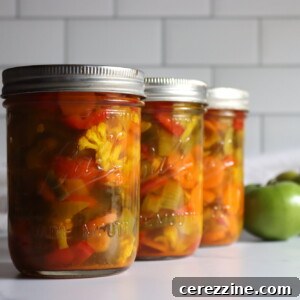
Amish Chow Chow
By Ashley Adamant
Amish Chow Chow is a traditional homemade relish that’s served as a side dish (or chunky condiment) at potlucks and community suppers, especially alongside heavier fare. It’s a great way to use up and preserve extra veggies at the end of the growing season.
Prep: 12 hrs (overnight soak)
Cook: 10 mins
Additional Time: 10 mins (canning process)
Total: 12 hrs 20 mins
Yield: Makes 4 Pints (approx. 64 servings)
Print Recipe
Equipment
- Water Bath Canner
- Large Mixing Bowl
- Large Pot
- Colander
- Canning Jars (Pint, Half Pint, Quarter Pint) with lids and bands
- Ladle or Canning Funnel
- Non-metallic spatula or chopstick (for removing air bubbles)
- Jar Lifter
Ingredients
Vegetables and Spices
- 1 cup green tomatoes, chopped
- 1 cup cabbage, chopped
- 1 cup bell peppers, chopped
- 1 cup cucumber, chopped
- 1 cup yellow onions, chopped
- 1 cup cauliflower, broken into small florets
- 1 cup carrots, chopped
- 1 cup green beans, chopped
- 2 tsp celery seed
- 2 tsp mustard seed
For the salt water soak:
- 2 Quarts water
- ¼ cup salt (pickling/canning salt recommended)
For the Pickling Brine:
- 2 cups sugar
- 2 cups white vinegar (5% acidity)
Instructions
- Wash your green tomatoes, cabbage, bell peppers, onions, cucumbers, and cauliflower. Chop them into small, bite-sized pieces.
- Place all these chopped vegetables (except carrots and green beans) in a large bowl. Dissolve the salt in water and pour over the vegetables. Ensure they are fully submerged. Soak overnight (12-18 hours).
- The next day, drain and thoroughly rinse the soaked veggies under cold water to remove excess salt.
- In a separate pot, cook your chopped carrots and green beans for ten minutes in boiling water, then drain them well.
- In a large pot, combine sugar and vinegar and bring to a boil, stirring until sugar dissolves. Next, add all other ingredients: the drained soaked vegetables, cooked carrots and green beans, and spices.
- Heat the pot to a boil, stirring occasionally. Boil for 2-3 minutes, ensuring everything is heated through and flavors are combined.
- Using a ladle, pack the hot Chow Chow into hot, clean pint jars, leaving 1/2 inch headspace. Ensure all vegetables are submerged under the liquid line. Remove any air bubbles with a non-metallic utensil and adjust headspace if necessary.
- Wipe the rims of each jar with a clean, damp cloth to remove any food residue. Place sanitized lids and screw bands onto the jars, tightening fingertip tight.
- Load the jars carefully into the water bath canner, making sure they are not touching each other or the sides of the canner. Add more water if they aren’t submerged by at least 1-2 inches. Bring water to a rolling boil.
- Process pint jars for ten minutes if under 1000 feet altitude. Refer to the “Altitude Adjustments” section for higher elevations.
- Once processing is done, carefully remove jars from the canner. Let them cool undisturbed at room temperature for 12-24 hours. Check lids for a proper seal (lids should be concave and not flex). Refrigerate any unsealed jars and consume promptly. Properly sealed jars can be stored in a cool, dark place for up to a year.
Notes
Altitude Adjustments for Canning
Water boils at a lower temperature at higher altitudes, necessitating longer processing times for safe canning. Please refer to the following adjustments for canning Amish Chow Chow:
- For 0 to 1,000 Feet in Elevation – Process pint jars for 10 minutes, and quart jars for 15 minutes.
- For 1,001 to 6,000 Feet in Elevation – Process pint jars for 15 minutes, and quart jars for 20 minutes.
- Above 6,001 Feet in Elevation – Process pint jars for 20 minutes, and quart jars for 25 minutes.
Nutrition Information
(Approximate values per serving, based on 64 servings per batch)
- Calories: 31 kcal
- Carbohydrates: 7 g
- Protein: 0.2 g
- Fat: 0.1 g
- Saturated Fat: 0.01 g
- Polyunsaturated Fat: 0.02 g
- Monounsaturated Fat: 0.03 g
- Sodium: 447 mg
- Potassium: 36 mg
- Fiber: 0.3 g
- Sugar: 7 g
- Vitamin A: 440 IU
- Vitamin C: 5 mg
- Calcium: 7 mg
- Iron: 0.1 mg
Nutrition information is automatically calculated and should be used as an approximation only. Individual results may vary based on exact ingredients and preparation methods.
Find the perfect recipe
Searching for something else? Enter keywords to find the perfect recipe!
More Delightful Relish Canning Recipes
If you’ve enjoyed making and tasting Amish Chow Chow, you’ll surely love exploring other ways to add a vibrant relish to your meals. Canning relishes is a fantastic way to capture seasonal flavors and enjoy them throughout the year. Here are a few more relish recipes to inspire your next canning adventure:
- Zucchini Relish: A sweet and savory classic, perfect for using up garden zucchini.
- Corn Relish: Bursting with the sweetness of corn kernels, a tangy addition to any meal.
- Bread and Butter Pickled Onions: Crisp, sweet, and tangy, these pickled onions are a versatile condiment for sandwiches and salads.
Each of these recipes offers a unique flavor profile and an enjoyable canning experience. They are excellent options for diversifying your pantry with homemade preserves that will impress your family and friends.