The role of sugar in canning recipes is frequently misunderstood, often leading to a significant barrier for those new to home preservation. Many assume that sugar is the primary preservative, safeguarding jars on the pantry shelf. However, this is a pervasive myth. Modern canning techniques, particularly water bath canning, fundamentally rely on a combination of heat and acidity to ensure food safety.
In contemporary home canning, sugar’s function has evolved from a vital preservative to a crucial enhancer of quality. It plays a supportive role, meticulously crafted to improve the flavor, stabilize vibrant colors, and refine the texture of preserved foods. The actual preservation process, which guarantees long-term safety, stems from meticulous processing methods and adherence to tested, scientific guidelines.
When embarking on the journey of making homemade jams, jellies, and marmalades, the image of vast quantities of sugar often dominates initial thoughts. For centuries, traditional recipes were laden with sugar – sometimes calling for equal parts sugar to fruit. This abundance of sugar was not merely for taste; it was driven by the deeply ingrained belief that without it, these precious jars were destined to spoil, rendering all efforts futile.
This historical perspective made perfect sense in an era predating the widespread adoption of modern water bath canning methods, typically before the turn of the 20th century. In those days, jams and jellies were preserved almost exclusively through their incredibly high sugar content. These old-fashioned “pantry preserves” achieved their remarkable shelf stability because the intense sugar concentration created an osmotic environment so inhospitable that mold, yeast, and bacteria struggled to grow and thrive. Consequently, while effective, these preserves were also extraordinarily sweet – often far exceeding the sweetness preferences of today’s palates.
Fortunately, the landscape of home preservation has dramatically shifted. Thanks to extensive research, rigorously tested recipes, and the widespread understanding of safe water bath canning techniques, sugar is no longer a mandatory ingredient for ensuring food safety. Instead, its contemporary roles in canning recipes are focused on elevating the overall quality: enhancing inherent flavors, contributing to desirable textures, and extending the palatable shelf life of products once the sealed jars have been opened.
Is Sugar Necessary for Safe Water Bath Canning? Unpacking the Truth
Let’s address this fundamental question directly and unequivocally: no, sugar is absolutely not required for safe water bath canning. This assertion is a cornerstone of modern, science-based home preservation.
The safety of today’s jam and jelly recipes, along with many other high-acid canned goods, is established through the synergistic power of heat and acidity, not through sugar. When properly prepared jars are immersed and processed in a boiling water bath, the high temperatures meticulously destroy harmful molds, yeasts, and bacteria that could otherwise cause spoilage or illness. Simultaneously, the inherent acidity of the fruit – or, in some cases, carefully measured additions of bottled lemon juice – plays a crucial role. This acidity creates an environment too hostile for Clostridium botulinum spores to germinate and produce their dangerous toxins. It is the robust combination of these two factors – sufficient heat combined with adequate acidity – that guarantees your jars remain safe and shelf-stable during storage.
This scientific foundation explains why a wide array of plain fruits can be safely preserved in nothing more than water or very light syrups. Consider, for example, the popular recipes for apple butter or pear butter; these can be made with little to no added sugar, yet they are just as safe and shelf-stable as a full-sugar jam, provided they adhere to tested canning guidelines. In these instances, the presence or absence of sugar has no discernible impact on the ability of the sealed jar to safely reside on your pantry shelf for extended periods.
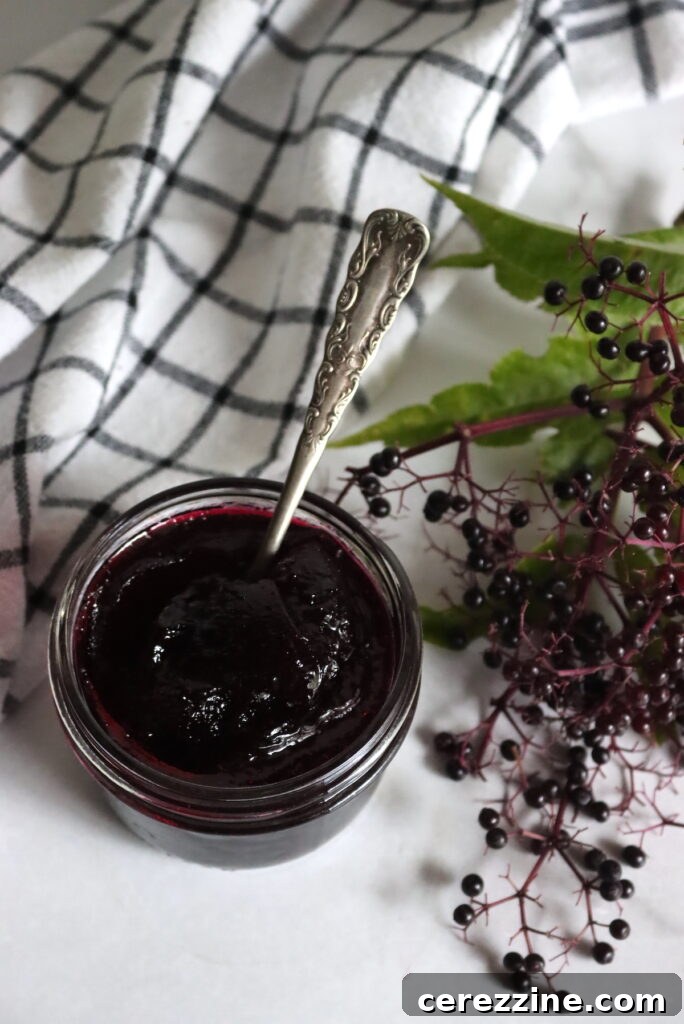
There is, however, a notable and critical exception to this general rule: elderberries. Elderberries are naturally low in acid, a characteristic that makes them an outlier in the world of fruit preservation. For this particular fruit, many University Extension services, renowned for their research-backed canning guidelines, developed tested recipes for elderberry jam and elderberry jelly that deliberately rely on a high sugar content for their preservation. While modern methods could involve adding precise, measured amounts of bottled lemon juice to adjust acidity to safe levels, these specific elderberry recipes were formulated in an older style, resulting in a product that is notably sweet. But for virtually every other common fruit, sugar remains an optional ingredient when considering preservation from a safety standpoint.
Beyond Safety: The Indispensable Contributions of Sugar in Canning
If sugar isn’t the sentinel of safety for your canned goods, then what precisely is its purpose? The answer lies in its profound impact on the sensory attributes and overall quality of the finished product. Sugar performs several critical functions that elevate a simple preserved fruit into a delightful culinary experience:
- Flavor Balance and Enhancement: Sugar is a masterful sculptor of taste. It doesn’t just add sweetness; it expertly balances and rounds out the natural tartness inherent in many fruits. Imagine a spoonful of unadorned rhubarb puree – its intense sourness might be overwhelming. However, with the strategic addition of sugar, that same rhubarb transforms into a spectacularly flavorful rhubarb jam, where the sweetness harmonizes perfectly with the tart notes, creating a complex and enjoyable profile. Sugar also acts as a flavor amplifier, helping to bring out the delicate nuances of the fruit itself.
- Color Retention and Vibrancy: The visual appeal of home-canned fruits is significantly influenced by sugar. Fruits canned with sugar tend to retain their bright, fresh, and appealing colors far better than those processed without. For instance, a jar of peaches in a light syrup will maintain its inviting golden hue, whereas peaches canned solely in plain water often oxidize and gradually develop a duller, less vibrant appearance over time. Sugar helps to inhibit this oxidative browning, keeping your preserves looking as good as they taste.
- Texture Preservation and Firmness: Sugar plays a crucial role in maintaining the structural integrity of fruit pieces during the canning process. It helps fruit cells remain plump and firm, preventing them from becoming overly soft or mushy. Consider peaches, pears, or plums canned in syrup; they emerge from the jar looking robust and well-defined. In contrast, fruits canned in plain water without the protective presence of sugar can often appear more disintegrated or mushy, losing their appealing bite. Sugar contributes to a more desirable mouthfeel and consistency.
- Crucial for Jam, Jelly, and Marmalade Set (Gelling): This is perhaps one of sugar’s most well-known functional roles. Traditional high-methoxyl pectin, which is common in many standard jam and jelly recipes, critically relies on a specific concentration of sugar (and adequate acidity) to activate and form a stable gel. Without sufficient sugar, jams made with standard pectin will remain disappointingly runny, failing to achieve the characteristic spreadable consistency. Fortunately, for those seeking lower-sugar options, specialized low-sugar pectins like Pomona’s Universal Pectin or Sure-Jell Low Sugar are available. These alternative pectins are specifically formulated to gel effectively with little to no added sugar, often reacting with calcium instead of sugar. However, it is imperative to use them intentionally and follow their unique instructions, as they may differ significantly from recipes designed for traditional pectins.
Therefore, while sugar is no longer a component of safety preservation in modern canning, its impact on the quality, appeal, and sensory experience of the finished product is undeniable and significant.
Sugar’s Role as a Preservative: Post-Opening Shelf Life
Here is a critical distinction where sugar genuinely acts as a powerful preservative: once the jar has been opened and its sterile seal broken. This is a point of frequent confusion for home canners.
A jam made with a full complement of sugar will typically maintain its quality and remain safe for consumption for several months when stored in the refrigerator after opening. This extended shelf life is a direct result of sugar’s unique properties. Sugar binds to water molecules, effectively reducing the “water activity” within the jam. By making less free water available, sugar creates an environment that is significantly less hospitable for the growth of common spoilage organisms, such as molds and yeasts, which require water to thrive.
Conversely, a low-sugar or sugar-free jam, while equally safe on the sealed pantry shelf for the same duration, will often succumb to mold or spoilage within a week or two once opened and refrigerated. The absence of high sugar content means there’s more available water for microorganisms, allowing them to proliferate more quickly. Thus, while both types of jams are equally safe before opening (assuming they followed a tested recipe and proper processing), the difference in their post-opening refrigerator shelf life is quite pronounced and a vital consideration for consumption.
Why Historic Canning Recipes Demanded Such High Sugar Content
To fully appreciate the evolution of canning, it’s essential to understand the historical context surrounding sugar’s role. Before the techniques of home canning became widely disseminated and understood, sugar was indeed one of the very few reliable and effective tools available for preserving fruit for extended periods. Early homesteaders and cooks crafted “long boil” preserves, which were characterized by extremely high sugar levels – often equal in weight to the fruit itself, sometimes even more.
These historical jars, often sealed with rudimentary methods like wax or parchment paper tied with string, sat in cool cellars or cupboards without any form of heat processing. It was solely the extraordinarily high concentration of sugar that created a hostile environment preventing mold, yeast, and bacteria from colonizing and spoiling the fruit. If you ever encounter antique recipes for jam that specify a pound of sugar for every pound of fruit, this is the underlying reason. The sugar’s function wasn’t merely to sweeten; it was the primary, indispensable agent of preservation itself. Crucially, these preparations were generally *not* “canned” in the modern sense, as true canning (which involves sealing and heat processing) only became developed and common in home kitchens in the early 1900s.
Many of these very old-fashioned preserves were stored in simple crocks or jars that lacked airtight lids, often relying on a layer of melted wax or a piece of fabric tied over the opening to offer some protection. It was a distinctly different, more primitive, and labor-intensive process compared to the standardized, scientifically proven methods we utilize today.
Today, with the universal understanding and accessibility of safe canning methods – backed by scientific research and verified by extension services – we are liberated from the necessity of such exorbitant sugar levels. This empowers modern home canners to choose recipes based purely on their flavor preferences and dietary needs, opting for lighter syrups, natural sweeteners like honey or maple syrup, or even preparing delicious preserves with no added sweeteners at all, provided the correct type of pectin is employed.
Reducing Sugar in Jam Recipes: A Guide to Healthier Preserves
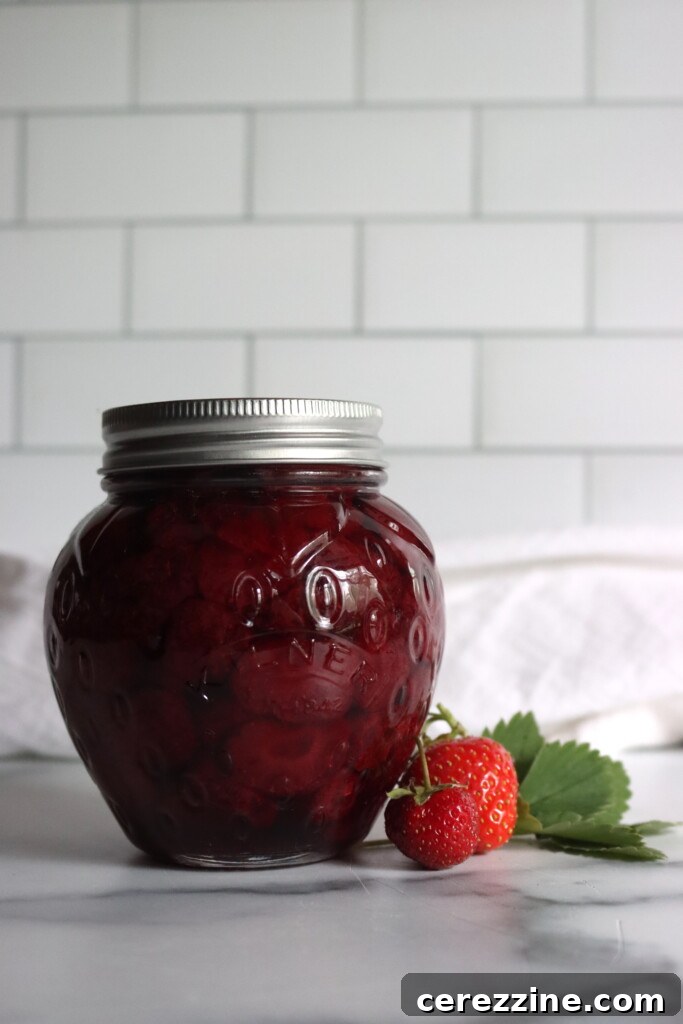
The excellent news for health-conscious individuals and those who simply prefer a less sweet taste is a resounding yes – you absolutely can reduce the sugar content in many jam and jelly recipes, but this requires understanding a few critical adjustments and adhering strictly to tested guidelines:
- Traditional Pectin and Setting Issues: If your recipe calls for or naturally relies on traditional high-methoxyl pectin (whether added separately or naturally present in high-pectin fruits like apples, blackberries, or currants), significantly reducing the sugar will almost certainly prevent your jam from setting properly. Traditional pectin requires a specific sugar-to-acid ratio to activate and form a gel. Without adequate sugar, the pectin molecules cannot link effectively, and your jam will remain a syrup rather than achieving the desired consistency. The same principle applies to jams and jellies made without added pectin from high-pectin fruits; they still need that sugar-pectin-acid reaction to achieve a set.
- Embrace Low-Sugar Pectins: To successfully create delicious low- or no-sugar jams, the solution lies in utilizing pectins specifically formulated for this purpose. Brands such as Pomona’s Universal Pectin (a calcium-reactive pectin) or Sure-Jell Low Sugar (a low-methoxyl pectin) are designed to gel effectively with reduced or no added sugar. These pectins operate on different chemical principles than traditional pectins, making them ideal for adapting recipes to your sweetness preferences. Always ensure you follow the specific instructions provided with your chosen low-sugar pectin product, as their usage can differ significantly from standard pectin.
- Explore Fruit Butters: An elegant alternative for naturally low-sugar preservation is making fruit butters. Unlike jams and jellies that rely on pectin for their set, fruit butters achieve their thick, spreadable consistency through extended, slow cooking. This process reduces the fruit’s water content and concentrates its natural flavors, often requiring little to no added sugar. Popular examples include apple butter, peach butter, blueberry butter, or cherry butter. These are excellent options for a naturally sweeter, thicker spread without needing much (if any) added sugar.
Crucially, whenever you intend to modify the sugar content in a canning recipe, always ensure you are following a tested recipe from a reputable, research-backed source (like Ball, USDA, or University Extension services). While the safety of the sealed jar primarily depends on adequate acidity and precise processing time – not sugar – recipes are also carefully balanced for factors like density and heat penetration. Deviating too far without guidance can compromise safety. Therefore, it’s paramount to utilize modern, tested recipes designed for your specific sugar modifications rather than improvising with older, full-sugar formulations.
Frequently Asked Questions About Sugar in Canning
Yes, many fruits can be safely canned in plain water, juice, or very light syrups. Popular examples include peaches, pears, cherries, and berries. From a safety perspective, sugar is not required when canning fruit, as the preservation relies on the fruit’s natural acidity and the heat processing. However, canning fruit in plain water can sometimes result in a “washed out” flavor, as the fruit’s natural sugars and some soluble flavors diffuse into the canning liquid. To better preserve the fruit’s inherent sweetness and robust flavor without making it sweeter than fresh, canning in an “extra light” syrup is often recommended. This mimics the fruit’s natural sugar concentration and helps maintain its taste and texture. For detailed guidance on appropriate ratios to match your goals, refer to our dedicated article on syrup concentrations for canning fruit.
Absolutely. Both low-sugar and full-sugar jams, when prepared using tested recipes and proper processing methods, will remain equally safe and shelf-stable on the pantry shelf for the same recommended duration, typically 12 to 18 months. The safety of the sealed jar is derived from the heat and acidity, not the sugar content. While low-sugar jams might not achieve as firm a set as their full-sugar counterparts (unless a specific low-sugar pectin is used), this is a quality difference, not a safety concern for unopened jars. The significant distinction in shelf life only manifests after the jar has been opened. Once a low-sugar jam is opened, its reduced sugar content means less inhibition of microbial growth, so it will generally only last a week or two in the refrigerator before spoilage begins, whereas a full-sugar jam can last for months.
Yes, in many tested recipes, you can substitute granulated sugar with honey or maple syrup. However, it’s important to be aware that these substitutions will introduce distinct flavor profiles and may also affect the setting process of jams and jellies. Both honey and maple syrup are generally considered safe alternatives in tested canning recipes, but they may not activate traditional pectin as efficiently as granulated sugar, potentially leading to a softer set. Additionally, natural sweeteners like honey and maple syrup have different chemical compositions than sucrose (table sugar) and can be more prone to scorching if heated too quickly or for too long, especially when bringing the mixture to the gel stage. For optimal results, especially concerning pectin activation and preventing scorching, many guidelines suggest using a blend of half honey (or maple syrup) and half granulated sugar. Always refer to specific tested recipes that allow for these substitutions, as the best approach often depends on the type of fruit and pectin used. This guidance primarily concerns quality and desired consistency, not the fundamental safety of the sealed product.
No, sugar is not necessary, nor is it typically used, when pressure canning non-acidic foods such as vegetables or meats. Pressure canning operates on an entirely different principle of preservation compared to water bath canning. The extremely high temperatures achieved under pressure are sufficient to destroy even the most heat-resistant microorganisms, including the spores of Clostridium botulinum, which cannot be eliminated by boiling water alone. The addition of sugar has no role in the safety or preservation mechanism of pressure canned goods; these foods are preserved purely by the intense heat of the pressure canning process.
The Bottom Line: Empowering Your Canning Choices
In summary, while sugar undeniably played an indispensable role in preserving fruit throughout history, its function in modern home canning has fundamentally shifted. Thanks to the scientifically proven efficacy of water bath canning, sugar is no longer a prerequisite for ensuring the safety of your home-canned goods. Instead, sugar’s contemporary importance revolves entirely around quality: it is a masterful ingredient for enhancing the natural flavors of fruit, maintaining bright and appealing colors, preserving desirable fruit textures, and critically, enabling jams and jellies to achieve their characteristic set.
This understanding empowers you, the home canner, with unparalleled flexibility. If you prefer lower-sugar or even no-sugar canning recipes due to health considerations or taste preferences, you can absolutely create them safely and with confidence. The key lies in diligently utilizing tested methods and, where appropriate, employing the correct type of pectin specifically designed for reduced sugar. On the sealed pantry shelf, the amount of sugar in your preserves is irrelevant to their safety. However, once that jar is opened and refrigerated, you will observe a distinct difference in the shelf life between high-sugar and low-sugar options.
Whether your culinary journey leads you to craft a rich, high-sugar recipe like old-fashioned strawberry preserves or a wholesome, naturally sweetened treat such as homemade applesauce with no added sweetener, rest assured: sugar is purely optional for safety. Modern canning offers the versatility and reliability to perfectly fit your individual taste, dietary needs, and preservation goals.