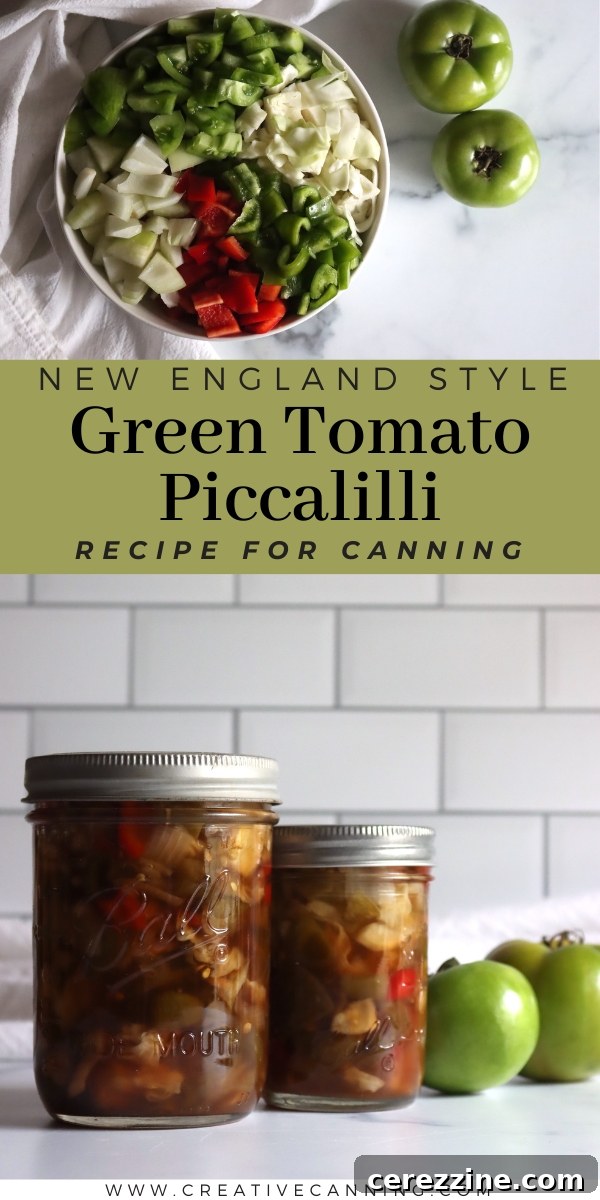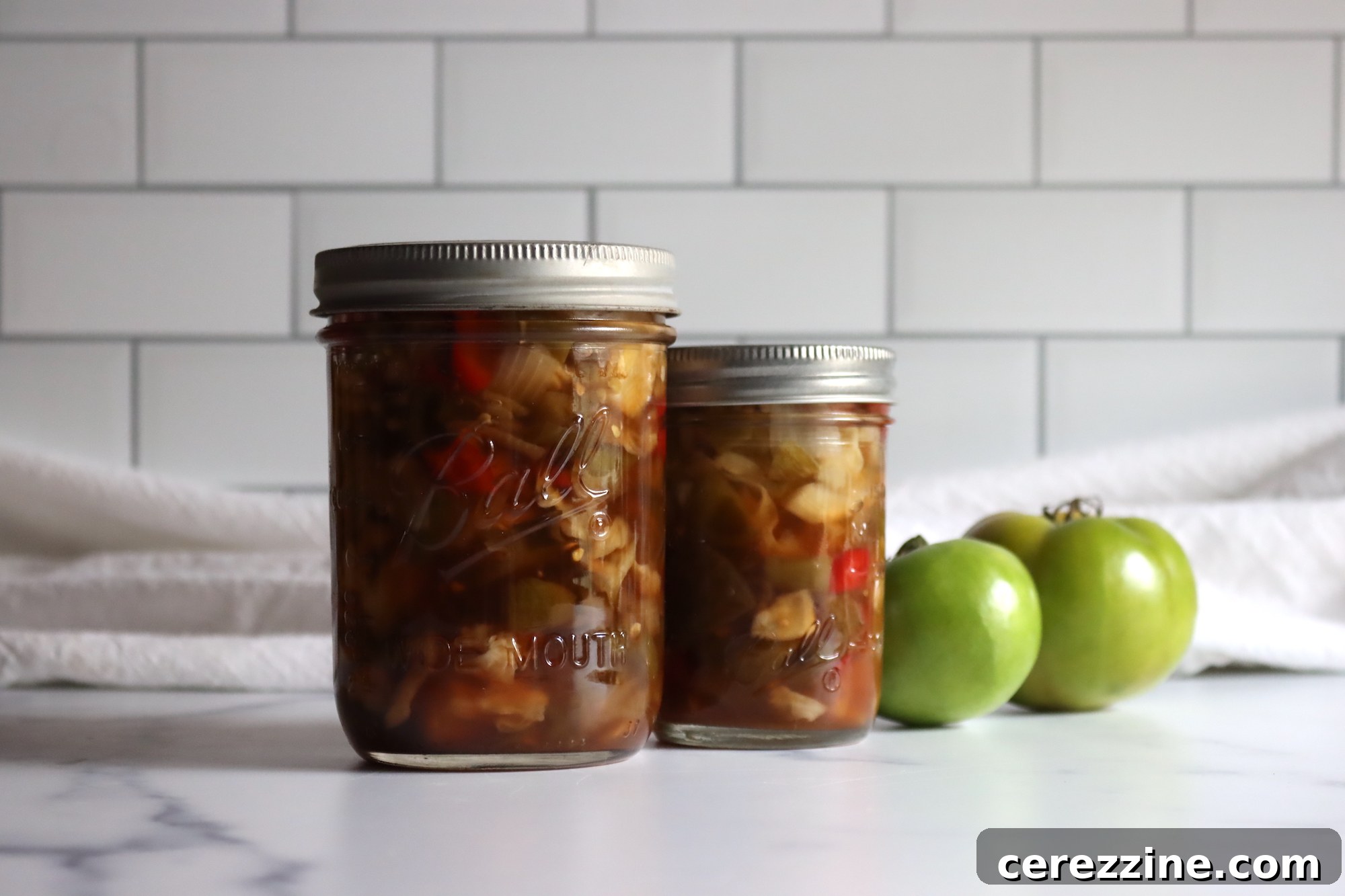
As the vibrant gardening season draws to a close, a treasure trove of unripe green tomatoes often remains, offering a unique opportunity to craft a truly special condiment: Green Tomato Piccalilli. This classic New England relish, with its distinctive tangy and zesty flavor, is a cherished tradition, turning surplus garden produce into a year-round delight. It’s not just a way to prevent waste; it’s a celebration of harvest, encapsulating the fresh taste of summer in a jar, ready to brighten your winter meals.
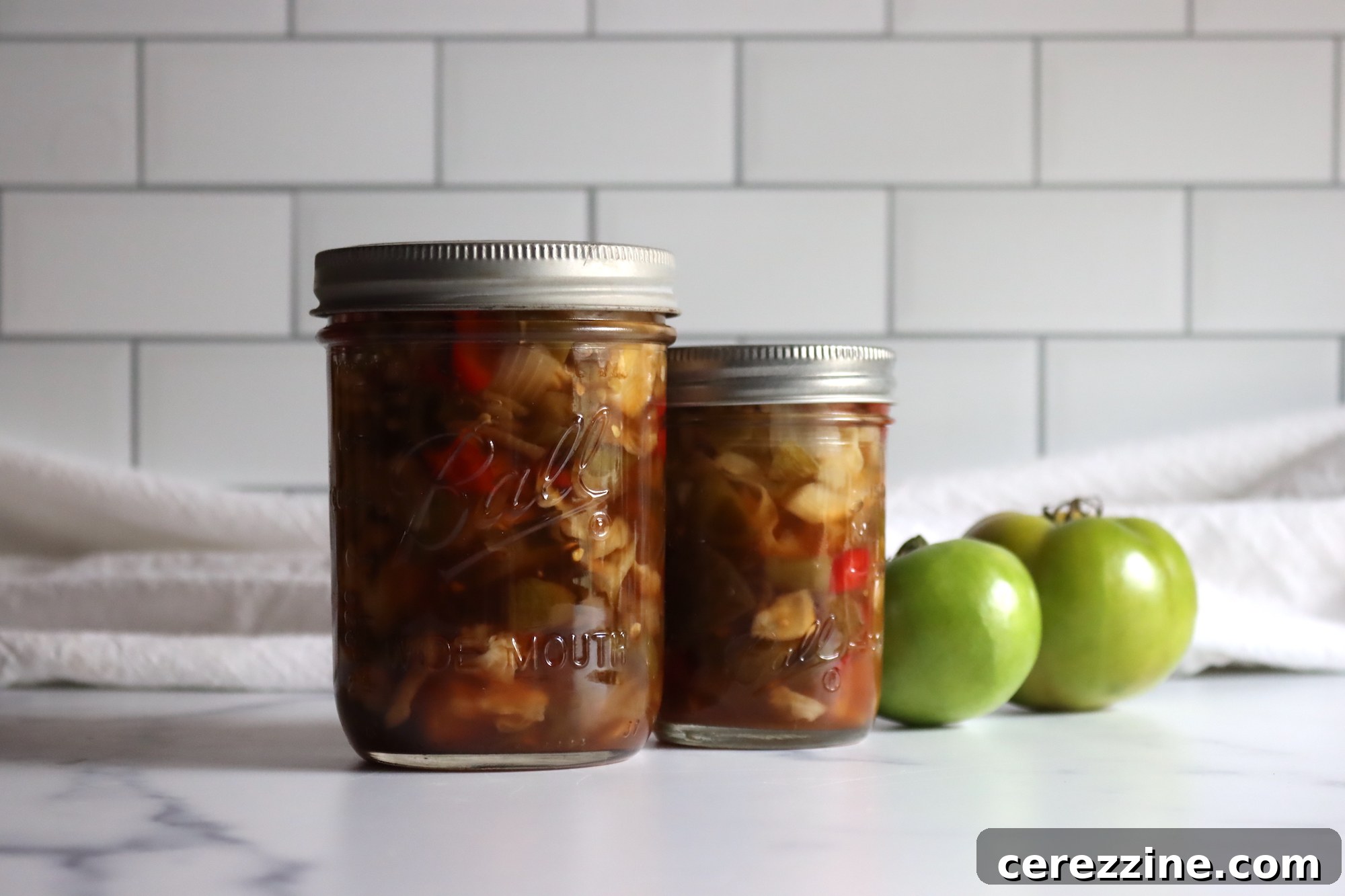
Piccalilli, at its heart, is an incredibly flavorful relish, known for its bold combination of vegetables, aromatic spices, and a sharp vinegar base. This creates a bright, refreshing, and complex flavor profile that complements a vast array of dishes across many global cuisines. The allure of piccalilli lies in its ability to transform simple ingredients into something extraordinary, providing a delightful burst of acidity and spice with every bite.
Specifically, green tomato piccalilli serves as an ingenious and delicious method for utilizing those green tomatoes that haven’t quite reached full ripeness before the first touch of winter frost. This green tomato canning recipe is more than just practical; it’s an art form of preservation, allowing you to extend the enjoyment of your garden’s bounty far beyond its natural season. It’s an economical and fulfilling way to ensure no harvest goes to waste, turning potential discards into culinary gems.
The concept of a vibrant, pickled vegetable medley isn’t unique to New England. Indeed, almost every region and culture boasts its own beloved version of this versatile relish. From the rich, mustard-based British piccalilli to the more rustic, often sweeter Southern American chow-chow, the tradition of preserving a flavorful medley of end-of-season vegetables is truly universal. The sheer global popularity and diverse interpretations speak volumes: a condiment with such a widespread reputation simply has to be good.
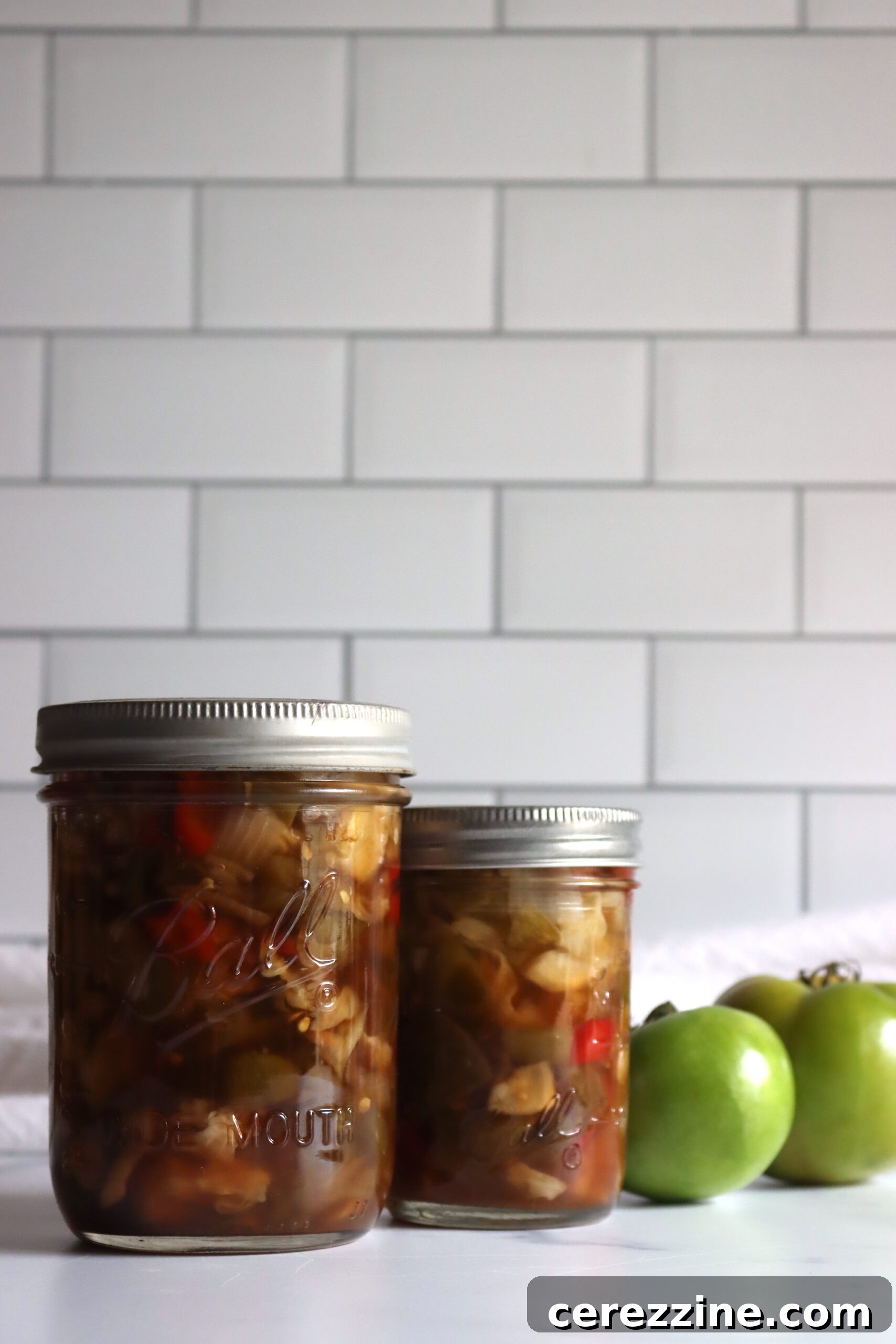
Exploring Regional Varieties: Chow Chow and Piccalilli
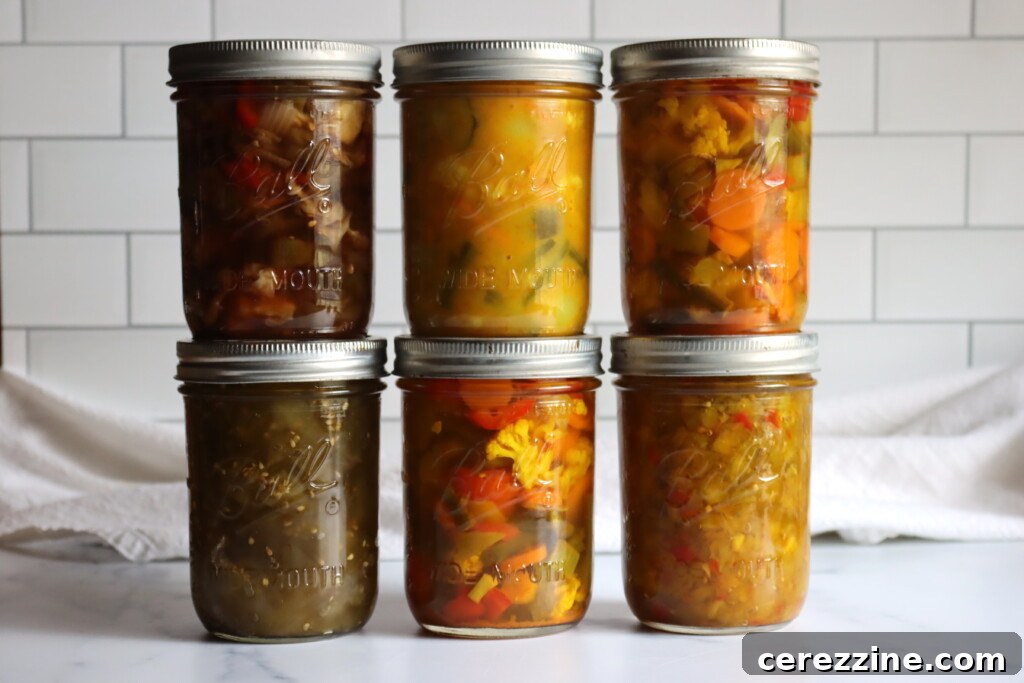
The culinary landscape of pickled vegetable relishes is remarkably rich and varied, with each region imparting its unique stamp on the beloved piccalilli or chow-chow. This particular New England-style piccalilli offers a delightful balance, bridging the gap between its two prominent cousins: the robust, old-school British Mustard Pickles and the comforting Southern-style chow-chow. It thoughtfully adopts the inclusion of cabbage and green tomatoes, often found in Southern recipes, but distinguishes itself with larger, more substantial chunks of vegetables, complemented by the warm, earthy notes of brown sugar and a blend of aromatic spices.
Beyond these, the diversity continues. For those with a sweeter palate, the Amish Chow Chow introduces a medley of beans and carrots, creating a uniquely sweet and savory profile that is both hearty and delightful. Meanwhile, the Canadian Chow Chow often champions simplicity, focusing purely on the distinct flavor of green tomatoes, allowing their tartness to shine through with minimal distraction. These are but a few examples among the many captivating chow chow and piccalilli recipes awaiting discovery and preservation in your home kitchen. Each recipe tells a story of local produce, historical influences, and culinary creativity, ensuring there’s a piccalilli out there for every taste and occasion.
A Quick Look at the Green Tomato Piccalilli Recipe
- Recipe Name: Green Tomato Piccalilli (New England Style)
- Recipe Type: Relish Canning Recipe
- Canning Method: Waterbath Canning
- Preparation/Cook Time: 1 day pre-soak, 30 minutes cook time
- Canning Time: 10 Minutes
- Yield: Approximately 4 to 5 pints (or about 9 half-pints)
- Recommended Jar Sizes: Quarter Pint, Half Pint, and Pint
- Headspace Requirement: 1/2 inch
- Key Ingredients: Green Tomatoes, Bell Peppers, Onions, Cabbage, Vinegar, Brown Sugar, and an array of aromatic Spices
- Difficulty Level: Easy. While it is an overnight recipe due to the vegetable pre-soak, none of the individual steps are inherently difficult, making it accessible for canners of all experience levels.
Essential Ingredients for Your Green Tomato Piccalilli
This well-regarded recipe for Green Tomato Piccalilli is a carefully adapted and tested version, originating from the esteemed University of Georgia’s publication, So Easy to Preserve. It might seem a delightful irony that a prominent Southern university would be the source for an authentic Northern condiment. However, the University of Georgia stands as one of the few institutions nationwide dedicated to rigorous recipe testing for home canning, and they meticulously sought out and validated a genuine New England piccalilli recipe, ensuring its safety and deliciousness. This commitment to research provides a reliable foundation for your preserving endeavors.
Soon, we’ll delve into a classic Southern chow-chow recipe, but for now, immerse yourself in the distinctive flavors of the North with this exceptional piccalilli! To prepare a standard canner batch, which typically yields nine half-pint jars of this savory relish, you will need the following high-quality ingredients:
- 6 cups of fresh green tomatoes, uniformly diced
- 1 ½ cups of sweet red peppers, finely diced
- 1 ½ cups of crisp green bell peppers, finely diced
- 2 ¼ cups of onions, meticulously diced
- 7 ½ cups of green cabbage, freshly chopped
- ½ cup of canning or pickling salt (critically important: this is for salting the vegetables overnight, not for direct addition to the brine)
- 4 ½ cups of vinegar (ensure it has at least 5% acidity for safe canning, such as white vinegar or apple cider vinegar)
- 3 cups of packed brown sugar, providing a rich, molasses-like sweetness
- 3 tablespoons of whole mixed pickling spice, ideally tied into a permeable sachet
A crucial detail to highlight is the significant amount of salt listed. It’s imperative to understand that this salt is exclusively for the overnight pre-salting process of the vegetables. It serves to draw out excess moisture, which is key for crispness and flavor concentration, and a substantial portion of it will be drained away before canning. This method is vital for achieving the correct texture and preventing overly watery, bland, or excessively salty piccalilli. Skipping this initial salting and rinsing step, or adding this quantity of salt directly to the brine, would result in a preserve that is unpleasantly salty and lacks the desired crispness. Always follow the directions carefully, especially the overnight salting of the vegetables, for the best results.
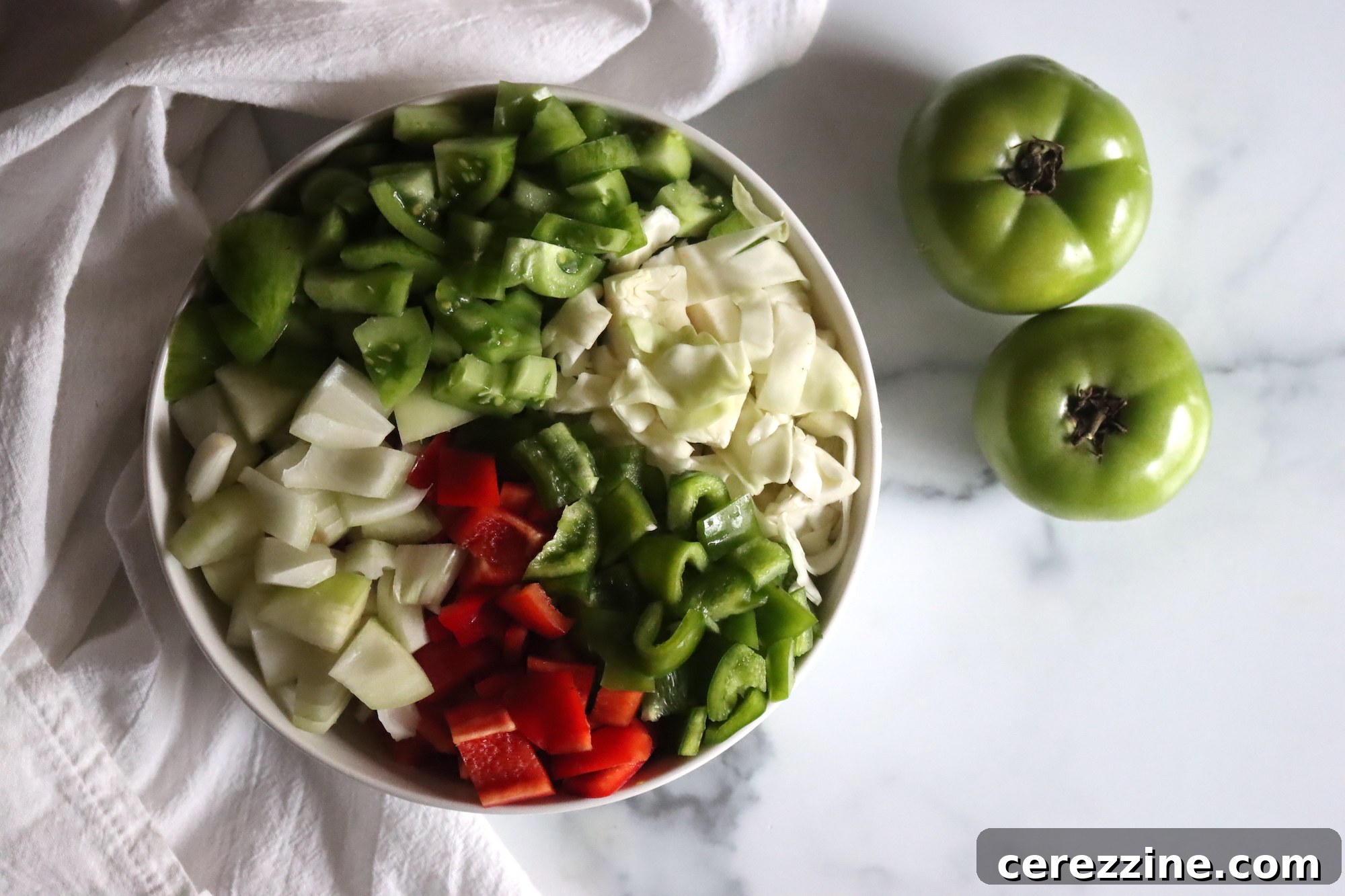
While the recipe provides a classic vegetable combination, there’s room for slight customization within safe canning guidelines. For instance, any combination of sweet peppers can be used, provided their total volume does not exceed 3 cups. Similarly, you might opt for red onions or red cabbage to introduce different visual and subtle flavor notes, which is perfectly acceptable.
The choice of sugar and vinegar influences both the flavor and appearance of your piccalilli. Brown sugar, as specified, contributes a deeper, caramel-like sweetness and imparts a characteristic brownish hue to the brine. If you use apple cider vinegar, which I often do, the relish will naturally be darker. For a brighter, more visually striking pickle, you could substitute white granulated sugar and white vinegar. However, be aware that this change might subtly alter the flavor profile, making it a bit sharper and less complex than with brown sugar and cider vinegar. The choice ultimately depends on your aesthetic and taste preferences.
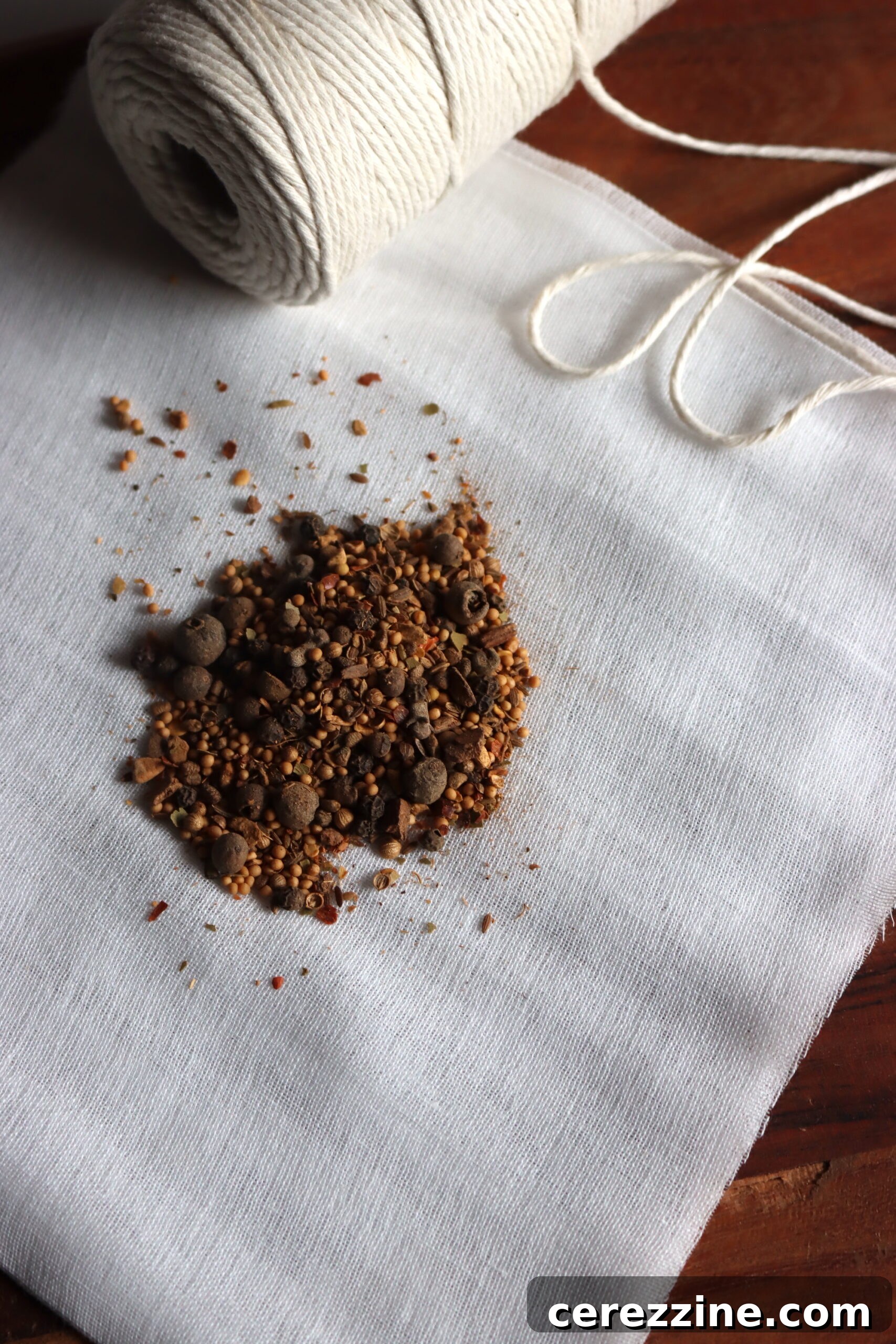
Finally, regarding the whole mixed pickling spices: it’s crucial to remember these are for infusion only. They should be tied securely into a cheesecloth sachet and steeped in the brine during cooking. Adding whole spices directly to the canning jars is not recommended; they would over-infuse, potentially swell, and could pose a choking hazard when eating the relish. The spice sachet is always removed before the piccalilli is packed into jars for canning, ensuring a perfectly balanced flavor without any unwanted bits.
Mastering the Canning Process for Green Tomato Piccalilli
Embarking on the canning journey for green tomato piccalilli is a rewarding experience that begins with meticulous preparation. Start by expertly chopping all your vegetables – the firm green tomatoes, vibrant bell peppers, pungent onions, and crisp cabbage – into uniform pieces. Combine these diced vegetables thoroughly with the canning or pickling salt in a large bowl. Allow this mixture to rest, covered, in the refrigerator overnight. This critical pre-soaking step is not merely a suggestion; it actively draws out excess moisture from the vegetables, which is fundamental for preventing a watery relish and, more importantly, for achieving that desirable crisp texture in your finished piccalilli.
Under no circumstances should you skip this essential overnight salting and draining step. While the full overnight period is ideal, you can slightly accelerate the process if time is of the essence. Allowing the vegetables to sit for a minimum of 6 hours in a colander, draining over the sink, is an acceptable alternative to complete the recipe in a single day. The core principle remains: the vegetables must release liquid and absorb some salt, with the majority of the salt later being rinsed away. This ensures the perfect balance of flavor and texture, setting the stage for a superior relish.
The following morning (or after your minimum 6-hour soak), thoroughly drain the vegetables. To remove any lingering excess liquid and salt, firmly press the vegetables into a clean white cloth or multiple layers of cheesecloth. If, after tasting a sample of the finished piccalilli from a previous batch, you find it too salty for your preference, you may opt to briefly rinse the vegetables under cold water before pressing them in future attempts. However, for most, the thorough draining and pressing method suffices to achieve the optimal texture and flavor profile for your piccalilli.
While your vegetables are draining, turn your attention to the brine. In a large, non-reactive pot or Dutch oven, combine the brown sugar and vinegar. Your choice of vinegar matters; apple cider vinegar will lend a slightly fruiter, more mellow note and a darker color, while white vinegar will result in a sharper flavor and a lighter appearance. Regardless of your preference, ensure your vinegar boasts at least 5% acidity, which is non-negotiable for safe water bath canning. Next, gather your mixed pickling spices and tie them loosely into a piece of cheesecloth or a clean cloth, forming a spice sachet. Add this sachet to the sugar and vinegar mixture and bring it to a rolling boil over medium-high heat, allowing the aromatic spices to begin infusing the brine.
Once your vinegar mixture is boiling vigorously, carefully add the drained and pressed vegetables to the pot. Stir everything together gently to ensure all vegetables are coated in the brine. Bring the mixture back to a boil, then reduce the heat to maintain a gentle boil or simmer. Allow the piccalilli mixture to cook for approximately 30 minutes, or until its volume has visibly reduced by about half. This extended simmering time is crucial for concentrating the flavors, allowing the vegetables to fully absorb the piquant spices and tangy vinegar, and achieving the desired relish consistency.
As the piccalilli simmers, seize the opportunity to prepare your canning equipment. Ensure your water bath canner is filled and heating, and sterilize your canning jars, rings, and lids. These should be kept hot until ready for use to prevent thermal shock and ensure proper sealing.
Once the piccalilli has reached its desired consistency, carefully remove the spice bag from the pot and discard it. You are now ready to begin canning. (If you are not planning to can the piccalilli, you can simply ladle the hot relish into clean jars, secure with lids, allow to cool on the counter, and then store in the refrigerator for immediate enjoyment.)
For canning, carefully pack the hot green tomato piccalilli into your prepared, hot half-pint or pint jars, ensuring you leave a precise 1/2 inch of headspace at the top of each jar. This headspace is essential for proper seal formation and to prevent jar breakage during processing. Using a clean, non-metallic spatula or chopstick, gently remove any trapped air bubbles from the jars. Finally, wipe the rims of the jars meticulously clean with a damp cloth to ensure a perfect seal. Place the lids and screw bands onto the jars, tightening them to fingertip-tightness.
Carefully lower the filled jars into your boiling water bath canner, ensuring they are fully submerged by at least 1 inch of water. Bring the water back to a vigorous boil and process the jars for 10 minutes. If you reside at an altitude above 6,000 feet, extend the processing time to 15 minutes to account for lower boiling temperatures. Once the processing time is complete, turn off the heat and let the jars sit in the canner for an additional 5 minutes before carefully removing them. This helps to prevent siphoning and promotes a better seal.
Remove the jars from the canner and place them on a clean kitchen towel or a wire rack at room temperature, ensuring they are not disturbed for 12-24 hours. During this cooling period, you should hear the satisfying “ping!” as the lids seal. After 24 hours, check for a tight seal on each jar; the center of the lid should be concave and not flex when pressed. Any jars that have not sealed properly should be stored in the refrigerator and consumed within a few weeks. Properly sealed jars can be stored in a cool, dark place for up to one year, ready to be enjoyed whenever a burst of garden-fresh flavor is desired. It’s truly as easy and rewarding as that!
Creative Ways to Serve Green Tomato Piccalilli
Green tomato piccalilli is far more than just a simple condiment; it’s a versatile flavor enhancer that can elevate a wide array of dishes. Its unique tangy, sweet, and spicy profile makes it an exceptional addition to almost any meal, transforming the ordinary into the extraordinary. Whether you prefer to enjoy it straight from the jar or incorporate it into more elaborate culinary creations, piccalilli offers endless possibilities for your palate.
For a straightforward yet incredibly satisfying experience, simply spoon the piccalilli directly onto your plate or into your dish of choice. It makes an outstanding accompaniment to classic comfort foods. Imagine it crowning a juicy burger, adding a zing to a hot dog, or bringing a vibrant twist to your favorite sandwich. The crisp texture and bold flavor cut through richness, providing a refreshing counterpoint. Beyond main courses, piccalilli shines as an elegant addition to a cheese board, paired with artisan crackers and a selection of fine cheeses, offering a sophisticated snack or appetizer.
For those who love to experiment and customize, piccalilli provides an excellent base for further culinary innovation. While it’s crucial never to add fresh ingredients to the piccalilli *before* canning, as this can compromise the safety and shelf life of your preserved product, you have full creative freedom when serving. At the moment of enjoyment, consider stirring in additional fresh elements to complement and enhance its existing flavors. This might include finely chopped fresh herbs like parsley or cilantro, which are popular choices for their bright, herbaceous notes. You could also mix in other finely diced raw vegetables to add even more texture and freshness. A dollop of piccalilli mixed into sour cream or Greek yogurt creates a quick, zesty dip for crudités or grilled meats. It can also be incorporated into vinaigrettes for a unique salad dressing, or used as a secret ingredient in marinades for poultry or pork, infusing them with its distinct flavor. Explore and discover your favorite ways to integrate this delightful relish into your culinary repertoire!
If you tried this Green Tomato Piccalilli recipe, or any other recipe on Creative Canning, leave a ⭐ star rating and let me know what you think in the 📝 comments below!
And make sure you stay in touch with me by following on social media!
- Substack
More Green Tomato Canning Recipes
Dill Pickled Green Tomatoes
10+ Chow Chow Recipes (& Piccalilli too!)
Green Tomato Chow Chow (Canadian Style)
Green Tomato Ketchup
9
Half Pints
Green Tomato Piccalilli (New England Style)
Ashley Adamant
1
day
30
mins
10
mins
1
day
40
mins
Print Recipe
Equipment
-
Water Bath Canner
-
Large Pot or Dutch Oven
-
Canning Jars (Pints or Half-Pints)
-
Lids and Rings
-
Cheesecloth (for spice sachet)
-
Colander and Clean Cloth (for draining veggies)
Ingredients
- 6 cups green tomatoes, diced
- 1 ½ cup sweet red peppers, diced
- 1 ½ cup green bell peppers, diced
- 2 ¼ cups onions, diced
- 7 ½ cups cabbage, chopped
- ½ cup canning or pickling salt, for salting veggies (NOT in brine)
- 4 ½ cups vinegar, at least 5% acidity
- 3 cups brown sugar, packed
- 3 tbsp mixed pickling spice, tied in a spice bag
Instructions
-
Begin by chopping up your green tomatoes, bell peppers, onions, and cabbage into uniform dice.
-
Mix the chopped vegetables thoroughly with the ½ cup of canning or pickling salt in a large bowl. Cover and let them sit overnight in the refrigerator (or at least 6 hours in a colander) to draw out excess liquid and crisp the vegetables.
-
The next morning (or after soaking), drain the vegetables very well. Press them into a clean white cloth to remove any remaining liquid. This step is crucial for texture.
-
In a large pot or Dutch oven, combine the 3 cups of packed brown sugar and 4 ½ cups of 5% acidity vinegar.
-
Tie the 3 tablespoons of mixed pickling spices loosely into a piece of cheesecloth or a clean cloth to form a sachet. Add this spice sachet to the sugar and vinegar mixture. Bring the mixture to a full boil.
-
Once your vinegar mixture is boiling, add the drained vegetables. Stir everything together well and return to a gentle boil. Let the mixture boil gently for about 30 minutes, or until the liquid has reduced by half and the vegetables are tender-crisp.
-
Carefully remove and discard the spice bag from the pot.
-
Meanwhile, prepare your water bath canner, jars, rings, and lids. Pack the hot piccalilli into hot, sterilized half-pint or pint jars, ensuring you leave about 1/2 inch of headspace at the top.
-
Use a non-metallic spatula to remove any air bubbles from the jars and wipe the rims clean with a damp cloth. Place lids and screw bands, tightening to fingertip-tight.
-
Process the jars in a boiling water bath for 10 minutes (or 15 minutes if at an elevation above 6,000 feet).
-
After processing, turn off the heat and let the jars remain in the canner for 5 minutes before carefully removing them. Place jars on a clean towel at room temperature and allow to cool undisturbed for 12-24 hours.
-
Check for a tight seal on each jar (lids should be concave and not flex). Store any unsealed jars in the refrigerator and consume promptly. Properly sealed jars can be stored in a cool, dark place for up to one year. Enjoy your homemade piccalilli!
Notes
Nutrition
Carbohydrates: 11g,
Protein: 0.4g,
Fat: 0.1g,
Saturated Fat: 0.01g,
Polyunsaturated Fat: 0.02g,
Monounsaturated Fat: 0.01g,
Sodium: 792mg,
Potassium: 75mg,
Fiber: 1g,
Sugar: 10g,
Vitamin A: 212IU,
Vitamin C: 13mg,
Calcium: 16mg,
Iron: 0.2mg
Nutrition information is automatically calculated, so should only be used as an approximation.
Like this? Leave a comment below!
Discover More Green Tomato Canning Recipes
Are you looking for even more innovative and delicious ways to preserve your bounty of green tomatoes in a jar? The world of green tomato canning is rich with possibilities, extending beyond just piccalilli. From savory relishes to sweet jams and versatile pie fillings, these recipes offer creative solutions to enjoy your end-of-season harvest year-round. Explore some of our other fantastic recipes:
- 30+ Green Tomato Canning Recipes: A comprehensive collection to inspire your preservation projects.
- Green Tomato Jam: A surprisingly sweet and tangy spread, perfect for toast or cheese.
- Pickled Green Tomatoes: Simple yet incredibly flavorful, these make a great snack or side.
- Green Tomato Pie Filling: A delightful twist on classic fruit pies, with a unique tartness.
Find the perfect recipe
Searching for something else? Enter keywords to find the perfect recipe!
Explore More Relish Canning Recipes
Relishes are a cornerstone of home canning, offering incredible versatility and bursts of flavor for any meal. Beyond green tomato piccalilli, there’s a whole world of relishes waiting to be discovered and preserved. These recipes provide fantastic ways to utilize a variety of garden vegetables, ensuring your pantry is stocked with homemade deliciousness throughout the year. Here are a few more ideas to keep your canning endeavors thriving:
- Corn Relish: A sweet and savory delight, perfect for summer corn harvests.
- Sweet Dill Pickle Relish: A classic condiment for hot dogs and sandwiches, with a perfect balance of sweet and tangy.
- Zucchini Relish: An excellent way to use up abundant zucchini, creating a flavorful, versatile preserve.