Homemade Sweet Cucumber Relish: The Essential Summer Canning Recipe
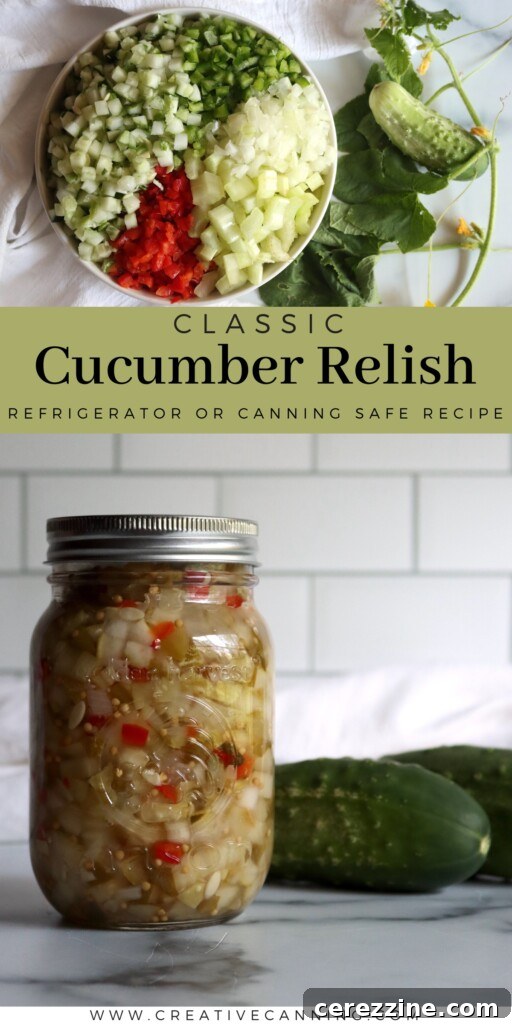
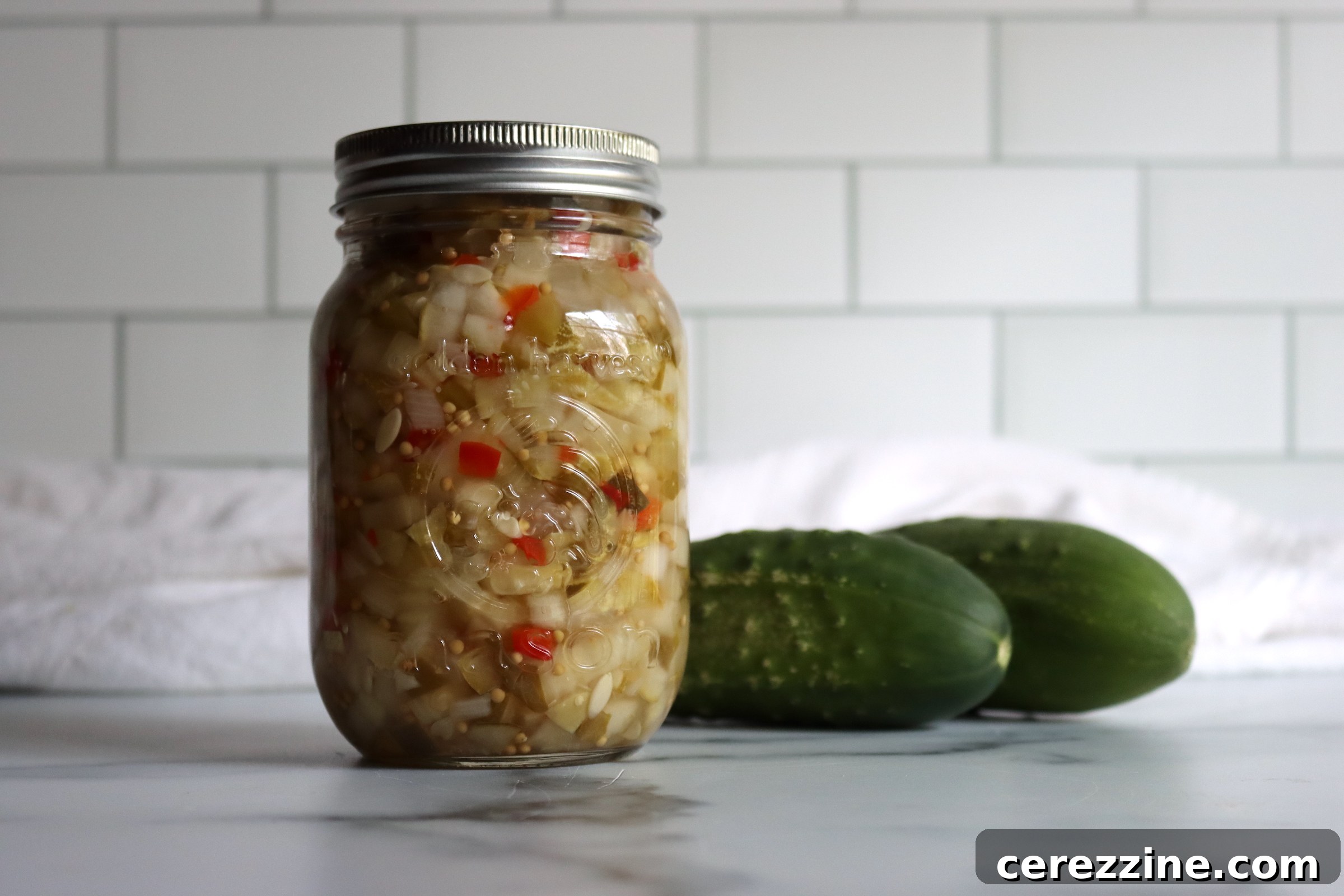
Capture the essence of summer with this vibrant and incredibly versatile homemade cucumber relish. Unlike traditional dill or sweet pickle relishes, this unique recipe prioritizes the fresh, crisp flavors of garden vegetables, creating a delightful condiment without relying on overpowering pickling spices. It’s a beautifully balanced blend of crisp cucumbers, sweet bell peppers, crunchy celery, and aromatic onion, all suspended in a lightly sweetened vinegar brine, subtly seasoned with just a hint of mustard and celery seed. The result is a bright, tangy, and colorful relish that’s perfect for elevating your favorite summer dishes, from sizzling burgers and hot dogs to refreshing picnic salads.
Why Make Your Own Cucumber Relish?
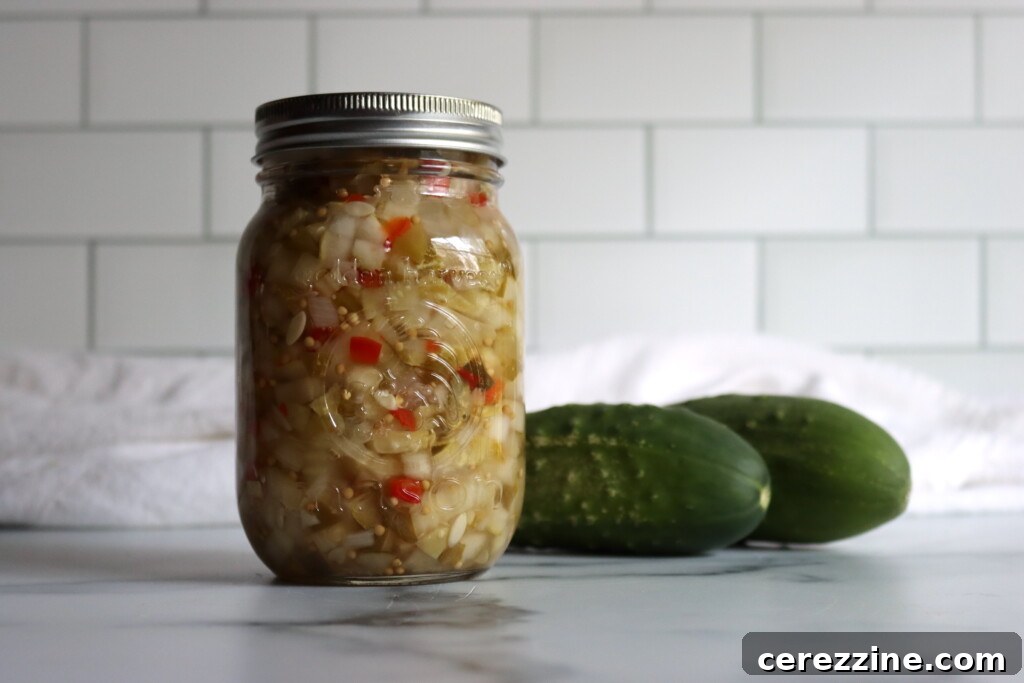
In an age of convenience, some pantry staples are truly worth making from scratch, and sweet cucumber relish is undoubtedly one of them. This old-fashioned canning classic deserves a prominent spot in every home kitchen, offering a fresh, homemade taste that store-bought versions simply can’t match. By preparing your own, you gain control over the quality of ingredients, ensuring the freshest vegetables and a perfectly balanced flavor profile.
This particular recipe stands out because it consciously steps away from the strong dill and heavy pickling spices often found in other relishes. Instead, it lets the natural sweetness and crunch of cucumbers and bell peppers shine through. The subtle notes of celery and mustard seed complement rather than dominate, creating a clean, refreshing taste that enhances a wide array of foods without overwhelming them. It’s a wonderful way to preserve the bounty of your garden or local farmer’s market, transforming an abundance of summer produce into a shelf-stable delight that you can enjoy year-round. Plus, the vibrant colors and appealing texture make it a feast for both the eyes and the palate.
Essential Ingredients for a Perfect Cucumber Relish
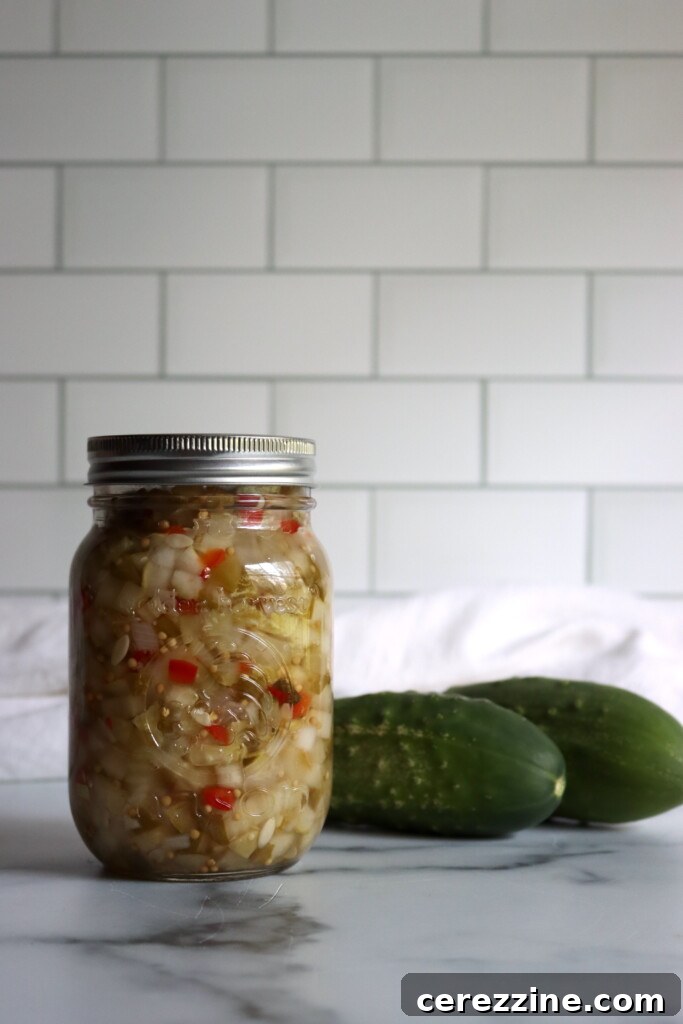
Crafting this exceptional cucumber relish requires a careful selection of fresh, high-quality ingredients. This recipe is designed to highlight the natural flavors of the vegetables, not mask them with an overload of spices. Here’s a detailed look at what you’ll need and why each component is vital:
- Cucumbers: These form the foundation of your relish. Choose firm, fresh cucumbers, preferably pickling varieties, as they tend to have fewer seeds and a crisper texture. Peel and finely chop them to ensure they absorb the brine beautifully and contribute a satisfying crunch to the finished product.
- Green and Red Bell Peppers: A combination of green and red bell peppers not only adds a burst of vibrant color but also contributes mild sweetness and a pleasant crispness. Finely dicing them helps distribute their flavor and texture evenly throughout the relish.
- Celery: Beyond adding a subtle, earthy flavor, celery is crucial for providing structure and a satisfying bite. Its crispness contrasts wonderfully with the softer texture of the chopped cucumbers.
- Onion: Finely chopped onion brings a foundational depth and savory balance to the relish. It mellows significantly during the cooking and canning process, becoming a sweet and aromatic background note.
- Canning Salt (Pickling Salt): This is used exclusively during the initial vegetable soaking step. Its primary role is to draw out excess moisture from the vegetables, a critical step that prevents the relish from becoming watery in the jar. It’s important to use canning or pickling salt, which is free of anti-caking agents and iodine that can darken your brine or create cloudiness. Rest assured, most of the salt is rinsed away before canning, so the final relish won’t be overly salty.
- White Vinegar (5% Acidity): Vinegar is the preserving agent and absolutely essential for canning safety. Always use white vinegar with a verified 5% acidity level. This acidity is what creates an environment hostile to harmful bacteria. For a slightly milder flavor, you could experiment with white wine vinegar or apple cider vinegar, but always ensure they also have 5% acidity. Do not reduce the amount of vinegar or alter the ratio of low-acid vegetables, as this can compromise the safety of your canned goods.
- Sugar: Sugar plays a vital role in balancing the tartness of the vinegar, contributing to that classic, irresistibly sweet relish flavor. It also helps with the overall texture and preservation.
- Celery Seed: This warm, earthy spice subtly enhances the natural celery flavor within the relish, adding a layer of aromatic complexity without being overpowering.
- Mustard Seed: Mustard seeds provide a gentle, peppery heat and a distinctive, subtle spice that rounds out the flavor profile beautifully. It’s a key ingredient that gives this relish its unique character.
While this recipe offers a perfectly balanced flavor profile, feel free to explore adding other complementary spices if you wish to personalize your relish. Just remember to adhere to the recommended vinegar and vegetable ratios for safe canning.
Step-by-Step Guide to Making Cucumber Relish
Making your own cucumber relish is a rewarding process that transforms fresh garden produce into a delectable, long-lasting condiment. Follow these detailed steps to ensure a crisp, flavorful, and safely canned relish:
1. Vegetable Preparation and Soaking
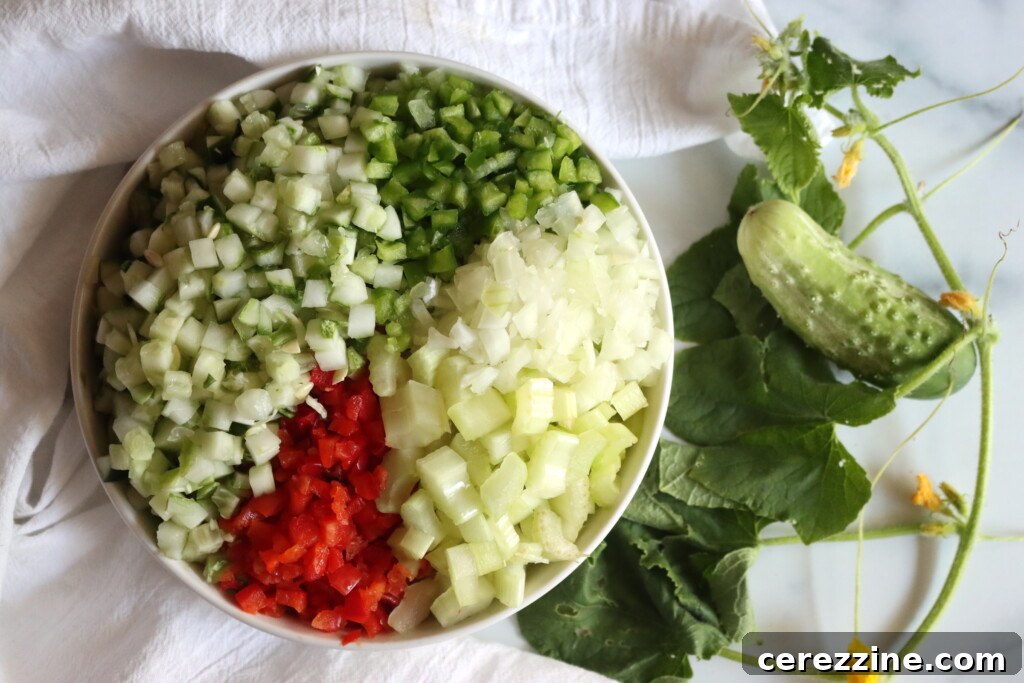
Begin by meticulously preparing your vegetables. Peel and finely chop the cucumbers, ensuring uniform pieces for consistent texture. Finely dice the green and red bell peppers, celery, and onion. The goal is small, even pieces that will blend well and cook through evenly. In a large, non-reactive bowl, combine all the chopped vegetables with the canning salt. Stir well to ensure the salt is evenly distributed. Cover the bowl and let the mixture sit in a cool place for a minimum of 4 hours, or even overnight. This crucial soaking step is vital: the salt draws out excess moisture from the vegetables, preventing the finished relish from becoming watery once it’s in the jar. It also contributes to the relish’s crisp texture.
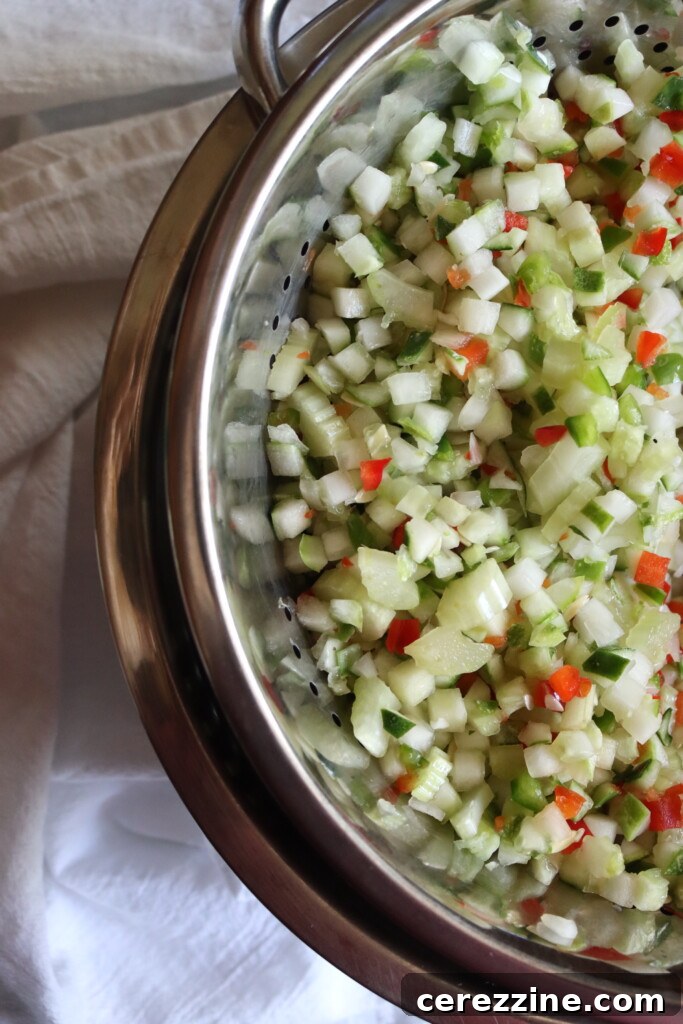
Once the soaking time is complete, transfer the vegetable mixture to a large colander. Rinse the vegetables thoroughly under cool running water for several minutes to remove most of the salt. This is important to prevent an overly salty final product. After rinsing, press down on the vegetables in the colander or gently squeeze them in small batches using clean hands or a cheesecloth-lined towel to extract as much remaining liquid as possible. The more moisture you remove, the crisper and more concentrated your relish will be. Set the well-drained and squeezed vegetables aside.
2. Preparing the Brine and Simmering the Relish
While the vegetables are soaking, or after they have been rinsed and drained, prepare your canning equipment. Set up a boiling water bath canner, ensuring it’s filled with enough water to cover the jars by at least an inch. Sterilize your canning jars, lids, and rings according to standard canning practices. Keep the jars hot until they are ready to be filled.
In a large, non-reactive pot or Dutch oven, combine the white vinegar, sugar, celery seed, and mustard seed. Bring this mixture to a rolling boil over medium-high heat, stirring occasionally to dissolve the sugar. Once boiling, add the thoroughly drained vegetables to the pot. Stir to combine, ensuring all vegetables are coated with the brine. Return the mixture to a boil, then reduce the heat to a gentle simmer. Cook for approximately 5 minutes, stirring occasionally. This brief simmering allows the vegetables to soften slightly and absorb the flavors of the brine, while still retaining some of their desirable crispness.
3. Canning and Sealing
Carefully ladle the hot relish into your prepared, hot canning jars, leaving a precise ½ inch headspace (the space between the surface of the relish and the rim of the jar). Using a non-metallic utensil, gently run it around the inside of each jar to release any trapped air bubbles. Adjust the headspace by adding more relish if necessary. Wipe the rims of the jars thoroughly with a clean, damp cloth to ensure a perfect seal. Place the two-part canning lids (flat lid and screw band) onto the jars, screwing the bands on finger-tight.
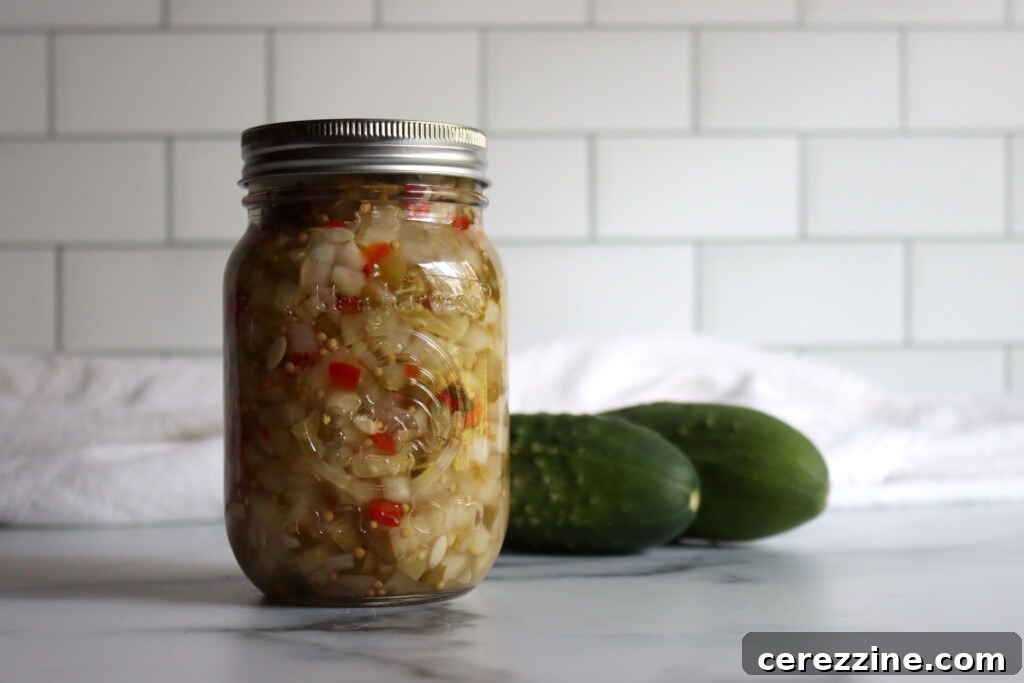
Carefully place the filled jars into the boiling water bath canner, ensuring they are fully submerged and not touching each other. Bring the water back to a rolling boil and process the jars for 10 minutes. Remember to adjust this processing time if you live at a higher altitude (see adjustments below). After the processing time is complete, turn off the heat and allow the jars to rest in the canner for an additional 5 minutes. This helps prevent siphoning and aids in a more reliable seal. Carefully remove the jars from the canner and place them on a wire rack or a towel-lined surface to cool completely, undisturbed, for 12 to 24 hours. You’ll hear the satisfying “pop” as the jars seal. Check for seals by pressing the center of the lid; if it doesn’t flex, it’s sealed. Store sealed jars in a cool, dark place. Any unsealed jars should be refrigerated and consumed within a few weeks.
Altitude Adjustments for Water Bath Canning
For safe water bath canning, it’s crucial to adjust your processing time based on your elevation. Water boils at lower temperatures at higher altitudes, which means food requires longer processing to achieve the same level of safety.
- 0 to 1,000 feet: Process for 10 minutes
- 1,001 to 6,000 feet: Process for 15 minutes
- Above 6,000 feet: Process for 20 minutes
Serving Ideas: How to Enjoy Your Homemade Cucumber Relish
The beauty of this sweet cucumber relish lies in its incredible versatility. Its bright, tangy, and subtly sweet flavor makes it a fantastic accompaniment to a wide variety of dishes, adding a burst of freshness and crunch. Here are just a few ideas to inspire you:
- Classic Topping: It’s the perfect partner for grilled sausages, hot dogs, and hamburgers. Spoon a generous amount over your favorite barbecue fare for an instant flavor upgrade.
- Salad Enhancer: Mix it into classic picnic salads like potato salad, macaroni salad, or coleslaw for an extra layer of flavor and texture. It adds a delightful zing that elevates these staples.
- Deviled Eggs: For a gourmet twist on deviled eggs, finely chop a spoonful of relish and mix it into the egg yolk filling. The tanginess perfectly complements the richness of the yolks.
- Sandwiches and Wraps: Spread a thin layer on your favorite sandwiches or wraps. It pairs wonderfully with deli meats, chicken salad, or even a simple cheese sandwich, especially during the summer months when fresh toppings are most appreciated.
- Meat and Fish Accompaniment: Serve it alongside roasted chicken, pork chops, or grilled fish. Its acidity and sweetness can cut through richer flavors, providing a refreshing contrast.
- Cheese Boards: Add a small bowl of cucumber relish to your next cheese board. It complements sharp cheddar, creamy goat cheese, or tangy blue cheese beautifully.
- Dips and Spreads: Stir it into cream cheese for a quick and flavorful bagel spread, or blend it with sour cream or Greek yogurt for a simple dip for crackers and crudités.
No matter how you choose to enjoy it, this homemade sweet cucumber relish is sure to become a beloved staple in your kitchen, bringing a taste of summer to your table all year long.
Cucumber Relish Recipe
A sweet and mildly spiced cucumber relish made with peppers, celery, and onion—perfect for canning and enjoying year-round on burgers, sausages, and sandwiches.
Yield: Makes 6 Pints
Prep Time: 4 hours (includes soaking)
Cook Time: 20 minutes (simmering + canning prep)
Canning Time: 10 minutes
Total Time: Approximately 4 hours 30 minutes
Equipment:
- Water Bath Canner
- Colander
- Large non-reactive bowl
- Large saucepan or Dutch oven
- Canning jars, lids, and rings
- Jar lifter, funnel, and debubbler (optional, but recommended)
Ingredients:
- 8 cups cucumbers, peeled and finely chopped
- 4 cups green bell peppers, finely chopped
- 4 cups red bell peppers, finely chopped
- 2 cups celery, finely chopped
- 1 cup onion, finely chopped
- ½ cup pickling or canning salt
- 3 cups white vinegar, 5% acidity
- 2 ¼ cups sugar
- 3 Tbsp celery seeds
- 3 Tbsp mustard seeds
Instructions:
- In a large non-reactive bowl, combine the finely chopped cucumbers, green and red bell peppers, celery, and onion with the canning salt. Stir well. Cover the bowl and let the mixture sit in a cool place for 4 hours (or up to overnight). This draws out excess liquid and helps maintain a crisp texture.
- After soaking, drain the vegetables thoroughly in a colander. Rinse them well with cool water to remove most of the salt. Press or gently squeeze the vegetables to remove as much excess moisture as possible. Set aside.
- Meanwhile, prepare your water bath canner by filling it with water and bringing it to a boil. Sterilize your canning jars, lids, and rings according to manufacturer instructions. Keep jars hot.
- In a large saucepan or Dutch oven, combine the white vinegar, sugar, celery seeds, and mustard seeds. Bring the mixture to a boil over medium-high heat, stirring until the sugar is dissolved.
- Add the drained vegetable mixture to the boiling brine. Stir to combine. Return the mixture to a boil, then reduce the heat and let it simmer for about 5 minutes, stirring occasionally.
- Carefully ladle the hot relish into the prepared hot jars, leaving ½ inch headspace. Use a debubbler tool to remove any air bubbles. Wipe the jar rims clean with a damp cloth. Center the lids on the jars and apply screw bands finger-tight.
- Place the filled jars into the boiling water bath canner, ensuring they are covered by at least 1 inch of water. Bring the water back to a rolling boil and process for 10 minutes, adjusting for altitude as needed (see “Altitude Adjustments” section above).
- Once processing is complete, turn off the heat and let the jars rest in the canner for 5 minutes before removing them. Place the jars on a towel-lined counter or wire rack to cool completely for 12-24 hours. Check seals: lids should be concave and not flex when pressed. Store sealed jars in a cool, dark place for up to 1 year. Refrigerate after opening.
Notes:
Don’t skip the initial salt soaking and thorough rinsing step. It’s essential for preventing a watery relish and ensuring a pleasant texture, as well as managing the final saltiness. The spices in this recipe are deliberately subtle, allowing the fresh vegetable flavors to shine. If you wish to experiment, you can add other spices like a pinch of turmeric for color and earthy notes, a touch of ginger, or even a few hot pepper flakes for a spicier relish. However, for canning safety, it is critical NOT to alter the amount of vinegar or the ratio of low-acid vegetables, as this can change the pH and create an unsafe environment for storage.
Nutrition Information (Approximate per serving):
- Calories: 28 kcal
- Carbohydrates: 6g
- Protein: 0.3g
- Fat: 0.2g
- Saturated Fat: 0.02g
- Polyunsaturated Fat: 0.1g
- Monounsaturated Fat: 0.1g
- Sodium: 605mg
- Potassium: 54mg
- Fiber: 0.4g
- Sugar: 5g
- Vitamin A: 240 IU
- Vitamin C: 14mg
- Calcium: 9mg
- Iron: 0.2mg
Nutrition information is automatically calculated, so should only be used as an approximation. Actual values may vary based on ingredient sourcing and preparation methods.
Explore More Relish Recipes for Your Pantry
If you’ve enjoyed the process of making this delightful cucumber relish and are eager to expand your canning repertoire, there’s a world of flavorful relishes awaiting you. Canning relish is a fantastic way to preserve the harvest and add homemade goodness to your meals all year long.
- For a sweet and tangy favorite that’s perfect with grilled meats, try a classic Corn Relish.
- Have an abundance of zucchini? Zucchini Relish is an ingenious and delicious way to use up that bumper crop, transforming it into a savory-sweet condiment.
- If you prefer a more traditional, savory flavor profile, our Dill Relish offers that quintessential pickle relish taste.
- Or dive into the rich history of pickling with classic Piccalilli, also known as English-style mustard pickles, for a bold and tangy experience.
- Don’t miss out on regional favorites like Southern Chow Chow, a spicy and tangy relish that adds a kick to any dish.
- For a slightly different regional twist, explore New England Chow Chow, which often features green tomatoes and a unique blend of spices.
- And for a hearty mixed vegetable preserve, Amish Chow Chow is a robust relish that truly embodies the spirit of preserving the garden’s best.
Each relish offers a distinct flavor profile and texture, making them versatile additions to your pantry and thoughtful gifts for friends and family. Happy canning!