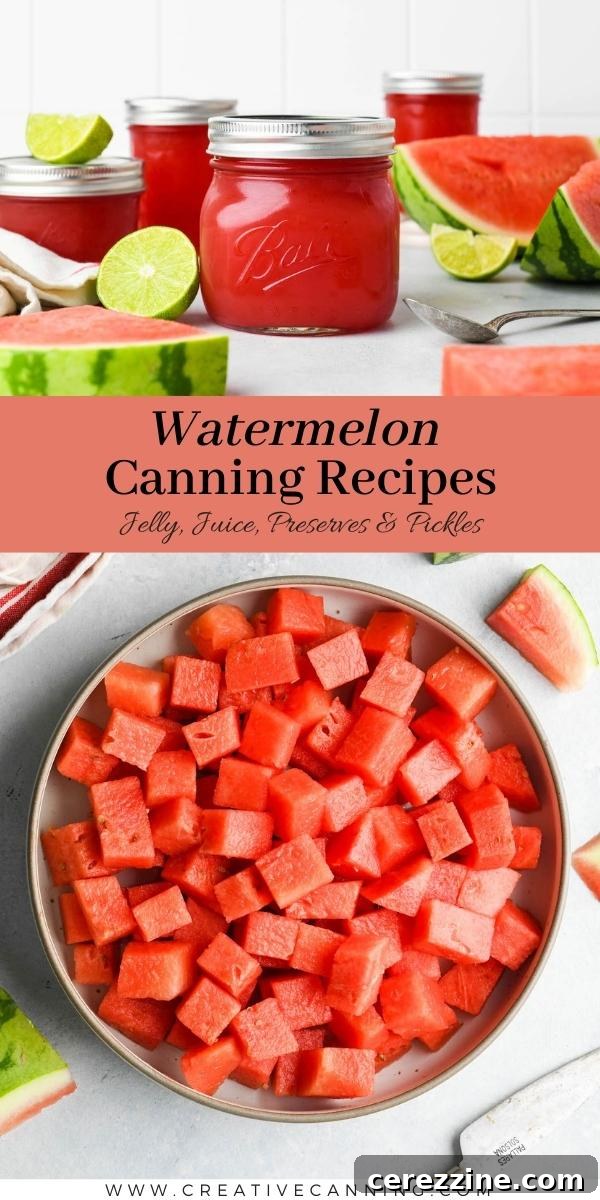
Don’t let the sweet abundance of summer watermelons go to waste! While often enjoyed fresh, preserving this iconic fruit allows you to savor its vibrant flavor long after the season ends. Watermelon canning recipes may seem rare, but they offer a fantastic way to capture summer’s essence right on your pantry shelf.
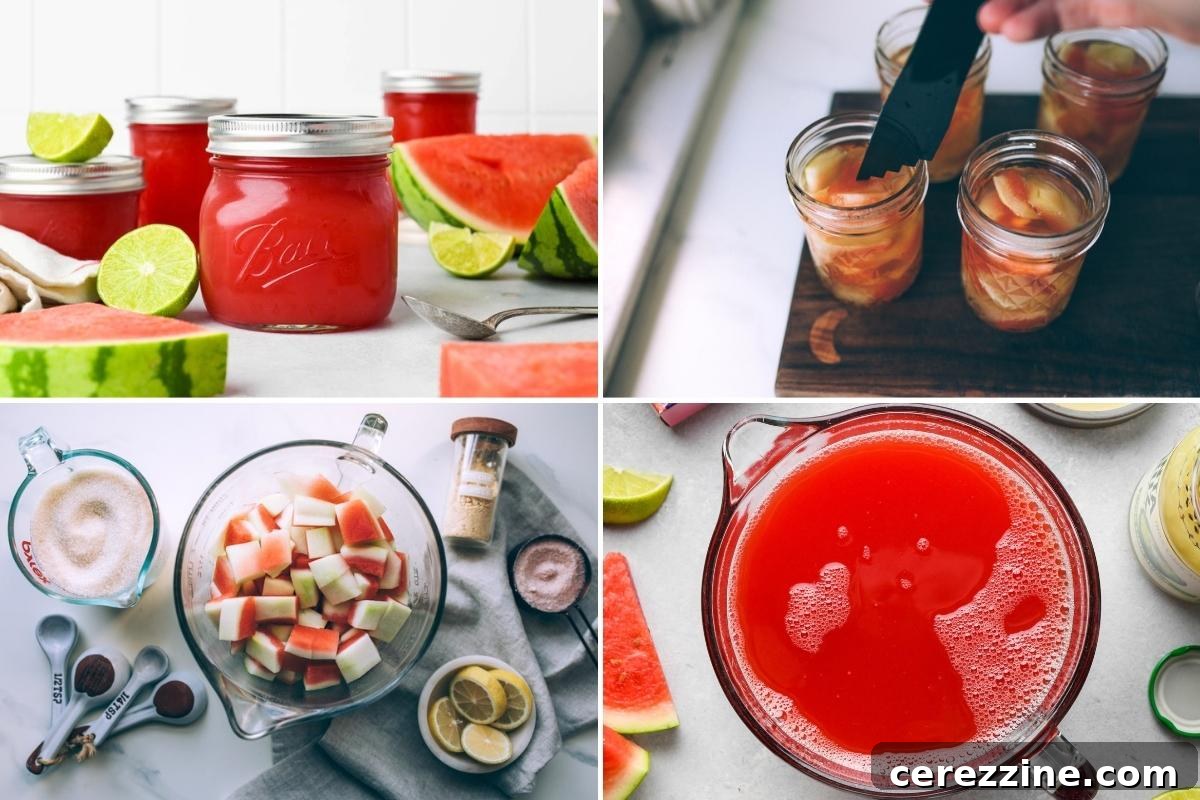
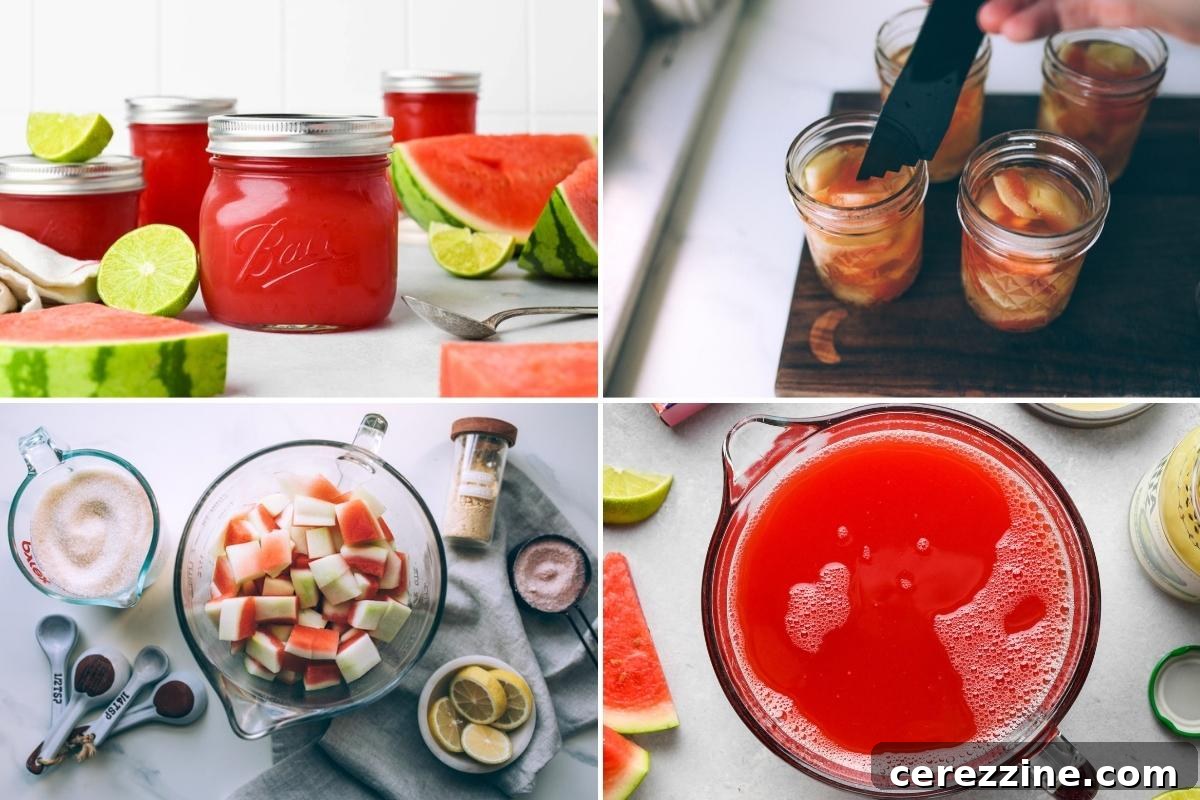
There’s nothing quite like biting into a crisp, juicy slice of watermelon on a hot summer day. For many, it’s the quintessential taste of summer. But what happens when your garden produces an overwhelming bounty, or you find an unbeatable deal at the farmer’s market? The sheer volume of this delightful fruit often exceeds what can be consumed fresh. While a week-long “watermelon fast” might sound appealing to the most ardent fans, even that often leaves plenty to spare.
Across the globe, cultures have developed ingenious methods to preserve watermelon. Take Ukraine, for instance, where the climate is exceptionally suited for growing watermelons. Their traditional preservation techniques include labor-intensive processes like reducing watermelon juice for days over an open fire to create a rich molasses, or fermenting whole watermelons in large vessels similar to making sauerkraut, then storing them in massive drums. While incredibly creative and effective for handling tractor-trailer loads of fruit, these methods aren’t typically practical for the average modern household looking to put up a few melons.
(If you’re fascinated by these historical and regional methods, you can explore them further in Olia Hercules’ insightful book, Summer Kitchens.)
For most home preservers, traditional watermelon canning recipes offer a much more accessible and practical approach. These methods allow you to transform the unique flavor of watermelon into delectable jams, jellies, pickles, and preserves, all safely sealed in jars on your pantry shelf – no antique bathtubs or gigantic cauldrons required!
Is Watermelon Safe for Canning? Understanding pH and Acidity
When it comes to home canning, safety is paramount. One of the most crucial factors is the food’s pH level. Watermelon, while delicious, is naturally a low-acid fruit, with an average pH ranging from approximately 5.2 to 5.6. For safe water bath canning, foods must have a pH of 4.6 or lower. This acidic threshold is essential to inhibit the growth of Clostridium botulinum bacteria, which can cause botulism, a severe and potentially fatal foodborne illness. Therefore, plain watermelon, on its own, is not acidic enough for safe canning.
To safely preserve watermelon using traditional home canning methods, all recipes necessitate the addition of a significant amount of an acidifying agent. This typically includes citrus juice (such as lemon or lime), vinegar, or granulated citric acid. These ingredients effectively lower the overall pH of the watermelon mixture, bringing it into the safe zone for canning.
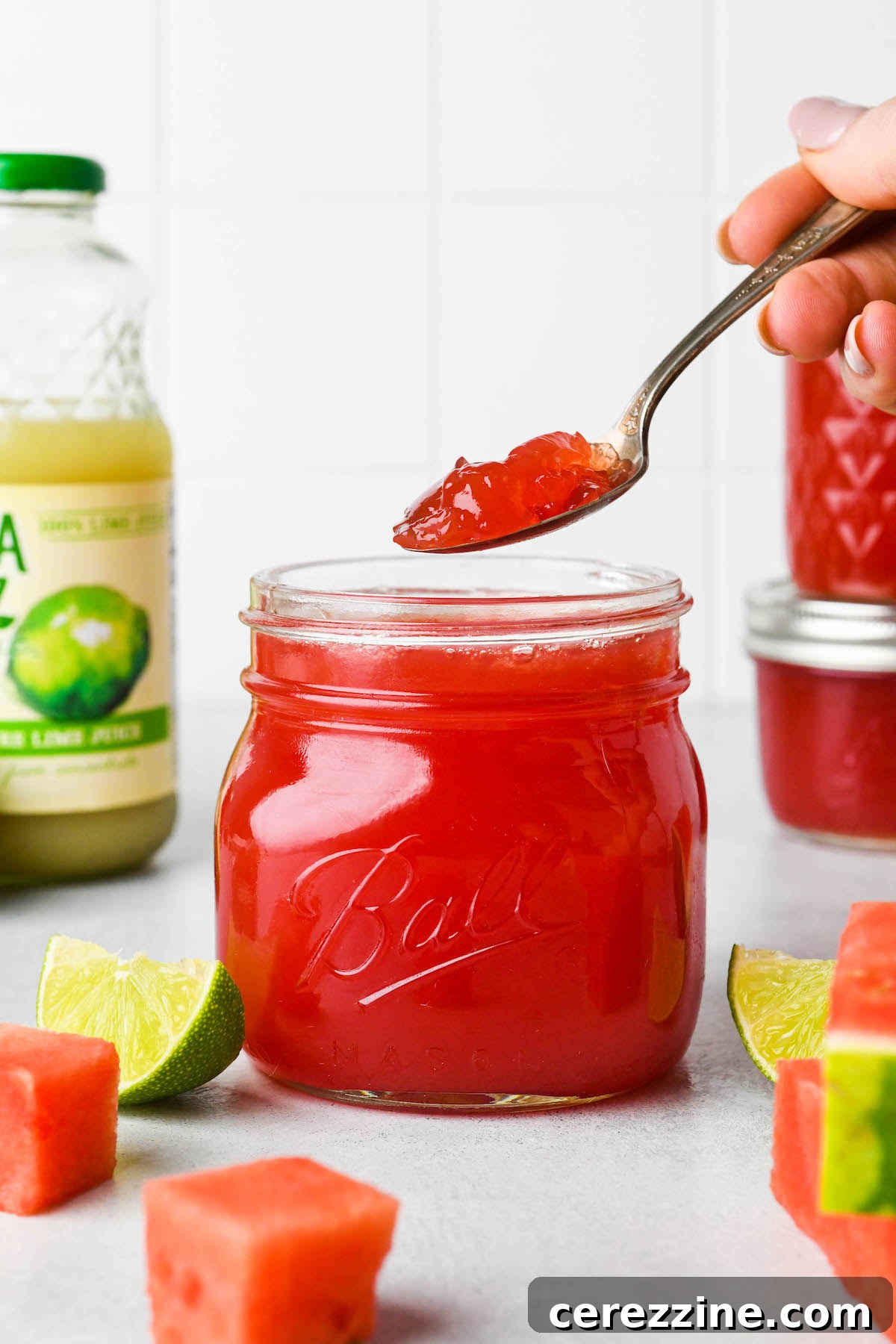
When crafting delightful treats like watermelon jam or jelly, the bright, tangy notes of lemon or lime juice not only provide the necessary acidity but also perfectly complement and enhance the watermelon’s natural sweetness. For an extra touch of gourmet flavor, consider using bottled key lime juice, which offers a unique aromatic quality.
It’s important to remember that a substantial amount of these acidic additions is required to achieve the correct pH. However, this is not a compromise on flavor; rather, the added acidity often elevates the watermelon’s profile, creating a more balanced and complex taste. While lime juice pairs exceptionally well, if you desire the acidity without a pronounced citrus flavor, citric acid is an excellent neutral alternative.
For convenience, you can substitute citric acid for lemon juice in many canning recipes. A general guideline is that 1 tablespoon of lemon juice is equivalent to 1/4 teaspoon of citric acid. Always ensure accurate measurements and do not reduce the specified amount of acid in any tested canning recipe.
Recipes for watermelon pickles and relishes often utilize a combination of vinegar for its strong acidifying properties and lemon juice for added flavor complexity. Under no circumstances should you alter or reduce the total amount of citrus juice, citric acid, or vinegar specified in any tested watermelon canning recipe, as this could compromise the safety of the preserved product.
Exploring Diverse Watermelon Canning Recipes
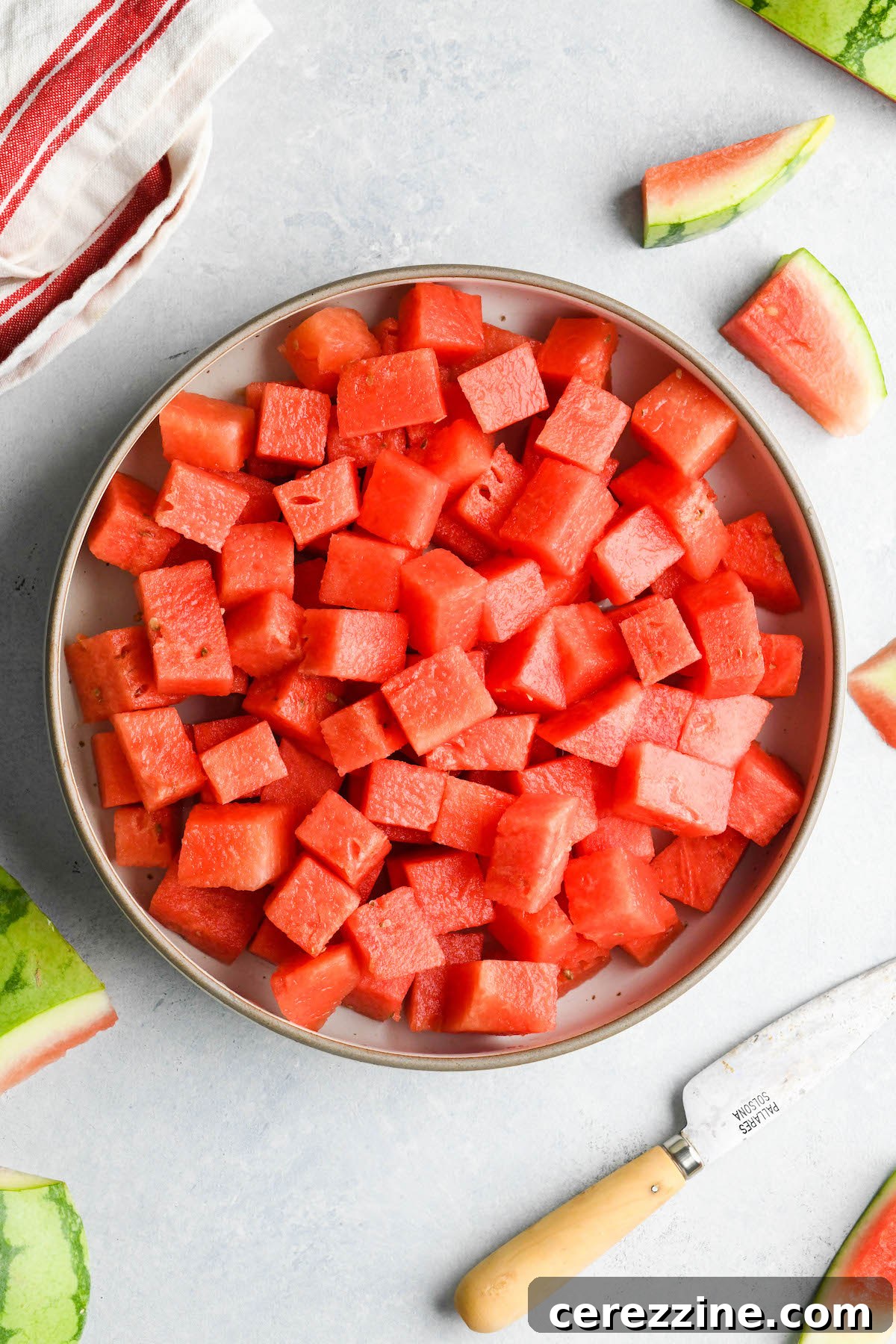
Watermelon canning recipes primarily focus on two main components of the fruit: the strained juice or the versatile rind. The strained juice is perfect for creating vibrant jellies, refreshing drinks, and unique concentrates, allowing the pure, sweet essence of the watermelon flesh to shine through.
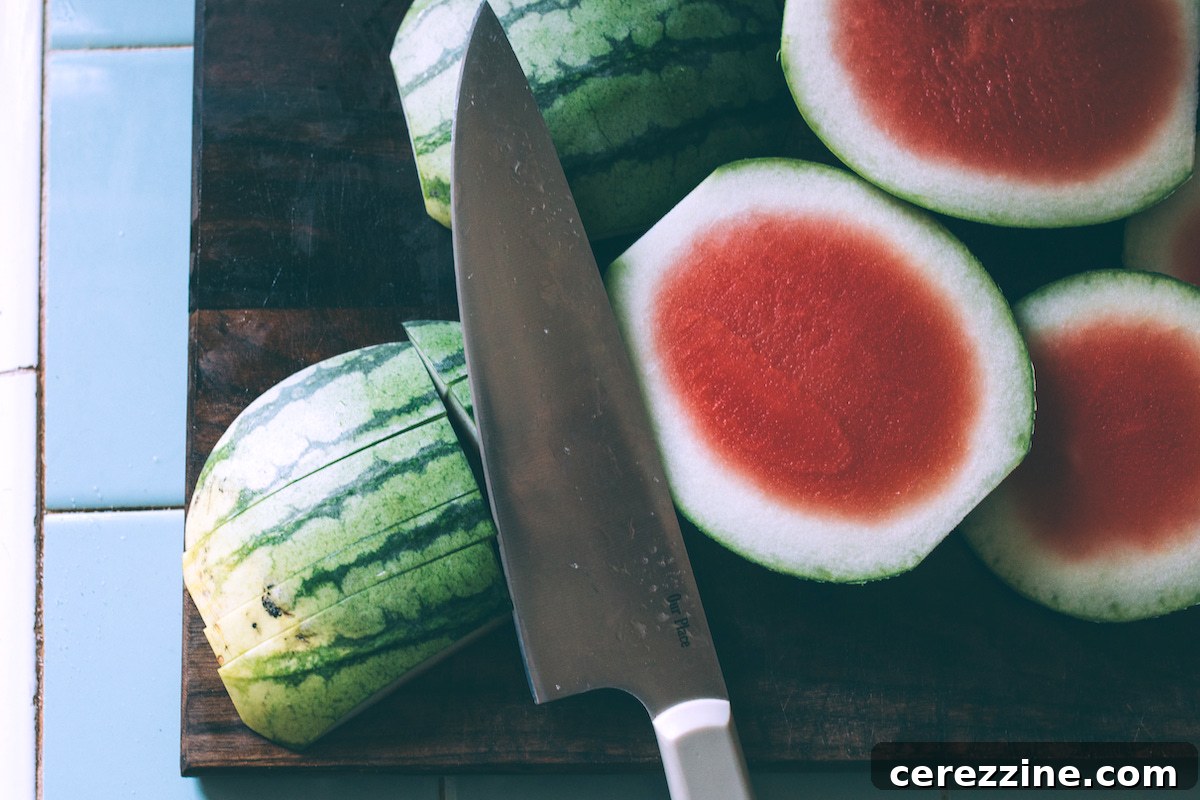
When working with the watermelon rind, which is surprisingly tender and flavorful when prepared correctly, you typically peel off the tough, dark green outer layer. What remains is the white or pale green inner rind, often with a thin strip of the red flesh still attached. This provides a subtle hint of color and flavor, transforming what might otherwise be discarded into a delicious base for pickles, preserves, and relishes.
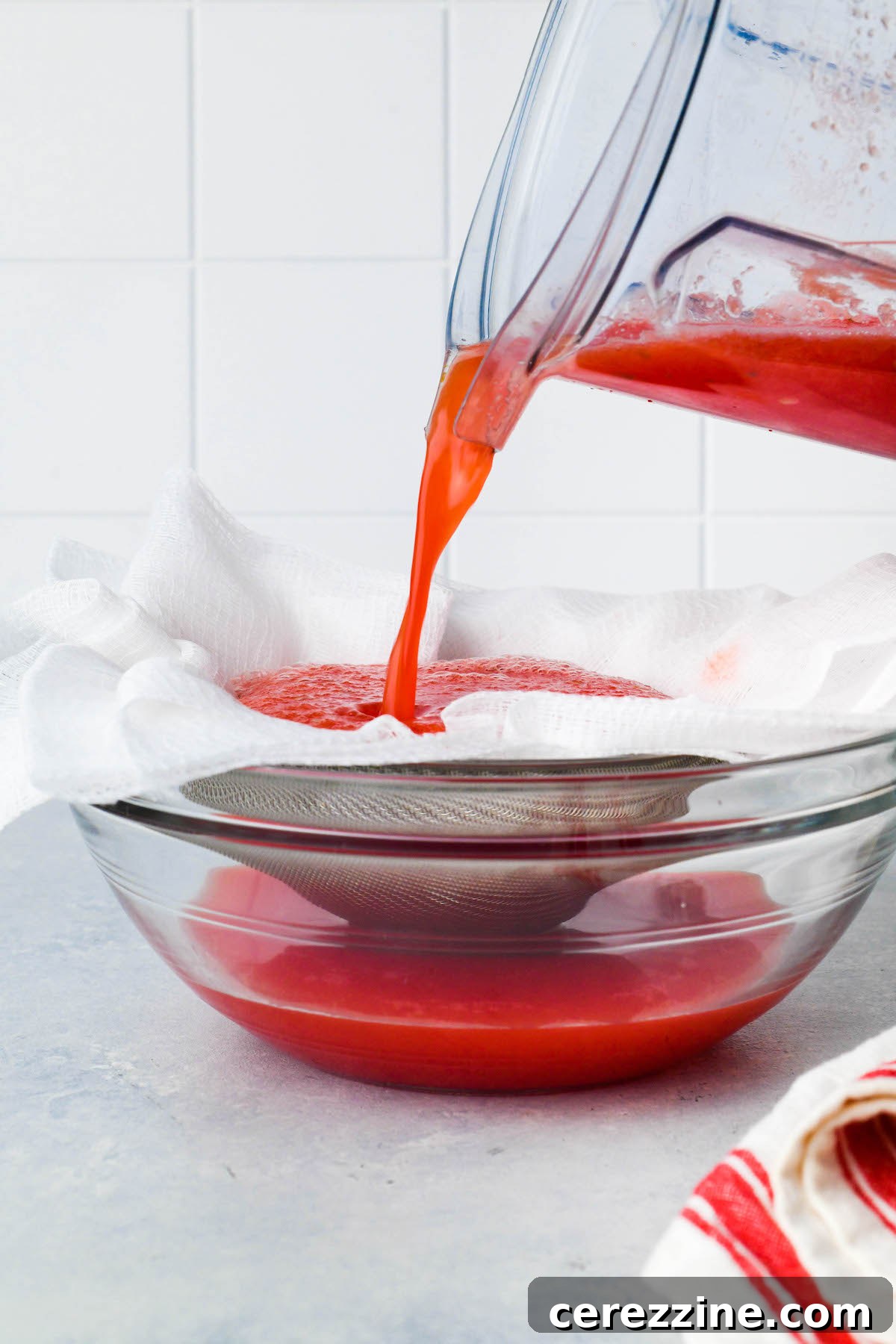
While most recipes avoid using the watermelon pulp directly due to its texture and the presence of seeds (even in “seedless” varieties, small white seeds or immature black ones can remain), some methods may incorporate it after careful preparation. Generally, if a recipe calls for the interior of the watermelon beyond its juice, it’s best to process the flesh thoroughly and then strain it through a cheesecloth or fine-mesh sieve. This crucial step removes both the fibrous pulp and any remaining seeds, ensuring a smooth, desirable consistency for your canned goods.
Watermelon Juice Canning Recipes: A Taste of Summer
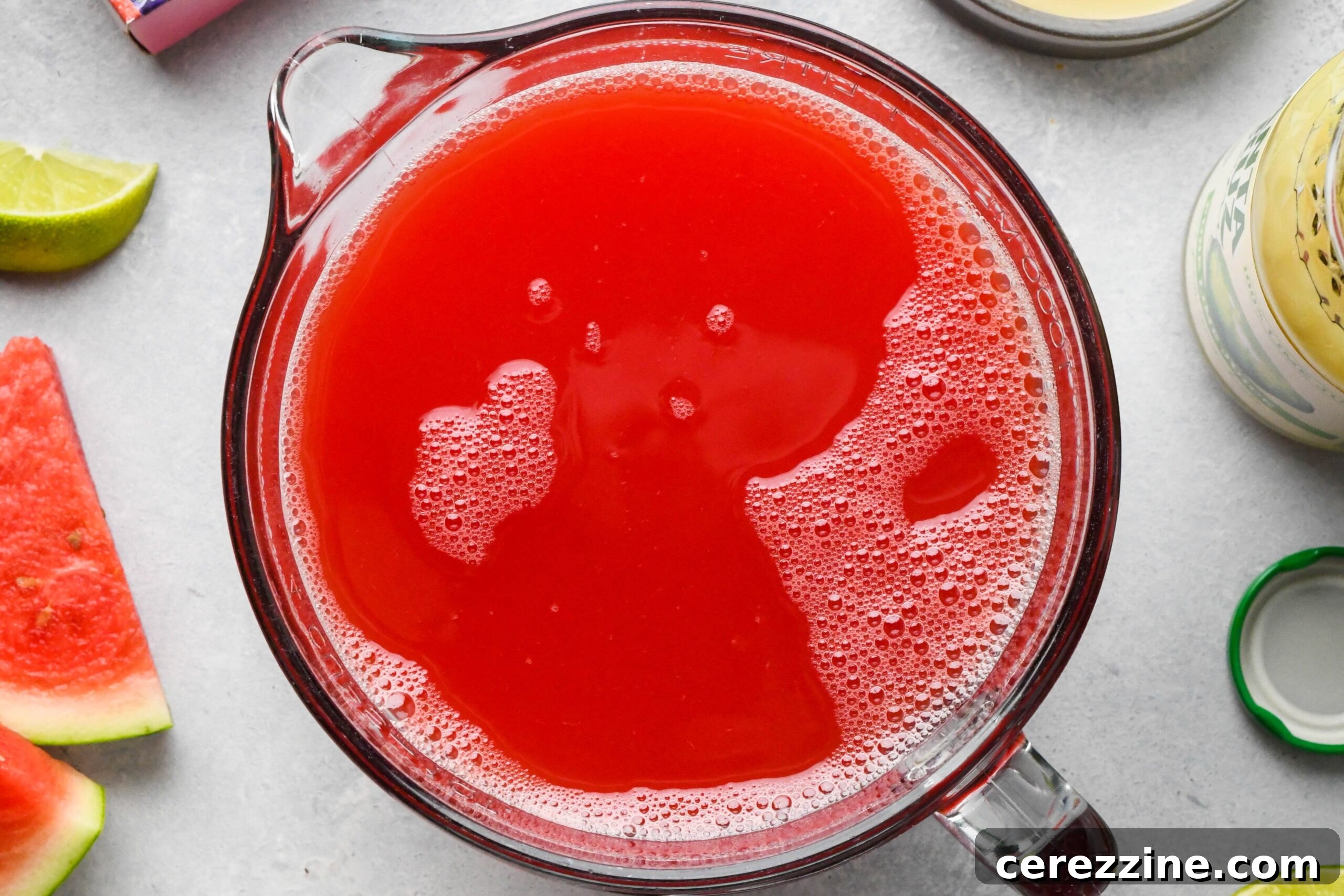
As established, pure watermelon juice lacks the necessary acidity for safe canning. Therefore, recipes for canned watermelon juice will always include a significant amount of an acidifier. The most popular and flavorful approach is to add lemon juice, transforming the juice into a delightful watermelon lemonade concentrate. This concentrate is incredibly versatile – dilute it with water for a refreshing beverage, mix it into cocktails, or even use it as a base for sorbets and popsicles.
Alternatively, lime juice can be used instead of lemon juice, offering a slightly different, equally complementary flavor profile. For an exceptional twist, consider using bottled key lime juice, which imparts a fragrant, distinctive note.
Should you prefer canned watermelon juice without any citrus flavor, it’s imperative to use citric acid to achieve safe pH levels. Follow a tested watermelon lemonade concentrate recipe and substitute the lemon juice with citric acid at the recommended ratio: 1 tablespoon of lemon juice equals 1/4 teaspoon of citric acid. Always prioritize accurate measurement for safety.
- Watermelon Lemonade Concentrate
Watermelon Jam and Jelly Canning Recipes: Sweet Spreads
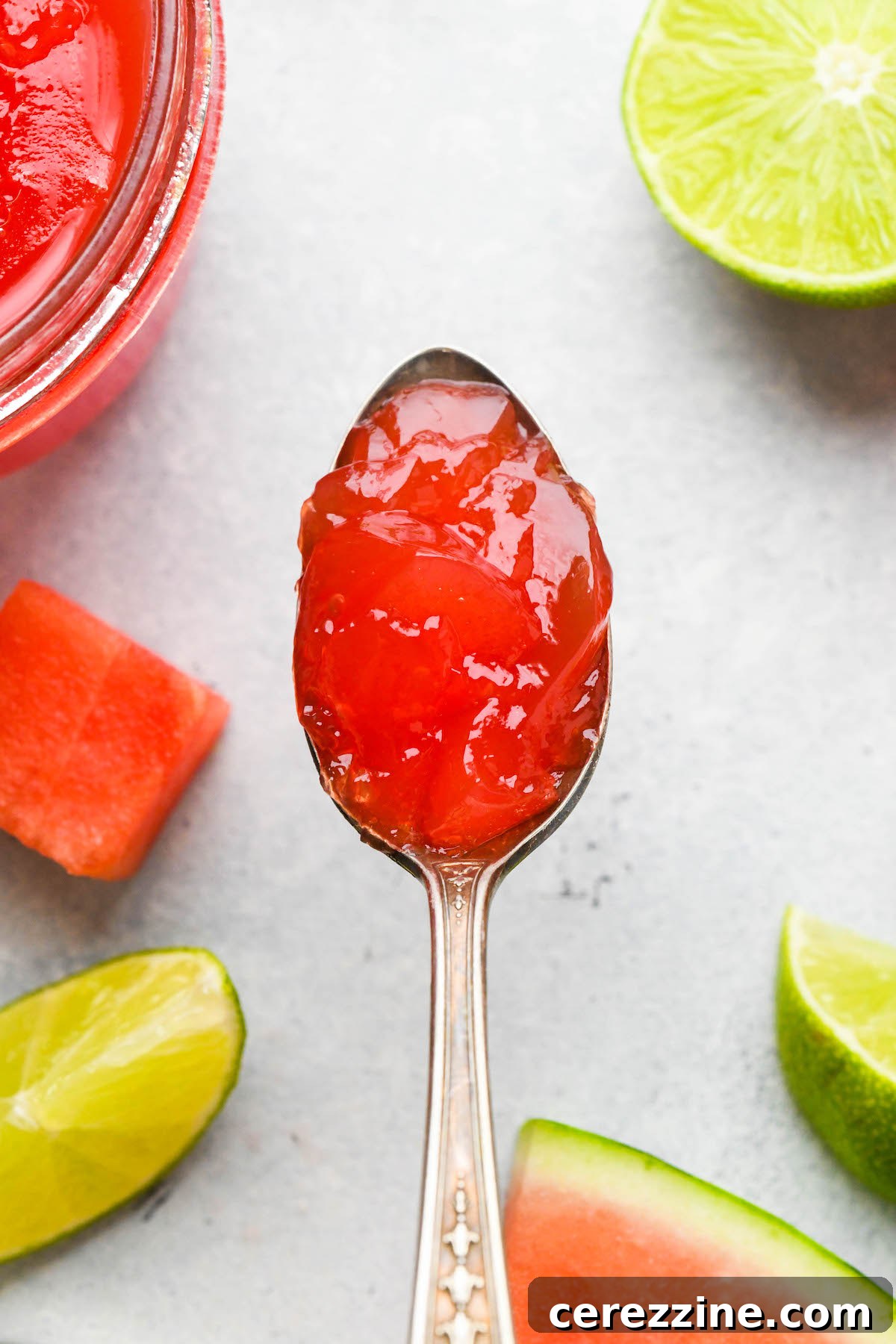
While the rind is a star in many watermelon preservation efforts, jams and jellies are arguably the best ways to capture the pure, fresh taste of watermelon flesh in a jar. These sweet spreads make for wonderful additions to your breakfast table, toast, pastries, or even as glazes for meats.
Jelly, with its smooth, clear consistency, offers a clean expression of the fruit’s flavor. However, if you prefer a product with a bit more body, you can easily make jam. For jam, start with a seedless watermelon and simply puree the flesh without straining. Then, use this puree in place of the juice specified in a watermelon jelly recipe. The small fibers of the pulp will provide a pleasing texture to your jam.
Regardless of whether you choose jam or jelly, the inclusion of lemon or lime juice is non-negotiable. Beyond being a safety requirement for canning, the citrus acidity brightens the watermelon’s flavor, preventing it from tasting flat or overly sweet. It’s truly what makes the jelly (and jam) shine.
- Watermelon Jelly
Watermelon Rind Preserves: A Unique Delicacy
Watermelon rind preserves offer a truly unique and often overlooked canning experience. Think of them as a delightful watermelon-flavored jam made primarily from the rind. The term “preserve” often implies that the fruit is suspended in a thick syrup, and unlike many jams, these preserves typically do not rely on added pectin to “gel.” Instead, they achieve a luscious, thick consistency through careful cooking, allowing the natural sugars and the rind’s inherent structure to create a satisfying spread.
These preserves are wonderfully versatile, perfect for spreading on morning toast, layering into yogurt parfaits, or dolloping onto warm waffles or pancakes. Their distinctive flavor and texture will surprise and delight anyone who tries them, transforming a commonly discarded part of the watermelon into a gourmet treat.
- Watermelon Rind Preserves
Watermelon Rind Pickles: A Classic Southern Tradition
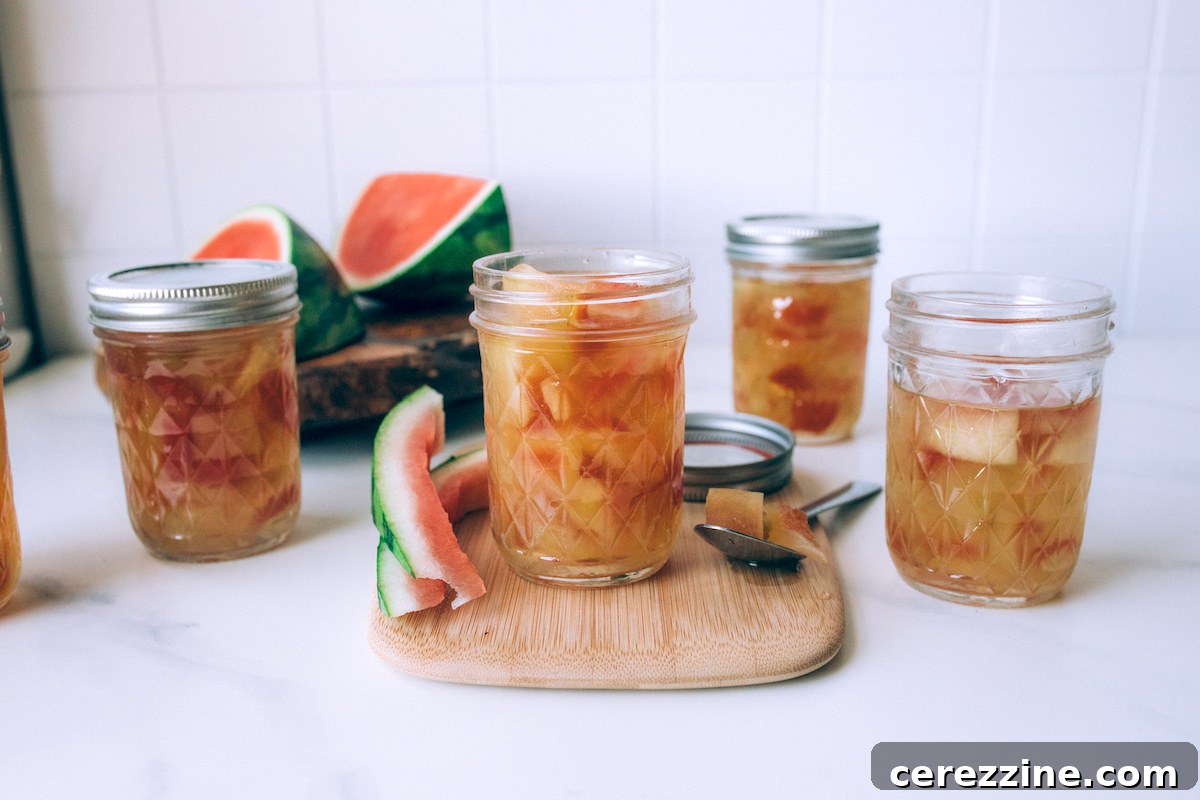
Watermelon rind pickles are a beloved classic, reminiscent of grandmothers’ kitchens and long summer days. These old-fashioned delights are typically infused with warm, aromatic spices like cinnamon and brightened with the zest of fresh lemons. The pickling brine provides a pleasant acidity that offers a little zing, while a generous amount of sugar ensures a beautifully balanced sweet-and-sour profile, and also helps to firm up the rind for that satisfying crunch.
And, of course, a touch of salt is almost always present, enhancing all the other flavors – a tip many grandpas would readily affirm! These pickles are fantastic served alongside savory dishes, as a unique condiment, or simply enjoyed straight from the jar.
- Classic Watermelon Rind Pickles
- Watermelon and Maraschino Cherry Pickles
- Watermelon, Cucumber, and Jalapeno Pickles (The All New Ball Book of Canning and Preserving, pg. 222) ~ This recipe, isn’t online yet, sadly. I’m going to make it later this summer to share with y’all.
Watermelon Rind Relish: A Versatile Condiment
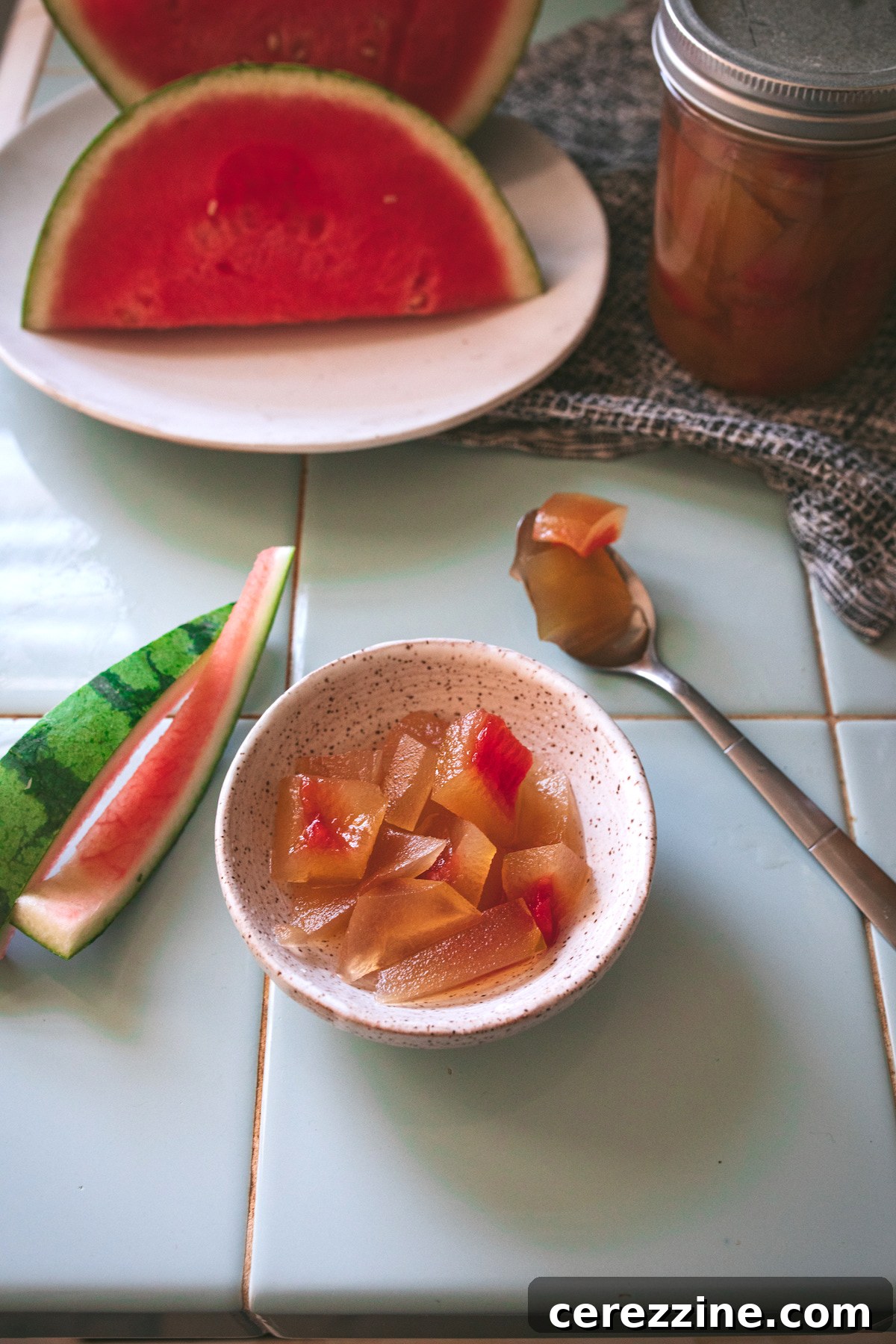
While watermelon rind pickles hold a special place in the hearts of many, a watermelon rind relish might actually prove to be even more versatile in your culinary endeavors. The preparation for relish is quite similar to pickles, but the watermelon rinds are finely chopped. This meticulous dicing transforms the texture, making it an ideal topping or accompaniment.
Watermelon rind relish offers a sweet, tangy, and subtly spiced flavor profile that perfectly complements a wide array of dishes. It shines as a unique condiment for your favorite summer barbecue staples, such as hot dogs, hamburgers, or grilled chicken. It can also be stirred into tuna or chicken salad for an unexpected burst of flavor and crunch, or served alongside rich meats to cut through their richness. Its versatility makes it a valuable and delicious addition to any pantry.
- Watermelon Rind Relish
Canning Watermelon Chunks: Why It’s Not Recommended
A common question among home canners is whether watermelon chunks can be preserved in a similar fashion to other fruits like peaches or pineapple. Unfortunately, the answer is generally no. Watermelon presents several significant challenges that make canning it in chunks unsafe and result in a severely compromised product quality.
Firstly, as previously discussed, watermelon is a low-acid fruit. Even if you were to add lemon juice or can it in an acidic liquid like pineapple or orange juice, the inherent nature of the fruit itself poses issues. The primary problem lies in its delicate texture and high water content. When subjected to the heat required for safe canning, watermelon chunks inevitably break down. The fruit simply doesn’t hold its shape or firm texture, turning into a mushy, undesirable consistency.
What you would typically end up with is a jar containing a layer of separated pulp floating atop a watery liquid. This pulp tends to clump together, forming a dense mat. Such clumping is not merely an aesthetic issue; it creates a serious safety concern. A dense mat of pulp can interfere with proper heat penetration throughout the jar during processing, meaning that the heat may not reach the center of the jar effectively enough to destroy all harmful bacteria. Furthermore, it can prevent the added acid from fully dispersing and homogenizing throughout the entire product, leaving pockets where the pH remains dangerously high.
While some may consider experimental methods, even the closest tested recipes, such as canning zucchini in pineapple juice, only provide a distant parallel. If you were to attempt to adapt such a method for watermelon, the final product would, regrettably, bear little resemblance to fresh watermelon. It would likely taste predominantly of the acidic canning liquid (e.g., pineapple) with only a faint, fibrous hint of watermelon remaining. The texture would be completely altered, making it a disappointing effort.
Therefore, while the desire to preserve fresh watermelon chunks is understandable, for both safety and quality reasons, it is strongly advised against. Sticking to tested and approved recipes for watermelon juice, jellies, preserves, or pickled rinds will yield delicious and safe results that truly capture the essence of this beloved summer fruit.
Expand Your Canning Horizons: More Recipe Lists
Ready to delve deeper into the rewarding world of home canning? Explore these comprehensive lists for endless inspiration and practical recipes to stock your pantry year-round.
- 100+ Canning Recipes from A to Z
- Pressure Canning Recipes
- Meat Canning Recipes
- Soup Canning Recipes
- Meal in a Jar Canning Recipes
- Vegetable Canning Recipes
- Fruit Canning Recipes
- Tomato Canning Recipes
- Zucchini Canning Recipes