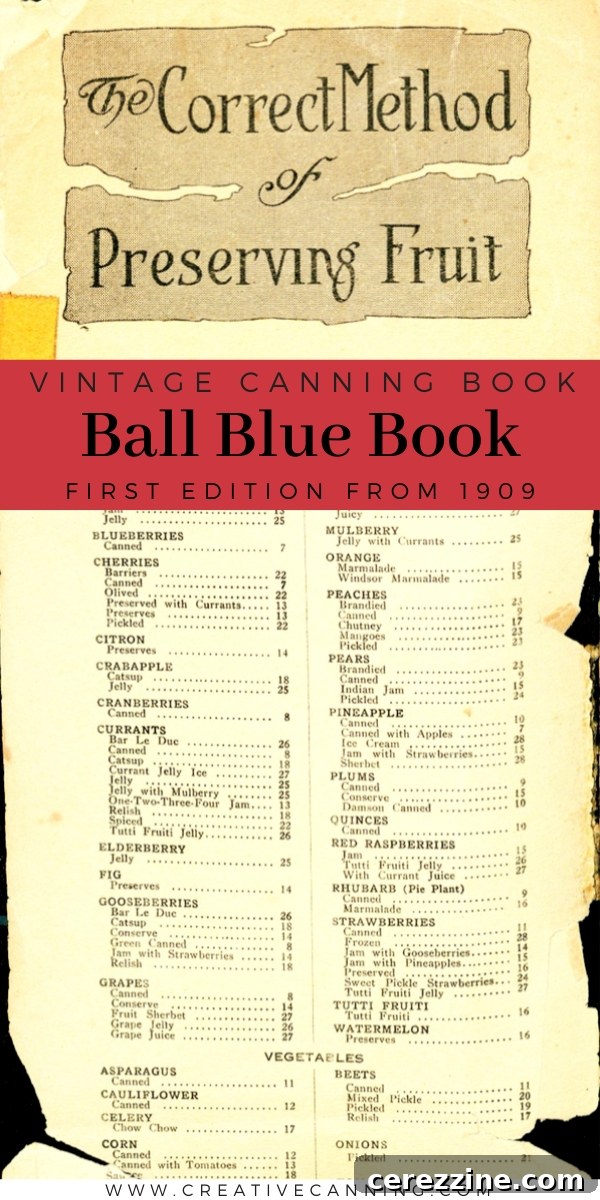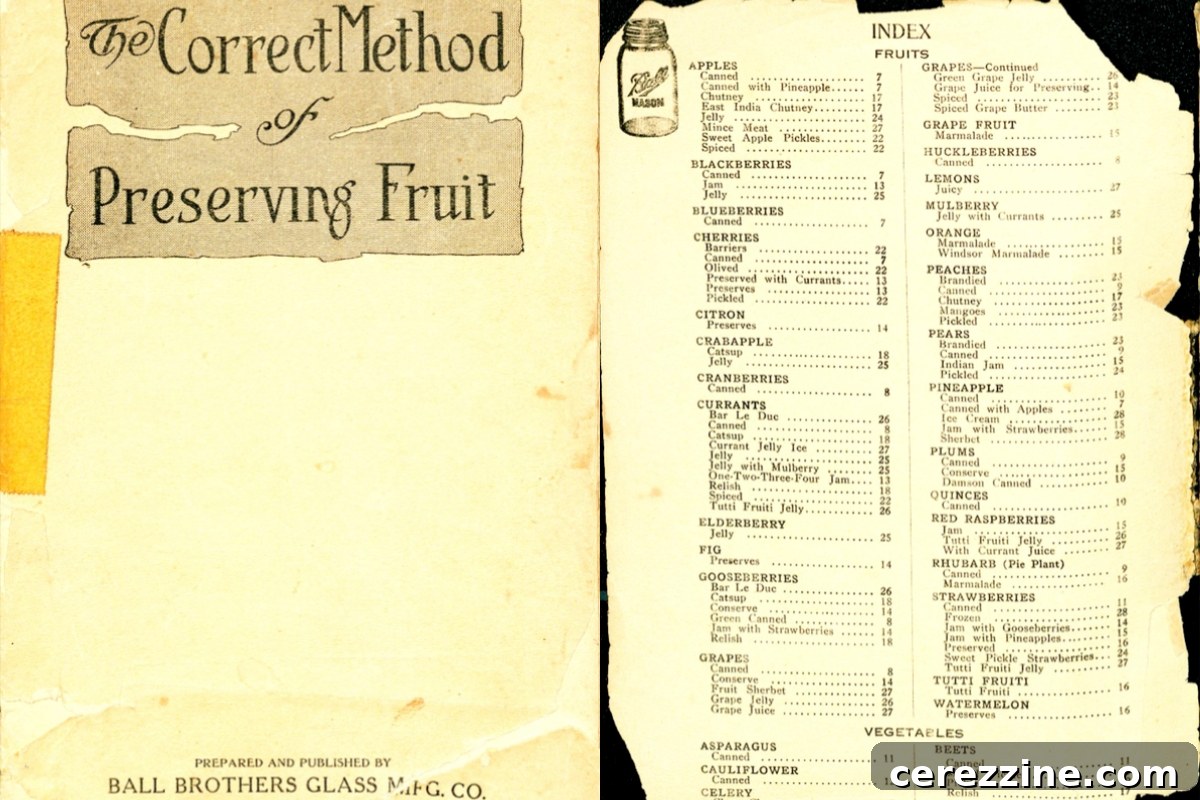
The story of home food preservation is intricately woven with the legacy of The Ball Blue Book of Preserving. This iconic guide, a veritable bible for generations of home canners, traces its origins back to a concise publication released in 1909. Initially titled “The Correct Method for Preserving Fruits,” this humble pamphlet laid the foundation for what would become an indispensable resource, evolving over a century to become the comprehensive and universally trusted Ball Blue Book of Preserving that we know today. Its journey reflects not only the advancements in food science but also the enduring appeal of preserving nature’s bounty at home.
While the art of food preservation has existed for millennia, relying on ancient techniques like salting, curing, smoking, and drying, home canning as a modern, accessible method is a relatively recent phenomenon, flourishing primarily over the last 100 to 150 years. This “new method” emerged as a groundbreaking revolution for household food management, fundamentally transforming how families could store food, ensure nutrition through leaner months, and enjoy seasonal produce year-round. It shifted preservation from labor-intensive, often inconsistent methods to a more standardized, scientific approach.
The early 20th century marked a pivotal period for home canning. Advances in glass jar manufacturing and the growing understanding of airtight sealing made it practical for the average household. It was in this environment of burgeoning interest and innovation that “The Correct Method of Preserving Fruits” made its debut in 1909. Published as a modest 30-page pamphlet, it aimed to provide clear, essential instructions to a new generation of home preservers. What began as a small instructional booklet would remarkably grow into one of the most respected and comprehensive home canning books on the market, shaping food culture across America and beyond.
The Evolution of an Icon: From Pamphlet to Comprehensive Guide
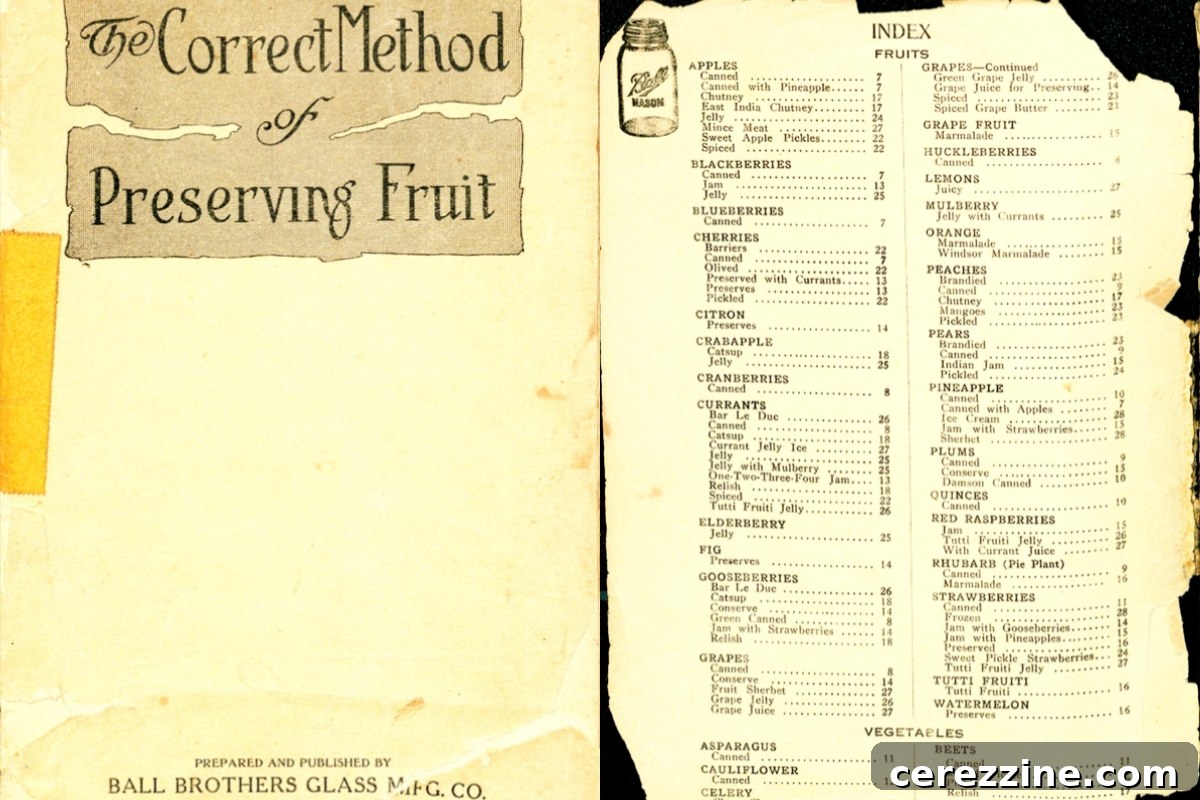
The transformation of this initial pamphlet into the iconic Ball Blue Book is a testament to its foundational importance and the evolving needs of home canners. By 1916, the publication had officially changed its title to “The Ball Blue Book of Preserving,” a recognition of the Ball Brothers Glass Manufacturing Company’s growing prominence and their synonymous association with quality canning jars. This edition expanded significantly, offering a wider array of recipes and detailed instructions, though still compact at approximately 50 pages. This growth reflected not just an increase in content, but a deeper understanding of the diverse needs of home kitchens.
The journey from those early editions to the modern volumes is striking. Today’s Ball Blue Books are robust guides, often exceeding 200 pages, meticulously compiled with extensive, scientifically-tested guidance for every aspect of safe and successful preservation. They cover everything from fruit and vegetable canning to jams, jellies, pickles, and even meat preservation, incorporating the latest research and best practices in food science. This continuous expansion and refinement underscore the book’s unwavering commitment to providing up-to-date and reliable information for home canners.
A Collector’s Quest: Unearthing the First Edition
For dedicated enthusiasts and historians of home canning, collecting vintage editions of the Ball Blue Book is more than a hobby; it’s a way to connect with culinary history. Each old copy offers a unique snapshot of its era’s food practices, scientific knowledge, and household ingenuity. I personally cherish a collection of about a dozen different hard copies from various years, finding immense satisfaction in paging through their historical insights. While many older versions can still be found on online marketplaces like Etsy, copies of the very first 1909 edition, “The Correct Method of Preserving Fruits,” have historically been considered almost impossible to locate.
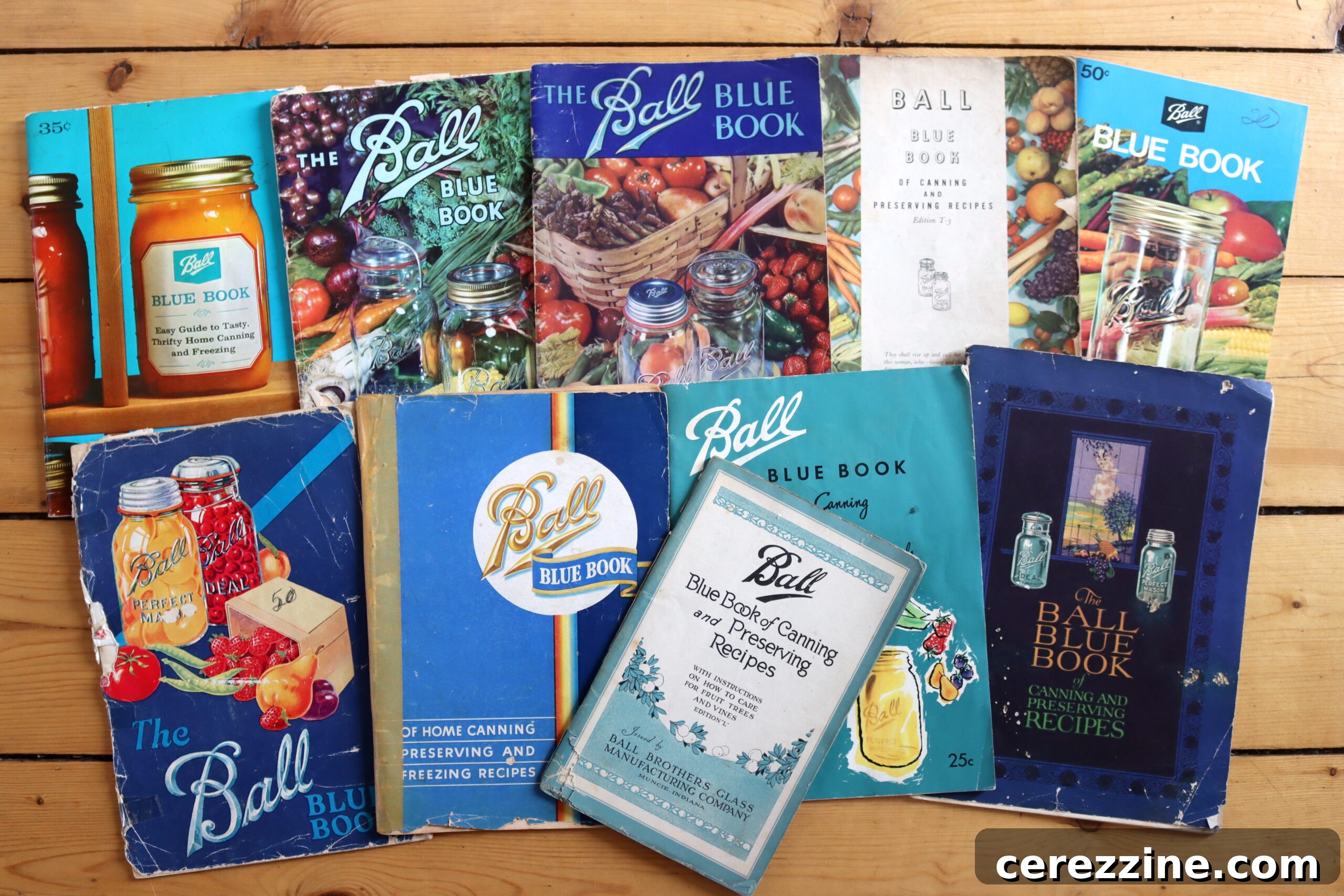
Indeed, for many years, the prevailing belief among researchers was that all original prints of this seminal 1909 edition had been lost to time. It was a true quest, requiring considerable dedication. With persistence and the invaluable assistance of the diligent reference librarians at the University of Iowa, I was incredibly fortunate to discover and access an original copy. This find was nothing short of a “holy grail” for a devoted canning nerd like myself, providing a direct, unfiltered window into the foundational principles that guided the earliest home preservers using modern methods. It offered a tangible link to the beginnings of a movement that would transform household kitchens across the nation.
Prioritizing Safety: The Evolution of Canning Standards
It is critically important to address a vital aspect of historical canning guides: safety. While these vintage texts provide invaluable historical insights, their canning methods and processing times are, unequivocally, not considered safe by current scientific standards. The Penn State University Extension issues a clear warning: “Canning books published prior to 1994 will not have safe processing times and/or methods.” This advisory applies directly to early editions of the Ball Blue Book, as significant advancements in food science, particularly concerning the understanding and prevention of botulism and other foodborne illnesses, have been made in recent decades.
Modern canning relies on meticulously researched, scientifically-validated processing times and specific techniques, such as pressure canning for low-acid foods, that were either unknown or not widely adopted in the early 20th century. Older methods, like open-kettle canning, or processing durations based on less rigorous scientific understanding, carry serious health risks. Therefore, while appreciating the historical context of the first edition, it is paramount that all contemporary home canners exclusively consult and adhere to the most recent, scientifically-backed guidelines to ensure the safety of their preserved foods. Food safety is not a recommendation; it is a critical necessity.
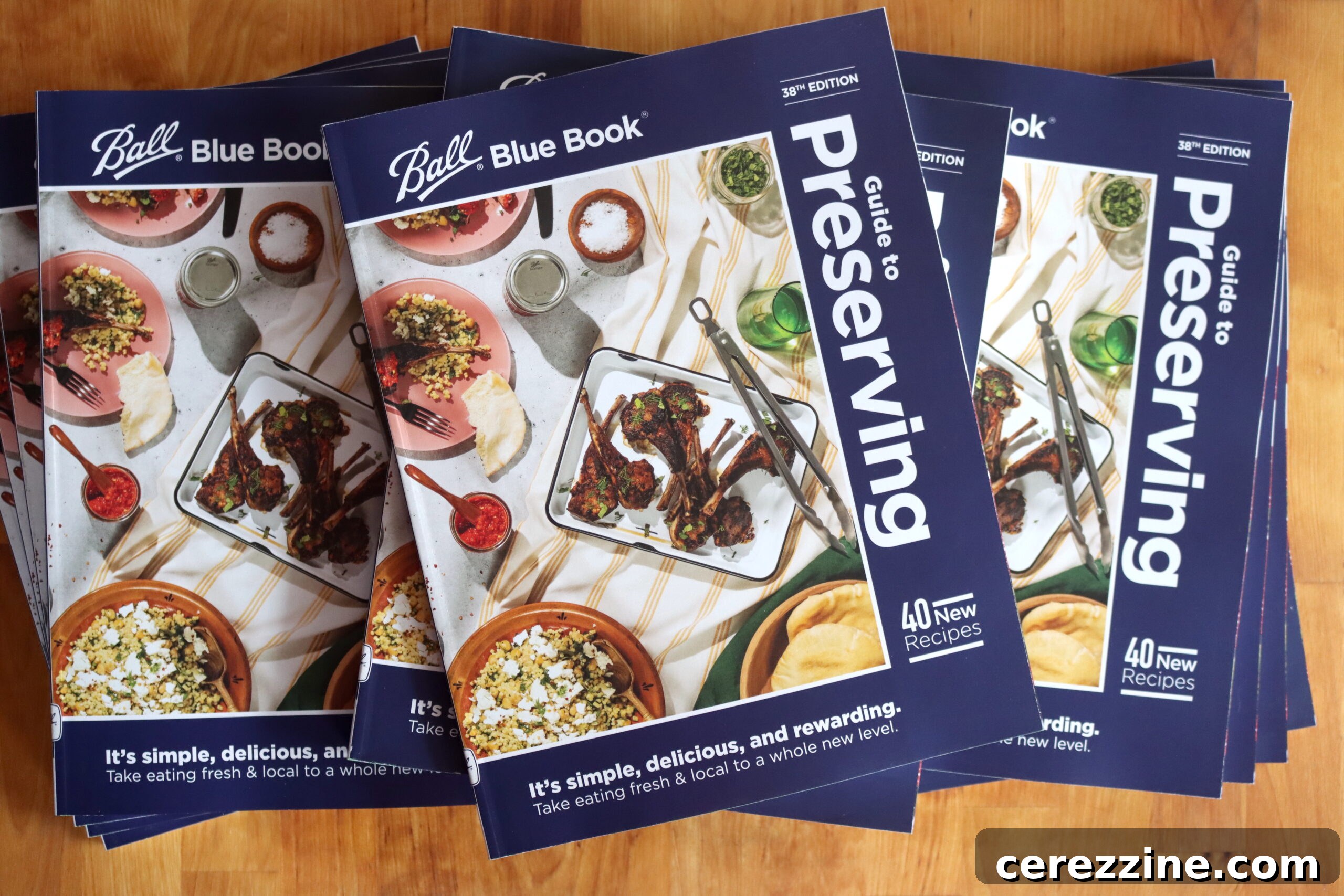
The Ball Corporation is committed to this continuous improvement in safety and education. Each new edition of the Ball Blue Book rigorously incorporates the latest research and safety updates, superseding all previous versions. The definitive guide for today’s home preservers is the Ball Blue Book of Preserving 38th Edition, which was released on February 1st, 2024. This edition features the most current updated safety standards (building upon the revisions made even since the 37th edition in 2020), ensuring that today’s canners have access to the safest and most reliable information available. In celebration of this ongoing dedication to education and food safety, it feels particularly apt to explore the origins of this remarkable and enduring publication.
Let me be explicit: the presentation of this vintage 1909 edition here serves a singular purpose—historical and academic reference. I neither endorse nor advocate for the use of these outdated canning methods for the actual preservation of food today. My enthusiasm stems from a deep appreciation for the evolution of food preservation techniques and the rich historical context they provide. For a true canning history aficionado, gaining access to this foundational text is akin to discovering an ancient culinary manuscript—a truly invaluable artifact that illuminates the past.
It is with great pleasure that I share this unique historical discovery with fellow history buffs and canning enthusiasts. I sincerely hope you enjoy this exclusive opportunity to journey back in time and explore the nascent stages of home canning through the very first Ball Blue Book. It’s a fascinating look at how a simple idea transformed into a widespread practice.
(For those ready to embark on their home canning adventures with complete confidence and the assurance of modern safety, the most current version of the Ball Blue Book is widely available wherever books are sold, and can be conveniently purchased online for a modest price.)
Unveiling the First Edition: The Correct Method of Preserving Fruits (1909)
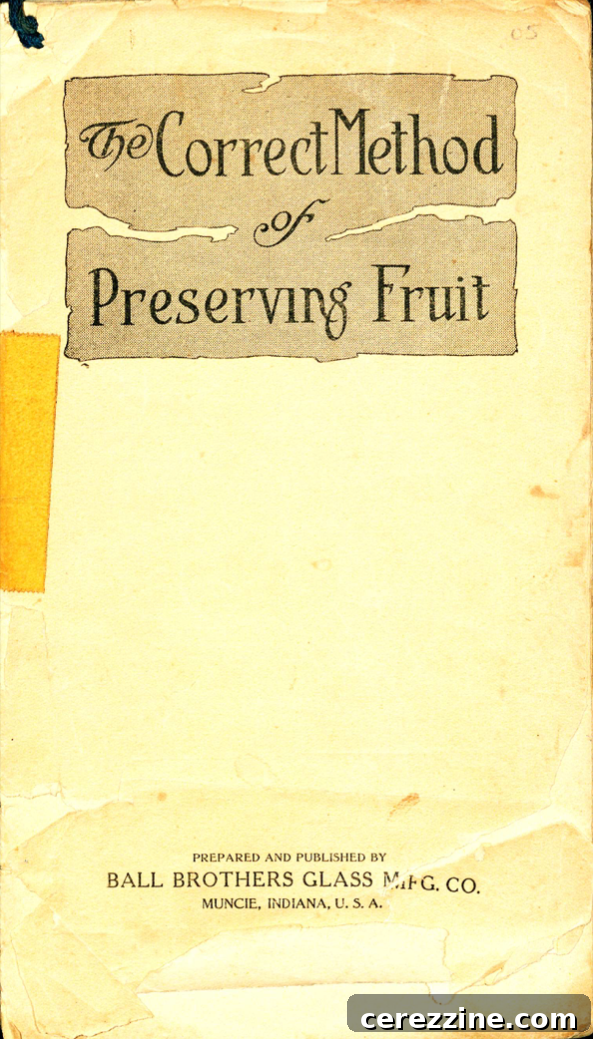
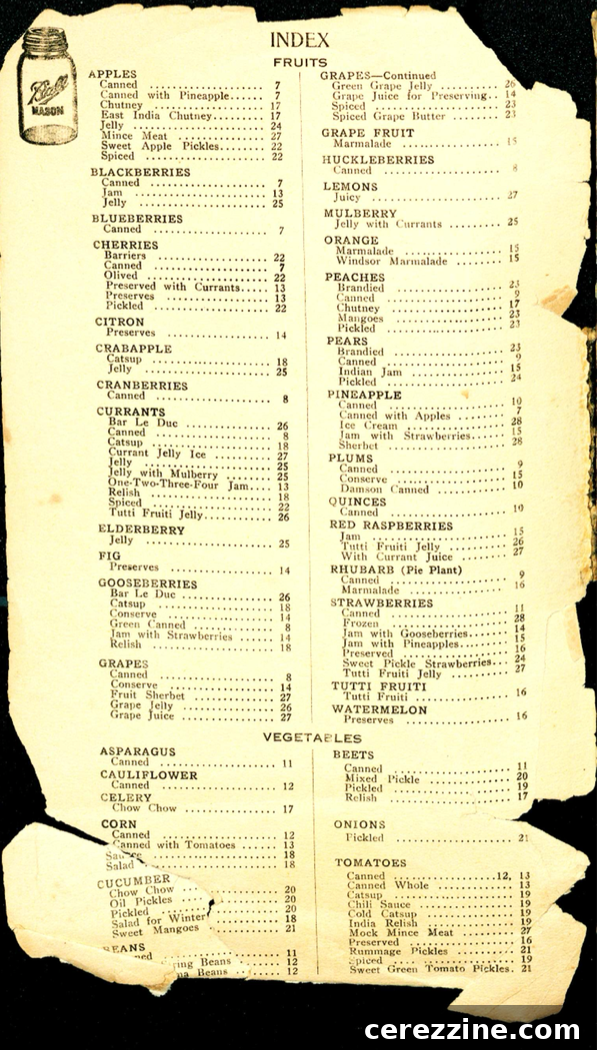
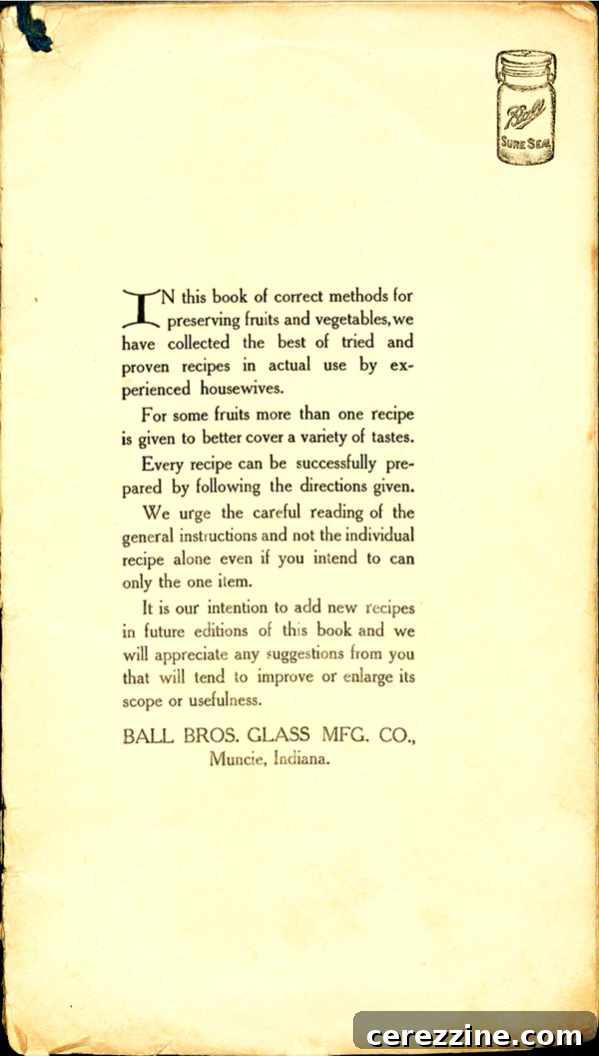
We now arrive at the core of our historical deep dive: the complete 30 pages of the original 1909 publication, “The Correct Method of Preserving Fruits,” the direct ancestor of the renowned Ball Blue Book of Preserving. This early pamphlet is a remarkable historical document, offering a unique glimpse into the prevailing practices and scientific understanding of home canning at the dawn of the 20th century. It showcases the methods and recommendations that were considered cutting-edge for its time, empowering households to safely preserve their food.
One particularly insightful historical detail evident on the cover of this first edition is the specific corporate imprint: “Ball Brothers Glass Mfg. Co.” This distinct name was exclusively used by the company prior to 1922, providing an excellent and precise clue for dating other pieces of vintage Ball canning ephemera, such as jars, labels, or advertisements. The company subsequently underwent a name change, becoming the Ball Brothers Company in 1922, and then later diversified further, officially adopting the name Ball Corporation in 1969. These subtle shifts in nomenclature trace the significant growth and evolving identity of a company that would become synonymous with food preservation.
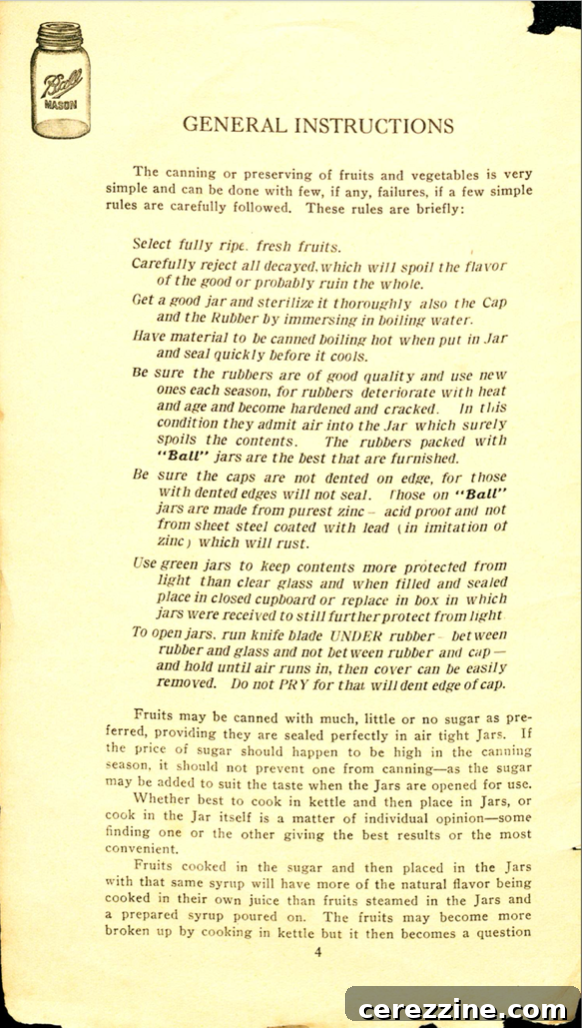
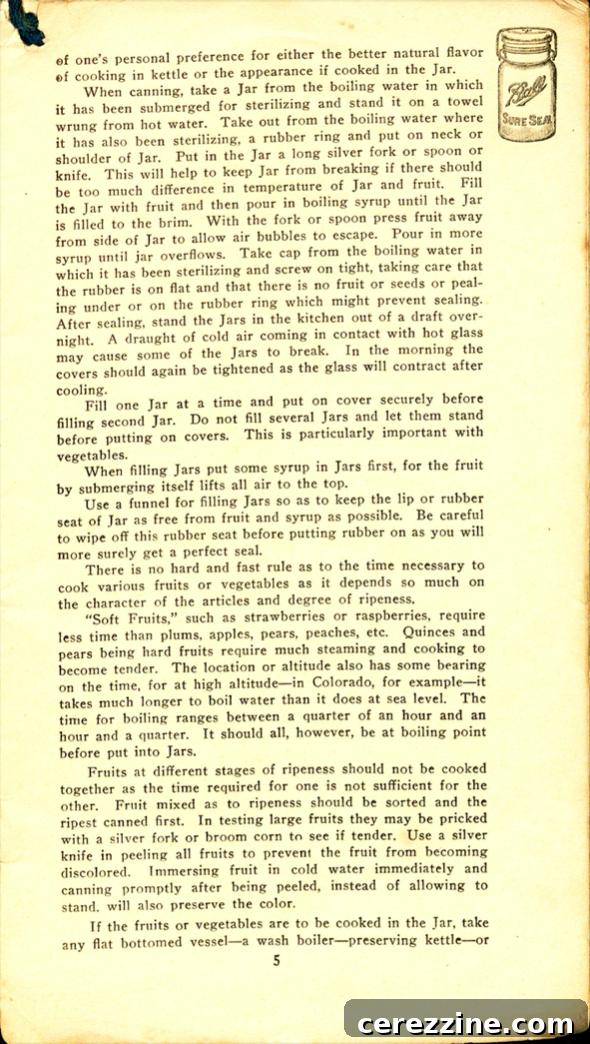
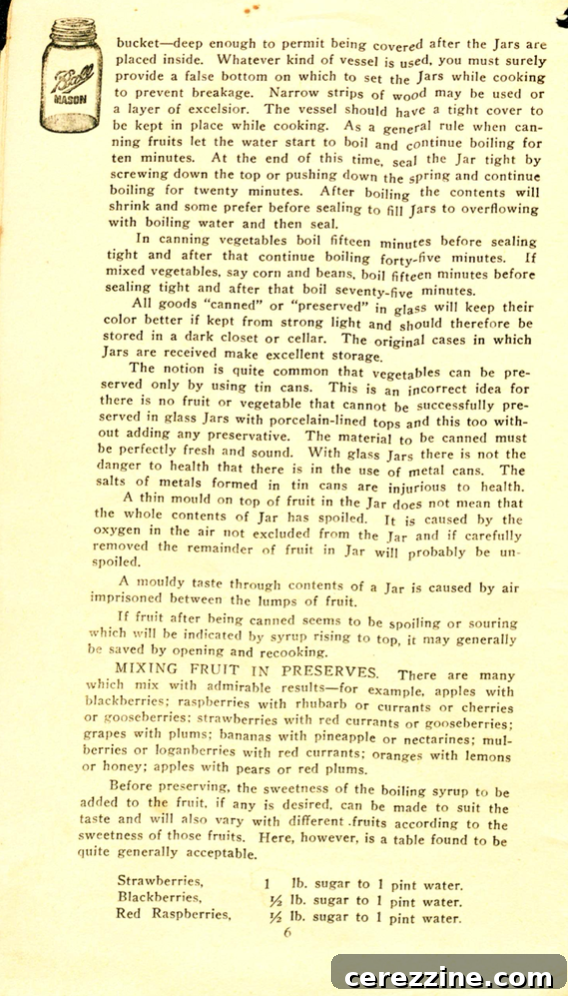
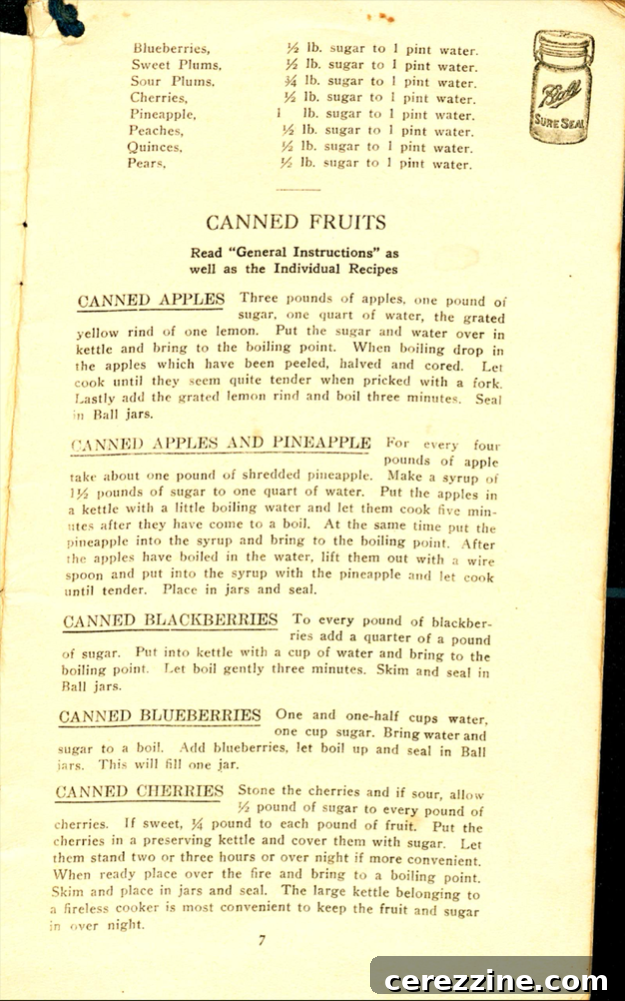
The contents of this compact 30-page booklet would have been revolutionary for home cooks and preservers of its era. It likely covered fundamental topics such as the meticulous selection of ripe produce, various methods for preparing fruits for canning, the importance of sterilizing jars, and basic instructions for achieving an airtight seal. These were all crucial pieces of information for early home canners navigating this innovative new form of food preservation. While it lacked the detailed scientific rigor and comprehensive testing of today’s guides, this inaugural edition laid the essential groundwork, empowering countless households to embrace and master the art of preserving their harvests.
For those interested in exploring slightly newer, yet still distinctly vintage, Ball Blue Book editions, the University of Iowa Library Archives provides access to a digitized copy of “Edition M.” This 52-page version, published sometime between the end of World War I in 1919 and 1922, is particularly notable for its patriotic references to the recent Allied victory in the war and for still bearing the pre-1922 company name on its cover. It offers a valuable comparative study to the very first edition, highlighting the rapid evolution and expansion of canning advice and practices in those formative years immediately following the Great War.
Beyond these specific editions, the world of vintage canning literature is a vast and captivating field of study. For further comprehensive exploration, I have meticulously curated an extensive list with direct links to the full text of over 100 vintage canning books. These invaluable resources are either old enough to have entered the public domain (meaning their copyright protections have expired) or were originally produced as educational materials by various federal government agencies, ensuring their free and legal accessibility to all interested researchers, historians, and hobbyists. This extensive collection represents an unparalleled resource for anyone wishing to delve deeper into the historical techniques, cultural significance, and evolving science of food preservation throughout the centuries.
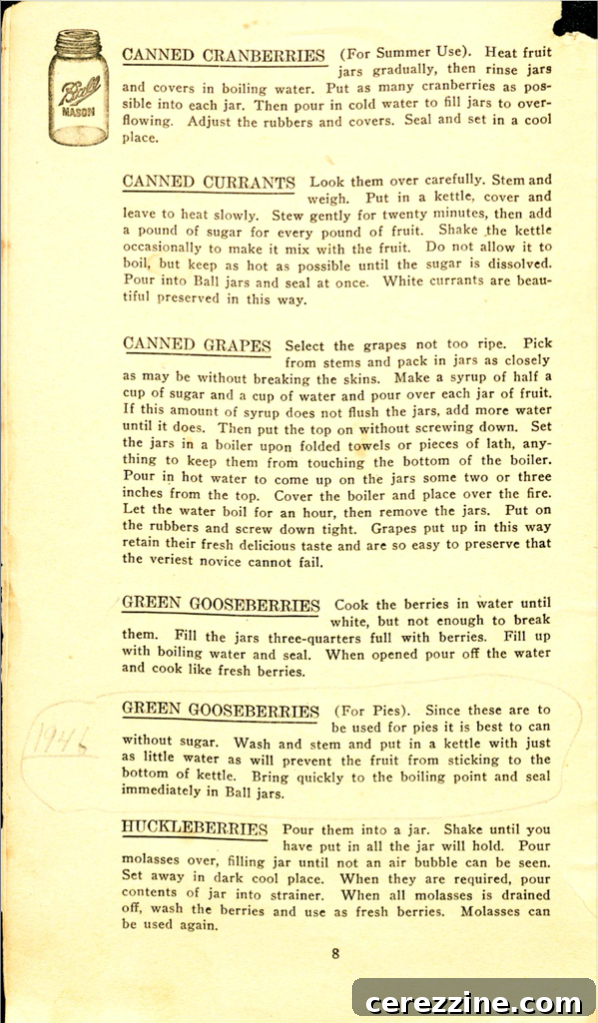
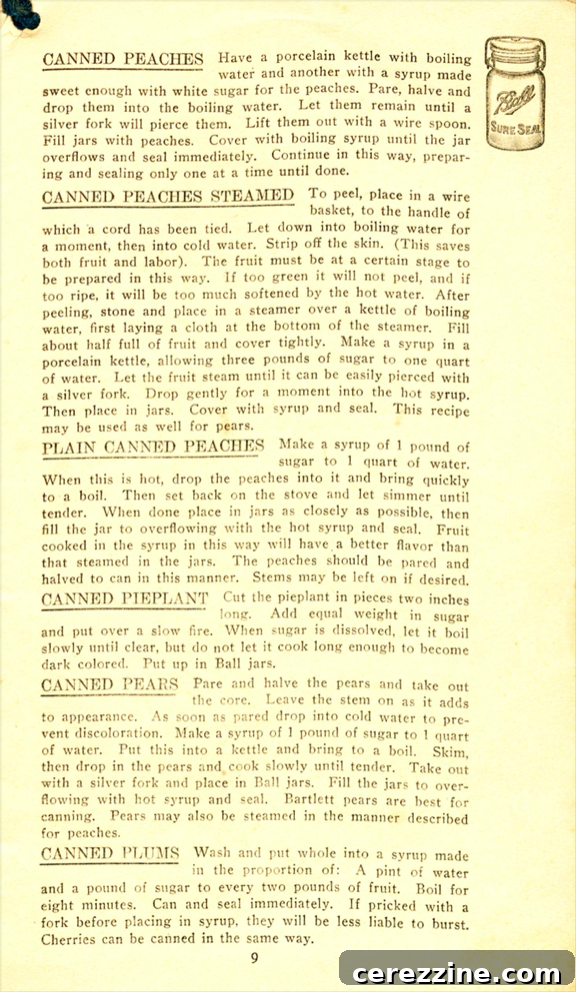
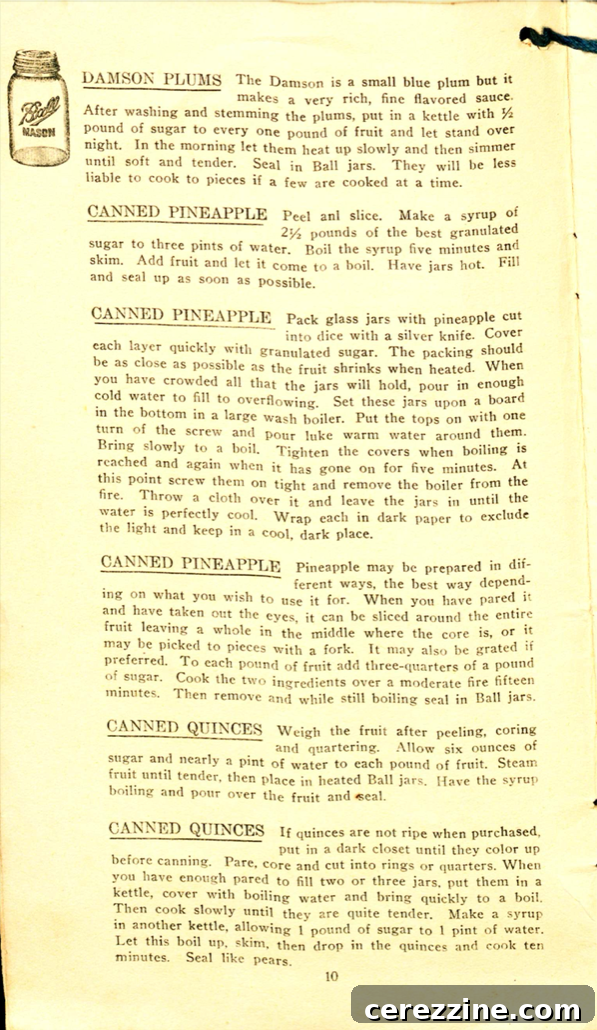
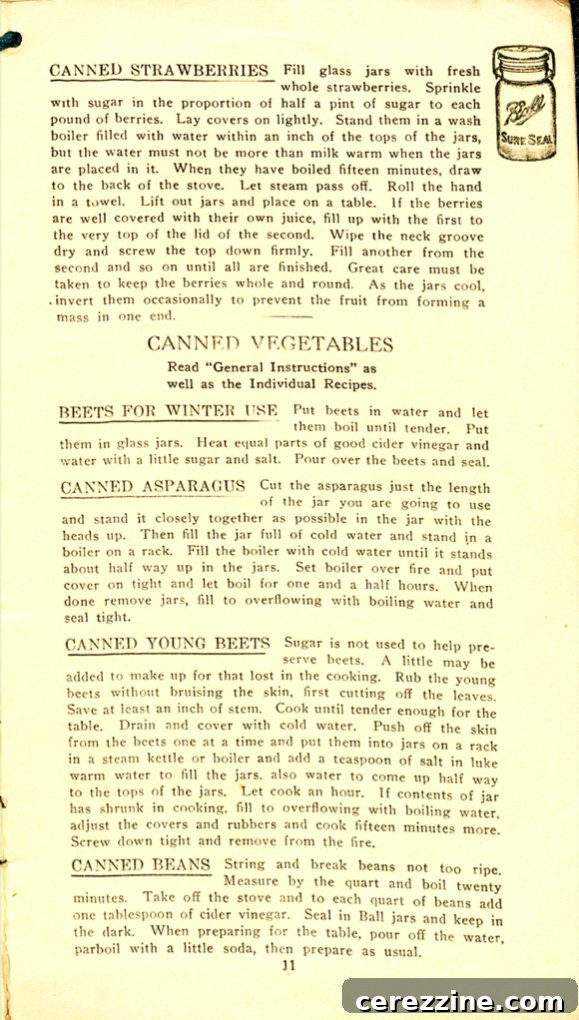
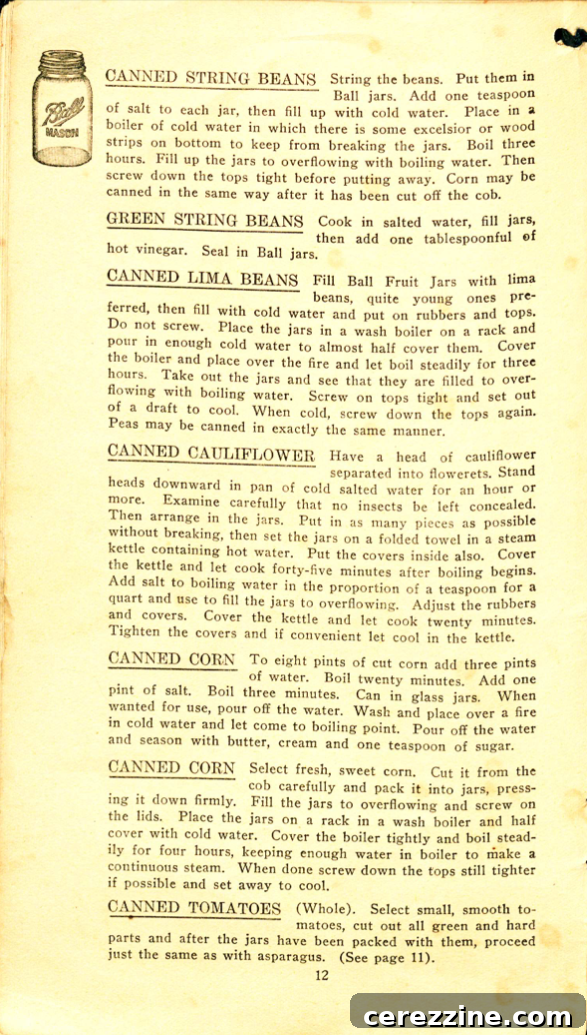
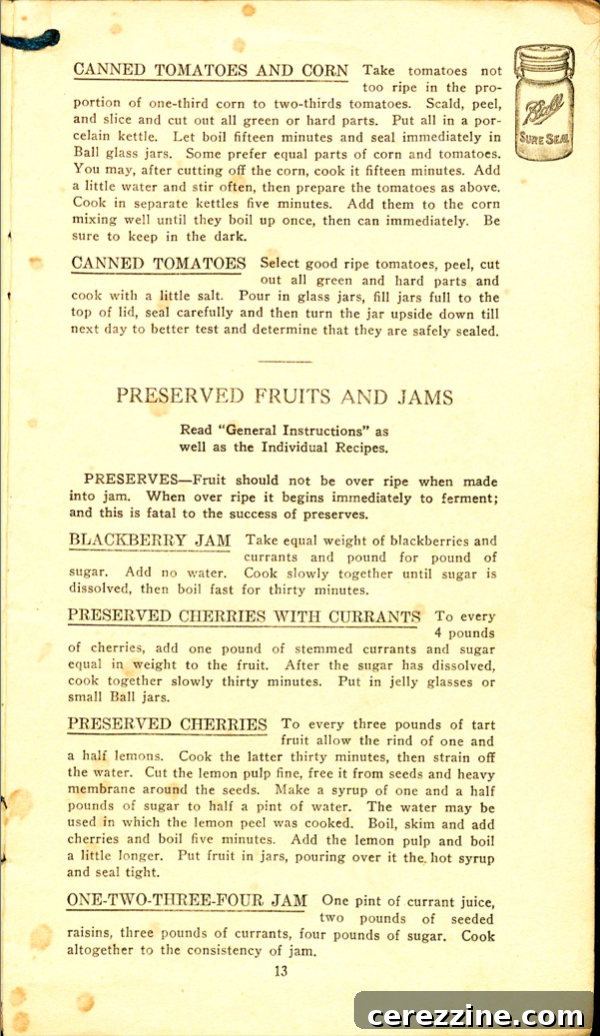
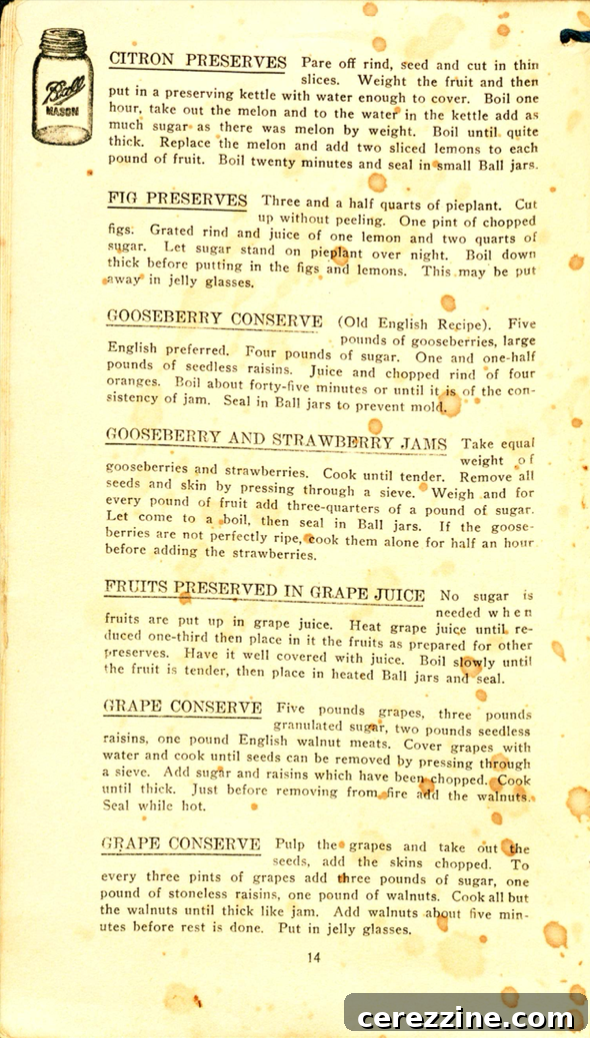
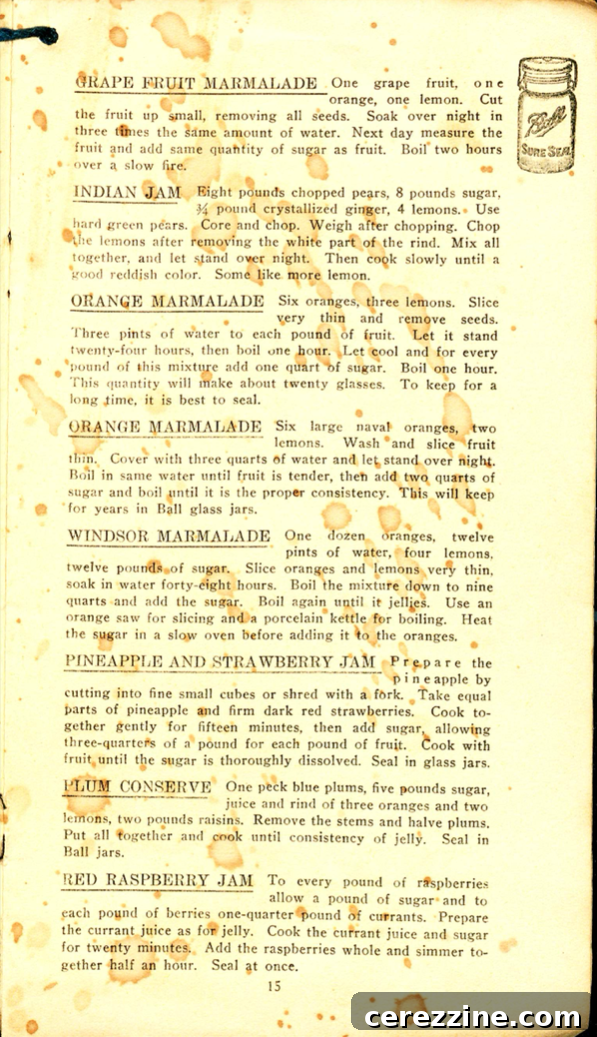
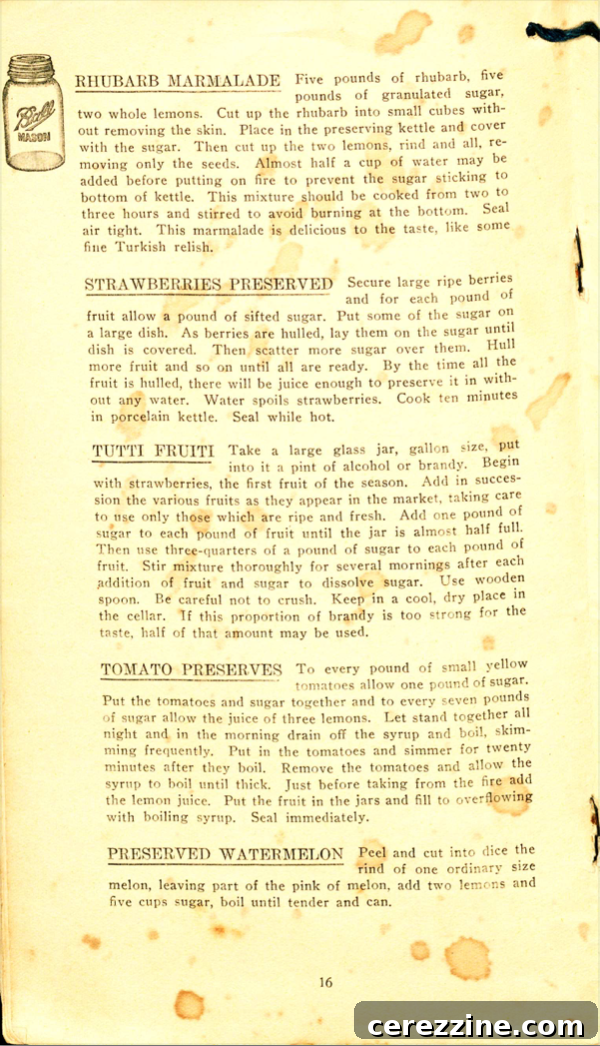
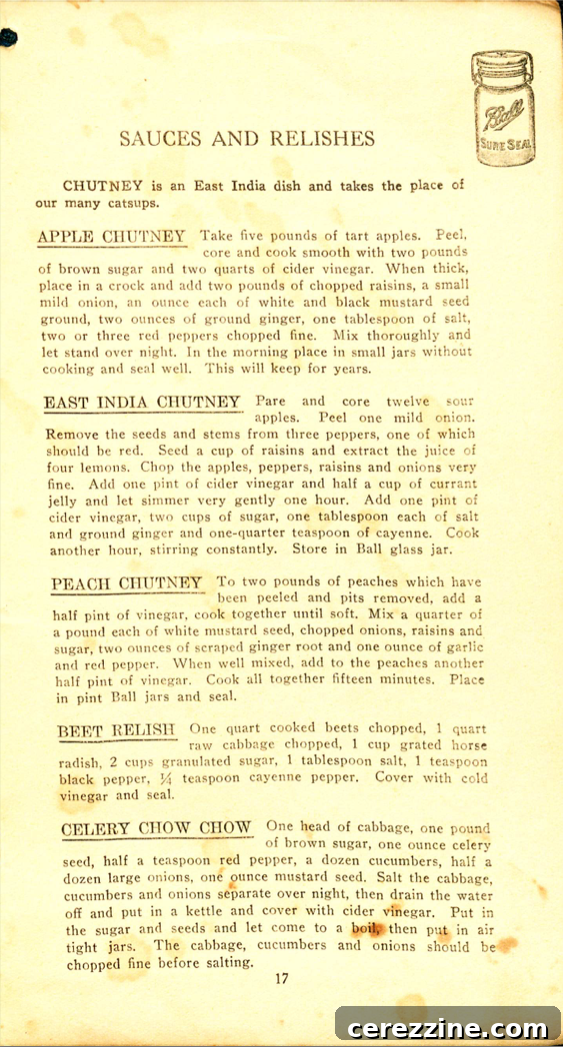
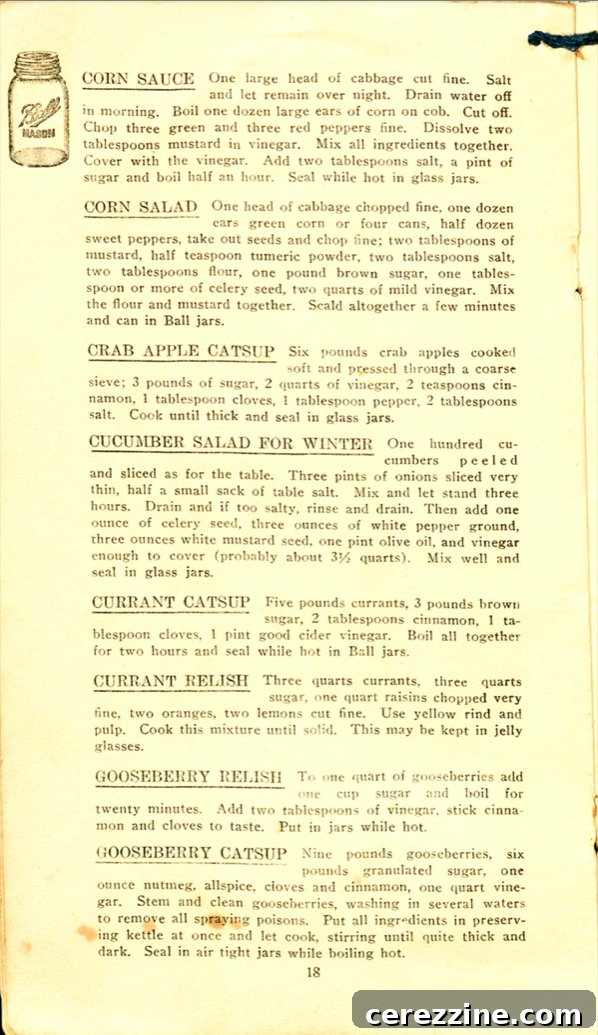
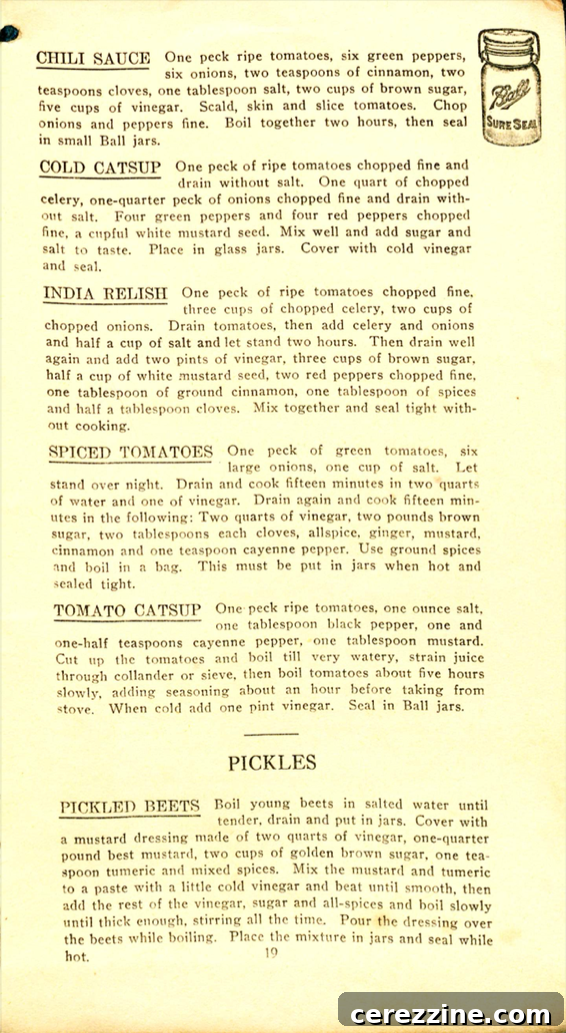
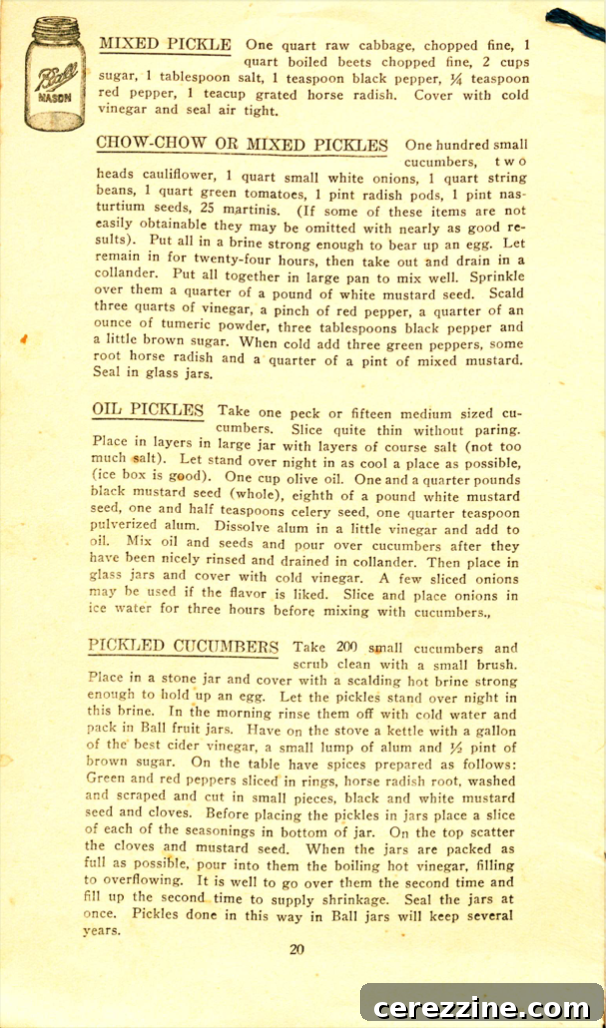
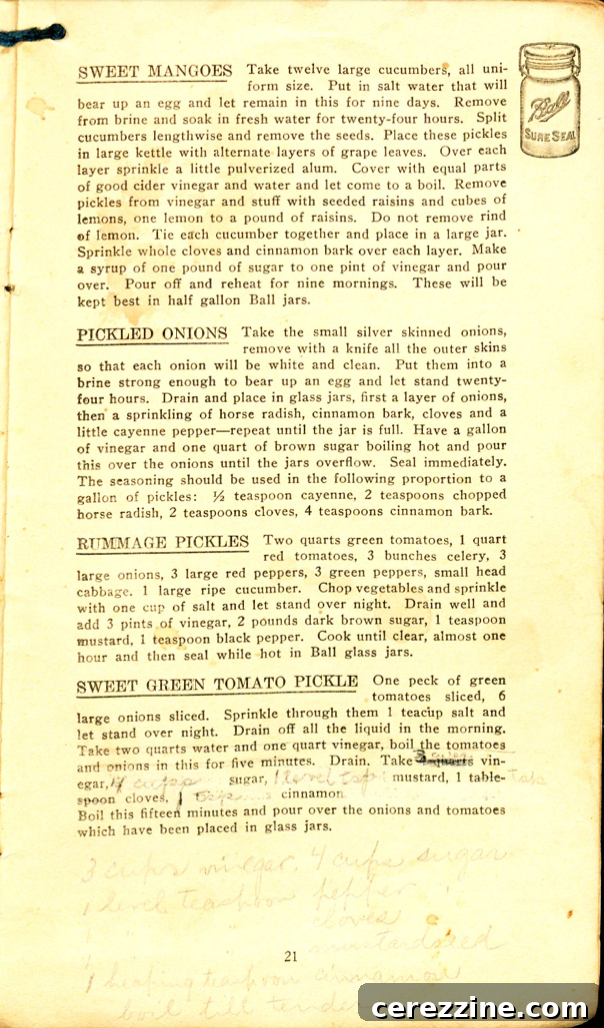
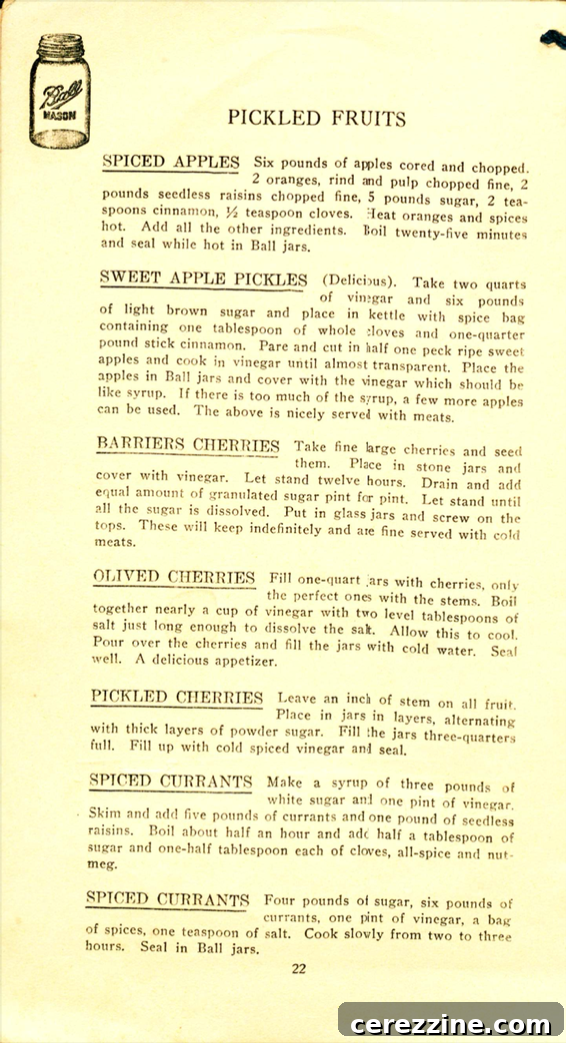
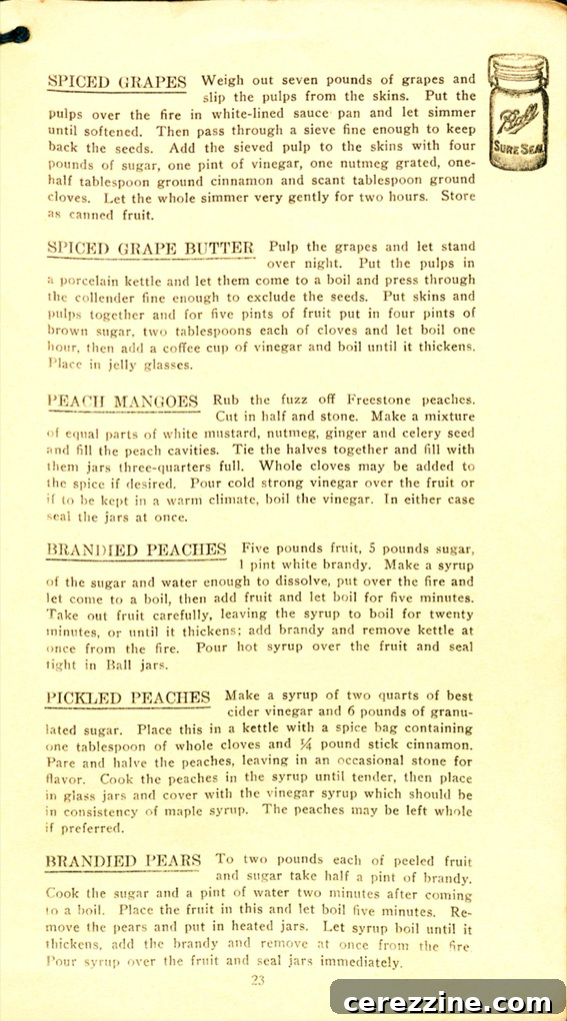
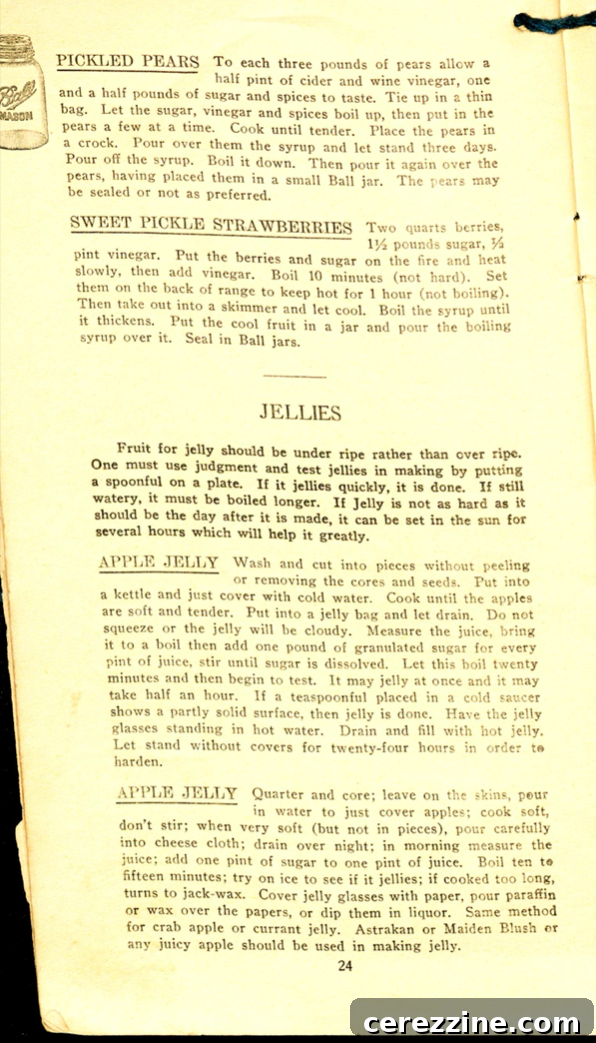
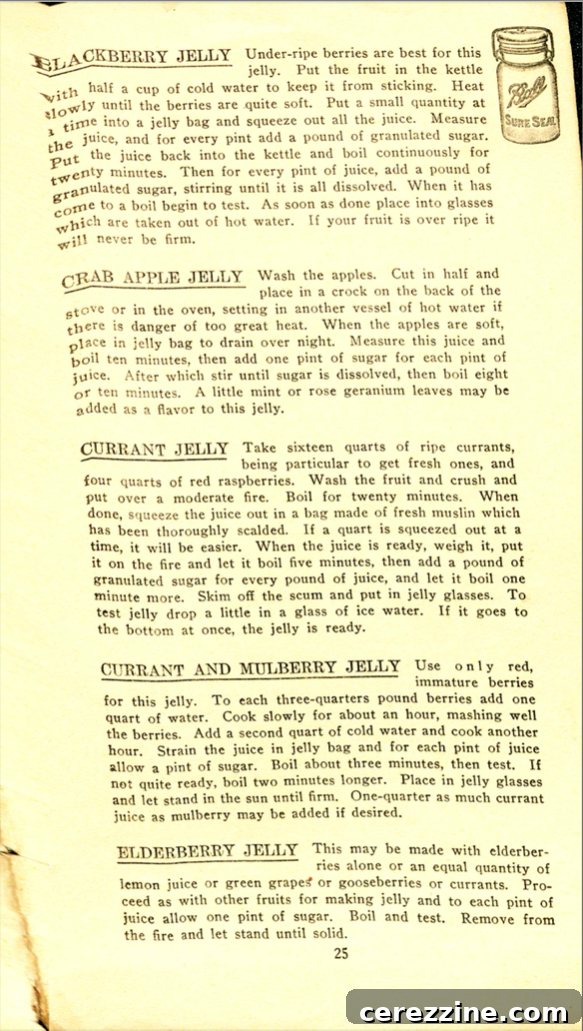
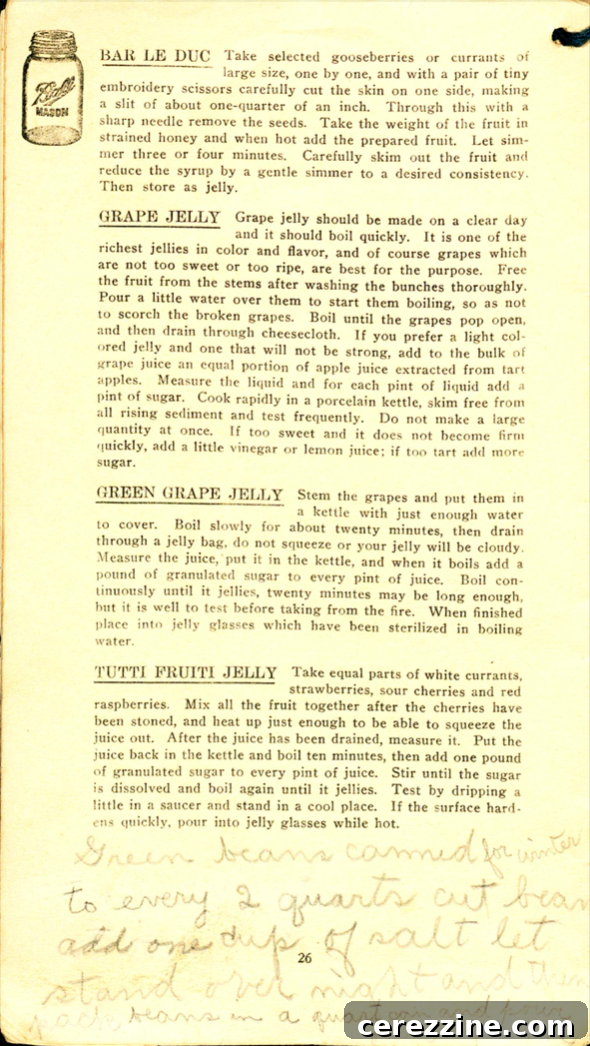
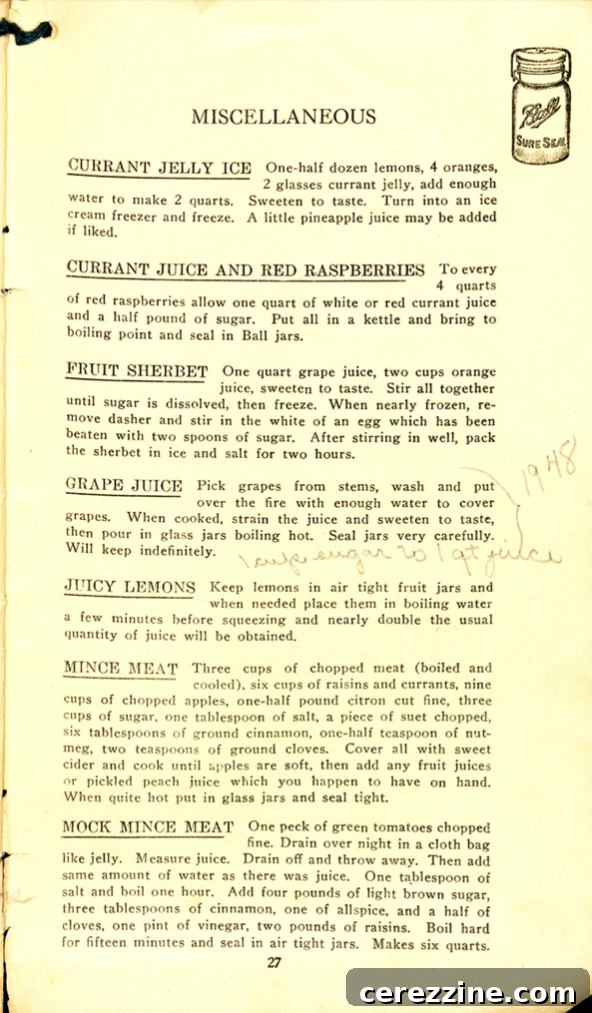
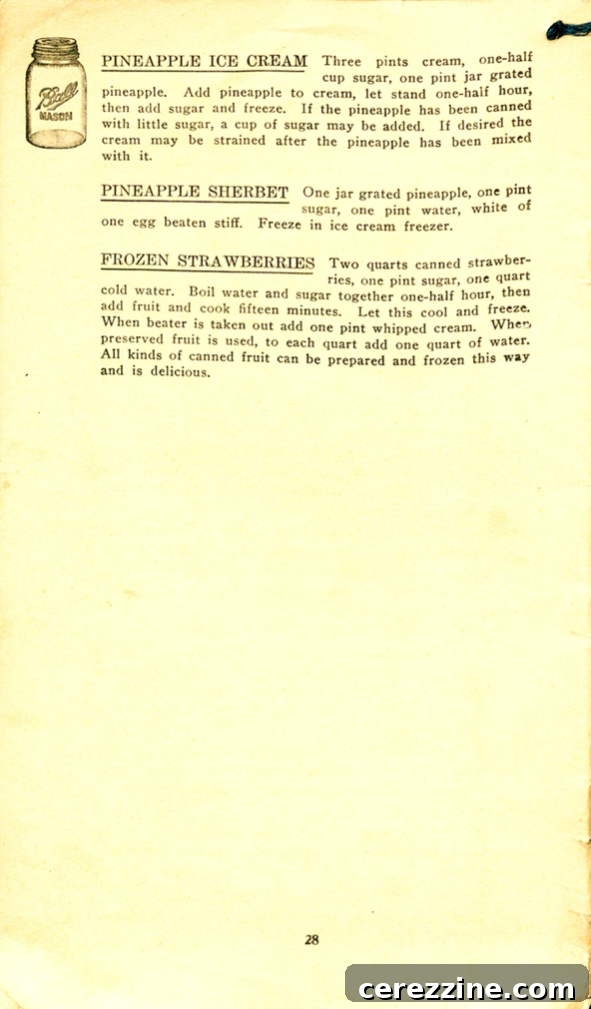
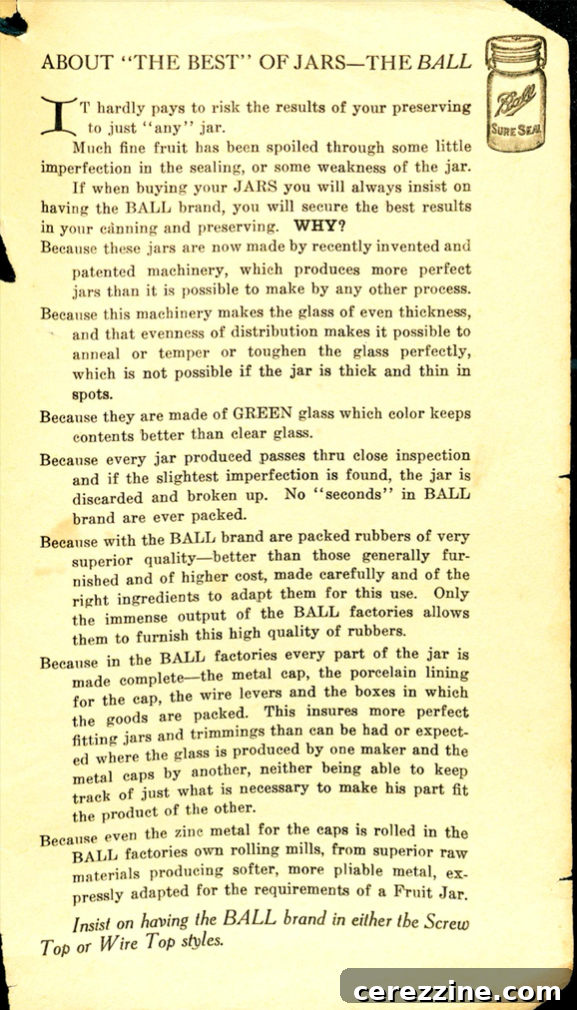
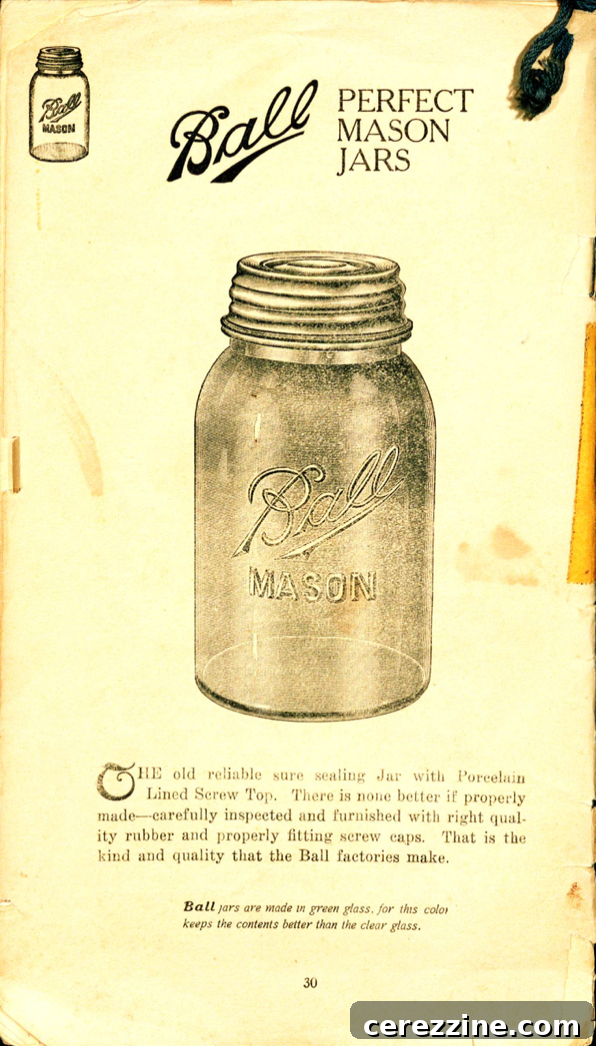
Below, you will find the complete digitized reproduction of all 30 pages from the very first edition of the Ball Blue Book of Canning, originally known as “The Correct Method of Preserving Fruit.” Each page serves as a historical document, telling a part of this compelling story.
Explore More Canning History: Vintage Resources & Modern Guides
The journey through the history of home canning is rich, continuous, and filled with a wealth of information available for both historical research and practical application. If you’re eager to delve deeper into the fascinating world of food preservation, from its earliest origins to its modern iterations, explore these valuable resources designed for every level of interest:
- 100+ Vintage Canning Books (Full Text Free Online): An extensive, curated collection of historical canning guides, offering a broader and deeper perspective on preservation methods and culinary trends through the decades. This is an unparalleled resource for historians and curious home preservers alike.
- The Comprehensive History of the Ball Blue Book of Preserving: Discover the complete timeline and detailed evolution of this iconic guide, from its first modest pamphlet to its latest, most comprehensive editions. Understand the pivotal moments and changes that shaped its enduring legacy.
- Essential Safe Canning Practices for Today’s Home Preserver: A crucial and up-to-date guide to understanding and implementing the latest scientifically-approved methods for safe food preservation. This resource is vital for ensuring the health and safety of your homemade preserves.