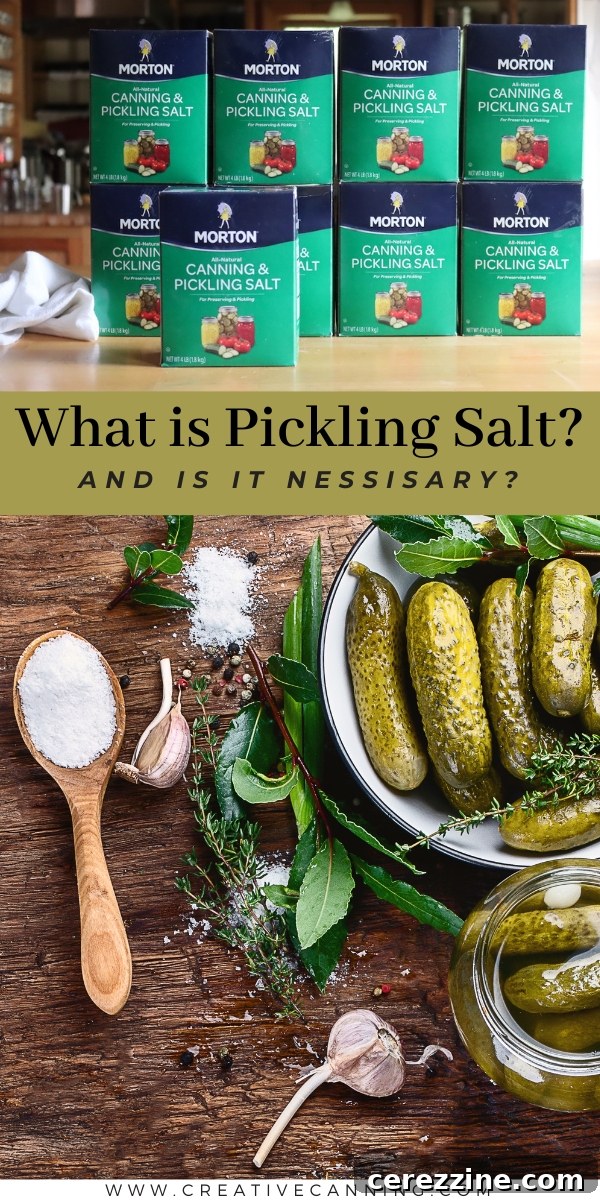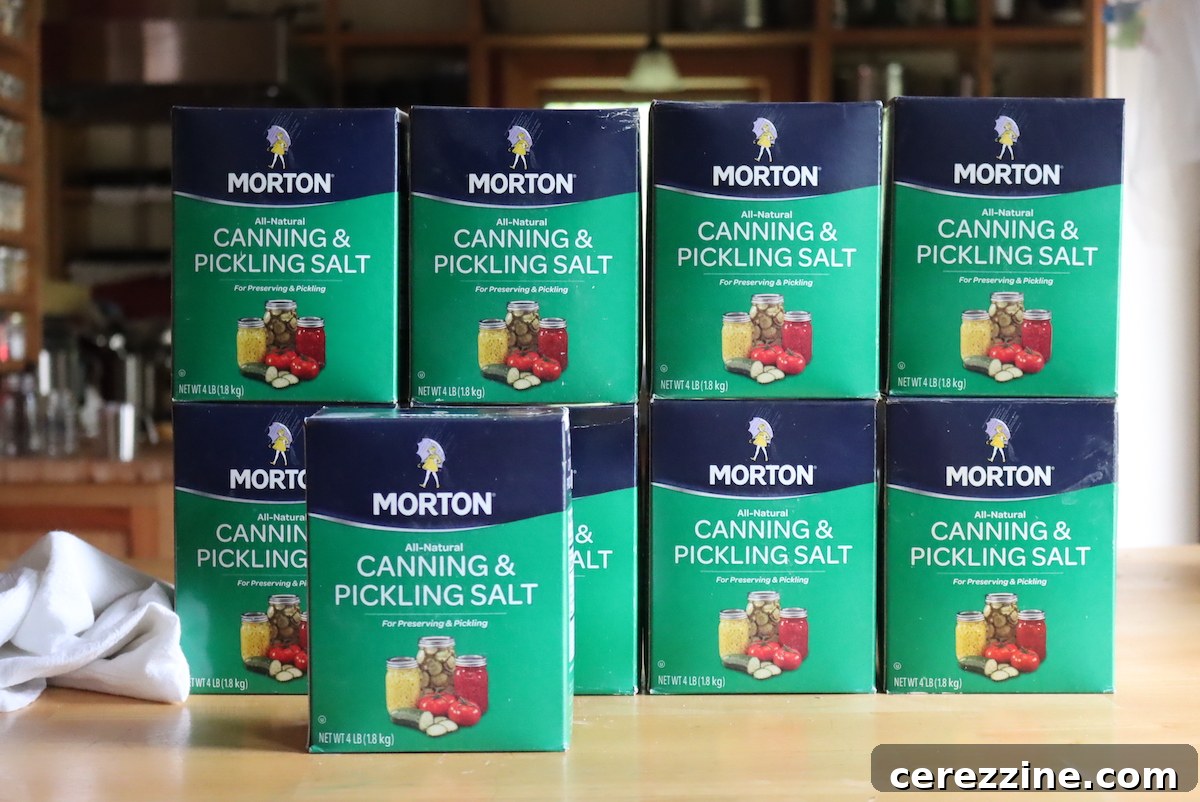
Embarking on the journey of home canning and food preservation is a rewarding experience, allowing you to savor seasonal flavors year-round and reduce food waste. Whether you’re making tangy pickles, preserving garden-fresh vegetables, or crafting savory cured meats, the quality of your ingredients plays a pivotal role. Among these, salt stands out as a fundamental component, not just for flavor but, in many cases, for safe preservation. However, not all salts are created equal, and choosing the right type, specifically canning salt, can significantly impact the success and safety of your preserved goods.
You might have noticed a dedicated section for “pickling salt” or “canning salt” in your grocery store, often nestled alongside an array of options like table salt, kosher salt, and various sea salts. This often leads to a common question for both novice and experienced home preservers: What exactly is canning salt, and how does it differ from the everyday salt in my pantry? Is it truly necessary, or can other types of salt be used as a reliable substitute?
The answer, while not overly complicated, holds nuances that are crucial for achieving optimal results in your canning endeavors. While canning salt isn’t always “strictly required” in every single recipe, its unique properties consistently yield superior outcomes compared to many common table salts. This comprehensive guide will demystify canning salt, explore its importance, help you identify suitable substitutes, and arm you with the knowledge to make informed choices for all your food preservation projects.
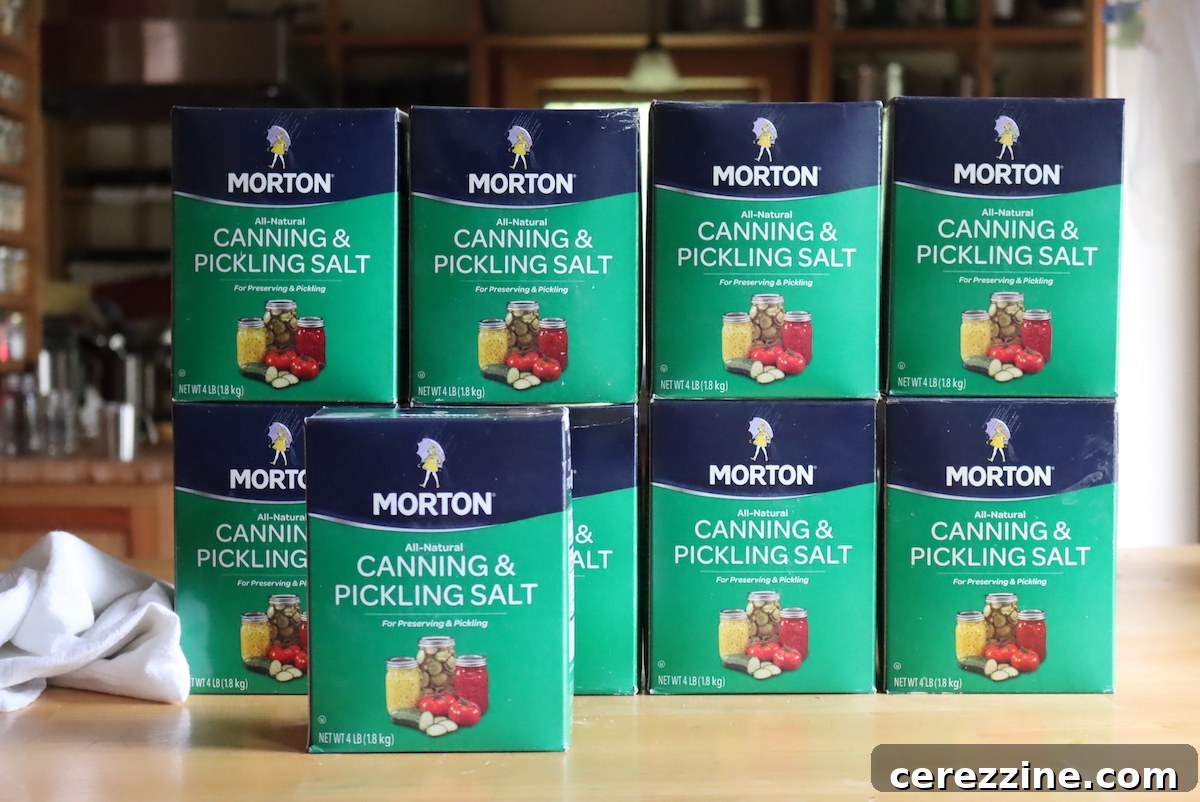
Understanding Canning Salt: The Essential Guide for Home Preservers
For centuries, salt has been a cornerstone of food preservation across cultures, renowned for its ability to enhance flavor, inhibit spoilage, and maintain the texture of foods. In the modern era of home canning, the specific type of salt you choose can make all the difference between perfectly preserved produce and a batch that disappoints with off-flavors or visual imperfections. Understanding the role and characteristics of canning salt is the first step towards mastering the art of safe and delicious home preservation.
What Exactly is Pickling Salt (or Canning Salt)?
At its core, pickling salt, also widely known as canning salt, is a remarkably simple ingredient: pure sodium chloride (NaCl) with absolutely no additional components. Unlike many other salts found on grocery store shelves, canning salt is unadulterated, meaning it contains no anti-caking agents, iodine, dextrose, or other minerals. This purity is its defining characteristic and precisely what makes it so valuable for canning and pickling.
It’s natural to assume that any product labeled “salt” would be just that – pure salt. However, the reality in today’s market is that most common salts, especially standard table salt, include various additives designed for specific purposes unrelated to food preservation. These additions, while harmless in everyday culinary use, can have detrimental effects on the quality and appearance of your home-canned goods. The refinement process for canning salt ensures that you are truly getting nothing but salt, allowing for predictable results every time.
The absence of additives is paramount. Anti-caking agents, for instance, are designed to prevent salt from clumping, ensuring it flows smoothly from a shaker. While convenient for seasoning at the dinner table, these agents do not dissolve completely in brine solutions. Instead, they can lead to cloudy liquid in your jars, diminishing the visual appeal of your pickles and preserves. Other additives can react with the food, causing discoloration or imparting undesirable off-flavors that compromise the natural taste of your meticulously prepared ingredients. Therefore, when selecting salt for canning, always scrutinize the ingredient label; if it lists anything other than “salt,” it’s best to avoid it for most preservation methods.
Why is Pickling Salt Indispensable for Food Preservation?
The pure nature of pickling salt makes it the preferred choice for a wide array of food preservation methods, going far beyond just making pickles. Its singular composition ensures consistency and prevents unwelcome surprises in your finished products, making it a staple for anyone serious about home canning.
One of the primary reasons for its widespread use is its ability to dissolve completely in water, forming a clear brine. This is crucial for pickling, where a transparent liquid not only makes your jars more appealing but also indicates a proper solution has been formed without any insoluble residues. The dissolved salt plays a vital role in drawing moisture from vegetables, helping to create a crisp texture in pickles and preventing spoilage by inhibiting microbial growth.
Beyond traditional pickling, canning salt is also highly recommended for pressure canning vegetables, meats, and other low-acid foods. While salt in these recipes primarily serves as a flavor enhancer rather than a preservative (the pressure canning process itself ensures safety), using a pure salt prevents any cloudiness or discoloration that additives might cause. This preserves the natural appearance and taste of your carefully canned goods, ensuring they look as good as they taste.
Furthermore, pickling and canning salt is absolutely essential for fermentation processes and meat curing, such as in charcuterie. In these applications, precise salt measurements are often critical for safety and flavor development. Additives in other salts can alter the effective weight of sodium chloride, making accurate measurements difficult and potentially compromising the chemical reactions necessary for safe fermentation or curing. Pure salt ensures that the exact amount of sodium chloride required is present, fostering the correct microbial environment for lactic acid fermentation or providing the precise osmotic pressure needed for effective meat curing.
Identifying the Perfect Substitutes for Pickling Salt
While pickling salt is ideal, you might occasionally find yourself without it or prefer using another additive-free option. Fortunately, several other types of salt can serve as excellent substitutes, provided you know what to look for on the label. The golden rule remains: choose a salt that lists only “salt” or “sodium chloride” as its sole ingredient.
-
Sea Salt
Many varieties of sea salt are excellent substitutes for pickling salt. Harvested from evaporated seawater, pure sea salt often contains trace minerals, which can impart a subtle, nuanced flavor. These naturally occurring minerals are generally harmless for canning and can even add a desirable complexity. However, some fine-grain sea salts can be clumped with anti-caking agents, so always check the ingredient label carefully. Fine-grain sea salt dissolves readily, while coarser varieties might require a little more stirring to ensure complete dissolution in your brine.
-
Himalayan Pink Salt
Known for its distinctive pink hue and rich mineral content, Himalayan pink salt is another viable substitute. Like sea salt, its trace minerals are perfectly safe for canning and can enhance the flavor profile of your preserves. We often use Himalayan salt in our own canning for its flavor-enhancing qualities. A slight cosmetic drawback is that its mineral content can sometimes lead to a very minor, aesthetically pleasing cloudiness in the brine. This cloudiness is purely visual and does not affect the safety, flavor, or preservation quality of your food, making it a popular choice for those who appreciate natural ingredients.
-
Redmond’s Real Salt
Mined from an ancient seabed in Utah, Redmond’s Real Salt is a highly regarded natural salt that contains over 60 trace minerals. It is completely unrefined and free from additives, making it a fantastic choice for canning and pickling. Its natural mineral complex contributes to its unique flavor profile, and its purity ensures no unwanted reactions in your preserved goods. Similar to Himalayan salt, its natural composition may occasionally result in a very slight, harmless cloudiness.
-
Kosher Salt
Historically, most kosher salts were considered excellent substitutes due to their coarse grain and typically additive-free nature. The larger flakes of traditional kosher salt (like Diamond Crystal) dissolve well and are easy to measure. However, the market has evolved, and some brands of kosher salt now include anti-caking agents. Therefore, it is imperative to read the ingredient label every single time you purchase kosher salt for canning. Look for brands that explicitly state “salt” or “kosher salt” as the only ingredient, such as the widely available Diamond Crystal Kosher Salt, which is known for its purity.
The overarching principle when selecting a substitute is to rigorously avoid any salt containing anti-caking agents (such as calcium silicate) or other additives. These substances are the primary culprits behind cloudy brines, discoloration, and off-flavors that can spoil the hard work and delicious results of your home canning efforts. Always double-check the ingredient list, even for brands you’ve used before, as formulations can change.
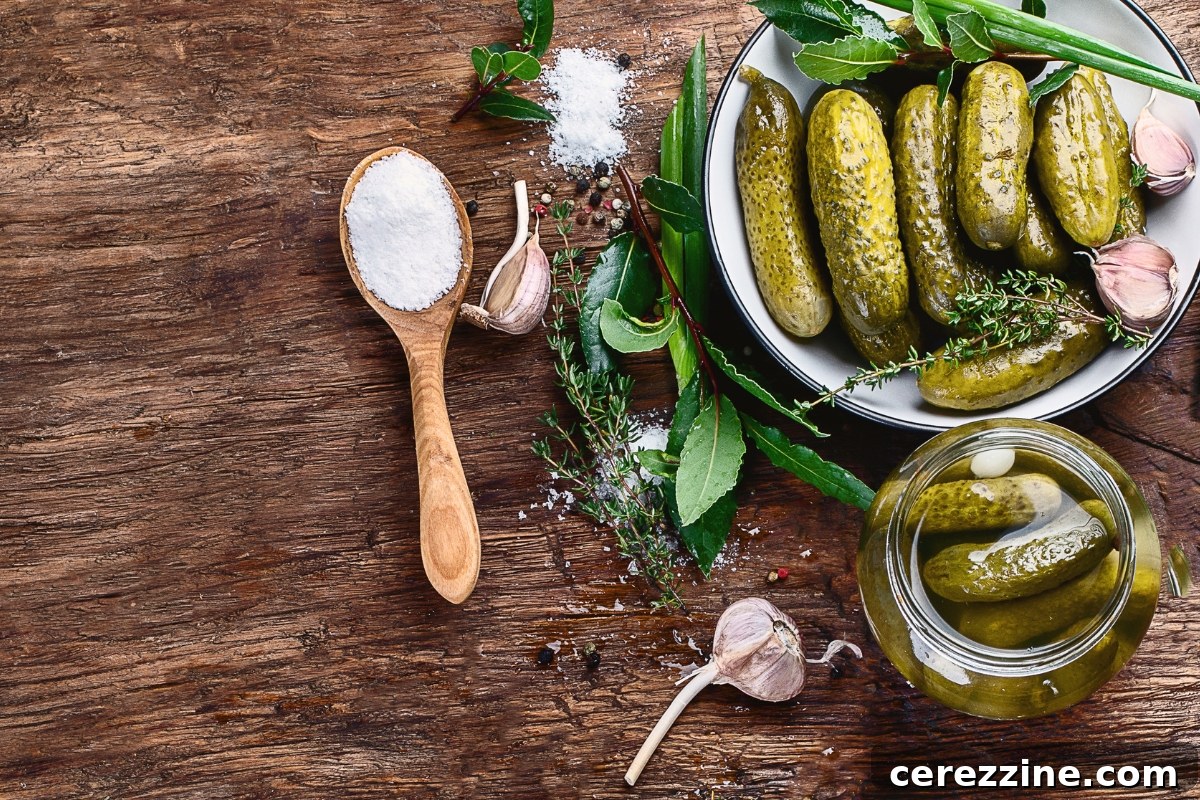
Canning Salt vs. Regular Table Salt: A Crucial Distinction
The most significant difference between canning salt and regular table salt lies in their composition. While both are primarily sodium chloride, table salt is rarely just pure salt. It typically contains a range of additives that, while beneficial for everyday use, are detrimental to the quality of home-canned foods. Understanding these differences is key to making the correct choice for your preservation projects.
Consider a popular brand like Morton’s Table Salt, a common fixture in kitchens across the US. Its ingredient list reveals far more than just “salt.” Typically, it includes:
-
Salt
The primary ingredient, but not the only one.
-
Calcium Silicate (an Anticaking Agent)
This additive is designed to keep salt free-flowing and prevent it from clumping, particularly in humid conditions. In canning, however, calcium silicate does not fully dissolve in brine solutions. Instead, it remains suspended, leading to an unappealing cloudy appearance in your jars. This cloudiness is purely aesthetic but can make your preserves look less professional and appetizing.
-
Dextrose
A type of sugar often added in very small amounts to table salt. While seemingly innocuous, dextrose can interfere with the fermentation process in lacto-fermented pickles, potentially altering the intended flavor or encouraging unwanted microbial growth. Even in non-fermented preserves, it can subtly affect the taste profile.
-
Potassium Iodide
Table salt is frequently iodized to provide an essential dietary mineral that supports thyroid health. While vital for human nutrition, iodine reacts negatively with the compounds found in many fruits and vegetables used for canning. This reaction can cause discoloration, turning pickles dark or fruits an unappetizing hue. More importantly, iodine can impart a metallic or bitter aftertaste, ruining the delicate flavors of your preserves.
Each of these additives, whether individually or in combination, can compromise the flavor, appearance, and overall quality of your canned goods. Canning salt, on the other hand, contains just one ingredient: pure salt. This singular composition ensures that your brine remains clear, your colors vibrant, and your flavors untainted, allowing the natural goodness of your ingredients to shine through.
Canning Salt vs. Kosher Salt: Are They Interchangeable?
The relationship between canning salt and kosher salt can sometimes be a source of confusion. Historically, and often even today, many brands of kosher salt are identical to canning salt in their fundamental ingredient list: pure salt, without any additives. This made kosher salt a reliable go-to substitute for home preservers due to its purity and larger crystal size, which many find easier to measure and dissolve.
However, the landscape of food manufacturing is always changing. In recent years, some brands of kosher salt have started to include anti-caking agents or other ingredients to enhance shelf stability or consumer convenience. This development means that while kosher salt can often be a perfect substitute for canning salt, it is no longer a guaranteed one. The critical step is to always, without exception, check the ingredient label. If the label explicitly states “salt” or “kosher salt” and nothing else, then it is perfectly suitable for your canning projects.
The key takeaway here is vigilance. Don’t assume all kosher salt is additive-free. Make label-reading a habit to ensure you’re using a pure product that won’t jeopardize the quality or appearance of your carefully preserved foods. When in doubt, stick with a brand that clearly markets itself as “canning” or “pickling” salt, as these are specifically formulated with purity in mind.
Exploring Salt Substitutes in Canning: What You Need to Know
For individuals managing low-sodium diets, the amount of salt typically called for in pickling and canning recipes can be a concern. This raises the question: Can salt substitutes be used effectively and safely in home preservation?
For modern canning recipes developed and tested by reputable organizations like the National Center for Home Food Preservation (NCHFP) in the US, salt primarily serves a flavoring purpose. In these scientifically tested water bath canning recipes, the acidity (for fruits and pickles) or the thermal processing itself (for low-acid vegetables and meats) is what ensures food safety, not the salt. Therefore, in these specific types of recipes, salt can often be reduced, omitted entirely, or replaced with a non-clouding salt substitute without compromising safety. Examples of sodium-free salt substitutes that tend to perform well without causing cloudiness include Herbamare Sodium Free and Also Salt Sodium Free Salt Substitute.
It’s crucial to understand that salt substitutes are not always used at the same ratio as regular salt; their potency and flavor intensity can vary significantly. Always consult the packaging instructions for the specific salt substitute you choose to ensure proper usage rates. Furthermore, while manufacturers strive to mimic the taste of salt, substitutes will inherently alter the flavor profile of your preserves. Some might leave a bitter aftertaste, so it’s highly recommended to experiment with a small batch first to assess the flavor and texture before committing to a large canning project.
However, a critical distinction must be made for certain preservation methods. For traditional salt-cured meats (like bacon or ham), lacto-fermented pickles (such as sauerkraut or true dill pickles), or refrigerator pickles that are not heat-processed, real salt is absolutely essential for preservation. In these applications, salt plays a direct and vital role in inhibiting pathogenic bacteria, drawing out moisture, and fostering the growth of beneficial microorganisms. Substituting salt in these recipes can compromise food safety, leading to spoilage or, worse, dangerous bacterial growth.
For a more comprehensive and detailed discussion on the nuances of using salt substitutes in various home canning scenarios, a valuable resource is the site Healthy Canning, which offers in-depth scientific explanations and practical advice.
In conclusion, while canning salt’s purity makes it the gold standard for home preservation, understanding its properties and those of its potential substitutes empowers you to make informed decisions. Always prioritize additive-free options for clarity and true flavor, and remember that for certain preservation methods, real salt is irreplaceable for safety.
Expand Your Home Canning Skills
Ready to dive deeper into the world of home preservation? Explore our other comprehensive guides designed to help you master various canning techniques and expand your culinary repertoire.
- What is Jam Sugar? (Coming Soon)
- Beginner’s Guide to Water Bath Canning
- Beginner’s Guide to Pressure Canning
- How to Make Jam