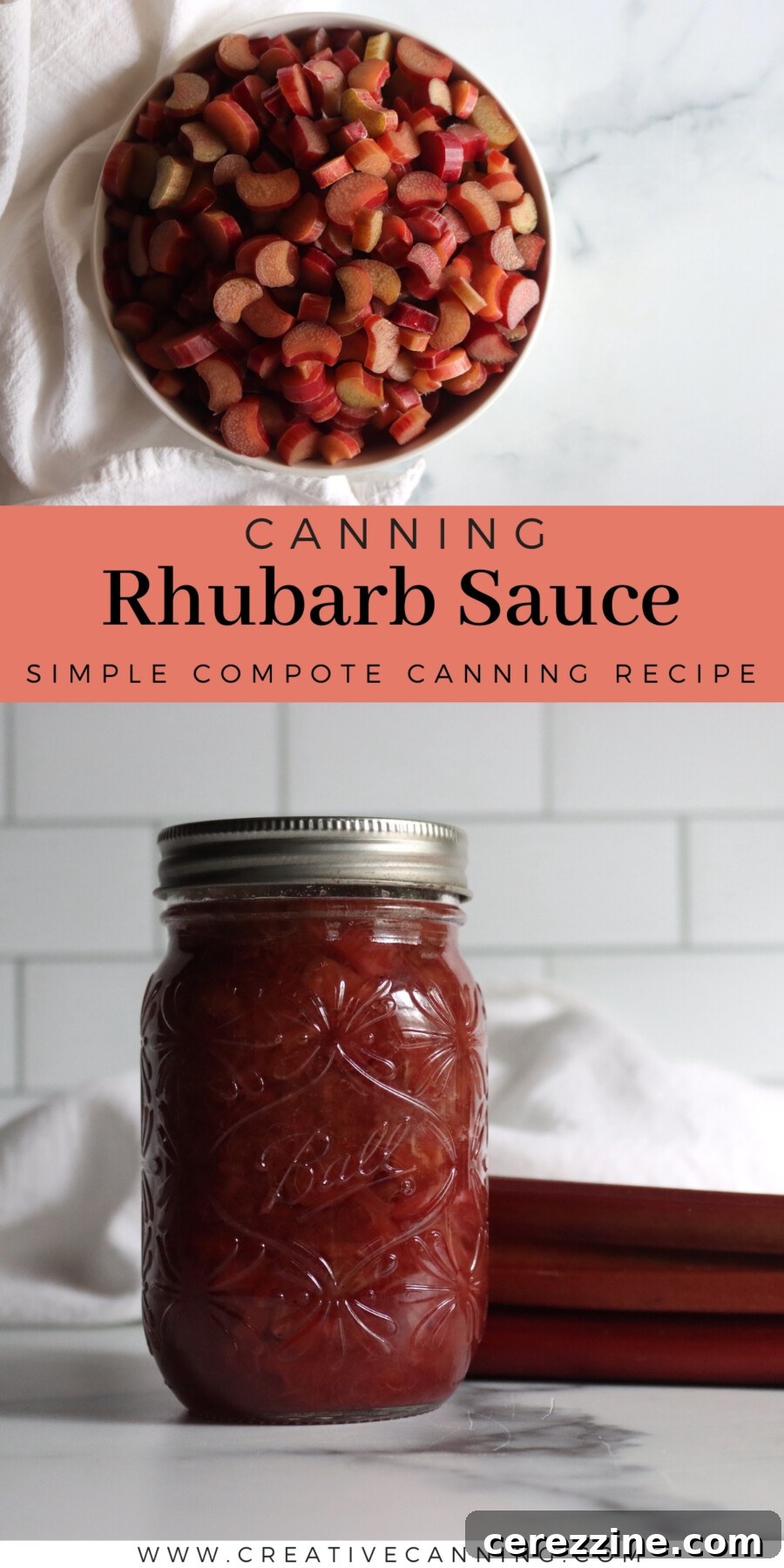
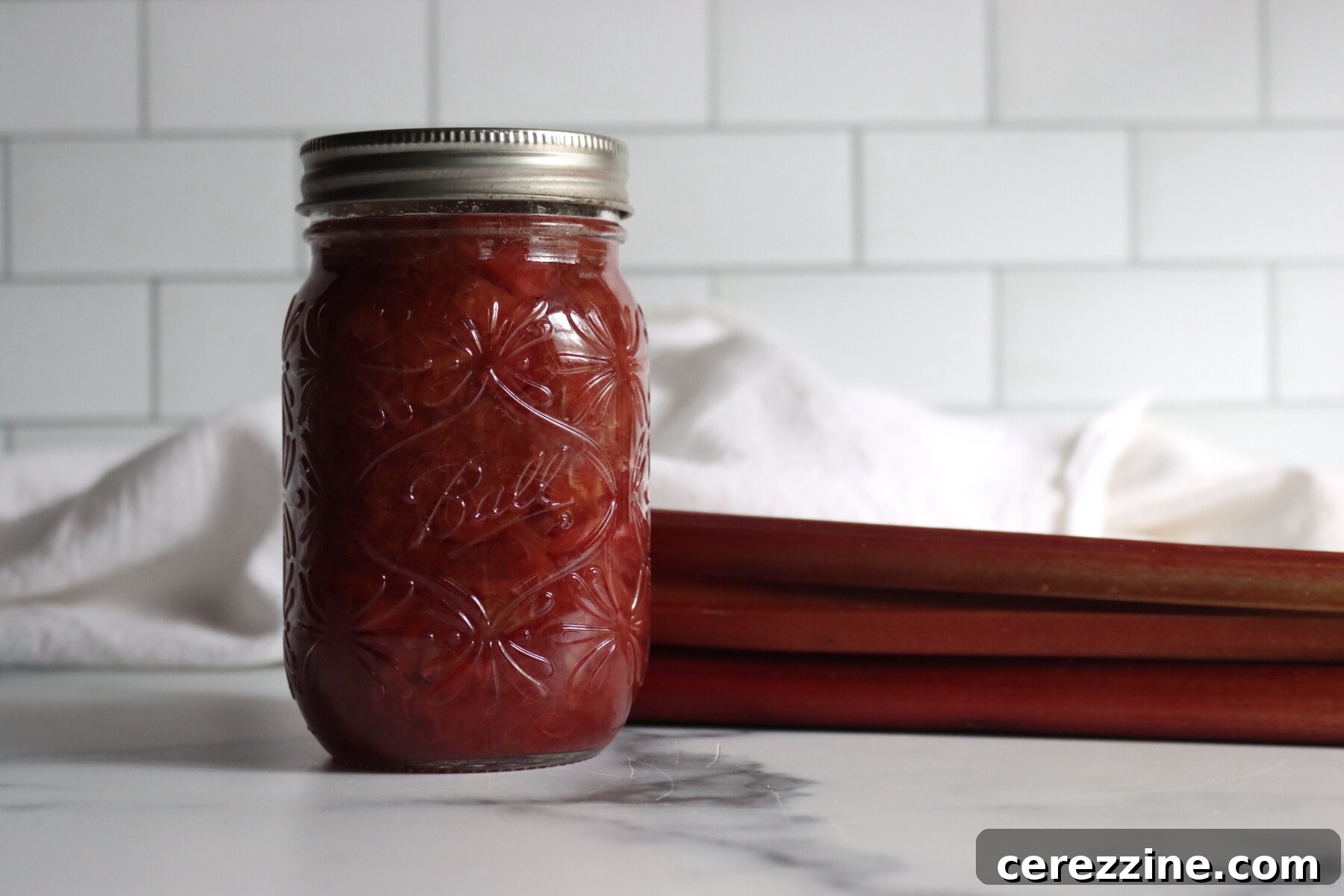
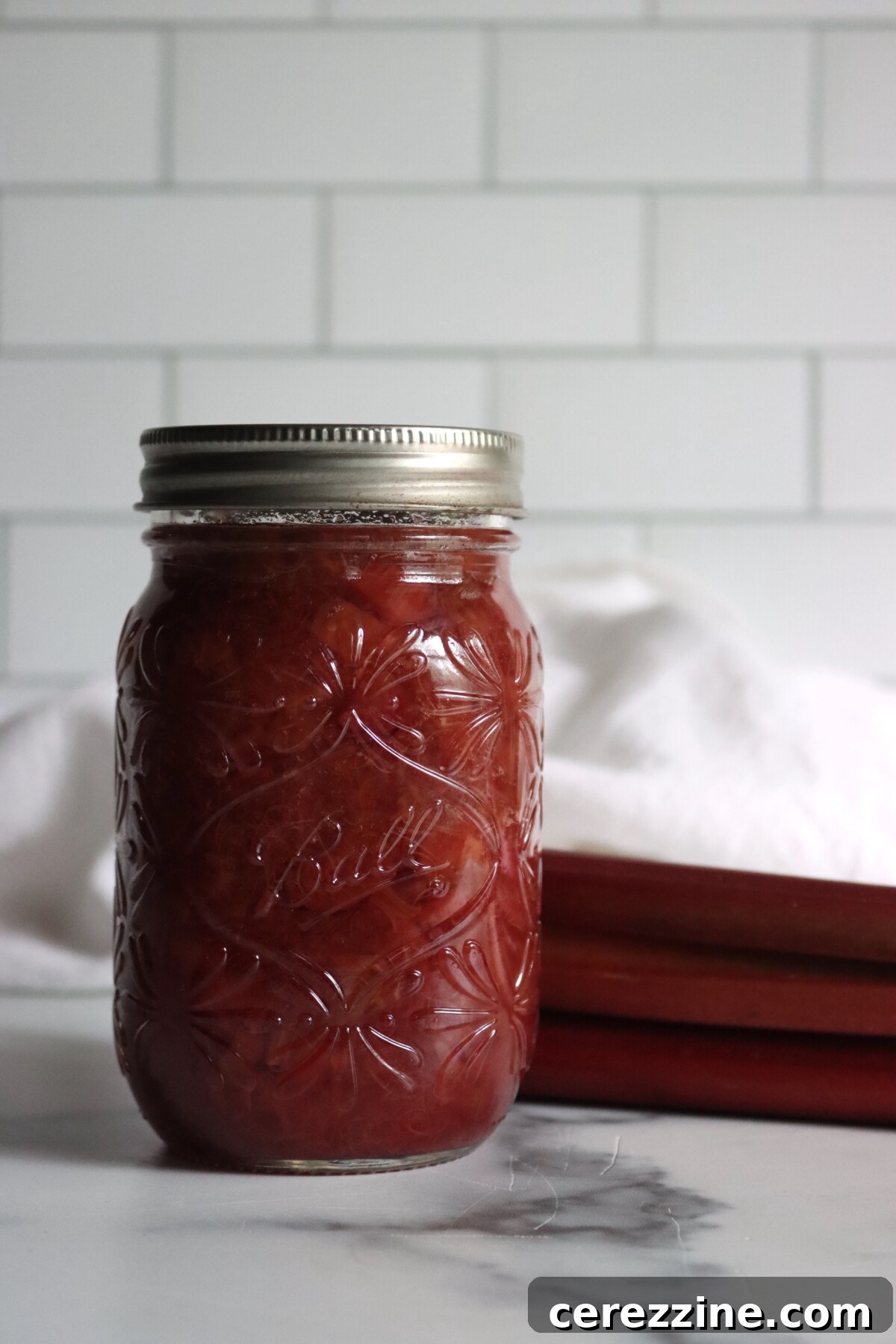
Rhubarb sauce, often referred to as rhubarb compote or stewed rhubarb, is a simple yet profoundly satisfying preserve that perfectly encapsulates the unique tartness and delicate sweetness of fresh rhubarb. With minimal active preparation and a crucial macerating period, you can transform generous quantities of seasonal rhubarb into a vibrant, versatile sauce. This delightful concoction is ideal for spooning over creamy vanilla ice cream, swirling into morning oatmeal, or enjoying straight from the jar, offering a taste of spring and summer all year long.
Unlike more structured preserves such as rhubarb jam or rhubarb pie filling, this rhubarb sauce recipe stands out for its straightforward approach. It requires no added pectin or artificial thickeners. Instead, the rhubarb naturally softens and breaks down, creating a loose, luscious texture that’s perfect for a wide array of culinary uses. Its inherent versatility makes it a staple in any pantry, especially during peak rhubarb season when harvests are abundant. This is the go-to recipe for preserving bumper crops of rhubarb without any unnecessary fuss or complication.
This recipe has been thoroughly reviewed for safety and accuracy by a Master Food Preserver, certified through the esteemed University of Cornell Cooperative Extension.
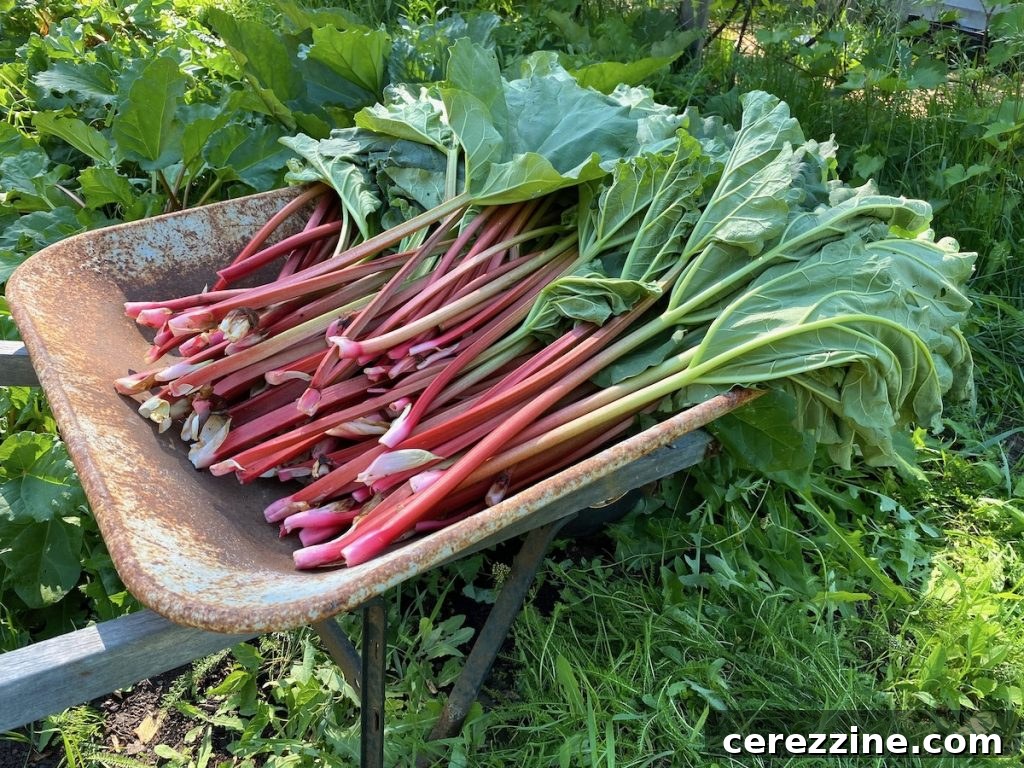
Here on our Vermont homestead, rhubarb is a prolific crop, yielding wheelbarrow-loads of stalks each season. Even after crafting numerous delights like pies, bars, crisps, and even savory dishes such as Khoresht Rivas (a traditional Persian lamb and rhubarb stew), we often find ourselves with an abundance of fresh rhubarb that can’t be consumed immediately. This is where the art of canning becomes invaluable. Each year, we dedicate ourselves to preparing nearly a dozen different rhubarb canning recipes, ranging from the delicate sweetness of rhubarb jelly to the harmonious blend of strawberry rhubarb jam, and the complex flavors of rhubarb chutney.
However, despite the diverse array of rhubarb preserves we create, it’s the simple rhubarb sauce that consistently finds its way to the forefront of our pantry shelves. There’s an undeniable charm in its straightforward, tangy flavor profile that makes it the ultimate accompaniment for a hearty bowl of morning oatmeal or a scoop of velvety vanilla ice cream. It’s lighter and less dense than traditional jam, offering a fresher rhubarb experience. Its inherent versatility outshines that of rhubarb pie filling, making it suitable for both sweet and savory applications. Moreover, its quick preparation time makes it an exceptionally efficient method for preserving large harvests of rhubarb with minimal effort.
This trusted recipe, sourced from Ball Canning Back to Basics, utilizes a remarkably simple and effective technique. The process begins with macerating the chopped rhubarb with sugar, which naturally draws out its flavorful juices. Following this, the mixture undergoes a brief boil before being carefully packed into jars. The culmination of these steps is a vibrant, beautifully pink sauce that perfectly captures the essence of fresh rhubarb, ready to be savored long after the growing season has passed.
Notes from My Kitchen: Mastering Rhubarb Sauce

The secret to this recipe’s success and incredible flavor lies in the macerating step. This technique involves stirring sugar into the chopped rhubarb and allowing it to rest for several hours. During this period, the sugar naturally draws out the rhubarb’s internal juices, creating a beautiful, bright pink liquid that forms the flavorful base of your sauce. By the time you’re ready to cook, the rhubarb pieces are already swimming in their own concentrated essence, requiring only a very brief boil to reach the perfect consistency. This method significantly reduces active cooking time, making the entire preserving process remarkably efficient and enjoyable.
One of the aspects I particularly appreciate about this rhubarb sauce recipe is its flexibility regarding sugar content. While the original Ball recipe suggests a range of half a cup to a full cup of sugar per quart of sliced rhubarb, I’ve found that using 2 cups of sugar for every 4 pounds of rhubarb strikes a perfectly balanced middle ground. This proportion yields a sauce that is sweet enough to temper rhubarb’s characteristic tartness without overpowering its distinctive, refreshing flavor. However, personal preference is key: you can easily reduce the amount of sugar (or even omit it entirely for a truly tart preserve suitable for savory applications) or increase it if your rhubarb is exceptionally sour. This adaptability ensures you can tailor the sauce precisely to your taste.
This rhubarb preserve is a constant presence in my pantry, and for good reason—it’s a crowd-pleaser that never lasts long.
Quick Look at the Recipe: Rhubarb Sauce Essentials
- Recipe Name: Rhubarb Sauce (also known as Stewed Rhubarb or Rhubarb Compote)
- Recipe Type: Fruit Sauce / Compote / Preserve
- Canning Method: Water Bath Canning (ensures shelf-stable storage)
- Prep Time: Approximately 20 minutes of active preparation, plus a crucial 4 hours for macerating.
- Cook Time: A quick 5 minutes once the rhubarb is macerated.
- Canning Time: 15 minutes for both pint and quart jars, with adjustments needed for higher altitudes.
- Yield: This recipe typically yields about 4 pints or 2 quarts of delicious rhubarb sauce.
- Jar Sizes: Recommended for pints or quarts, but smaller jars (half-pints, quarter-pints) are also suitable.
- Headspace: Maintain a consistent 1/2 inch of headspace in each jar for safe sealing.
- Ingredients Overview: Primarily fresh rhubarb, sugar (adjustable to taste), and an optional squeeze of lemon juice for enhanced brightness.
- Safe Canning Recipe Source: This recipe is a tested and approved method from Ball Canning Back to Basics.
- Difficulty: Easy. It requires minimal active time and no specialized equipment beyond a standard water bath canner.
- Similar Recipes for Rhubarb Enthusiasts: Explore other ways to preserve your rhubarb harvest, such as Rhubarb Jam, Rhubarb Jelly, Rhubarb Pie Filling, or Rhubarb Juice Concentrate.
Essential Ingredients for Perfect Rhubarb Sauce
This rhubarb sauce recipe is remarkably adaptable, allowing you to tailor it to your specific taste preferences. The only truly indispensable ingredient is fresh rhubarb. The amount of sugar is entirely flexible, and a touch of lemon juice can be added for a vibrant flavor boost, though it is not a requirement for canning safety.
- Rhubarb: You will need 4 pounds of young, tender rhubarb stalks. When selecting rhubarb, look for firm stalks that exhibit a vibrant color, whether red, pink, or even green. While green stalks are perfectly fine, redder varieties typically produce a more visually appealing, richly colored sauce. Always remember to trim and discard the leaves, as they contain oxalic acid and are toxic. After preparation, cut the cleaned stalks into uniform 1-inch pieces. As a general guide, one pound of fresh rhubarb yields approximately 3 to 4 cups when sliced.
- Sugar: The beauty of this recipe lies in its sugar flexibility. The original Ball recipe suggests using anywhere from 1/2 cup to 1 cup of sugar per quart of sliced rhubarb, providing a wide range for personal customization. I personally recommend starting with 2 cups of sugar for 4 pounds of rhubarb. This ratio creates a beautifully balanced sauce that is pleasantly tart yet sweet enough to be enjoyed as a dessert topping without being overly cloying. For those who prefer a sweeter sauce, you can increase the sugar content up to 1 cup per pound of rhubarb. Conversely, if you desire a very tart preserve, perhaps for savory applications or as a base for recipes where sweetness will be added later, you can reduce the sugar significantly or even omit it entirely.
- Lemon Juice (Optional, but Recommended for Flavor): The juice of 1 medium lemon, which typically amounts to about 2 to 3 tablespoons, contributes a wonderful brightness that exquisitely complements rhubarb’s natural tartness. This addition is purely for enhancing the flavor profile and is not critical for the safety of the canning process. Therefore, if you prefer a simpler, unadulterated rhubarb flavor, feel free to omit the lemon juice.
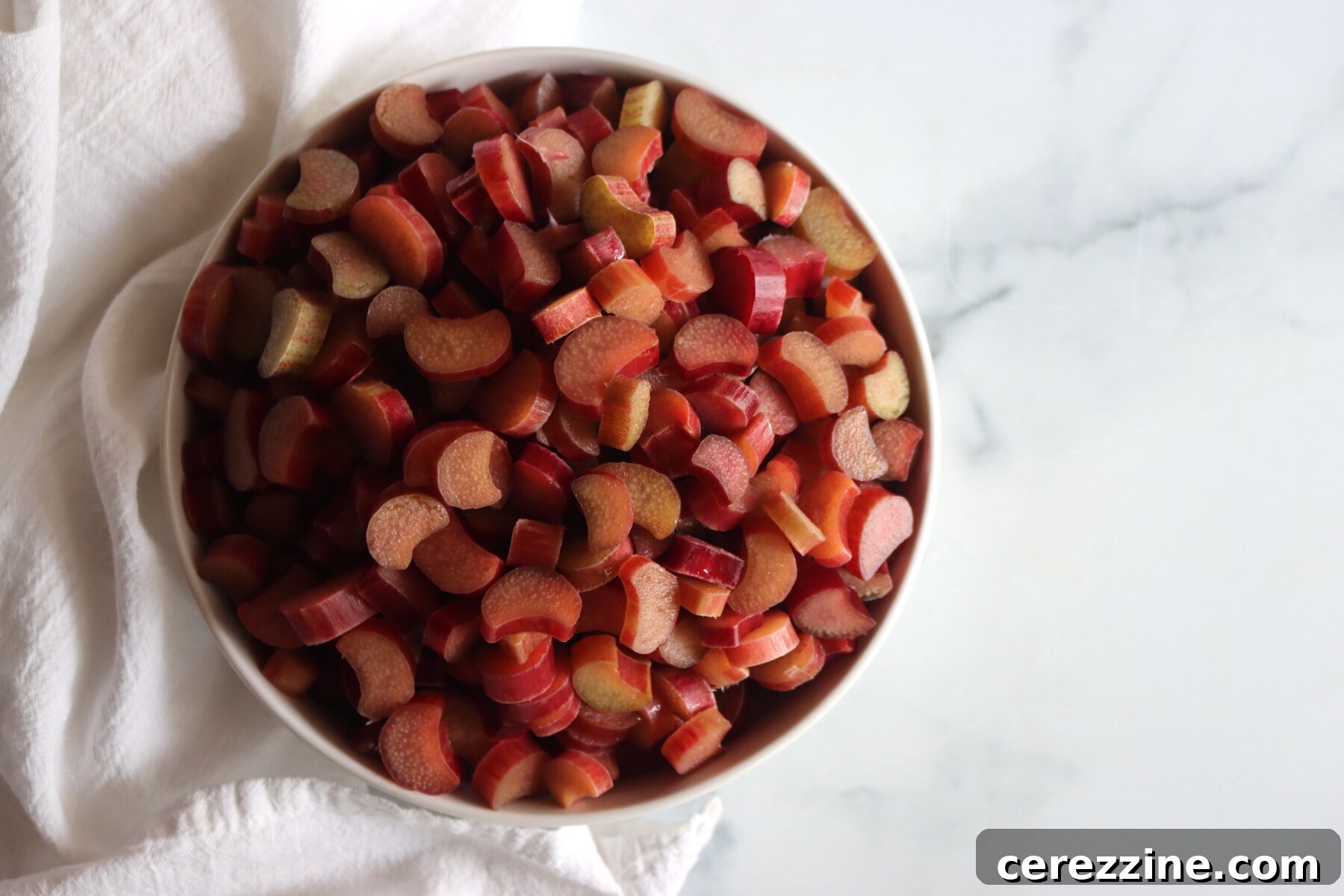
Step-by-Step Instructions: Crafting Your Rhubarb Sauce
The process of making this rhubarb sauce is remarkably straightforward, yielding delicious results. However, it is crucial not to bypass the maceration step, as it is key to developing the sauce’s rich flavor and desirable texture.
1. Prepare the Rhubarb for Maceration
Begin by thoroughly rinsing the fresh rhubarb stalks under cool, running water. Carefully inspect each stalk and trim away any leafy tops, as rhubarb leaves are toxic and should never be consumed. Discard any tough or woody ends. Once cleaned, cut the rhubarb stalks into consistent 1-inch slices. Transfer these uniform pieces into a large glass or stainless steel bowl, ensuring it’s spacious enough to accommodate the rhubarb and allow for easy stirring.
2. Macerate with Sugar to Draw Out Juices
Add your chosen amount of sugar to the bowl of sliced rhubarb. Stir the mixture thoroughly to ensure that all the rhubarb pieces are evenly coated with sugar. If you opt to include lemon juice for enhanced brightness, add it at this stage as well. Cover the bowl securely and allow the rhubarb to stand in a cool place for approximately 4 hours. During this macerating period, stir the mixture occasionally (every hour or so) to help distribute the sugar and facilitate juice extraction. You will observe the sugar drawing out the natural juices from the rhubarb, creating a significant pool of vibrant pink liquid at the bottom of the bowl. This is a crucial step that contributes immensely to the sauce’s flavor and texture.
3. Cook the Rhubarb to Perfection
Once the maceration process is complete, carefully transfer the rhubarb, along with all its accumulated, flavorful juices, into a large, non-reactive pot such as stainless steel or enameled cast iron. Place the pot over medium heat and gradually bring the mixture to a gentle boil, stirring occasionally and gently to prevent any sticking or scorching at the bottom of the pot. Once the mixture reaches a rolling boil, continue to cook it for precisely 30 seconds. At this point, the rhubarb pieces should be noticeably soft but still retain some of their original shape, contributing to a pleasing texture in the finished sauce.
4. Fill Prepared Jars for Canning or Storage
Carefully spoon the hot rhubarb sauce and its liquid into clean, prepared canning jars. Ensure you leave a consistent 1/2 inch of headspace from the rim of the jar. To remove any trapped air bubbles, gently run a bubble remover tool or a clean chopstick around the inside perimeter of each jar. Recheck the headspace and, if necessary, add more rhubarb or juice to maintain the 1/2-inch space. Wipe the rims of the jars meticulously clean with a damp cloth to ensure a perfect seal. Center new canning lids on the jars, and then apply screw bands, tightening them to “fingertip tight” (snug but not overtightened).
Canning Rhubarb Sauce for Long-Term Preservation
While canning offers the benefit of long-term, shelf-stable storage, it is an optional step. If you choose not to can, your delicious rhubarb sauce will keep beautifully in the refrigerator for up to a few weeks or can be safely frozen for up to 6 months. However, for the convenience of having homemade rhubarb sauce readily available without refrigeration, I wholeheartedly recommend canning it for pantry storage.
If you plan to can for shelf-stable storage, it’s essential to prepare your water bath canner well in advance, ideally before you even begin cooking the rhubarb. The canner should be filled with water, heated, and ready to receive your jars. Once your jars are filled and sealed, carefully lower them into the preheated water bath canner. Process the jars for a duration of 15 minutes. This processing time applies equally to both pint and quart-sized jars. Remember to adjust the processing time according to your altitude, as outlined in the section below, to ensure proper and safe preservation.
After the designated processing time has elapsed, turn off the heat source beneath the canner. Carefully remove the canner lid and allow the jars to remain undisturbed in the hot water for an additional 5 minutes. This crucial resting period helps equalize the temperature and prevents siphoning. Following this, carefully remove the jars from the canner and place them on a clean towel on your countertop, ensuring they are not touching each other. Let them cool completely, undisturbed, for 12 to 24 hours. After the cooling period, check all jar seals. Properly sealed jars will have a concave lid that does not flex when pressed. Store properly sealed jars in a cool, dark place at room temperature, where they will maintain their quality for 12 to 18 months. Any unsealed jars should be refrigerated and consumed within a few weeks.
Altitude Adjustments for Safe Water Bath Canning
For rhubarb sauce, canning times remain consistent for both pint and quart jars, as well as smaller sizes such as half-pints and quarter-pints. However, it is critical to note that you should not can rhubarb sauce in jars larger than quart-sized. When performing water bath canning, the processing times must be increased at higher elevations to account for the lower boiling point of water:
- 0 to 1,000 feet (0-305 meters) above sea level: Process for 15 minutes.
- 1,001 to 6,000 feet (306-1,830 meters) above sea level: Process for 20 minutes.
- Above 6,000 feet (over 1,830 meters) above sea level: Process for 25 minutes.
Understanding the Yield of Your Rhubarb Sauce
This recipe begins with 4 pounds of fresh rhubarb, which, once sliced, typically measures out to approximately 12 to 16 cups by volume. After the essential macerating process and a brief cooking period, you can expect to yield about 4 pints or 2 quarts of the finished rhubarb sauce. It’s important to note that the exact yield can vary slightly. Factors such as the juiciness of your particular rhubarb stalks and the amount of sugar you add (more sugar tends to draw out more liquid during maceration) can influence the final volume. Should you find yourself with a small amount of leftover sauce that isn’t enough to fill a complete canning jar, simply store this portion in the refrigerator and enjoy it first.
Delightful Serving Ideas for Your Rhubarb Sauce
Rhubarb sauce is an incredibly versatile preserve, boasting a delightful tangy sweetness that makes it equally at home on the breakfast table or as an elegant dessert component. Its convenience is unmatched, requiring no additional preparation once you open a jar.
For a refreshing and nutritious breakfast, generously spoon the rhubarb sauce over warm oatmeal, creamy yogurt (especially plain Greek yogurt), or fluffy pancakes and waffles. Its bright tartness provides a wonderful counterpoint to the richness of dairy and grains, adding a vibrant burst of flavor. Try swirling it into plain Greek yogurt with a drizzle of honey and a sprinkle of crunchy granola for a truly satisfying start to your day.
When it comes to dessert, rhubarb sauce shines. Serve it gently warmed or chilled over classic vanilla ice cream, moist pound cake, or a decadent cheesecake. It also makes an exquisite, fruity filling for delicate crepes or a flavorful topping for rice pudding. For those feeling more adventurous, layer it into an elegant trifle or a colorful parfait for a visually stunning and delicious treat.
Beyond its conventional sweet applications, rhubarb sauce can also be cleverly incorporated into savory dishes. If you prepare an unsweetened version, it transforms into an excellent tangy condiment. Consider serving it alongside roasted pork, succulent duck, or game meats, much like you would use traditional applesauce or cranberry sauce. The inherent acidity of the rhubarb pairs beautifully, cutting through the richness of fatty meats and enhancing their overall flavor profile.
Rhubarb Sauce Frequently Asked Questions (FAQs)
Absolutely, you can entirely omit the sugar if you prefer a very tart rhubarb sauce. Rhubarb is naturally high in acid, making it safe for water bath canning even without any added sugar. An unsweetened version is particularly versatile for savory dishes or as a neutral base for other recipes where you intend to add your preferred sweetener later. However, be aware that without sugar, the maceration step will not yield as much liquid, so you may need to add a small amount of water as a canning liquid to ensure proper coverage. Additionally, sugar helps the rhubarb pieces maintain their shape, so an unsweetened sauce may result in a softer, more broken-down texture in the jar.
The ideal amount of sugar is highly flexible and depends entirely on your personal taste preferences. The trusted Ball recipe provides a guideline of 1/2 to 1 cup of sugar per quart of sliced rhubarb. Based on extensive experience, I find that approximately 2 cups of sugar for 4 pounds of rhubarb (which translates to about 12-16 cups by volume) strikes an excellent balance. This creates a pleasantly tart sauce that retains rhubarb’s distinctive zing while being sweet enough for desserts. Feel free to use more sugar, up to 1 cup per pound of rhubarb, for a sweeter profile, or less (or none) for a more pronounced tartness.
The primary distinction lies in their texture and intended use. Rhubarb sauce, also known as stewed rhubarb or compote, possesses a looser, more fluid consistency, designed to be spooned over or mixed into other foods. Rhubarb jam, conversely, is typically cooked for a longer duration with a higher sugar content and often includes added pectin to achieve a much thicker, spreadable gel-like consistency. Sauce is generally quicker to prepare and offers a fresher, more delicate expression of rhubarb’s natural flavor, whereas jam is denser and designed for spreading.
Macerating, which involves allowing the chopped rhubarb to sit with sugar for several hours, is a critical step that significantly enhances the sauce. This process naturally draws out the rhubarb’s inherent juices. By doing so, it creates a rich, flavorful liquid base for your sauce without the need to add any external water, which would otherwise dilute the rhubarb’s intense flavor. Furthermore, maceration helps the rhubarb pieces soften more uniformly and quickly during the subsequent brief cooking time. The recommended 4-hour macerating period is essential for achieving the optimal flavor and texture, so it’s important to plan accordingly and not rush this step.
More Rhubarb Canning Recipes to Explore
Rhubarb Sauce (or Compote)
Rhubarb Butter
Rhubarb Syrup
If you tried this Rhubarb Sauce recipe, or any other recipe on Creative Canning, leave a ⭐ star rating and let me know what you think in the 📝 comments below!
And make sure you stay in touch with me by following on social media!
Rhubarb Sauce (Stewed Rhubarb / Rhubarb Compote)
Pin
Rate
Equipment
-
Water Bath Canner
-
Pint or quart canning jars
-
Canning lids and bands
-
Jar lifter
-
Bubble remover
-
Large stainless steel or enameled pot
-
Large glass or stainless steel bowl
Ingredients
- 4 pounds rhubarb stalks, young and tender,
- 2 cups sugar, or to taste, see notes
- 1 medium lemon, juiced, optional
Instructions
-
Rinse the rhubarb under cold running water. Trim and discard any leafy tops (rhubarb leaves are toxic and should never be eaten). Cut the stalks into 1-inch slices and place them in a large glass or stainless steel bowl.
-
Add your desired amount of sugar to the rhubarb and stir well to coat. If using lemon juice, add it now. Cover the bowl and let it stand in a cool place for about 4 hours, stirring occasionally. The sugar will draw out the natural juices, creating a pool of bright pink liquid at the bottom of the bowl.
-
If canning, prepare your water bath canner and jars before cooking the rhubarb. The canner should be heated and ready to go.
-
Transfer the rhubarb and all its accumulated juices to a large stainless steel or enameled pot. Bring the mixture slowly to a boil over medium heat, stirring gently to prevent sticking. Once boiling, cook for just 30 seconds. The rhubarb should be soft but still hold some shape.
-
Pack the hot rhubarb and its juice into prepared jars, leaving 1/2 inch headspace. Remove air bubbles by running a bubble remover or chopstick around the inside of the jar. Check headspace again and add more rhubarb or juice if needed. Wipe the rims clean, apply lids and bands, and tighten to fingertip tight.
-
Lower the filled jars into the preheated water bath canner. Process for 15 minutes for either pint or quart jars, adjusting for altitude as noted below.
-
After processing, turn off the heat, remove the canner lid, and let the jars stand in the water for 5 minutes. Remove the jars and let them cool undisturbed for 12 to 24 hours. Check seals before storing. Properly sealed jars keep at room temperature for 12 to 18 months.
Notes
Lemon juice is an optional addition to this recipe, included solely for enhancing the flavor profile with a bright, zesty note. It is not required for the safety of the preservation process. You can use either fresh or bottled lemon juice, with the juice of one medium lemon typically yielding about 2-3 tablespoons, which can be adjusted to your personal taste.
Rhubarb Amounts and Expected Yield
This recipe is designed to use 4 pounds of fresh rhubarb, which, after being sliced, generally measures out to approximately 12 to 16 cups. Once the rhubarb has undergone the macerating process and a brief simmer, you can anticipate yielding about 4 pints, or 2 quarts, of the finished rhubarb sauce.
It’s important to understand that the final quantity can vary slightly. Factors such as the inherent juiciness of your rhubarb stalks and the precise amount of sugar used will influence the yield, as sugar helps to draw out additional liquid during the resting phase. If you happen to have a small residual amount of sauce that isn’t enough to fill a complete canning jar to the proper headspace, simply store this portion in the refrigerator and plan to consume it first.
Flexibility in Sugar Content
The amount of sugar in this recipe is highly adaptable to your individual taste preferences. The original Ball recipe provides a guideline of 1/2 to 1 cup of sugar per quart of sliced rhubarb. I find that using 2 cups of sugar for 4 pounds of rhubarb strikes a perfect balance, resulting in a pleasantly tart sauce that is also sweet enough to be enjoyed with desserts. You have the flexibility to increase the sugar content (up to 1 cup per pound of rhubarb) for a sweeter sauce, or to reduce it significantly (or omit it entirely) for a very tart preserve that is excellent for savory applications.
Importance of Macerating Time
The 4-hour macerating time is a critical step in this recipe and should not be overlooked or rushed. This period allows the sugar to effectively draw out the natural juices from the rhubarb, creating a flavorful liquid base for your sauce without the need for added water. This process significantly contributes to the depth of flavor and ideal consistency of the finished product.
Storage Without Canning
Should you choose not to proceed with the canning process, the rhubarb sauce can be safely stored in the refrigerator for a few weeks or kept in the freezer for up to 6 months. This provides immediate enjoyment of your homemade preserve.
Altitude Adjustments for Canning Safety
For water bath canning, processing times are consistent across all jar sizes (pints, quarts, half-pints, quarter-pints). However, it is imperative to adjust these times based on your geographical altitude to ensure safe preservation. Do not can in jars larger than quart.
- 0 to 1,000 feet: Process for 15 minutes.
- 1,001 to 6,000 feet: Process for 20 minutes.
- Above 6,000 feet: Process for 25 minutes.
Nutrition
Nutrition information is automatically calculated, so should only be used as an approximation.
Like this? Leave a comment below!
More Fruit Canning Recipes
Canning Citrus Sections in Syrup or Juice
Orange Slices in Honey Syrup
Canning Pears
Find the perfect recipe
Searching for something else? Enter keywords to find the perfect recipe!