
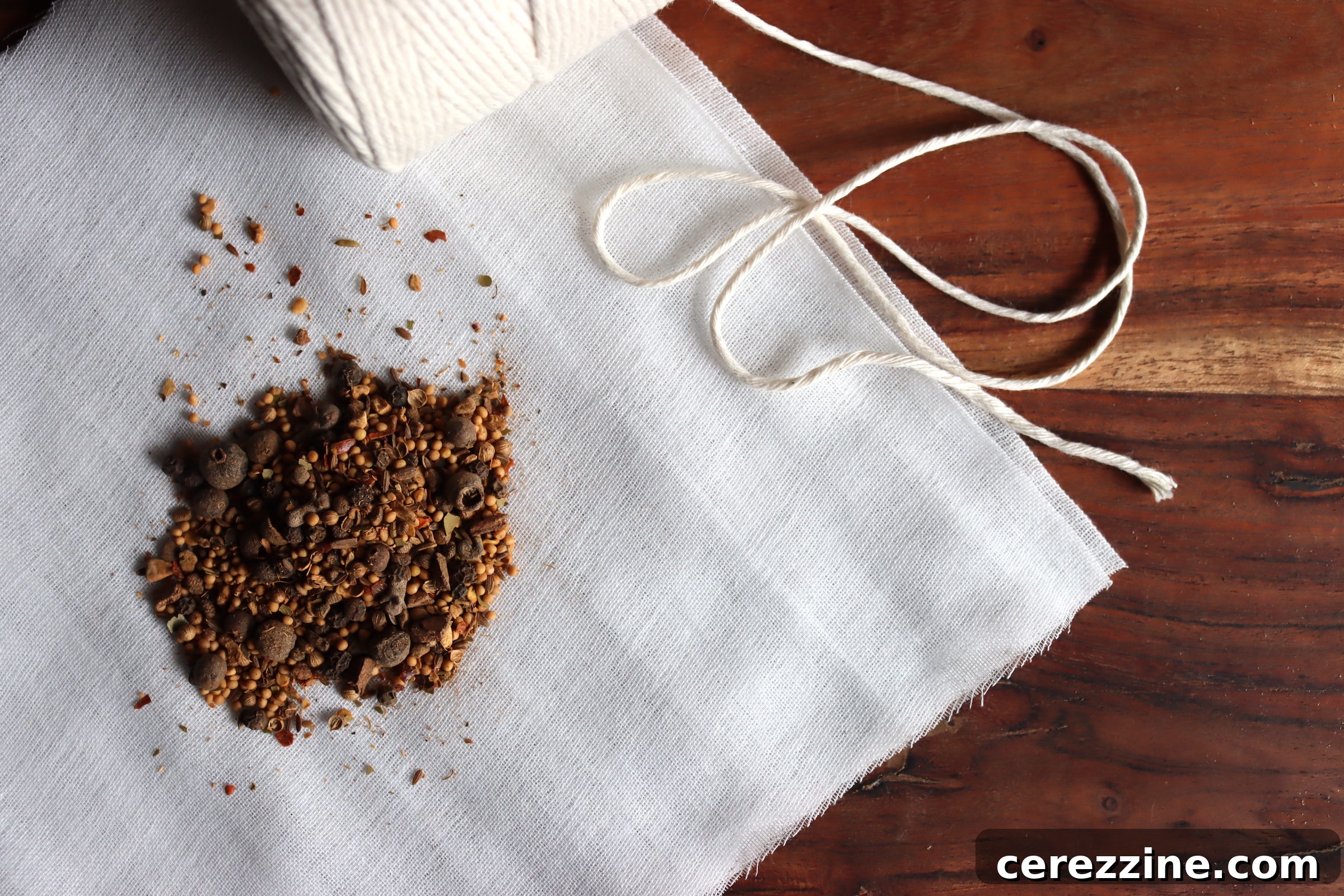
Homemade Pickling Spice Blend: Your Essential Guide to Fresh, Flavorful Preserving
Unlock the secret to truly exceptional home-preserved foods with your very own homemade pickling spice blend. This aromatic concoction is surprisingly simple to create, yet it forms the flavor foundation for an incredible array of pickled delights, from the crunchiest sour dills to the most luscious sweet relishes. Moving beyond generic store-bought mixes, crafting your own blend offers unparalleled customization, allowing you to perfectly tailor flavors to suit your specific tastes and the bounty of your garden.
This comprehensive guide introduces a timeless pickling spice recipe, carefully adapted from the revered Ball Complete Book of Home Preserving. This ensures its compatibility and reliability for the vast majority of tested canning recipes. Beyond this classic mix, we’ll delve into exciting optional additions like celery seed, caraway, or juniper berries, empowering you to develop a signature spice blend that elevates every jar you preserve, making your pickles truly unforgettable.
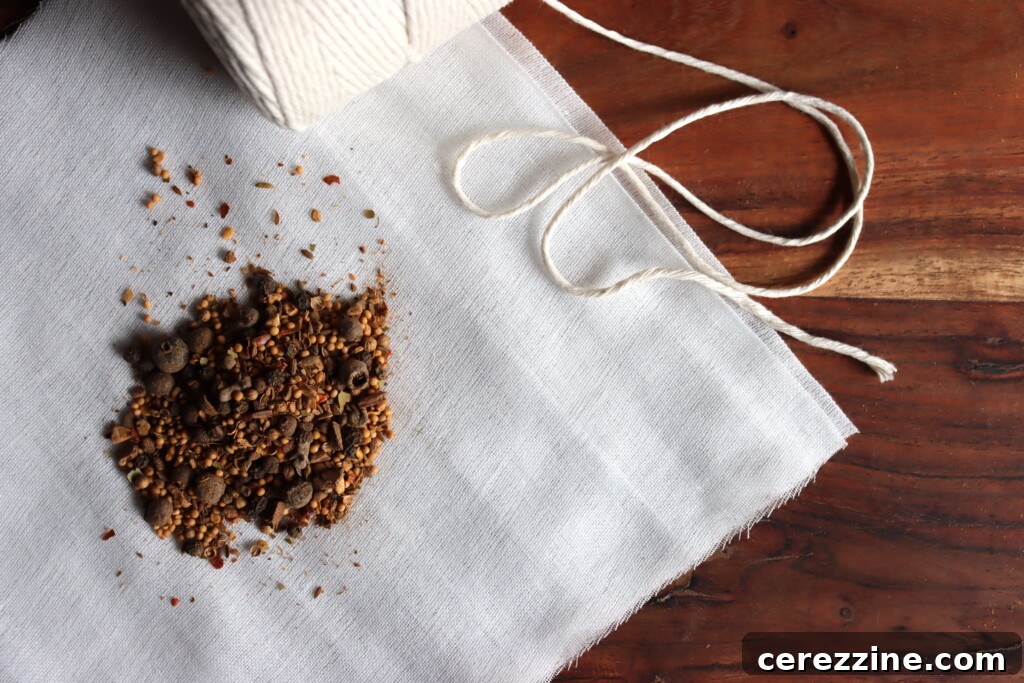
The Diverse World of Pickling Spices: Regional & Personal Touches
The term “pickling spices” is wonderfully broad, encompassing a rich tapestry of flavors shaped by regional culinary traditions and individual preferences. A quick perusal of grocery store aisles or specialty spice shops will reveal a fascinating variety, each blend offering its unique aromatic signature. Some commercial blends emphasize warm, sweet spices like cinnamon and allspice, making them ideal companions for sweeter pickles, chutneys, and fruit preserves. Others gravitate towards a more savory, pungent profile, often featuring prominent notes of celery seed and caraway, characteristic of Eastern European ferments, sauerkrauts, and classic bread and butter pickles.
Even within a single brand, you’ll often find multiple interpretations. For instance, reputable brands like Frontier offer distinct “basic,” “sweet,” and “hot & spicy” pickling spice blends, each expertly formulated to deliver a precise flavor experience. This rich diversity underscores the profound advantage of making your own: it grants you complete creative control over every single ingredient, ensuring the resulting flavor is exactly what you envision for your pickled creations.
Building on a Trusted Foundation: The Ball Canning Inspired Blend
Our featured homemade pickling spice recipe is rooted in tradition and reliability, directly adapted from the highly regarded Ball Complete Book of Home Preserving. This choice is deliberate and strategic, as many tried-and-true canning recipes developed by experts like Ball often assume a pickling spice profile similar to their own widely recognized blends. By starting with this foundation, you ensure a reliable and consistently delicious outcome for your preserved goods, whether you’re a seasoned canner or just beginning your journey.
Interestingly, our homemade blend shares a striking similarity with the popular Frontier Organic Spices basic blend, primarily distinguishing itself by the absence of celery seed and caraway in its core ingredients. However, the true beauty of a homemade approach lies in its inherent flexibility! Should you desire those distinctive savory and slightly anise-like notes, a simple addition of a teaspoon or two of celery seed and caraway can effortlessly replicate or even enhance that desired flavor profile. Furthermore, the esteemed “Food in Jars” pickling spice recipe, another popular choice among home preservers, is nearly identical to ours, often substituting red pepper flakes for the unique, piney essence of juniper berries. These comparisons vividly illustrate the adaptable nature of pickling spice blends and the vast room for personalizing your mix.
This recipe yields approximately a half-pint jar (about 1 cup) of aromatic spice mix, which is typically sufficient to see you through a bustling summer of enthusiastic pickling. For those dedicated home canners who find themselves preserving an abundance of seasonal produce year after year, this batch can be effortlessly scaled up – doubled, tripled, or even quadrupled – to meet your specific needs. Regardless of your chosen preservation method, be it classic vinegar pickles, rich fermented brines for gut-healthy foods, or delightful old-fashioned sweet and savory relishes, this balanced, versatile mix provides a consistent and deeply satisfying flavor foundation that performs exceptionally across the board.
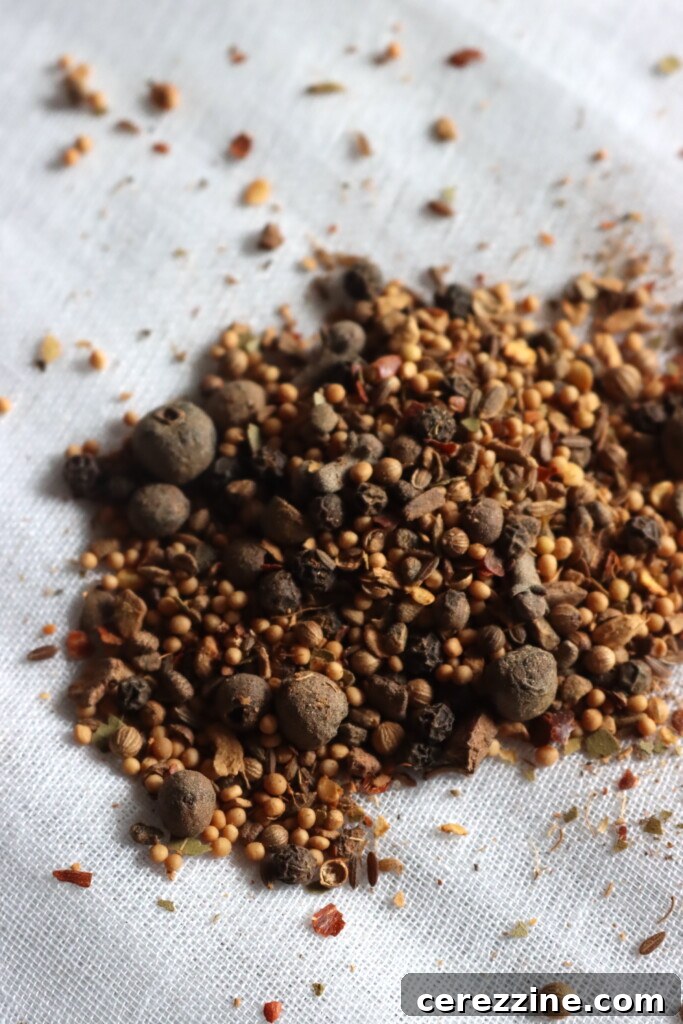
Why Choose Homemade Pickling Spices? The Undeniable Advantages
While the convenience of a store-bought jar of pickling spices might seem appealing, there are several compelling and practical reasons why crafting your own blend is a vastly superior choice for any passionate home preserver. The benefits extend far beyond mere cost savings:
- Unrivaled Freshness and Potency: This is arguably the most crucial advantage. Spices, particularly when ground or blended, begin to lose their volatile aromatic compounds – the very essence of their flavor – over time. Store-bought mixes can often sit on grocery store shelves for extended periods, leading to a significant degradation in their fragrance and potency. By contrast, when you prepare your own spice mix, you control the timing, ensuring it’s made with freshly purchased whole spices and blended just before you need it. Individual whole spices typically have a much faster turnover rate in stores compared to specialized blends, meaning the components you buy are inherently fresher and more vibrant. The difference in the finished product is truly noticeable, yielding pickles that burst with vivid, complex notes that simply cannot be replicated with stale spices.
- Complete Customization and Creative Freedom: Commercial pickling spice blends are formulated for broad appeal, designed to cater to a wide audience. Your palate, however, is unique. Making your own blend grants you the ultimate freedom to perfectly tailor the flavor profile to your precise preferences and the specific produce you’re preserving. Craving more heat? Easily increase the amount of red pepper flakes or introduce a smoky note with chipotle. Desire a brighter, more citrusy undertone? Boost the coriander seeds. If there’s a particular spice you don’t favor, you can simply omit it. This level of granular control empowers you to create truly bespoke blends that not only match your taste but also enhance the natural flavors of the vegetables you’re pickling.
- Significant Cost Savings in the Long Run: For those who frequently engage in pickling or already maintain a well-stocked pantry of individual whole spices, making your own blend proves to be remarkably economical. Purchasing spices in bulk, especially from online retailers, ethnic markets, or local co-ops, almost always provides a substantial cost advantage compared to buying small, pre-packaged jars of specialized mixes. This is particularly true for less common spices, where buying a larger quantity of the individual ingredient can be far more cost-effective than a tiny, expensive jar of a commercial blend. Over time, these savings add up, making home blending a smart financial choice.
- Enhanced Canning Confidence and Ingredient Purity: Knowing precisely what ingredients go into each jar provides an invaluable sense of peace and confidence. Commercial blends can occasionally contain undisclosed anti-caking agents, preservatives (like sulfites), or other fillers and salts. By opting for a homemade blend, you completely eliminate these unknowns, ensuring your pickles contain only pure, natural spices. This commitment to purity contributes to a cleaner, more authentic flavor profile in your preserved foods and aligns with a preference for healthier, additive-free ingredients.
The profound difference in aroma and taste delivered by fresh, custom-blended spices is a game-changer for any home preserver. It transforms your pickling projects from a routine task into a truly rewarding culinary art form.
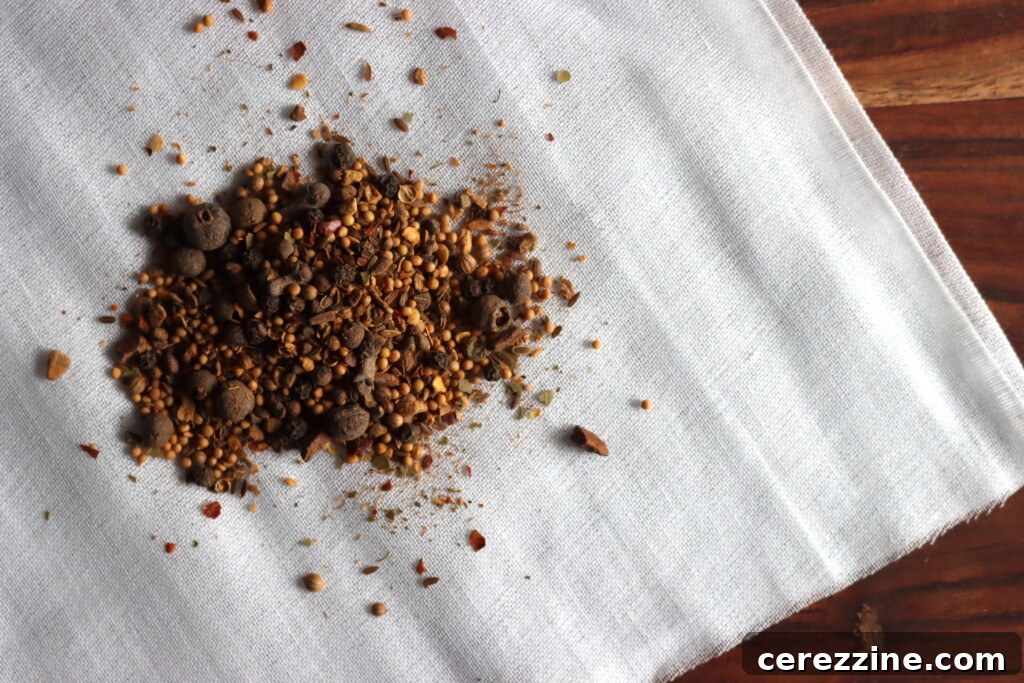
Essential Ingredients for Your Core Pickling Spice Blend
This foundational pickling spice recipe is meticulously crafted to be highly versatile and compatible with the broadest range of traditional vinegar pickles and savory relishes. As previously highlighted, its design is largely inspired by the trusted Ball Complete Book of Home Preserving, positioning it as a reliable and flavorful choice for virtually any recipe that simply calls for a generic “pickling spice” mix.
Below is a detailed exploration of the core spices that constitute this aromatic base, complete with insights into their individual contributions to the overall flavor profile of your pickled goods:
- Cinnamon Sticks: Whole cinnamon sticks, ideally broken into smaller, manageable pieces, impart a wonderfully warm, subtly sweet, and inviting note that harmonizes beautifully with both savory and sweeter pickle varieties. Its presence is particularly delightful in recipes like bread and butter pickles, spiced beets, or even preserved fruits.
- Bay Leaves: These unassuming yet powerful leaves contribute a deep, earthy, and mildly herbaceous background flavor. They are essential for building a complex base that supports other spices without overpowering them, acting as a quiet but crucial backbone in many traditional preserving recipes.
- Mustard Seeds (Yellow): A truly foundational ingredient for nearly any pickling spice blend, yellow mustard seeds deliver a characteristic tangy bite and a gentle, pleasant heat that gradually develops as they steep and swell in the pickling brine. They are indispensable for achieving that classic “pickle” aroma and flavor profile.
- Whole Allspice: Remarkable for its complex flavor profile—evoking notes of cloves, nutmeg, and cinnamon all in one berry—whole allspice adds a sweet, woody, and subtly peppery depth that significantly enriches the overall character of the spice mix and the finished preserves.
- Coriander Seeds: Bright, distinctly citrusy, and possessing a delicate nutty undertone, whole coriander seeds are vital for providing balance to the warmer, heavier spices in the blend. They infuse the brine with a refreshing zest that invigorates the palate and prevents the mix from becoming too dense.
- Whole Black Peppercorns: These are indispensable for contributing a classic pungent kick and a subtle, lingering heat. Black peppercorns provide a familiar and comforting spice note that enhances the overall savoriness and complexity of your pickled vegetables.
- Ground Ginger: Offering a gentle, spicy warmth and a delicate, fragrant complexity, ground ginger adds an intriguing underlying layer of flavor that can range from a zesty brightness to a subtly sweet warmth, depending on the specific pickle recipe. For brines where clarity is paramount, using dried ginger chips or flakes (if available) can be advantageous over powdered ginger.
- Dill Seeds: An absolute must-have, particularly for classic cucumber pickles, dill seeds contribute their signature herbaceous, slightly anised-like, and wonderfully fresh flavor. They are also a fantastic and versatile addition to almost any vegetable brine, enhancing the overall freshness and appeal.
- Cardamom Seeds: Highly aromatic, beautifully floral, and subtly sweet with distinct citrusy undertones, cardamom seeds are an exceptional and sophisticated addition. They shine particularly well in sweet pickles, unique fruit preserves, or experimental mixed vegetable ferments, lending an exotic and memorable touch.
- Hot Red Pepper Flakes: These provide a customizable level of heat and a robust depth to the blend. The amount can be easily adjusted to match your preference for a milder warmth or a more pronounced spicy kick. They add a vibrant energy that enlivens the palate.
- Whole Cloves: Intensely aromatic and wonderfully warming, whole cloves contribute a distinctive, sweet, and pungent spiced character that is a quintessential element of many traditional and beloved pickling blends.
Elevate and Personalize: Optional Spices for Customization
The true genius of crafting your own pickling spice blend lies in its remarkable adaptability. Do not hesitate to experiment with these optional additions, which can help you fine-tune your blend, replicate specific regional styles, or simply explore exciting new flavor dimensions:
- Celery Seed: This spice delivers a distinct savory, slightly bitter, and deeply herbal flavor. It’s a fantastic choice for recreating the essence of bread and butter pickles, deli-style ferments, or any pickle where a subtle umami depth is desired.
- Caraway Seed: Bringing a unique, slightly anise-like or licorice-like note, caraway seed is characteristic of many Eastern European pickles and traditional sauerkraut recipes. It pairs exceptionally well with cabbage, root vegetables, and hearty brines.
- Brown Mustard Seeds: Offering a stronger, more pungent, and noticeably spicier kick than their yellow counterparts, brown mustard seeds are an excellent inclusion for crafting robust, fiery, and deeply flavorful pickling blends.
- Chipotle or Dried Chili Pieces: For those who appreciate a smoky depth alongside their heat, incorporating dried chipotle peppers or other small dried chili pieces can transform your spice mix, lending a rustic, Southwestern, or even a barbecue-inspired flair to your preserves.
- Mace or Nutmeg Slivers: These delicate yet warm spices are frequently found in older, more traditional, or sweeter pickle recipes. They contribute a subtle, nuanced richness and a hint of sweet fragrance. Use them sparingly to avoid overpowering the other flavors.
- Juniper Berries: Offering a distinctive piney, slightly citrusy, and resinous flavor, juniper berries are a unique and sophisticated addition. They are particularly well-suited for enhancing cucumber pickles, beet pickles, or complex mixed vegetable ferments, adding an unexpected layer of aroma.
- Ginger Chips or Dried Ginger Flakes: If you have access to them, these larger pieces of dried ginger are highly recommended. They provide a clean, bright ginger flavor without the potential for clouding the brine that can sometimes occur with powdered ginger, resulting in clearer, more visually appealing preserves.
Consider this core blend as your culinary canvas. Feel empowered to adhere to the tried-and-true base or allow your gastronomic imagination to guide you in adding your own unique twist, perfectly aligning with the specific style and flavor profile of the pickles you aspire to create.
A Comparative Look at Commercial Pickling Spice Blends
While the advantages of homemade pickling spices are clear, it’s beneficial for any home preserver to understand what’s available commercially. This knowledge can serve as a reference point for flavor profiles or as a convenient option in a pinch. Here’s an overview of some common store-bought choices and their typical ingredients:
- Frontier Organic Basic Pickling Spices: A widely recognized and reliable blend, this typically includes: Yellow Mustard, Cinnamon, Allspice, Dill Seed, Celery Seed, Bay Leaf, Chili Peppers, Cloves, Caraway, and Ginger. It’s a versatile mix that works well for a broad spectrum of pickling projects. (Explore on Amazon)
- Frontier Organic Mild Sweet Pickling Spices: Often sharing many ingredients with the basic blend, this version is formulated with proportions or additional components designed to complement sweeter pickle recipes. Common ingredients include: Yellow Mustard, Cinnamon, Allspice, Dill Seed, Celery Seed, Bay Leaf, Chili Peppers, Cloves, Caraway, and Ginger.
- Frontier Organic Hot and Spicy Pickling Spices: For those who prefer a more assertive heat, this blend significantly amps up the spicy elements. Its ingredient list frequently features: Cinnamon Chips, Yellow Mustard, Dill Seed, Brown Mustard, Allspice, Cloves, Coriander Seed, Chipotle Peppers, Mace, Black Peppercorns, Bay Leaf, Cardamom, and Ginger Root. (Find on Amazon)
- Ball Canning Pickling Spices: As a leader in home canning resources, Ball also offers its own small containers of pickling spice. Their blend generally consists of: Mustard Seed, Black Peppercorns, Dill Seed, Cardamom, Cinnamon, Ginger, Coriander, Allspice, Chili Pepper, Cloves, and Bay Leaves. This composition closely mirrors our homemade recipe, highlighting its classic and balanced appeal. However, these smaller, pre-packaged containers often come with a significantly higher price per ounce compared to purchasing spices in bulk. (Ball Pickling Spices)
- McCormick Generic Blend: While widely available in most grocery stores, the generic McCormick pickling spice blend is frequently not recommended by experienced canners. It often contains preservatives (such as sulfites) and may lack the vibrant freshness and potent aroma of more specialized brands or, critically, homemade versions. Although its core ingredients might align with blends like Ball’s, the quality and freshness of the spices can drastically influence the flavor outcome of your final preserved goods. (McCormick Pickling Spice)
Analyzing the ingredient lists of commercial blends can be incredibly insightful, but always prioritize the freshness of the spices themselves. Bulk options from reputable spice suppliers almost invariably offer a superior balance of quality, aromatic potency, and cost-effectiveness compared to the smaller, often older, jars found on standard grocery store shelves.
Mastering the Application of Your Homemade Pickling Spice Blend
Once you’ve meticulously crafted your perfect homemade pickling spice blend, understanding the most effective methods for incorporating it into your preserving projects is paramount to achieving unparalleled flavor. This versatile blend is suitable for a diverse array of applications, from crisp, quick vinegar brines to hearty, traditional fermented pickles and relishes.
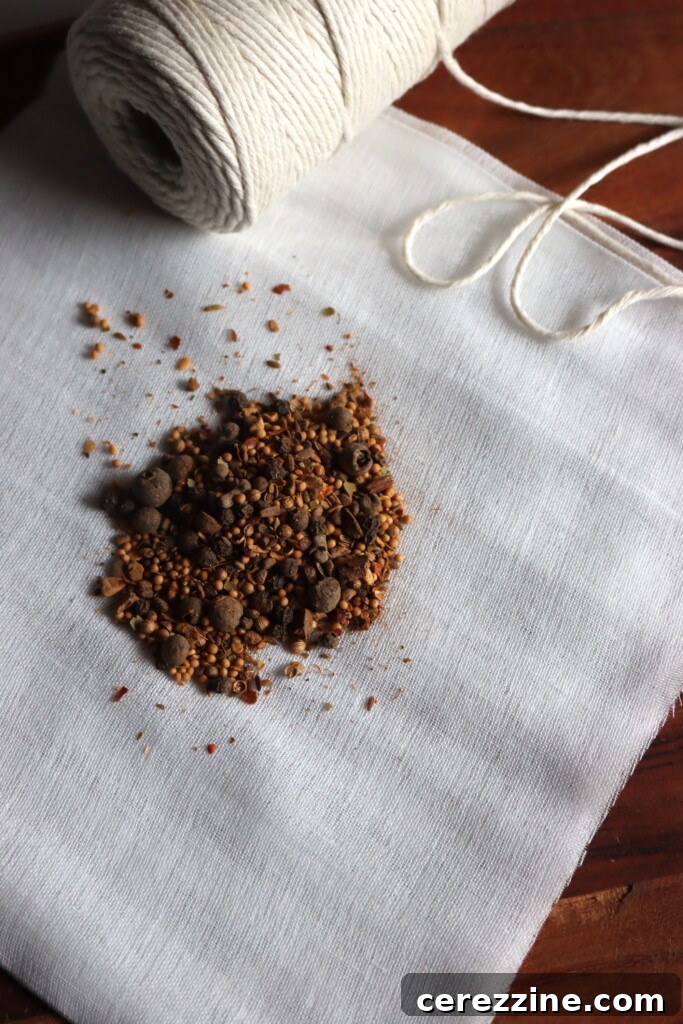
The most widely adopted and recommended method for introducing pickling spices into your brine is through the use of a spice bag. This technique involves placing your measured amount of spice mix into a small square of breathable cheesecloth, muslin, or a reusable spice ball, then tying it securely to form a neat pouch. This pouch is subsequently steeped directly in your brine or pickling liquid during the simmering or fermentation process. The primary and significant advantage of employing a spice bag is that it facilitates the beautiful infusion of all the complex flavors into the liquid without the undesirable scattering of whole spices throughout your jars. This method consistently yields a clear, visually appealing brine and prevents any gritty or uneven texture in your final preserved product, ensuring a professional and delicious result.
However, it is important to note that some traditional recipes, particularly those designed for shelf-stable vinegar pickles, may instruct you to add a small amount of whole spices directly to the bottom of each jar before filling it with hot brine. In these specific instances, the whole spices are intended to settle at the base, continuing to impart subtle flavor notes over the extended storage period without significantly affecting the clarity or texture of the pickles. Always, and without exception, refer to your specific canning recipe’s instructions to determine the precise and recommended method for adding your pickling spices. Adhering to proper technique is not only crucial for optimizing flavor but also for ensuring the safety and longevity of your home-preserved foods.
As a general guideline for usage, for most standard quart-sized jars of pickles (which typically require approximately 4-5 cups of brine), you would typically use around 1 to 2 tablespoons of your freshly prepared pickling spice blend. For smaller batches, more delicate vegetables, or a milder flavor profile, it’s always advisable to start with a slightly lesser amount and adjust to taste in subsequent batches. Remember, experimentation is a joyous and integral part of the home preserving journey, allowing you to continually refine and personalize your creations!
8
servings, makes 1 cup or 1/2 pint
Classic Homemade Pickling Spice Blend
10
mins
10
mins
Ingredients
- 2 medium cinnamon sticks, 4-inch, broken into small pieces
- 10 medium bay leaves, crushed
- 4 Tbsp mustard seeds
- 2 Tbsp whole allspice
- 2 Tbsp coriander seeds
- 2 Tbsp whole black peppercorns
- 2 Tbsp ground ginger
- 2 Tbsp dill seeds
- 1 Tbsp cardamom seeds
- 2 tsp hot red pepper flakes, adjust to taste for desired heat
- 2 tsp whole cloves
Instructions
-
In a clean, dry bowl or directly into a glass jar, combine all the listed spices.
-
Stir or shake thoroughly to ensure all ingredients are evenly distributed throughout the blend.
-
Transfer the finished spice blend to a clean half-pint (8 oz) jar and seal it tightly with an airtight lid.
-
Store the jar in a cool, dark pantry or cupboard, away from direct sunlight and heat, for optimal freshness for up to 12 months.
Notes for Success
Ginger Options: For the clearest possible brine, especially in delicate preserves, dried ginger chips or flakes are highly preferred over powdered ginger. While powdered ginger works in a pinch, it may slightly cloud the brine if not contained within a spice bag and carefully strained.
Spice Bag Application: For the majority of pickling recipes, we recommend using approximately 1 to 2 tablespoons of this homemade mix within a small cheesecloth bag or a reusable spice ball per quart of brine. Ensure you remove the spice bag after the simmering process or prior to sealing your jars, as directed by your specific recipe.
Flavor Variation Ideas: To impart a distinctive Eastern European flavor twist, consider adding 1 teaspoon each of celery seed and caraway seed to the blend. You can also experiment with the unique, piney notes of juniper berries (an ingredient found in some classic versions, such as those in “Food in Jars”).
Adjusting Sweetness vs. Spiciness: For a milder spice blend, simply reduce or entirely omit the hot red pepper flakes. If you desire significantly more heat, feel free to double the amount of red pepper flakes or even toss in a few dried whole chili peppers or a pinch of smoky chipotle.
Approximate Nutrition Information (per serving)
Nutrition information is automatically calculated and should only be used as an approximation. Actual values may vary based on specific ingredients and preparation methods.
Optimal Storage Practices for Maximizing Spice Freshness
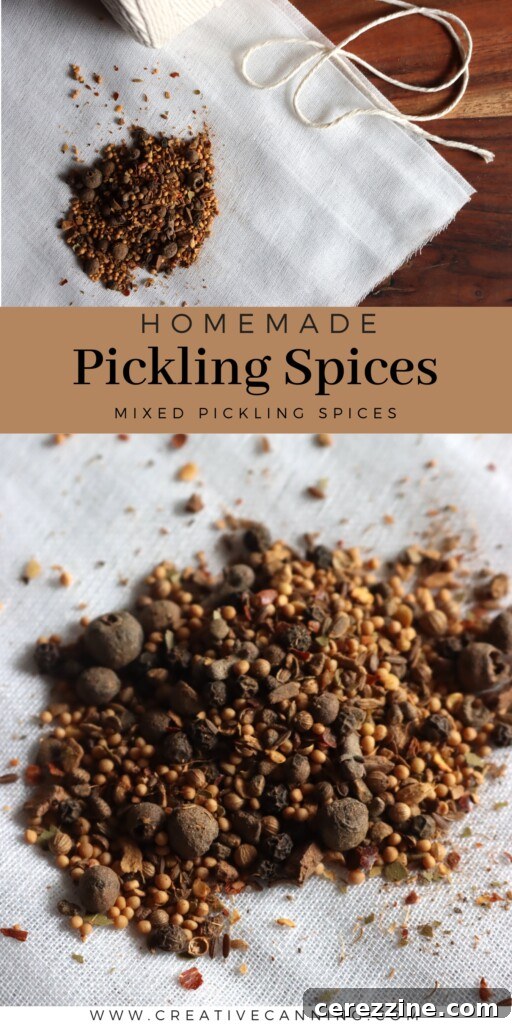
To ensure your precious homemade pickling spice blend retains its potent aroma and vibrant flavor for the longest possible duration, implementing proper storage practices is absolutely critical. Once your blend is mixed and thoroughly combined, it should be immediately transferred to an airtight glass jar. This barrier prevents moisture and air from degrading the spices. Store this sealed jar in a cool, dark place, ideally a pantry shelf or a dedicated kitchen cupboard, far away from direct sunlight, any sources of heat, and fluctuating humidity.
It is particularly important to avoid storing your spices above the stove, near an oven, or adjacent to any other heat-generating appliances. Heat significantly accelerates the oxidation and evaporation of the volatile oils within the spices, which are directly responsible for their characteristic flavor and aroma. When stored diligently under these optimal conditions, your homemade pickling spice blend will maintain its peak freshness and potency for approximately 10 to 12 months. While the spices will not “go bad” in the traditional sense beyond this period, their flavor profile and aromatic intensity will gradually, but inevitably, diminish. For consistently superior results in all your canning and preserving endeavors, strive to use your freshly made blend within a year. If you notice a significant fading of the aroma or a dulling of the taste, it’s a clear signal that it’s time to refresh your stock and prepare a brand new, vibrant batch.
Embracing the Rewards of Crafting Your Own Pickling Spices
Engaging in the art of making your own pickling spice blend is far more than just following a recipe; it represents a meaningful investment in the inherent quality, depth of flavor, and overall success of your home-preserved foods. It serves as a tangible connection to time-honored culinary traditions, provides an exciting avenue for creative customization, and stands as a wonderfully simple yet profoundly impactful way to guarantee the freshest, most vibrant tastes in every single jar you produce.
From the refreshing crunch of classic dill cucumbers to the adventurous tang of experimental fruit pickles, a thoughtfully crafted and well-made pickling spice blend is the unsung hero—the foundational element that expertly brings all the disparate flavors and textures together into a harmonious, irresistible whole. We genuinely encourage you to fully embrace the process, experiment with varying spice ratios, and confidently explore different optional additions to ultimately discover and perfect your own personal favorite blend. The sheer joy and profound satisfaction of home preserving truly reach their zenith when you are working with premium ingredients you have meticulously selected and expertly blended yourself. So, gather your finest whole spices, immerse yourself in their exquisite aromas, and prepare to create an array of pickles and relishes that will undoubtedly become the coveted envy of all who taste them!