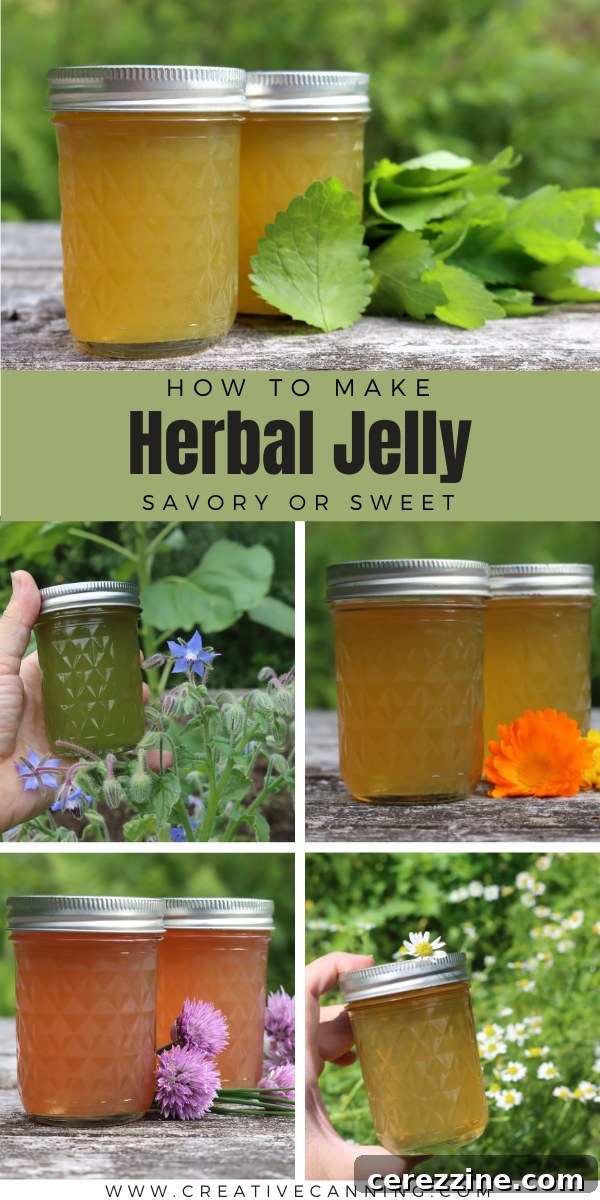
The Ultimate Guide to Making Herbal Jellies: Sweet & Savory Recipes for Your Pantry
Herbal jellies offer a delightful and unique way to capture the vibrant essence of your garden’s bounty, transforming fresh herbs and fragrant flowers into versatile spreads. Whether you prefer a touch of sweetness to complement your breakfast toast or a savory kick to elevate roasted meats and cheese boards, these homemade jellies are incredibly adaptable and surprisingly simple to create. They are a true testament to the endless possibilities of culinary preservation, allowing you to enjoy the flavors of spring and summer long after the season ends.
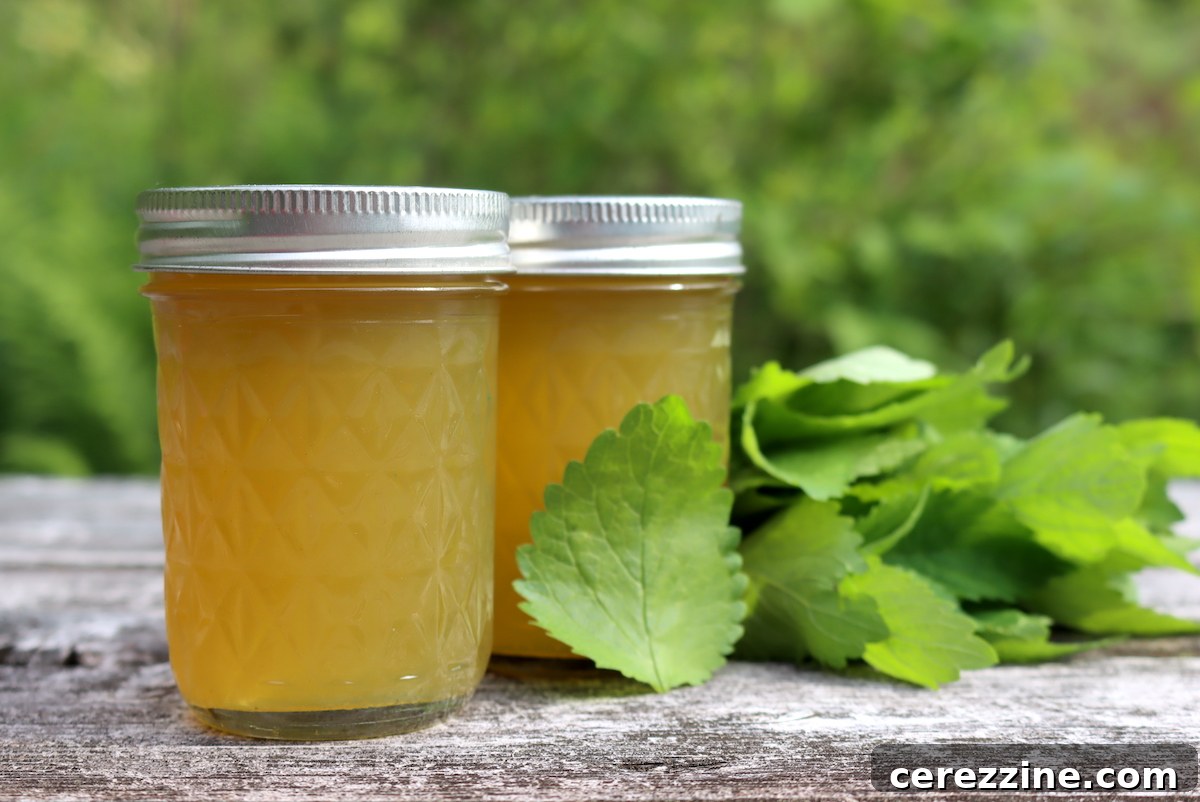
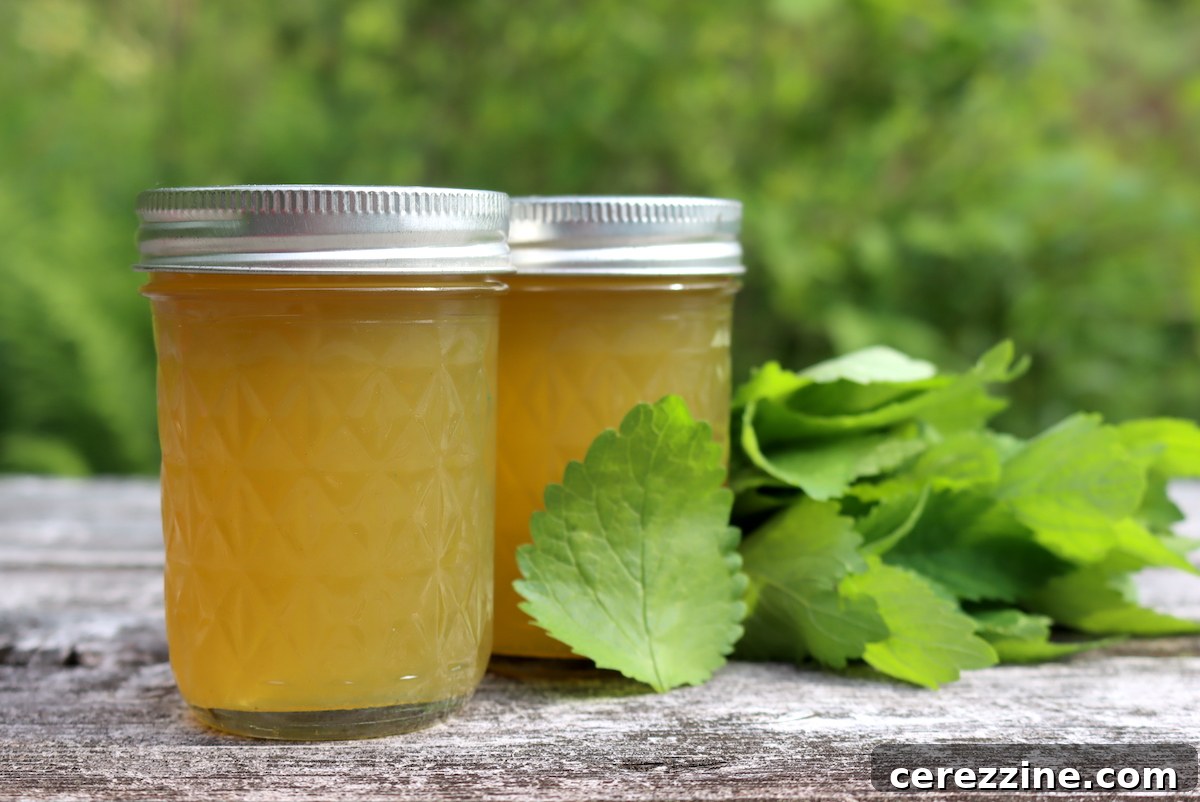
Unlock the Flavor Potential of Your Garden with Homemade Herbal Jellies
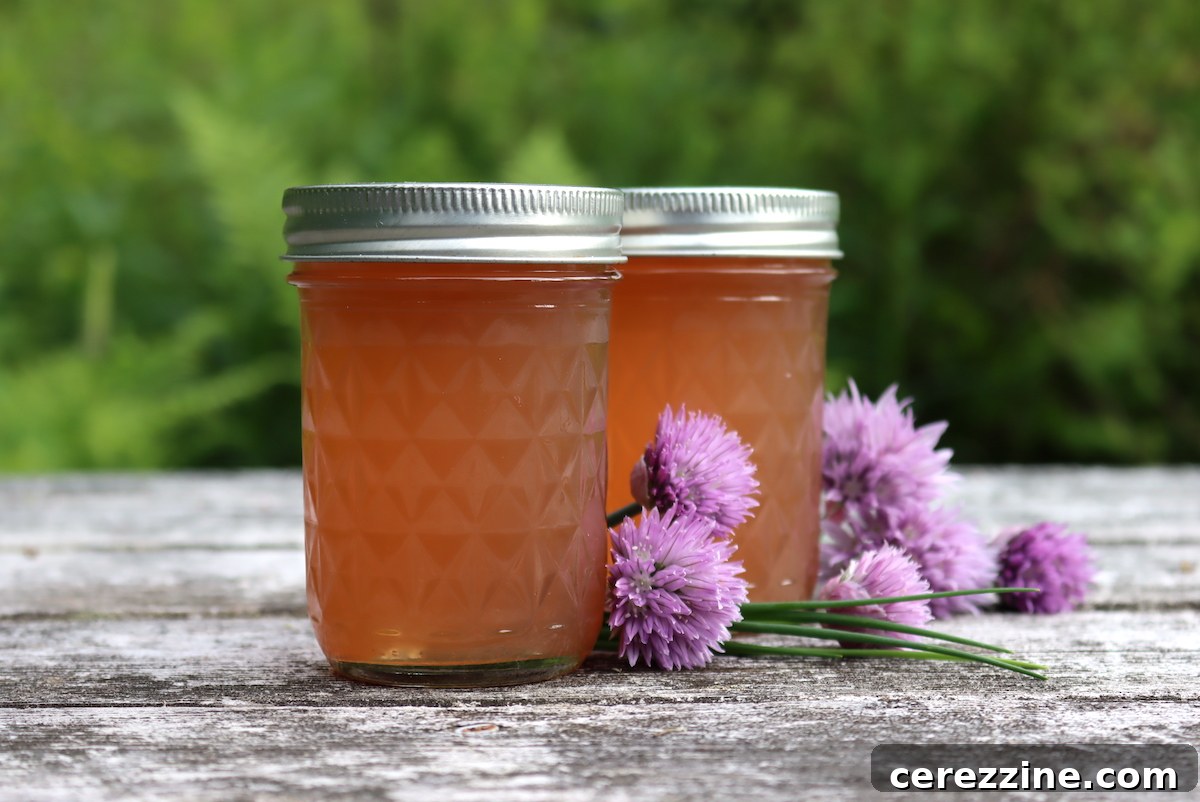
For years, my daughter has been captivated by the magic of flower jellies, turning delicate blossoms into jars of sweet sunshine that we enjoy throughout the year. Our pantry now boasts a rainbow of unique varieties, each a testament to the distinct beauty and flavor of the flowers themselves. This fascination recently led to an intriguing question: could we transform chive blossoms, with their beautiful purple hues, into a jelly? While their spicy, garlic-like taste might not suit a traditional sweet jelly, the thought sparked an exciting culinary exploration: why not expand into truly savory herbal jellies?
The idea quickly took root. While mint jelly has long been a classic accompaniment to savory dishes like lamb, its inherent sweetness often makes it a surprising pairing. This highlighted a gap in the world of preserves: truly savory herbal jellies designed to enhance gourmet meals, charcuterie boards, or even act as sophisticated glazes. My research and extensive kitchen experiments confirmed it: herbal jellies have boundless potential, effortlessly bridging the gap between sweet and savory flavors in your home kitchen.
I’m thrilled to share two distinct and incredibly easy-to-follow herbal jelly recipes: one for those with a sweet tooth, and another for adventurers seeking a savory twist. These foundational recipes can be adapted with virtually any edible herb or flower, or a creative mix, allowing you to craft complex, nuanced flavors that perfectly match your palate. Imagine the joy of spreading a vibrant, homemade jelly infused with the fresh taste of your favorite herbs, knowing it was crafted with care and natural ingredients.
Envision the refreshing sweetness of mint or lemon balm captured in a shimmering spread, perfect for scones, pastries, or even as a unique ice cream topping. Or consider the robust, aromatic depth of thyme, rosemary, or basil transformed into a tangy jelly, ideal for pairing with artisanal crackers, complementing roast chicken or pork, or adding a sophisticated touch to a gourmet cheese platter. Many herbs, in fact, are versatile enough to swing both ways, offering both sweet and savory applications depending on your culinary vision and how you intend to serve them.
Crafting Basic Sweet Herbal Jelly: A Refreshing Preserve
Sweet herbal jellies are a wonderful way to capture the delicate aromas and flavors of your garden’s sweetest offerings. The process is similar to making traditional fruit jellies, but instead of fruit juice, you create a concentrated tea from your chosen herbs or flowers. This method ensures a clear, vibrant jelly that truly highlights the botanical notes, making it a perfect spread for breakfast, desserts, or even as a glaze for savory dishes.
Ingredients for Sweet Herbal Jelly:
- Herbs: 2 cups fresh herbs (lightly packed and chopped) OR 1 cup dried herbs (for a more concentrated flavor, often needed for milder herbs).
- Liquid Base: 4 cups water (or a blend of 2 cups water & 2 cups dry white wine for a sophisticated “herb and wine jelly” with added depth).
- Acidity Enhancer: 2 tablespoons fresh lemon juice (essential for balancing sweetness, enhancing flavor, and crucial for safe canning).
- Sweetener: 2 to 4 cups granulated sugar (adjust to your desired sweetness; refer to notes on pectin below for guidance).
- Setting Agent: 1 box (1.75 ounces) Low Sugar Pectin (such as Sure-Jell Low Sugar, highly recommended for optimal flavor).
Step-by-Step Instructions for Sweet Herbal Jelly:
- Prepare the Herbal Infusion: Begin by preparing your potent herbal tea. Bring the 4 cups of water (or water/wine blend) to a rolling boil in a saucepan. Carefully pour the boiling liquid over your fresh or dried herbs in a heatproof bowl or pot. Allow the herbs to steep for about 15 minutes, ensuring maximum flavor extraction. For a “herb and wine jelly,” dry white wine adds a wonderful aromatic complexity that pairs beautifully with many herbs, such as rosemary or thyme.
- Strain the Liquid: After steeping, strain the herbal infusion thoroughly through a fine-mesh sieve or several layers of cheesecloth to remove all solid plant material. Avoid squeezing the herbs vigorously, as this can lead to cloudy jelly. You should be left with a clear, fragrant herbal tea, approximately 3.5 to 4 cups.
- Combine with Pectin and Lemon Juice: Pour the strained herbal tea into a clean, heavy-bottomed saucepan. Add the 2 tablespoons of fresh lemon juice and the powdered low-sugar pectin (do NOT add sugar yet). Lemon juice is crucial here; it not only brightens the jelly’s flavor but also provides the necessary acidity for the pectin to set correctly and ensures safe canning. Without adequate acidity, the jelly may not set and will have an unbalanced, flat taste, as herbs lack the natural acidity of most fruits used in jellies.
- Activate the Pectin: Bring the mixture to a vigorous, rolling boil over high heat, stirring constantly for one full minute to ensure the pectin is completely dissolved and activated. This step is absolutely critical for achieving a proper set in your finished jelly.
- Add Sugar and Boil Again: Now, add the granulated sugar to the vigorously boiling mixture. Stir continuously until all the sugar has completely dissolved. It’s important to add the sugar at this stage, after the pectin has been activated. Return the jelly mixture to a hard boil and maintain it for an additional minute, stirring gently.
- Ladle into Jars: Carefully remove the saucepan from the heat. Skim off any foam that may have formed on the surface. Ladle the hot jelly into prepared, sterilized canning jars, leaving precisely 1/4 inch of headspace at the top of each jar. This headspace is vital for proper sealing during canning.
- Storage Options:
- Refrigerator Jelly: For a quick, fresh jelly, simply cap the jars with lids and rings. Allow them to cool completely on your countertop before transferring them to the refrigerator. These jellies will keep beautifully for several weeks. Alternatively, you can freeze them for up to 6 months for longer fresh storage.
- Canned Jelly for Pantry Storage: To preserve your sweet herbal jelly for long-term pantry storage, process the filled jars in a water bath canner for 10 minutes (remember to adjust processing time for altitudes above 1,000 feet). Once properly processed and sealed (check for concave lids after 12-24 hours), these jars can be stored at room temperature on your pantry shelf for 12-18 months. Always refrigerate any jar immediately after opening.
A Note on Sugar Content: The recommended range of 2 to 4 cups of sugar offers flexibility. While standard, “full-sugar” pectin often requires a 1:1 sugar-to-liquid ratio (meaning 4 cups of sugar for 4 cups of liquid), using low-sugar pectin allows for a significant reduction without compromising the set. I highly recommend using low-sugar pectin and aiming for 2 to 3 cups of sugar. This approach allows the delicate herbal flavors to truly shine, resulting in a perfectly sweet yet balanced jelly that isn’t overly cloying.
Mastering Basic Savory Herbal Jelly: A Gourmet Condiment
Savory herbal jellies are a gourmet delight, offering a tantalizing blend of tangy, subtly sweet, and intensely aromatic notes. Unlike their sweet counterparts, these jellies feature less sugar and a generous amount of vinegar, creating a robust flavor profile that perfectly complements a variety of savory dishes. They are designed to be assertive yet balanced, allowing the unique character of your chosen herbs to truly stand out and elevate your culinary creations.
These sophisticated preserves are ideal for enhancing small bites on a charcuterie board, adding depth to glazes for roasted meats like chicken or pork, or serving as an elegant condiment alongside poultry, game, or even strong cheeses. The tartness from the vinegar and lemon juice, combined with a carefully balanced touch of sweetness, creates a complex and deeply satisfying flavor experience that is sure to impress.
Ingredients for Savory Herbal Jelly:
- Herbs: 2 cups fresh herbs (finely chopped for maximum surface area) OR 1 cup dried herbs (which are more concentrated in flavor).
- Liquid Base: 4 cups water (or a mixture of 2 cups water and 2 cups dry white wine for enhanced flavor and complexity).
- Sweetener: 1 to 2 cups granulated sugar (crucial for balancing the tartness; refer to notes below for best results).
- Tangy Element: 1 cup high-quality vinegar (wine vinegar, white vinegar, apple cider vinegar, or rice vinegar work exceptionally well, each offering a slightly different nuance).
- Acidity Boost: 1/4 cup fresh lemon juice (adds brightness and contributes to the overall acidity, vital for preservation).
- Setting Agent: 1 box (1.75 ounces) Low Sugar Pectin (such as Sure-Jell Low Sugar, as it allows for reduced sugar content).
Step-by-Step Instructions for Savory Herbal Jelly:
- Prepare the Herbal Tea: Follow the same initial steps as for sweet jelly. Bring the 4 cups of liquid (water or water/wine blend) to a boil, then pour it over your chosen fresh or dried herbs. Steep for 10-15 minutes to create a potent herbal infusion. Strain thoroughly through cheesecloth or a fine-mesh strainer, ensuring a clear liquid free of any plant particles.
- Combine Ingredients (Excluding Sugar): Return the strained herbal tea to a clean, heavy-bottomed saucepan. Add the lemon juice, vinegar, and low-sugar pectin. The vinegar is absolutely vital for a savory jelly. It provides the necessary tang and acidity, which is not only key to the “savory” flavor profile but also essential for lowering the pH, making the jelly safe for water bath canning. Lemon juice further brightens the flavor and contributes significantly to the overall acidity, aiding in both flavor and preservation.
- Activate the Pectin: Bring the mixture to a strong, rolling boil over high heat, stirring constantly for one minute to ensure the pectin is fully dissolved and ready to set. This vigorous boil is crucial for pectin activation.
- Introduce Sugar and Boil Again: Stir in the granulated sugar until completely dissolved. While it’s a “savory” jelly, sugar plays a critical role in balancing the tartness of the vinegar and lemon juice, creating a more rounded and palatable flavor that prevents it from being overwhelmingly sour. Return the mixture to a hard boil and continue boiling for one additional minute.
- Jar and Store: Remove the jelly from the heat and carefully ladle it into prepared, sterilized jars, leaving 1/4 inch of headspace. Wipe the rims clean to ensure a good seal.
- Storage Options:
- Refrigerator Jelly: Cap the jars with lids and rings and let them cool on the counter before refrigerating. They will last for several weeks in the fridge or up to 6 months in the freezer.
- Canned Jelly for Pantry Storage: For pantry stability, process the jars in a water bath canner for 10 minutes (adjust for altitude as needed). Properly sealed jars will maintain their quality for 12-18 months at room temperature. Always refrigerate any jar once opened.
Choosing Pectin for Savory Jellies: Using low-sugar pectin is paramount for savory jellies. Regular, “full-sugar” pectin requires a much higher sugar content to activate, which would defeat the purpose of a savory spread. Brands like Sure-Jell Low Sugar are highly reliable and consistently deliver excellent texture. If you opt for Pomona’s Pectin, be aware that its preparation differs; always consult their specific instructions, often found in recipes like “mint jelly” which use similar ingredient ratios and lower sugar amounts.
Sugar Content in Savory Jellies: The amount of sugar in savory jellies is a delicate balance. A minimum of 1 cup is generally recommended to temper the vinegar’s tartness and provide a well-rounded flavor that isn’t too harsh. You can increase it to 2 cups for a slightly sweeter, zestier profile, which some prefer, but going beyond this might push it out of the “savory” category and into a sweet-and-sour realm. Experiment to find your preferred balance!
Inspiring Ideas for Your Next Herb and Flower Jelly Creation
The beauty of herbal jelly lies in its immense versatility. Nearly any edible herb or flower can be transformed into a delicious spread, but some pairings are particularly exceptional. When experimenting, always exercise caution with highly pungent herbs; it’s often best to use them in smaller quantities or blend them with milder varieties to achieve a balanced flavor that won’t overpower the palate. Remember, the goal is to highlight the herb’s essence, not overwhelm it.
Exceptional Herbs for Sweet Jellies:
These herbs naturally lend themselves to sweeter preparations, offering refreshing and aromatic notes that are perfect for breakfast or dessert applications:
- Lavender Jelly: Offers a delicate, floral aroma and taste, reminiscent of serene lavender fields. Pairs beautifully with scones or pound cake.
- Mint Jelly: A classic, refreshing choice that pairs wonderfully with desserts, fruit salads, or as a traditional lamb accompaniment.
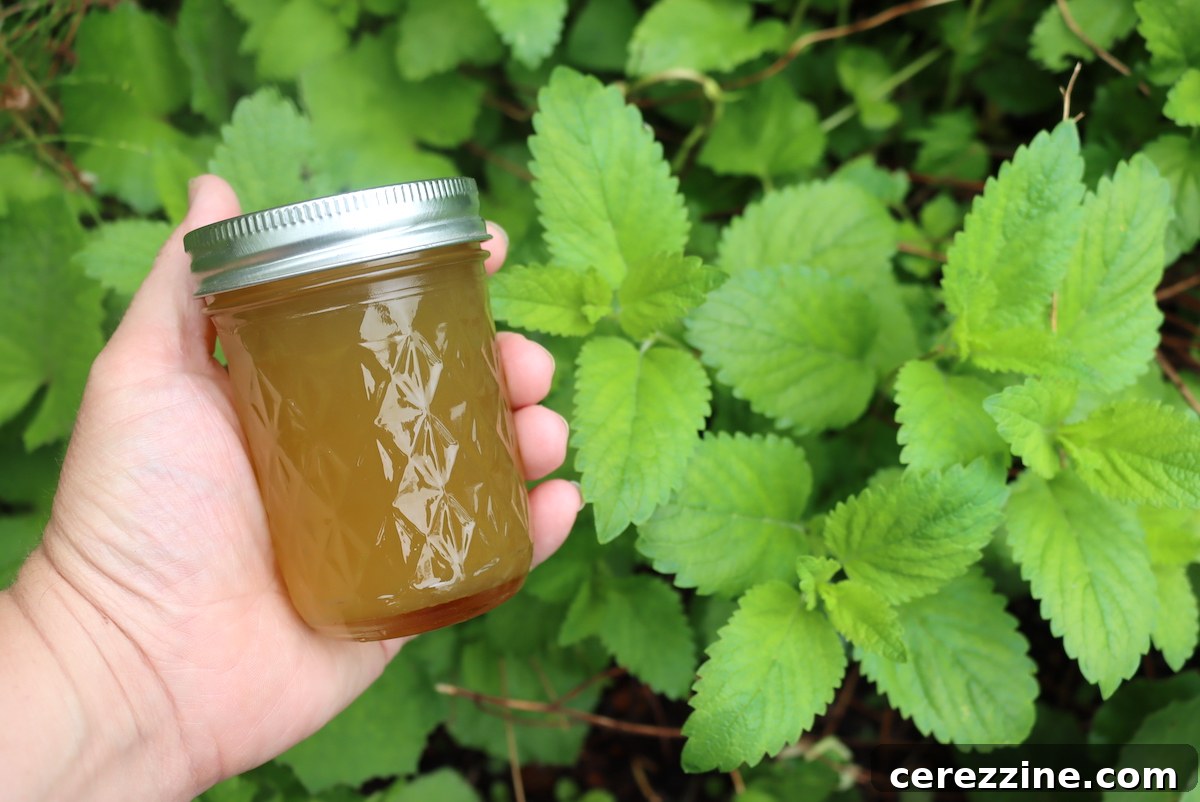
- Lemon Balm Jelly: Bright, citrusy, and uplifting – perfect for a summer spread on toast or mixed into yogurt.
- Tulsi (Holy Basil) Jelly: Provides a unique, slightly spicy, and aromatic sweetness with underlying herbaceous qualities.
- Ginger Jelly: A warming, zesty jelly that’s fantastic on toast, with Asian-inspired dishes, or as a glaze for ham.
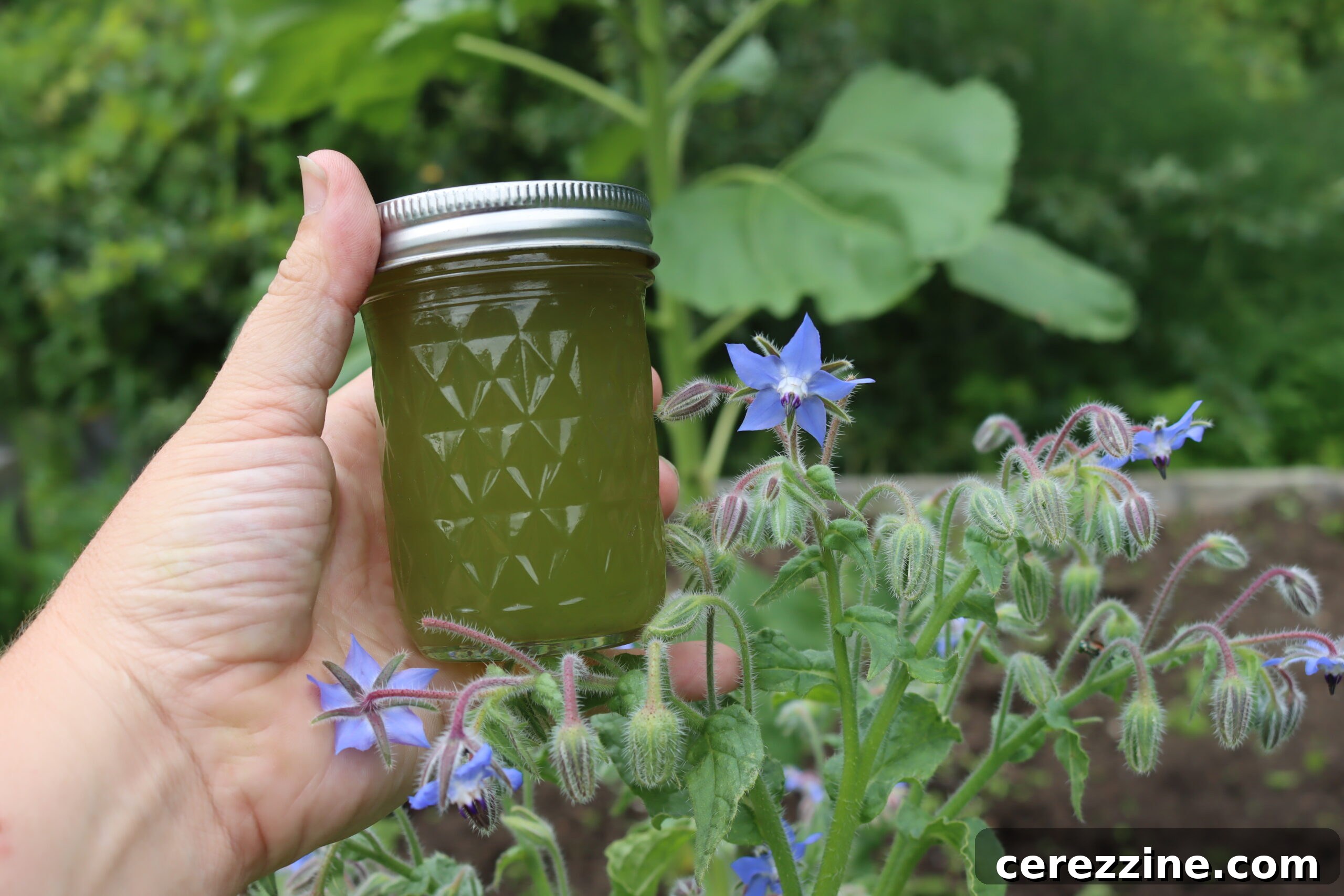
- Borage Jelly: Delivers a subtle cucumber-like freshness with a hint of oyster flavor, a truly distinctive and elegant spread.
- Rosemary Jelly (Sweet Version): When paired with enough sugar and perhaps a hint of citrus, rosemary can lend a surprisingly sweet, piney note that complements fruit tarts.
- Verbena Jelly: Offers an intense lemon flavor and aroma, very refreshing and fragrant, making it ideal for delicate desserts.
Remarkable Herbs for Savory Jellies:
These herbs bring robust and complex flavors that stand up well to vinegar and create compelling savory preserves, perfect for meat pairings or appetizers:
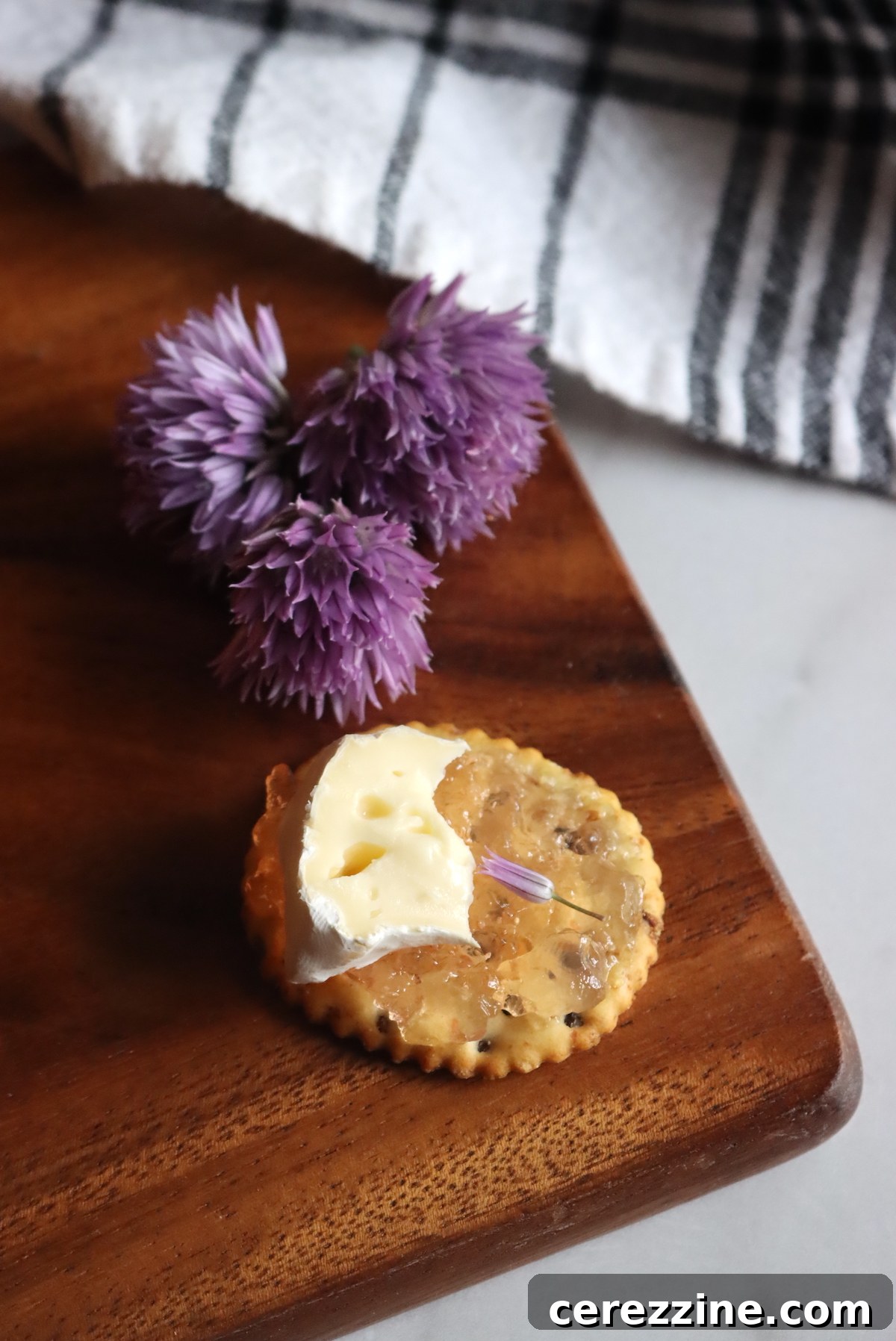
- Chive or Chive Blossom Jelly: Offers a mild oniony, garlicky flavor and beautiful color, ideal for cheese boards, roasted vegetables, or as a steak condiment.
- Thyme Jelly: Earthy and aromatic, perfect for poultry glazes, served with pâté, or stirred into pan sauces.
- Rosemary Jelly: Robust and woody, a fantastic partner for lamb, beef, strong cheeses, or as a glaze for root vegetables.
- Basil Jelly: Sweet and peppery, surprisingly versatile with Mediterranean dishes, fresh mozzarella, or tomato bruschetta.
- Turmeric Jelly: Earthy with a hint of spice, adding a golden hue and intriguing flavor to savory spreads, particularly good with curries or roasted chicken.
- Horseradish Jelly (in small quantities): Provides a fiery, pungent kick, best used sparingly to add a bold zest to prime rib or deli sandwiches.
- Sage Jelly: Aromatic and slightly peppery, excellent with pork, poultry stuffing, or sausage.
- Dill Jelly: Fresh and herbaceous, pairs wonderfully with fish, cream cheese, or sandwiches, offering a distinctive bright flavor.
Important Note on Medicinal Herbs: While many culinary herbs possess medicinal properties, always be mindful of their actions and recommended dosages when incorporating them into jellies. For most common herbs used in typical jelly quantities (e.g., mint, lavender, lemon balm), they are perfectly safe. However, if you are new to a particular herb or have existing health concerns, it’s wise to research its specific properties and consult with a healthcare professional or herbalist to ensure safe consumption.
Edible Flowers for Unique Jellies:
Beyond traditional herbs, many edible flowers lend themselves beautifully to both sweet and savory jellies, adding both delicate flavors and stunning visual appeal. They infuse your jellies with a touch of elegance and unexpected taste profiles:
- Calendula Jelly: Offers a bright, slightly peppery flavor and a beautiful golden or orange color, often referred to as “poor man’s saffron.”
- Elderflower Jelly: Light, fragrant, and exquisitely floral, perfect for springtime, reminiscent of lychee and honey.
- Rose Jelly: Delivers a romantic, sweet, and intensely floral flavor and aroma, often with a lovely pink hue.
- Chamomile Jelly: Gentle, apple-like, and calming, a unique and soothing spread for tea time.
- Clover Blossom Jelly: Sweet and delicate, capturing the subtle, honeyed essence of a summer meadow.
- Violet Jelly: Offers a subtle, sweet, and earthy flavor with a stunning purple hue, highly prized for its beauty.
- Dandelion Jelly: Often called “poor man’s honey,” it has a sweet, earthy, and slightly bitter taste, a surprisingly delicious wild edible.
Troubleshooting Common Jelly Issues
Making jelly is generally straightforward, but occasionally, things don’t go exactly as planned. Don’t be discouraged! Here are some common issues and how to address them, ensuring your next batch of herbal jelly is a resounding success:
- Jelly Didn’t Set (Too Runny): This is the most common problem for aspiring jelly makers.
- Insufficient Pectin Activation: The pectin needs a full, rolling boil for at least one minute *before* adding sugar. If sugar is introduced too early, it can inhibit pectin’s ability to activate and thicken.
- Incorrect Pectin Type: Ensure you are using the correct type of pectin for your recipe’s sugar content. Low-sugar pectin is vital for recipes with reduced sugar.
- Lack of Acidity: Lemon juice or vinegar are not just for flavor; they are crucial for pectin to set properly. Never skip these ingredients, especially with herbs which naturally lack the high acidity of fruits.
- Overcooking/Undercooking: Boiling the jelly for too long can break down pectin, while boiling it for too short a time won’t allow the pectin to fully activate. Stick to the recipe’s recommended boiling times.
- Re-setting a Failed Batch: If your jelly doesn’t set after cooling, you can often try re-processing it. Reheat the unset jelly, dissolve an additional 1-2 tablespoons of low-sugar pectin in a small amount of water or lemon juice, stir it into the hot jelly, bring it to a full rolling boil for one minute, then re-jar and re-process in a water bath canner.
- Cloudy Jelly: While purely aesthetic, cloudy jelly can be a sign of improper straining.
- Too Much Pulp: Not straining the herbal tea thoroughly enough can leave fine particles that make the jelly cloudy. Always use a very fine-mesh sieve lined with several layers of cheesecloth.
- Over-Squeezing: Squeezing the herbs vigorously during straining can force small particles through the cheesecloth, leading to cloudiness. Allow the liquid to drip naturally for the clearest jelly.
- Air Bubbles: Too much aggressive stirring or ladling too quickly can introduce air bubbles, making the jelly appear cloudy.
- Weak Herb Flavor: If your jelly lacks the vibrant herbal essence you desired, consider these points:
- Insufficient Steeping: Ensure herbs steep long enough (10-15 minutes) to extract maximum flavor.
- Weak Herbs: Some herbs are naturally milder than others; you might need to increase the quantity of fresh herbs or use dried herbs (which are generally more concentrated).
- Too Much Sugar: Excess sugar can inadvertently mask delicate herbal notes. This is another reason why low-sugar pectin is preferred, as it allows for a better flavor balance.
Homemade Herbal Jelly: Essential Equipment List
Having the right tools makes the jelly-making and canning process much smoother, safer, and more enjoyable. Here’s a checklist of essential equipment you’ll need to embark on your herbal jelly adventure:
- Water Bath Canner: Absolutely essential for safely preserving your jellies for long-term pantry storage, ensuring they are shelf-stable.
- Half Pint Jars: The perfect size for jellies, allowing for convenient individual serving portions or delightful gifts.
- Regular Mouth Canning Lids & Bands: Crucial for creating an airtight, vacuum seal during the canning process. Always use new lids for each batch.
- Canning Funnel: A wide-mouth funnel designed for canning helps keep your jar rims clean and prevents spills, which is vital for a proper seal.
- Jar Lifter: This specialized tong allows you to safely place and remove hot jars from the boiling water in your canner, preventing burns.
- Large, Heavy-Bottomed Pot: Ideal for making your herbal infusion and cooking the jelly mixture, as its thick base helps prevent scorching.
- Fine-Mesh Sieve or Cheesecloth: Essential for thoroughly straining the herbal tea to achieve a clear, sediment-free jelly.
- Ladle: For carefully transferring hot jelly into the prepared jars.
- Timer: For precise boiling and processing times, which are critical for both setting and food safety.
- Clean Kitchen Towels: For wiping jar rims and general clean-up.
Nutritional Information (Approximate per Serving)
(Based on an average serving size of approximately 1/16th of the overall recipe, which yields about 4 half-pint or 8-ounce jars)
Calories: 99kcal, Carbohydrates: 26g, Protein: 0.2g, Fat: 0.1g, Saturated Fat: 0.01g, Polyunsaturated Fat: 0.01g, Monounsaturated Fat: 0.02g, Sodium: 7mg, Potassium: 44mg, Fiber: 0.3g, Sugar: 25g, Vitamin A: 632IU, Vitamin C: 11mg, Calcium: 12mg, Iron: 0.5mg
Please note: This nutrition information is an automatic calculation based on general ingredient values and should be used as an approximation. Actual values may vary significantly based on specific ingredients, portion sizes, and preparation methods.
We hope this comprehensive guide inspires you to explore the wonderful and rewarding world of homemade herbal jellies! Whether you’re making a sweet spread for your morning toast or a savory condiment for your next dinner party, these recipes are sure to become cherished staples in your kitchen. Don’t hesitate to experiment with different herbs and flowers to discover your own unique flavor combinations. Share your creations and experiences with us in the comments below – we’d love to hear about your favorite herbal jelly adventures!
More Delicious Jelly Recipes to Explore for Your Pantry
If you’ve enjoyed venturing into the delightful world of herbal jellies, you might be keen to expand your canning repertoire with more delightful fruit preserves for your pantry. Explore these other fantastic jelly recipes to keep your pantry stocked with homemade goodness:
- Strawberry Jelly: A timeless classic, bursting with the sweet, iconic flavor of summer strawberries.
- Peach Jelly: Sweet and aromatic, this jelly captures the luscious essence of ripe peaches, a true taste of sunshine.
- Blackberry Jelly: Rich, tart, and deeply satisfying, blackberry jelly is a versatile spread for any occasion.
- Blueberry Jelly: A vibrant, antioxidant-rich spread that’s both delicious and beautiful, perfect for morning toast or as a topping.
- Apple Jelly: Crisp and comforting, a staple for any pantry, ideal for pairing with sharp cheeses or breakfast items.