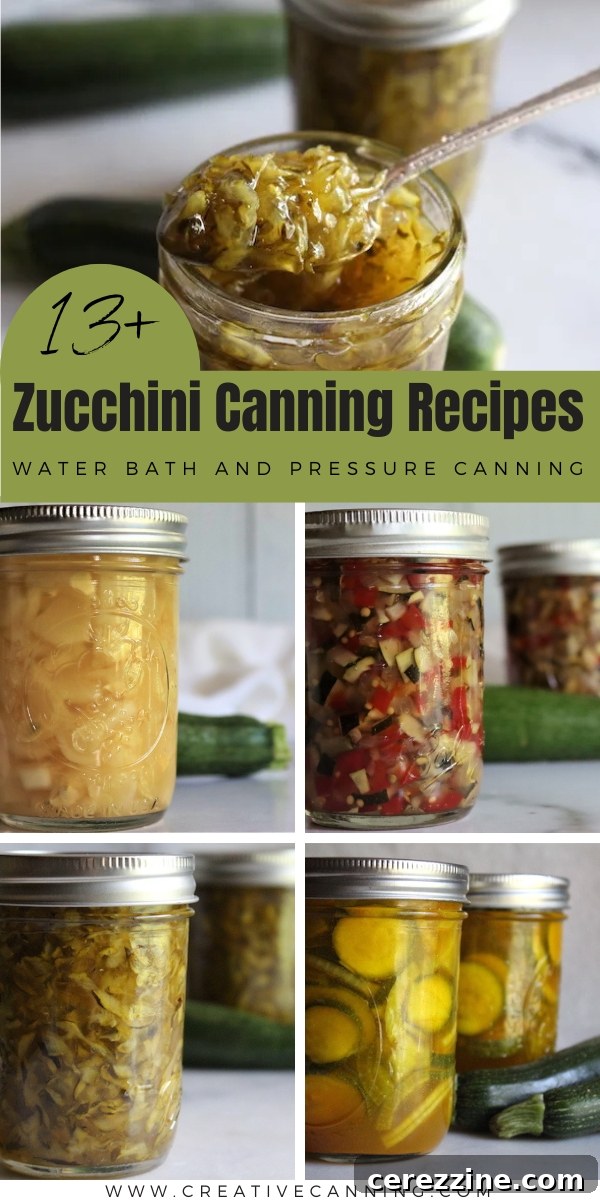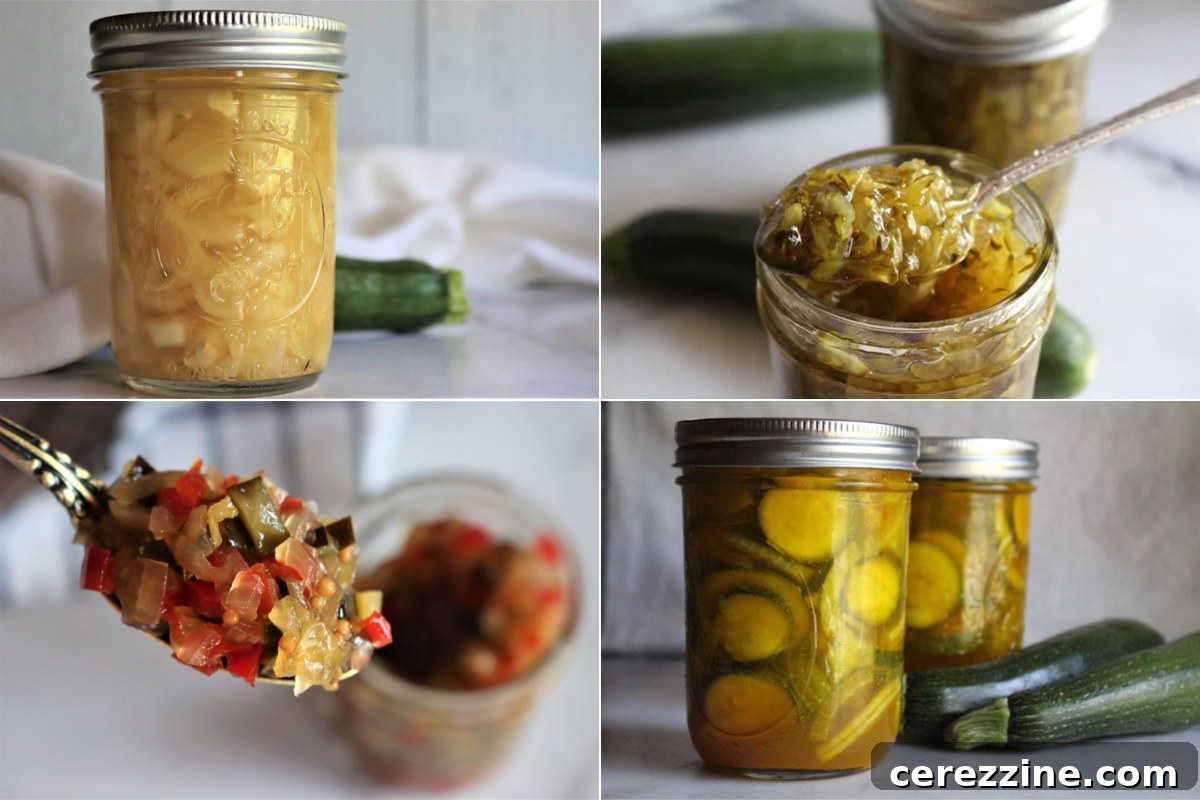
Welcome, fellow gardeners and home preservers! That familiar feeling of a zucchini bounty is one shared by many. One day you have a few modest plants, and the next, you’re practically swimming in a sea of green gourds. While delicious in their prime, even the most devoted zucchini enthusiast can find themselves overwhelmed. This is where the magic of zucchini canning recipes comes into play, transforming a seasonal overflow into a year-round pantry staple. These meticulously crafted recipes offer a reliable and delicious way to preserve your harvest, ensuring not a single squash goes to waste and extending the fresh taste of summer well into the colder months.
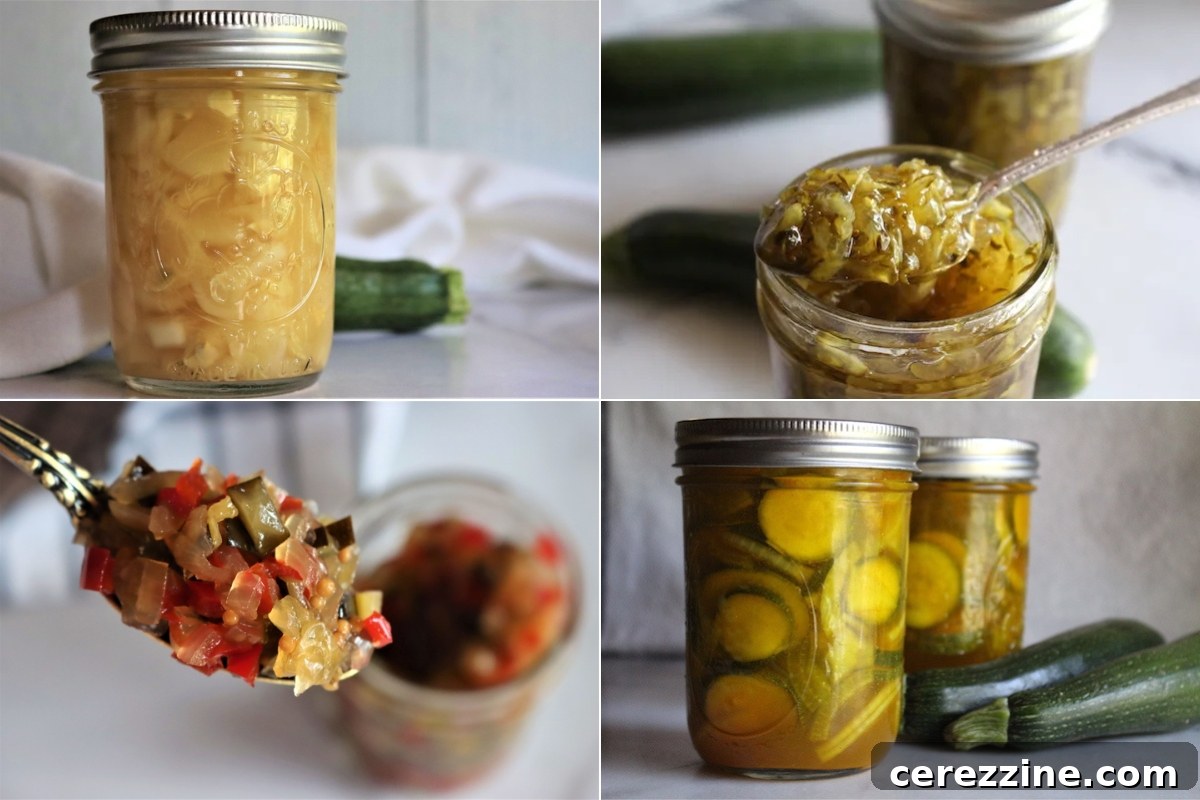
Canning is a time-honored tradition that allows you to enjoy the fruits (or vegetables!) of your labor long after the growing season has ended. For zucchini, in particular, it opens up a world of culinary possibilities, from tangy pickles and savory relishes to surprising “mock” pineapple and comforting marmalades. The key to successful and safe zucchini preservation lies in understanding the science behind canning and selecting the right tested recipes for your method, whether that be water bath canning or pressure canning.
Understanding Zucchini Canning: Safety First
While the idea of canning plain zucchini might seem appealing, it’s crucial to understand why this is not a safe practice. Zucchini, along with all other summer and winter squashes, is classified as a low-acid vegetable. This means it lacks the natural acidity (a pH level of 4.6 or below) required to inhibit the growth of Clostridium botulinum bacteria, which produces a deadly toxin, during the canning process. When preserving low-acid foods, specific measures must be taken to ensure safety.
The Danger of Canning Plain Zucchini
There is no safe, tested method for canning plain zucchini on its own, either in a water bath canner or a pressure canner. Here’s why:
- Low Acidity: As a low-acid food, zucchini requires either added acidity (for water bath canning) or high-temperature, high-pressure processing (for pressure canning) to destroy botulism spores.
- Texture Breakdown: The primary issue with zucchini and other summer squashes is their high water content and delicate cellular structure. During the prolonged heat of the pressure canning process, zucchini tends to break down significantly, turning into a thick mush or purée.
- Inadequate Heat Penetration: This mushy consistency is not just unappetizing; it’s dangerous. When the food becomes too dense, heat cannot adequately penetrate to the center of the jar. This means that potentially harmful bacteria, including Clostridium botulinum, might survive the canning process, making the product unsafe for consumption. This is similar to why you cannot can pumpkin or winter squash purée, but only in cubed form.
Therefore, any recipe for canning zucchini must incorporate additional ingredients and follow strict guidelines to ensure both safety and quality. These safe methods typically involve a combination of acidification (for water bath canning) or processing with other, more robust vegetables in a pressure canner.
Water Bath Canning Zucchini: The Role of Acidity
For water bath canning, which operates at the temperature of boiling water (212°F or 100°C), added acidity is non-negotiable for low-acid foods like zucchini. Recipes designed for water bath canning zucchini will always include a significant amount of acidic ingredients such as:
- Vinegar: Specifically, canning vinegar with a guaranteed 5% acidity. This is crucial for achieving the necessary pH level. Always check the label, as some vinegars are less acidic.
- Lemon Juice: Bottled lemon juice, which has a standardized acidity, is often used to ensure consistent and safe pH levels.
- Pineapple Juice: In specific recipes like “zucchini pineapple,” the acidity of pineapple juice, combined with additional lemon juice, helps create a safe environment for water bath canning.
These acidic components lower the overall pH of the product, creating an environment where harmful bacteria cannot thrive, thus allowing for safe preservation in a water bath canner.
Pressure Canning Zucchini: When It’s Safe
While plain zucchini cannot be pressure canned, it can be safely preserved using a pressure canner when combined with other ingredients in tested recipes. Pressure canning reaches much higher temperatures (240°F or 116°C and above), which are sufficient to destroy botulism spores in low-acid foods without the need for added acidity. However, the issue of zucchini breaking down still persists. Therefore, the approved pressure canning recipes for zucchini involve:
- Combining with Diced Tomatoes: Tomatoes, while sometimes borderline in acidity, help to maintain texture and contribute to the overall safety of the product when pressure canned alongside zucchini. The larger chunks of tomato prevent the zucchini from completely disintegrating.
- Mixed Vegetable Recipes: Zucchini can be safely included in carefully formulated mixed vegetable recipes that are designed for pressure canning. These recipes ensure the proper ratios of ingredients and processing times to maintain safety and quality.
Always adhere strictly to tested recipes from reputable sources like the National Center for Home Food Preservation (NCHFP) or the Ball Blue Book Guide to Preserving. Do not attempt to create your own zucchini canning recipes, especially for pressure canning, as incorrect methods can lead to serious health risks.
Delicious Zucchini Canning Recipes to Try
Now that we understand the safety fundamentals, let’s explore some of the most popular and delicious ways to preserve your zucchini harvest. From tangy sides to sweet spreads, these recipes will ensure your zucchini finds a happy home on your pantry shelf.
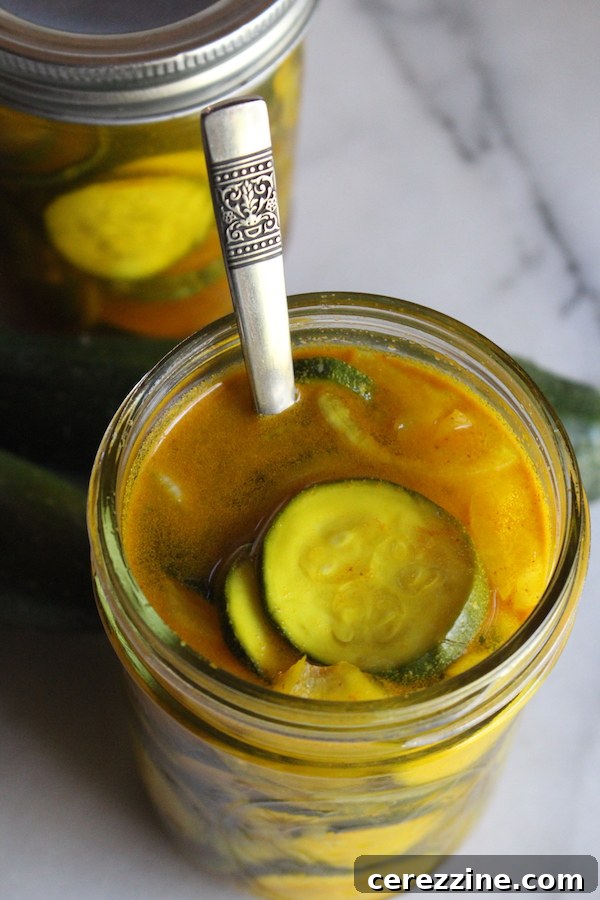
Zucchini Pickles
If you’re already a fan of cucumber pickles, you’ll find zucchini pickles to be a delightful variation. They follow a very similar process, typically involving slicing the zucchini, packing it into jars with seasonings, and then covering it with a vinegar-based brine. Many enthusiasts find zucchini pickles to hold their firm texture better than their cucumber counterparts, offering a satisfying crunch. Plus, zucchini often possesses a slightly stronger, more distinctive flavor that really shines through when pickled.
The star ingredient for safe water bath canning of zucchini pickles is vinegar. To ensure safety, your brine must contain at least 50% vinegar with a standardized 5% acidity. Beyond the vinegar, other ingredients like pickling salt, sugar, and various spices (dill, mustard seed, celery seed, turmeric, etc.) are added purely for flavor and do not contribute to the preservation safety. When preparing your zucchini for pickles, aim for firm, fresh zucchini, ideally 6-8 inches long, as larger, older zucchini can be watery and seedy.
One fantastic starting point is to adapt a trusted bread and butter cucumber pickle recipe simply by substituting an equal amount of sliced zucchini for the cucumber. The balance of tangy and sweet makes them perfect on burgers, sandwiches, or straight from the jar. Don’t be limited, though; there are countless ways to pickle zucchini:
- Bread and Butter Zucchini Pickles from Creative Canning
- Zucchini Dill Pickles from Grow a Good Life
- Spicy Zucchini Pickles from Bitter Salty Sour Sweet
- Pickled Mixed Vegetables from Bernardin (can include zucchini)
Zucchini Relish
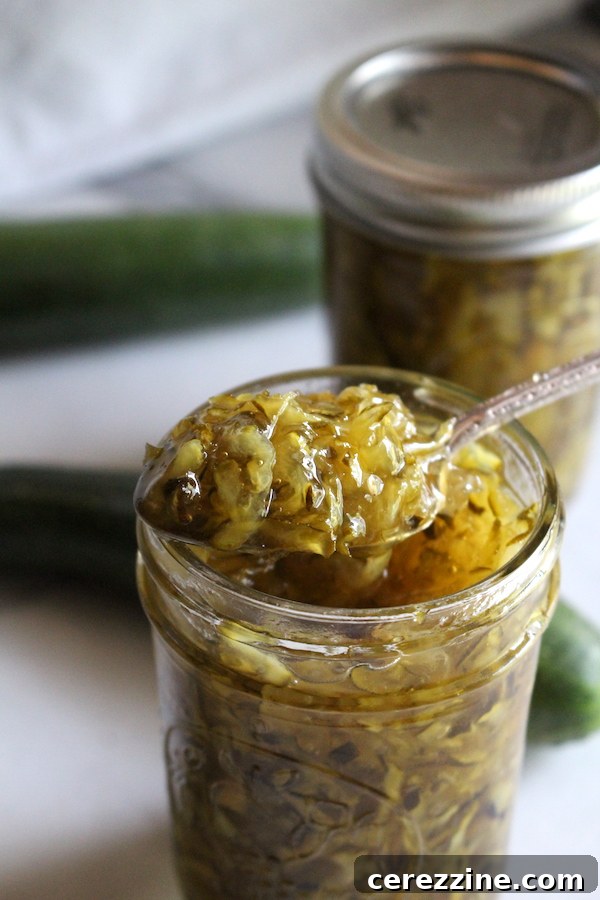
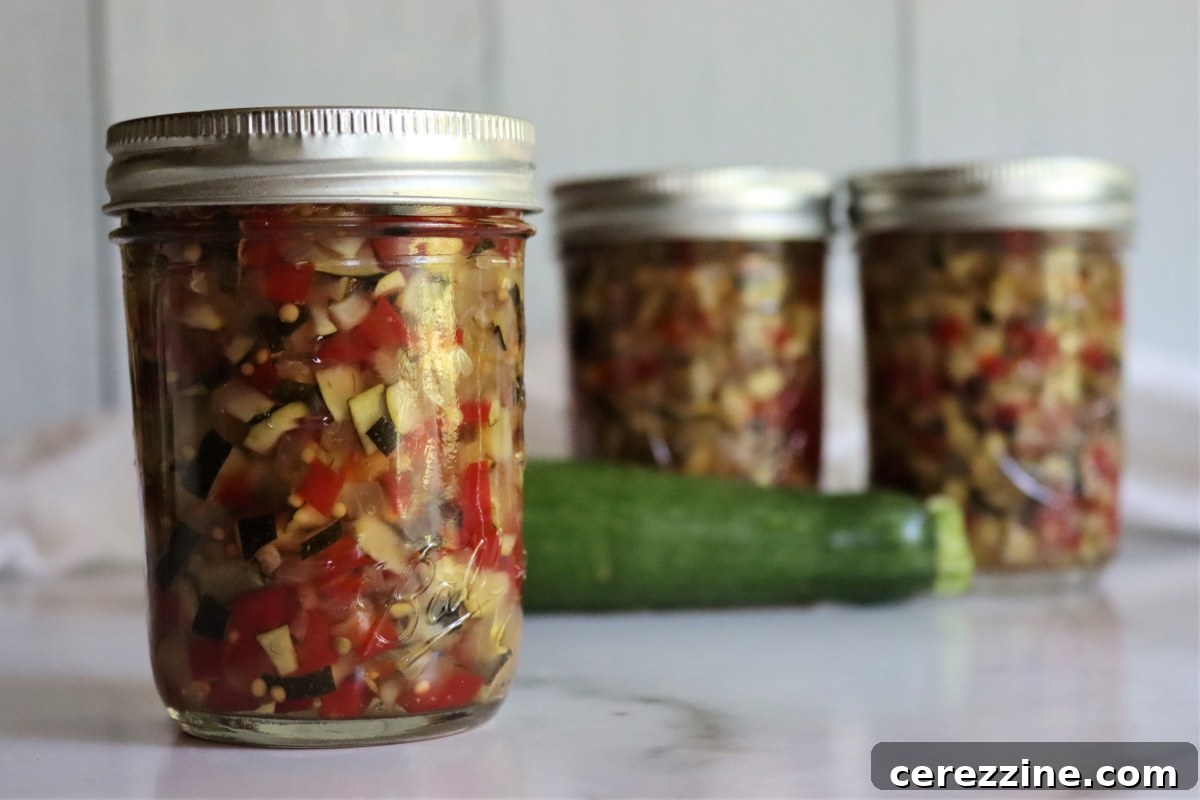
Relish is arguably one of the most forgiving and easiest canning recipes for using up excess vegetables, and zucchini is no exception. It involves dicing surplus zucchini (often along with other low-acid vegetables like onions or bell peppers) and preserving it in a flavorful mixture of vinegar, salt, and sugar. The beauty of relish is its versatility, serving as a vibrant condiment for hot dogs, burgers, or even as an ingredient in potato or tuna salads.
Given that relish typically combines several low-acid vegetables, strictly adhering to the proportions outlined in tested recipes is paramount for safety. All approved relish recipes will specify a significant quantity of canning vinegar with a consistent 5% acidity. A critical note: always double-check vinegar labels! Some brands offer “pre-diluted” or lower-acidity vinegars (e.g., 3%), which are not safe for canning as they will not sufficiently acidify the product. Processing times and headspace are also important to ensure a vacuum seal and proper sterilization.
My go-to is the zucchini relish recipe from the Ball Blue Book Guide to Preserving. Another excellent option is Ploughman’s Pickle from Healthy Canning, a sweet brown relish perfect for English cheese and “pickle” sandwiches. For those who like a bit of a kick, consider a zippy version!
- Zucchini Relish from Ball Blue Book Guide to Preserving
- Ploughman’s Pickle from Healthy Canning
- Zippy Zucchini Relish from Healthy Canning
Vegetable Antipasto
While the traditional antipasto you find in stores, often packed with oil, mushrooms, and olives, is not safe for home canning due to its composition and low acidity, there are safe, non-traditional versions that capture its delicious essence. These canning-safe recipes allow you to create a vibrant, flavorful mix of vegetables that can be enhanced with additional ingredients at the time of serving. This approach allows for a versatile preserved product without compromising safety.
It’s crucial to understand that with canning-safe antipasto, the recipe must be followed precisely. Do not be tempted to alter ingredient proportions or add low-acid items like mushrooms or olive oil before canning. These additions can change the pH and heat penetration characteristics, rendering the product unsafe. Instead, prepare the base recipe according to tested guidelines and then, when you’re ready to serve, you can incorporate fresh or safely preserved ingredients like olives, marinated mushrooms, or a drizzle of your finest olive oil to create that classic antipasto experience.
A reliable recipe for creating a canning-safe vegetarian antipasto can be found from trusted sources like Bernardin. This offers a fantastic base to build upon for your appetizer platters.
Zucchini in Pineapple Juice (“Mock Pineapple”)
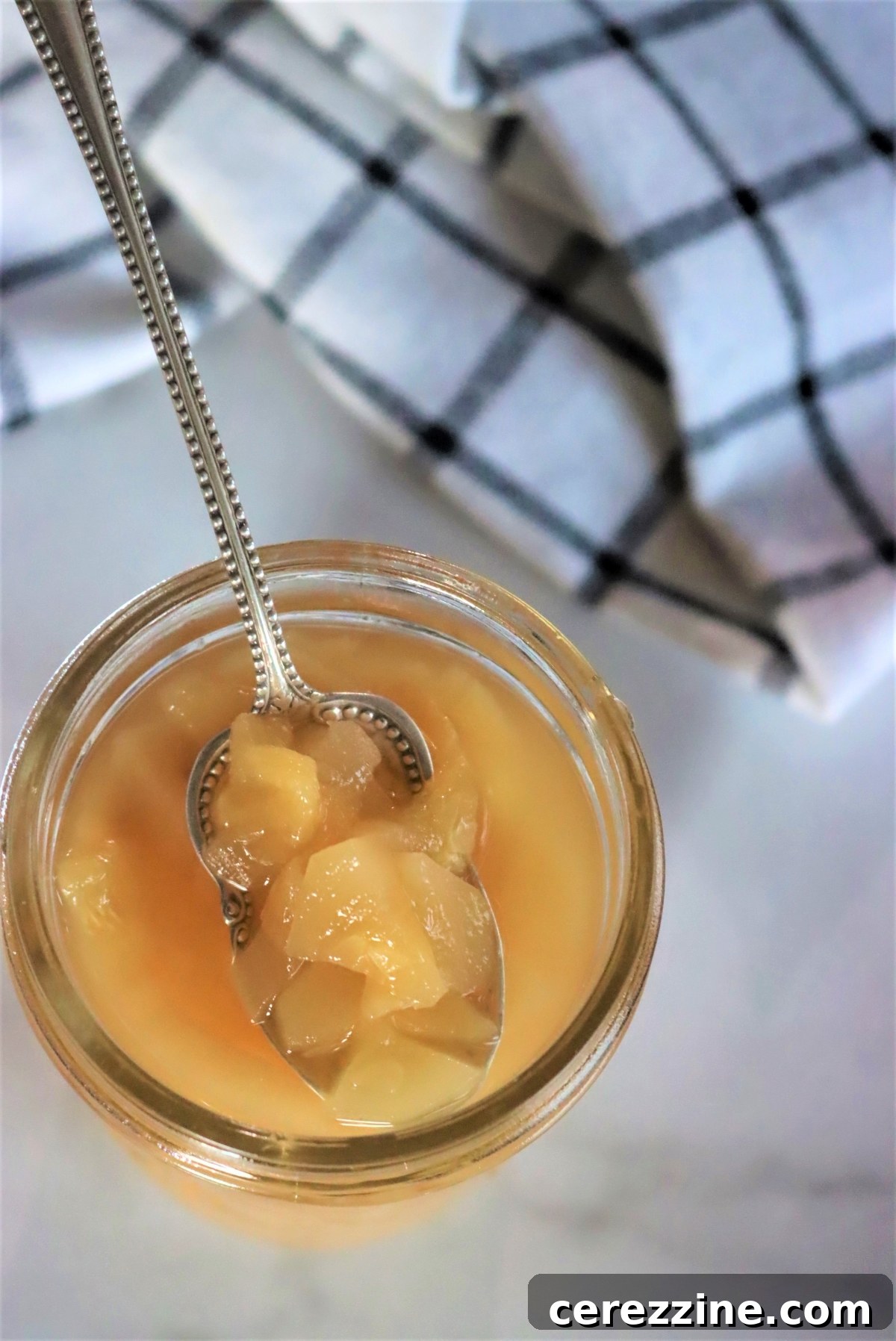
Prepare to be amazed by one of the most creative and truly delicious zucchini canning recipes: zucchini in pineapple juice, often referred to as “mock pineapple.” This ingenious method transforms mild zucchini into a surprisingly convincing stand-in for canned pineapple. It’s a fantastic solution for those looking for a versatile preserved product beyond pickles and relishes, especially if you live in a region where pineapples are a distant dream.
This excellent recipe, approved by the National Center for Home Food Preservation and featured in the Ball Blue Book Guide to Preserving, involves canning peeled zucchini chunks or shredded zucchini in a brine of pineapple juice. The zucchini readily absorbs the vibrant flavor of the pineapple juice, making it almost indistinguishable from actual canned pineapple. However, despite pineapple juice being acidic, it is vital to also add bottled lemon juice. This ensures the pH level is consistently low enough for safe water bath canning, adhering to the strictest safety standards.
The culinary applications for this “zucchini pineapple” are extensive. Use the shredded version, drained, as a substitute for crushed pineapple in recipes like carrot cake, zucchini bread, or even fruit salads. The Ball Blue Book even suggests a mouthwatering recipe for pineapple zucchini donuts using this canned delight! Imagine enjoying a taste of the tropics from your garden’s harvest.
Make your own zucchini pineapple and discover its surprising versatility.
Zucchini Marmalade (Jam)
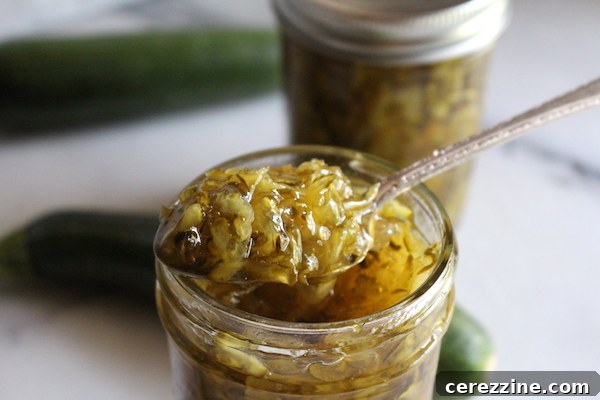
Zucchini marmalade might not be the go-to recipe for processing massive quantities of zucchini, but it’s a truly delightful preserve that deserves a spot in your pantry. This simple recipe captures the comforting flavors of zucchini bread, enhanced with the sweet and tangy notes of lemon marmalade, thanks to the inclusion of fresh lemon juice and zest. Often, a generous amount of ginger is added, providing a warm, spiced character that perfectly complements the zucchini and citrus.
Unlike some other recipes, zucchini marmalade typically requires only a few small to medium-sized zucchini per batch, making it a great option for those odd pieces you might have left over. While it won’t clear out a mountain of zucchini, the unique flavor profile makes it a worthwhile endeavor. The lemon zest and juice play a dual role here: they lower the zucchini’s pH to a safe level for water bath canning, and they also contribute natural pectin, eliminating the need for commercial pectin. This means you can create a beautifully set jam with just a handful of straightforward ingredients.
This fragrant marmalade is perfect on toast, scones, or swirled into yogurt, offering a taste of homemade comfort. It’s a testament to how versatile zucchini can be, moving beyond savory dishes into the realm of sweet preserves.
- Lemon & Ginger Zucchini Marmalade from Practical Self Reliance
- Orange, Lemon, & Ginger Zucchini Marmalade from Bernardin
Pressure Canning Zucchini with Tomatoes
For those looking for a more savory, meal-prep friendly way to preserve zucchini, canning zucchini with tomatoes is an excellent option – but it requires a pressure canner. This method yields a product that is incredibly versatile, perfect for adding to casseroles, pasta sauces, stews, and hearty vegetable soups later in the year.
If you’re new to pressure canning, it’s highly recommended to consult a beginner’s guide to pressure canning before attempting this recipe, as proper technique is vital for safety. This recipe is designed to manage the texture issue of zucchini; the diced tomatoes play a crucial role in preventing the zucchini from breaking down into a complete purée during the high-heat processing. While the tomatoes contribute some acidity, this remains a pressure canning recipe due to the low-acid nature of zucchini and the need for higher temperatures to ensure safety.
It’s important to note that this recipe is less about using up a massive zucchini overflow and more about creating a balanced, versatile canned good. The recipe typically calls for a ratio of three parts peeled and diced tomatoes to one part zucchini, making it almost more of a tomato preservation method with zucchini as a delicious addition. Always follow the specific instructions from a tested source like the National Center for Home Food Preservation for safely canning zucchini and tomatoes to ensure safe processing times and pressures for your altitude and canner type.
Pressure Canning Mixed Vegetables with Zucchini
Another excellent option for pressure canning zucchini, offering a convenient ready-to-use ingredient for future meals, is through mixed vegetable recipes. Similar to canning zucchini with tomatoes, this method absolutely requires a pressure canner for safe processing. These recipes are fantastic for creating quick, nourishing side dishes or as a base for soups and stews on busy weeknights.
A typical tested recipe for mixed vegetables might include a medley of carrots, lima beans, zucchini, sweet corn, green beans, and tomatoes. The beauty of these recipes often lies in their flexibility; while the core components are fixed for safety, some safe substitutions can be made to better suit your family’s preferences or the specific produce you have on hand. Always refer to your chosen tested recipe for specific guidance on permissible substitutions and their quantities.
These jars of mixed vegetables are incredibly versatile. They can be served as a quick, wholesome side dish, or combined with meat, broth, and seasonings to quickly transform into a hearty soup or stew. Once again, strict adherence to the detailed instructions provided by authoritative sources like the National Center for Home Food Preservation is critical for safely pressure canning mixed vegetables with zucchini. Pay close attention to preparation steps, jar packing, and precise processing times and pressures.
Beyond Canning: Other Ways to Preserve Zucchini
Even with an arsenal of canning recipes, sometimes you need additional methods to tackle a colossal zucchini harvest. Diversifying your preservation techniques ensures every last squash finds a purpose and offers different textures and uses for your preserved bounty.
- Freezing Zucchini: This is perhaps the easiest and quickest method for preserving large quantities. Sliced, diced, or grated zucchini can be blanched and frozen, ideal for adding to baked goods, soups, stews, or stir-fries.
- Dehydrating Zucchini: Dehydrated zucchini slices or chips make excellent healthy snacks, or they can be rehydrated and added to soups, casseroles, or even ground into a powder to thicken sauces.
- Freeze Drying Zucchini: For those with access to a freeze dryer, this method locks in flavor, nutrients, and maintains an almost fresh texture upon rehydration, perfect for long-term storage and versatility.
- Fermenting Zucchini: Fermenting zucchini into pickle chips introduces beneficial probiotics and a unique tangy flavor, offering a different type of preserved product that’s both healthy and delicious.
Expand Your Preservation Skills: More Summer Canning Recipes
If you’ve successfully conquered your zucchini abundance, you might find yourself with other seasonal produce begging for preservation. The summer months offer a wealth of opportunities for home canning, extending the enjoyment of various fruits and vegetables far beyond their short harvest windows. Consider exploring these other popular canning recipes to fill your pantry shelves with homemade goodness:
- Canning Peaches: Enjoy the sweet taste of summer peaches year-round.
- Canning Green Tomatoes: Perfect for unique relishes, pickles, or even pies.
- Canning Corn: Preserve the sweet crunch of summer corn for anytime meals.
- Canning Whole Berries: Great for topping desserts, breakfast, or as a snack.
- Canning Winter Squash & Pumpkin: Safely preserve these hardy vegetables in cubed form.
With these diverse zucchini canning recipes and additional preservation methods, you’re well-equipped to handle even the most prolific zucchini harvest. Embrace the season, fill your pantry, and enjoy the delicious rewards of your efforts all year long!