
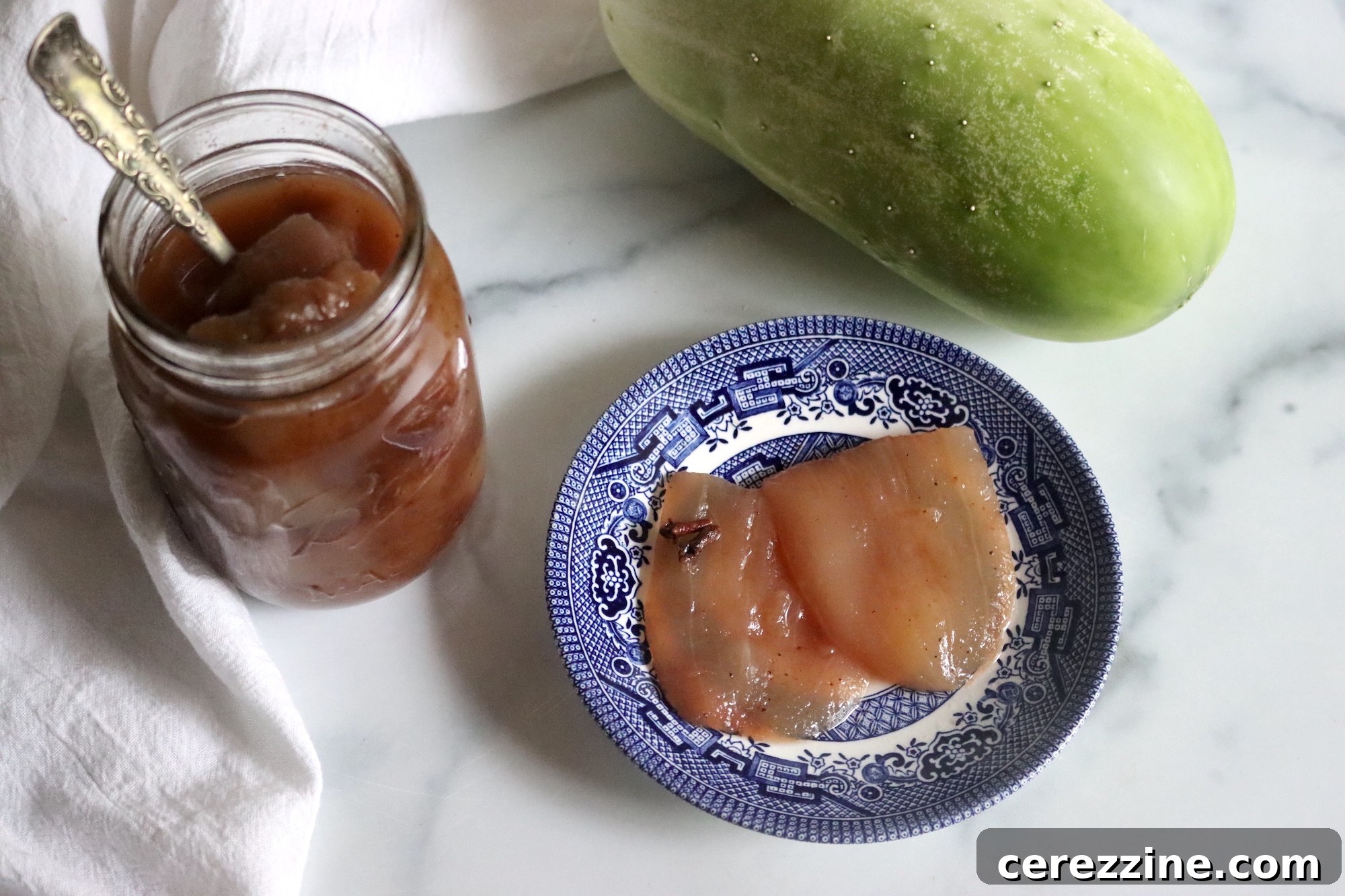
Discover Vermont Maple Tongue Pickles: A Sweet & Spiced Old-Fashioned Delight
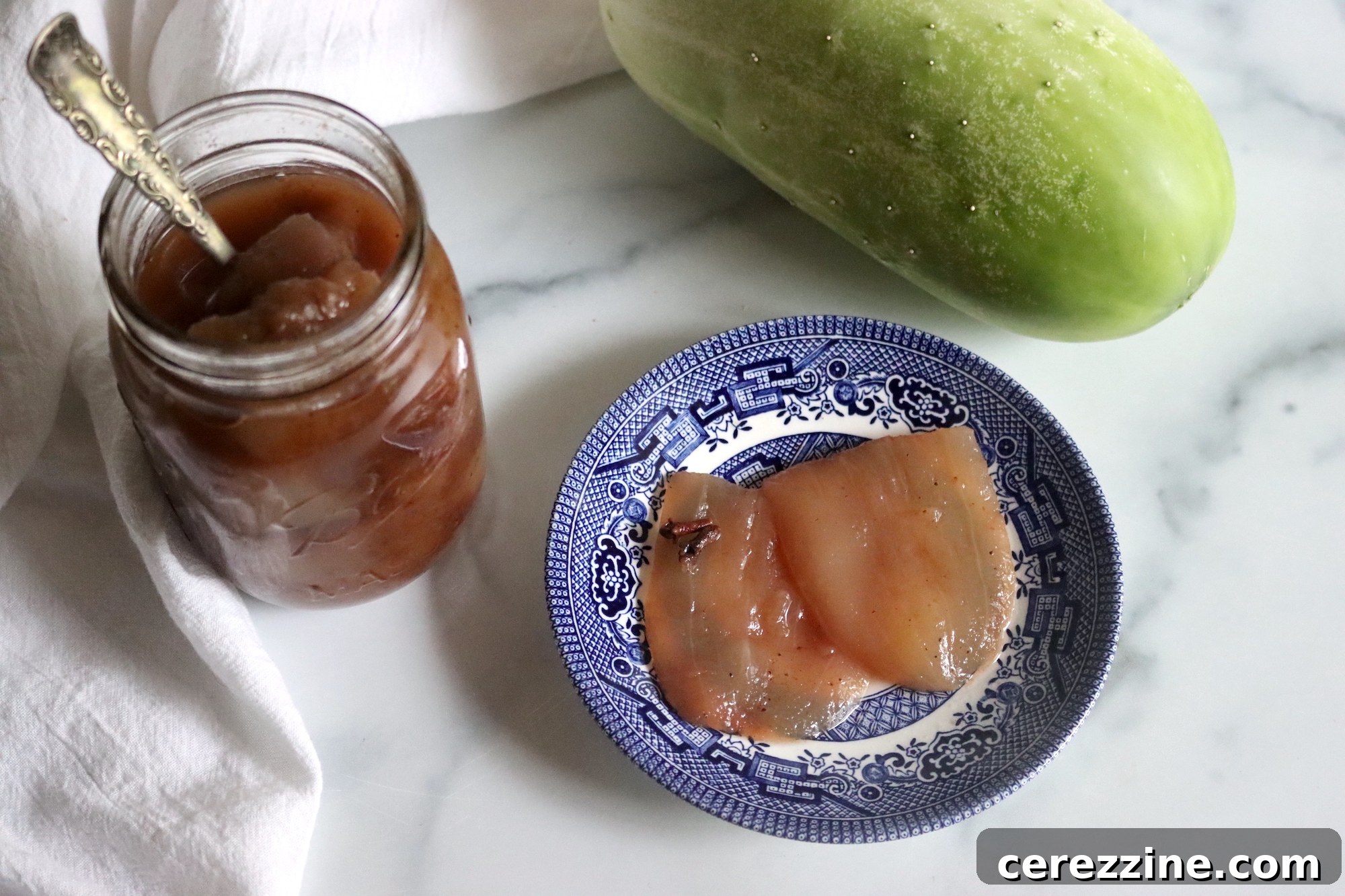
In the charming, verdant landscapes of Vermont, where maple syrup flows like liquid gold and culinary traditions run deep, a peculiar yet beloved preserve holds a special place: Vermont Maple Tongue Pickles. These aren’t your ordinary dill cucumbers; they are a delightful testament to Yankee ingenuity and the art of transforming humble garden produce into a sweet, spiced delicacy. Named for their distinctive shape, which old-timers thought resembled tongues, these sweet maple-pickled cucumbers are a celebrated treat throughout the North Country.
While the name “Tongue Pickle” might not immediately conjure images of mouth-watering goodness, it’s a playful moniker for a uniquely flavored treat. Far from savory, these pickles are generously infused with aromatic spices like cinnamon and cloves, then lovingly sweetened with rich, dark maple syrup. The resulting flavor profile is surprisingly akin to a sweet fruit pie or gingerbread, making them a standout among traditional pickle varieties.
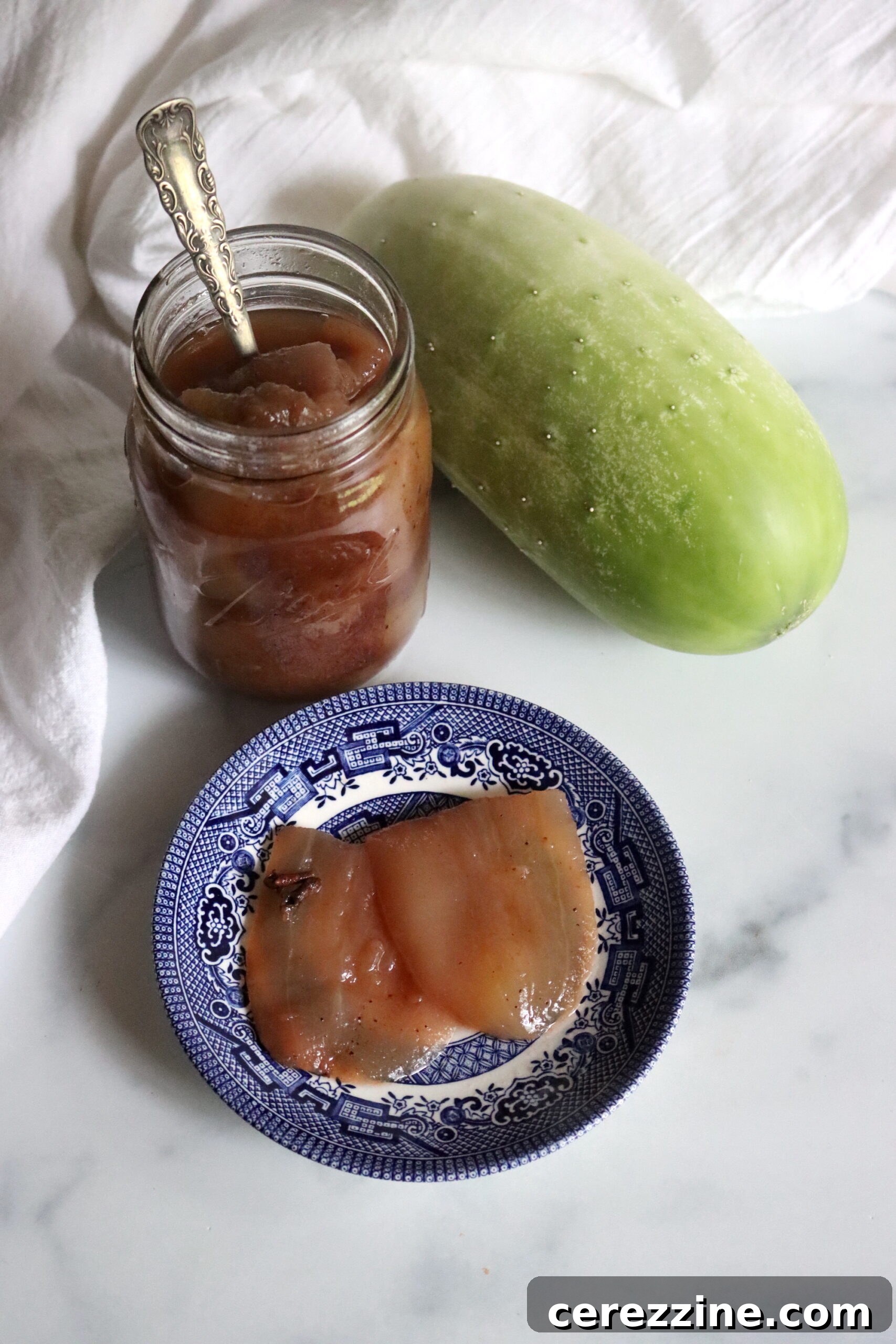
The distinctive shape, which gives these pickles their memorable name, comes from using large, often overripe cucumbers harvested at the very end of the growing season. This clever approach not only minimizes waste but also yields a pickle with a satisfyingly firm yet tender texture. Simple cuts transform these substantial cucumbers into pieces that, once jarred, bear a whimsical resemblance to tongues. Whether you call them Tongue Pickles or occasionally “Dog’s Tongue Pickles,” rest assured, their flavor is anything but peculiar – it’s simply delicious.
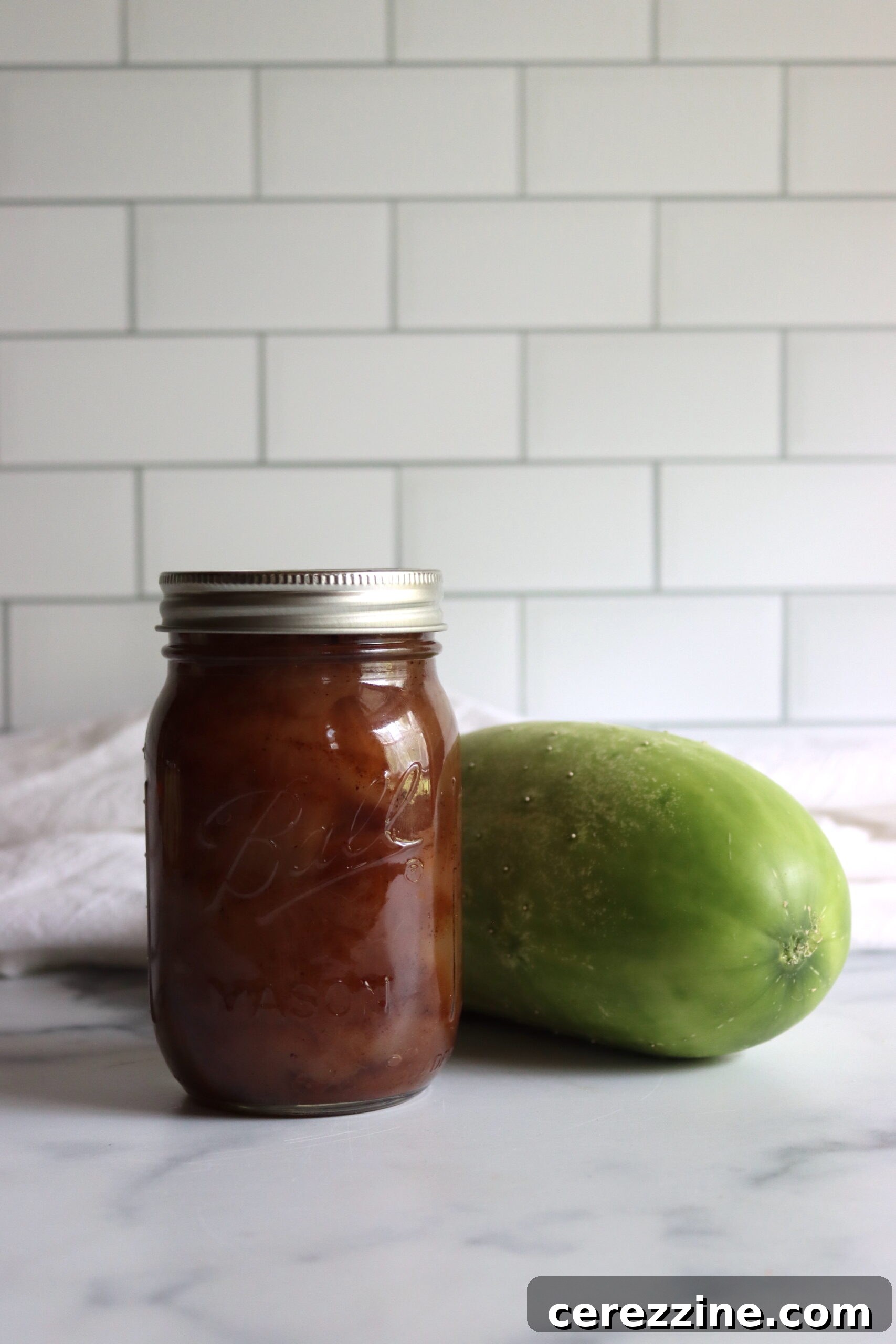
The Intrigue of the Name and Origins of Tongue Pickles
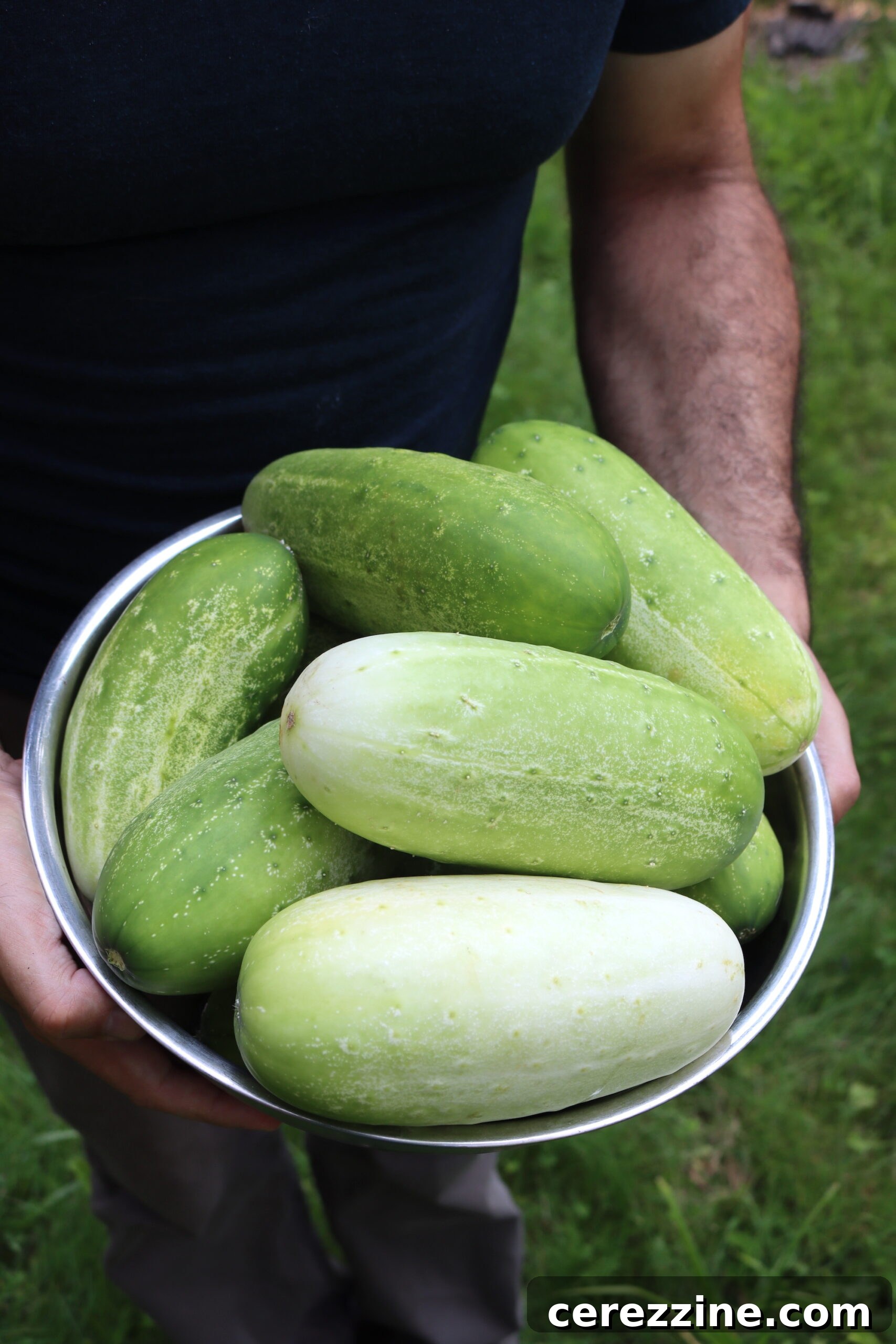
The story behind the name “Tongue Pickles” is as charming as the pickles themselves. It harks back to a time when resourcefulness was paramount, especially for homesteaders in rural Vermont. At the close of the harvest season, gardeners often found themselves with an abundance of cucumbers that had grown beyond their prime for traditional slicing or dill pickles. These oversized, mature cucumbers, sometimes turning a yellowish-green, were too large and seedy for conventional pickling, yet too good to waste.
Instead of discarding them, clever cooks developed a method to utilize these garden giants. By peeling, deseeding, and cutting them in a specific way – lengthwise into “boats” and then across – the resulting pieces were roughly oval with a rounded end and a flatter end, resembling a tongue. This visual similarity, combined with the slightly humorous nature of the name, stuck. It’s a testament to the playful spirit and practical approach of generations past who found beauty and flavor in every part of their harvest. Today, the name serves as a whimsical nod to a rich culinary heritage, sparking curiosity and delight in those who encounter these unique sweet treats.
A Taste of Vermont: The Sweet Maple & Spice Profile
What truly sets Vermont Maple Tongue Pickles apart is their extraordinary flavor profile. Unlike the sour, briny taste of many pickles, these are distinctly sweet and warming, thanks to a carefully selected blend of spices and the unmistakable richness of dark maple syrup. Imagine the comforting aromas of a classic apple pie or a festive gingerbread cookie, but in a pickled cucumber form – that’s the essence of a Tongue Pickle.
The dark maple syrup, a quintessential product of Vermont, provides a deep, complex sweetness that brown sugar simply cannot replicate. Its earthy, caramelized notes marry perfectly with the pungent warmth of whole cloves, the comforting spice of ground cinnamon, the subtle heat of ground ginger, and the complex aromatic blend of ground allspice. A touch of black pepper adds a surprising, subtle counterpoint, preventing the pickles from becoming overly sweet and adding a layer of sophisticated flavor. This harmonious blend transforms the humble cucumber into a gourmet experience, making these pickles a versatile accompaniment to various meals, or even a standalone snack.
The Art of Crafting Vermont Maple Tongue Pickles
Making these old-fashioned pickles is a rewarding process that involves a crucial two-day preparation. This extended method ensures the cucumbers achieve the perfect texture and fully absorb the complex flavors of the sweet maple brine. Don’t be tempted to skip steps; each stage contributes to the unique character of these beloved Vermont treats.
Ingredients for Homemade Cucumber Tongue Pickles
Gathering the right ingredients is the first step to pickle perfection. This recipe yields approximately 2 to 3 pint jars, perfect for sharing or savoring yourself.
For the Pre-Soak:
- 5 lbs Ripe Cucumbers (approximately 4 oversized yellow/green ones)
- ¼ cup pickling salt
For the Pickling Brine:
- 2 Cups Cider Vinegar
- 2 Cups Dark Maple Syrup
- 1 tsp whole cloves
- 1 tsp ground cinnamon
- 1 tsp ground ginger
- ½ tsp ground allspice
- ½ tsp black pepper
The combination of dark maple syrup and these particular spices creates a deep brown, intensely flavored pickle. While this spice mix offers a taste reminiscent of apple pie, you can adjust the quantities slightly to suit your personal preference. If authentic maple syrup is unavailable, a good quality dark brown sugar can serve as a suitable, though distinct, substitute.
The Essential Two-Day Process
The two-day preparation is key to the success of Vermont Maple Tongue Pickles. It’s designed to extract excess water from the cucumbers, firm their texture, and allow them to slowly absorb the sweet, spiced brine without turning mushy. Patience is truly a virtue in this recipe.
Day One: Preparing and Soaking Cucumbers
Start by selecting your cucumbers. Look for large, mature ones, often found at the end of the gardening season. These are ideal because their size allows for the characteristic “tongue” shape and their robust flesh can withstand the pickling process.
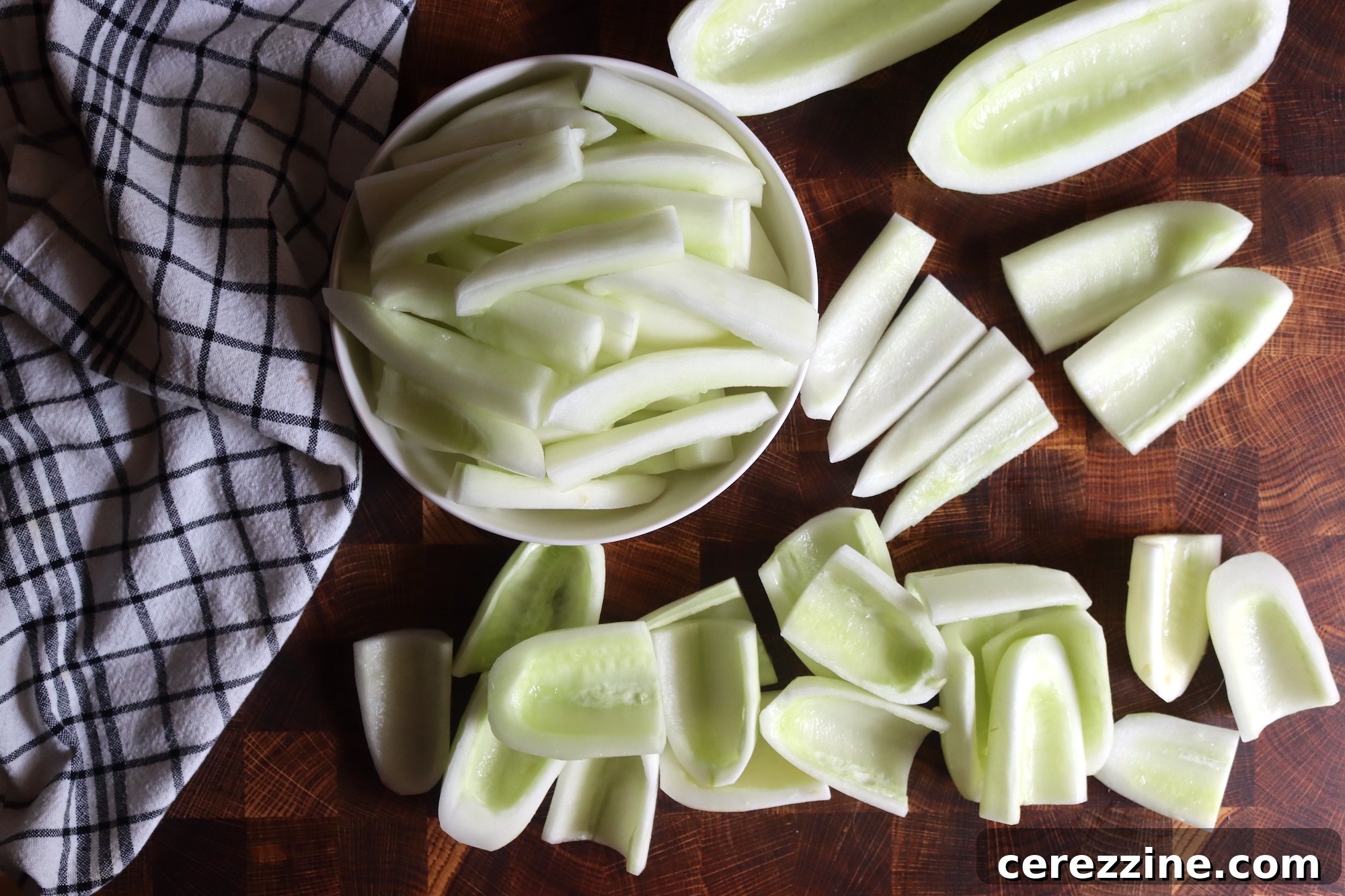
- Peel and Slice: Begin by carefully peeling the thick skin from each cucumber. Once peeled, slice each cucumber in half lengthwise.
- Scoop Seeds: Using a spoon, scoop out all the seeds from the center of each cucumber half, creating long, hollowed-out “cucumber boats.” This step is crucial, as the seeds can make the final pickle watery and unappetizing.
- Shape the “Tongues”: Next, cut each cucumber boat in half across its width. This will yield two large pieces that are rounded at one end and flat at the other – the signature “tongue” shape.
- Salt Soak: Place all the shaped cucumber pieces into a large bowl or stock pot. Sprinkle ¼ cup of pickling salt evenly over them, then add enough cold water to just cover the cucumbers. This initial salt soak is vital; it draws out excess moisture, firming the cucumbers and preparing them to better absorb the pickling brine. Allow them to soak for 8 to 12 hours, or conveniently, overnight. If you start this process in the morning, you can typically complete the rest of the recipe in the evening.
Day Two: Brine Creation and Gentle Cooking
The second day brings the cucumbers closer to their delicious pickled state.
- Saltwater Boil: After the overnight salt soak, transfer the cucumbers and their salt water into a large stock pot. Bring the mixture to a rolling boil and continue boiling for 5 minutes. This step is a critical conditioning process, further firming the cucumbers and helping them to become receptive to the sweet brine.
- Drain and Rinse: Immediately after boiling, carefully drain the cucumbers in a colander. Rinse them thoroughly under cold running water to remove any residual salt, which would otherwise make your final brine too salty. This rinse is essential for balancing the flavors.
- Prepare the Brine: In the same (or a clean) stock pot, combine all the ingredients for the pickling brine: cider vinegar, dark maple syrup, whole cloves, ground cinnamon, ground ginger, ground allspice, and black pepper. Bring this mixture to a boil, ensuring all the spices are well incorporated and their aromas begin to permeate the kitchen.
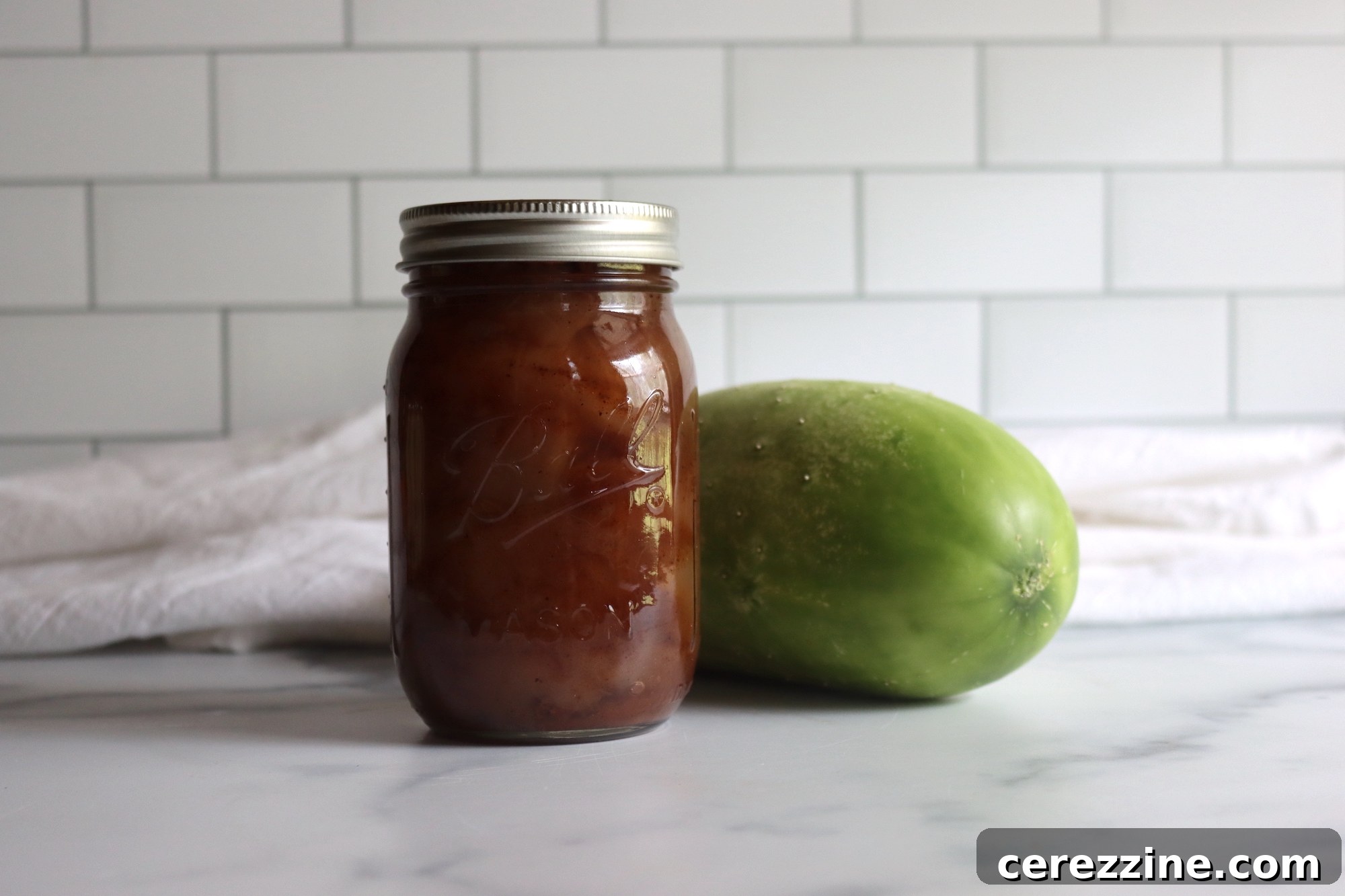
- Combine and Cook: Add the drained and rinsed cucumbers to the boiling brine. Reduce the heat to medium and allow the cucumbers to gently boil for approximately 20 to 30 minutes. Continue cooking until the cucumber pieces become translucent, indicating they have fully absorbed the brine and developed a uniform, tender-crisp texture. You might expect them to turn mushy, but the synergistic effect of the initial salt treatment and the infusion of maple syrup actually strengthens the cucumber tissue, allowing them to hold their shape beautifully. This is similar to how sugar and molasses help beans retain their structure during long cooking in baked bean recipes.
Preserving the Tradition: Water Bath Canning
Canning these delightful pickles ensures they can be enjoyed for months to come, preserving the flavors of the harvest. If you’re new to home canning, please prioritize safety and review basic guidelines before you begin.
Getting Started with Canning
For those unfamiliar with water bath canning, it is highly recommended to read a comprehensive beginner’s guide to water bath canning. Understanding the principles of proper sterilization, headspace, and sealing is crucial for food safety. A reliable guide can be found here.
Step-by-Step Canning Instructions
- Prepare Jars: Ensure your canning jars, lids, and bands are clean and sterilized according to standard canning practices.
- Fill Jars: Carefully ladle the hot cooked cucumbers and sweet brine into the prepared jars, leaving ½ inch of headspace from the rim.
- Clean Rims: Wipe the rims of the jars thoroughly with a clean, damp cloth to remove any food particles that could prevent a proper seal.
- Cap Jars: Place the two-part canning lids (flats and bands) onto the jars and tighten the bands fingertip-tight.
- Process in Water Bath: Place the filled jars into a water bath canner, ensuring they are fully submerged by at least one inch of water. Bring the water to a rolling boil. Process pint jars for 10 minutes, and quart jars for 15 minutes. Remember to adjust processing times for your altitude (see below).
- Cool and Store: After processing, carefully remove the jars from the canner and place them on a clean towel on your counter. Allow them to cool undisturbed for 12 to 24 hours.
- Check Seals: Once completely cool, check the seals. The center of the lid should be concave and not flex when pressed. If a jar hasn’t sealed, you can either reprocess it within 24 hours (with a new lid) or store it in the refrigerator for immediate consumption.
- Storage: Properly sealed jars can be stored in a cool, dark pantry for up to a year.
Cucumber Pickle Canning Altitude Adjustments
Altitude affects the boiling point of water, which in turn impacts canning safety. It’s crucial to adjust processing times to ensure proper sterilization at higher elevations. Here are the recommended adjustments for canning cucumber tongue pickles:
- For 0 to 1,000 Feet in Elevation: Process pint jars for 10 minutes, and quart jars for 15 minutes.
- For 1,001 to 6,000 Feet in Elevation: Process pint jars for 15 minutes, and quart jars for 20 minutes.
- Above 6,001 Feet in Elevation: Process pint jars for 20 minutes, and quart jars for 25 minutes.
Serving Suggestions & Culinary Uses
Vermont Maple Tongue Pickles are surprisingly versatile and can elevate a variety of dishes. Their sweet and spiced profile makes them an excellent counterpoint to savory foods. Serve them alongside roasted meats, poultry, or game for a festive touch. They are a delightful addition to charcuterie boards, pairing beautifully with sharp cheeses and crusty bread. For a unique twist, try them chopped and mixed into potato or chicken salad, or even as a relish for hot dogs and sausages. Some people even enjoy them as a sweet treat on their own, or diced and folded into pancake batter for a truly unique breakfast experience. Their vibrant flavor and appealing texture make them a conversation starter at any meal.
Tips for Pickle Perfection
- Cucumber Choice: While the recipe calls for overripe cucumbers, avoid any that are soft, bruised, or showing signs of decay. They should be firm to the touch, even if large and slightly yellowed.
- Maple Syrup Quality: For the best flavor, use genuine dark maple syrup. The richer flavor of dark syrup stands up well to the spices and creates a more robust pickle. Light syrup will result in a less intense maple flavor.
- Spice Customization: Feel free to adjust the spices to your liking. A touch of whole star anise or a few peppercorns could add another layer of complexity. If you prefer a milder spice, reduce the quantities slightly.
- Don’t Rush the Soak: The initial salt soak is critical for texture. Cutting this short will result in softer, less appealing pickles.
- Proper Rinsing: After the saltwater boil, thorough rinsing is essential. Lingering salt can make the final product overly salty.
- Patience Post-Canning: While tempting to try them immediately, allowing the pickles to sit for at least a few weeks after canning will enable the flavors to fully meld and deepen, resulting in a more complex and satisfying taste experience.
The Complete Recipe: Vermont Maple Tongue Pickles
Old Fashioned Cucumber “Tongue” Pickles (VT Maple Pickles)
Vermont Maple Tongue Pickles are specially shaped cucumber pickles, and back in the day, old timers thought looked like tongues. The funny name stuck, and this old-fashioned sweet maple pickled cucumber is popular up here in the north country.
Author: Ashley Adamant
Yields: 2-3 Pints (approximately 24 servings)
Prep time: 1 day 20 minutes
Cook time: 10 minutes
Additional time: 10 minutes
Total time: 1 day 40 minutes
Equipment
- Water Bath Canner
- Large stock pot
- Large bowl or second stock pot for soaking
- Canning jars (pints or quarts) with lids and bands
- Ladle, funnel, jar lifter
Ingredients
For the Pre-Soak:
- 5 lbs Ripe Cucumbers (About 4 Oversized Yellow/Green Ones)
- ¼ cup pickling salt
For the Pickling Brine:
- 2 Cups Cider Vinegar
- 2 Cups Dark Maple Syrup
- 1 tsp whole cloves
- 1 tsp ground cinnamon
- 1 tsp ground ginger
- ½ tsp ground allspice
- ½ tsp black pepper
Instructions
- This recipe is as much about the process as it is about the ingredients. Don’t skip steps!
- Day One: Peel the cucumbers and slice them in half lengthwise. Scoop out the seeds to make long cucumber boats.
- Next, cut them in half in the other direction, giving you two big “tongues” with a flat end on one side and a rounded end on the other.
- Next, pour ¼ cup salt over the cucumbers in a bowl or stock pot, and add water to just cover the cucumbers. Allow the cucumbers to soak in the salt for 8 to 12 hours, or overnight.
- Day Two: After the salt soak, place the cucumbers and salt water in a stock pot and bring to a boil. Boil for 5 minutes, then drain and rinse cucumbers thoroughly.
- This saltwater boil conditions the cucumbers to take on the sweet pickling brine, so don’t skip it. Make sure you drain and rinse the cucumbers after this step, otherwise there will be too much salt in the brine.
- Place the remaining ingredients for the brine in a stock pot and bring to a boil. Add the drained and rinsed cucumbers.
- Gently boil the cucumbers over medium heat for about 20 to 30 minutes, until they turn translucent.
- Ladle the cooked cucumbers and sweet brine into prepared jars, leaving ½ inch headspace. Wipe the rims clean and cap with two-part canning lids. Process in a water bath canner for 10 minutes for pints, or 15 minutes for quarts, adjusting for altitude.
- After canning, let the jars cool on a towel on the counter for 12 to 24 hours. Check seals, and if sealed, store them in the pantry. Unsealed jars can be reprocessed or stored in the refrigerator for immediate use.
Notes
If you’re not familiar with water bath canning, please read a beginner’s guide to water bath canning before you begin.
Altitude Adjustments:
Water boils at a lower temperature at higher altitudes, so jars need to be processed a bit longer as you go up in elevation. Here are the altitude adjustments for canning Cucumber Tongue Pickles:
- For 0 to 1,000 Feet in Elevation – Process pint jars for 10 minutes, and quart jars for 15 minutes.
- For 1,001 to 6,000 Feet in Elevation – Process pint jars for 15 minutes, and quart jars for 20 minutes.
- Above 6,001 Feet in Elevation – Process pint jars for 20 minutes, and quart jars for 25 minutes.
Nutrition information is automatically calculated, so should only be used as an approximation.
Exploring Other Overripe Cucumber Pickles
If you enjoyed making these Vermont Maple Tongue Pickles, you’ll be delighted to know there are many other traditional ways to utilize those wonderfully large, overripe cucumbers at the end of your gardening season. These recipes often share the spirit of resourcefulness and delicious preservation:
- Russian Bear Claw Pickles: A unique pickle from Russian tradition, offering a different flavor profile for large cucumbers.
- Senfgurken (German Mustard Pickles): A popular German preserve featuring a tangy mustard-based brine, perfect for hearty meals.
- Danish Asier Pickles: Known for their sweet and sour notes, these Danish pickles are another excellent way to process mature cucumbers.
- Dutch Pickles: Explore traditional Dutch methods for preserving oversized cucumbers.
- Ruth’s Pickles (from the American South): Discover Southern comfort in a jar with this classic recipe.
- Sunshine Pickles (Enjoyed Everywhere): A widely loved recipe that captures the bright essence of summer in a pickle.
Beyond Sweet Pickles: Other Cucumber Pickling Recipes
If your love for pickled cucumbers extends beyond the sweet and spiced, there’s a vast world of savory and tangy recipes to explore:
- Dill Pickle Spears: The quintessential crunchy, savory pickle, perfect for sandwiches or snacking.
- Bread and Butter Pickles: A classic sweet and tangy pickle, slightly different from the maple-spiced variety, offering a crisp texture and balanced flavor.
Embracing the tradition of making Vermont Maple Tongue Pickles is more than just preserving food; it’s about connecting with a rich culinary history, celebrating sustainable practices, and creating something truly unique and delicious from your own kitchen. Whether you’re a seasoned canner or a curious beginner, these sweet and spiced cucumber delights are a rewarding project that promises flavorful results and a charming story to share with every bite.