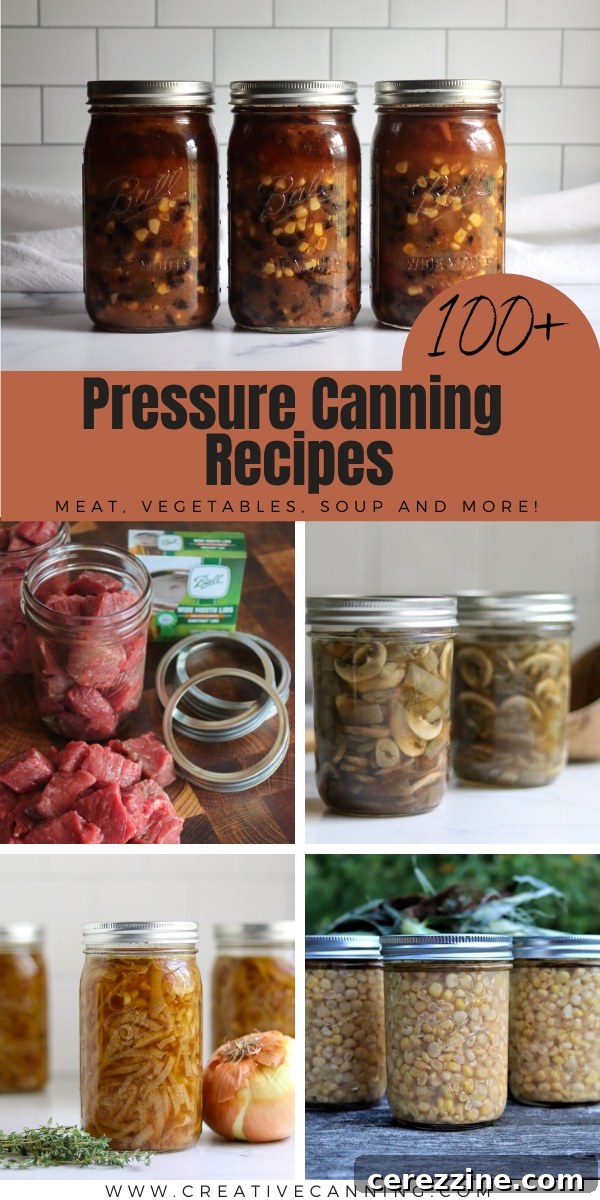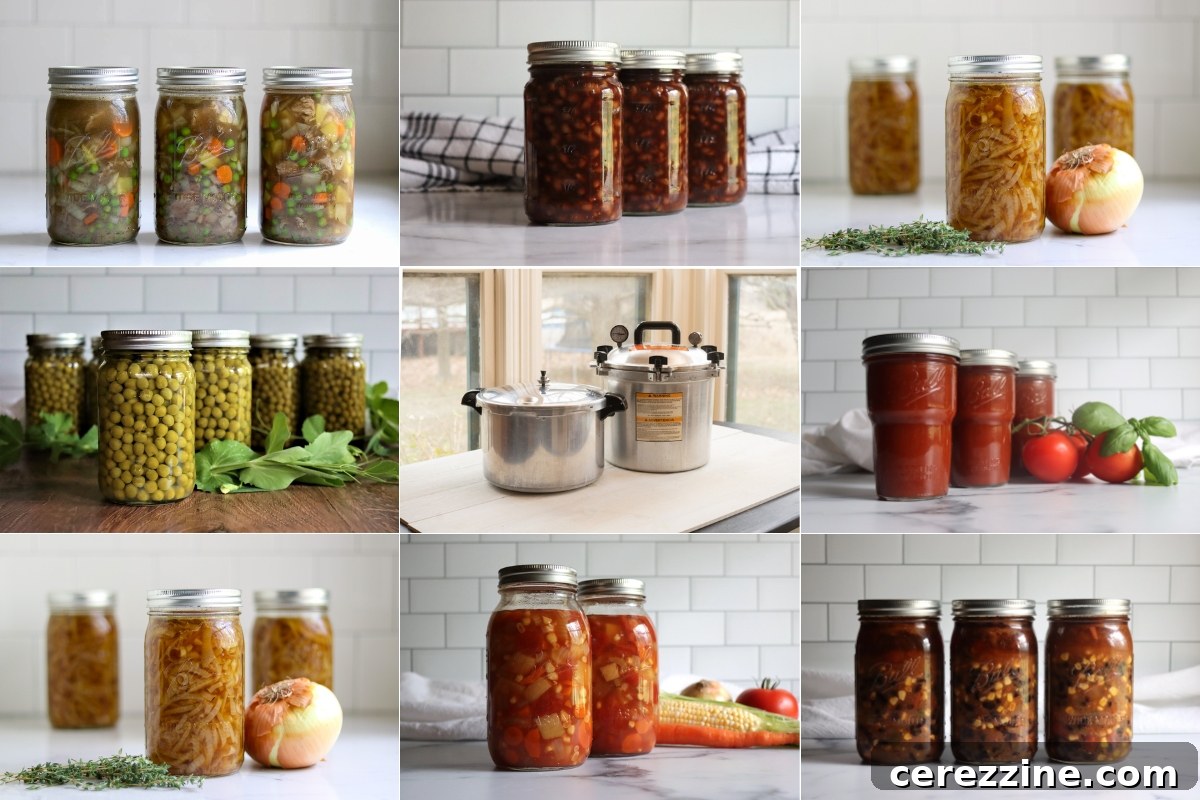
Pressure canning is an indispensable skill for safely preserving a wide array of low-acid foods, including vegetables, meats, comforting soups, and wholesome meals, right on your pantry shelf. Unlike high-acid foods that can be safely processed in a water bath canner, these specific items require the higher temperatures achieved only through pressure canning for proper home preservation.
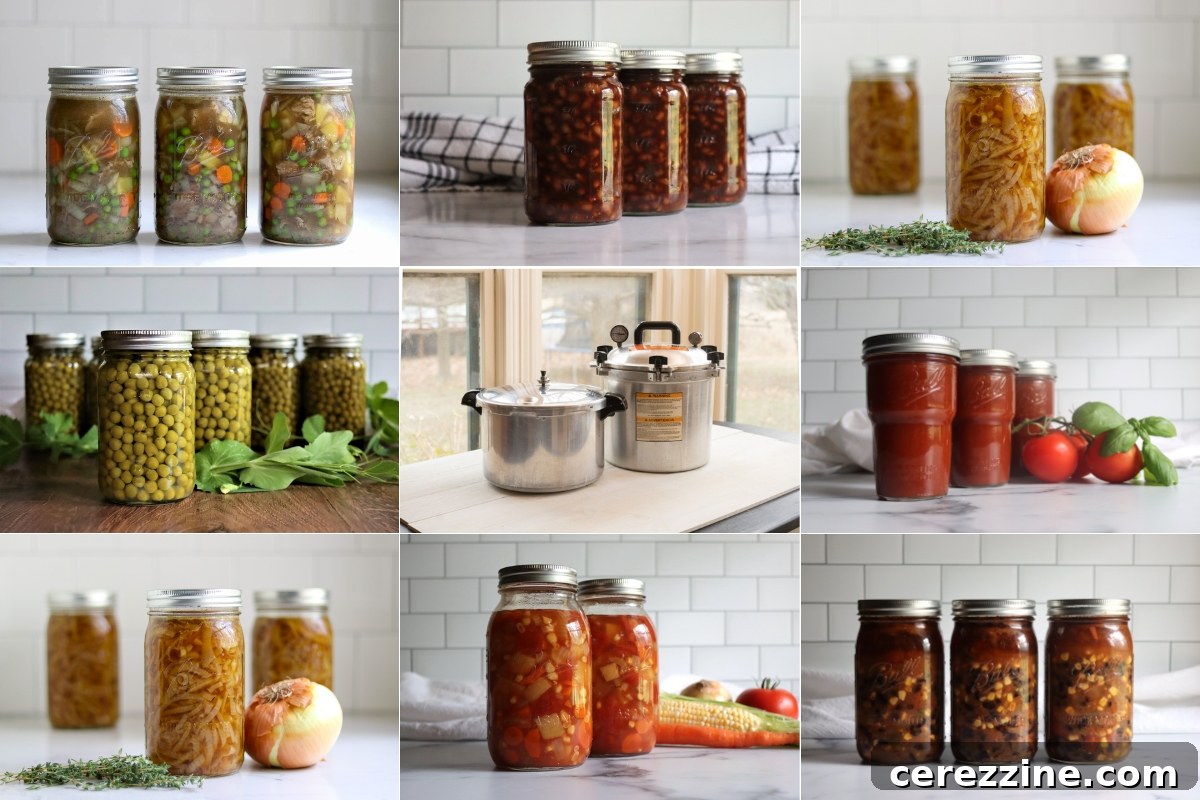
The Ultimate Guide to Pressure Canning: Safely Preserve Low-Acid Foods & Meals
While the internet abounds with beginner-friendly water bath canning recipes for pickles, jams, and relishes, finding reliable pressure canning recipes can sometimes be more challenging. However, learning to pressure can unlocks a vast world of home food preservation, allowing you to safely store nutrient-dense, low-acid foods like various meats, vegetables, and complete meals that simply cannot be processed with a water bath canner.
If you’re new to this powerful preservation method, we highly recommend consulting a comprehensive beginner’s guide to pressure canning before you begin. It’s crucial to understand that a pressure canner is a specialized piece of equipment distinctly different from a pressure cooker, like an Instant Pot. These recipes require the specific environment a pressure canner provides.
Water bath canning remains an excellent entry point for beginners, perfect for preserving high-acid fruits, jams, jellies, and pickles. Yet, to truly stock your pantry with versatile staples, hearty side dishes, and even ready-to-eat meals, mastering pressure canning is essential. This method is suitable for a diverse range of foods, including green beans, potatoes, robust soups, savory stews, rich stocks, and various ground or whole meats.
All these items are classified as low-acid foods, meaning they possess a pH level above 4.6. This low acidity creates an environment where harmful bacteria, particularly Clostridium botulinum, can thrive. To safely neutralize this risk and eliminate dangerous microorganisms, these foods must be processed at the significantly higher temperatures generated inside a pressure canner, ensuring safe, long-term home preservation.
Table of Contents
- What Foods Need a Pressure Canner?
- Foods You Cannot Safely Pressure Can
- Pressure Canning Vegetables
- Pressure Canning Root Vegetables & Tubers
- Pressure Canning Soup Recipes
- Pressure Canning Broth Recipes
- Pressure Canning Bean and Chili Recipes
- Pressure Canning Meat
- Pressure Canning Wild Game Meat
- Pressure Canning Seafood
- Generic Pressure Canning Method for Meat or Vegetables
- More Canning Recipe Lists
What Foods Need a Pressure Canner?
Generally, any food classified as low-acid, or having a pH above 4.6, requires pressure canning for safe preservation. This comprehensive list includes a variety of staples and delicious meals:
- Beans and Chili: This category encompasses a wide range, from hearty chili con carne and baked beans to plain dry beans like black beans, pinto beans, and navy beans. Canning these provides quick meal solutions.
- Meats of All Kinds: Whether it’s beef, chicken, pork, venison, or other game, all meats must be pressure canned. This method ensures that the high temperatures necessary to kill harmful bacteria reach the core of the product.
- Soups and Stews: Most homemade soups and stews contain a mix of low-acid ingredients like vegetables and meat, making pressure canning the only safe option for long-term storage.
- Certain Tomato Products: While many tomato products are acidic enough for water bath canning, those with added low-acid ingredients like mushrooms, onions, peppers, or meat (e.g., pasta sauce with meat) shift the overall pH and necessitate pressure canning.
- Stocks and Broths: Both meat-based and vegetable-based stocks and broths are low in acid and benefit greatly from pressure canning, providing a foundational ingredient for countless meals.
- Most Vegetables: A vast array of vegetables, including potatoes, pumpkin, green beans, corn, carrots, and peas, are low-acid. Preserving them with a pressure canner allows for year-round enjoyment of garden freshness.
An interesting point to note is that you can safely process any water bath canning recipe in a pressure canner. Many experienced canners prefer this method because it often processes jars faster and reduces the amount of steam released into the kitchen. However, the reverse is not true: pressure canning recipes are never safe for water bath canning due to the lower temperatures achieved.
One specific exception where both methods can be used is when canning water for emergencies. In this unique scenario, either a water bath or pressure canner can be utilized to sterilize and seal water for long-term potable storage.
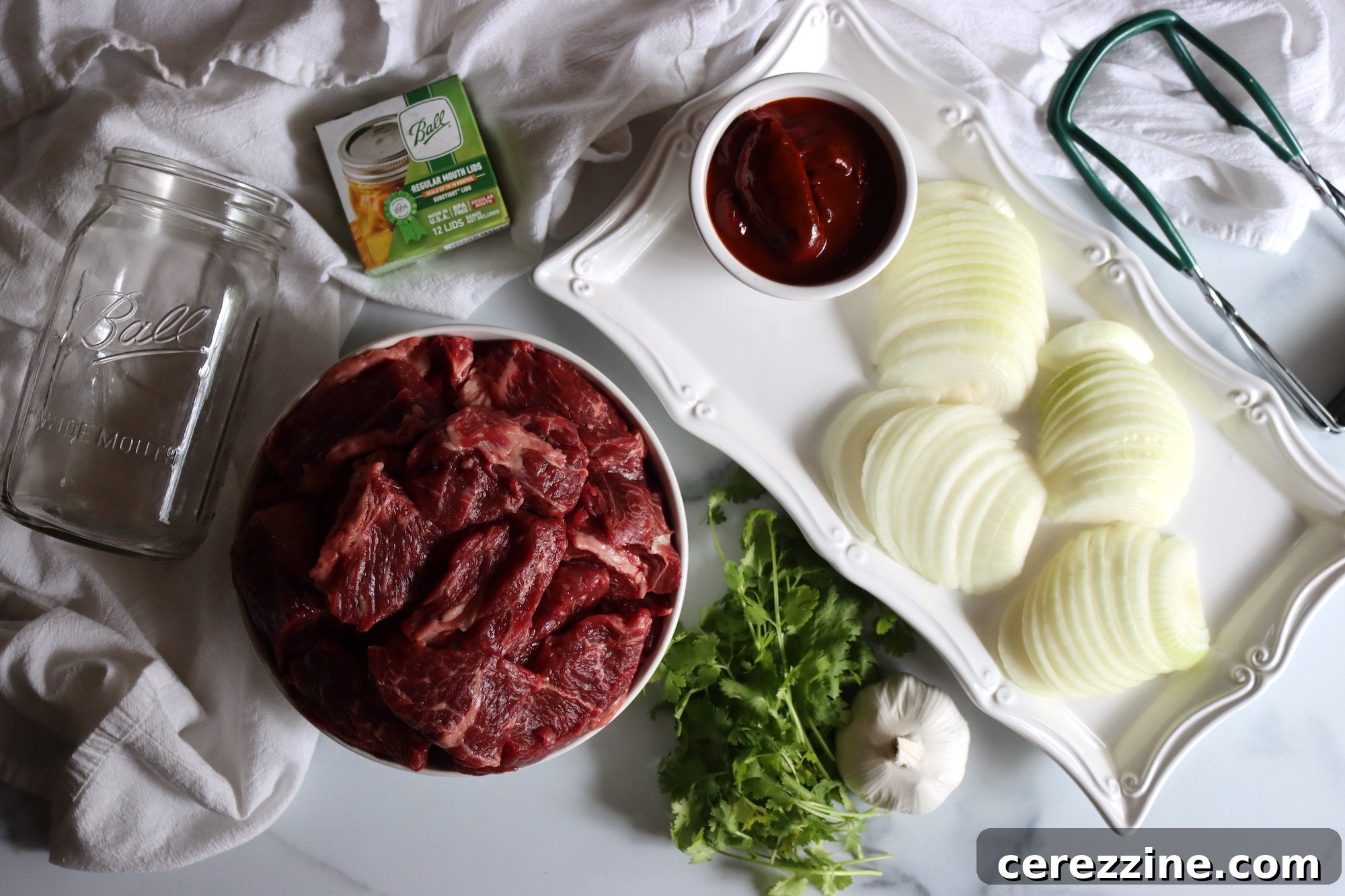
Foods You Cannot Safely Pressure Can
While pressure canning greatly expands your home preservation capabilities, it’s equally important to understand which foods are unsafe for canning, regardless of the method used. Many recipes circulated online, especially on social media, often fail to adhere to tested safety standards. Always prioritize official, tested canning guidelines from reputable sources like the National Center for Home Food Preservation (NCHFP).
The following foods are unsuitable for home canning, even with a pressure canner, because their composition prevents adequate heat penetration or creates other safety risks:
- Dairy Products: Milk, cream, butter, and other dairy items, including canning milk, are not safe for home canning. Their complex protein and fat structures interfere with proper heat distribution, posing a significant risk for bacterial growth.
- Eggs: This includes raw eggs and even pickled eggs. While commercial methods exist, home canning of eggs is not recommended due to safety concerns.
- Most Thickeners: Flour, corn starch, and most other thickening agents should never be added to foods before canning. They create dense pockets that prevent heat from penetrating sufficiently to the center of the jar, making the food unsafe. The only exception is modified food starch specifically designed for canning, such as Canning ClearJel.
- Rice, Pasta, and Other Starchy Grains: Similar to thickeners, these starchy ingredients absorb liquid and become very dense, inhibiting proper heat transfer during processing. They should always be cooked and added when you’re ready to serve the canned meal.
- Coconut Milk: Despite its use in many recipes, coconut milk is a low-acid, high-fat product that cannot be safely home canned.
It cannot be stressed enough that none of these items are safe for pressure canning. The prevalence of untested recipes online highlights the critical need to educate oneself on fundamental canning safety principles and always follow tested guidelines to protect your health and that of your family.
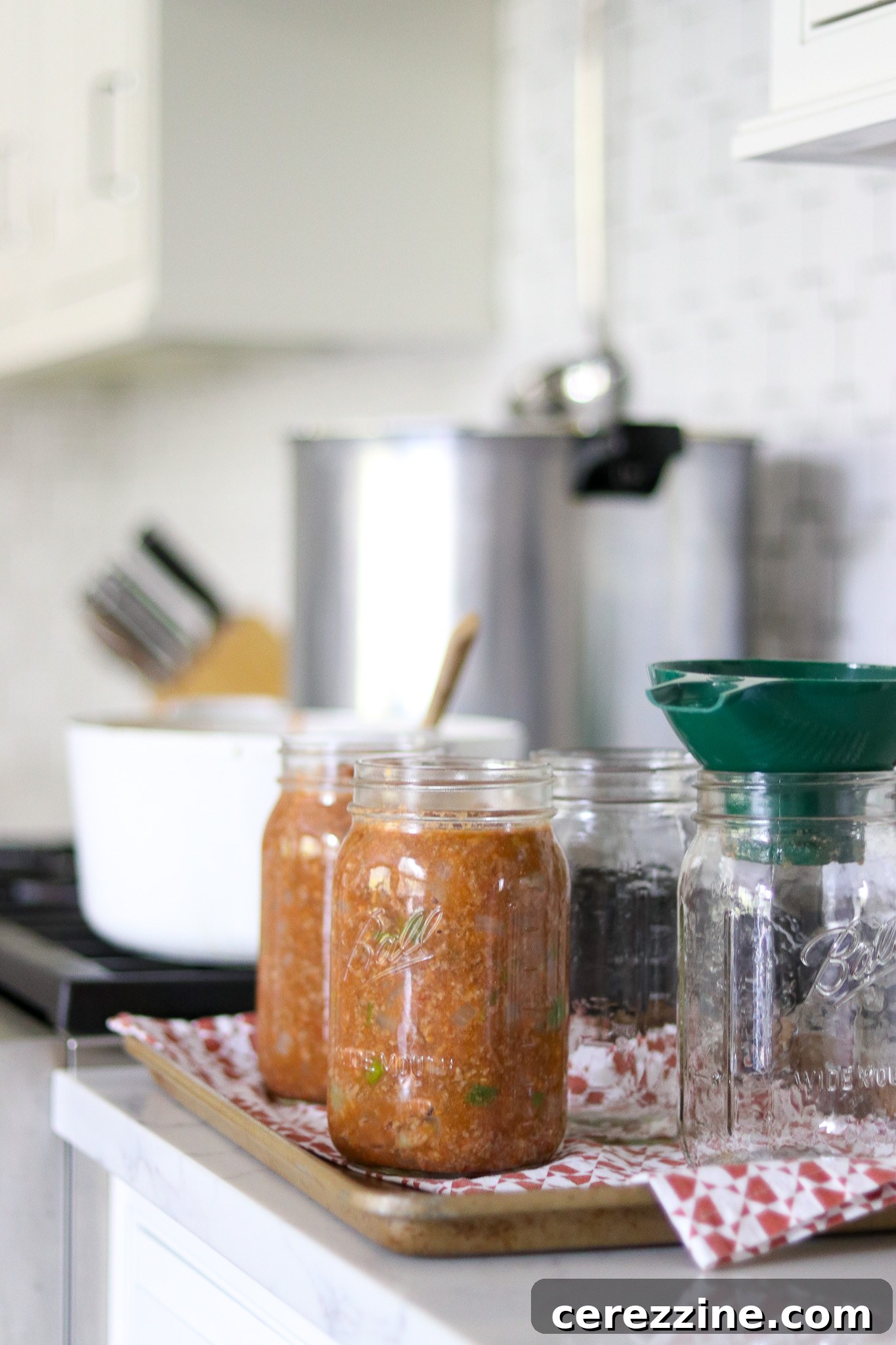
Pressure Canning Vegetables
One of the primary motivations for many home canners, myself included, is the desire to preserve the bounty of a garden or local farmers market. Instead of endless dilly beans, pressure canning allows you to enjoy plain, fresh-tasting green beans and a multitude of other vegetables year-round. There’s a profound satisfaction in preserving peak-season produce and knowing you have a supply of wholesome vegetables through the winter, far superior in taste and quality to most store-bought canned goods.
Beyond taste, pressure canning vegetables offers practical advantages, particularly in saving valuable freezer space. For those living with limited power, such as on a solar system, or in areas prone to power outages, canned goods provide a stable, shelf-stable food source that doesn’t rely on electricity. If you’re already comfortable with water bath canning fruits, expanding into pressure canning your own vegetables is a logical and rewarding next step.
While many vegetable pressure canning recipes are straightforward, some have very specific instructions that are critical for safety. For instance, when canning pumpkin, it must be cubed, not pureed. Canning pumpkin as a puree is unsafe because the dense consistency prevents the heat from adequately penetrating the center of the jar, leaving a risk of harmful bacteria surviving. Commercially canned pumpkin puree undergoes industrial processing not replicable in a home kitchen, which would break standard glass jars.
- Canning Asparagus
- Canning Greens (Spinach, Turnip Greens, Collards, Kale, Swiss Chard)
- Canning Corn
- Canning Pumpkin (Cubed)
- Canning Tomatoes (can be water bath or pressure canned depending on recipe and added ingredients)
- Canning Okra
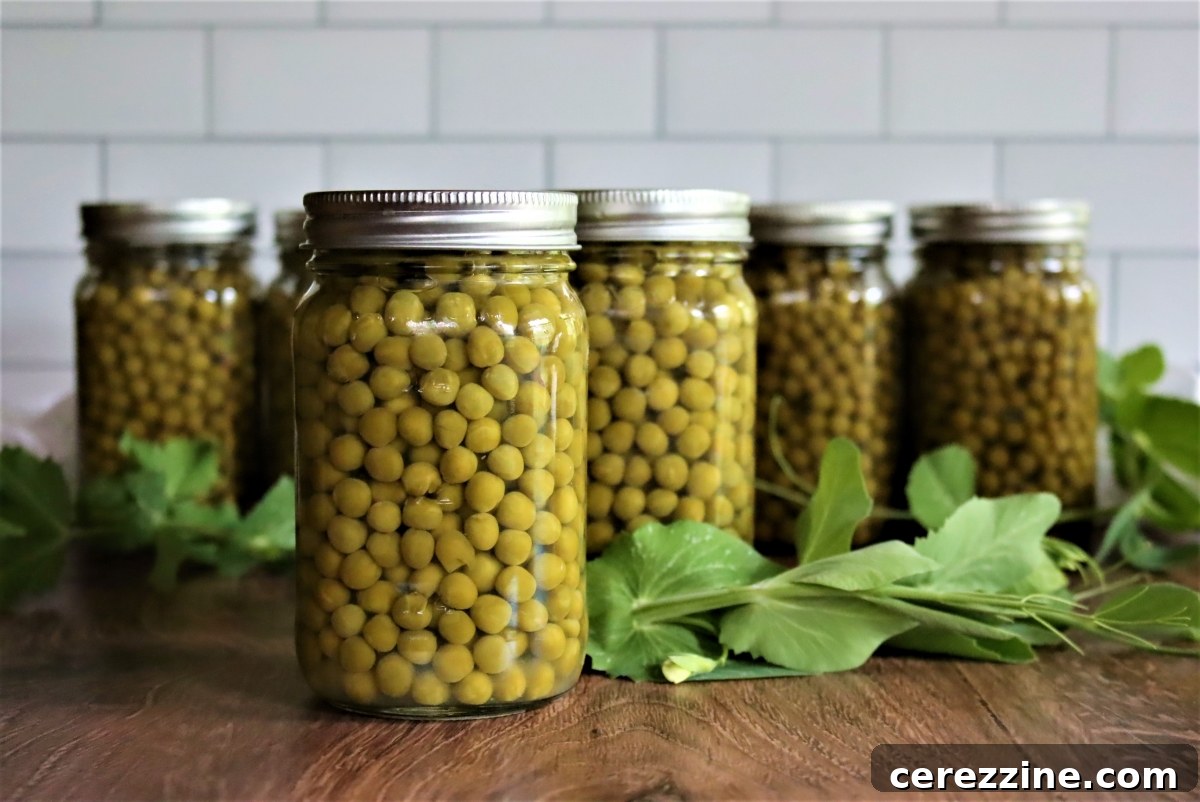
- Canning Peas
- Canning Lima Beans
- Canning Green Beans
- Canning Peppers
- Canning Mushrooms
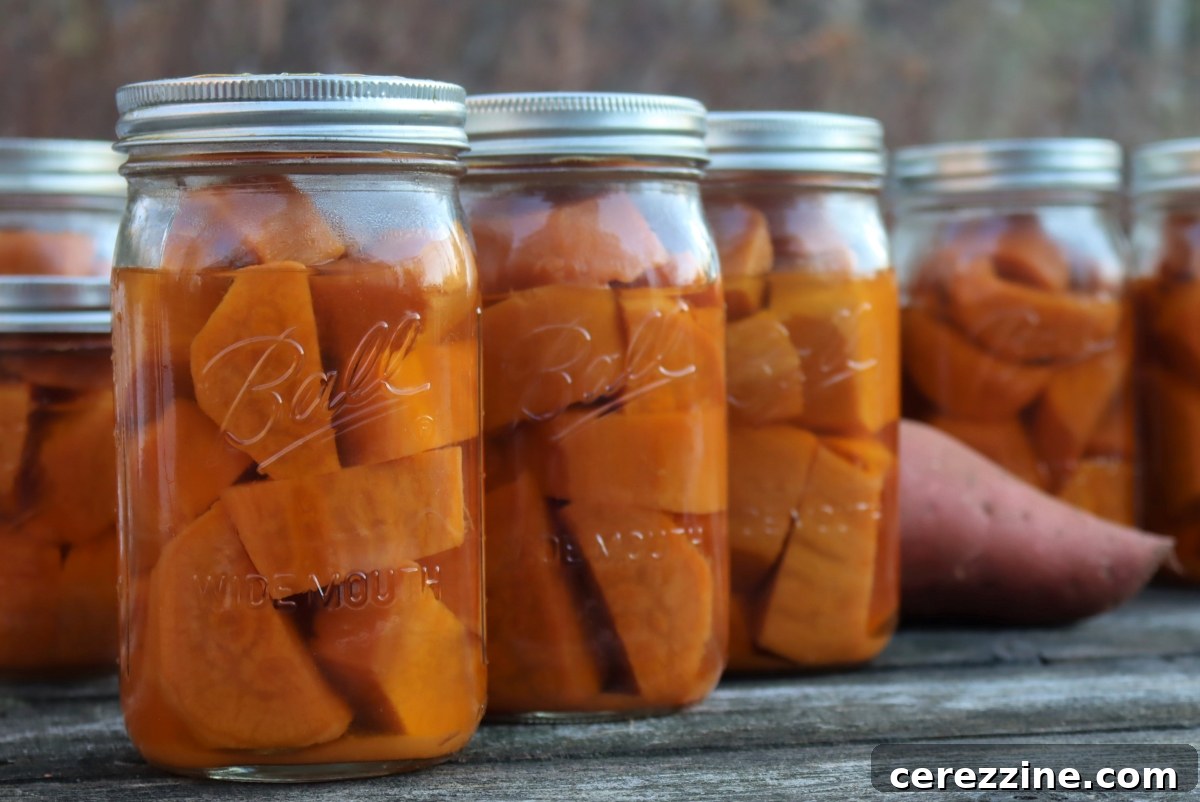
Pressure Canning Root Vegetables & Tubers
Historically, homesteaders relied on root cellars to store root vegetables through the winter. However, modern lifestyles and living situations don’t always offer this option. Whether you reside in an arid region, a small suburban home, an apartment, or simply lack a dedicated root cellar, pressure canning provides an excellent and reliable alternative for preserving these essential crops.
Even with a functional root cellar on my Vermont homestead, I still choose to pressure can a portion of our root vegetables. Our busy family life benefits immensely from the convenience of having pre-cooked potatoes, beets, or carrots that only require quick reheating. This foresight saves significant time on busy weeknights, ensuring we can still enjoy wholesome, home-prepared meals without extensive daily cooking from scratch.
- Canning Carrots
- Canning Beets
- Canning Onions
- Canning Parsnips
- Canning Rutabaga
- Canning Turnips
- Canning Sweet Potatoes
- Canning Potatoes
Pressure Canning Soup Recipes
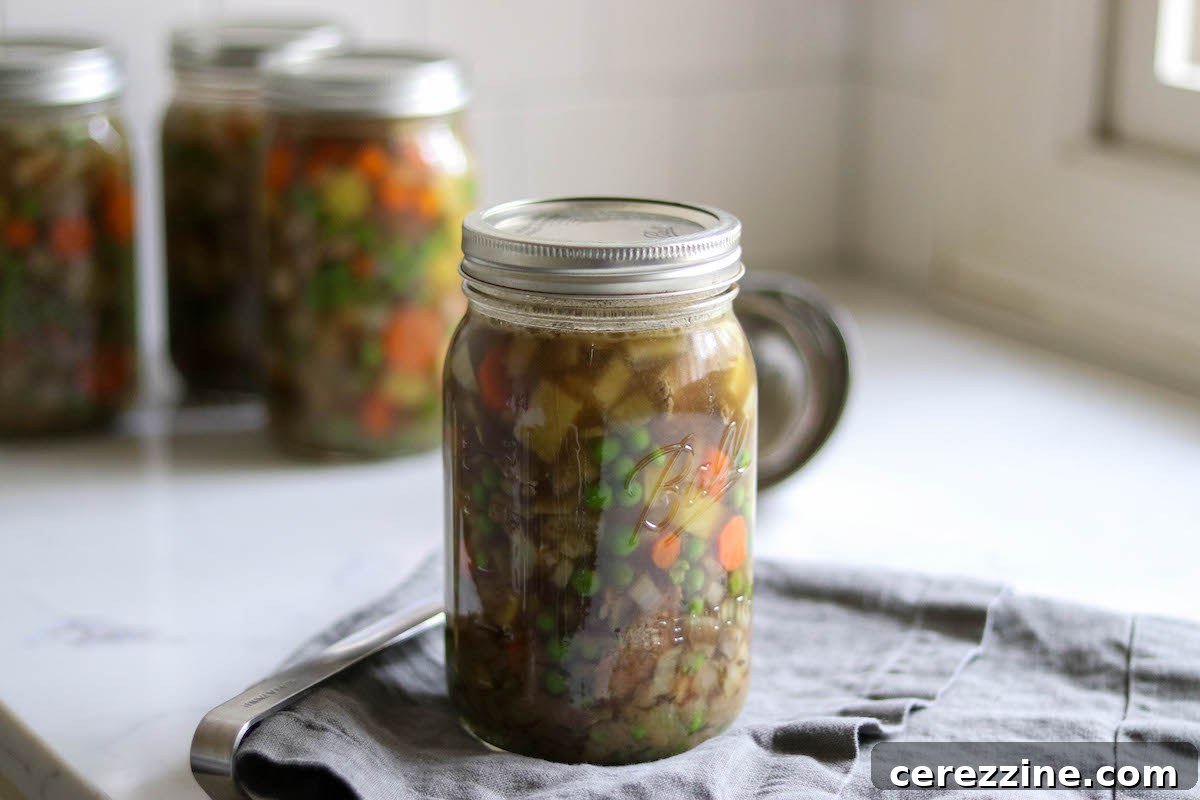
Homemade soups are another fantastic way pressure canning enhances daily convenience and provides delicious, ready-made meals. While the initial effort to prepare and pressure can large batches of soup might seem substantial, the payoff of having jars of wholesome, flavorful soup readily available in your pantry is truly invaluable. It transforms meal prep, turning complex recipes into quick weeknight solutions.
My strategy for pressure canning soup often involves making immense batches, tackling all the chopping, simmering, and preparation at once. This upfront investment saves a tremendous amount of time on future dinners. Our homemade canned soups are a family favorite, especially comforting when someone is feeling under the weather or when we need a quick, nourishing meal on a busy weeknight.
As previously mentioned, it is not safe to pressure can starchy foods like pasta or rice directly in the soup. These ingredients become too dense and prevent adequate heat penetration, posing a safety risk. Therefore, when I make a soup recipe that I typically enjoy with pasta or rice, I cook these components separately and add them fresh when I’m ready to serve the soup. This ensures both safety and the best possible texture.
For an even wider selection, I have a dedicated article featuring more than a hundred soup canning recipes. Here are some of my personal favorites:
Chicken Soups
- Classic Chicken Soup
- Chicken and Vegetable Soup
- Chicken and Corn Chowder
- Chicken Mexican Soup
Beef Soups & Stews
- Canning Beef Stew
- Home Canning Vegetable Beef Soup
- Italian Meatball Soup
- Hamburger Vegetable Soup
Pork Soups
- Canning Split Pea Soup
- Sausage, Potato, and Kale Soup (Copycat Zuppa Toscana)
Vegetable & Other Soups
- Thai Coconut Squash Soup
- Turkey Chili Soup
- White Bean and Kale Soup
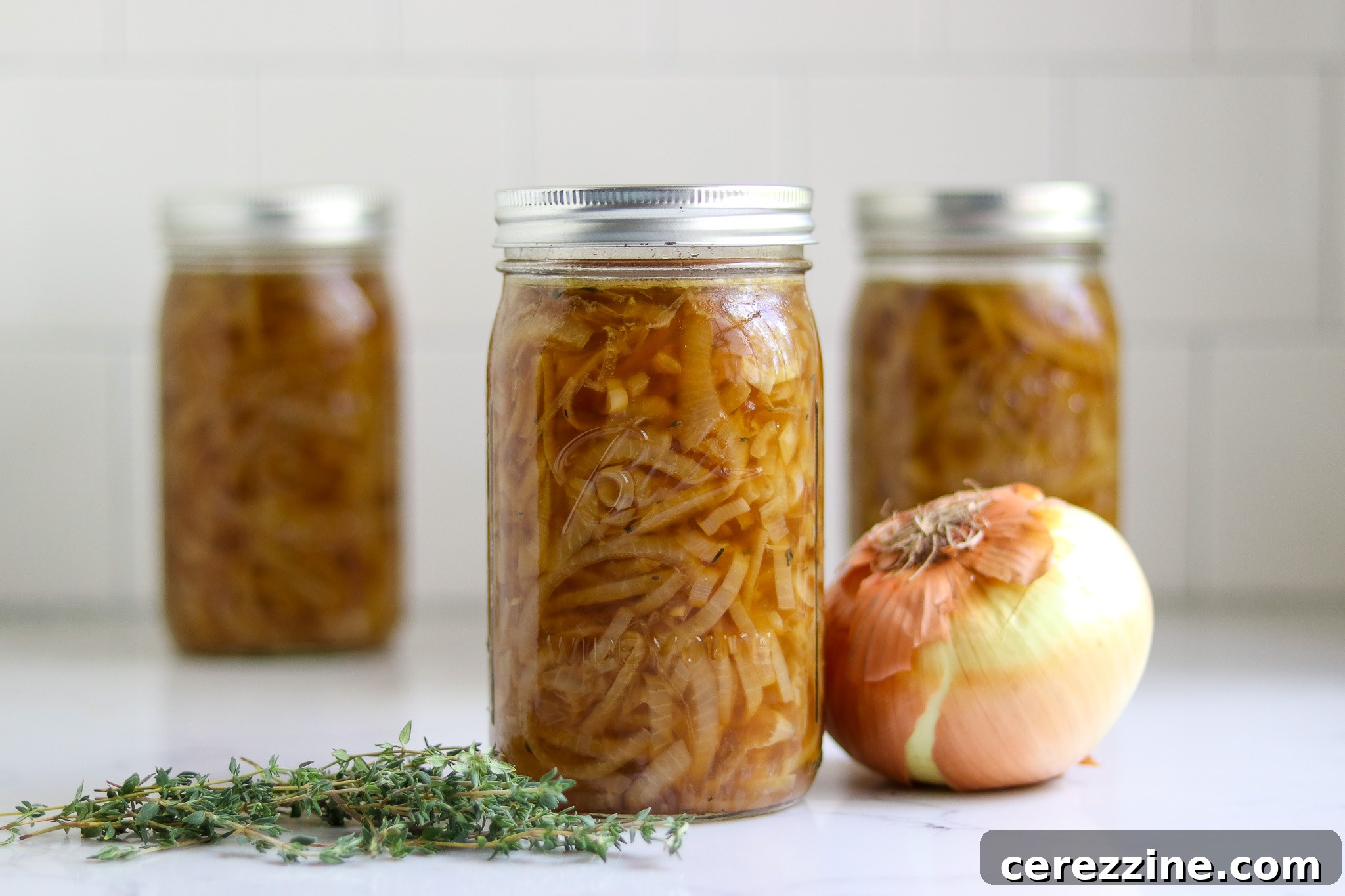
- French Onion Soup
- Canning Asparagus Soup Base
- Home Canned Carrot Soup
- Canning Mushroom Soup Base
- Roasted Tomato Basil Soup
- Southwest Tomato Soup
- Heirloom Tomato Soup
- Spicy Tomato Vegetable Soup
Pressure Canning Broth Recipes
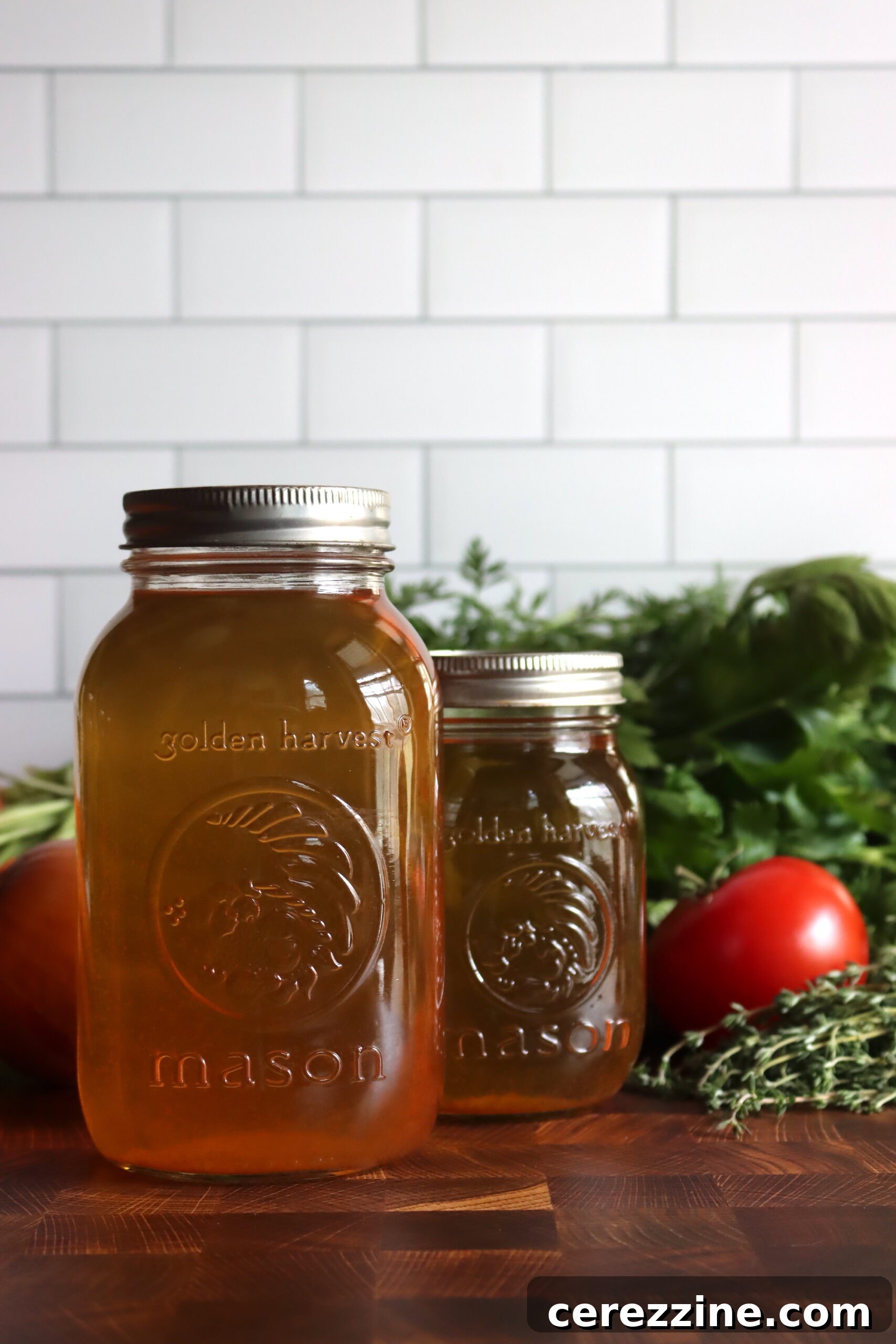
While home-canned soup is undoubtedly one of my favorite convenient “meals in a jar,” I preserve significantly larger quantities of broth. Broth is an incredibly versatile culinary workhorse, adding depth of flavor and essential nutrients to countless homemade dishes. I use it as a base for gravies, sauces, and stews, and even just to enhance the flavor of pasta, rice, and other grains. Its utility in the kitchen is unmatched, making it a cornerstone of a well-stocked pantry.
At any given time, it’s not uncommon to find 60 to 80 quarts of pressure-canned broth in my cellar. My personal favorites to make are rich beef broth, savory duck stock, and flavorful pork stock. However, the possibilities for homemade broth are endless, allowing you to tailor your stock to your family’s preferences and dietary needs. The effort of canning broth truly pays off in the convenience and flavor it brings to everyday cooking.
- Canning Bone Broth
- Canning Pork Stock
- Canning Beef Stock
- Canning Chicken Broth
- Canning Turkey Broth
- Canning Vegetable Stock
Pressure Canning Bean and Chili Recipes
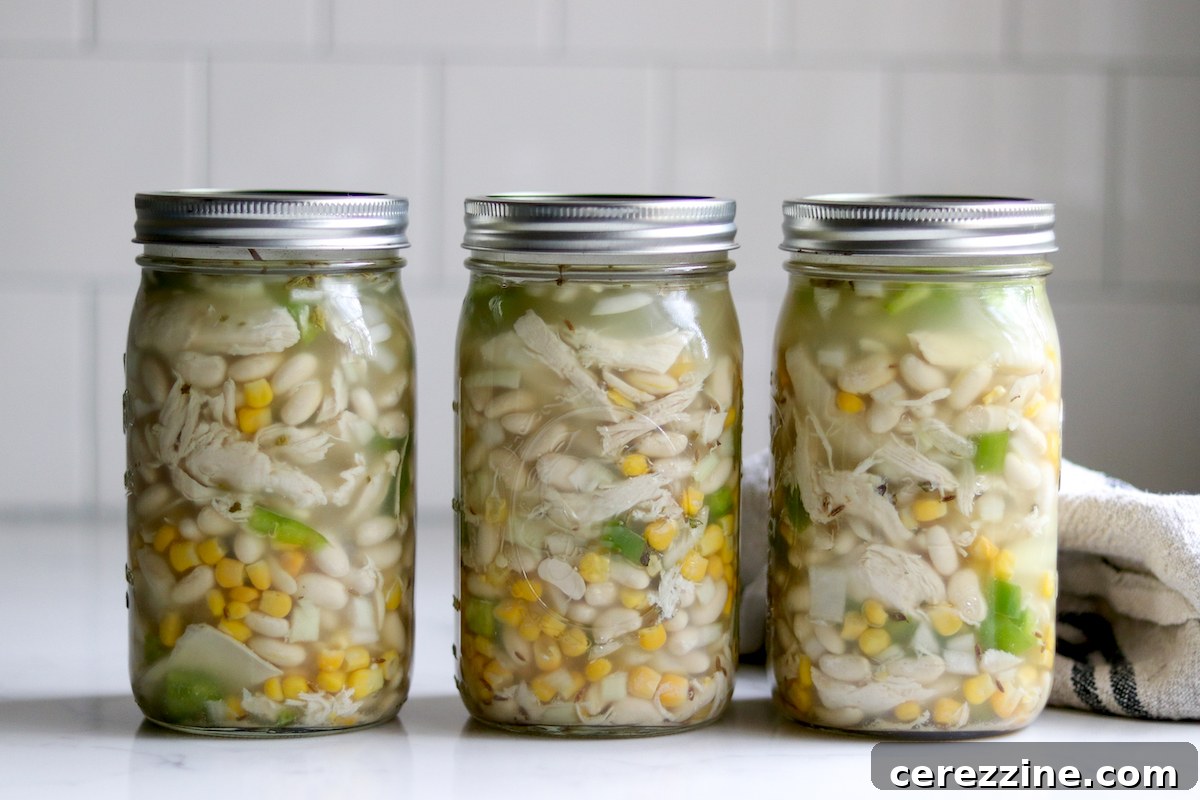
While homemade soups are fantastic for lighter meals or as accompaniments, sometimes you need something more substantial, especially during cold winter days. This is where pressure canning a variety of bean and chili recipes truly shines, allowing me to pull hearty, filling meals directly from the pantry with minimal effort.
For anyone who regularly cooks dry beans, you know the process can be time-consuming, often requiring 2 to 3 hours on the stovetop. This means a significant amount of forethought is needed to enjoy them for dinner. Believe it or not, pressure canning beans can actually take less active preparation time when done in batches. This efficiency is why I now almost always pre-can my dry beans.
My top two favorites for canning are plain pinto beans and plain black beans. These preserved beans are incredibly versatile and ready to be incorporated into a quick, satisfying dinner, whether for tacos, burritos, side dishes, or adding to other recipes. The convenience of having fully cooked beans on hand is a game-changer for busy households.
- Pressure Canning Chili Con Carne
- Beans with Salt Pork and Tomato Sauce
- Cajun Red Beans and Andouille Sausage
- Boston Baked Beans
- Canning Beans: How to Can Dry Beans at Home
- Burrito Filling
- White Bean Chicken Chili
- Chicken Chili Verde
Pressure Canning Meat
Preserving significant quantities of meat, whether from a homestead harvest or a grocery store sale, can quickly consume valuable freezer space. For homesteads like mine, running on solar power, freezer capacity is inherently limited. While some meats, like bacon or salami, can be preserved through curing with salt, I generally prefer to minimize high sodium intake. Pressure canning offers an excellent alternative, allowing us to store meat safely without relying on constant electricity. This means more quick, nutritious meals are readily available, and our freezer remains less crowded.
I’ve heard wonderful stories from readers who grew up in the 1930s and 40s, recalling fond memories of eating home-canned beef straight from the jar. It was often considered a prized, nutrient-dense after-school snack, a stark contrast to the highly processed snacks common today. This tradition highlights the enduring value of canned meat as a reliable and wholesome food source.
- Chipotle Beef for Tacos
- Beef Pot Roast in a Jar
- Beef with Wine Sauce
- Meatballs in Stock
- Taco Meat (Ground beef and seasoning)
- Chicken Taco Meat
- Salisbury Steak
- Canning Hamburger (patties or crumble)
- Beef Tips and Gravy
- Pressure Canning Beef
- Canning Turkey
- Asian Seasoned Chicken
- Canning Chicken (or Rabbit)
- Chicken and Gravy Dinner in a Jar
- Greek Seasoned Chicken
- Rosemary Chicken
- Spicy Chili Lime Chicken
- Thai Red Curry Duck (or Chicken)
- Canning Pork
- Quebec Pork Meatballs
- Pork Meatballs
- Pork Sausage
- Pork Spareribs
- Pork Tenderloin
- Pulled Pork
- Sausage Crumbles or Patties
- Mississippi Pork Roast
Pressure Canning Wild Game Meat
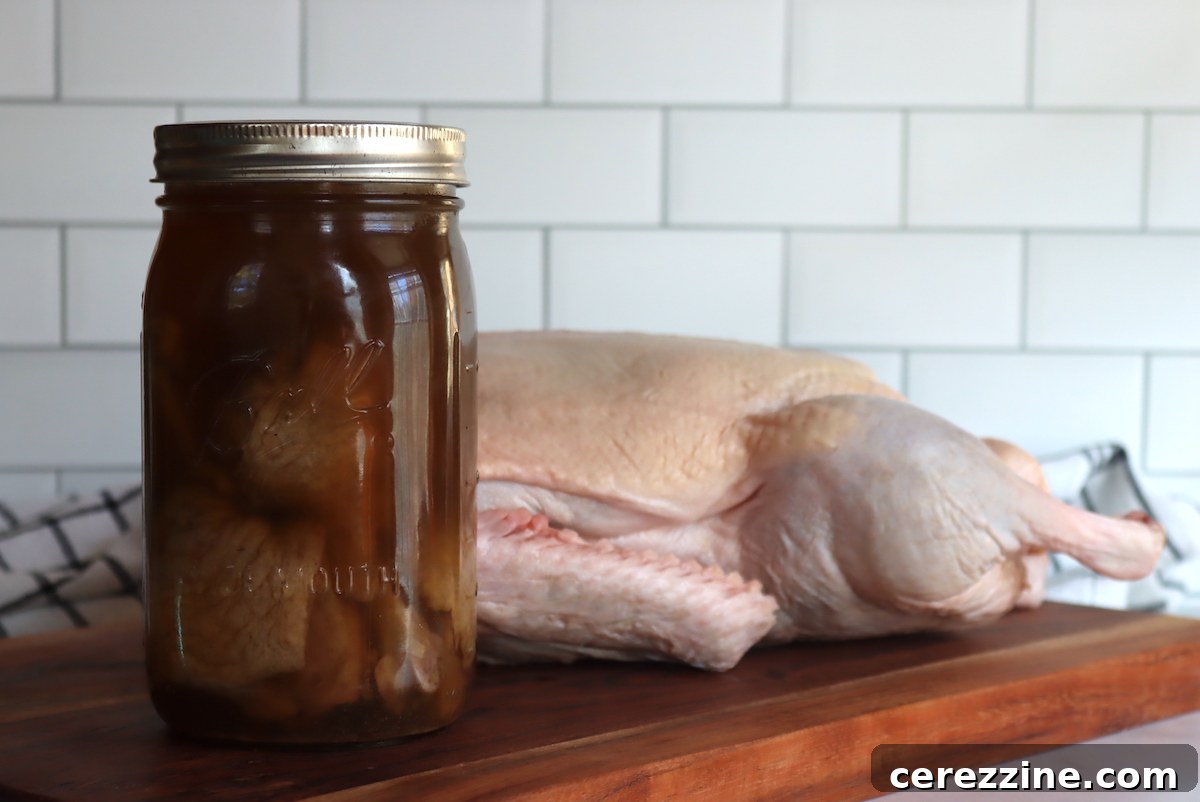
Just like our cultivated harvests, wild game harvests often yield far more meat than can be comfortably stored in a freezer alone. In such instances, pressure canning becomes an absolute necessity. It provides a secure, shelf-stable method for preserving large quantities of game meat, ensuring none of your hard-earned harvest goes to waste. Moreover, pressure canning is an excellent technique for tenderizing tougher cuts of game meat, transforming them into succulent, ready-to-eat meals.
For those living on homesteads with limited electricity, in remote locations without dependable power, or in areas frequently affected by power outages, pressure canning offers unparalleled food security. It’s a reliable method that does not depend on an ongoing power supply, making it an ideal choice for off-grid living and emergency preparedness.
- Canning Duck or Goose
- Elk, Moose, or Caribou
- Canning Chicken or Rabbit
- Canning Venison Cubed and Raw Packed
- Canning Bear Meat
Pressure Canning Seafood
For individuals with some prior experience in pressure canning, preserving fish and seafood can be a rewarding endeavor. However, it’s important to note that seafood pressure canning recipes are often more intricate and demanding than those for other meats. Recipes can vary significantly between freshwater and ocean seafood, requiring careful attention to detail and specific preparation methods.
For instance, a recipe for canning tuna will typically have very precise instructions regarding cleaning, preparation, packing, and processing times. It is absolutely crucial to follow these guidelines to the letter to ensure the safety and quality of the final product. Any deviation could compromise the safety of the canned seafood.
- Oysters
- Clams
- Canning Crab Meat
- Canning Tuna
- Canning Salmon
- Canning Shrimp
- Canning Smoked Fish At Home
- Canning Trout
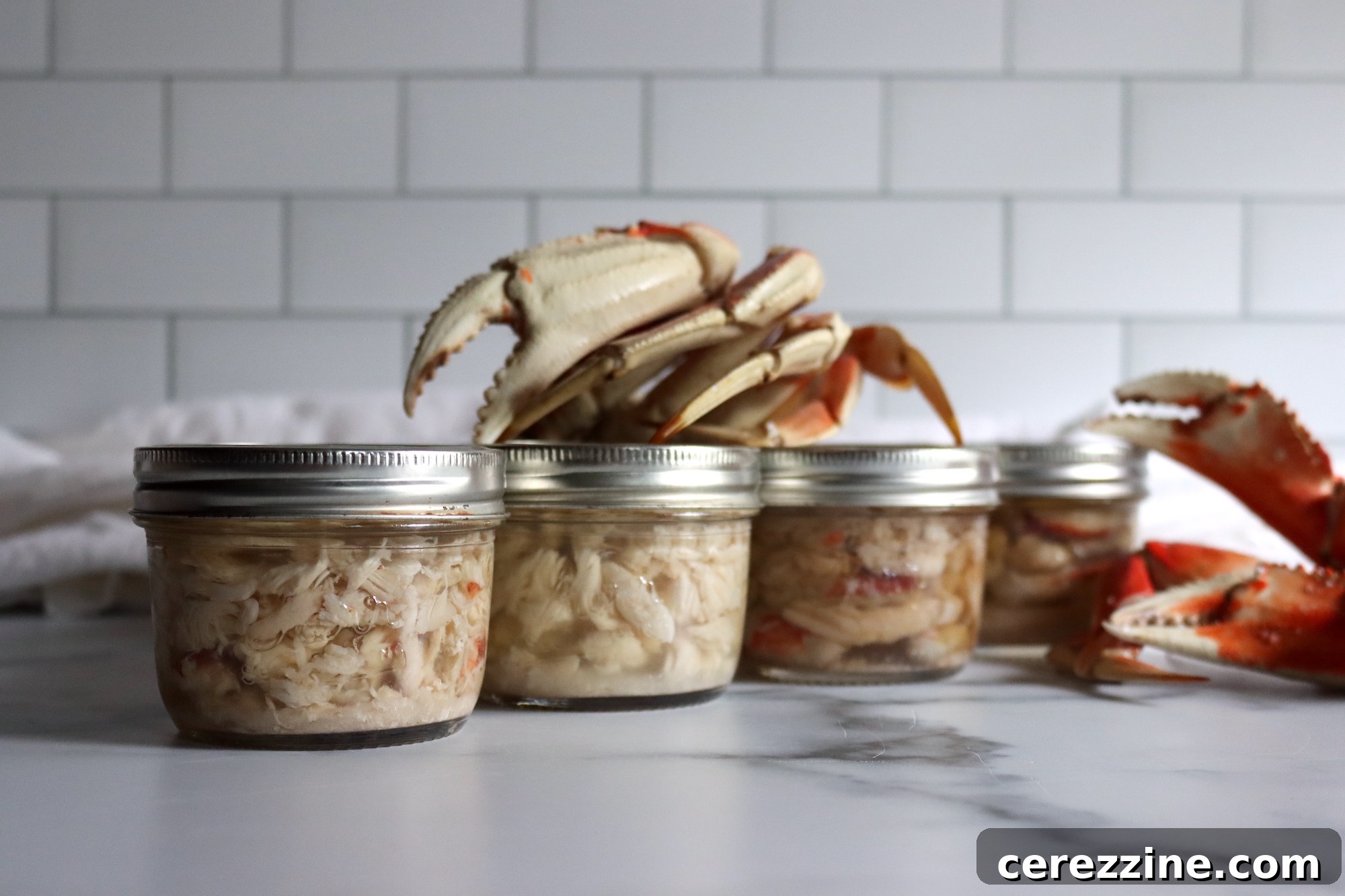
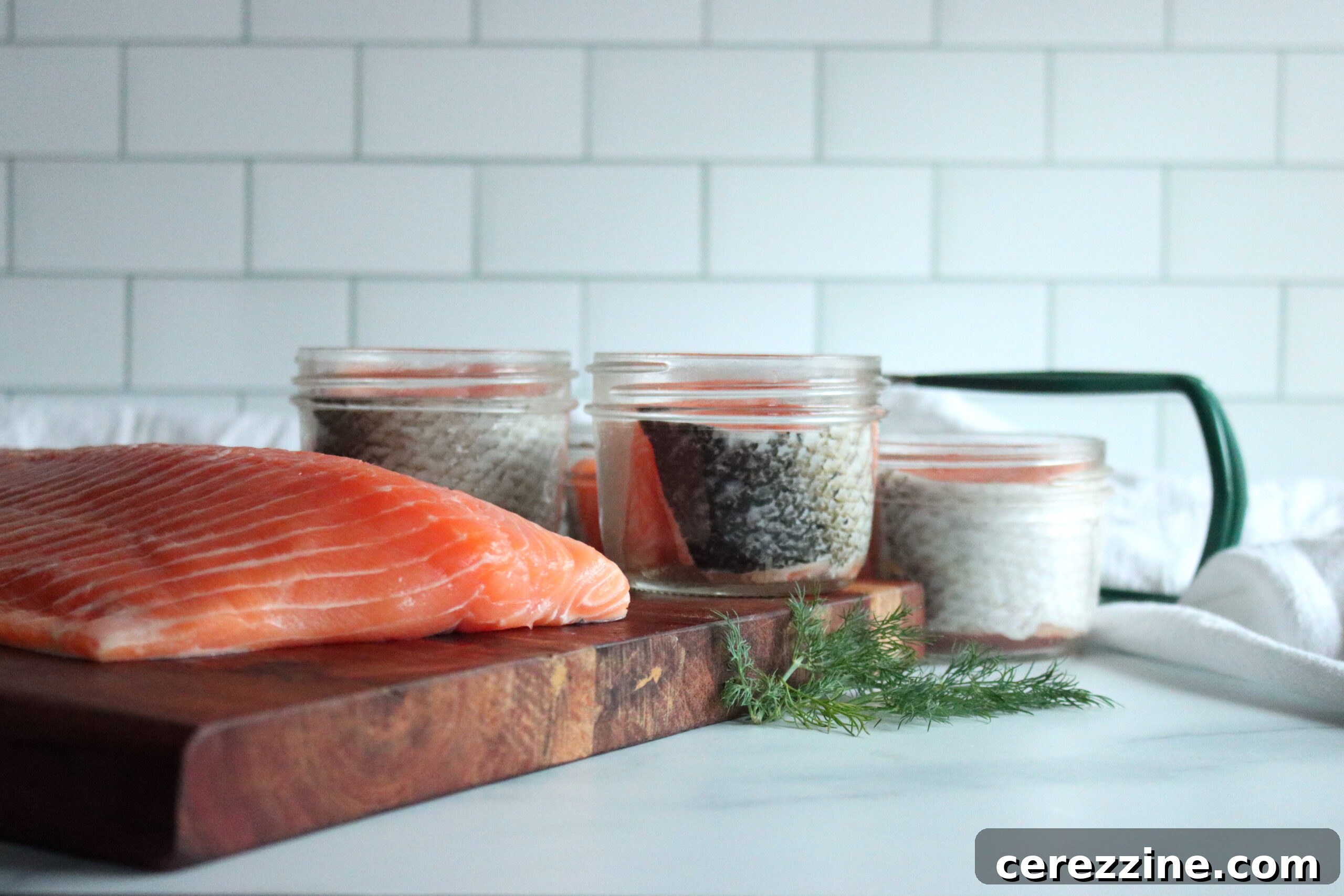
Seafood can also be incorporated into delicious and convenient soup and meal-in-a-jar recipes:
- Salmon Chowder Base
- Nordic Salmon Soup
- Fish Chowder Base
- Clam Chowder Base (New England or Manhattan Style)
Rating: 5 from 2 votes
2
quarts
Generic Pressure Canning Method for Meat or Vegetables
Pressure canning recipes vary a bit based on what you’re preserving, but the general process is always the same for safety and quality.
10
mins
10
mins
1
hr
40
mins
2
hrs
Equipment
-
Pressure Canner
I use an All American Model 930 -
Canning Funnel
-
Jar Lifter
-
Wide Mouth Canning Lids
-
Wide Mouth Quart Mason Jars
Ingredients
- Meat, Beef, Poultry, Pork, etc.
- Fresh Vegetables, Carrots, Potatoes, Beans, Peas, etc.
- Broth, Stock, Water, or Juice
- Herbs and Spices, Optional
- Salt, Optional, but recommended for flavor
Instructions
Prepare Ingredients:
-
Meat: Trim fat and cut into appropriate sizes (bite-sized pieces or strips). Meat can be raw or cooked, except for ground meat, which should always be browned before canning.
-
Vegetables: Wash, peel, and chop vegetables according to their specific canning requirements (some may require blanching or pre-cooking).
-
Broth/Stock: Prepare homemade or use store-bought broth, stock, or water. You may season broth with herbs, salt, or spices if desired.
-
Herbs and Spices: Add any optional spices or herbs, but it is critical not to thicken the mixture (e.g., with cornstarch or flour) as this can interfere with safe heat penetration during the canning process.
Fill Jars:
-
Raw Pack Method: Carefully pack raw meat or vegetables into clean jars, leaving a 1-inch headspace at the top. Pour boiling broth, stock, or water over the contents, ensuring the 1-inch headspace is maintained.
-
Hot Pack Method: For the hot pack method (cooking ingredients before canning), heat the ingredients first by bringing them to a simmer in a stockpot for at least 5 minutes. Then, pack the hot ingredients into jars, leaving 1-inch headspace.
-
Gently tap the filled jars on the counter or use a plastic utensil to remove any trapped air bubbles. Thoroughly wipe the rim of each jar clean to ensure a perfect seal.
-
Place lids on jars and secure with metal rings, tightening them to fingertip-tight (not too tight).
Process in Pressure Canner:
-
Set up your pressure canner according to the manufacturer’s instructions. Ensure the canner has the appropriate amount of water.
-
Processing Times:
-
For Pints: 60–100 minutes (exact time varies significantly based on the type of food; consult a tested recipe)
-
For Quarts: 75–100 minutes (exact time varies significantly based on the type of food; consult a tested recipe)
-
Pressure Settings: Adjust the required pressure based on your specific altitude. Always refer to the altitude adjustment charts provided below or in your canner’s manual.
Cooling and Storing:
-
Once the processing time is complete, turn off the heat and allow the pressure canner to cool down naturally.
-
It is crucial not to force the pressure to drop (do not open the vent valve or attempt to quick-cool the canner). Wait patiently for the pressure gauge to return to zero.
-
Carefully remove the jars from the canner and place them on a clean towel or cooling rack. Allow them to cool completely, undisturbed, for 12–24 hours. Do not touch the lids to check seals until they are fully cooled.
-
After 12–24 hours, check for proper seals: A sealed lid will be concave and will not flex when pressed in the center.
-
Store properly sealed jars in a cool, dark, dry place (ideally 50–70°F). Any jars that did not seal should be refrigerated and consumed within a few days.
Notes
By diligently following this generic pressure canning method, you can safely preserve various meats, vegetables, soups, and more for long-term storage. Always double-check seals before using, and never consume food from jars with broken seals or any signs of spoilage, such as unusual odors, bulging lids, or mold.
Canning times: Specific processing times are critical and vary based on the type of food and jar size. Liquids like plain broth or stock are often canned for around 20 minutes, while recipes containing seafood might require up to 100 minutes. Most recipes fall within this range, but you must consult the specific, tested recipe for the food you are pressure canning to ensure safety.
Batch Sizes: The minimum batch size for pressure canning is typically either 2 quarts or 4 pints. Processing in smaller batches is not recommended as it can affect safety and processing consistency. The maximum batch size will be determined by the capacity of your specific canner model.
Do not can: Remember the critical rule: do not attempt to can dairy products, pasta, rice, thickening agents (e.g., flour, cornstarch), or any ingredients not explicitly listed in tested canning guidelines. These items compromise safety.
Ensure ingredients are prepped: Some vegetables and meats require specific pre-cooking steps (e.g., blanching, browning) before canning. Always follow the guidelines for specific items as outlined in tested recipes.
Shelf Life: Properly sealed jars, stored in optimal conditions, can be kept on the pantry shelf indefinitely for safety. However, for the best flavor and texture, it is generally recommended to consume home-canned foods within 12–18 months.
Reheating: While many home-canned foods are technically cooked and safe to eat straight from the jar, it’s always best practice to reheat them thoroughly before serving. Simply bring them to a simmer on the stove or heat in the microwave until warmed through.
Altitude Adjustments:
Proper pressure adjustment based on your altitude is paramount for safe pressure canning. Water boils at lower temperatures at higher altitudes, so increased pressure is needed to reach the required processing temperature.
For Dial Gauge Pressure Canners:
- 0–2,000 feet: 11 lbs pressure
- 2,001–4,000 feet: 12 lbs pressure
- 4,001–6,000 feet: 13 lbs pressure
- 6,001–8,000 feet: 14 lbs pressure
For Weighted Gauge Pressure Canners:
- 0–1,000 feet: 10 lbs pressure
- Above 1,000 feet: 15 lbs pressure
Nutrition
Calories: 328 kcal, Carbohydrates: 68g, Protein: 8g, Fat: 3g, Saturated Fat: 1g, Polyunsaturated Fat: 1g, Monounsaturated Fat: 1g, Sodium: 111mg, Potassium: 1154mg, Fiber: 6g, Sugar: 41g, Vitamin A: 1976IU, Vitamin C: 65mg, Calcium: 66mg, Iron: 6mg
Nutrition information is automatically calculated and should only be used as an approximation. It can vary based on specific ingredients and preparation.
More Canning Recipe Lists
Still searching for inspiration or looking for different types of canning projects? My extensive collection includes over 300 diverse canning recipes for almost anything you could wish to preserve. Dive into these curated lists to discover new favorites and expand your home preservation skills:
- 12+ Apple Canning Recipes
- 30+ Strawberry Canning Recipes
- 12+ Cranberry Canning Recipes