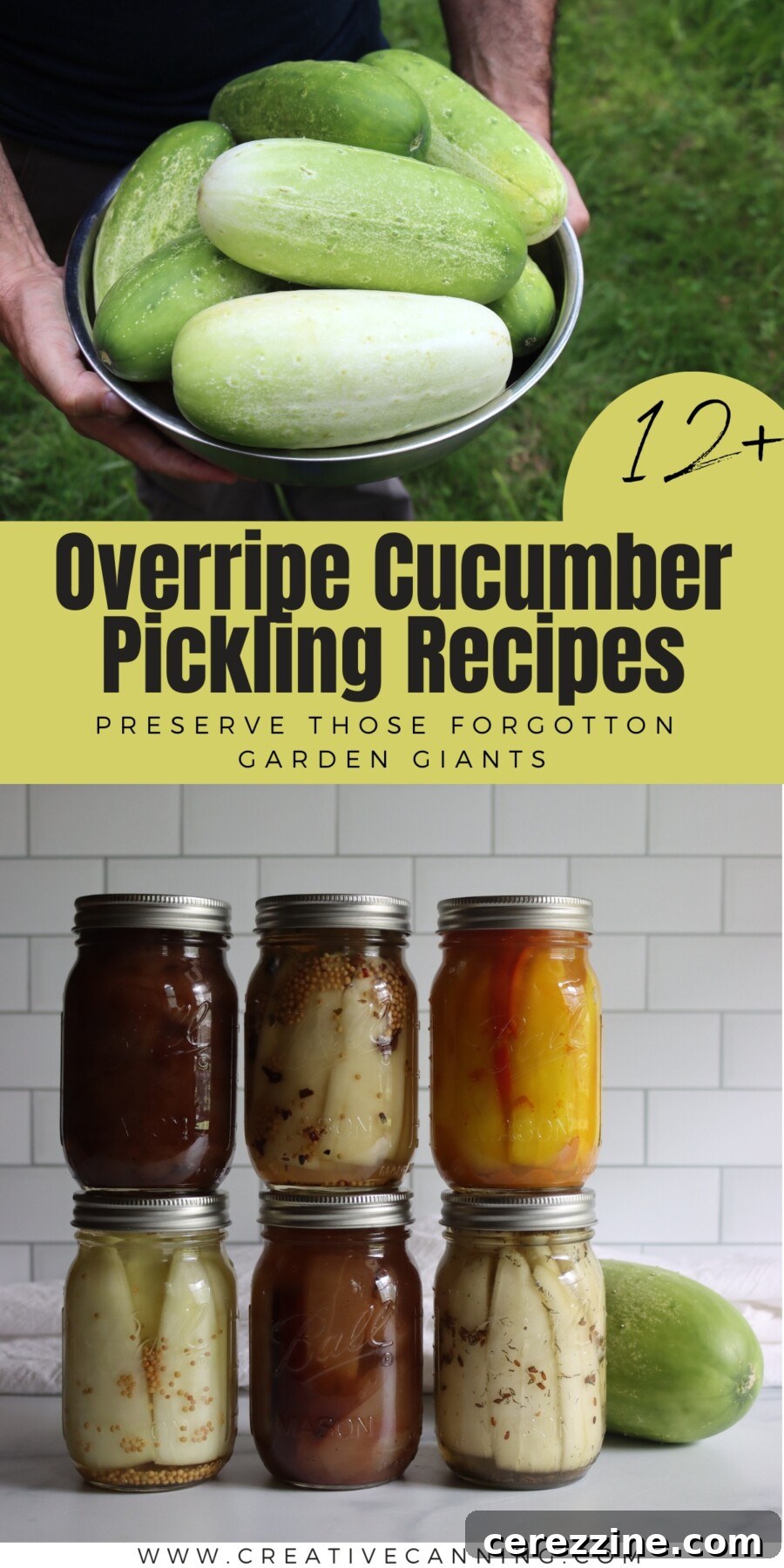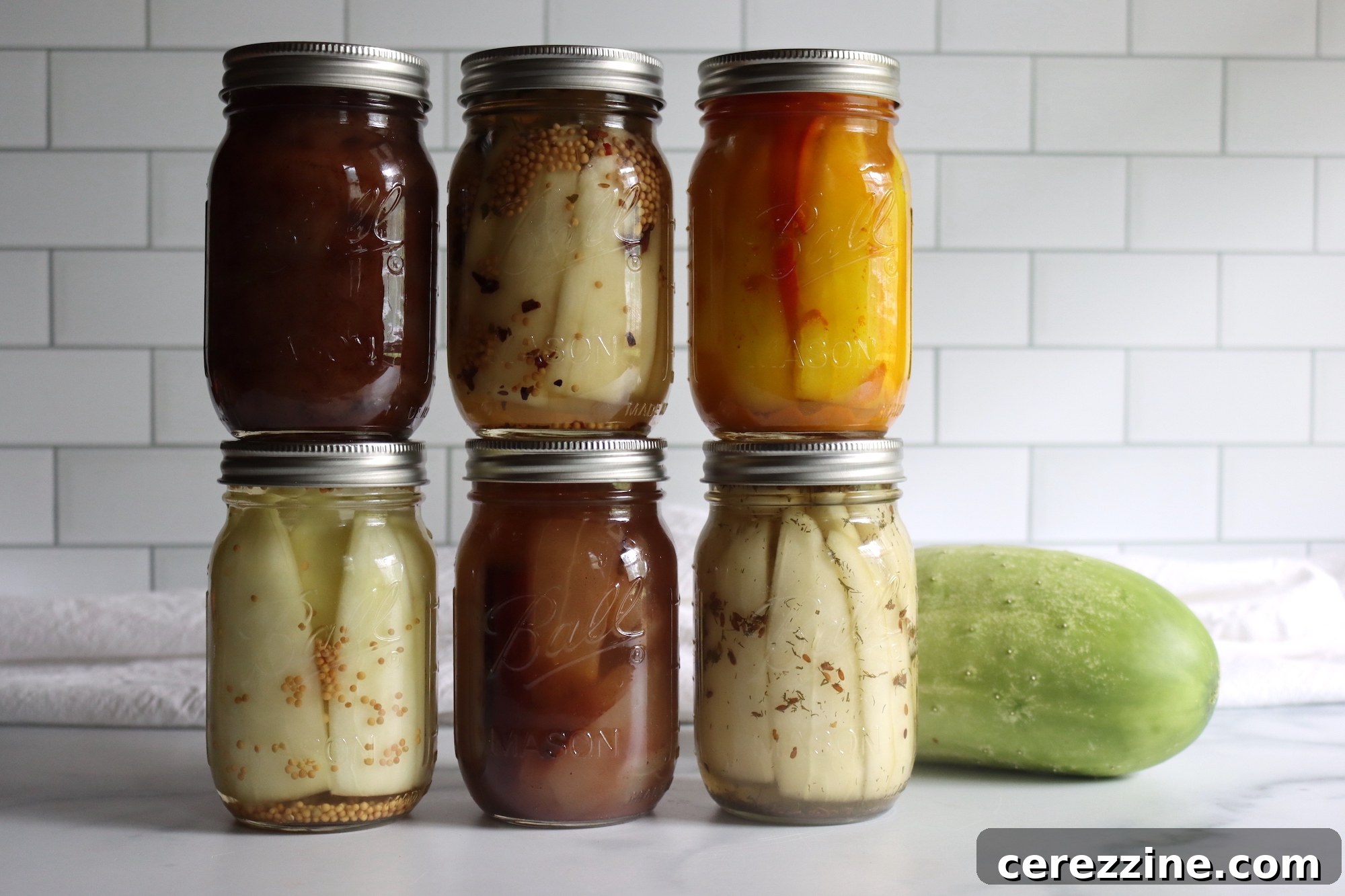
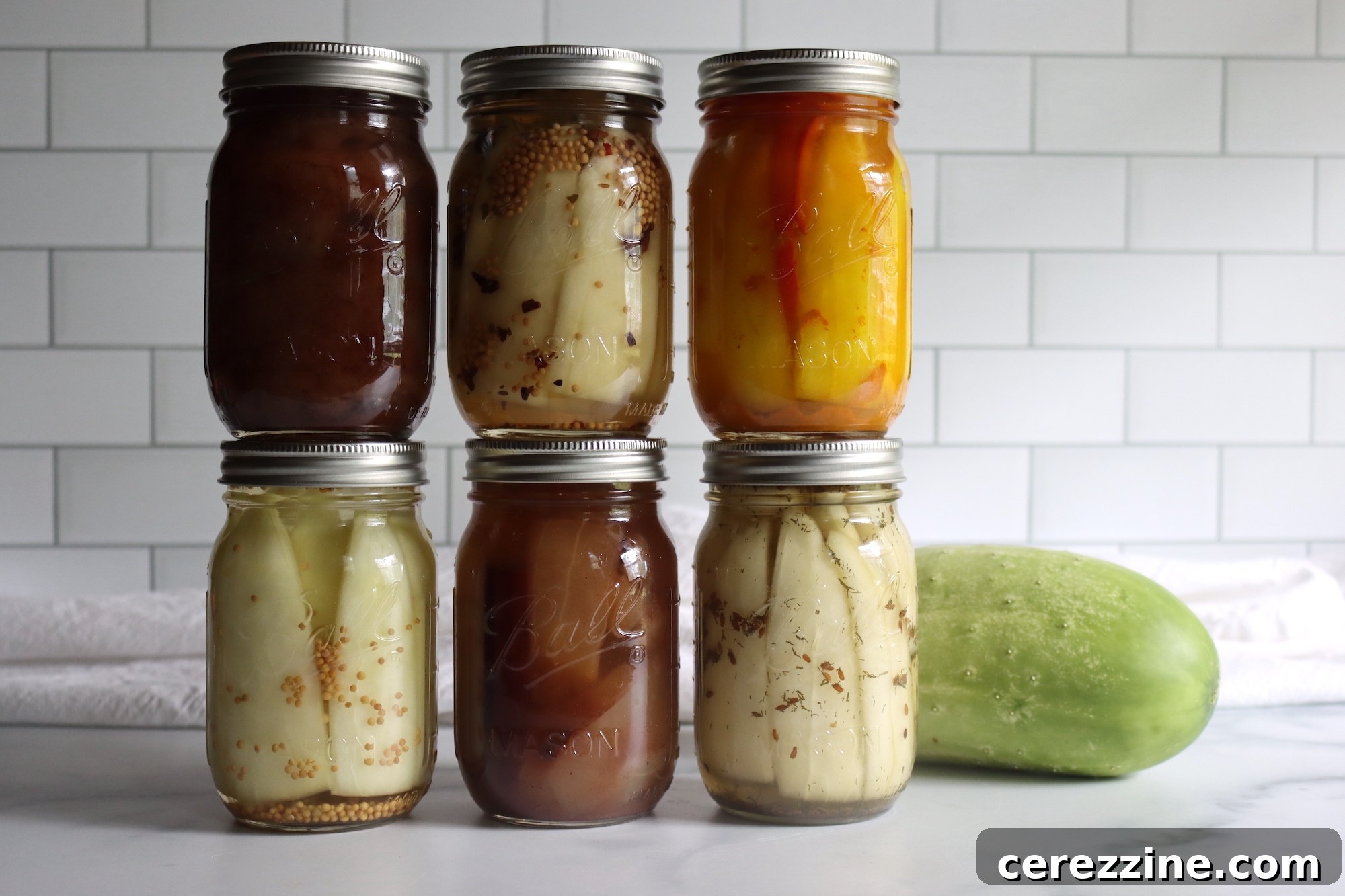
Overripe cucumber pickles are what you get when a handful of forgotten giants lurk under the leaves and turn into jars that last all winter instead of compost. Peel them, scoop out the seeds, and the pale inner flesh soaks up a sweet-and-sour brine far better than a small pickling cucumber ever will.
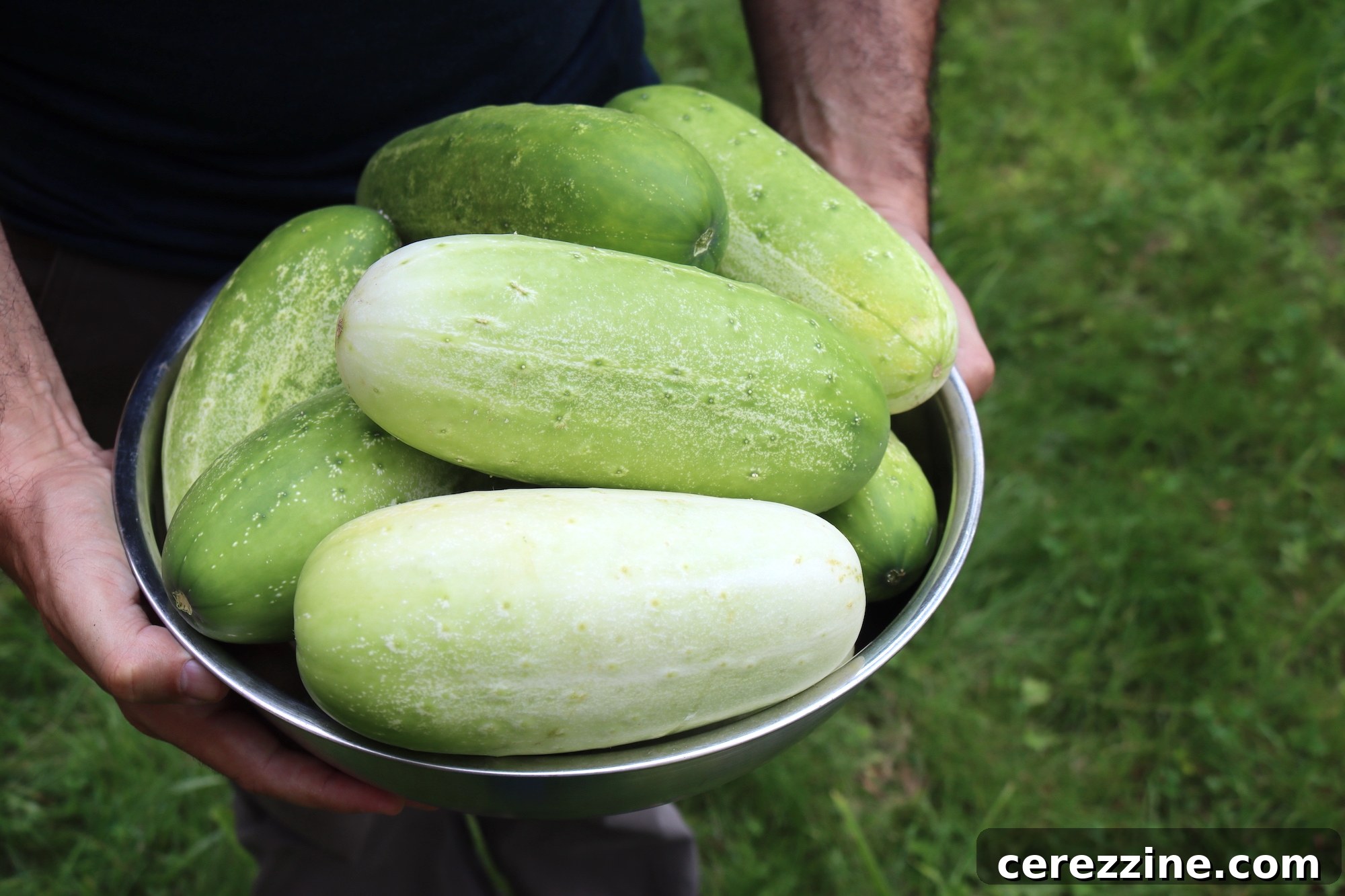
Every August I empty the cucumber patch, leave for a few days to tend the tomatoes, and return to find smuggled-through-the-leaves cucumbers the size of my forearm—pale, hard-seeded, and destined to be called “the ones that got away.” For years I treated them as a loss, until I learned that many pickle traditions were built around these exact oversized fruits. Once you know the techniques, you may even leave a few to mature on purpose.
German senfgurken, Danish asier, and old Vermont maple-style pickles all prefer a large, mature cucumber that’s been peeled and seeded down to the firm flesh. The National Center for Home Food Preservation also recommends using oversized cucumbers in relishes, where chopping and salting tame bitterness and remove excess water. Between relishes and chunk-style pickles, nearly every surplus cucumber finds a good use.
How to Tell if an Overripe Cucumber Is Still Usable
An overripe cucumber’s skin fades from green to yellow or orange, and the fruit swells wider than normal. Slice it open and you’ll see a large seed cavity with pale, hard seeds. What matters is the ring of firm flesh between the skin and that cavity. If that ring is dense and crisp when pressed with a thumbnail and makes up a decent portion of the fruit, the cucumber is worth peeling and pickling.
Skip any cucumber that feels soft, slick, or spongy. If the flesh yields under gentle pressure, if the skin feels slippery, or if you find brown or water-soaked spots inside, compost it. Once a cucumber goes spongy through, no brine will restore texture. Bitterness can occur after stress like heat or cold; it concentrates near the stem and under the skin, so trimming the stem end and peeling deeply removes most of it. Always taste a raw sliver before committing a large batch—bitter cucumbers make bitter pickles.
Why Overripe Cucumbers Need Their Own Recipes
You can’t drop a giant cucumber into a dill-pickle recipe and expect good results. Tested recipes call for specific sizes because a large cucumber holds a lot of water in a loose, seedy center: that watery core dilutes brine and turns to mush in the jar. The solution is structural—peel, split, and scoop out the seeds, then cut the remaining firm flesh into batons, wedges, or chunks. Many traditional recipes start that way for a reason.
Safety does not change with size: cucumbers are low-acid and rely on the vinegar in a tested recipe to make the jar safe. Do not alter vinegar-to-water ratios and use vinegar labeled at 5 percent acidity. Also trim a thin slice from the blossom end of each cucumber to remove enzymes that can soften pickles, and use canning or pickling salt to keep brine clear.
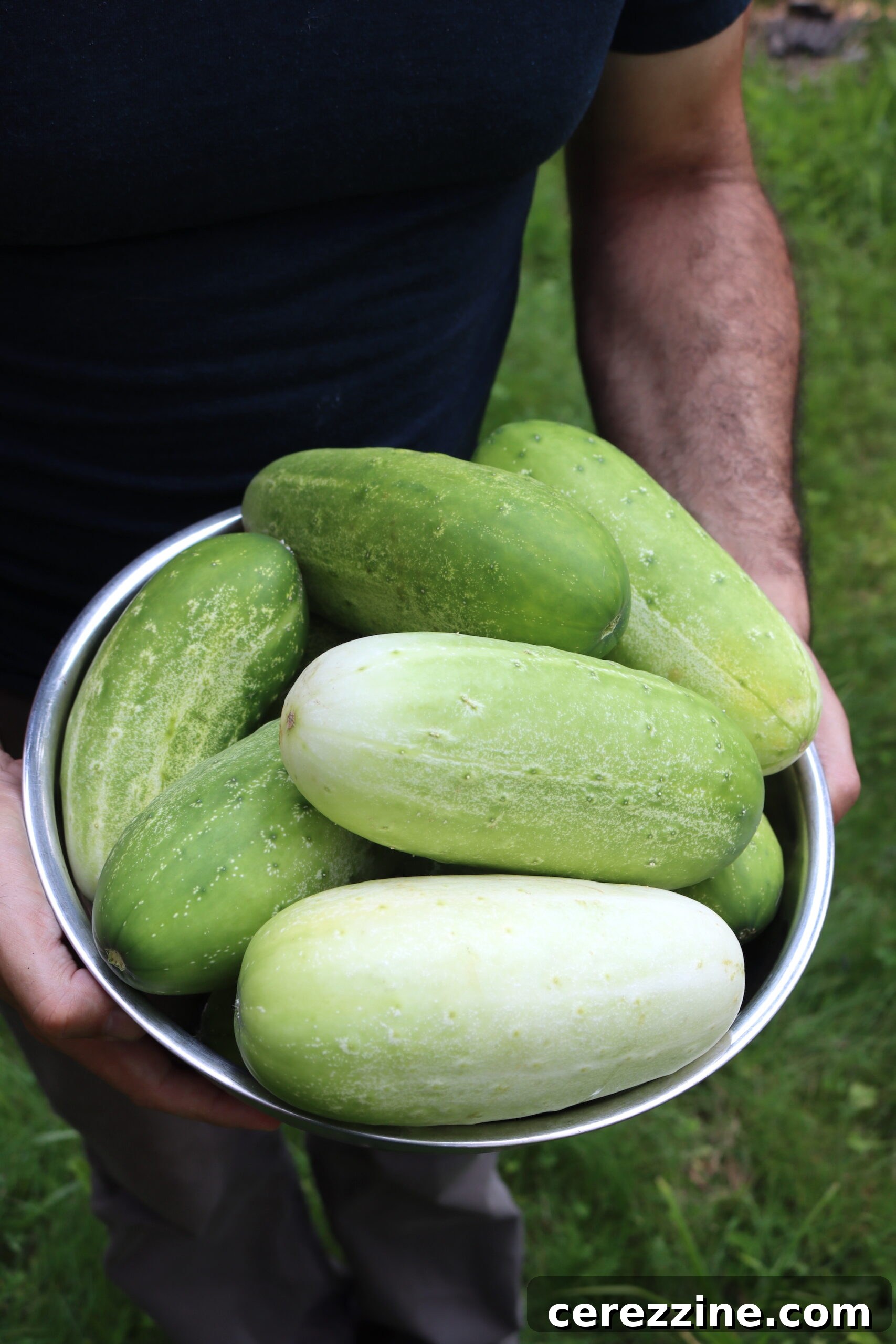
Peeled and Seeded Pickles for Overripe Cucumbers
These recipes are built specifically for big cucumbers. Peel away the tough skin, split lengthwise, scrape out the seeds with a spoon, and cut what remains into the shape the recipe calls for. The result rarely looks like a fresh cucumber anymore, which is exactly the point. Without the skin and seeds the flesh is dense and mild, behaving more like a squash or melon rind in the jar and soaking up mustard, turmeric, dill, or a sweet syrup while staying pleasantly firm.
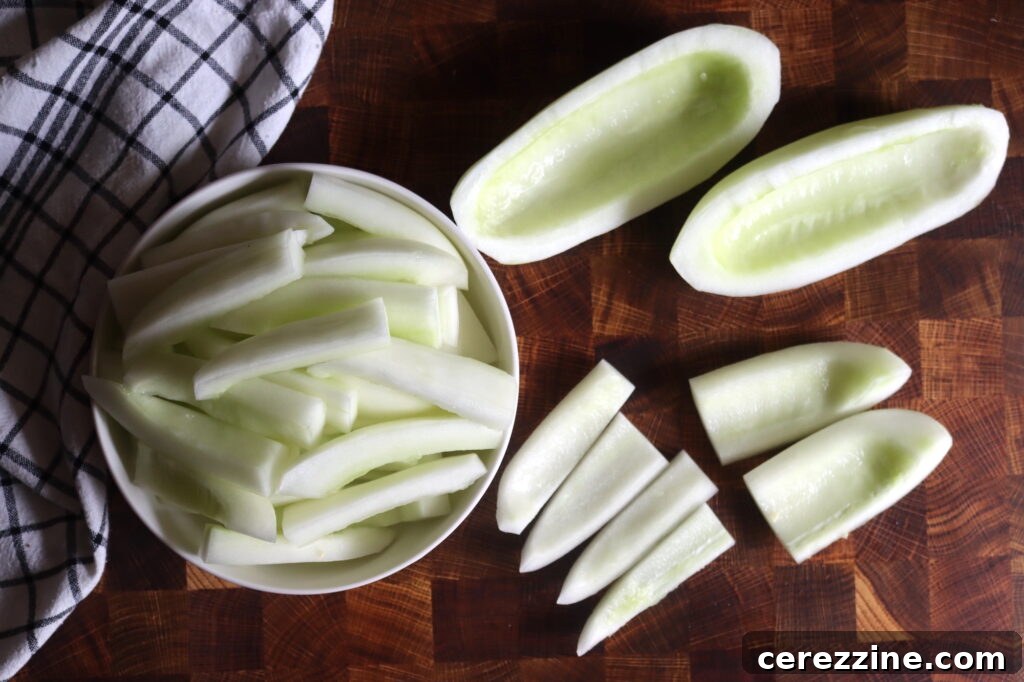
European Heritage Cucumber Pickles
Northern Europe has long pickling traditions for large cucumbers. These versions tend to be sweet-and-sour with mustard and warm spices rather than garlic-and-dill. All begin the same way: peeled, split, seeded, then cut into batons or wedges and preserved as a side dish rather than as sandwich pickles.
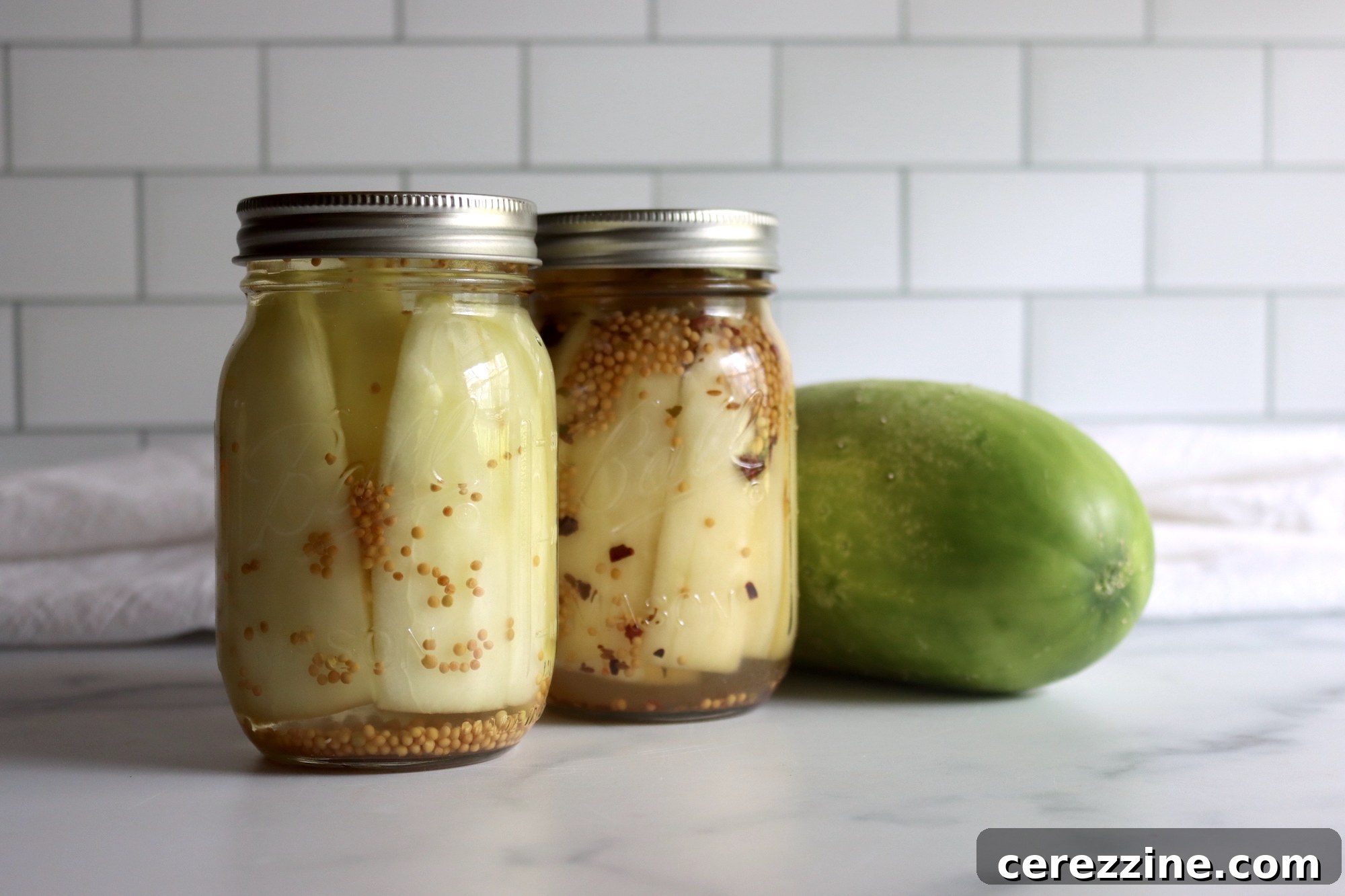
- Senfgurken (German mustard pickles): peeled batons in a mustard-seed brine, both sharp and sweet.
- Danish asier: long peeled wedges in a gently spiced sweet brine, a classic accompaniment to roast pork and open-faced sandwiches.
- Russian-style “bear claw” pickles: treated like candied rind, cooked in spiced syrup until translucent and sweet.
- Cucumber lemon pickles: peeled chunks packed with a slice of lemon, a bay leaf, and a clove of garlic for a fresh citrus finish.
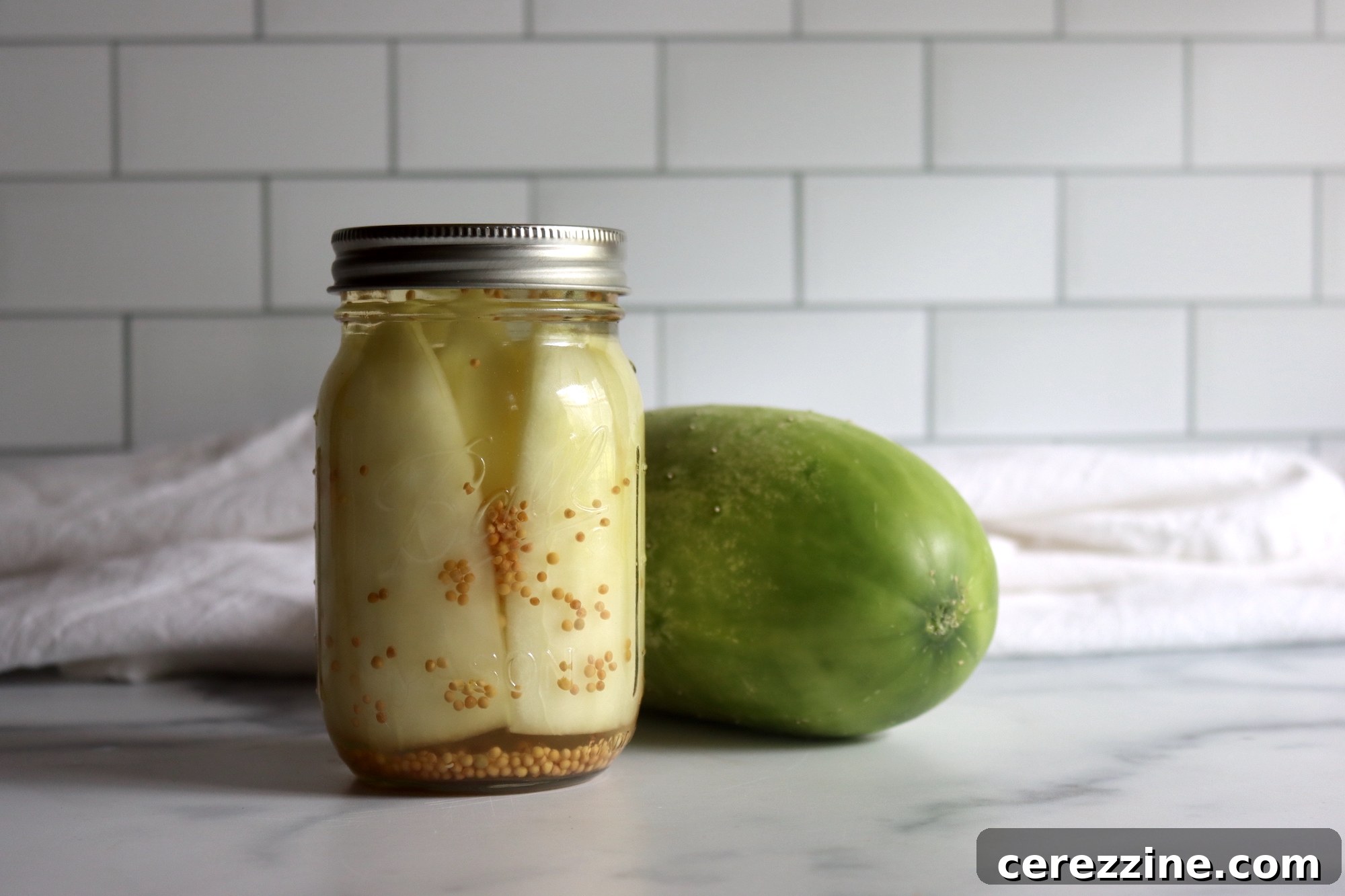
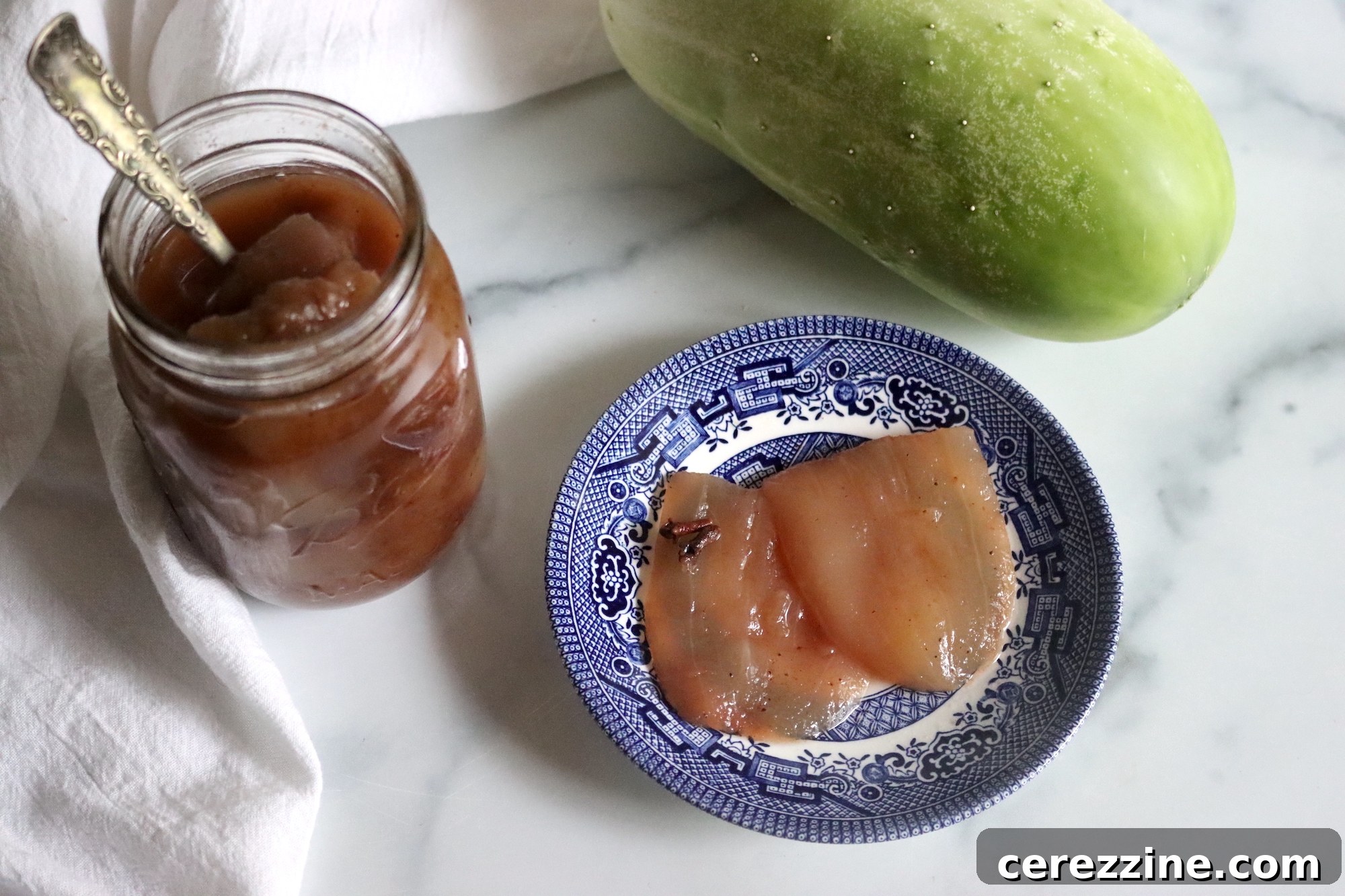
Homestead and Heirloom Cucumber Pickles
Family and heirloom recipes often take a peeled and seeded large cucumber in surprising directions. These recipes have been adjusted to tested proportions and proper water-bath processes so they can be made safely at home.
- “Tongue” pickles (Vermont maple pickles): broad peeled slices curled into a tongue shape and sweetened with maple syrup in an old New England style.
- Ruth’s pickles: a frugal, resourceful Southern-style approach that uses what’s on hand to feed a family, adapted here with tested proportions for safety.
Bread and Butter Pickles from Large Cucumbers
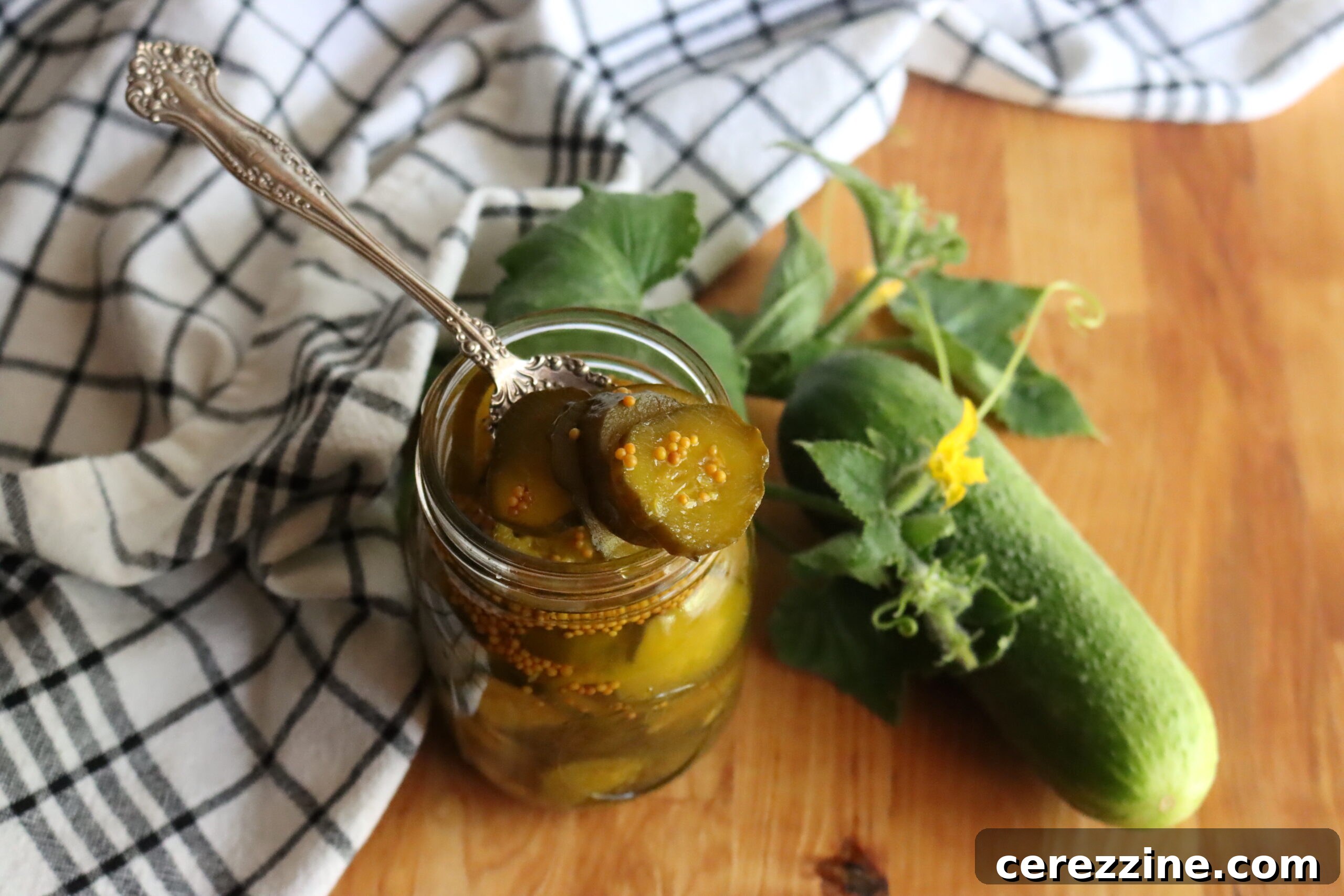
Mature cucumbers are well suited to bread-and-butter pickles. The fruit is sliced thin, salted under ice for several hours to draw out water, then simmered in a sweet, turmeric-and-mustard-seed syrup. Each step counters the excess water that makes a large cucumber tricky. If slices are too wide, halve the cucumber lengthwise and scoop the seeds before slicing to get a better sandwich-sized chip and remove the watery core. The ice bath is essential—allow the full three to four hours the method requires.
- Classic bread-and-butter pickles: sweet, turmeric-yellow sliced pickles that work wonderfully on burgers and sandwiches.
Relishes for Overripe Cucumbers
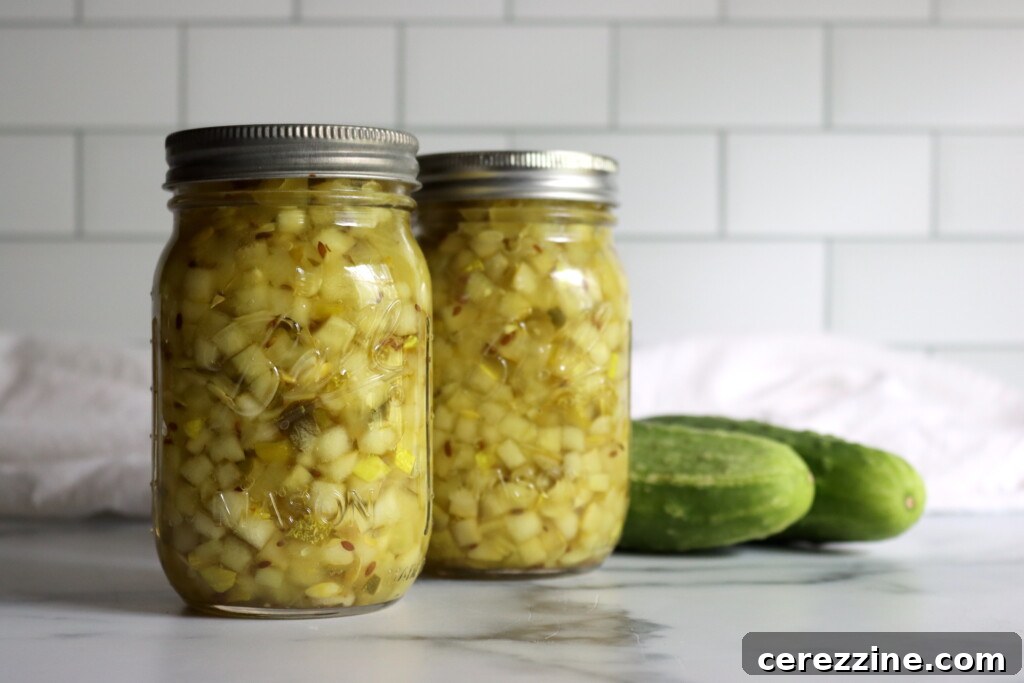
If you have a mountain of cucumbers and limited time, relish is the fastest route. Once everything goes through a food processor no one can tell whether the fruit started out four inches or fourteen, and salting the chopped vegetables removes excess water. Relish is the category extension services explicitly recommend for mature cucumbers.
Always peel and seed before chopping. The tough skin becomes chewy flecks that never soften and the seeds turn grainy in a smooth relish. After peeling and seeding, a food processor turns a harvest into relish in minutes—perfect when the garden outruns you.
Sweet and Classic Cucumber Relishes
Relishes range from heavily sweetened hot-dog relish to leaner versions that let cucumber and spice shine. They share the same basic method: salt the chopped vegetables, drain them well, then simmer with vinegar, sugar, and spices before canning.
- Classic pickle relish: chunky and balanced, with mustard and celery seed providing backbone rather than too much sugar.
- Sweet pickle relish: finely chopped and sweet, ideal for hot dogs, deviled eggs, and potato salad.
- Cucumber relish with peppers and celery: adds color and a fresher flavor than plain relish.
- Dill relish: finely chopped garlic and dill concentrated into a spoonable salsa for burgers and sandwiches.
Mustard Relishes and Piccalilli
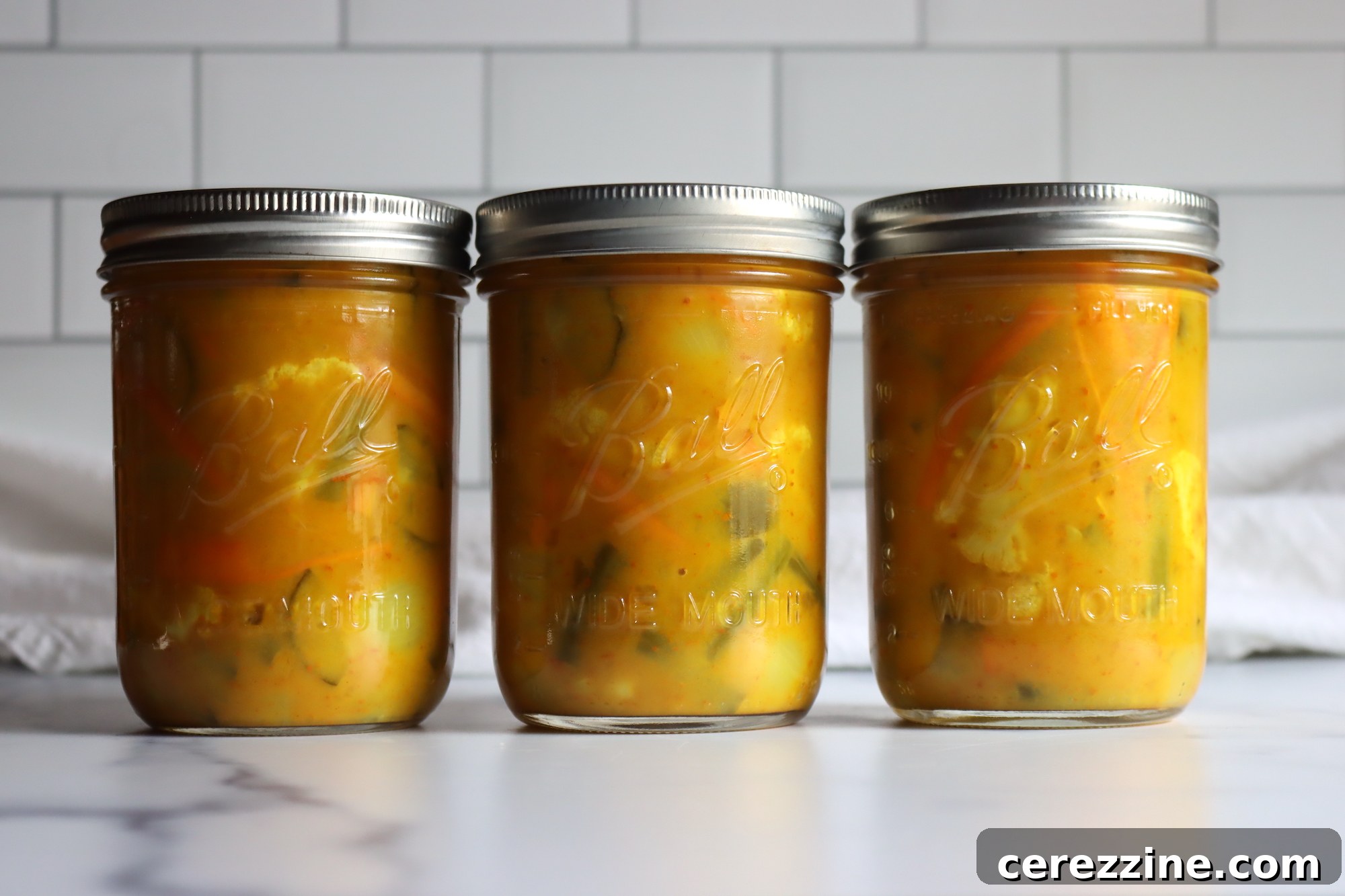
Mustard-forward relishes are thicker and sharper, meant to accompany cold meats rather than sit on hot dogs. They mix cucumber with other garden veg—onions, cauliflower, beans—and are bound with a turmeric mustard sauce. Because these relishes include multiple low-acid vegetables, follow the recipe proportions exactly rather than improvising, so the vinegar amount remains appropriate for food safety.
- Piccalilli (English-style mustard pickles): cauliflower, cucumber, and green beans in a thick turmeric-mustard sauce.
- Maritime-style mustard pickles: cucumber chunks and pearl onions in a bold yellow mustard sauce, a classic at community suppers.
- Southern-style chow chow: a mixed-vegetable relish that’s a great way to use oversized cucumbers alongside other late-season produce.
Keeping Overripe Cucumber Pickles Crisp
Softness is the main complaint with pickles made from large cucumbers, and most of it comes from excess water or overprocessing. Respect the salt soak or ice bath times in recipes and drain thoroughly afterward—squeezing relish in a towel before simmering helps a lot. Trim the blossom end, follow processing times exactly, and remove jars from the canner promptly to avoid overcooking. A measured firming agent such as calcium chloride (sold as pickle crisp) can be added at packing time to help maintain texture. Pickling lime can also firm pickles but only in recipes written for its use, since it requires a long rinse routine.
Most pickles improve after a few weeks on the shelf; chunk pickles in particular need a month for the syrup to penetrate to the center. Label jars with the date and give them time before judging the flavor and texture. Good-quality pickling salt and a reliable 5 percent distilled white vinegar matter more here than in many other kinds of preserving—avoid salts or vinegars with unknown additives or acidity.
Overripe Cucumber Pickle FAQs
Can you make pickles from overripe cucumbers? Yes. With the right recipes, oversized cucumbers are ideal for relishes, bread-and-butter pickles, and peeled-and-seeded chunk styles like senfgurken and asier. Follow tested recipes exactly for safety.
Do you have to peel and seed overripe cucumbers before pickling? Most recipes for large cucumbers call for peeling and seeding because the mature skin toughens and the seed cavity holds water that dilutes brine. Follow the recipe guidance rather than substituting a large cucumber into a recipe written for small picklers.
Are yellow cucumbers safe to eat? A yellow cucumber that is still firm inside is a mature fruit and is safe to eat or pickle in a tested recipe. Discard any that are soft, spongy, or show internal browning or water-soaked spots. Taste a sliver to check for bitterness before preserving a whole batch.
Can you use overripe cucumbers for dill or fermented pickles? They are a poor fit for whole dill pickles and crock fermentation because a large, mature cucumber will not hold texture through those processes. For dill flavor from large cucumbers, make dill relish instead.
Why did my overripe cucumber pickles turn out mushy? Usually from too much water or too much heat. Allow the salt soak or ice bath full time, drain well, trim the blossom end, and process for exactly the stated time. Adding a measured amount of calcium chloride at packing time will help keep pickles crisp.
There is a special satisfaction in opening a jar in February that began as a cucumber you were ready to toss. Overripe cucumbers make a different kind of pickle—denser, sweeter, and a little stranger—and once you stock a shelf with them you stop resenting the ones that got away.
If you still have regular-sized cucumbers, many recipes exist for dills, sours, and sweet gherkins, and tiny fruits make excellent cornichons. Likewise, a broad collection of pickle recipes can turn whatever else the garden threw at you—beans, peppers, zucchini—into jars worth keeping.
Cucumber Pickling Recipes
Old Fashioned Cucumber Lime Pickles (with Pickling Lime)
Dill Pickle Spears
Classic Dill Pickles
Vegetable Pickling Recipes
Pickled Dilly Beans (Dill Pickled Green Beans)
Pickled Banana Peppers
Canning Sauerkraut