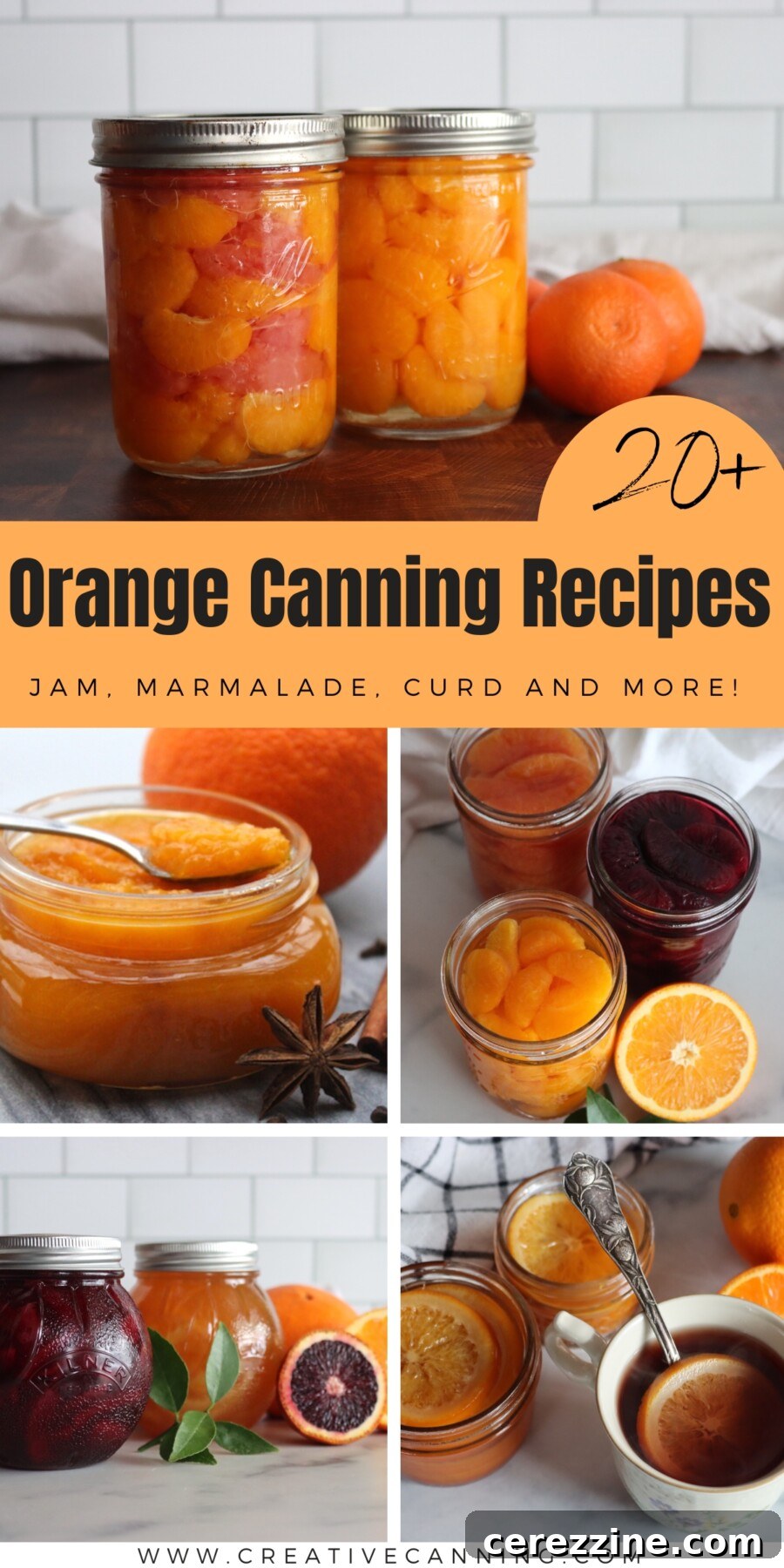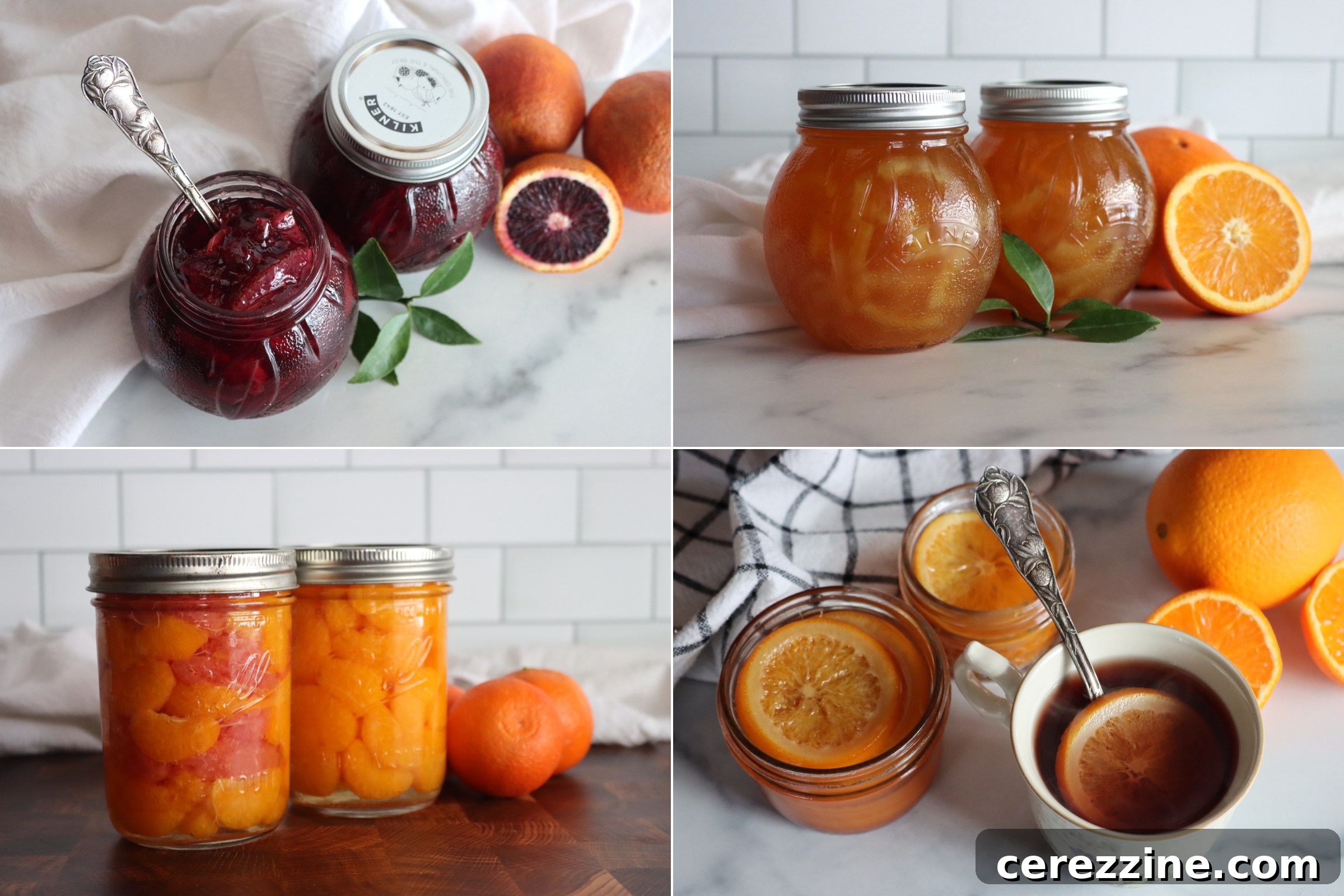
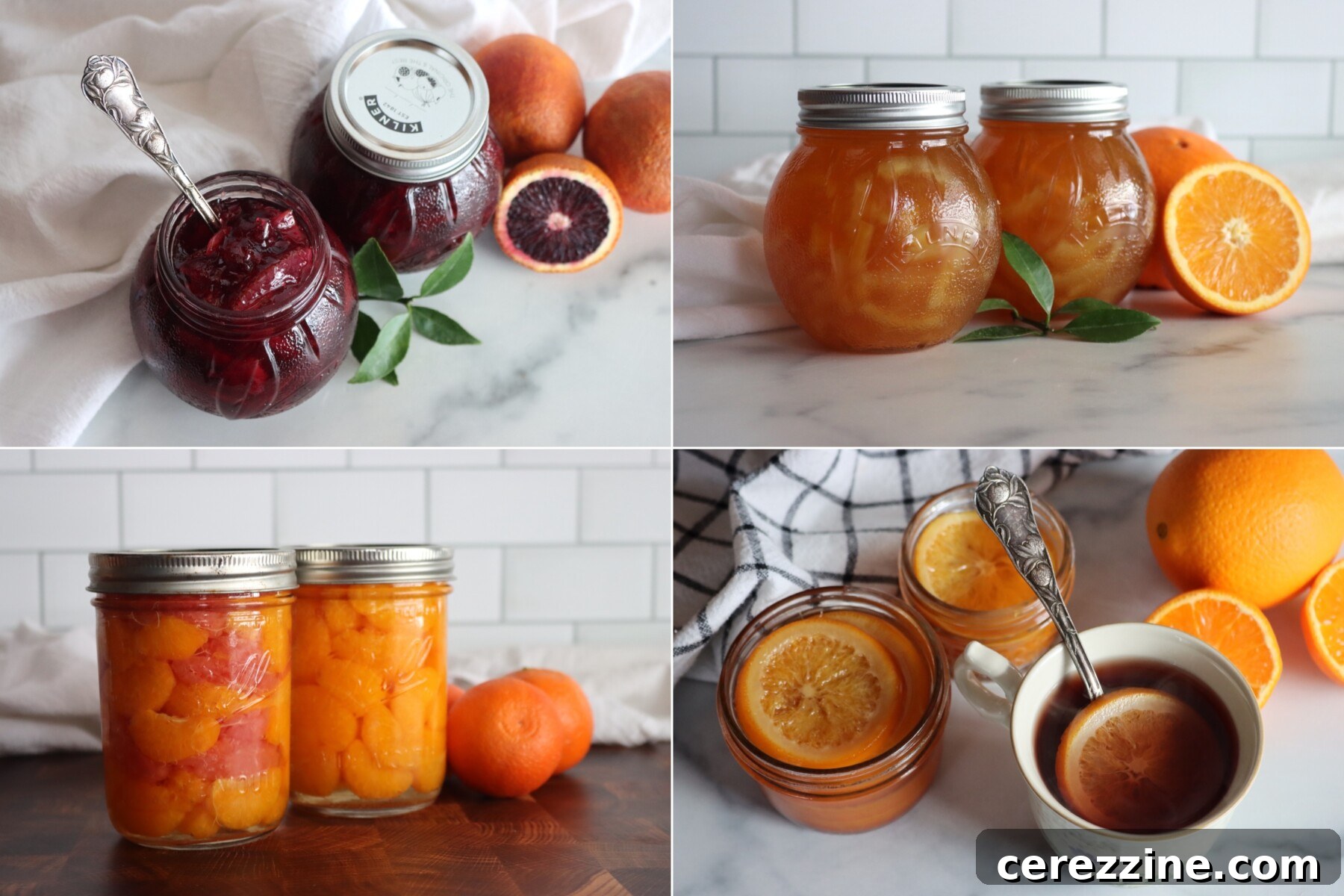
Orange canning recipes transform the practical task of winter preserving into a vibrant, joyful experience. Far from being merely utilitarian, oranges bring a burst of bright color, captivating fragrance, and forgiving versatility to your pantry. They feature prominently in everything from classic fruit preserves to artisanal marmalades, each jar embodying the essence of bottled sunshine to brighten even the dreariest winter day.
The colder months herald the peak of citrus season, making winter the prime time to indulge in bulk purchases of these jewel-toned fruits. Grocery store oranges typically reach their sweetest and juiciest perfection during this period, making it all too easy to bring home “just one bag” that miraculously multiplies into a counter full of fragrant bounty. This abundance presents an ideal opportunity for home canners to capture their vibrant flavor for year-round enjoyment.
Historically, oranges were a rare luxury, not the year-round staple we enjoy today. This scarcity encouraged people to master preservation techniques that utilized every precious part of the fruit. The peel, in particular, was prized for its concentrated, deep orange flavor and aromatic oils, a tradition that continues to inspire our best orange canning practices today.
This rich history is why orange canning recipes endure. They are inherently practical, offering a reliable way to extend the shelf life of seasonal produce. Yet, they also deliver a touch of luxury, transforming humble fruit into gourmet treats that feel incredibly special when the world outside is gray and frozen. Opening a jar of homemade orange preserve is like unwrapping a gift, a small reminder of summer’s warmth and bounty.
Why Can Oranges? The Benefits of Citrus Preservation
Canning oranges offers a multitude of benefits, extending far beyond simply preserving fruit. It’s an act of culinary creativity, a sustainable practice, and a way to infuse your pantry with unparalleled flavor:
- Capturing Peak Flavor: Oranges are at their best in winter. Canning them at their peak sweetness and juiciness locks in that intense, fresh flavor for months to come, surpassing many commercially processed options.
- Cost-Effective: Buying oranges in bulk during their seasonal peak is often more economical. Canning allows you to capitalize on these savings and enjoy high-quality fruit without premium prices later in the year.
- Reducing Food Waste: If you find yourself with an abundance of oranges, canning prevents them from spoiling, turning surplus into a valuable asset.
- Versatility in the Kitchen: From sweet marmalades and jellies to savory chutneys and sauces, canned oranges can be incorporated into an incredible array of dishes, offering a versatile ingredient for countless recipes.
- Handmade Gifts: Beautifully jarred orange preserves make thoughtful, personalized gifts for friends, family, and neighbors, showcasing your culinary skills and generosity.
- Pantry Luxury: There’s immense satisfaction in seeing your pantry stocked with homemade goods. Orange preserves add a vibrant, cheerful touch, making everyday meals feel more special.
- Control Over Ingredients: When you can at home, you control exactly what goes into your jars, allowing you to avoid artificial preservatives, adjust sugar levels, and use organic produce if desired.
Embracing orange canning is a rewarding endeavor that connects you with food, tradition, and the simple pleasure of homemade goodness.
Citrus Sections in Syrup (or Juice)
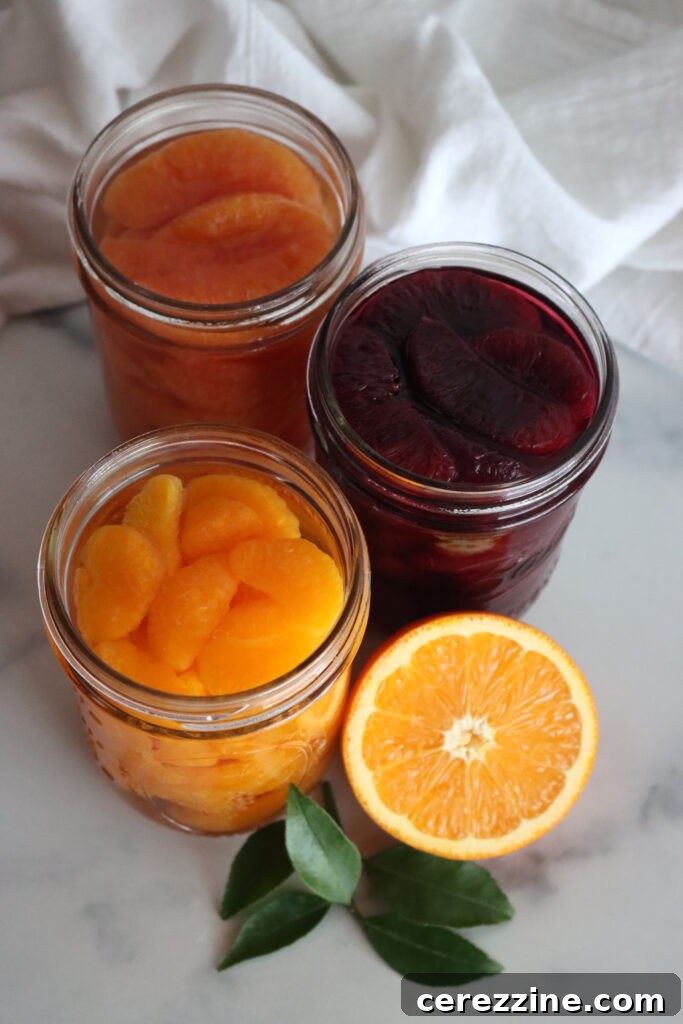
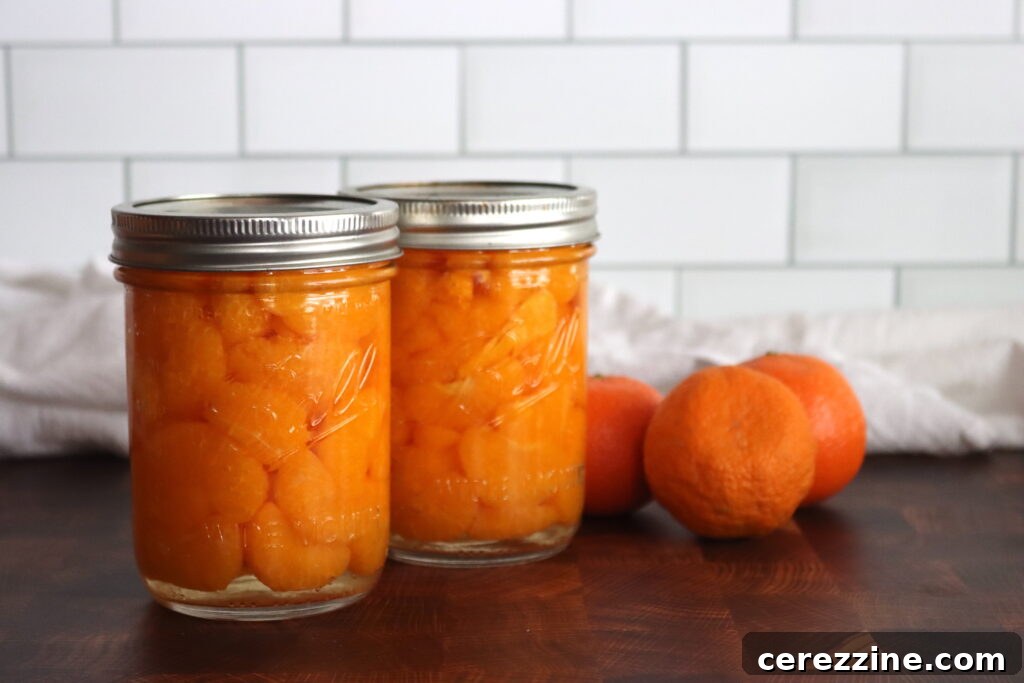
For the most direct “fruit in a jar” experience, canning whole or segmented orange sections is a classic choice. The secret to success lies in meticulous preparation: taking the time to thoroughly remove the bitter white pith and membranes. This ensures that only the pure, sweet, and bright citrus flavor makes its way into your jars.
To simplify the removal of pith, consider using a few drops of a Pectic Enzyme solution before canning. This enzyme helps to dissolve the fibrous pith, making it significantly easier to achieve clean, beautifully segmented fruit. It truly makes a world of difference in the final product’s taste and texture.
Once canned, these jars of citrus sections are incredibly versatile. They are perfect for elevating quick desserts, whether layered in parfaits, spooned over shortcake, or used as a vibrant topping for upside-down cakes. Beyond sweets, they’re equally handy for adding a pop of freshness to salad plates, fruit salads, or snack boards, especially when fresh oranges are out of season or limited. Imagine vibrant orange segments enlivening a winter green salad or accompanying a cheese and charcuterie platter.
- Canning Oranges: A Step-by-Step Guide
Orange Marmalade: The Crown Jewel of Citrus Preserves
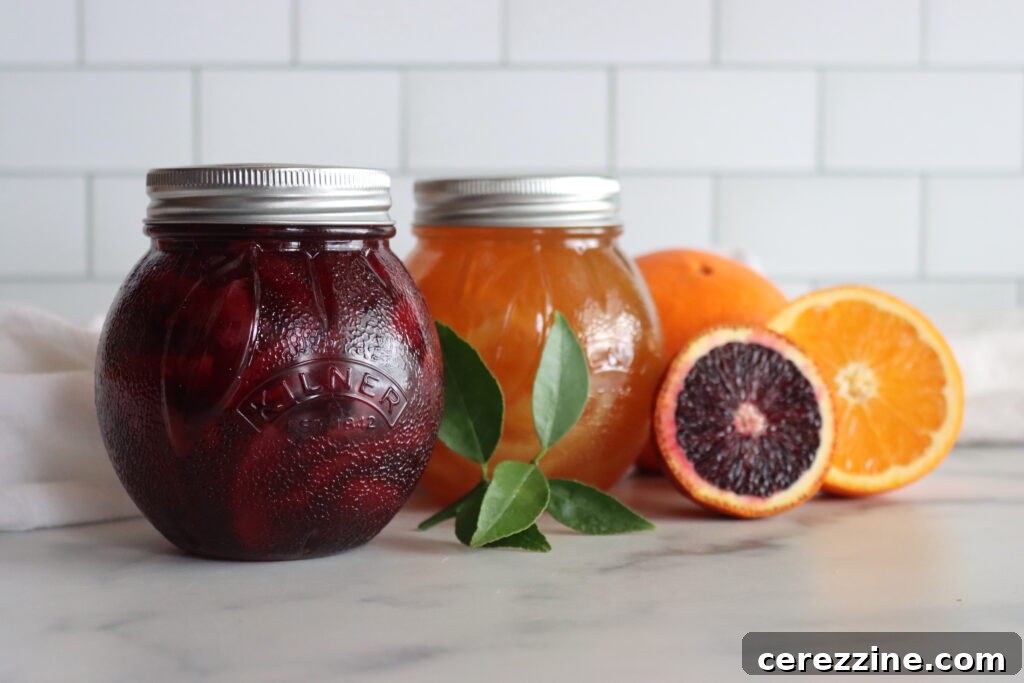
Marmalade is truly where the orange achieves its highest expression in preserving. This classic preserve harmonizes the bright, tangy juice with the intensely aromatic peel, introducing just enough gentle bitterness to create a complex and utterly captivating flavor profile. It’s the kind of preserve that feels sophisticated and “grown up,” yet becomes surprisingly approachable after just a batch or two.
The foundation of any good marmalade is the careful preparation of the fruit, particularly the peel, which holds much of the pectin responsible for its characteristic set. Classic orange marmalade, often made with Seville oranges for their high pectin content and distinctive bitter notes, serves as the benchmark. However, the world of marmalade is expansive and invites endless creativity. From deeply traditional, tangy batches reminiscent of old-world recipes to punchy, modern variations like chili-orange marmalade, perfect for a gourmet cheese board, there’s a marmalade for every palate. Consider infusing your marmalade with ginger, whiskey, or spices for an even more unique twist.
- Classic Orange Marmalade Recipe
- Blood Orange Marmalade: A Visually Stunning Delight
- Low Sugar Orange Marmalade: Healthier & Flavorful
- How to Make Marmalade (With Any Citrus): A Versatile Guide
- Authentic Seville Orange Marmalade
- Bold Orange Chili Marmalade
Orange Jellies & Jams: Smooth & Fruity Spreads
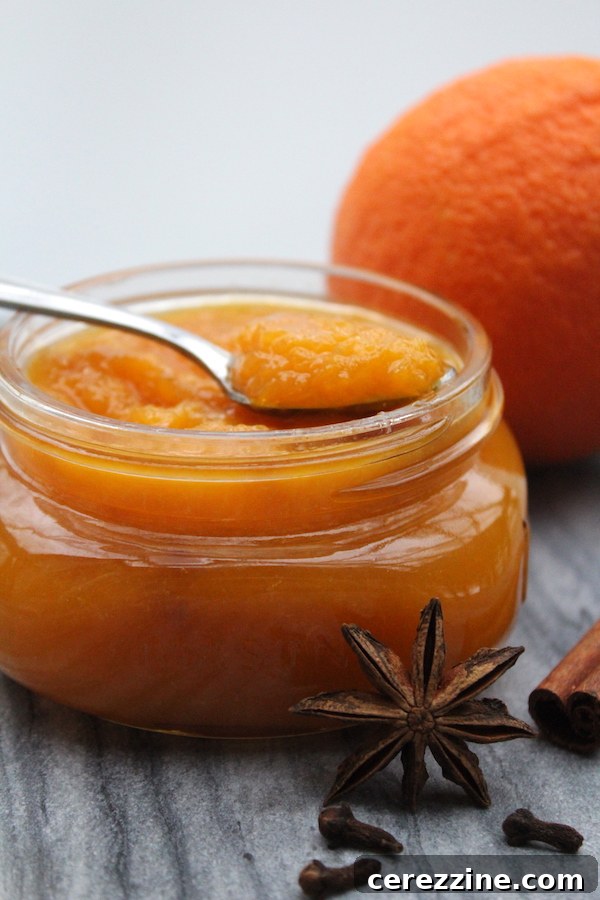
For those who adore the bright, zesty flavor of orange but prefer a preserve without the peel, orange jelly is an absolute winner. This clear, sparkling spread is incredibly appealing and makes for an excellent, elegant gift. You can craft orange jelly either from freshly squeezed juice or, for convenience, from frozen concentrate. The latter is a particularly appealing option when you’re craving a canning project in the depths of winter but lack fresh, peak-season fruit.
Orange flavor also demonstrates remarkable versatility when paired with other fruits. It can confidently stand as the star, as in a warming spiced orange jelly, or act as a subtle yet essential “secret supporting note.” When combined with fruits like plums, rhubarb, or cranberries, orange adds a layer of complexity and aromatic depth that makes the overall flavor profile feel more complete and intriguing. Consider how a hint of orange can transform a simple plum jam into something truly extraordinary.
- Warming Spiced Orange Jam
- Classic Orange Jelly (Ball Recipe)
- Orange Jelly from Frozen Concentrated Juice (with Pectin)
- Spiced Orange Jelly (with Pectin)
- Harmonious Orange Plum Jam
- Vibrant Orange Rhubarb Jam
Orange Juice Canning: Considerations and Best Practices
Canning orange juice is a topic that frequently arises, yet it’s one where I advocate for a cautious approach, particularly for fresh-squeezed juice. In general, canning fresh-squeezed orange juice alone is not widely recommended for home preservation due to significant quality issues and potential safety concerns if not handled precisely. The primary challenge lies in maintaining the juice’s fresh flavor and nutritional integrity; heat processing can often degrade its taste, color, and vitamin content. For preserving pure juice, freezing is almost always the superior method, retaining more of its natural qualities and freshness. (Refer to Ask Extension for more information on safe citrus preservation).
That being said, for those determined to can orange juice, reputable sources like the Ball Blue Book do offer tested recipes. If you choose to proceed, it is absolutely crucial to strain the juice exceptionally well before canning. Any pulp or solids left in the juice can affect its shelf stability and flavor over time. Follow the tested recipe meticulously, paying close attention to acidity levels, processing times, and headspace requirements to ensure a safe and palatable product. While challenging, successful home-canned orange juice can be a convenient addition to your pantry, perfect for cooking or quick refreshment.
- Canning Orange Juice: A Tested Recipe
Orange Sauces: Versatile Culinary Enhancers
Not every orange preserve is destined solely for toast. Orange-based dessert sauces and “fruit-in-syrup” style recipes are among the most gratifying jars to open during the winter months. They instantly transform simple dishes into intentional, gourmet experiences, bringing a touch of brightness to your plate with minimal effort.
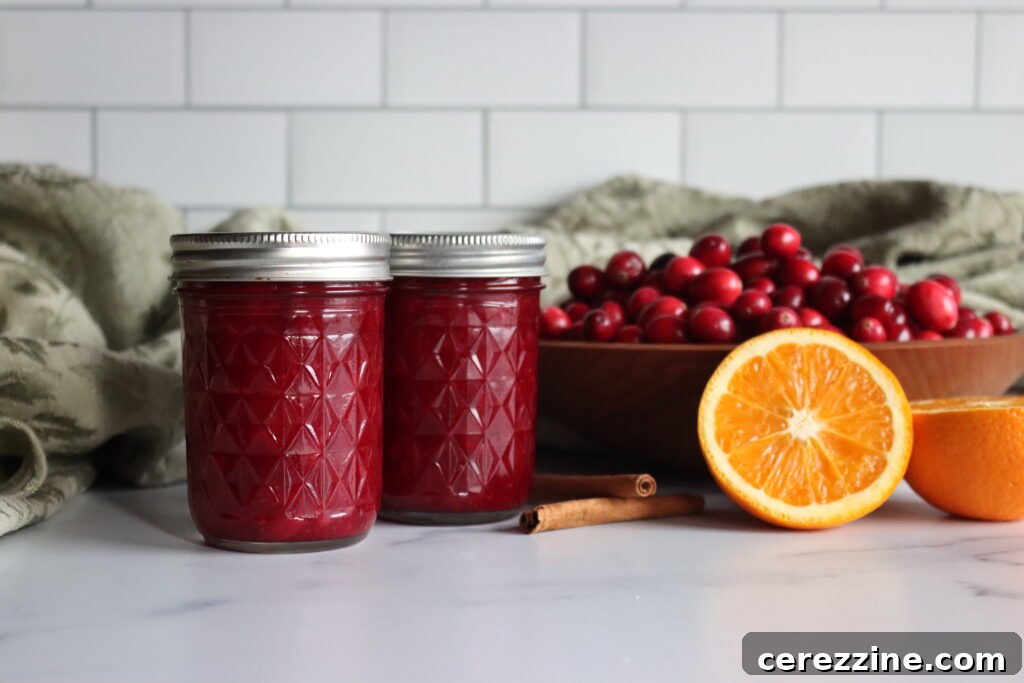
These sauces are incredibly versatile. Imagine luscious orange dessert sauce drizzled over vanilla ice cream, spooned onto pancakes, or used as a glaze for roast chicken. Fruit in syrup, like orange slices in honey syrup, can be served alongside yogurt, granola, or as an elegant accompaniment to roast duck or pork. For a preserve that expertly straddles the line between a sauce and a condiment, cranberry-orange sauce stands out as a timeless classic. Its bright, bold, and tangy flavor profile goes far beyond holiday dinners, proving to be an exceptional pairing for yogurt, cheesecake, and, perhaps surprisingly, roast meats, where its acidity cuts through richness beautifully. These sauces are the secret weapon for elevating both sweet and savory dishes.
- Sunshine Citrus Dessert Sauce (Bernardin)
- Oranges au Cointreau (Bernardin): An Elegant Treat
- Orange Slices in Honey Syrup: A Sweet Indulgence
- Classic Cranberry Orange Sauce
Orange Pickles: A Savory Revelation
While lemon and lime frequently appear in pickling recipes, orange offers a unique contribution to the world of savory preserves. When orange is incorporated into pickles, it typically serves a specific, invaluable purpose: to impart its characteristic fragrance and a delicate sweetness. This helps to soften the sharp edge of vinegar, creating a more balanced and nuanced flavor profile. Orange zest, in particular, has the power to make a pickle taste more “rounded” and less one-note, adding an unexpected layer of aromatic complexity.
One outstanding example of this exquisite pairing is pickled beets with orange. Here, the citrus notes beautifully complement the warm spices often used in beet pickling, enhancing the earthy beet flavor without overwhelming it. This combination is a fantastic reminder that orange is far from being solely a dessert ingredient; it thrives in savory contexts, adding a sophisticated twist to traditional pickled vegetables. Consider experimenting with orange zest in other pickled vegetables like carrots or green beans for a delightful surprise.
- Pickled Beets with Fennel Seed and Orange: A Unique Flavor Combination
Orange Chutneys: Sweet, Tangy, and Spiced
Orange chutneys masterfully combine the best of several worlds: they are simultaneously sweet, tangy, and deeply spiced, possessing just enough acidity to feel bright and invigorating rather than heavy. These are the versatile jars that make everything from roast pork and turkey sandwiches to gourmet cheese boards feel thoughtfully planned and effortlessly elegant. A good chutney elevates a simple meal into something truly memorable.
Cranberry-orange chutney is a perennial classic, beloved for its festive flavor and vibrant color. However, for a more all-purpose option that leans less into “holiday” territory, consider rhubarb-orange versions. These chutneys offer a fantastic balance of tartness and sweetness, complemented by aromatic spices, making them incredibly versatile companions for a wide range of dishes. They are bold, interesting, and genuinely useful additions to any well-stocked pantry, perfect for adding a burst of complex flavor to a weeknight meal or a special occasion spread.
- Classic Cranberry Orange Chutney
- Tangy Orange Rhubarb Chutney
Safe Canning Practices for Oranges
Ensuring the safety and quality of your homemade orange preserves is paramount. Always follow tested recipes from reliable sources such as the National Center for Home Food Preservation (NCHFP), Ball, Bernardin, or your local university extension office. Here are some essential tips:
- Acidity is Key: Oranges, like most fruits, are high in acid, making them suitable for water bath canning. However, always ensure your recipe has sufficient acidity, especially when adding other ingredients.
- Sterilization: Always start with clean, sterilized jars and lids. Follow manufacturer’s instructions for lid preparation.
- Proper Headspace: Leave the recommended amount of headspace in each jar to allow for proper sealing and prevent siphoning.
- Processing Time: Adhere strictly to the processing times and temperatures specified in tested recipes. These times are crucial for destroying harmful bacteria and creating a vacuum seal.
- Altitude Adjustments: If you live at a higher altitude, remember to adjust processing times according to tested guidelines to ensure safety.
- Cooling and Sealing: After processing, allow jars to cool undisturbed on a towel for 12-24 hours. Check seals before storing. Any unsealed jars should be refrigerated and consumed promptly.
- Storage: Store sealed jars in a cool, dark, dry place.
By following these guidelines, you can confidently enjoy the delicious rewards of your orange canning efforts.
Orange canning recipes are more than just a means to preserve fruit; they are an invitation to infuse your pantry with vitality and flavor. These preserves are not merely decorative jars sitting on a shelf; they are genuinely useful, versatile ingredients waiting to brighten your meals.
Whether you’re meticulously preparing a few jars of simple orange sections for quick desserts, diligently stocking up on delectable marmalade for winter breakfasts, or tucking away a spiced chutney for future cheese boards and elegant roast dinners, oranges offer one of the most accessible and rewarding ways to keep bright, sun-kissed flavor on hand throughout the year, even when your garden is deep in its winter slumber. Embrace the cheer and culinary potential of citrus preserving.
Explore More Creative Canning Recipe Lists
If you’re in full “stock the pantry” mode and seeking further tested inspiration by ingredient or canning method, these comprehensive roundups are your perfect next stop for expanding your preserving repertoire:
How to Make Flower Jelly (with 20+ Enchanting Recipes!)
12+ Delicious Cranberry Canning Recipes
100+ Convenient Meal in a Jar Canning Recipes