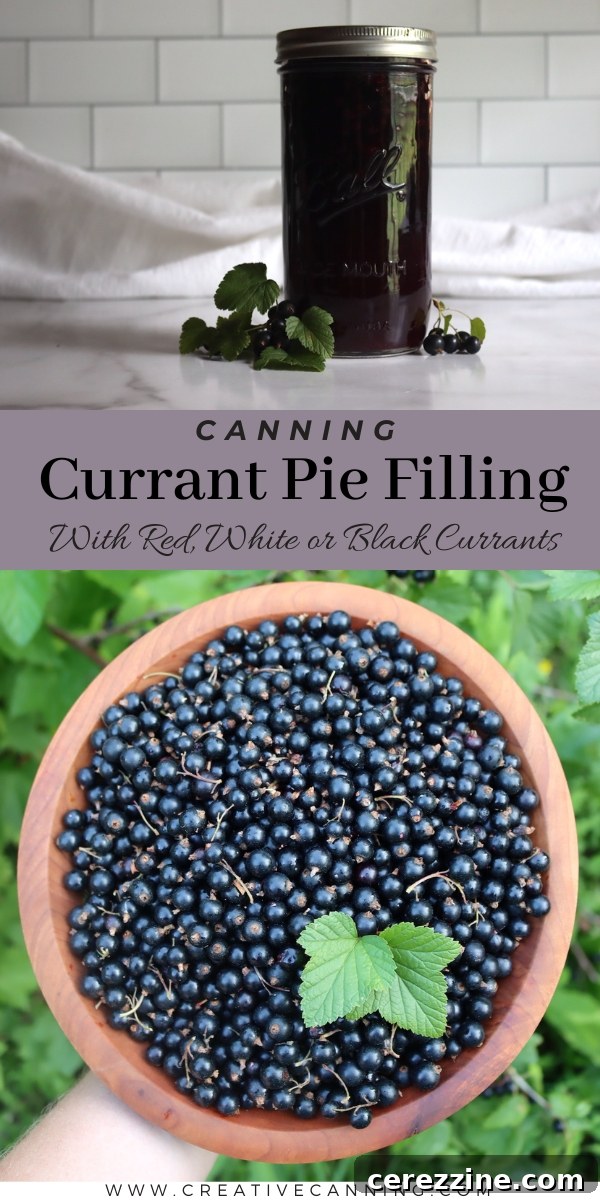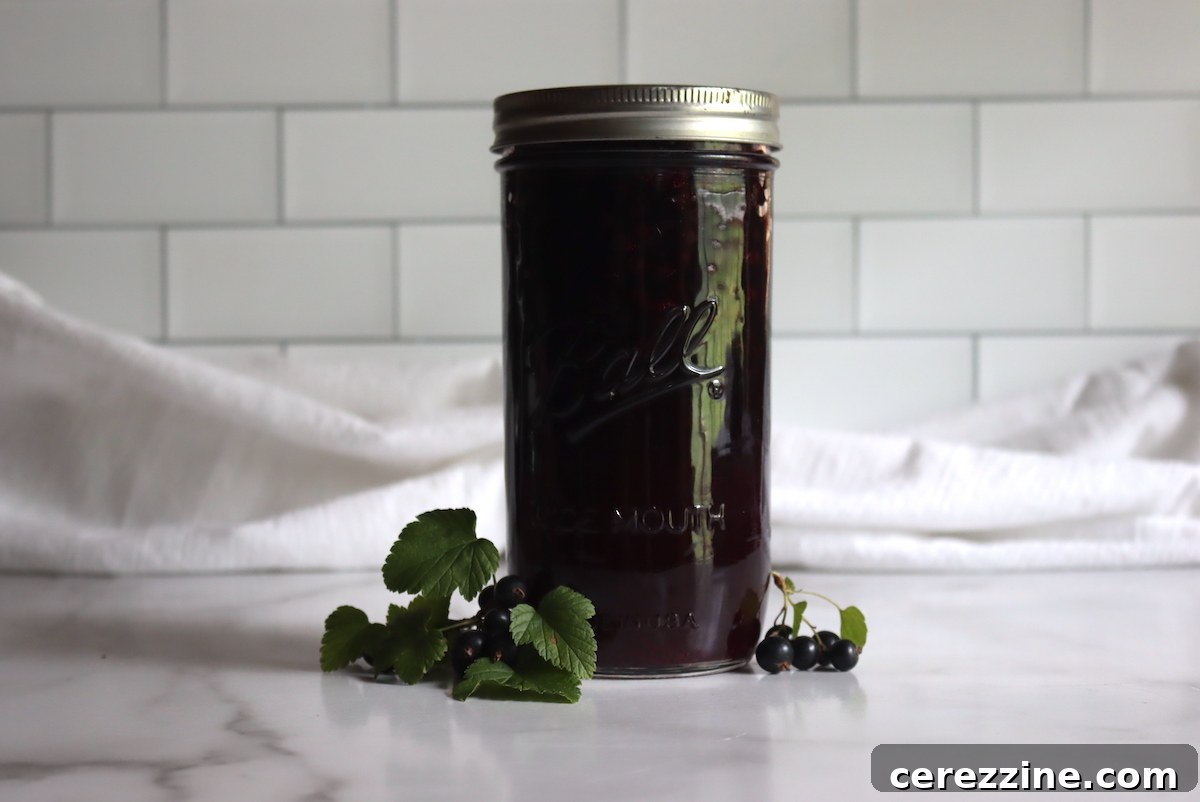
Unlock the vibrant flavors of summer all year long with perfectly preserved currant pie filling. Imagine the delight of a homemade currant pie, tart and sweet, even in the depths of winter. Canning your own currant pie filling is a rewarding process that ensures these delicious berries are always at your fingertips, ready to transform into delectable desserts or delightful breakfast toppings.
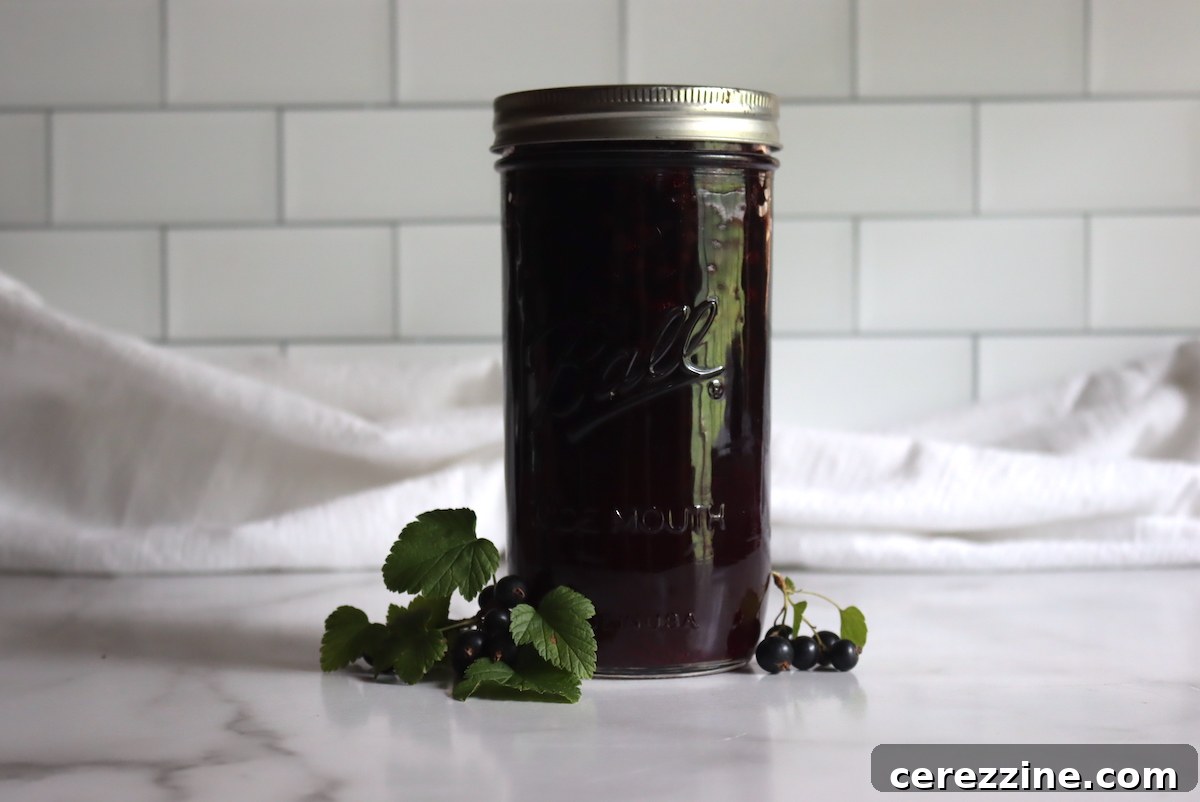
The Joy of Preserving Summer’s Bounty: Why Can Currant Pie Filling?
Currants, with their distinctive tartness and rich color, are a true summer treasure. However, their season is fleeting. Canning offers an ingenious solution to extend their enjoyment beyond the harvest months. By preserving currants as a pie filling, you create a versatile, ready-to-use ingredient that not only simplifies future baking endeavors but also allows you to control the sugar content and other ingredients, ensuring a wholesome product for your family. This method, based on tested USDA guidelines, ensures both safety and exceptional flavor, making it a reliable addition to any home canner’s repertoire.
Understanding Currants: Varieties and Their Best Uses
Currants come in a beautiful spectrum of colors, each offering a slightly different flavor profile and best suited for various culinary applications. For canning pie filling, red and black currants are the preferred choices due to their robust flavors and acidity.
Red Currants: Tangy & Vibrant
Red currants are characterized by their bright, jewel-like appearance and intensely tart flavor. They are often enjoyed fresh, in salads, or as a garnish. When cooked, their tartness mellows beautifully, making them ideal for jams, jellies, and baked goods like tarts and cobblers. In pie filling, red currants provide a classic, tangy berry taste that is both refreshing and comforting.
Black Currants: Bold & Aromatic
Black currants boast a deeper, more musky, and slightly sweeter flavor profile compared to their red counterparts. They are rich in vitamin C and antioxidants, making them a nutritious choice. Black currants are incredibly versatile, used in everything from scones and muffins to savory dishes with duck or venison. Their strong flavor makes them exceptional for jams, liqueurs, and, of course, a distinctly flavored pie filling. The depth of flavor in black currant pie filling is truly unparalleled.
White Currants: Mild & Delicate
White currants are a milder, sweeter cousin to red currants, often lacking the assertive tartness needed for a balanced pie filling. While delightful for fresh eating or delicate preserves like jelly, they tend to be too subtle for a robust pie filling. Therefore, for optimal flavor and texture in your canned pie filling, it’s best to stick with red or black currants.
Selecting and Preparing Your Currants
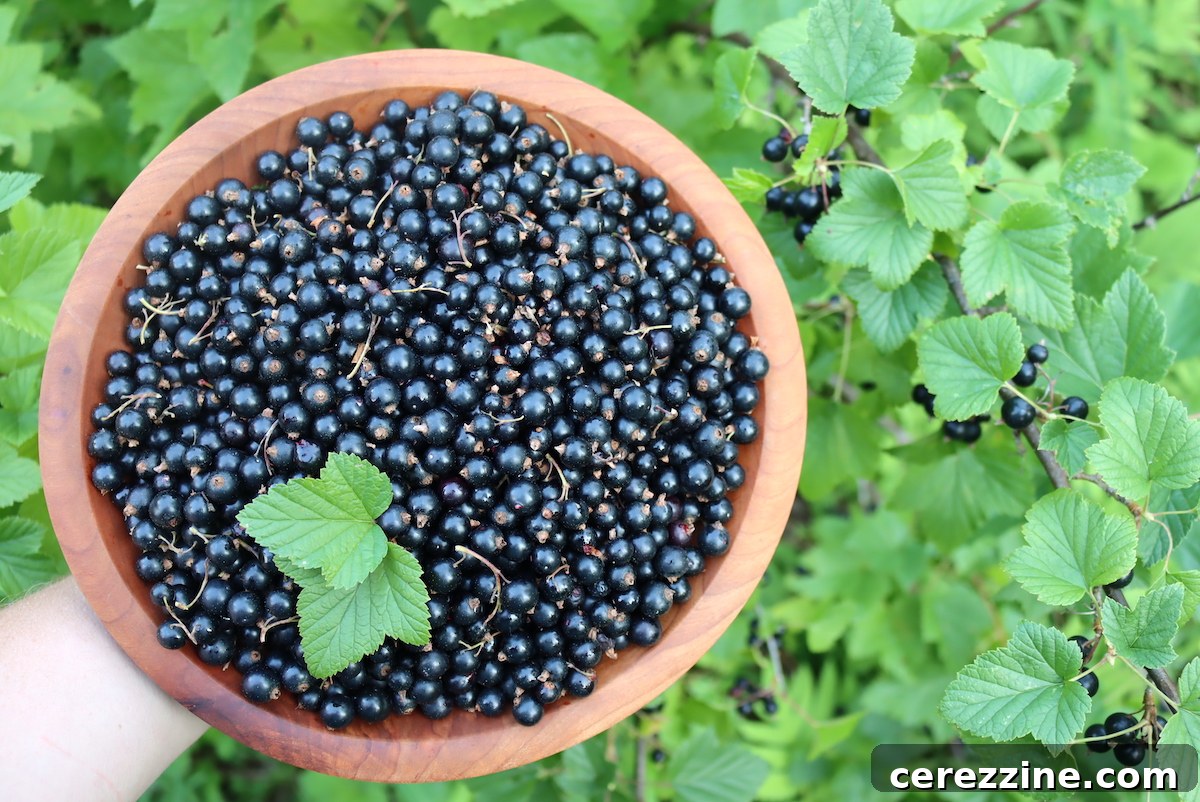
Whether you choose red or black currants, look for berries that are firm, shiny, and plump. Ideally, they should still be attached to their stems, indicating freshness. Before canning, it’s crucial to properly prepare them:
- Washing: Gently rinse the currants under cool water to remove any dirt or debris.
- De-stemming: Carefully remove the individual berries from their stems. This can be a bit tedious, but it’s essential for a smooth pie filling. Discard any soft, damaged, or unripe berries.
- Frozen Currants: If using frozen currants, thaw them in a colander placed over a bowl to catch any released juice. This juice can be incorporated into your pie filling mixture later, adding an extra layer of currant flavor. Simply measure the collected juice and subtract that amount from the cold water quantity needed for the recipe.
Essential Ingredients for Canning Currant Pie Filling
This recipe is adapted from USDA-tested guidelines for berry pie fillings, specifically following the instructions for blueberry pie filling to ensure safety and quality. The exact measurements are critical for proper thickening and acidity.
Yield & Scaling Notes
The ingredients are provided for two common batch sizes: a single 1-quart jar yield and a full 7-quart canner batch. If you need an amount somewhere in between, it is recommended to prepare individual 1-quart batches and then combine them for larger quantities. This approach allows for precise control over sugar and spice proportions, especially if you plan on making slight adjustments.
For a Single Quart:
- 3 ½ cups fresh currants (or frozen, thawed)
- ¾ cups plus 2 tablespoons granulated sugar
- ¼ cup plus 1 tablespoon Clear Jel (regular, not instant)
- 1 cup cold water
- 3 ½ tsp bottled lemon juice
For a 7-Quart Canner Batch:
- 6 quarts fresh currants (or frozen, thawed)
- 6 cups granulated sugar
- 2 ¼ cups Clear Jel (regular, not instant)
- 7 cups cold water
- ½ cup bottled lemon juice
The Critical Role of Clear Jel
For successful and safe home canning of pie fillings, Clear Jel is an indispensable ingredient. Unlike other starches or thickeners (like cornstarch or flour), Clear Jel is specifically designed to withstand the high temperatures of canning without breaking down. This means your pie filling will retain its desired thickness and smooth texture even after months of storage. It is vital to use regular Clear Jel, which thickens upon heating, not instant Clear Jel, which activates immediately with cold liquids and is not suitable for this application. Substitutions for Clear Jel are not recommended for canning safety and quality.
The Importance of Bottled Lemon Juice for Safety
While fresh lemon juice is wonderful for many culinary uses, when it comes to canning, bottled lemon juice is the safest choice. Bottled lemon juice has a standardized, consistent acidity level, which is crucial for ensuring the safety of water bath canned goods. The acidity of fresh lemons can vary significantly, making it unreliable for recipes where precise pH levels are necessary to inhibit bacterial growth. The specified amount of lemon juice in this recipe ensures adequate acidity for safe preservation.
Recipe Note on Lemon Juice: You may encounter conflicting lemon juice amounts in older or copied canning recipes for berry pie fillings. A persistent error in some publications mistakenly listed different quantities. The correct and tested ratio, confirmed by the National Center for Home Food Preservation (NCHFP), is precisely 3½ teaspoons of bottled lemon juice per quart of filling. This ratio ensures consistent acidity whether you are preparing a single quart or a large 7-quart batch. The amounts provided in this recipe reflect these corrected and safe guidelines.
Safely Altering Your Currant Pie Filling Recipe
While adherence to tested recipes is paramount for canning safety, some minor adjustments can be made to this currant pie filling recipe without compromising its quality or shelf stability. However, certain ingredients are non-negotiable for safety reasons.
Non-Alterable Ingredients:
- Lemon Juice: You cannot reduce the amount of bottled lemon juice specified. Doing so could alter the pH level of the filling, making it unsafe for water bath canning. You may, however, slightly increase the lemon juice if you desire a more tart pie filling.
- Clear Jel: You cannot increase the amount of Clear Jel as this could create too dense a mixture that prevents proper heat penetration during processing. You may slightly decrease it for a looser filling, adjusting to 3 to 4 tablespoons per quart jar if preferred.
Allowed Alterations and Additions:
- Using Juice Instead of Water: For a more intense currant flavor, you can substitute some or all of the cold water with freshly extracted currant juice. Alternatively, complementary juices like apple or cranberry can be used for a unique flavor blend. Ensure any juice used is chilled to effectively dissolve the Clear Jel. A mixture of ½ to ¼ juice with water works perfectly.
- Vanilla Extract: A ½ teaspoon of vanilla extract per quart can be added for an extra layer of warmth and aroma.
- Mixing with Other Fruits: This recipe template is versatile and can be used with other small fruits that share similar acidity and processing requirements. These include blackberries, black raspberries, blueberries, gooseberries, huckleberries, loganberries, and red raspberries. Mixing currants with one of these fruits can create a delightful blend of flavors.
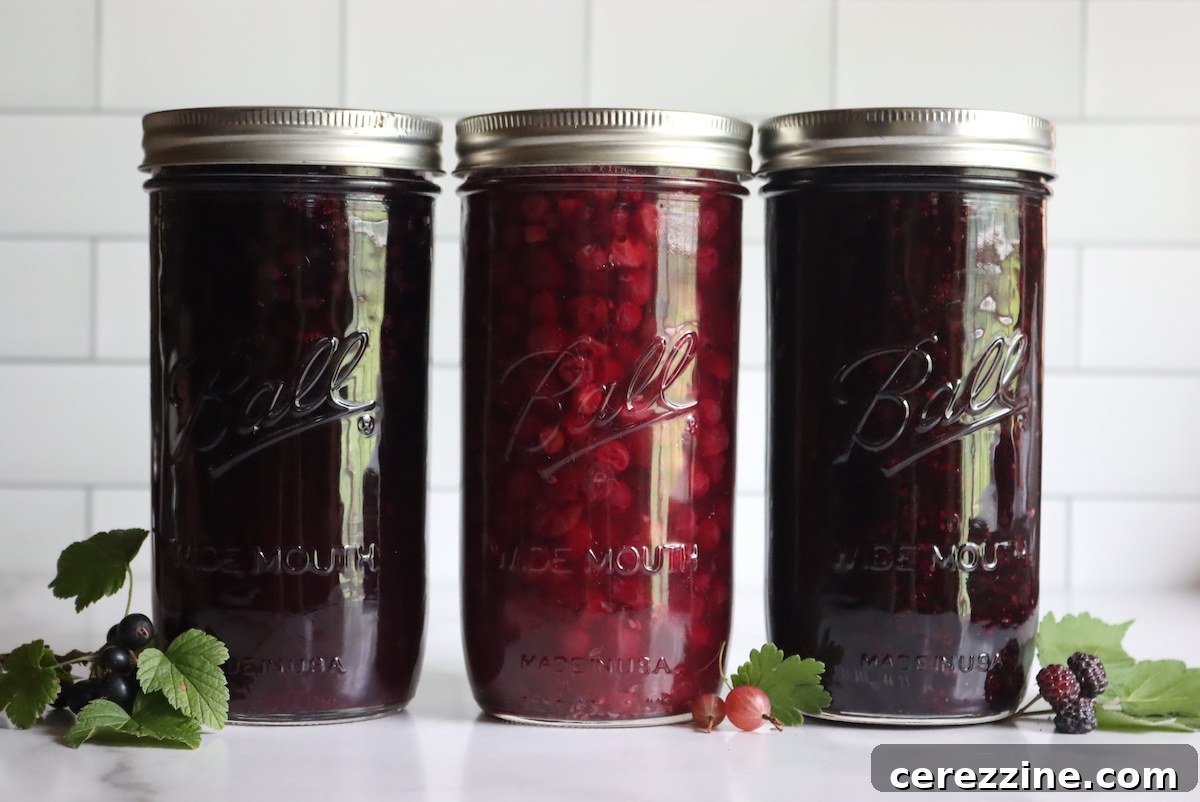
Step-by-Step Guide: How to Can Currant Pie Filling
Follow these detailed instructions carefully to ensure a safe and delicious batch of home-canned currant pie filling. Precision in each step is key to successful preservation.
Pre-Canning Preparation
- Prepare Your Equipment: Thoroughly wash and sanitize your canning jars, lids, and screw bands. Keep the jars hot (e.g., in hot water or a warm oven) until ready to fill. Set up your water bath canner, filling it with water and bringing it to a simmer.
Preparing the Currants
- Wash and De-stem: Wash your fresh currants under cool running water and carefully remove them from their stems. Discard any currants that are soft, bruised, or appear unhealthy. If using frozen currants, thaw them in a colander with a bowl underneath to collect any released juice, which can be used in the recipe.
- Blanch the Berries: In a separate pot, bring several quarts of water to a rolling boil. Working in small batches, add the prepared currants to the boiling water and blanch for a full minute. This step helps to soften the berries and remove any trapped air. Use a slotted spoon to remove the blanched currants and immediately transfer them to a covered pot or dish to keep them warm while you prepare the filling. Keeping them warm helps prevent the filling from cooling down too quickly when combined.
Crafting the Clear Jel Mixture
- Combine Dry Ingredients: In a large, heavy-bottomed pot, combine the granulated sugar and Clear Jel. Whisk them thoroughly to ensure they are well mixed and there are no lumps of Clear Jel.
- Dissolve Clear Jel with Cold Liquid: Gradually add the cold water (or your chilled water/fruit juice mixture) to the sugar and Clear Jel mixture. Whisk continuously and vigorously until the Clear Jel is completely dissolved and the mixture is smooth. This step is critical; if the Clear Jel is not fully dissolved in cold liquid before heating, it will clump and prevent proper thickening.
- Thicken the Mixture: Place the pot over medium-high heat, stirring or whisking constantly. Continue heating until the mixture comes to a full boil and begins to visibly thicken.
- Add Lemon Juice: Once the mixture is actively bubbling and thickened, stir in the bottled lemon juice. Continue to cook, stirring, for an additional minute to ensure the lemon juice is fully incorporated and the acidity is evenly distributed.
Combining and Filling Jars
- Fold in Currants: Remove the pot from the heat. Gently fold in the warm, blanched currants until they are evenly distributed throughout the thickened filling.
- Ladle into Jars: Immediately ladle the hot currant pie filling into your prepared hot canning jars. Fill each jar, leaving precisely 1 inch of headspace (the space between the top of the food and the rim of the jar).
- De-bubble and Adjust Headspace: Use a non-metallic utensil (like a plastic spatula or chopstick) to carefully remove any air bubbles trapped within the thick filling. Gently press the utensil against the sides of the jar, moving it up and down. Re-adjust the headspace if necessary after de-bubbling, adding more filling if needed to maintain the 1-inch space.
- Clean Rims and Apply Lids: Wipe the rims of each jar thoroughly with a clean, damp cloth to remove any sticky residue. This step is crucial for achieving a proper, airtight seal. Center a clean, hot lid on each jar and apply screw bands, tightening them to fingertip-tight.
Water Bath Processing
- Process Jars: Carefully place the filled jars into the simmering water bath canner, ensuring they are fully submerged by at least 1 inch of water. Bring the water to a rolling boil and process for 30 minutes. Remember to adjust processing time based on your altitude.
- Prevent Siphoning: Once the processing time is complete, turn off the heat and allow the jars to remain in the hot water bath canner for an additional 10 minutes. This helps the contents equalize temperature and significantly reduces the risk of siphoning (liquid loss from the jars).
Cooling and Sealing
- Remove and Cool: Using a jar lifter, carefully remove the hot jars from the canner. Place them upright on a clean towel on your countertop, ensuring there is space between each jar for air circulation. Do not disturb them for 12 to 24 hours.
- Check Seals: After the cooling period, check the seals. A properly sealed jar will have a lid that is concave (curved inwards) and does not flex when pressed. If any jars have not sealed, store them in the refrigerator for immediate consumption.
- Storage: Properly sealed and stored jars of currant pie filling will maintain peak quality for up to 12 months in a cool, dark, dry place. Once opened, refrigerate any unused filling.
Altitude Adjustments for Canning Currant Pie Filling
When water bath canning, altitude plays a significant role in determining the processing time required to ensure food safety. Higher altitudes require longer processing times due to lower boiling points. Please adjust your processing time according to the elevation of your location:
- 0 to 1,000 Feet in Elevation: 30 minutes
- 1,001 to 3,000 Feet in Elevation: 35 minutes
- 3,001 to 6,000 Feet in Elevation: 40 minutes
- Above 6,000 Feet in Elevation: 45 minutes
Elevating Flavor: Currant Juice vs. Water in Your Filling
For an intensified currant flavor in your pie filling, consider using fresh currant juice instead of, or in addition to, cold water. If you find yourself with an abundance of currants, juicing some of them is an excellent way to use them up and enrich your filling.
To extract currant juice, you can follow methods similar to making jelly. This typically involves simmering the berries with a small amount of water until they burst, then mashing them and straining the mixture through a cheesecloth-lined colander or a jelly bag. Be sure to prepare this juice ahead of time and chill it thoroughly, as the liquid must be cold for the Clear Jel to dissolve properly.
Alternatively, you can use a countertop juicer for quicker extraction or opt for store-bought bottled currant juice if available. Keep in mind that incorporating other fruit juices, such as apple or cranberry, will introduce their own flavors, resulting in a hybrid taste rather than a pure currant experience. Experiment to find your preferred balance!
Creative Ways to Enjoy Your Home-Canned Currant Pie Filling
While “pie” is in the name, your delicious home-canned currant pie filling is incredibly versatile and can be enjoyed in a myriad of ways beyond traditional pies. Its vibrant flavor and rich texture make it a fantastic addition to both sweet and savory dishes.
- Classic Desserts: Of course, it’s perfect for a traditional currant pie, crumble, or cobbler. It also makes an exquisite filling for tarts, turnovers, or hand pies.
- Breakfast Boost: Spoon it generously over pancakes, waffles, French toast, or oatmeal for a burst of fruity goodness to start your day. Mix it into yogurt or cottage cheese for a quick and healthy snack.
- Elegant Puddings: Transform stale bread into a gourmet treat by using currant pie filling in a bread pudding. For a truly impressive dessert, try baking meringue-topped queen puddings made with brioche crumbs, lemon zest, and vanilla, substituting the pie filling for compote.
- Cake Fillings: Use it as a luscious layer between cake sponges or as a topping for cheesecakes and cupcakes.
- Simple Indulgences: For an effortless dessert, simply warm the filling slightly and spoon it over sliced shortbread, sponge cake, or even ice cream. A dollop of whipped cream or a scoop of vanilla ice cream turns it into pure perfection.
- Savory Pairings (Black Currants): The bold flavor of black currant pie filling can also lend itself to savory applications. Consider serving it alongside roasted duck, venison, or pork tenderloin for a sophisticated sweet-tart counterpoint.
Canning Safety: Best Practices for Home Preserving
Home canning is a wonderful skill, but it demands strict adherence to safety guidelines to prevent foodborne illnesses. Always use up-to-date, tested recipes from reliable sources like the USDA or university extension services. Never deviate from critical instructions regarding acidity levels, processing times, or the use of approved ingredients like Clear Jel and bottled lemon juice. Proper sterilization of jars and lids, maintaining correct headspace, and accurate altitude adjustments are also non-negotiable for ensuring your canned goods are safe to consume and maintain their quality over time.
Canning Currant Pie Filling
By Ashley Adamant
Canning currant pie filling is a reliable way to ensure those tasty currant flavors linger in your home all year long.
Prep Time: 20 mins
Cook Time: 10 mins
Canning Time: 30 mins
Total Time: 1 hr
Servings: Varies (1 quart or 7 quarts, see notes)
Equipment
- Clear Jel (Canning Safe Thickener)
- Water Bath Canner
- Wide Mouth Quart Mason Jars
Ingredients
For a Single Quart:
- 3 ½ cups fresh currants (or frozen currants, thawed)
- ¾ cups plus 2 tablespoons granulated sugar
- ¼ cup + 1 Tbsp. Clear Jel (regular, not instant)
- 1 cup cold water
- 3 ½ tsp bottled lemon juice (see notes)
For a 7-Quart Canner Batch:
- 6 quarts fresh currants (or frozen currants, thawed)
- 6 cups granulated sugar
- 2 ¼ cups Clear Jel (regular, not instant)
- 7 cups cold water
- ½ cup bottled lemon juice
Instructions
- First, prepare lids, jars, and a water bath canner by washing and sanitizing them. Keep jars hot.
- Wash, drain, and de-stem your currants. If frozen, thaw in a colander, placing a bowl below to collect any juice.
- Bring a few quarts of water to a boil to blanch the berries. Working in batches, add the currants to boiling water and boil for one minute. Remove with a slotted spoon and place in a covered pot or bowl to keep warm.
- Next, combine Clear Jel and sugar in a large pot, whisking thoroughly. Add the cold water (or chilled juice and water) to this mixture and whisk to dissolve the Clear Jel completely.
- Once dissolved, heat on medium-high heat, whisking or stirring continually as the mixture thickens and comes to a full boil. Once bubbling, add the lemon juice and cook for an additional minute.
- Remove from heat and gently fold in your drained, blanched currants.
- Immediately ladle the hot mixture into prepared hot canning jars, being sure to de-bubble the thick mixture and allow 1 inch headspace.
- Clean the rims of any lingering residue with a clean, damp cloth to ensure a tight seal and apply 2-part canning lids, tightening to fingertip-tight.
- Process jars in a water bath canner for 30 minutes, adjusting time for altitude (see notes below).
- Once the full processing time has passed, turn off the heat and allow jars to sit for another 10 minutes in the water bath canner. This will reduce the chance of siphoning.
- Remove with a jar lifter, placing on a towel on your countertop to cool undisturbed for 12 to 24 hours.
- Check seals after cooling. Move any unsealed jars to the refrigerator for immediate use. Properly sealed jars of currant pie filling will maintain peak quality for 12 months in a cool, dark, dry place. Refrigerate after opening.
Notes
Measurements have been given for both a 1 quart yield and a 7 quart yield. For quantities in between, simply multiply the 1-quart batch to achieve your desired quantity.
Be sure to completely dissolve the Clear Jel in cold water (or chilled juice/water mixture) before heating the liquid. Skipping this step will result in the Clear Jel clumping and the mixture becoming unusable.
Altitude adjustments for canning are as follows:
- 0 to 1,000 Feet in Elevation: 30 minutes
- 1,001 to 3,000 Feet in Elevation: 35 minutes
- 3,001 to 6,000 Feet in Elevation: 40 minutes
- Above 6,000 Feet in Elevation: 45 minutes
Lemon Juice Amounts
You may see different lemon juice amounts listed for berry pie fillings in older or copied canning handouts. A long-standing typo in some publications incorrectly listed 3 tablespoons per quart. The correct tested ratio (confirmed by the NCHFP) is 3½ teaspoons of bottled lemon juice per quart of filling, which works out to be ½ cup for a 7 quart batch. These corrected amounts are used here, ensuring the same amount of lemon juice per quart whether you’re doing a 1-quart or 7-quart batch, for consistent safety.
Nutrition
Calories: 261kcal, Carbohydrates: 64g, Protein: 1g, Fat: 0.3g, Sodium: 16mg, Potassium: 151mg, Fiber: 3g, Sugar: 50g, Vitamin A: 29IU, Vitamin C: 1mg, Calcium: 36mg, Iron: 1mg
Nutrition information is automatically calculated and should only be used as an approximation.
Explore More Canning Recipes
If you’ve enjoyed preserving currant pie filling, you’ll find a wealth of other delicious fruits and ingredients perfect for home canning. Expanding your canning repertoire allows you to enjoy a diverse range of homemade goodness year-round.
Home Canned Pie Fillings
Beyond currants, many other fruits make excellent pie fillings that can be safely canned using water bath methods. These recipes often follow similar principles, ensuring you can stock your pantry with a variety of options for future baking adventures.
- Canning Apple Pie Filling
- Canning Blackberry Pie Filling
- Canning Peach Pie Filling
- Canning Cherry Pie Filling
Fruit Canning Recipes
Don’t limit yourself to pie fillings! Many fruits can be canned whole, in halves, or as sauces and purees, offering endless possibilities for seasonal preservation. These recipes ensure that the fresh taste of summer fruits can be savored through every season.
- Canning Peaches
- Canning Blackberries
- Canning Plums
- Canning Blueberries
- Canning Cherries