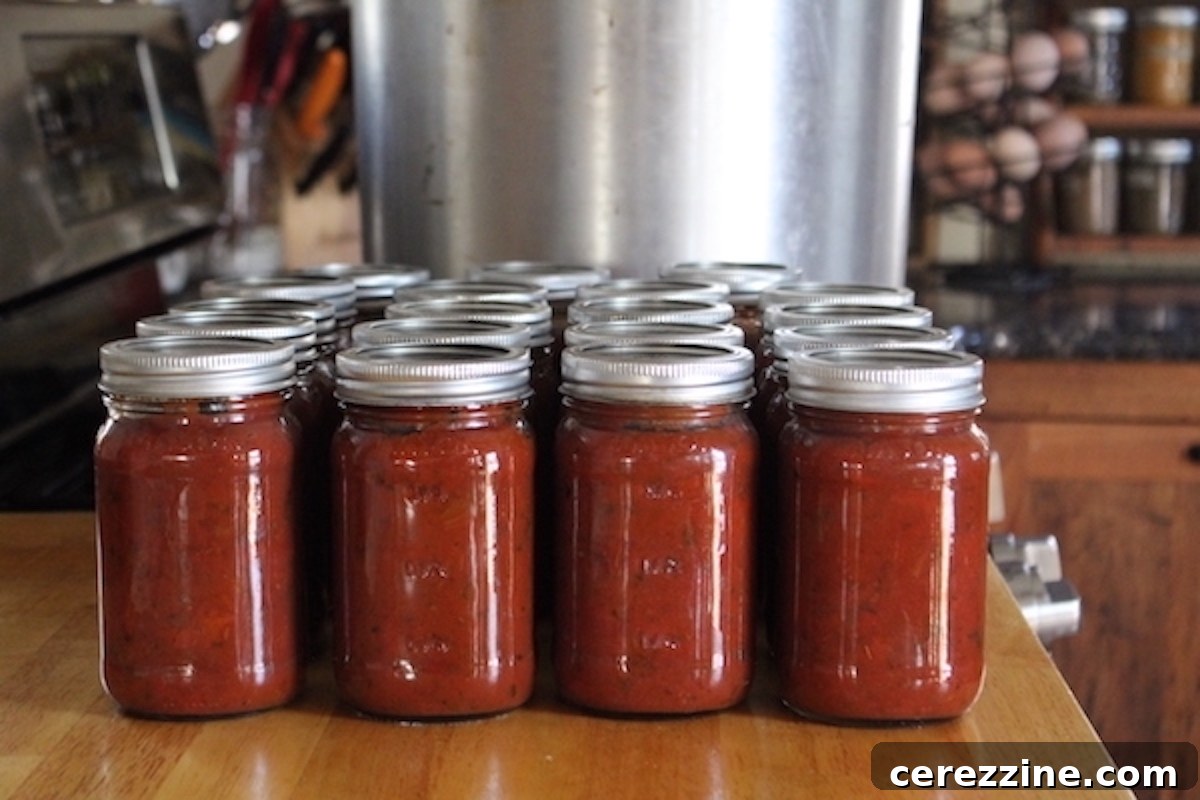
Transform your ordinary pasta nights into extraordinary homemade feasts by canning your own spaghetti sauce! This age-old preservation method allows you to infuse your personal touch, crafting a truly unique and flavorful sauce that perfectly suits your family’s preferences. Imagine the convenience of having a pantry stocked with delicious, ready-to-use spaghetti sauce, making weeknight meals a breeze.
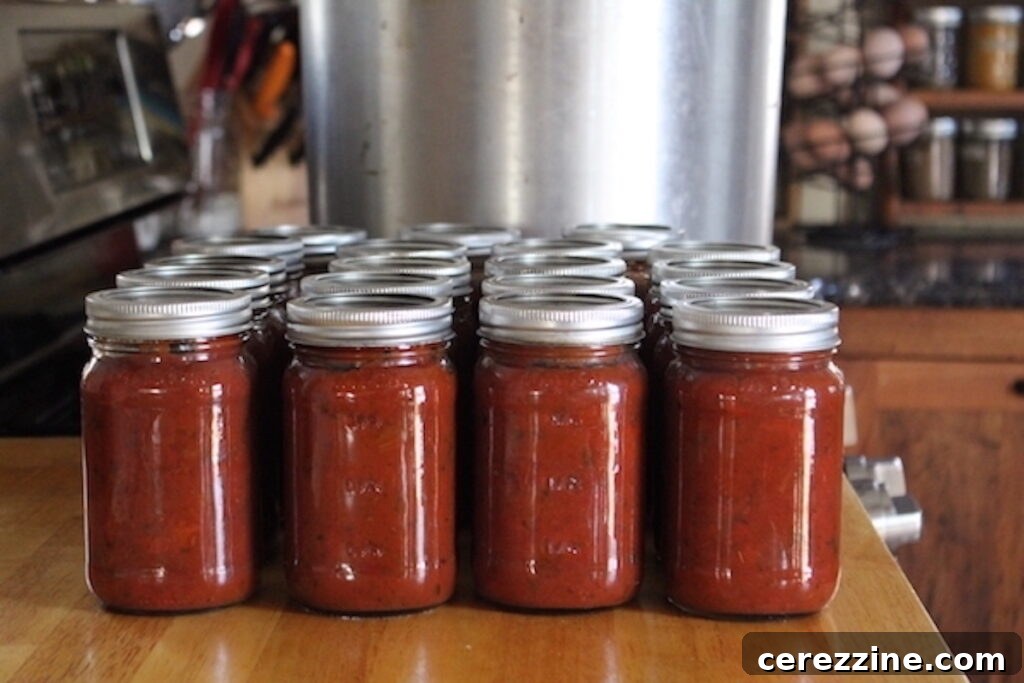
Canning spaghetti sauce without meat is not only a delightful culinary endeavor but also a highly practical way to embrace a vegetable-based diet. Whether you’re utilizing store-bought canned tomatoes or harvesting fresh produce from your garden, there are countless opportunities to create a robust and satisfying sauce that doesn’t rely on meat. In fact, a thoughtfully prepared vegetarian spaghetti sauce can often surpass the flavor profile of traditional recipes containing ground beef or other meats, offering a fresher, brighter taste.
Once prepared and safely canned, this versatile sauce serves as an excellent foundation for a variety of dishes. Use it as a base for chili, lasagna, or even add cooked meat later for a heartier meal. Alternatively, it stands beautifully on its own, providing a rich and super flavorful meal with minimal effort on a busy evening.
Understanding Pasta Sauce Canning: Essential Notes
It is crucial to understand that this particular pasta sauce canning recipe, developed by the National Center for Home Food Preservation (NCHFP), is a pressure canning recipe. This is due to its inclusion of low-acid vegetables like onions and mushrooms, which contribute to its hearty texture and flavor profile. Unlike high-acid foods, low-acid foods require the higher temperatures achieved only through pressure canning to ensure safety from harmful bacteria.
This recipe cannot be processed in a water bath canner. Water bath canning is suitable only for high-acid foods (like most fruits, pickles, and some tomato sauces with significant added acidity). Tomatoes, while often perceived as acidic, actually hover on the borderline of acidity levels required for safe water bath canning, especially when combined with other low-acid ingredients.
For those interested in exploring various methods, a comprehensive list of tested pasta sauce canning recipes is available, featuring over 30 options. Among these, 19 are specifically formulated as water bath canning recipes. The key distinction in water bath recipes is a significantly higher level of added acidity, typically from ingredients like wine, balsamic vinegar, or lemon juice, or they contain fewer low-acid vegetables such as peppers, onions, and mushrooms. If you prefer a meat-inclusive sauce, a tested pressure canning recipe for spaghetti sauce with meat is also available, guaranteeing both flavor and safety.
Discover More: 25+ Tested Pasta Sauce Recipes for Canning
Finding reliable spaghetti sauce recipes for canning can be challenging, particularly when seeking options suitable for water bath canning. This comprehensive guide simplifies the process…
Recipe Snapshot: Basic Hearty Pasta Sauce (No Meat)
- Recipe Name: Basic Hearty Pasta Sauce (No Meat)
- Recipe Type: Pasta Sauce (Tomato Sauce)
- Canning Method: Pressure Canning
- Prep/Cook Time: Approximately 1 hour to 1.5 hours active time
- Canning Time: 20-25 Minutes (depending on jar size)
- Yield: 4 to 5 quarts (or 9 pints)
- Jar Sizes: Pint and Quart jars are recommended. Smaller jars (quarter pint, half pint) can also be used if processed for the pint duration.
- Headspace: 1 inch (important for proper sealing and safety in pressure canning)
- Ingredients Overview: Fresh Tomatoes, Onions, Peppers, Mushrooms, Garlic & a curated blend of Spices
- Difficulty: Moderate. Having a food mill or food strainer will significantly ease the tomato processing step.
Essential Ingredients for Meatless Spaghetti Sauce
This recipe is rigorously tested and approved by the National Center for Home Food Preservation (NCHFP), ensuring its safety for home canning. It incorporates a selection of low-acid ingredients, specifically onions, mushrooms, and bell peppers, which necessitates the use of a pressure canner. While tomatoes possess some acidity, their pH level is often borderline for safe water bath canning, and the addition of low-acid vegetables further lowers the overall acidity, making pressure canning the only safe method for this particular sauce.
Unlike many water bath pasta sauce recipes that rely on generous amounts of added acidity (such as lemon juice, vinegar, or wine) to achieve a safe pH, this recipe maintains a less acidic, naturally balanced flavor profile. This results in a milder sauce that is often preferred for its pure tomato and vegetable taste. However, this also means it is not suitable for water bath canning.
If you are new to the world of pressure canning, I highly recommend consulting a beginner’s guide to pressure canning before you begin. Understanding the principles of pressure, venting, and processing times is vital for safety. For those seeking an exceptionally user-friendly option, the Presto Electric Pressure Canner comes highly recommended for its ease of use. You can find detailed instructions on how to use an electric pressure canner, along with a full review of the Presto electric pressure canner. Please note, an Instant Pot cannot be used for pressure canning as it does not operate in the same manner as a dedicated pressure canner.
The ingredients for canning this hearty spaghetti sauce without meat are straightforward, emphasizing fresh produce and aromatic spices. To prepare a canner batch yielding approximately 9 pints (or 4-5 quarts), you will need the following:
- 30 lbs fresh, ripe tomatoes (paste tomatoes like Roma or San Marzano are ideal)
- 1 cup chopped onions (optional, but highly recommended for flavor and texture)
- 1 cup chopped green or red bell peppers, or celery (optional, adds depth and freshness)
- 1 lb fresh mushrooms, sliced (optional, do not use dried mushrooms for this recipe)
- 5 cloves garlic, finely minced
- 2 tbsp dried oregano
- 4 tbsp dried parsley
- 2 tsp ground black pepper
- 4 ½ tsp salt (adjust to taste, but do not reduce significantly for canning safety)
- ¼ cup olive oil (or a neutral vegetable oil for sautéing)
- ¼ cup brown sugar (optional, helps balance acidity and enhance flavor)
While the mushrooms, peppers, or onions are optional and can be omitted if not preferred, it is critically important **not to increase their quantities**. Altering the ratios of low-acid ingredients can compromise the safety of the recipe for canning, as it affects the overall pH and thermal processing requirements. Furthermore, under no circumstances should meat be added to this specific recipe, as the prescribed canning time is insufficient for safely preserving a meat-based spaghetti sauce. For meat sauces, a separate, tested recipe with appropriate processing times must be used.
Any variety of ripe tomatoes can be used for this sauce, but paste tomatoes (such as Roma or San Marzano) are generally preferred. Their lower water content and firmer flesh result in a thicker, richer sauce that typically requires less simmering time and rarely needs additional thickening after the canning process. This recipe is safely scaled for both pint and quart jars, though canning in quarts may result in a small amount of leftover sauce, as the recipe yields approximately four and a half quarts.
Step-by-Step Guide: Canning Spaghetti Sauce Without Meat
Embark on your canning journey with meticulous preparation to ensure both delicious results and food safety.
1. Prepare the Tomatoes
Begin by thoroughly washing your fresh tomatoes. To facilitate peeling, blanch them: dip the tomatoes in boiling water for 30-40 seconds, or until their skins visibly split and pucker. Immediately transfer them to a bath of cold water or a bucket of ice. This abrupt temperature change will make the skins easy to remove. For more in-depth guidance on this process, refer to a specific guide on peeling tomatoes for canning.
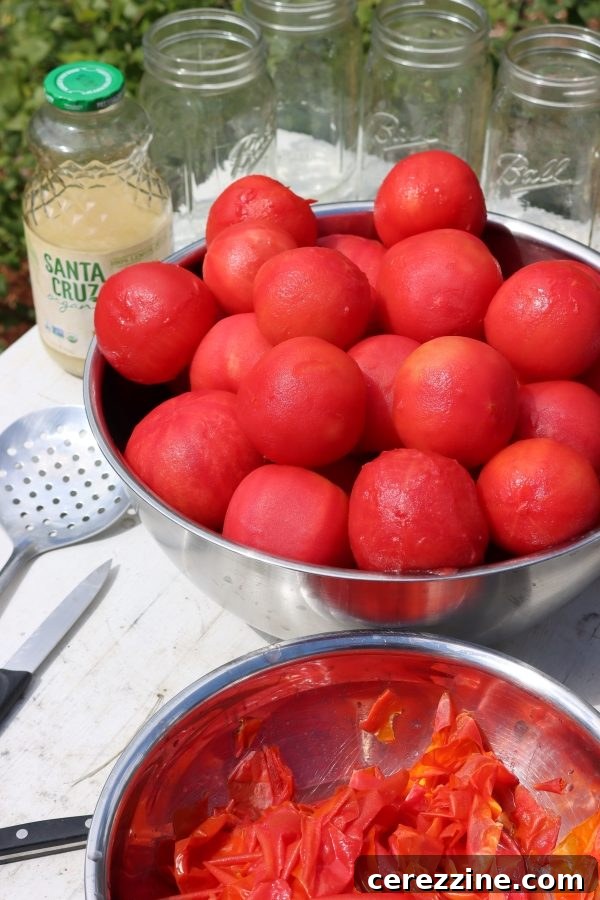
Once peeled, core each tomato and cut them into quarters. Place the quartered tomatoes into a large, uncovered saucepan and bring them to a boil. Allow them to boil for approximately 20 minutes to soften and extract their juices.
Next, process the boiled tomatoes through a sieve or a food mill. This step removes seeds and creates a smooth, consistent tomato base for your sauce. Many options exist: a food mill attachment for a KitchenAid mixer offers convenience, while a small hand-crank food mill, a manual countertop food mill, or a chinois sieve are equally effective tools for achieving a smooth sauce texture.
Should you desire a chunkier sauce rather than completely smooth, you can manually squeeze out the seeds from about half of your tomatoes and then dice them. However, ensure that at least half of the tomatoes are milled or sieved to provide enough liquid base; otherwise, the sauce may become excessively thick. If you don’t have a food mill, you can seed the tomatoes and then use a food processor, blender, or an immersion blender to achieve a desired consistency. For a completely manual approach, finely dicing the tomatoes with a sharp knife will also work.
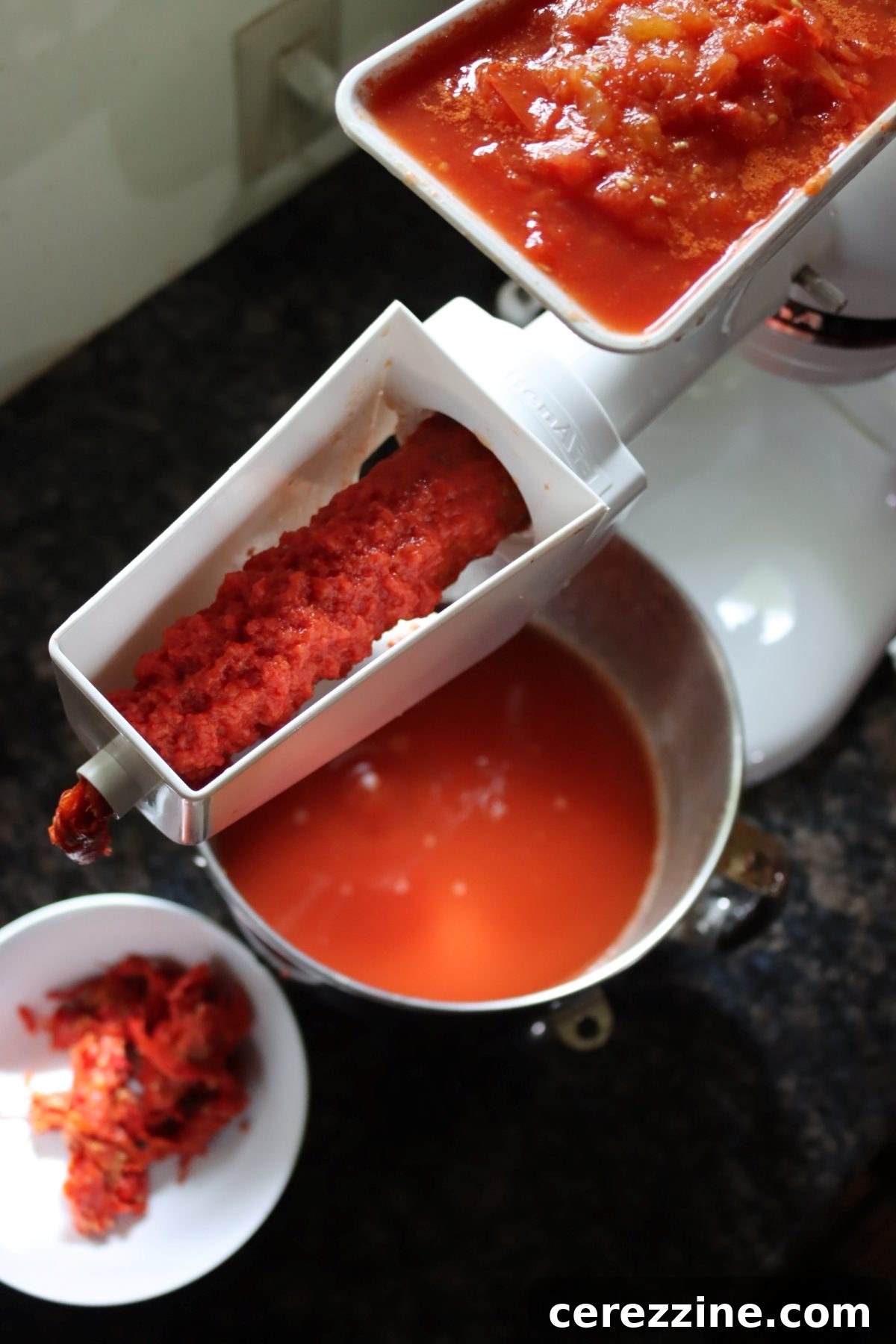
2. Cook the Sauce to Perfection
In a separate large pot or Dutch oven, heat the olive oil (or vegetable oil). Add the chopped onions, celery, bell peppers, mushrooms, and minced garlic. Sauté these vegetables until they are tender and fragrant, typically for 5-7 minutes. This step builds a foundational layer of flavor for your sauce.
Once the vegetables are tender, combine them with the prepared tomato purée. Stir in the remaining ingredients: dried oregano, dried parsley, ground black pepper, salt, and brown sugar (if using). Bring the entire mixture to a vigorous boil, then reduce the heat to a simmer. Allow the sauce to simmer uncovered, stirring frequently to prevent scorching, until it reaches your desired serving consistency. During this simmering process, the sauce’s initial volume should reduce by approximately 50%, intensifying its flavor and thickness. Consistent stirring is essential to prevent the sauce from sticking to the bottom of the pan.
3. Prepare Your Pressure Canner and Jars
While your sauce is simmering, prepare your pressure canner, along with clean canning jars and lids. Refer to your canner manufacturer’s instructions for specific setup. Generally, this involves adding 2-3 inches of water to the bottom of the canner, placing the bottom trivet, and bringing the water to a simmer (around 180°F or 82°C) in anticipation of hot-packing the sauce.
4. Fill and Process Jars
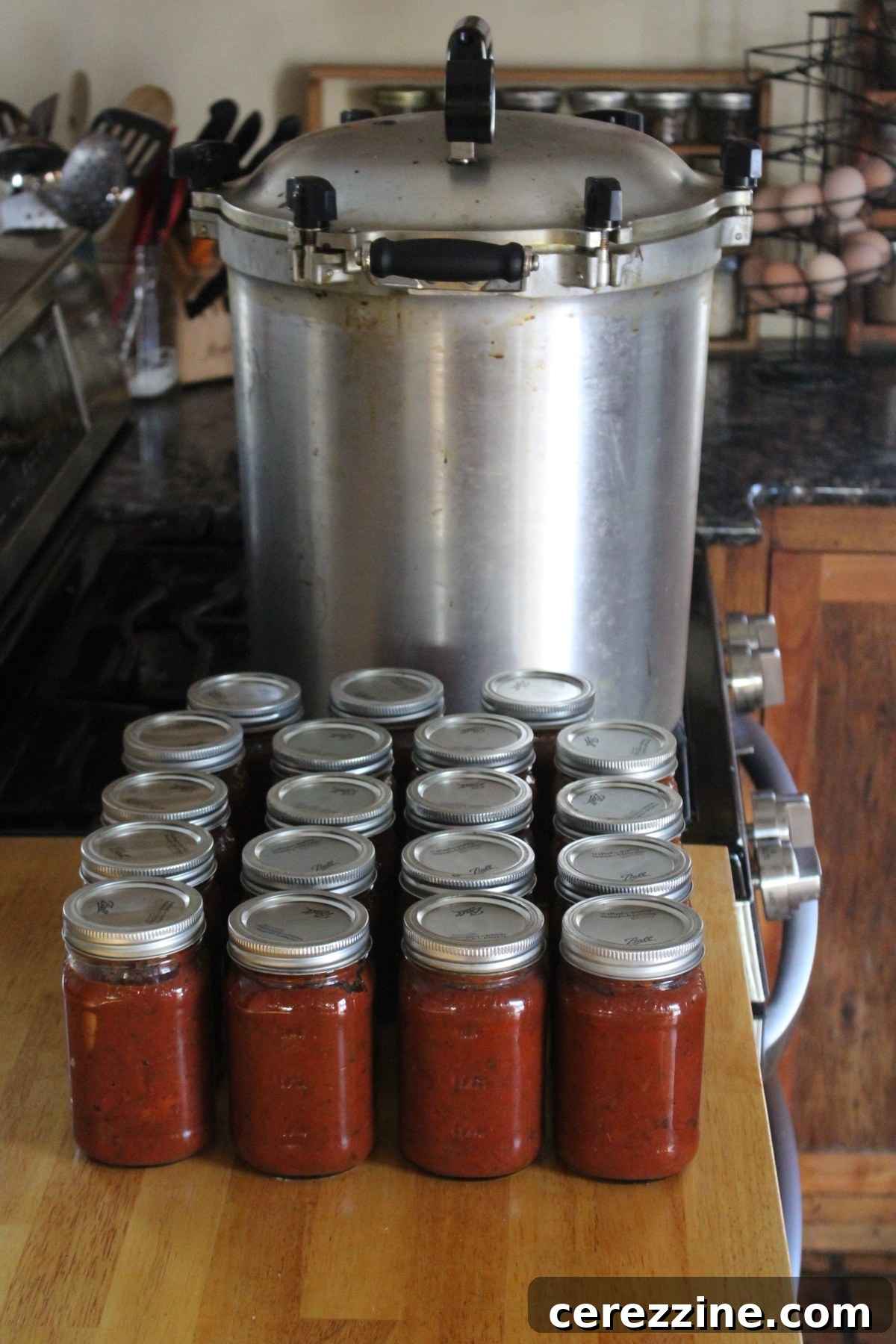
Once your rich, thick spaghetti sauce is ready, carefully ladle it into hot, sterilized canning jars. Ensure you leave a consistent 1-inch headspace from the rim of the jar. This headspace is crucial for proper sealing and to prevent siphoning during the canning process. Use a clean, damp cloth to wipe the rims of the jars thoroughly, removing any food particles that could interfere with the seal. Place the prepared lids and screw bands onto the jars, tightening the bands to fingertip-tightness (snug but not overly tight).
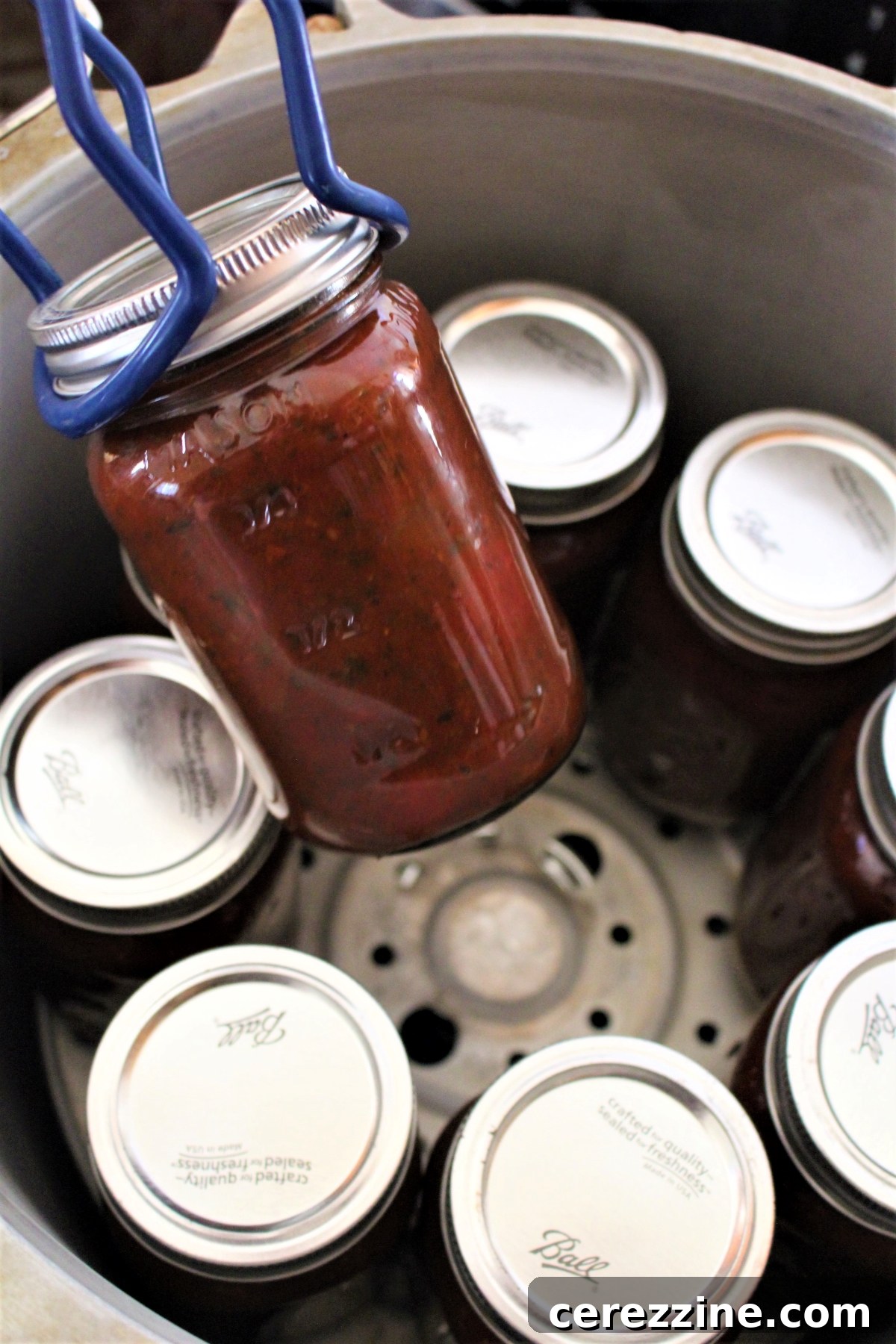
Carefully load the filled jars into your prepared pressure canner, ensuring they are not touching each other. Secure the canner lid. Turn the heat to high and allow the canner to vent a steady stream of steam for 10 minutes. This venting step is vital to expel all air from the canner, creating a pure steam environment essential for safe pressure canning.
After venting, place the weighted gauge or close the petcock for a dial gauge canner. Bring the canner up to the required pressure: 11 lbs pressure for a dial gauge canner or 10 lbs pressure for a weighted gauge canner (if below 1,000 feet in elevation). Maintain this pressure consistently throughout the processing time. Process pint jars for 20 minutes and quart jars for 25 minutes. Remember to adjust the pressure for your specific altitude, as detailed in the section below.
Once the processing time is complete, turn off the heat and allow the pressure canner to depressurize naturally until the pressure gauge reads zero or the air vent/lock drops. Do not attempt to force the depressurization. Once safely depressurized, carefully remove the canner lid, tilting it away from your face to avoid steam burns.
Using a jar lifter, remove the hot jars from the canner and place them on a clean towel or a wire rack, ensuring they are not touching. Allow them to cool undisturbed for 12 to 24 hours. After cooling, check all jar seals by pressing on the center of the lid; it should not flex. If a lid does not seal, refrigerate the sauce and consume it within a few days, or reprocess it immediately with a new lid following all steps carefully. Store properly sealed jars in a cool, dark place.
Crucial Altitude Adjustments for Pressure Canning
When pressure canning, while the processing times remain constant, the required pressure must be adjusted based on your altitude above sea level. This ensures that the internal temperature within the canner reaches a safe level for killing harmful microorganisms. Refer to the following guidelines:
For dial gauge pressure canners:
- 0 to 2,000 feet in elevation: Maintain 11 lbs pressure
- 2,001 to 4,000 feet in elevation: Maintain 12 lbs pressure
- 4,001 to 6,000 feet in elevation: Maintain 13 lbs pressure
- 6,001 to 8,000 feet in elevation: Maintain 14 lbs pressure
For weighted gauge pressure canners:
- 0 to 1,000 feet in elevation: Use a 10 lbs weight
- Above 1,000 feet in elevation: Use a 15 lbs weight
Always ensure you know your elevation and adjust your canner’s pressure accordingly for safe and effective food preservation.
Creative Ways to Serve Your Home-Canned Pasta Sauce
One of the greatest joys of home canning is the incredible convenience it offers. Your home-canned spaghetti sauce is incredibly easy to serve – simply open a jar, gently heat it through, and it’s ready to elevate any meal. The rich, homemade flavor will instantly transport you.
This versatile sauce provides an excellent canvas for customization. For those who enjoy meat, you can easily add cooked ground beef, Italian sausage, or shredded chicken (typically about half a pound per pint of sauce) to create a heartier meal. Feel free to adjust the quantity of meat based on your personal preferences. You can also boost the vegetable content by stirring in fresh spinach, bell peppers, zucchini, or any other vegetables your family loves. If you found your sauce to be a bit thinner after canning, this is the perfect time to incorporate thickeners such as flour, cornstarch slurry, or tomato paste to achieve your desired consistency.
When it’s time to serve your magnificent sauce, consider pairing it with wholesome whole wheat pasta for a healthier twist, or even alongside spiralized zucchini noodles for a low-carb alternative. Don’t forget a sprinkle of fresh Parmesan cheese and a garnish of fresh basil or parsley to brighten the flavors. This sauce isn’t just for spaghetti; it’s also fantastic as a base for homemade pizzas, as a topping for polenta, or even as a flavorful dip for crusty bread. The possibilities are endless, making your home-canned sauce a true pantry hero.
If you tried this Spaghetti Sauce Canning Recipe, or any other recipe on Creative Canning, leave a ⭐ star rating and let me know what you think in the 📝 comments below!
And make sure you stay in touch with me by following on social media!
Canning Spaghetti Sauce (Basic Recipe without Meat)
Print Recipe
Equipment
-
Pressure Canner (e.g., All American Brand 930)
-
Food Mill
Ingredients
- 30 lbs tomatoes
- 1 cup onions, chopped (optional)
- 1 cup bell peppers, or celery, diced (optional)
- 1 lb mushrooms, fresh (not dried), sliced (optional)
- 5 cloves garlic, minced
- 2 tbsp dried oregano
- 4 tbsp dried parsley
- 2 tsp ground black pepper
- 4 ½ tsp salt
- ¼ cup olive oil, or vegetable oil
- ¼ cup brown sugar, (optional)
Instructions
-
Wash the tomatoes thoroughly. Dip them in boiling water for 30-40 seconds until the skins split. Immediately transfer to cold water or ice to cool, then remove the skins.
-
Core and quarter the peeled tomatoes. Boil them in a large, uncovered saucepan for 20 minutes. Afterward, run the softened tomatoes through a sieve or food mill to remove seeds and achieve a smooth consistency.
-
In a separate pan, sauté the chopped onions, celery, bell peppers, mushrooms, and minced garlic in olive oil (or vegetable oil) until they are tender.
-
Combine the sautéed vegetables with the tomato purée. Stir in the oregano, parsley, black pepper, salt, and optional brown sugar. Bring the sauce to a boil, then reduce heat and simmer uncovered, stirring frequently, until the sauce thickens to your desired serving consistency (it should reduce by about half).
-
While the sauce simmers, prepare your pressure canner for hot packing, along with clean jars, lids, and rings.
-
Once the sauce is ready, fill hot, sterilized jars, leaving 1 inch of headspace.
-
Wipe the rims of the jars clean to ensure a proper seal. Place the lids and screw bands on the jars, tightening them to fingertip-tightness.
-
Load the filled jars into the pressure canner, ensuring they don’t touch.
-
Secure the canner lid. Turn heat to high and allow the canner to vent a steady stream of steam for 10 minutes.
-
Place the weighted gauge or close the petcock for a dial gauge. Process pint jars for 20 minutes and quart jars for 25 minutes at 11 lbs pressure (dial gauge) or 10 lbs pressure (weighted gauge, below 1,000 ft). Adjust pressure for altitude as needed (see notes below).
-
When processing is complete, turn off the heat and allow the canner to depressurize naturally until the pressure drops to zero.
-
Remove the jars from the canner and let them cool undisturbed on a towel for 12 hours. Check seals before storing.
Notes
The onions, peppers, mushrooms, and brown sugar are optional. You may omit them if they are not to your taste, but you must not substitute them with other ingredients or increase their quantities, as this affects the recipe’s safety for canning.
For spices, you are welcome to substitute or add other dry spices to suit your flavor preferences. However, do not add fresh spices (e.g., fresh basil) before canning, as their density and acidity are unknown.
The canning times for this spaghetti sauce recipe are fixed. Only the pressure setting changes with altitude.
Here are the altitude adjustments for canning spaghetti sauce:
For dial gauge pressure canners:
- 0 to 2,000 feet in elevation – 11 lbs pressure
- 2,001 to 4,000 feet in elevation – 12 lbs pressure
- 4,001 to 6,000 feet in elevation – 13 lbs pressure
- 6,001 to 8,000 feet in elevation – 14 lbs pressure
For weighted gauge pressure canners:
- 0 to 1,000 feet in elevation – 10 lbs pressure
- Above 1,000 feet – 15 lbs pressure
Nutrition
Nutrition information is automatically calculated and should be used as an approximation. Individual results may vary based on exact ingredients and preparation.
Enjoyed this recipe? Share your thoughts below!
Expand Your Pantry: More Pressure Canning Recipes
If you’re eager to make the most of your pressure canner, there’s a world of delicious and safe recipes waiting to be preserved. Stock your pantry with these staple ingredients, ensuring you have healthy, homemade options ready year-round:
- Canning Beef: A fantastic way to preserve protein for quick stews and hearty meals.
- Canning Potatoes: Perfect for adding to soups, stews, or frying up for a fast side dish.
- Canning Pumpkin: Ideal for baking pies, making soups, or adding to curries.
- Canning Sweet Potatoes: A versatile ingredient for both sweet and savory dishes.
- Canning Corn: Enjoy the taste of summer corn long after the season ends.
Find the perfect recipe
Searching for something else? Enter keywords to find the perfect recipe!
Effortless Dinners: Meal-in-a-Jar Canning Recipes
This homemade spaghetti sauce truly embodies the “meal in a jar” concept – simply add cooked pasta, and dinner is served! For even more ready-to-heat and eat convenience, explore these fantastic meal-in-a-jar canning recipes:
- Boston Baked Beans: A classic comfort food, ready in minutes.
- Thai Curry Duck: Exotic flavors preserved for a quick, gourmet meal.
- White Bean Chicken Chili: A wholesome and warming meal, perfect for a chilly evening.
- Cajun Red Beans and Sausage: A spicy, flavorful dish that’s a true taste of the South.