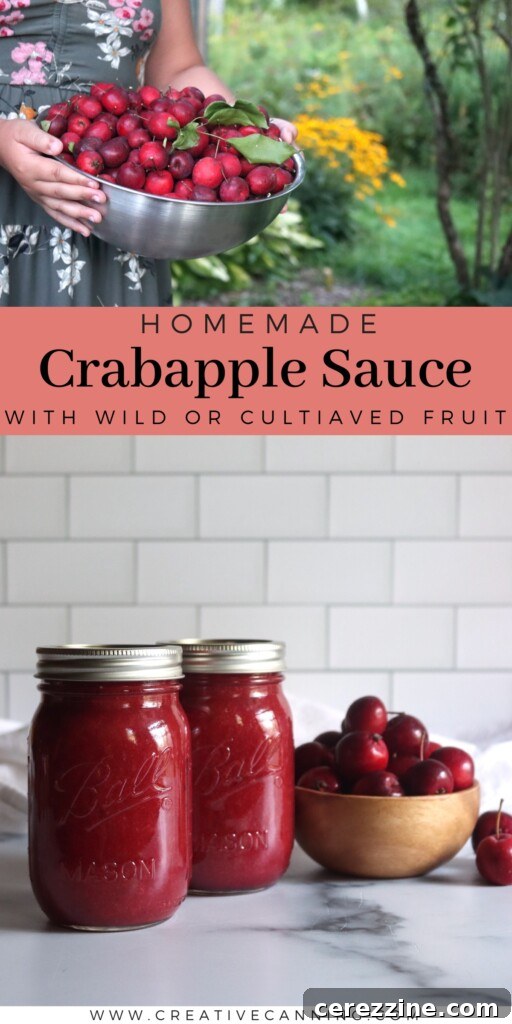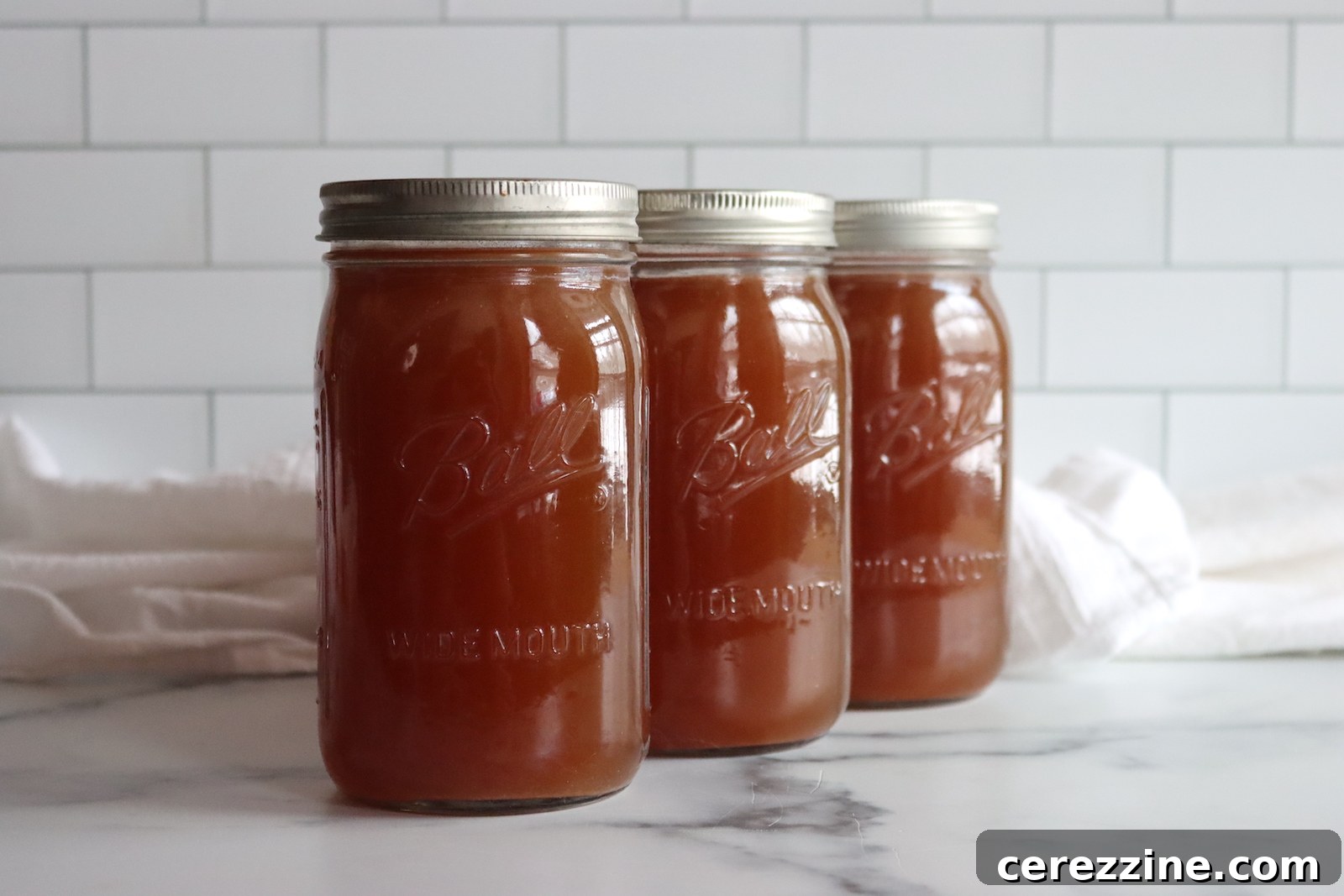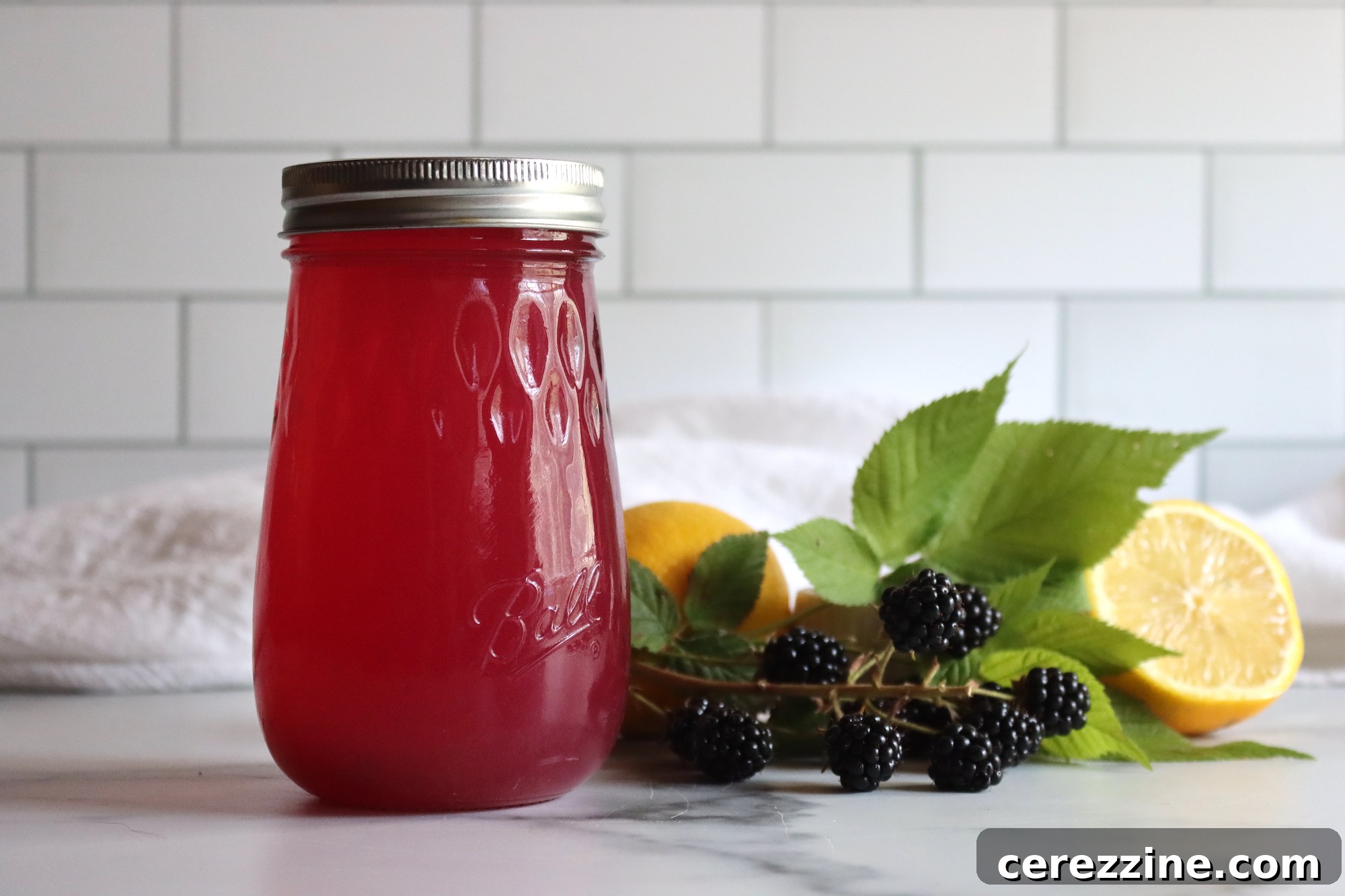
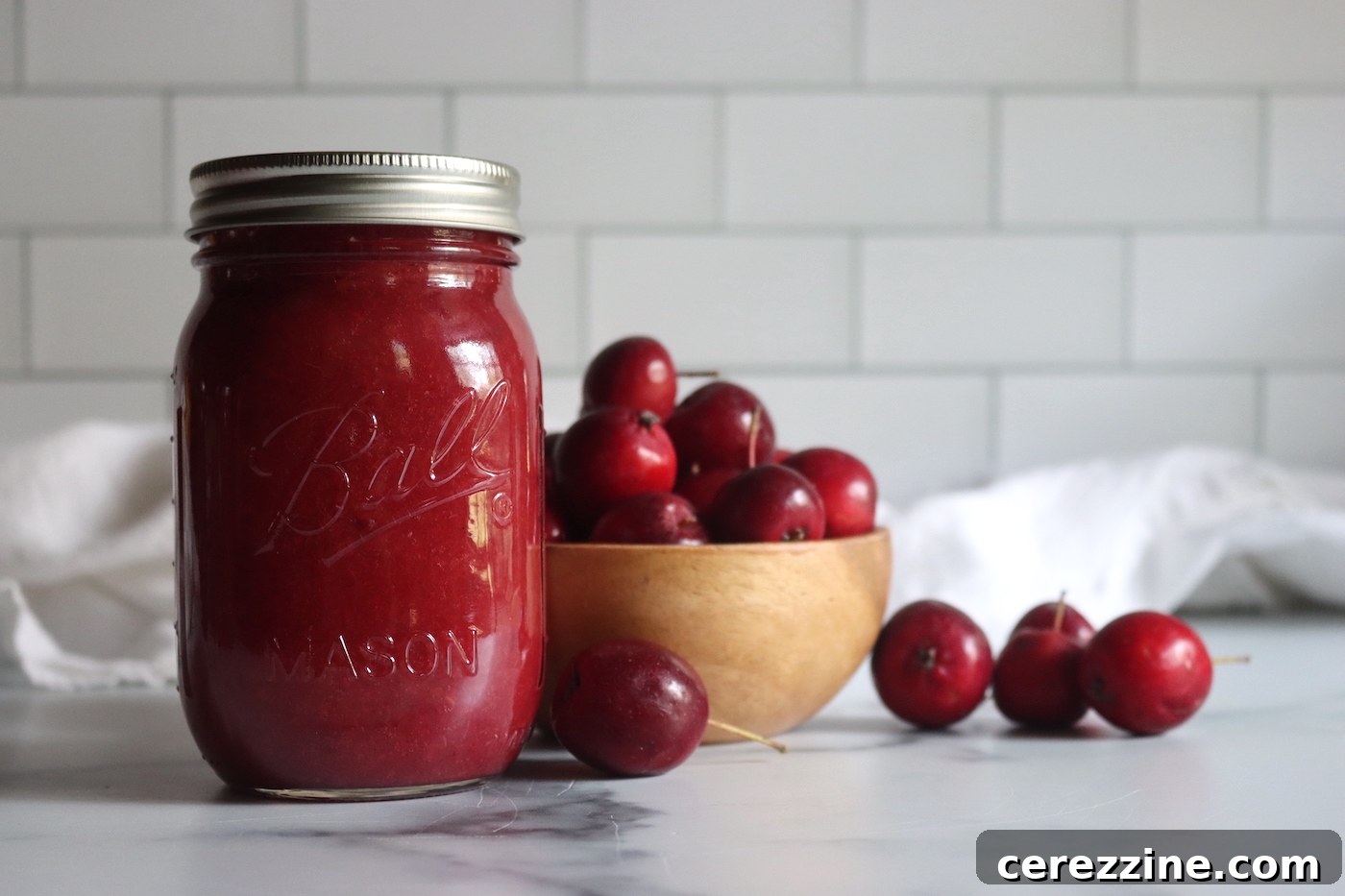
Crabapple sauce is a distinctive and vibrant preserve, celebrated for its naturally pink hue and bold, tangy flavor. It’s an incredibly rewarding way to utilize a bountiful crabapple harvest, transforming these often-overlooked backyard fruits into a versatile delight. Unlike its milder cousin, traditional applesauce, crabapple sauce offers a zesty bite that truly stands out, making it an excellent accompaniment to both sweet and savory dishes, or a surprisingly refreshing snack on its own.
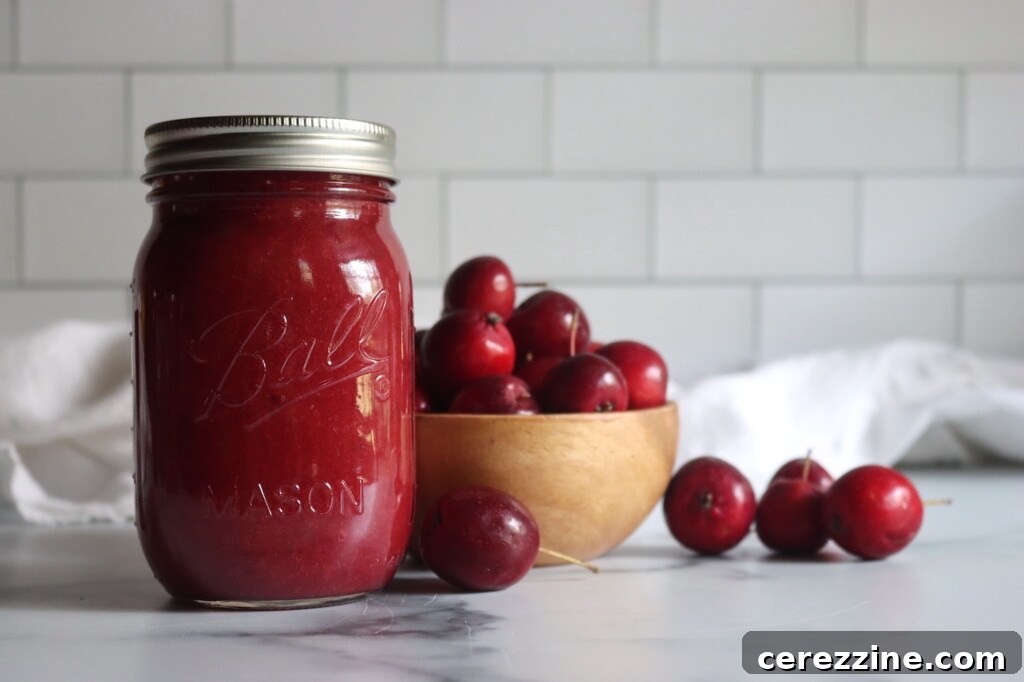
If your crabapple tree is laden with fruit, or you’ve recently foraged a generous supply, this simple recipe provides one of the easiest and most delicious methods for preservation. The process is straightforward, requiring no tedious peeling, and results in a smooth, tart sauce perfect for canning to enjoy throughout the colder months or freezing for later use. Its robust flavor profile is something many home preservers come to adore, offering a pleasant contrast to the sweetness of other fruit sauces.
Typically, the ideal time to make this sauce is in early fall, when crabapples reach their peak ripeness, before the first frost arrives. The natural pectin in crabapples also ensures a beautiful consistency. The preparation closely mirrors that of regular applesauce: a simple cycle of simmering the fruit until tender, mashing, straining to remove skins and seeds, and finally, sweetening to achieve your desired balance. The charming pink color is entirely natural, derived from the skins of the crabapples, and its bright flavor marries wonderfully with a hint of cinnamon or a touch of lemon juice, though it’s equally delightful unadorned.
This recipe is designed for a small batch, starting with approximately 5 pounds of fruit to yield about 2 pints of finished sauce. This quantity is ideal for individuals working with a modest backyard tree or foraged finds. Should you be blessed with a more abundant harvest, the recipe can be easily doubled or tripled, allowing you to stock your pantry generously. Rest assured, crabapple sauce is perfectly safe for water bath canning, just like traditional applesauce, ensuring you can enjoy the taste of autumn well into winter.
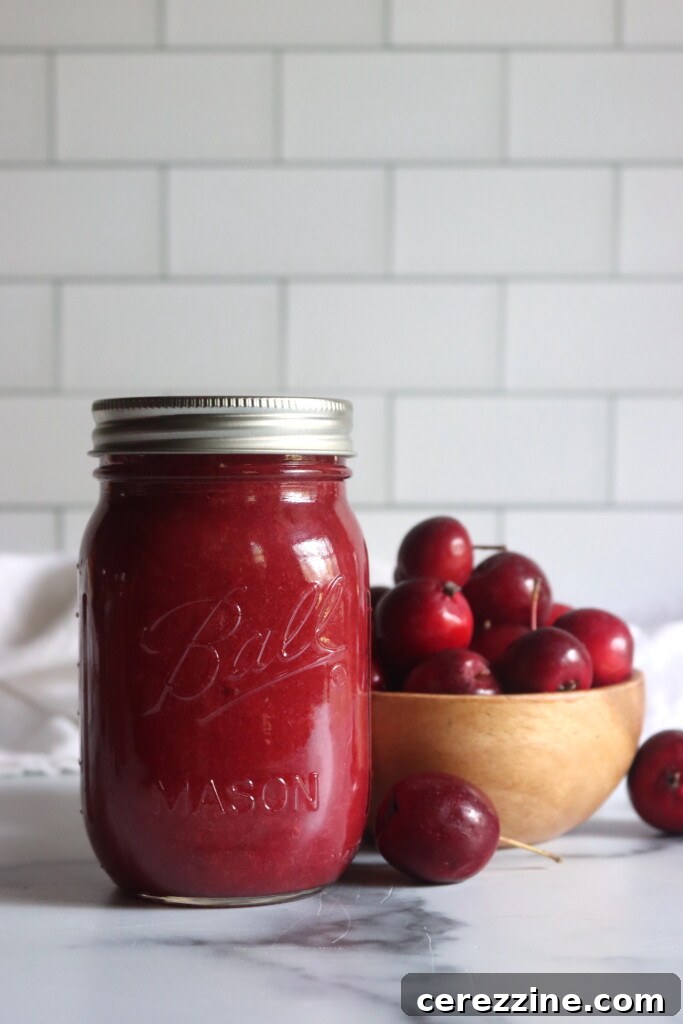
Crabapple Sauce at a Glance
- Recipe Name: Crabapple Sauce
- Recipe Type: Fruit Sauce, Preserve
- Canning Method: Water Bath Canning
- Prep Time: 10 Minutes
- Cook Time: 20-30 Minutes
- Canning Time: 15 Minutes
- Yield: Approximately 2 Pints
- Recommended Jar Sizes: Quarter Pint, Half Pint, Pint, Quart
- Headspace: 1/2 inch
- Key Ingredients: Crabapples, Water (optional sugar and spices)
- Difficulty: Moderate (a food mill or food strainer is highly recommended)
Choosing the Best Crabapples for Sauce
The success of your crabapple sauce largely depends on the type of fruit you choose. Not all crabapples are created equal; some are intensely tart, while others offer a more balanced sweet-tart profile ideal for preserves. For sauce-making, prioritize varieties that are juicy, deeply flavorful, and possess a good equilibrium of sweetness and acidity. Look for crabapples that resemble small culinary apples in texture and taste, steering clear of those primarily cultivated for ornamental purposes, which can sometimes be less palatable.
Among the top choices, Dolgo crabapples are a highly favored variety. They are notably larger than many other crabapples, simplifying preparation, and boast a delightfully tart flavor that mellows beautifully during the cooking process. If you prefer a less assertive tang, Chestnut crabapples are an excellent alternative, producing a golden-hued sauce with rich, apple-like notes. Other superb varieties include Centennial and Wickson crabapples, both known for their juicy flesh and harmonious blend of sugar and acid, contributing to a well-rounded sauce.
If you’re gathering wild crabapples or harvesting from a tree of unknown origin, it’s always wise to taste a few samples first. Even extremely tart crabapples can yield an exceptional sauce, though you may need to increase the amount of sugar to achieve your preferred sweetness. The key indicators for suitability are firmness, juiciness, and freedom from significant insect damage or disease. Bear in mind that the final flavor, color, and yield of your sauce will naturally vary depending on the specific crabapple variety you select.
A word of caution: be vigilant for overly tannic crabapples. While edible, these varieties are often unpleasantly astringent and are best reserved for other applications, such as crabapple wine or cider, where their tannins can contribute to complexity rather than detract from the flavor of a sauce.
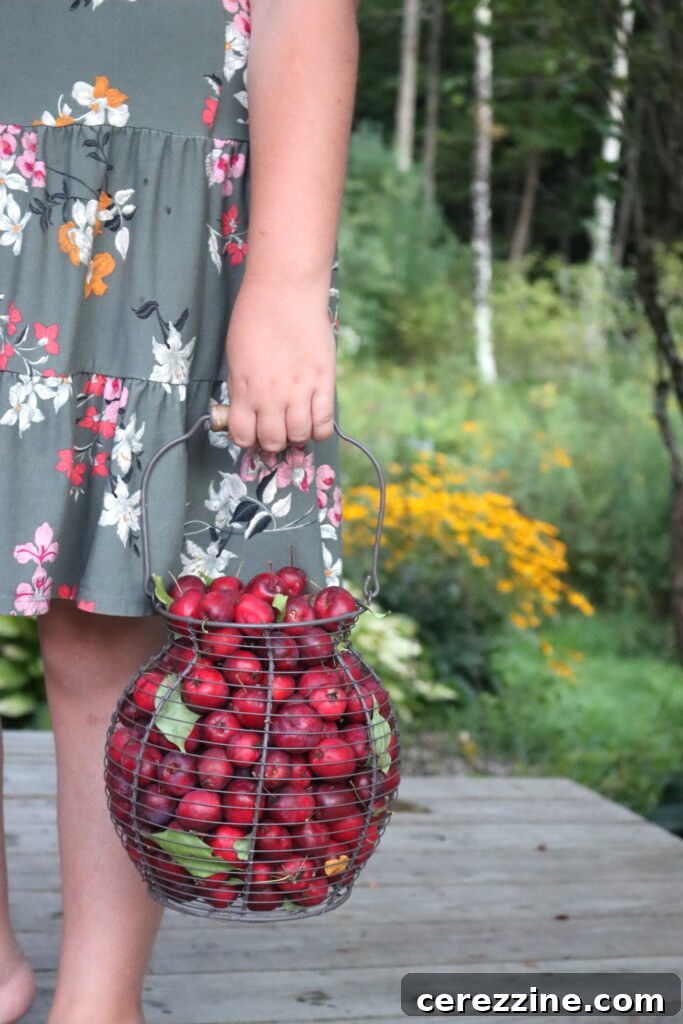
Crafting Homemade Crabapple Sauce: A Step-by-Step Guide
Creating delicious crabapple sauce is a straightforward and satisfying process. Begin by thoroughly washing approximately 5 pounds of fresh crabapples. This step is crucial for removing any dirt, debris, or residual sprays. Carefully remove the stems from each fruit and visually inspect for any blemished or bruised sections, trimming these away as needed to ensure the highest quality sauce.
A significant advantage of making crabapple sauce is that there’s no need for the laborious task of peeling or coring the fruit. The skins and cores, which contain valuable pectin and flavor, will be effortlessly removed during the straining stage, saving you considerable time and effort.
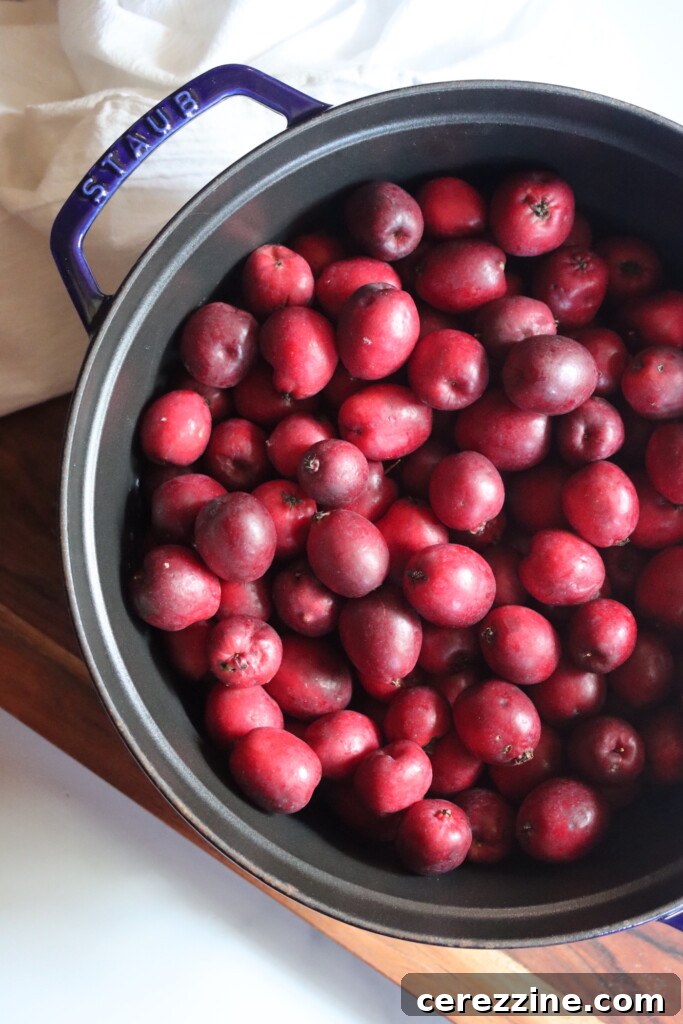
Transfer the cleaned crabapples to a large, heavy-bottomed saucepan or stockpot. Add 1 cup of water or apple juice. The liquid is vital; it prevents the fruit from scorching at the bottom of the pot and helps initiate the cooking process evenly. Cover the pot and bring the contents to a gentle boil over medium-high heat. Once boiling, reduce the heat to low to maintain a steady simmer. Continue to cook for 20 to 30 minutes, stirring occasionally to prevent sticking and ensure uniform cooking, until the crabapples have softened considerably and begin to break down.
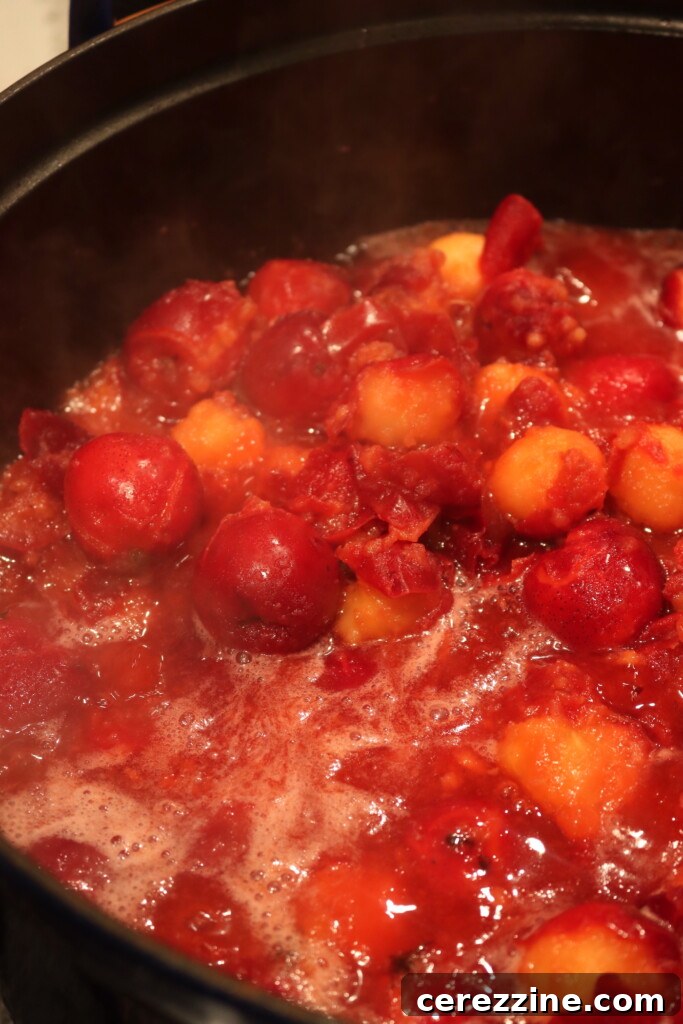
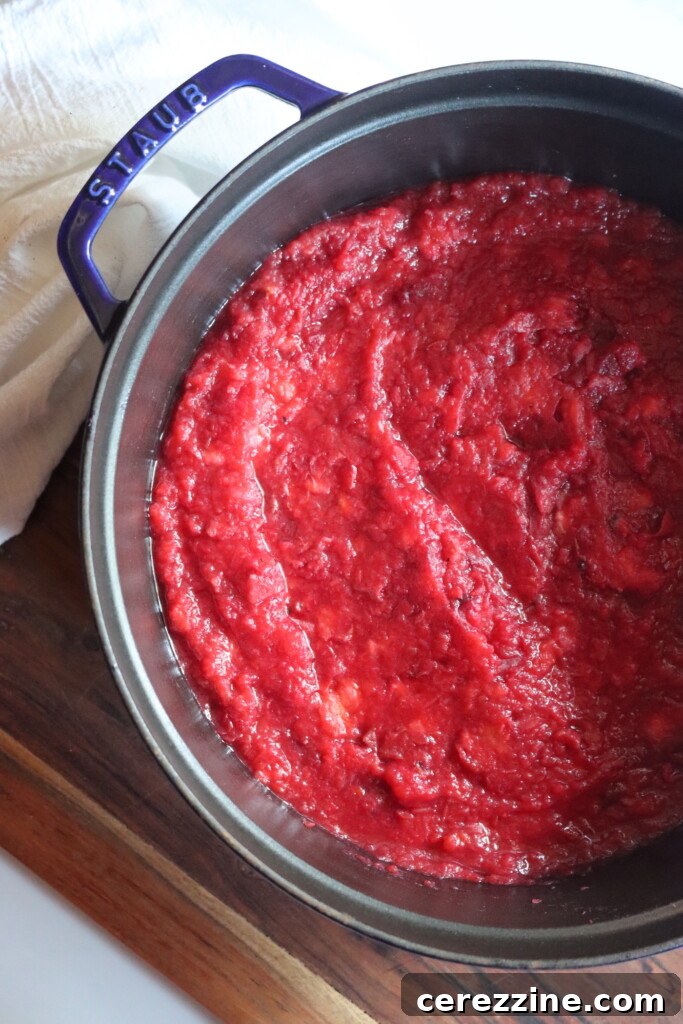
Once the crabapples are thoroughly soft and mushy, use a potato masher directly in the pot to further break them down into a thick pulp. Since crabapples inherently contain cores, seeds, and skins, the next critical step is to process this cooked fruit through a specialized tool. A food mill or a chinois sieve is indispensable here, as it effectively separates the smooth fruit pulp from any unwanted solids, leaving you with a wonderfully silky, rosy-hued crabapple purée.
While a fine mesh strainer can be used as an alternative if a food mill is unavailable, be prepared for a significantly more time-consuming and labor-intensive process, as you’ll need to manually press the pulp through the mesh. The efficiency of a food mill truly makes this step much easier and more enjoyable.
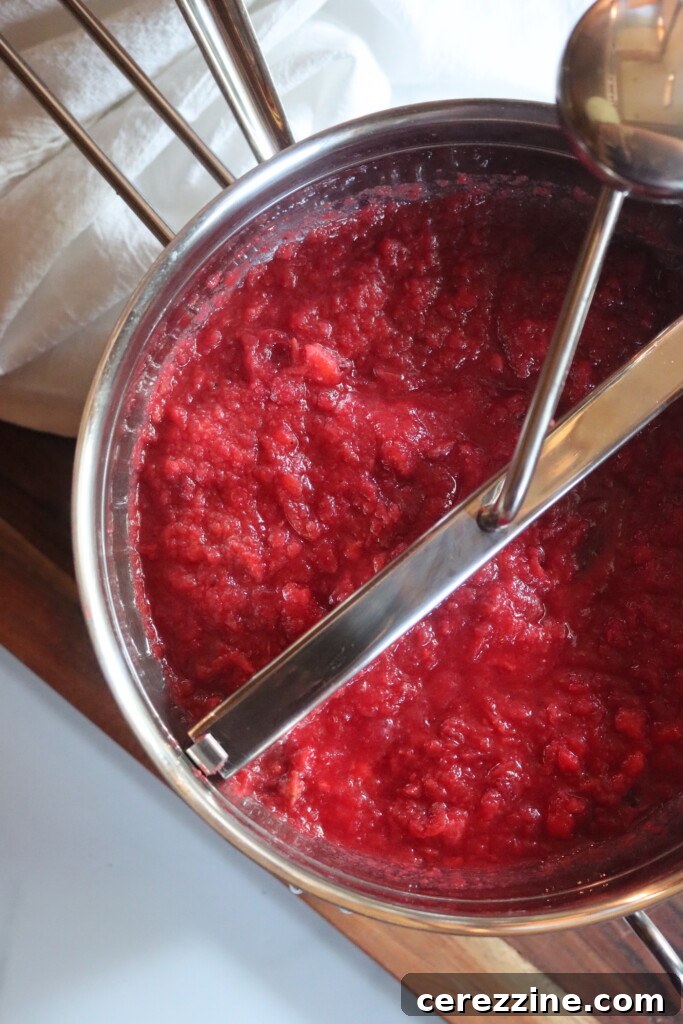
After straining, return the smooth crabapple purée to the pot and place it over low heat. Now is the time to adjust the flavor profile to your preference. Stir in sugar to taste; the amount can vary widely, typically from 1/4 cup to 1 cup for 5 pounds of fruit, depending on the natural tartness of your crabapples and your personal sweetness preference. If desired, you can also add a splash of lemon juice to enhance brightness (especially if your crabapples are on the sweeter side) or a pinch of ground cinnamon for a warm, comforting note. Personally, I often omit added cinnamon during cooking, preferring to add it at the time of serving to maintain the sauce’s versatility, and I find most crabapples possess enough natural acidity without additional lemon juice.
Gently simmer the sauce for an additional 5 to 10 minutes, stirring frequently to prevent it from sticking to the bottom of the pot. This final simmering allows the sugar to fully dissolve and helps the sauce thicken slightly to a desirable consistency. The result will be a fragrant, beautifully pink, and intensely flavorful crabapple sauce ready for enjoyment or preservation.
Canning Homemade Crabapple Sauce for Long-Term Storage
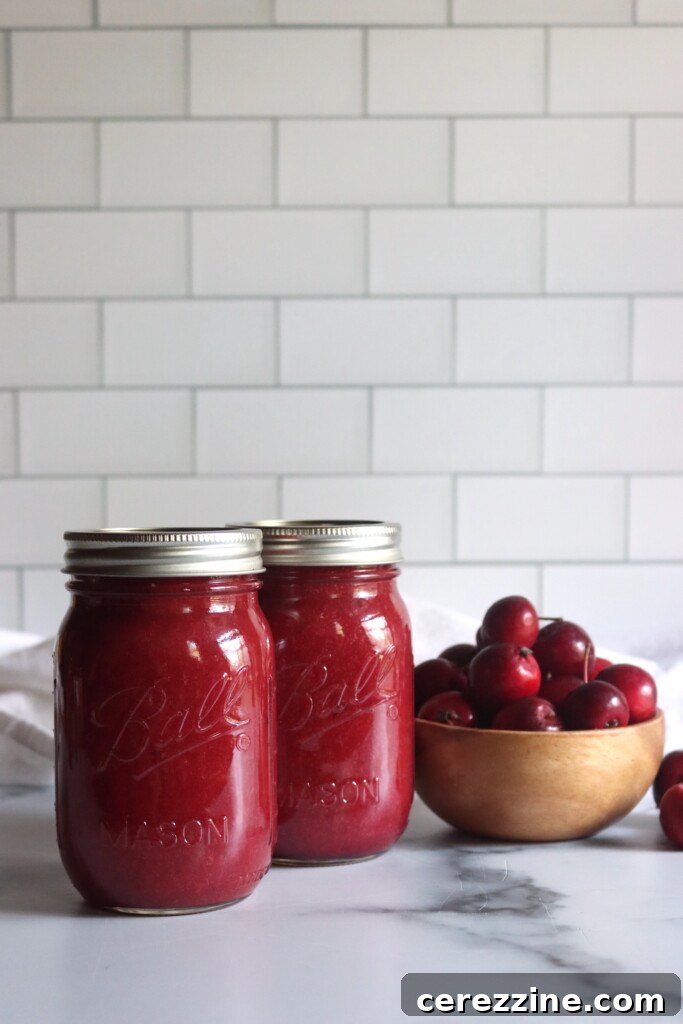
For those aiming to preserve their crabapple sauce for extended periods, water bath canning is a safe and effective method. While the sauce is still hot, carefully ladle it into sterilized canning jars, ensuring you leave a crucial ½ inch of headspace at the top of each jar. This headspace is essential for proper sealing. Wipe the rims of the jars clean to remove any food residue, then apply new, two-piece canning lids according to the manufacturer’s instructions.
Process the jars in a boiling water bath canner for 15 minutes. It is vital to adjust this processing time if you live at a higher altitude to ensure safe preservation. Refer to the altitude adjustment chart below for specific guidelines. Once processed, carefully remove the jars from the canner and allow them to cool undisturbed for 12-24 hours. Properly sealed jars will have a concave lid that does not flex when pressed.
If you don’t plan to can the sauce, simply let it cool completely before transferring it to airtight containers. It can then be stored in the refrigerator for up to a week, or frozen in freezer-safe containers for up to 6 months, offering a convenient way to enjoy your homemade crabapple sauce fresh.
Altitude Adjustments for Water Bath Canning Crabapple Sauce
When canning, it is crucial to adjust processing times for higher altitudes to ensure a safe, properly sealed product. Boiling water temperatures decrease at higher elevations, requiring longer processing times to achieve the necessary sterilization. Please refer to the following guidelines for crabapple sauce:
- 0–1,000 feet: Process jars for 15 minutes (pints) or 20 minutes (quarts).
- 1,001–3,000 feet: Process jars for 20 minutes (pints) or 25 minutes (quarts).
- 3,001–6,000 feet: Process jars for 20 minutes (pints) or 30 minutes (quarts).
- Above 6,000 feet: Process jars for 25 minutes (pints) or 35 minutes (quarts).
Yield and Consistency Notes for Crabapple Sauce
Starting with 5 pounds of whole crabapples typically yields approximately 4 cups, or about 2 pints, of finished crabapple sauce after the cooking and straining processes. However, the actual yield can fluctuate based on several factors, including the juiciness of the specific crabapple variety you use and the thoroughness of your straining. If you use a food mill and elect to retain a bit more pulp, you might achieve a slightly higher yield with a thicker consistency. Conversely, if you prefer a thinner, more refined sauce (perhaps leaning towards a jelly-like texture), you might expect a slightly lower yield due to more rigorous straining.
This recipe is highly adaptable. You can easily scale it up or down to accommodate the quantity of crabapples you have on hand. A good general rule of thumb is to anticipate needing about 1 pound of whole crabapples for every half pint of finished sauce you wish to produce. This flexibility makes it perfect whether you have a small basket of foraged fruit or a tree brimming with a large harvest.
Frequently Asked Questions (FAQ) About Crabapple Sauce
Yes, nearly any edible crabapple variety can be transformed into delicious sauce. Sweeter types like Dolgo or Chestnut crabapples are often preferred for their balanced flavor, but even very tart wild crabapples work wonderfully; you’ll simply need to adjust the amount of added sugar to taste. It’s best to avoid highly tannic varieties, as they can result in an unpleasantly astringent sauce. Save those for ferments like homemade hard cider!
No peeling is required! This is one of the best parts of making crabapple sauce. The skins soften during cooking and are effortlessly strained out along with the seeds, especially when using a food mill, which streamlines this step considerably.
When properly water bath canned, crabapple sauce can last for 12 to 18 months in a cool, dark pantry. If stored in the refrigerator, it will maintain its quality for about a week. For longer-term fresh storage without canning, frozen crabapple sauce remains delicious for up to 6 months in airtight, freezer-safe containers.
No, adding sugar to crabapple sauce is entirely optional and solely for enhancing flavor to your personal preference. Crabapples are naturally quite acidic, making the sauce acidic enough for safe canning even without any added sugar. You can make unsweetened crabapple sauce if desired.
Absolutely! This recipe scales up beautifully. Just ensure you have a sufficiently large pot to accommodate the increased volume of fruit and liquid, which will help prevent boil-overs and allow the fruit to cook evenly. Remember to stir more frequently to prevent any scorching at the bottom of the larger pot.
Creative Ways to Enjoy Your Homemade Crabapple Sauce
Crabapple sauce is far more versatile than you might imagine, offering a unique tart kick that elevates it beyond standard applesauce. Its inherent natural acidity lends a bright, complex flavor profile that pairs exceptionally well with a wide array of both sweet and savory dishes, making it a truly adaptable ingredient in your kitchen.
Consider serving it as a tangy contrast alongside rich roasted meats like pork loin, duck, or chicken. Its sharpness cuts through fattiness beautifully, cleansing the palate. For a delightful breakfast, spoon it generously over hot oatmeal, Greek yogurt, or cottage cheese, offering a naturally sweet and tart start to your day. In baking, crabapple sauce can be a fantastic substitute for oil or eggs in recipes for muffins, quick breads, and spice cakes, adding not only moisture but also a subtle, intriguing tartness. Beyond these, it blends wonderfully into refreshing smoothies, can be simmered down further for a flavorful glaze, or even used as a base for homemade fruit leathers, providing a healthy and chewy snack. Don’t be afraid to experiment; its distinct flavor can inspire many culinary creations!
If you tried this Crabapple Sauce recipe, or any other recipe on Creative Canning, leave a ⭐ star rating and let me know what you think in the 📝 comments below!
And make sure you stay in touch with me by following on social media!
More Apple Canning Recipes
Cranberry Applesauce
Crabapple Juice (and Syrup)
Crabapple Jelly
Crabapple Sauce
8 servings, Makes 2 Pints
Crabapple Sauce
10 mins
20 mins
15 mins
45 mins
Print Recipe
Equipment
-
Food Mill
-
Large Saucepan or Stockpot
-
Potato Masher
-
Canning Jars and Lids (if canning)
-
Water Bath Canner (if canning)
Ingredients
- 5 lbs crabapples, washed, stems removed
- 1 cup water, or apple juice
- Sugar to Taste, Optional, 1/4 cup to 1 cup for 5 lbs apples suggested
- Lemon juice, 1 Tbsp (Optional, for sweeter crabapples)
- Cinnamon, 1/2 tsp (Optional)
Instructions
-
Prepare the Crabapples: Rinse the crabapples thoroughly to remove any dirt. Remove stems and trim away any blemished spots. There’s no need to peel or core them—the skins and seeds will be strained out later.
-
Cook the Fruit: Place crabapples in a large saucepan or stock pot with 1 cup of water or apple juice. Bring to a boil over medium-high heat, then cover and reduce to a simmer. Cook for 20 to 30 minutes, stirring occasionally, until the fruit is soft and falling apart.
-
Mash and Strain: Mash the soft fruit with a potato masher. For a silky smooth sauce, run it through a food mill or press through a fine mesh strainer to remove the skins and seeds. This should yield about 3 to 4 cups of smooth crabapple puree.
-
Sweeten and Season: Return the strained puree to the pot and add sugar to taste, starting with 1/4 cup and adding more if needed. Optional: Add 1 Tbsp lemon juice (if using sweet crabapples) and ½ tsp cinnamon for a warm note. Simmer gently for another 5 to 10 minutes, stirring to prevent scorching.
-
Preserve or Store: If canning, ladle the hot crabapple sauce into sterilized jars, leaving ½ inch headspace. Wipe rims, apply lids, and process in a boiling water bath canner for 15 minutes for pints and 20 minutes for quarts. Adjust for altitude if above 6,000 feet in elevation (see notes below).
-
If not canning, allow the sauce to cool completely and store it in the refrigerator for up to 1 week or freeze for up to 6 months.
Notes
Water or Juice: Use 1 cup of water (or apple juice for added sweetness) to get the fruit started. Avoid adding too much liquid, or your sauce will be watery.
Straining Options: A food mill is the most efficient tool for removing seeds and skins. A fine mesh strainer or chinois works too, but may require more time and effort.
Sugar Adjustment: This recipe suggests 1/4 to 1 cup sugar, but feel free to adjust to taste. Some sweeter crabapple varieties may need very little sugar at all.
Optional Add-ins: A splash of lemon juice or a pinch of cinnamon can round out the flavor, but they’re entirely optional.
Storage Options: Water bath canned sauce is shelf stable for 12–18 months. If freezing, leave at least ½ inch of headspace in freezer-safe jars or containers.
Altitude Adjustments for Canning
- 0–1,000 ft: Process jars 15 minutes for pints and 20 minutes for quarts
- 1,001–3,000 ft: Process jars 20 minutes for pints and 25 minutes for quarts
- 3,001–6,000 ft: Process jars 20 minutes for pints and 30 minutes for quarts
- Above 6,000 ft: Process jars 25 minutes for pints and 35 minutes for quarts
Nutrition
Calories: 147kcal
, Carbohydrates: 39g
, Protein: 1g
, Fat: 0.5g
, Saturated Fat: 0.1g
, Polyunsaturated Fat: 0.1g
, Monounsaturated Fat: 0.02g
, Sodium: 4mg
, Potassium: 303mg
, Fiber: 7g
, Sugar: 29g
, Vitamin A: 153IU
, Vitamin C: 13mg
, Calcium: 18mg
, Iron: 0.3mg
Nutrition information is automatically calculated, so should only be used as an approximation.
Find the perfect recipe
Searching for something else? Enter keywords to find the perfect recipe!