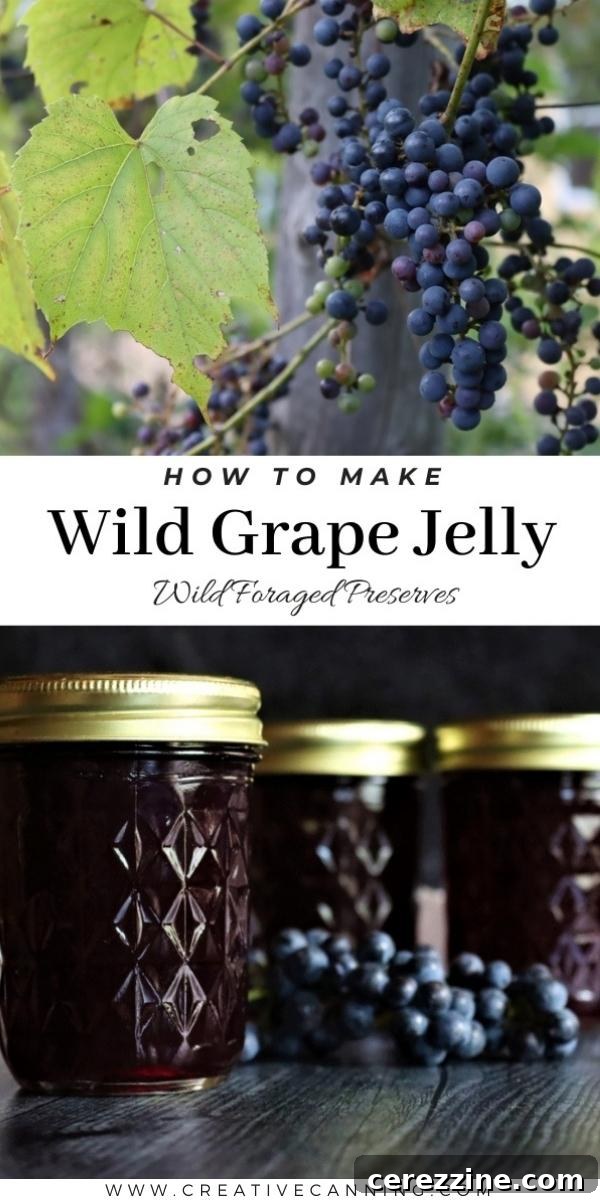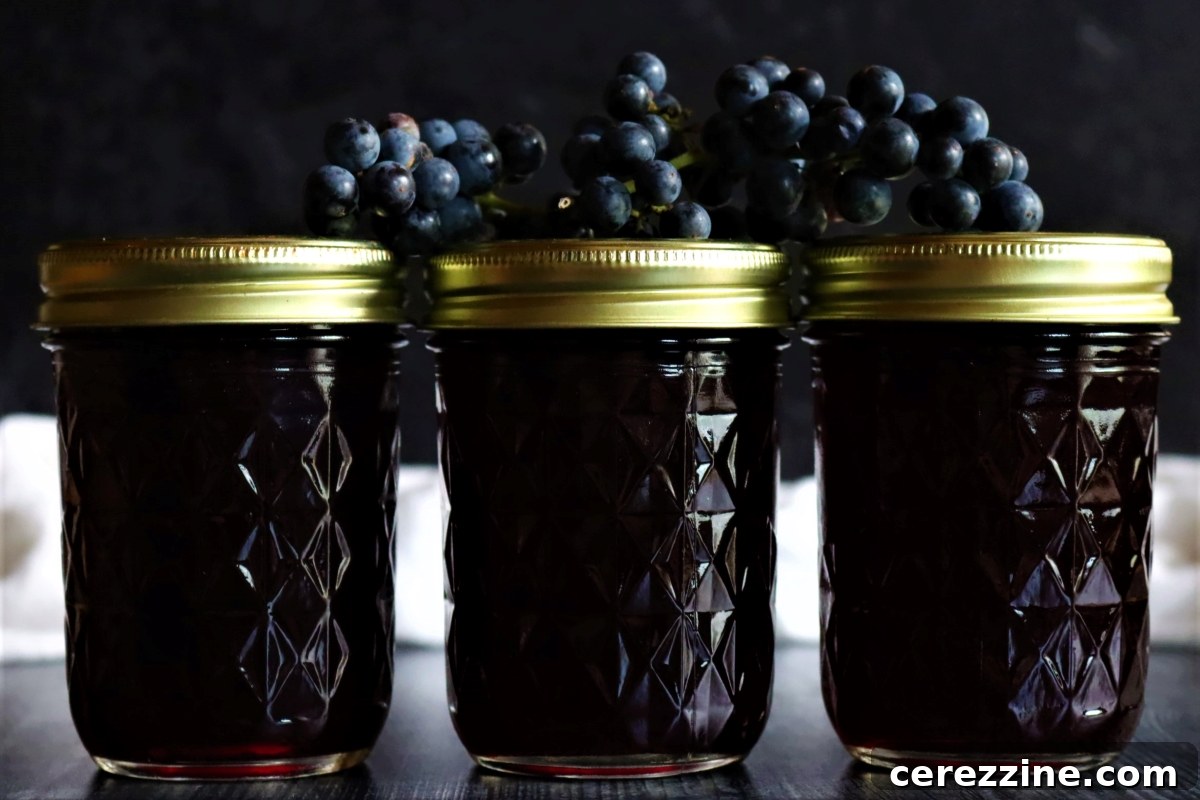
Transforming abundant wild grapes into vibrant, flavorful jelly is one of the most rewarding experiences for any home preserver or aspiring forager.
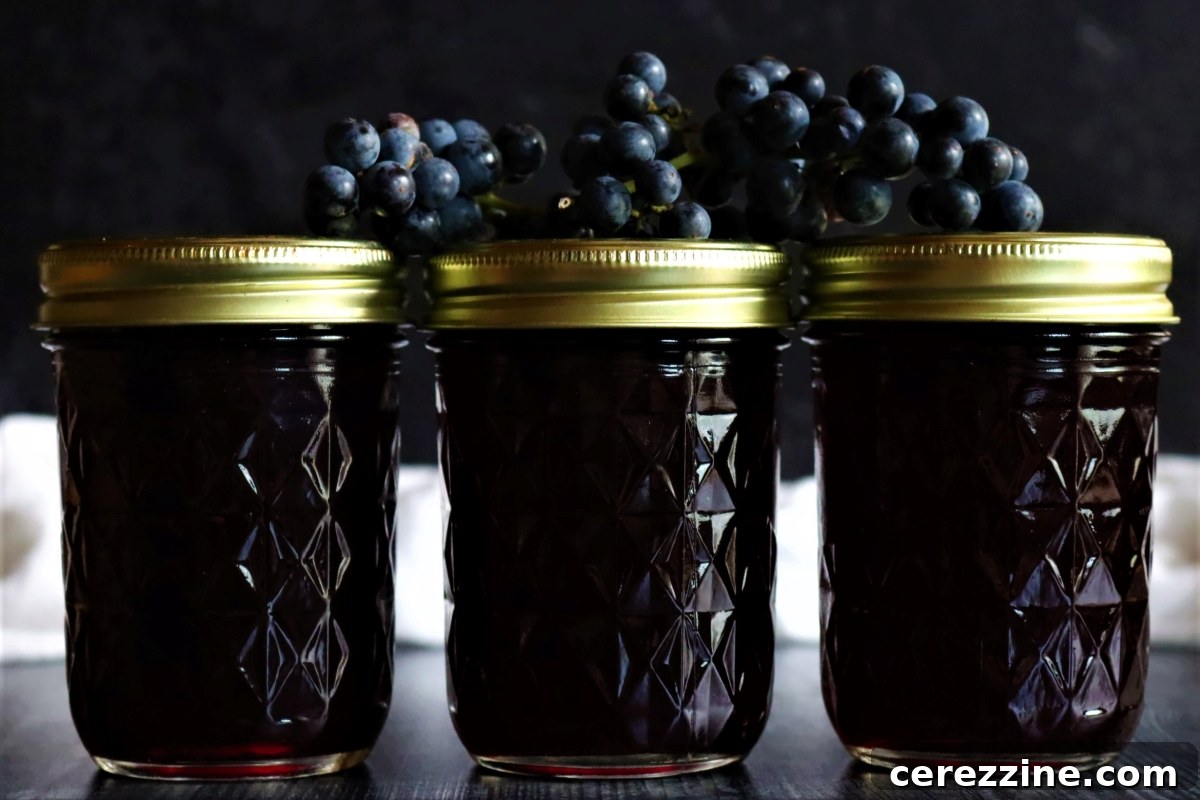
Homemade Wild Grape Jelly: Capturing the Essence of the Wild
Wild grapes are a true bounty of nature, often found growing with incredible vigor in a multitude of environments. These resilient vines can be discovered almost anywhere a bird drops a seed and a patch of sunlight allows them to climb—from the rustic charm of country fences and woodland edges to the surprising pockets of green in urban parks and forgotten lots. Their widespread presence makes them an ideal candidate for foraging, offering a free and delicious harvest each season for those keen to embrace nature’s pantry.
While celebrated for their robust, distinctive flavor, wild grapes are notably tart. This intense acidity makes them less palatable for eating fresh directly off the vine, but it is precisely this characteristic that makes them exceptional for crafting into exquisite jellies. The natural tartness of wild grapes harmonizes beautifully with the sugar required to achieve a proper jelly set, resulting in a rich, tangy, and deeply aromatic spread. Each spoonful of homemade wild grape jelly truly encapsulates the untamed spirit and vibrant flavors of the wild landscape.
Harvesting and Preparing Wild Grapes for Jelly
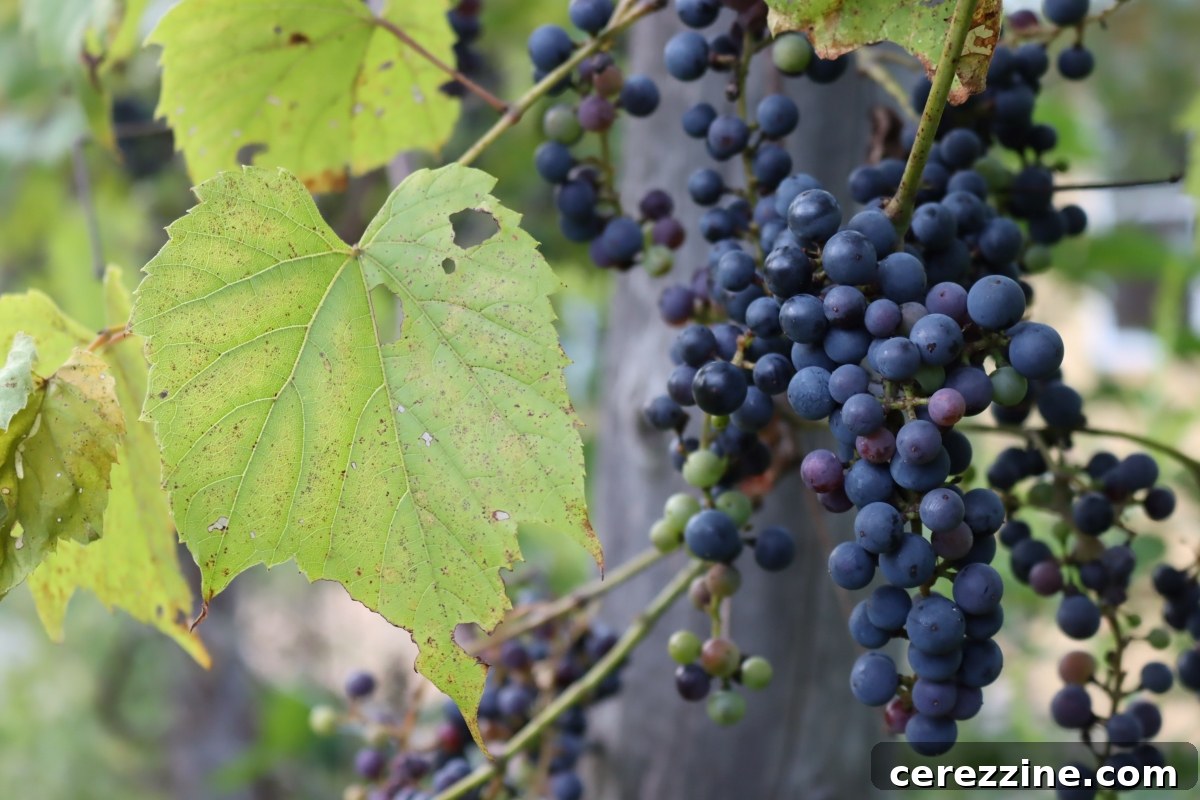
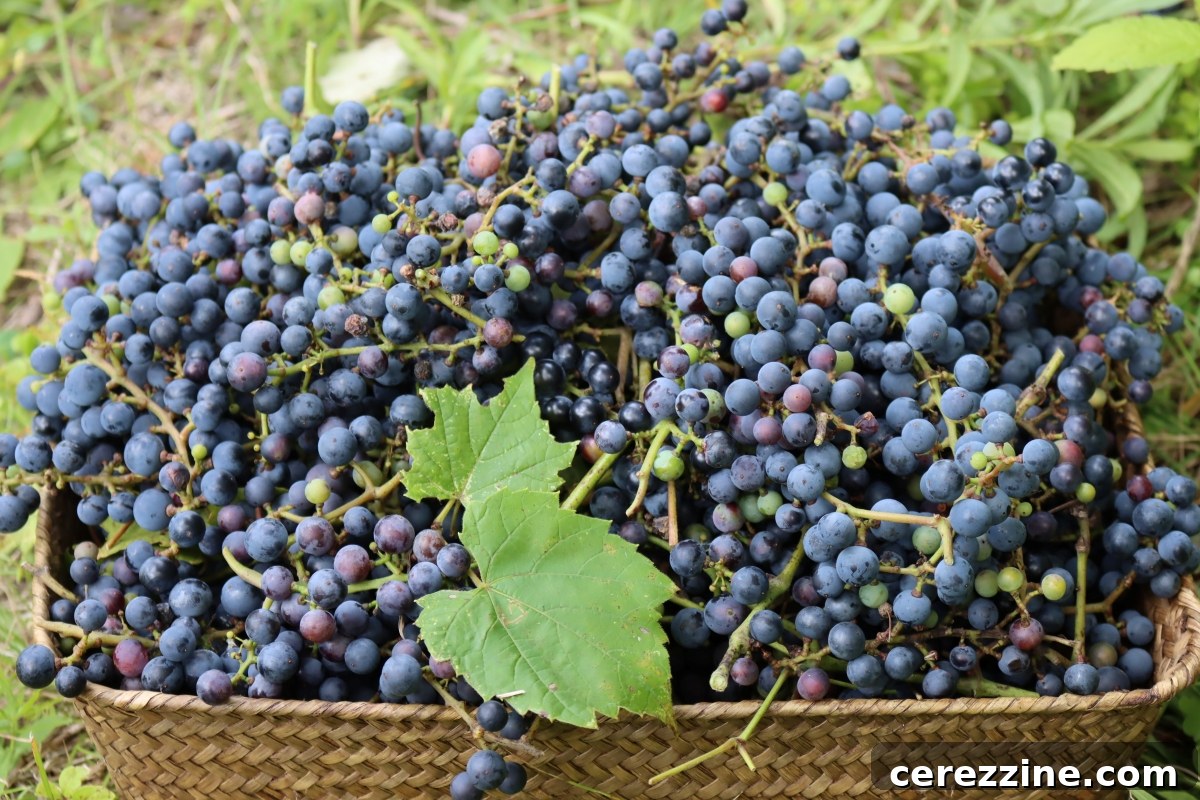
The journey to a perfect jar of wild grape jelly begins with thoughtful harvesting and meticulous juice extraction. When you venture out to forage, seek out plump, mature grapes, which typically display a deep purple or black hue. It’s always a good practice to taste a few berries to gauge their tartness and distinct flavor profile, as varieties can differ. Importantly, always ensure you are confidently identifying wild grapes and not any poisonous look-alikes. Once collected, your primary objective is to extract their pure, flavorful essence.
Effective Methods for Wild Grape Juice Extraction
For most home cooks, the simplest and most accessible method for extracting wild grape juice involves a large saucepan or a sturdy stockpot. Start by placing your thoroughly cleaned wild grapes into the pot with a minimal amount of water – just enough to cover the bottom and prevent the fruit from scorching (roughly half a cup for a substantial batch). Gently heat the grapes over medium heat, using a potato masher to crush them as they soften. Continue to simmer the mixture for 5 to 10 minutes, allowing the fruit to thoroughly break down and release its vibrant juices. This crucial step ensures maximum flavor extraction from every berry.
Following the breakdown of the grapes, the next phase is to strain the juice from the pulp. A jelly bag, suspended over a large bowl, offers an ideal, hands-off approach, allowing gravity to slowly separate the liquid from the solids, often best done overnight. Alternatively, for a quicker process, a fine-mesh strainer lined with a double layer of cheesecloth can be used. When using this method, you may gently press the fruit, but avoid excessive squeezing, as this can force pulp through the cloth and result in a cloudy jelly.
For individuals who frequently prepare homemade jellies or process larger quantities of fruit, a steam juicer presents an invaluable investment. This efficient appliance extracts juice without the need for manual mashing or straining through cloth, yielding beautifully clear juice with minimal effort. While the original content includes an Amazon affiliate link, it has been retained as per instructions to preserve the HTML structure.
As a practical guideline, expect to need approximately 3 to 4 pounds of wild grapes to yield about 4 cups (1 quart) of juice – the standard quantity for a single batch of jelly. If you are using the saucepan and cheesecloth method, it’s wise to aim for the higher end of this range (around 4 pounds, or roughly 8 to 10 cups of unstemmed grapes) to account for slight inefficiencies in juice extraction compared to a steam juicer.
The Non-Negotiable Step: Removing Tartrate Crystals from Wild Grape Juice
Once your wild grape juice has been extracted, there is a critical and non-optional step: refrigerating the juice overnight. This essential period allows for the complete precipitation of tartrate crystals, which are a natural component of grape juice, found in especially high abundance in wild varieties.
Tartrate crystals are essentially solidified forms of tartaric acid. While they are present in cultivated grapes, their quantities are typically small and often negligible, largely due to centuries of selective breeding aimed at reducing their presence. However, in wild grapes, these crystals are significantly more common and concentrated. When the grape juice is warm, the tartaric acid remains dissolved within the liquid. As the juice cools, however, it solidifies into distinct crystals, which then settle at the bottom of the container.
Removing these crystals before you begin making your jelly is absolutely paramount for both aesthetic and safety reasons. Aesthetically, tartrate crystals can diminish the visual appeal of your jelly, appearing as a gritty or sandy sediment in your otherwise clear and sparkling jars. More critically, these crystals are intensely sharp and can be quite irritating to the sensitive tissues of the digestive tract. Consuming them in significant quantities, as would be the case in a batch of wild grape jelly if left unfiltered, is not recommended and carries a potential risk of discomfort or even minor damage.
To put the importance into perspective, a single half-gallon of wild grape juice can yield nearly half a cup of visible tartrate crystals. This means that a typical jelly batch, requiring 4 cups of juice, could potentially contain about a quarter cup of these sharp crystals – translating to roughly a tablespoon per 8-ounce jar – if they are not properly removed. This simple, yet vital, process of refrigeration followed by straining is a small effort to prevent a noticeable quality issue and a potential safety concern.
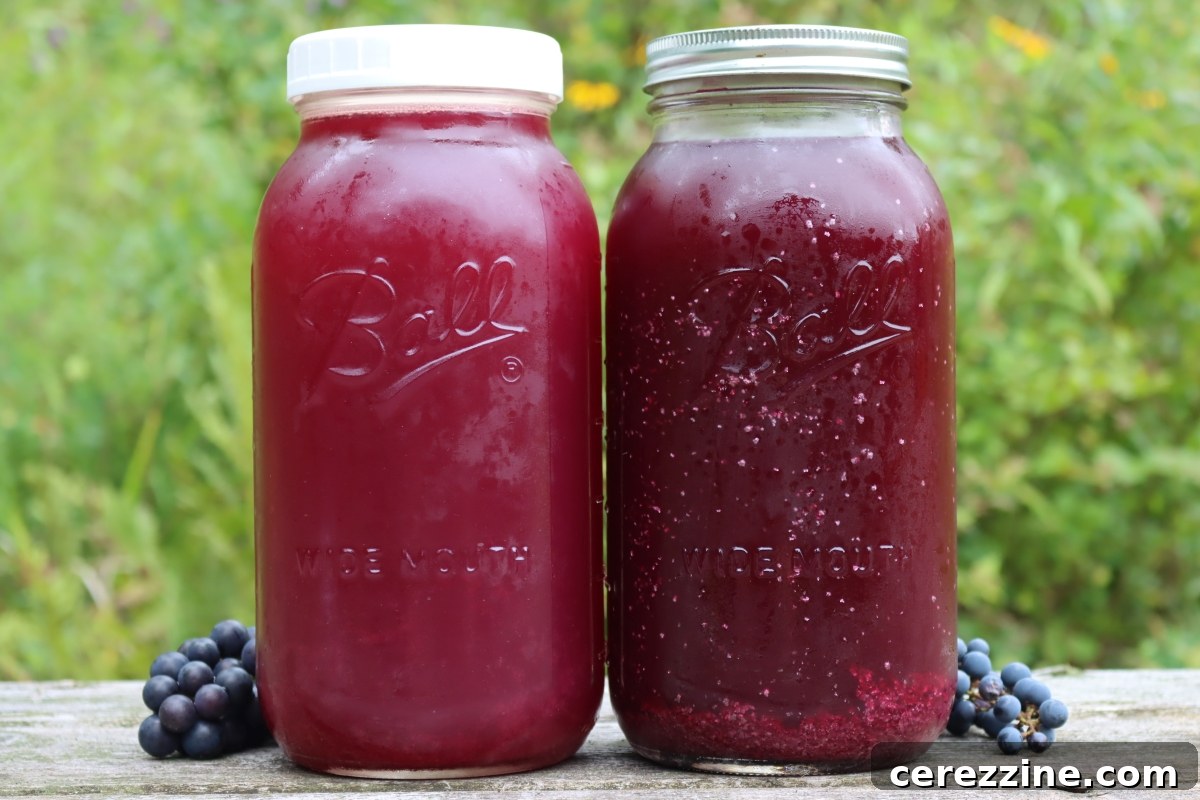
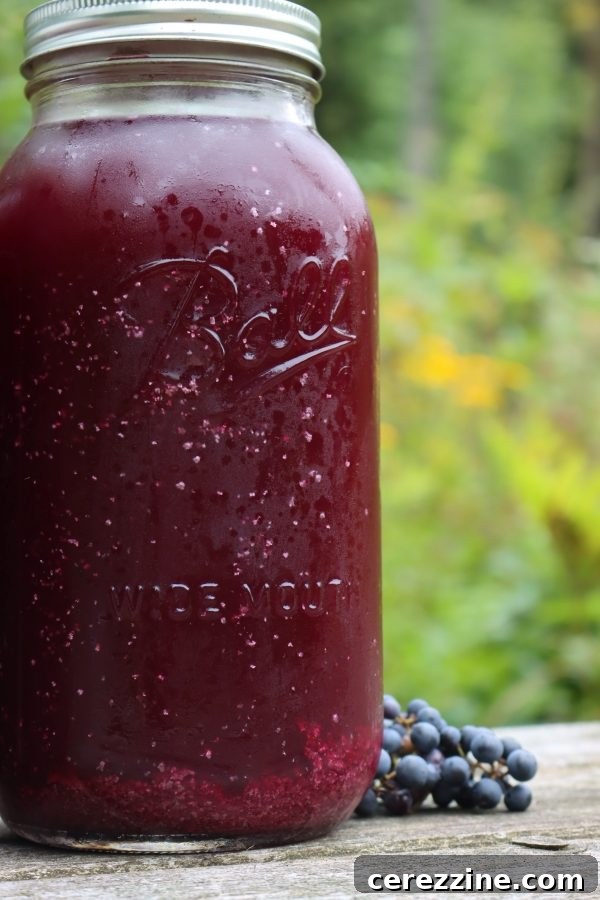
After your grape juice has been thoroughly refrigerated overnight, carefully pour the chilled liquid through a double layer of dampened cheesecloth or a clean jelly bag. This filtration process will efficiently capture all the precipitated tartrate crystals, leaving you with beautifully clear, pure, and safe-to-use wild grape juice. There’s no need for concern if your particular batch yields fewer crystals; the amount can naturally vary significantly depending on the specific wild grape variety you’ve harvested. Once filtered, your pristine wild grape juice is perfectly ready for jelly making. At this stage, you also have the option to sweeten it and enjoy it as a refreshing beverage, or even can it for later use by following standard grape juice canning procedures for cultivated varieties.
Crafting the Perfect Wild Grape Jelly
Creating a truly magnificent jelly involves a precise balance of fruit juice, sugar, and pectin to achieve that universally desired, delightful, and spreadable consistency. While some fruits are naturally abundant in pectin, wild grapes, despite their inherent acidity, often benefit significantly from the addition of commercial pectin to ensure a reliable and firm set.
Pectin: The Essential Element for a Reliable Set
Many seasoned jelly makers strive to achieve natural sets without relying on commercial pectin. While wild grapes do possess some natural pectin, consistently achieving a firm set without added boxed pectin can prove quite challenging. Through countless trials, many have found that wild grape jelly tends to remain a runny, syrupy consistency without this assistance. Therefore, for consistent, dependable results and a beautifully firm jelly every time, incorporating commercial powdered pectin is strongly recommended.
When selecting your pectin, widely available options such as Sure-Jell, Mrs. Wages, or Ball Pectin are excellent choices. For greater flexibility with sugar content, especially given the natural, intense tartness of wild grapes, a low-sugar pectin (like Sure-Jell Low Sugar) is an outstanding choice. This type of pectin allows you to meticulously adjust the sugar level to your precise preference without compromising the crucial gel set, which is particularly advantageous when working with intensely tart wild fruits. Importantly, since wild grapes are naturally high in acid, there is no need to add additional lemon juice, as their inherent acidity is sufficient to ensure a safe canning environment and proper set.
Step-by-Step Wild Grape Jelly Making Process
- Prepare and Combine: In a large, heavy-bottomed pot or a dedicated jelly kettle, bring the strained and thoroughly filtered wild grape juice to a full, rolling boil. Vigorously stir in the powdered pectin, ensuring that it is completely dissolved and no lumps remain. Continue boiling vigorously for exactly 1 minute, maintaining constant stirring to fully incorporate the pectin.
- Incorporate Sugar: Carefully add the measured granulated sugar to the intensely boiling juice and pectin mixture. Continue to stir continuously until every sugar crystal is completely dissolved. Return the mixture to a full, rolling boil and cook for precisely another 1 minute, stirring without interruption to prevent any scorching.
- Test for Set (Optional, but Highly Recommended): To confirm a proper jelly set, you can utilize the cold plate test. Before you begin cooking, place a small ceramic plate in your freezer. When you believe the jelly mixture is ready, spoon a small teaspoon of hot jelly onto the chilled plate. Allow it to sit for about 30 seconds, then gently push it with your fingertip. If the surface wrinkles, your jelly is ready. If not, continue boiling for an additional minute and repeat the test until the desired consistency is achieved.
- Ladle into Jars: Promptly remove the pot from the heat. Using a clean metal spoon, carefully skim off any foam that may have formed on the surface of the jelly. Ladle the hot jelly into your prepared, hot canning jars, ensuring you leave a precise 1/4 inch of headspace at the top of each jar.
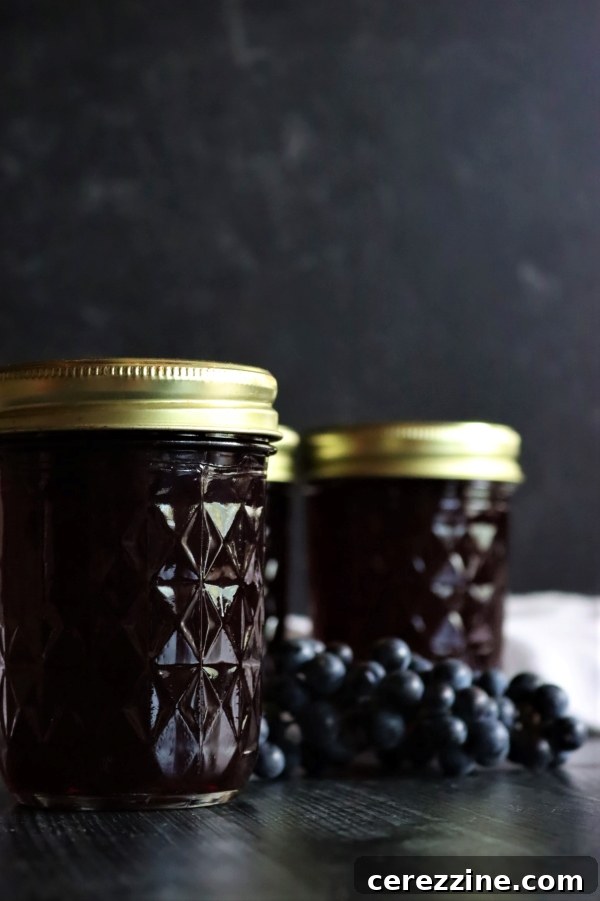
Preserving Your Wild Grape Jelly: Canning and Storage
Once your exquisite wild grape jelly is prepared, you have several flexible options for storage, depending on your desired shelf life and preferred preservation method. Each method offers distinct advantages for enjoying your homemade treat.
Refrigerator and Freezer Storage Options
For smaller batches of wild grape jelly intended for immediate enjoyment or consumption within a few weeks, simple refrigerator storage is perfectly adequate. In the refrigerator, this homemade jelly will maintain its peak quality for approximately 2 weeks. If you seek a longer short-term storage solution without the commitment of canning, the jelly can be safely frozen for up to 6 months. To freeze, simply allow the jelly to cool completely in freezer-safe containers, ensuring you leave adequate headspace for expansion before transferring them to the freezer.
Water Bath Canning for Extended Pantry Stability
For long-term pantry-stable storage and the profound satisfaction of a well-stocked larder, water bath canning is an exceptional and surprisingly straightforward method. Properly canned wild grape jelly can be stored on your pantry shelf for an impressive 12 to 18 months, ensuring you can savor the vibrant flavors of summer long into the colder seasons, making it a sustainable and rewarding preservation technique.
Detailed Water Bath Canning Steps:
- Prepare Canning Equipment: Prior to beginning the jelly-making process, ensure your water bath canner is prepared and ready. Gather clean canning jars and new, unused lids. While jars should always be clean, for processing times exceeding 10 minutes (like this recipe), formal sterilization is often not required as the boiling water bath itself will sterilize them. However, it’s a good habit to keep jars hot. Lids should be simmering in a small saucepan of water to soften their sealing compound.
- Fill Jars Precisely: Carefully ladle the hot wild grape jelly into the prepared hot jars. It is critical to maintain a precise 1/4 inch of headspace at the top of each jar. This specific amount of space is vital for proper sealing and to prevent siphoning (liquid loss) during the high-temperature processing.
- Clean Rims and Secure Lids: Using a clean, damp cloth, meticulously wipe the rims of the jars to remove any sticky residue or drips that could interfere with a strong, reliable seal. Place a flat lid centered on each jar, followed by a screw band. Tighten the screw band only fingertip-tight – just until resistance is met. Avoid overtightening, as this can prevent air from escaping and compromise the seal.
- Process Jars in Canner: Gently lower the filled jars onto the rack within your simmering water bath canner, ensuring that they are fully submerged by at least 1 inch of water. Bring the canner to a full, vigorous rolling boil.
- Determine Processing Time: Once a full rolling boil is vigorously maintained, begin timing the process. Process the jars for 10 minutes. If you are canning at an altitude above 6,000 feet, you must increase the processing time to 15 minutes to compensate for the lower boiling point of water at higher elevations.
- Cool and Verify Seals: After the designated processing time has elapsed, turn off the heat source and carefully remove the canner lid. Allow the jars to rest undisturbed in the hot water for 5 minutes before carefully removing them using a jar lifter. Place the hot jars on a clean towel on your kitchen counter, ensuring they are not touching each other, and allow them to cool completely and undisturbed for 12 to 24 hours.
- Confirm Seals: Once cooled, meticulously check the seals of all jars. The center of the lid should be concave (curved inwards) and should not flex or pop when pressed. If any jars have not sealed properly, store them immediately in the refrigerator for prompt consumption.
Properly canned and sealed jars of wild grape jelly will retain their peak quality and flavor on a cool, dark pantry shelf for 12-18 months. Always remember to refrigerate a jar promptly once it has been opened to maintain its freshness and quality.
Wild Grape Jelly Recipe
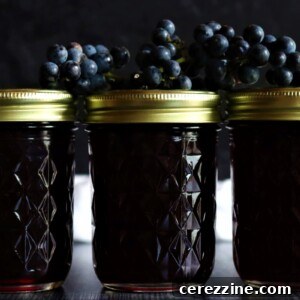
Wild Grape Jelly
By Ashley Adamant
Wild grape jelly is the perfect way to use tart wild foraged grapes, transforming them into a delightful sweet-tart spread with deep, natural flavor.
- Prep Time: 1 day (includes essential overnight refrigeration)
- Cook Time: 10 minutes (active cooking)
- Canning Time (Optional): 10 minutes
- Yields: Approximately 5 (8 oz) Jars (about 48 Servings)
Equipment
- Boxed Powdered Pectin (low sugar variety like Sure-Jell recommended)
- Steam Juicer (optional; alternatively, use a large saucepan & jelly bag/cheesecloth)
- Large saucepan or jelly pot (minimum 6-quart capacity)
- Jelly bag or double layer of cheesecloth
- Canning jars (8 oz preferred) with new lids and bands (if planning to can)
- Water bath canner (if planning to can)
- Jar lifter, canning funnel, headspace tool
Ingredients
- 3 to 4 lbs Wild Grapes (to yield 4 cups of filtered juice)
- 4 cups Granulated Sugar
- 1 box Powdered Pectin (1.75 oz), *see notes below on pectin types
Instructions
- Extract Grape Juice: Begin by thoroughly juicing 3 to 4 pounds of wild grapes. The simplest method is to place them in a stockpot with approximately 1/2 cup of water, bring to a boil, and simmer for 5 to 15 minutes, mashing gently with a potato masher until the grapes are fully broken down. Strain the extracted juice through a jelly bag or a double layer of cheesecloth into a clean bowl. For superior clarity and efficiency, a steam juicer can be used as an alternative.
- Measure and Adjust Juice: Carefully measure the resulting juice. You should aim for exactly 4 cups. If you have slightly less, you may add a small amount of water to reach the 4-cup mark, or, if significantly short, forage more grapes. If you have more than 4 cups, reserve the excess juice for another culinary use (e.g., beverages, sauces).
- Refrigerate Juice Overnight: This is a crucial and mandatory step for wild grape juice. Transfer the measured grape juice to a clean container and refrigerate it overnight (at least 8-12 hours). This allows tartrate crystals, naturally present in wild grapes, to precipitate and settle at the bottom.
- Filter Tartrate Crystals: In the morning, carefully pour the cold, refrigerated juice through a double layer of dampened cheesecloth or a clean jelly bag to remove all the precipitated tartrate crystals. This step is essential for both the safety and optimal texture of your jelly.
- Prepare for Canning (Optional): If you plan to can your jelly, now is the time to prepare your water bath canner, clean canning jars, and new canning lids according to standard canning guidelines. Keep jars hot.
- Cook Jelly Base: Pour the strained and filtered wild grape juice into a large, heavy-bottomed jelly pot. Bring the juice to a vigorous, rolling boil. Add the powdered pectin (do NOT add the sugar at this stage) and continue to boil hard for 1 minute, stirring continuously to ensure the pectin is fully dissolved and evenly distributed.
- Add Sugar and Boil: Promptly add the granulated sugar to the boiling juice-pectin mixture. Stir vigorously and continuously until all the sugar is completely dissolved. Return the mixture to a full, rolling boil and continue to cook for an additional 1 minute, stirring constantly to prevent scorching.
- Ladle into Jars: Immediately remove the pot from the heat. Skim off any foam that has formed on the surface of the jelly using a clean metal spoon. Carefully ladle the hot jelly into your prepared hot jars, ensuring you leave a precise 1/4 inch of headspace at the top of each jar.
- Process Jars (If Canning): If canning, wipe the jar rims clean with a damp cloth, place flat lids on the jars, and secure with screw bands, tightening fingertip-tight. Carefully place the jars into the simmering water bath canner. Bring the canner to a full, rolling boil and process the jars for 10 minutes. If you are at an elevation above 6,000 feet, increase the processing time to 15 minutes.
- Cool and Store: After processing, turn off the heat and allow the jars to rest in the canner for 5 minutes before carefully removing them with a jar lifter. Place the hot jars on a clean towel on your counter, ensuring they are not touching, and let them cool undisturbed for 12-24 hours. Check seals: the center of the lid should be concave and not flex when pressed. Properly sealed and canned jars will keep their peak quality for 12-18 months in a cool, dark pantry. Any unsealed jars must be stored in the refrigerator for immediate use.
- Non-Canned Storage: If you choose not to can, the fresh wild grape jelly will keep for approximately 2 weeks in the refrigerator or can be frozen for up to 6 months.
Notes
Critical Tartrate Crystal Removal: It is paramount to strain out tartrate crystals from wild grape juice. These crystals will solidify within the jelly as it cools and, if consumed, can be abrasive and irritating to the digestive tract. Therefore, always refrigerate your wild grape juice overnight to encourage precipitation, and then meticulously filter the juice before you begin the jelly-making process.
Guidance on Pectin Type
This recipe is designed to work effectively with most common powdered boxed pectins, including popular brands like Sure-Jell, Mrs. Wages, and Ball Pectin. These traditional pectins typically require a 1:1 ratio of sugar to fruit juice to achieve a proper, firm set. If your preference is to use less sugar in your jelly, we highly recommend opting for a low-sugar pectin, such as Sure-Jell Low Sugar. When using low-sugar pectin, you can adjust the quantity of sugar according to the specific instructions provided on its packaging, offering greater control over sweetness.
Should you choose to use Pomona’s Universal Pectin, which operates on a different gelling mechanism (requiring calcium water rather than specific sugar ratios), first ensure you thoroughly strain your grape juice to remove any acid crystals as described above. Then, simply follow the specific instructions on the Pomona’s package for making regular grape jelly, adapting for your wild grape juice.
Liquid pectin is generally not recommended for this wild grape jelly recipe. It typically demands a significantly higher sugar content to achieve a proper set (for example, often requiring up to 7 cups of sugar for just 4 cups of juice). Furthermore, the order of adding ingredients is reversed with liquid pectin, where sugar is added before the pectin itself. This can lead to an overly sweet jelly that masks the natural tartness of wild grapes and adds unnecessary complexity to the process.
Nutrition
Nutrition information is an approximation, automatically calculated and may vary based on ingredients and preparation.
- Calories: 87 kcal
- Carbohydrates: 23g
- Protein: 0.2g
- Fat: 0.1g
- Saturated Fat: 0.02g
- Polyunsaturated Fat: 0.01g
- Monounsaturated Fat: 0.002g
- Sodium: 3mg
- Potassium: 55mg
- Fiber: 0.3g
- Sugar: 21g
- Vitamin A: 19 IU
- Vitamin C: 1mg
- Calcium: 3mg
- Iron: 0.1mg
Discover More Delightful Homemade Jelly Recipes
If you’ve thoroughly enjoyed the process of making this exquisite wild grape jelly, we invite you to explore other delightful homemade jelly creations that can enrich your pantry and tantalize your taste buds. Expand your preserving skills with these unique and flavorful recipes:
- Gooseberry Jelly: A Tangy Sweet Treat
- Seedless Black Raspberry Jelly: Rich & Smooth
- Corn Cob Jelly: A Surprisingly Sweet & Unique Spread
- Rose Petal Jelly: Delicate & Aromatic
- Savory Herbal Jellies: Unexpected Flavors for Culinary Adventures
Explore More Wild Foraged Canning Ideas
Beyond the realm of delicious jellies, the fascinating world of wild foraging offers a myriad of opportunities for preserving nature’s abundant gifts. Expand your home canning repertoire and embrace the bounty of the wild with these unique and inspiring foraged recipes, ensuring no seasonal harvest goes to waste:
- Autumn Olive Jam: A Bright & Tangy Preserve
- Pin Cherry Jelly: Sweet-Tart & Vividly Colored
- Pickled Ramps (Wild Leeks): A Gourmet Foraged Delight
- Saskatoon Jelly: A Taste of the Prairies
- Redbud Jelly: Floral & Uniquely Flavored
- Clover Jelly: A Sweet & Subtle Wilderness Treat