
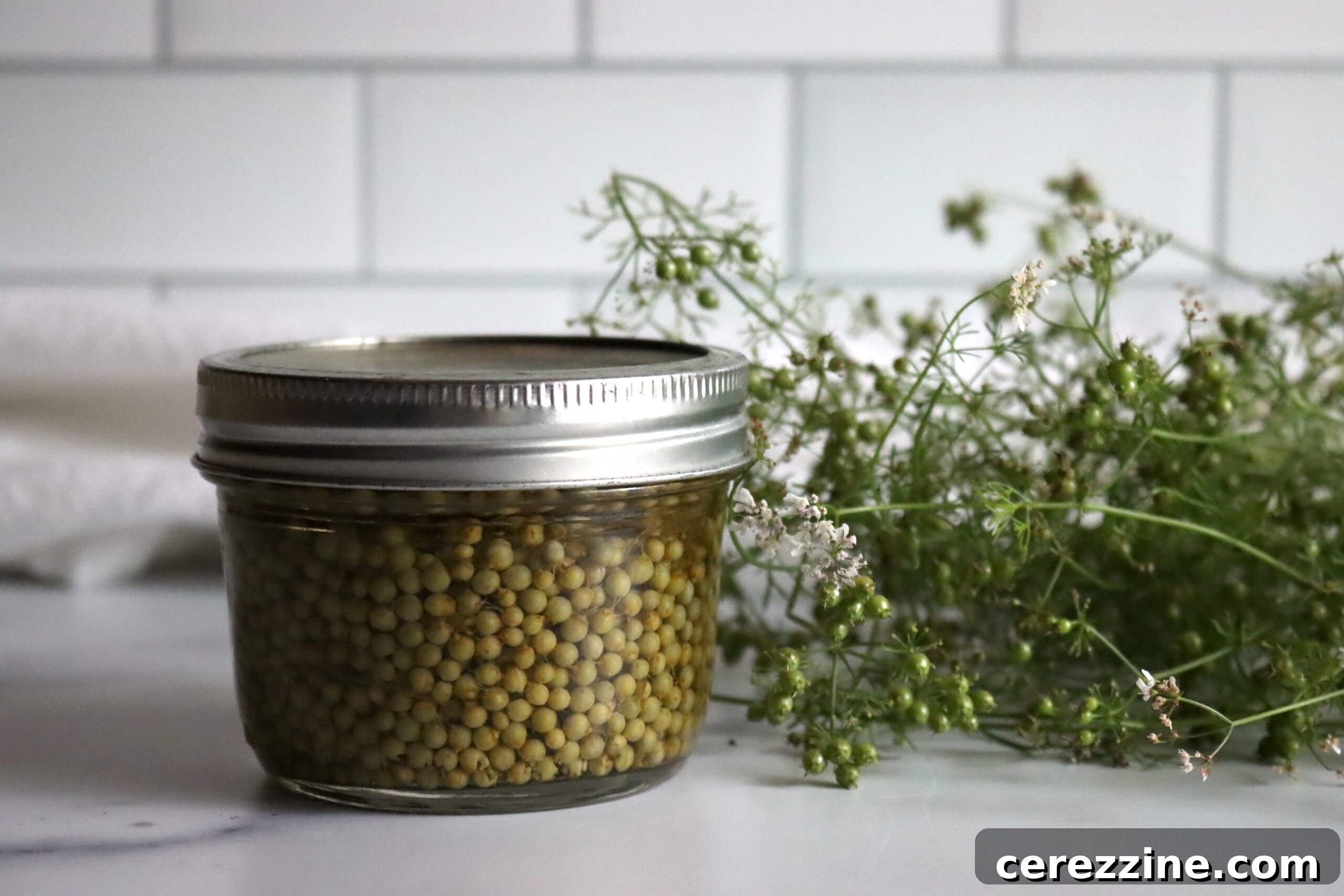
Mastering the Art of Pickling Green Coriander Seeds: A Flavorful Journey
Green coriander seed has a unique flavor that works wonderfully when pickled, offering a refreshing and zesty twist to your culinary creations.
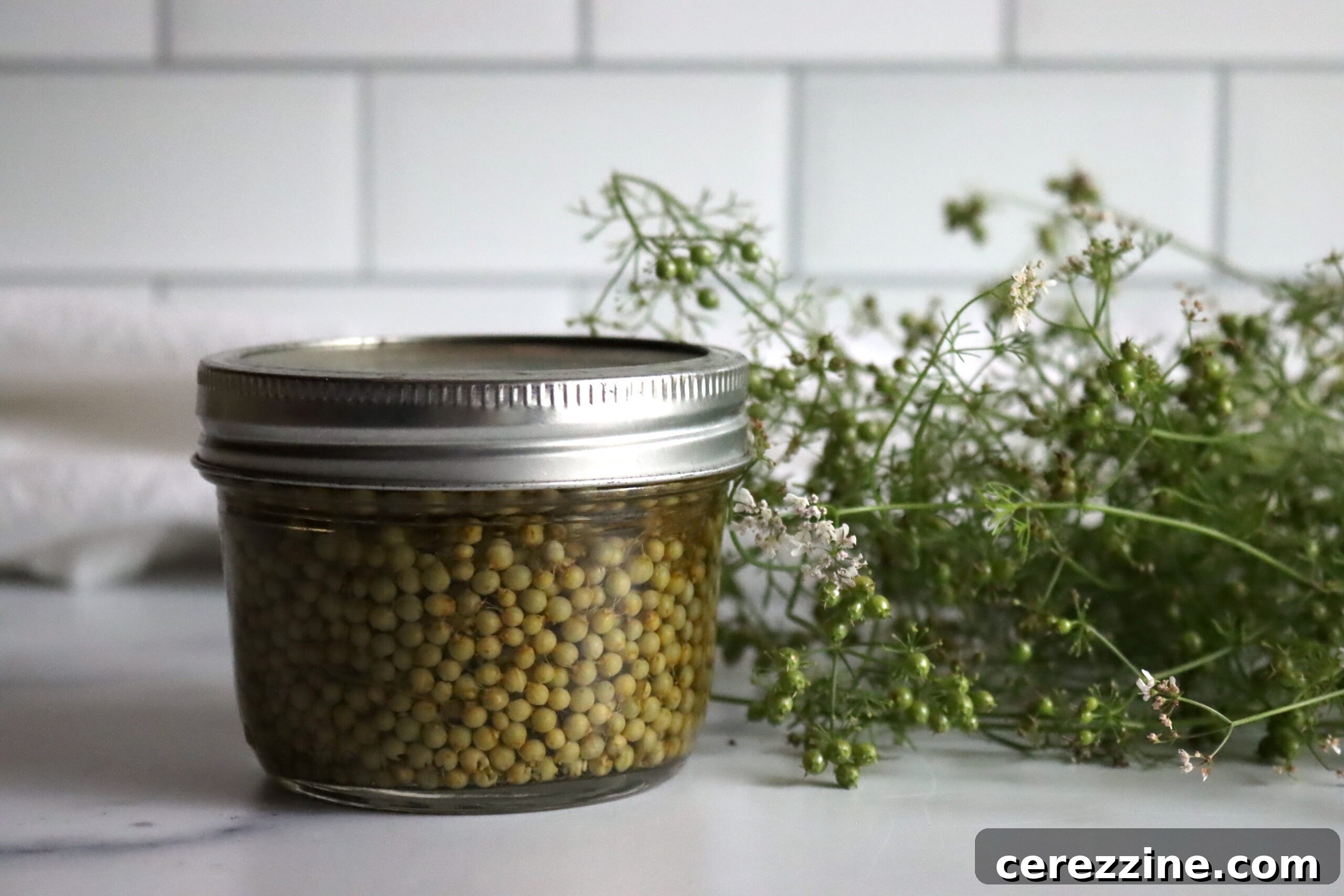
Imagine opening a jar and being greeted by the refreshing aroma of fresh cilantro, perfectly preserved and ready to add a burst of unique flavor to your dishes. Welcome to the delightful world of pickling green coriander seeds!
Pickling green coriander seeds is a fantastic way to capture the fleeting freshness of cilantro and transform it into a deliciously zesty condiment that will surprise and delight your palate. Green coriander seeds, often referred to simply as cilantro seeds, are the unripe seeds of the cilantro plant. Unlike their dried, mature counterparts which offer a warm, citrusy, and somewhat nutty flavor, green coriander seeds possess a bright, herbaceous, and slightly tangy essence that is truly unique.
When pickled, these young, tender seeds retain the vibrant, fresh qualities of cilantro while gaining a pleasing tartness and a satisfying pop of texture. This transformation makes them an incredibly versatile ingredient, capable of enhancing a wide array of dishes, from crisp salads and grilled seafood to hearty grain bowls and zesty marinades. They offer a culinary experience distinct from both fresh cilantro leaves and dried coriander seeds, presenting an exciting new dimension to your pantry.
In this comprehensive guide, we’ll walk you through everything you need to know about canning your own pickled green coriander seeds. We’ll cover ingredient selection, essential canning techniques, and creative serving suggestions for this delightfully tangy and aromatic condiment that’s sure to become a new favorite in your kitchen.
Why Pickle Green Coriander Seeds?
There are several compelling reasons to embark on the journey of pickling green coriander seeds:
- Unique Flavor Profile: They offer a fresh, bright, and tangy taste that is unparalleled. It’s a different experience from both the leafy herb and the dried spice.
- Preservation: Pickling is an ancient method of food preservation. By pickling, you extend the life of fresh cilantro seeds, allowing you to enjoy their unique flavor long after their growing season has passed.
- Culinary Versatility: These pickled gems can elevate countless dishes, from simple appetizers to complex main courses. Their zesty kick adds a layer of sophistication.
- Minimizing Waste: If you grow cilantro, you know it can bolt quickly. Pickling the green seeds is an excellent way to utilize the entire plant and prevent food waste.
- Homemade Goodness: There’s immense satisfaction in creating your own gourmet condiments. You control the ingredients, ensuring a product free from artificial preservatives and tailored to your taste.
Choosing and Preparing Your Green Coriander Seeds
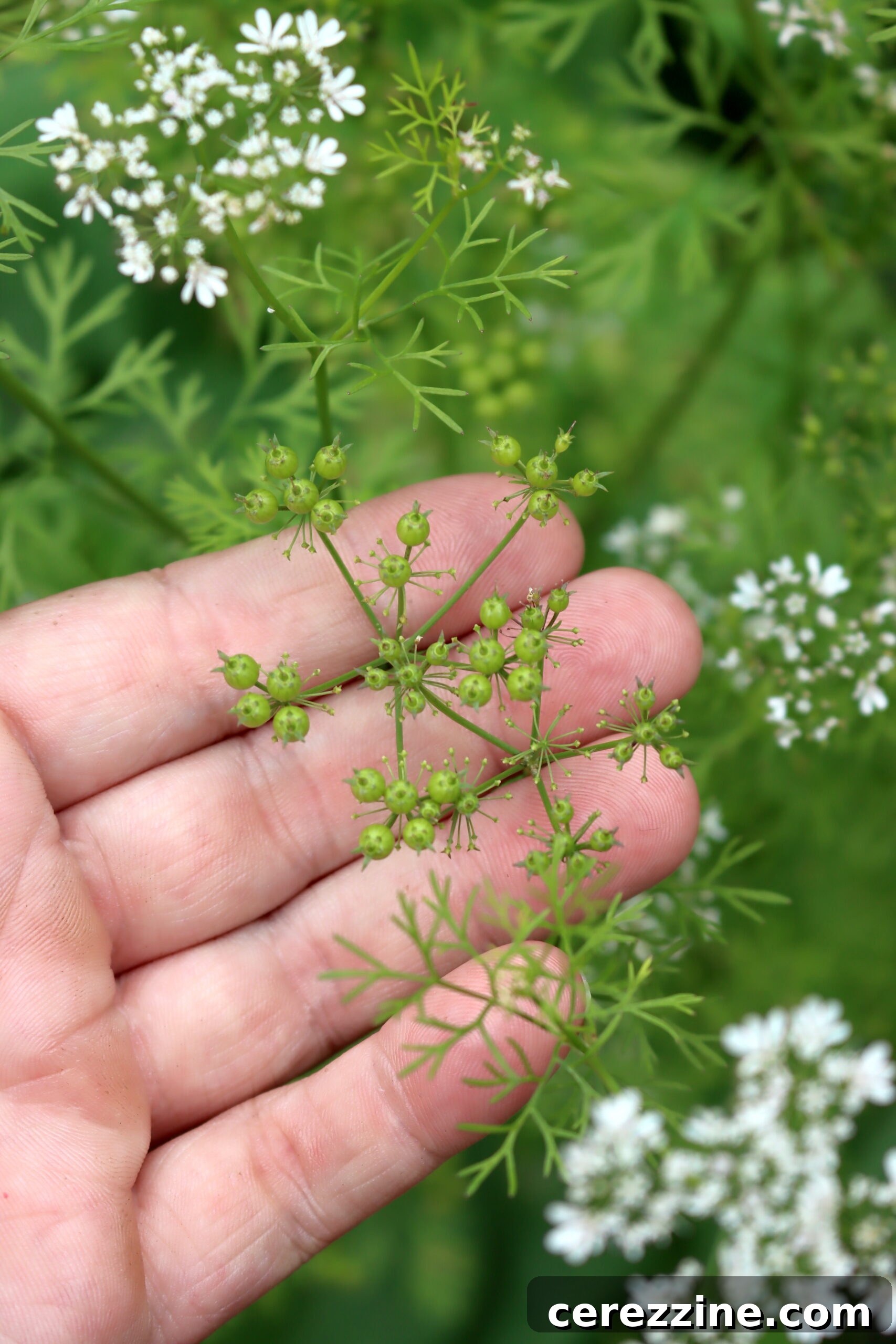
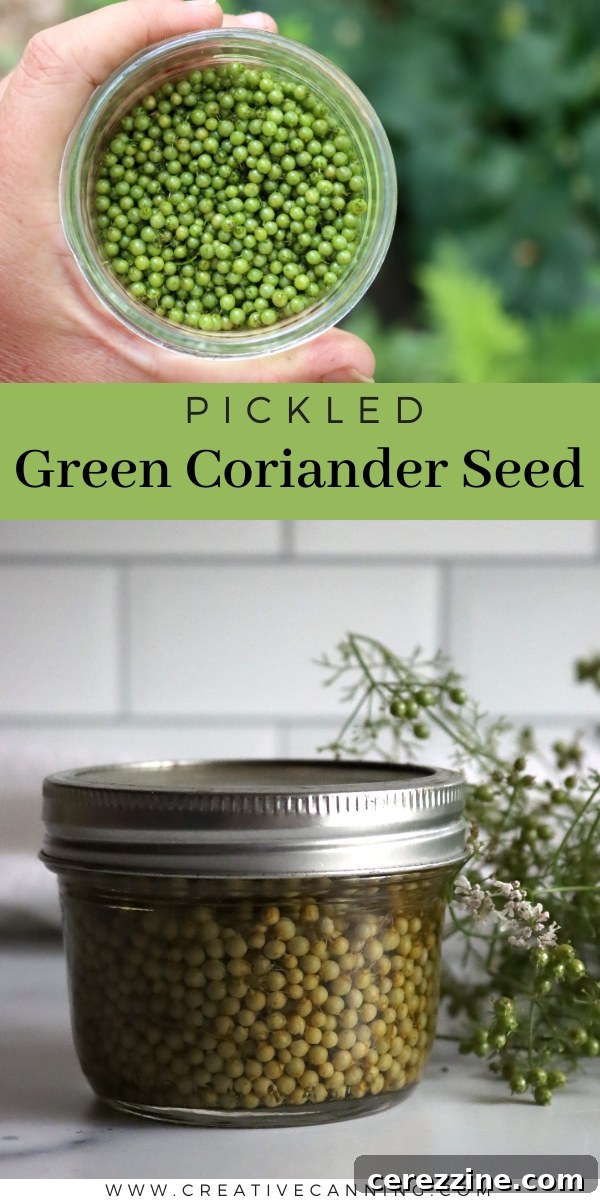
The success of your pickled green coriander seeds hinges on selecting the right raw material. Unripe coriander seeds are typically harvested when they are still vibrant green and plump, just before they begin to dry and turn beige or brown. At this stage, they are tender and bursting with the herbaceous, citrusy notes characteristic of fresh cilantro.
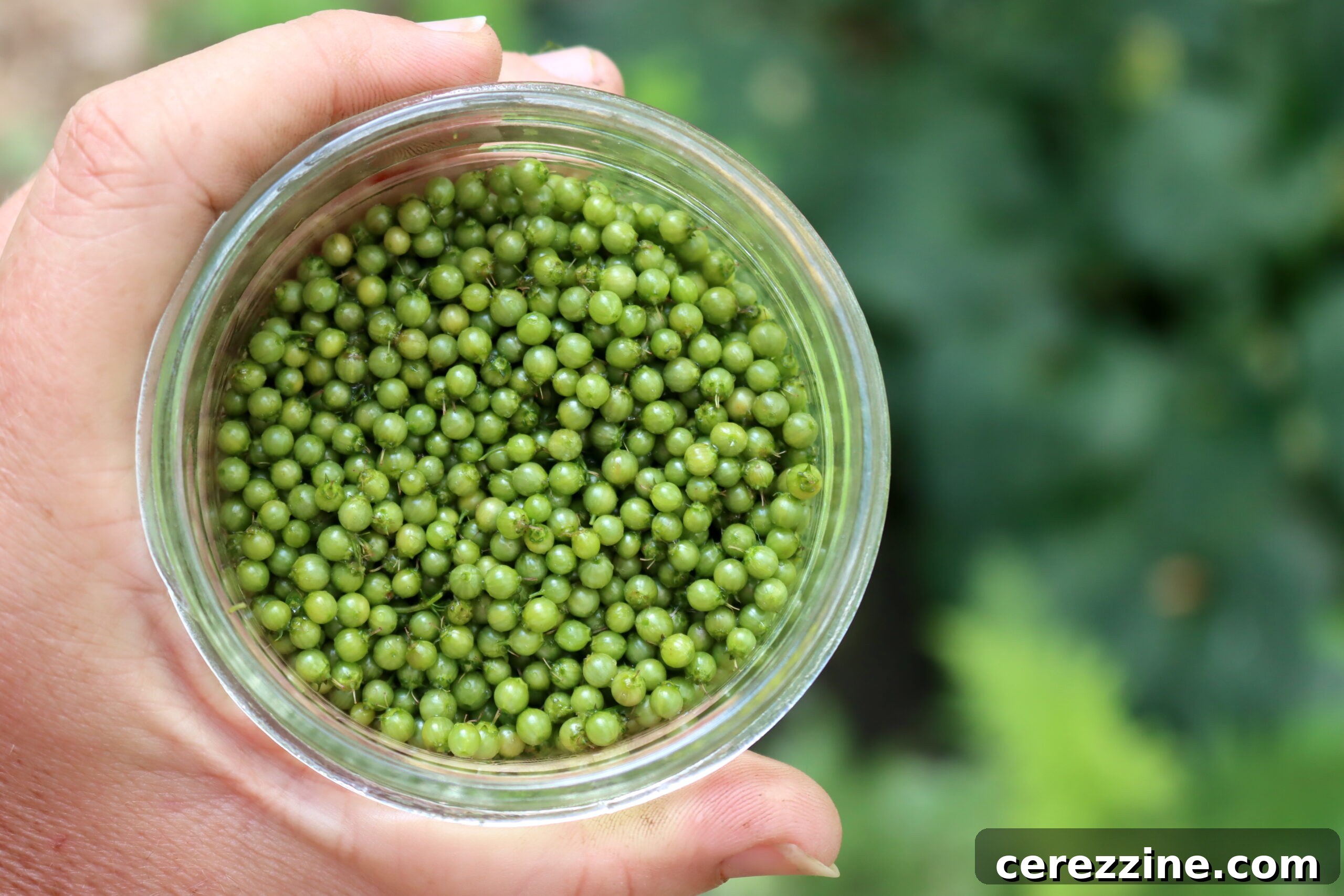
Where to Find Green Coriander Seeds:
- Farmers’ Markets: During late spring and early summer, many local farmers who grow cilantro will have green coriander seeds available. Ask specifically for “green cilantro seeds” or “unripe coriander seeds.”
- Grow Your Own: This is arguably the best way to ensure freshness and quantity. Plant cilantro in your garden, and once it bolts (sends up a flower stalk), allow the flowers to develop into seeds. Harvest them when they are still green and feel firm when gently squeezed. This typically occurs a few weeks after flowering.
Preparing the Seeds:
Once harvested or purchased, rinse the green coriander seeds thoroughly under cool running water. This step is essential to remove any dirt, small insects, or debris that might be clinging to them. Gently pat them dry with a clean kitchen towel or allow them to air dry on a baking sheet before proceeding with the recipe.
Ingredients for Pickled Green Coriander Seed
The ingredients for canning pickled green coriander seeds are quite simple, focusing on quality to allow the unique flavor of the seeds to shine. To make a canner batch yielding approximately one pint (or two half-pints), you’ll need the following:
- 2 cups fresh green coriander (cilantro) seeds: These are the star of the show. Ensure they are fresh, green, and free from blemishes.
- 1 ¼ cups white wine or champagne vinegar: The choice of vinegar is crucial. These varieties offer a delicate acidity that complements the bright flavor of the green coriander seeds without overpowering them. Distilled white vinegar can be used in a pinch, but its sharper profile may alter the final taste.
- 1 tbsp kosher salt: Use kosher salt or pickling salt. Avoid iodized table salt, as the anti-caking agents and iodine can make your brine cloudy and may impart an off-flavor. Salt is vital for both preservation and flavor.
- 1 tsp sugar: A small amount of sugar helps to balance the tartness of the vinegar and enhance the overall flavor profile of the pickle. It doesn’t make the pickles sweet, but rather rounds out the acidity.
- ⅔ cup water: Clean, filtered water is best for diluting the vinegar to the correct acidity for canning.
Note that this recipe only yields about one pint, or two half-pint jars. However, you can easily scale this recipe to a half, double, or triple batch – just adjust the quantities above as needed, maintaining the same ratios for a safe and delicious result.
Essential Canning Equipment
For a safe and successful water bath canning experience, gather the following basic equipment:
- Canning Jars: Pint or half-pint glass canning jars with two-piece lids (new lids are essential for proper sealing).
- Water Bath Canner: A large pot with a lid and a rack at the bottom, deep enough to cover your jars with at least 1 inch of water.
- Jar Lifter: For safely placing and removing hot jars from the canner.
- Canning Funnel: To help fill jars without spillage and keep jar rims clean.
- Headspace Tool (or ruler): To ensure precise headspace in your jars.
- Ladle: For pouring hot brine.
- Non-metallic Spatula or Bubble Remover: To remove air bubbles from filled jars.
- Clean Cloths: For wiping jar rims.
Pickling Green Coriander Seed: Step-by-Step Guide
Before you begin the pickling process, ensure all your equipment is clean and sterilized. This is a critical step for food safety in canning.
Step 1: Prepare Your Jars and Seeds
First, sterilize your canning jars. You can do this by running them through a dishwasher cycle on the sanitize setting, or by boiling them in water for 10 minutes. Keep the jars hot until you are ready to fill them to prevent thermal shock when the hot brine is added. Meanwhile, ensure your two-piece lids (new flat lids and screw bands) are ready; new lids should be simmered in hot water (not boiling) according to manufacturer instructions, usually for about 5 minutes, to soften the sealing compound.
Measure out your 2 cups of clean, fresh green coriander seeds. If you haven’t already, give them a final rinse and pat them dry.
Step 2: Prepare the Brine
In a medium saucepan, combine the 1 ¼ cups of white wine or champagne vinegar, ⅔ cup of water, 1 tbsp of kosher salt, and 1 tsp of sugar. Bring the mixture to a gentle simmer over medium heat, stirring continuously until the salt and sugar are completely dissolved. This creates a balanced, flavorful brine that will infuse your seeds with their tangy goodness. Keep the brine at a gentle simmer while you prepare your jars to ensure it remains hot.
Step 3: Fill and Seal Your Jars
Carefully transfer the hot, sterilized half-pint jars from your canner or dishwasher. Using a canning funnel, fill each jar with approximately 1 cup of the green coriander seeds. Pack the seeds gently but firmly, ensuring they are not crushed but are dense enough to be mostly submerged in the brine. The goal is to maximize the amount of seeds per jar without over-packing.
Carefully pour the hot brine over the seeds in each jar, ensuring that the seeds are fully covered. Leave about ½ inch of headspace at the top of each jar – this is the space between the top of the food/liquid and the rim of the jar. Use a non-metallic spatula or bubble remover to gently dislodge any trapped air bubbles by running it around the inside of the jar. Adjust the liquid level if necessary, maintaining the ½ inch headspace.
Wipe the rims of the jars thoroughly with a clean, damp cloth to remove any brine residue, which could prevent a proper seal. Place the softened, hot lids on top of the jars, centered correctly, and then screw on the bands until they are “fingertip tight” – meaning snug but not overtightened. Overtightening can prevent air from escaping during processing, leading to seal failure.
Step 4: Water Bath Processing
Fill your water bath canner with enough water to cover the filled jars by at least 1 inch when they are placed inside. Bring this water to a simmer (around 180°F or 82°C). Using a jar lifter, carefully lower the filled, sealed jars onto the rack in the simmering water. Ensure the jars are not touching each other and are fully submerged.
Bring the water in the canner to a rolling boil (212°F or 100°C). Once a full boil is reached, start your timer and process the jars for 10 minutes. If you live at an altitude above 6,000 feet, you will need to adjust the processing time:
- 1,001-3,000 feet: 15 minutes
- 3,001-6,000 feet: 20 minutes
- Above 6,000 feet: 25 minutes
These adjustments are crucial because water boils at a lower temperature at higher altitudes, requiring longer processing times to achieve proper sterilization.
Step 5: Cooling and Storage
Once the processing time is complete, turn off the heat and carefully remove the canner lid. Allow the jars to rest in the hot water for 5 minutes before removing them. This helps prevent siphoning (liquid loss from jars) and thermal shock.
Using the jar lifter, carefully remove the hot jars from the water bath and place them upright on a clean towel or a wire rack to cool undisturbed for 12-24 hours. You should hear a distinct “ping” sound as the lids seal, indicating a vacuum has formed.
After the cooling period, check the seals by pressing down on the center of each lid. If the lid doesn’t flex or spring back, the jar is sealed properly. If any jar did not seal, you can reprocess it with a new lid within 24 hours (after refrigerating the contents), or simply store it in the refrigerator and consume within a few weeks.
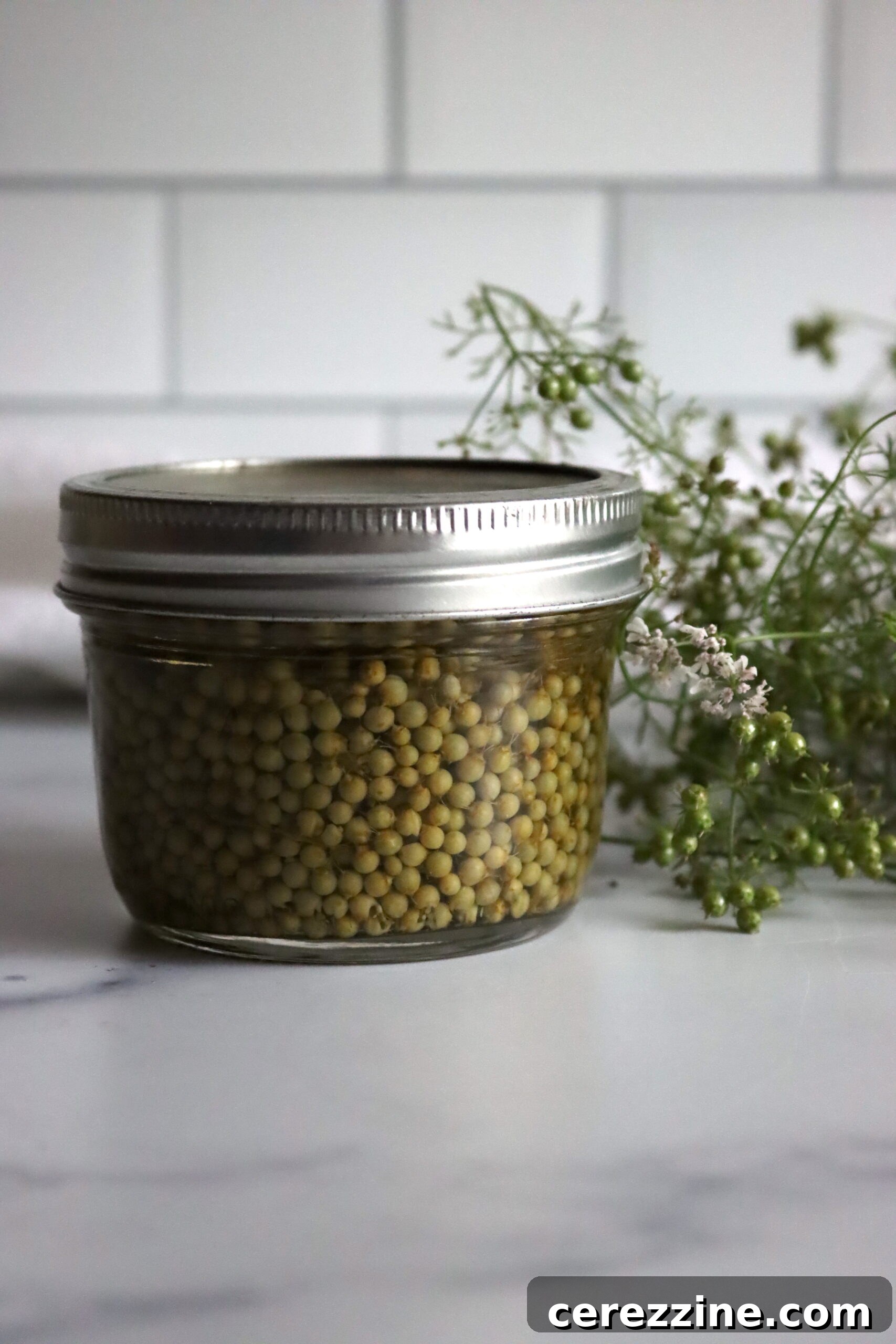
Store your properly sealed pickled green coriander seeds in a cool, dark place, such as a pantry or cellar, for up to one year. Refrigerate the jars after opening and consume within 2-4 weeks for best quality and safety.
Serving Pickled Green Coriander Seed
Pickled green coriander seeds are incredibly versatile and can add a burst of bright, herbaceous, and tangy flavor to a multitude of dishes. Their unique texture and zesty kick make them a fantastic secret ingredient. Here are some expanded serving suggestions to inspire your culinary creativity:
- Salads: Sprinkle pickled green coriander seeds over any green salad, potato salad, or pasta salad for a vibrant, tangy, and herbaceous kick that brightens the entire dish.
- Seafood: Use them as an elegant garnish for grilled fish, pan-seared scallops, or a fresh ceviche. Their crisp texture and fresh flavor perfectly complement the delicate taste of seafood.
- Sandwiches & Wraps: Add a spoonful to sandwiches, wraps, or even a classic BLT for a unique, refreshing twist and an unexpected burst of flavor. They pair wonderfully with creamy spreads.
- Cheese Platters: Serve them alongside your favorite cheeses, charcuterie, and crackers. The tangy seeds cut through the richness of cheese, creating a delightful and unexpected combination.
- Marinades: Incorporate a tablespoon or two into marinades for chicken, pork, tofu, or vegetables. The vinegar and herbal notes will tenderize and infuse the meat or produce with a zesty, complex flavor.
- Soups & Stews: Drop a few pickled green coriander seeds into a bowl of creamy tomato soup, a hearty lentil stew, or a fragrant pho for a surprising pop of flavor that compliments both creamy and broth-based recipes.
- Crostini & Bruschetta: Enhance crostini by spreading a layer of soft goat cheese or pâté, then topping with a sprinkling of pickled seeds for a textural contrast and a burst of fresh flavor.
- Tacos & Fajitas: Scatter them over tacos, fajitas, or nachos to add a refreshing, tangy crunch that cuts through the richness of meats and pairs exceptionally well with spicy ingredients like jalapeños.
- Deviled Eggs: Elevate classic deviled eggs by mixing a few finely chopped pickled seeds into the yolk filling, or simply adding a couple atop the savory filling for a burst of herbal zest and visual appeal.
- Grain Bowls: Mix pickled seeds into warm or cold grain bowls featuring quinoa, farro, couscous, or rice. They add acidity, texture, and a lively element that amplifies the dish’s complexity.
- Roasted Vegetables: Add them to roasted or grilled vegetables (like carrots, asparagus, or cauliflower) right before serving. The heat will slightly warm the seeds, releasing more of their aromatic qualities.
- Dips & Spreads: Stir them into hummus, baba ghanoush, or a cream cheese spread for an added layer of texture and tangy, herbaceous flavor.
- Cocktails: For the adventurous mixologist, use pickled seeds as a unique garnish in savory cocktails, such as a gin and tonic, a Bloody Mary, or a specialized martini, to introduce an aromatic and zesty twist.
- Vinaigrettes: Finely chop and whisk into your homemade vinaigrette for an extra layer of complexity and texture.
Pickled Green Coriander Seed (Cilantro Seeds)
Ashley Adamant
15 mins
10 mins
25 mins (Excluding cooling time)
Ingredients
- 2 cups fresh green coriander (cilantro) seeds
- 1 ¼ cup white wine vinegar or champagne vinegar
- 1 tbsp kosher salt
- 1 tsp sugar
- ⅔ cup water
Instructions
- Sterilize canning jars and keep them hot. Prepare fresh green coriander seeds by rinsing thoroughly.
- Combine vinegar, water, salt, and sugar in a saucepan and bring to a simmer, stirring until salt and sugar are fully dissolved. Keep brine hot.
- Fill sterilized jars with green coriander seeds, packing gently. Pour hot brine over seeds, leaving 1/2 inch headspace. Remove air bubbles.
- Wipe jar rims clean. Place new lids and screw bands, tightening to fingertip tight.
- Process jars in a boiling water bath for 10 minutes (adjust for altitude as needed).
- Remove jars from canner and cool completely (12-24 hours) on a rack before checking seals, labeling, and storing in a cool, dark place. Refrigerate after opening.
Troubleshooting Common Canning Issues
Even experienced canners can encounter minor issues. Here are a few common problems and how to address them:
- Unsealed Jars: If a lid doesn’t seal (it flexes when pressed), it means a vacuum wasn’t formed. You can reprocess the jar immediately (within 24 hours) with a new lid, or simply store the contents in the refrigerator and consume them within a few weeks.
- Siphoning (Liquid Loss): This occurs when liquid is drawn out of the jar during processing. It’s often caused by not allowing jars to sit in the canner for 5 minutes after processing, overtightening bands, or fluctuating heat. While unsightly, if the jar still sealed, the contents are usually safe to eat, but consume within a few months for best quality.
- Cloudy Brine: A slightly cloudy brine can be normal with some pickles, but if it’s excessively cloudy or there’s visible mold or an off-odor, discard the contents. Using non-iodized salt helps prevent cloudiness.
More Unique Pickling Recipes
If you’ve enjoyed the process of pickling green coriander seeds and are looking for more unique ways to preserve fresh produce, consider exploring these other delightful pickling recipes:
- Pickled Ramps (Wild Leeks): A seasonal delicacy with a garlicky, oniony kick.
- Cucamelon Pickles: Tiny, grape-sized cucumbers that look like mini watermelons and taste like a refreshing cucumber with a hint of lime.
- Sweet Pickled Rhubarb: A surprisingly delicious sweet and tangy condiment, perfect for desserts or savory dishes.
- Pickled Cherry Tomatoes: Bursting with flavor, these add a lovely pop to salads or charcuterie boards.
Conclusion
Pickling green coriander seeds is more than just a method of preservation; it’s an opportunity to create a truly distinctive and flavorful condiment that will elevate your cooking. With its bright, herbaceous notes and satisfying tang, this unique pickle is a testament to the versatility of the cilantro plant. Whether you’re a seasoned canner or a curious beginner, following these steps will guide you to a successful batch of homemade pickled green coriander seeds. Experiment with them in your favorite dishes, and prepare to be amazed by the depth of flavor they bring. Happy pickling!