
Elevating home-canned recipes with wine is a culinary secret that unlocks profound layers of flavor, transforming ordinary pantry staples into gourmet delights. A strategic splash of red wine can infuse savory sauces and hearty meats with a robust depth, while white wine offers a crisp brightness to everything from delicate soups to vibrant fruit preserves. Integrating wine, and even other spirits like beer or liqueurs, into your home canning process is not only perfectly safe but also an exciting way to experiment, creating rich, unique flavors that will distinguish your pantry shelf. This comprehensive guide explores the art and science of incorporating alcohol into your canning endeavors, ensuring both exceptional taste and unwavering food safety for your homemade creations.
The addition of wine bestows incredible depth and complexity upon home-canned foods. Imagine savory meals-in-a-jar like our acclaimed Beef Burgundy, the comforting layers of French Onion Soup, robust tomato sauces simmered to perfection, or even elegant fruit preserves destined for your morning toast. A thoughtfully chosen wine can significantly elevate a recipe’s taste profile, lending a subtle, sophisticated complexity without imparting an overwhelming “boozy” flavor to the finished product. Instead, it weaves a tapestry of nuanced undertones that deepen the overall culinary experience, making each spoonful memorable.
Crucially, when it comes to canning, wine’s primary role is flavor enhancement—not preservation. While wine does possess a natural acidity, its level is neither consistent nor sufficiently high to act as a reliable replacement for the precisely tested acidification agents required for safe water bath or pressure canning. The acidity contributed by wine primarily serves to make other flavors “pop” and harmonize within the dish, fulfilling this role with remarkable efficacy without altering the fundamental safety parameters of your canning process. Always prioritize tested canning guidelines for safety, and let wine be the culinary star that enhances your food’s appeal.
Why Elevate Your Home Canning with Wine?
Wine naturally contains a harmonious blend of acidity, fruit notes, and tannins that are adept at enhancing flavors and balancing the sweetness or richness of other ingredients in a dish. This makes it an invaluable addition to many canning recipes, echoing its revered role in gourmet stovetop cooking:
- Imparts Depth and Richness: Red wines, with their concentrated fruit, earthy notes, and savory undertones, are exceptional at deepening the savory character in meat-based dishes, robust tomato sauces, and hearty stews. They contribute a foundational layer of flavor that feels substantial, comforting, and incredibly satisfying. Think of how a good Cabernet Sauvignon can transform a simple beef stew into a luxurious experience.
- Balances Acidity and Sweetness: White wines, often characterized by their brighter, crisper profiles, excel at balancing the richness in creamy soups, brightening seafood recipes, and adding a lively counterpoint to sweet fruit preserves. Their refreshing acidity can cut through fattiness, lift the overall taste profile, and prevent a dish from tasting too heavy or cloying. A splash of Pinot Grigio can make a chicken vegetable soup sparkle.
- Deglazes and Enriches Sauces: When wine is simmered with sautéed onions, browned meats, or roasted vegetables, it acts as a powerful deglazing agent. It efficiently dissolves the flavorful fond—the caramelized browned bits left at the bottom of the pan—incorporating these complex, savory notes directly into your sauce or broth. These deep, caramelized elements hold up beautifully through the canning process, contributing to a more developed and sophisticated final product that tastes like it’s been slow-cooked for hours.
- Adds Aromatic Complexity: Beyond just taste, wine introduces a nuanced bouquet of aromas. Even after the extended heat processing inherent in canning, wine leaves behind subtle fruity, floral, and earthy undertones. These lingering notes elevate the finished jars, making them taste more layered, sophisticated, and reminiscent of a restaurant-quality meal. The aroma alone can be enough to signal a special dish.
The culinary magic of wine in canning lies in its ability to transform simple ingredients into something extraordinary, creating a lasting flavor profile that evolves and impresses long after the jars have cooled and settled on your pantry shelf. It’s an investment in flavor that pays dividends with every opened jar.
Smart Substitutions for Alcohol in Canning Recipes
While wine and spirits offer unique flavor contributions, not everyone wishes to use alcohol in their canning. If you prefer to omit wine or spirits from a canning recipe, rest assured there are numerous straightforward and effective substitutions that will still deliver a balanced and delicious flavor profile. In most canning contexts, the alcohol serves primarily to add depth, acidity, and aromatic complexity, rather than acting as a preservative. Therefore, replacing it correctly will not compromise canning safety, provided the rest of the recipe’s ingredients and proportions remain unchanged and tested guidelines are followed.
For savory recipes that call for wine, such as our popular soup canning recipes and satisfying meal in a jar canning recipes, the simplest and most effective substitution is to use extra broth or stock. Chicken, beef, or vegetable broth can seamlessly replace red or white wine, maintaining the liquid volume and providing a savory foundation. To mimic the subtle acidity that wine often contributes, consider enhancing the broth with a splash of mild vinegar. Excellent choices include champagne vinegar, white wine vinegar, or apple cider vinegar, which offer a gentle tang without overpowering the dish. A reliable guideline is to use 1 tablespoon of mild vinegar per cup of broth or water when replacing wine. For tomato-based dishes, plain water can also work well as a liquid replacement, though adding a small amount of vinegar or lemon juice can still help brighten the flavors, especially if the original recipe relied on the wine’s acidity for that zing.
In sweet applications, such as wine jellies or fruit canned in wine syrup, the goal is to replace both the sweetness and acidity of the wine. Here, fruit juice is your best friend. Grape, apple, pear, or even white cranberry juice can be used to achieve a similar balance of sweetness and tartness, ensuring the fruit preserves retain their vibrant flavor and appealing texture. For example, use white grape juice to replace white wine in a pear preserve, or cranberry juice in a berry compote. These thoughtful substitutions ensure your recipes remain incredibly flavorful, beautifully balanced, and entirely alcohol-free, all without compromising the critical canning safety or processing times outlined in tested recipes. You can enjoy the delicious results with complete peace of mind, knowing your creations are both tasty and safe.
Does Wine Make Food More Acidic (and Therefore Safer to Can)?
This is a critical point for safe home canning: while wine is acidic, it does not reliably or consistently make food acidic enough to impact canning safety. Wine typically has a pH range of approximately 2.9 to 4.0, depending on the varietal, vintage, and fermentation process. This range means wine is indeed acidic, but its acidity is not standardized or guaranteed to meet the stringent requirements for a tested acidifying agent in canning. The pH level of wine can fluctuate considerably from one bottle to another, even among similar styles, and can be influenced by factors such as grape ripeness, yeast strains, aging, and any additives. The lack of uniformity makes it unsuitable for critical safety functions.
Because of this inherent variability, wine cannot be used as a substitute for bottled lemon juice, specific types of vinegar (like 5% acidity distilled white vinegar), or citric acid when those ingredients are explicitly required for canning safety. The acidity of these tested products is standardized and consistent, providing the necessary assurance that the pH of your canned goods will fall within the safe range for water bath canning or complement pressure canning safety protocols for low-acid foods. Relying on wine’s variable acidity for safety is a risk no home canner should take.
That being said, adding wine to an already tested canning recipe is generally safe when it is used to replace an equivalent volume of water, broth, or other liquid—provided the original recipe already adheres to established canning safety guidelines and calls for the appropriate processing method (water bath for high-acid foods, pressure canning for low-acid foods).
Consider these examples to illustrate how wine is safely incorporated into canning recipes without compromising safety:
- In recipes like Canning Tomatoes in Red Wine, the wine replaces the plain packing liquid, but it does NOT replace the required bottled lemon juice or citric acid that ensures the tomatoes’ acidity is within a safe water bath canning range. The lemon juice is the critical acidifier.
- For hearty meals like Beef Burgundy, the red wine forms a significant part of the rich broth mixture. However, this recipe still strictly follows pressure canning guidelines designed for low-acid foods, irrespective of the wine’s contribution to flavor. The pressure canner ensures safety.
- When preparing French Onion Soup for canning, a small amount of dry white wine is added to balance the broth and enhance flavor, but it does not alter the fundamental acidity requirements or the need for pressure canning. The soup remains a low-acid food requiring a pressure canner.
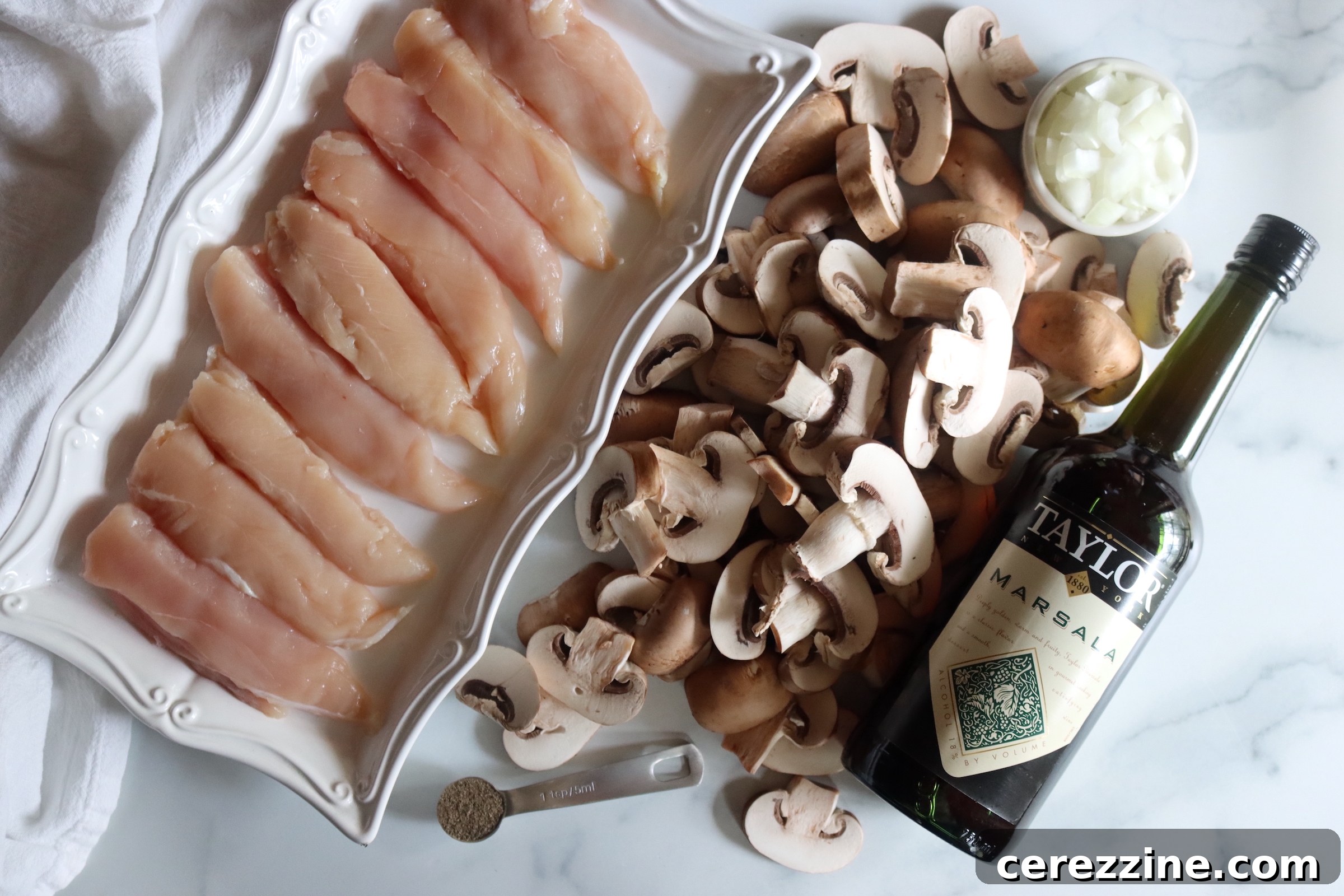
- In recipes for Chicken Marsala or Coq au Vin, wine is integral to developing the signature rich sauce. These recipes are always processed via pressure canning, ensuring safety for these low-acid, meat-based meals in a jar, with the wine purely serving a flavor-enhancing role.
The fundamental takeaway is clear: wine enhances flavor, but it does not contribute to food safety in the way standardized acidifiers do. You must always adhere to the correct acidification and processing method specified for the type of recipe you are canning to ensure long-term shelf stability and safety, enjoying the benefits of wine as a culinary tool, not a safety agent.
How Alcohol Behaves During Canning and Processing
One common concern when using alcoholic beverages in canning is the fate of the alcohol itself. During the cooking and extended processing phases of canning, the vast majority of the alcohol content evaporates. Heat causes alcohol (which has a lower boiling point of 173.1°F or 78.4°C, compared to water’s 212°F or 100°C) to dissipate rapidly, leaving behind only minimal trace amounts. What remains, however, are the complex non-alcoholic compounds that originally characterized the wine or spirit: the flavorful acids, sugars, tannins, aromatic esters, and other dissolved solids that contribute to its unique taste profile and bouquet.
By the time a canning recipe has been thoroughly simmered, carefully ladled into jars, sealed, and subjected to the intense heat and duration of a boiling-water bath or pressure canner, the residual alcohol content is typically negligible. For recipes where the alcohol is cooked extensively (e.g., simmering a sauce with wine for an hour or more), the alcohol content can drop to less than 5%, often even below 1%. This minimal level is not only safe but also insufficient to interfere with the sealing process or the long-term preservation of the food. The heat treatment itself is what ensures microbial safety.
Therefore, from a food-safety standpoint, alcohol is perfectly safe in canning recipes when used as a flavoring ingredient within tested guidelines. It does not negatively impact the sealing of jars, inhibit microbial growth in an unsafe manner, or pose any risk to the shelf stability of the finished product. The primary function of alcohol in these contexts is to act as a solvent for flavor compounds, extracting and enriching the overall taste without creating an alcoholic food product that would require special handling beyond standard canning procedures.
However, it’s also important to note that sometimes, alcohol is added specifically with the intention of preserving some of its content in the finished product. A classic example is brandied pears, where fruit is packed in a syrup containing brandy. Similarly, recipes for canning blackberries might incorporate a bit of framboise liqueur, not only for its distinct berry flavor but also for its pleasant “boozy” notes in the finished preserve. This approach is equally safe for canning. You are not obligated to cook off all the alcohol if your recipe and taste preferences dictate otherwise, as the alcohol itself does not compromise the safety of the sealed jar, provided the recipe adheres to all other safety protocols regarding acidity, sugar content, and appropriate processing methods for the ingredients involved. Enjoy your delicious, safely canned, and optionally “boozy” preserves!
Choosing the Right Wine for Your Canning Projects
Selecting the appropriate wine is key to achieving the desired flavor profile in your home-canned goods. If a canning recipe calls for wine but doesn’t specify a type, a general rule of thumb is to choose something dry, rather than sweet, unless you are specifically crafting a dessert preserve or a fruit-based recipe where sweetness is desired. The quality of the wine directly translates to the depth and nuance of flavor in your canned items, so choose wisely.
For Savory Recipes
- Dry Red Wines: Robust varietals such as Cabernet Sauvignon, Merlot, Malbec, or Pinot Noir are excellent choices for rich, deeply flavored dishes. They pair exceptionally well with tomato-based sauces, hearty beef stews, venison, lamb, or mushroom-centric recipes, lending a profound umami and dark fruit character. For example, a Merlot can add a smooth, fruity depth to your spaghetti sauce, while a Cabernet Sauvignon provides a bolder structure for a beef stew.
- Dry White Wines: Crisp and unoaked whites like Sauvignon Blanc, Pinot Grigio, or an unoaked Chardonnay work beautifully in lighter savory preparations. They are perfect for brightening creamy soups, enhancing delicate seafood dishes, poultry recipes (like coq au vin or chicken marsala), and vegetable-focused preserves, offering a refreshing acidity and subtle fruit notes. Sauvignon Blanc is excellent in a seafood chowder base, while Pinot Grigio can elevate a chicken fricassee.
For Sweet or Fruit Recipes
- Sweet White Wines: Wines such as Moscato, Riesling (especially off-dry or sweet versions), or Gewürztraminer can exquisitely complement fruit preserves or dessert syrups. Their natural sweetness and aromatic profiles enhance the fruit without overwhelming it, creating elegant and fragrant results. A Moscato can infuse peaches with a lovely floral aroma, while a sweet Riesling complements apples beautifully.
- Sparkling Wines: Used sparingly in jellies or fruit fillings, a dry or off-dry sparkling wine can add a delicate effervescence and subtle floral or yeasty notes, contributing a sophisticated nuance to your preserves. Consider a dry Prosecco for a unique pear jelly.
General Tips for Wine Selection
When selecting wine for canning, always prioritize a wine you would genuinely enjoy drinking. The quality of the wine directly translates to the quality of the flavor in your canned goods. Avoid “cooking wines” often found in grocery stores; these are typically heavily salted and contain preservatives that can negatively impact the taste of your finished product and are generally of poor quality. Even an inexpensive but drinkable table wine is far superior. If you don’t frequently drink wine or need only a small amount, consider purchasing a small 4-pack of mini bottles. This allows you to select the precise style you need without committing to a full bottle, minimizing waste and maximizing flavor precision. Alternatively, use any leftover wine you have from a meal, as long as it’s still fresh and palatable.
Incorporating Wine into Fruit Canning Recipes
Wine’s versatility extends beautifully to high-acid fruit preserves, where it can add an unexpected layer of sophistication and depth. Because these fruit-based recipes are inherently high in acid, making them safe for water bath canning, you have more freedom to experiment with creative flavor pairings and innovative syrups without compromising safety protocols. This opens up a world of gourmet possibilities for your fruit preserves.
- Canning Pears in White Wine Syrup: Imagine delicate pear halves infused with a fragrant syrup crafted from crisp white wine, a touch of sugar, and aromatic spices like vanilla bean, star anise, or cardamom. This creates a gourmet dessert or an elegant accompaniment to cheese boards, where the wine’s notes beautifully complement the fruit’s sweetness.
- Canning Peaches in Moscato or Riesling: The natural sugars and vibrant acidity of peaches are wonderfully complemented by the floral and fruity notes of sweet white wines like Moscato or Riesling. The result is a light, aromatic syrup that truly elevates the fruit, making for a sophisticated canned peach that’s perfect on its own or with ice cream.
- Wine Jellies: Utilize red, white, or even sparkling wine as the star ingredient in elegant jellies. Combined with pectin and sugar, wine jellies offer a sophisticated preserve that pairs exquisitely with artisan cheeses, charcuterie, or even as a unique glaze for roasted meats. A robust Zinfandel jelly, for example, can be a stunning pairing for strong cheeses.
- Berry Preserves with Sweet Wines: Think of raspberries or blackberries canned with a splash of a semi-sweet Rosé or a light-bodied sweet red wine for an intriguing depth. The wine brings out the best in the berries, adding layers of flavor without overpowering their natural tartness.
In all these fruit canning scenarios, the wine replaces part or all of the traditional syrup liquid. Crucially, the inherent high acidity of the fruit itself ensures the recipe remains safely high in acid for water bath canning. Beyond wine, other spirits are also commonly used with fruits. Brandied fruits, such as brandied peaches or cherries, are classic examples where brandy is incorporated into the syrup. Liqueurs, too, are perfectly acceptable and can add unique flavor dimensions. For instance, using an orange liqueur like Cointreau with peaches or apricots, or a raspberry liqueur (framboise) with berries, can create truly distinctive and delightful preserves. In most fruit canning recipes, these additions are primarily for flavor enhancement and do not typically add necessary acidity, which is already sufficiently provided by the fruit itself.
Beyond Wine: Using Beer, Brandy, and Liqueurs in Canning
While wine is a popular choice, the world of home canning extends to other alcoholic ingredients, offering an even broader palette of flavors. Many traditional and innovative canning recipes expertly incorporate various spirits for their distinct contributions:
- Brandy or Whiskey: These distilled spirits are frequently added to jams, marmalades, fruit butters, or mincemeat, often near the end of the cooking process. Their rich, warm, and often oak-aged notes infuse preserves with a comforting depth. As with wine, the majority of the alcohol content evaporates during simmering and processing, leaving behind complex flavors that beautifully complement fruits. Whiskey Maple Pear Butter is an absolutely delicious example, where the whiskey adds a layer of subtle caramel and spice. Consider brandy with apricot jam or plums, or whiskey in apple butter for a uniquely comforting and sophisticated flavor profile. They add a warming quality that is particularly appealing in cooler months.
- Liqueurs (e.g., Grand Marnier, Chambord, Amaretto, Kirsch): Liqueurs, with their concentrated fruit, nut, or herbal flavors, are fantastic for adding a dessert-like finish to fruit jams, jellies, and preserves. They are typically used in small, measured amounts and chosen specifically to complement the fruits in the recipe. For instance, Amaretto pairs wonderfully with cherry or apricot recipes, Chambord or Cassis enhances berry preserves, Grand Marnier brightens orange marmalade, and Kirsch adds a delightful note to cherry preserves. These are excellent for creating gourmet preserves that taste like they came from a high-end specialty store.
- Beer or Ale: Don’t overlook the savory depth that beer can bring to canned goods. Dark, malty beers like stouts or porters are occasionally found in robust savory recipes such as chili bases, barbecue sauces, or even some meat stews for canning. They contribute complex roasted, caramel, and sometimes coffee-like notes. Lighter ales or lagers might be used in pickle brines or some vegetable relishes for a subtle tang and effervescence. Always cook beer thoroughly before processing to integrate its flavors and reduce alcohol content, ensuring it enhances, rather than overwhelms, the dish. A robust stout can deepen the flavor of a hearty beef stew base for canning.
It’s important to reiterate that all these alcoholic ingredients are safe for canning when used appropriately as flavoring components within tested recipes. Their alcohol content does not interfere with the sealing process or the safety of the preservation method. The heat of processing effectively minimizes any residual alcohol, ensuring that only the rich, desirable flavors remain in your delicious home-canned creations, making them safe for long-term storage and enjoyment.
Determining the Right Amount of Wine for Canning
Understanding how much wine to incorporate into your canning recipes is crucial for achieving optimal flavor without compromising the integrity or safety of the recipe. In most established and tested canning recipes, wine is typically used to replace up to one-third of the total liquid volume. This ratio allows the wine’s character to shine through, adding depth and complexity without overpowering the other ingredients or significantly altering the liquid dynamics of the recipe. It’s a balanced approach that ensures flavor enhancement while maintaining stability.
However, there are exceptions. In more robust, wine-centric recipes, such as a traditional Beef Burgundy or Coq au Vin, the wine may constitute half or even more of the total cooking liquid. These recipes are specifically formulated to handle a higher wine content and are almost always processed via pressure canning due to their low-acid nature and dense ingredients, where the wine acts as a foundational liquid, not just an additive.
If you are adapting an existing, tested canning recipe (which should always be done with extreme caution and only if you fully understand the science of canning safety), you can generally replace some or all of the water or broth with wine. However, this must be done under strict adherence to several critical principles to ensure the safety and shelf stability of your canned goods:
- Do Not Alter Critical Ingredients or Proportions: Never change the proportions of ingredients that affect the acidity, density, or heat penetration of the food. This includes critical components like lemon juice, vinegar, or citric acid (if required for acidification), or the precise ratio of solids to liquids. Substituting wine for these essential safety components is unsafe. Wine should only replace *neutral* liquids like water or broth that do not contribute to safety critical factors.
- Maintain Proper Processing Method: Ensure you continue to use the correct and specified processing method for your recipe. For low-acid foods (like most meat, poultry, and vegetable-based dishes), pressure canning is non-negotiable, regardless of whether wine is added. For high-acid foods (like most fruits, pickles, and some tomato products), water bath canning is appropriate, provided the recipe’s inherent acidity is preserved or properly acidified.
- Keep Headspace and Jar Sizes Consistent: Always maintain the recommended headspace for your recipe and use the specified jar sizes. Altering these can affect proper sealing, vacuum formation, and crucially, heat penetration, potentially compromising safety.
Incorporating wine into canning recipes truly adds an unparalleled elegance and depth of flavor that will make your home-canned goods stand out on any pantry shelf. Whether it’s a rich red wine infusing a vibrant Tomato Basil Pasta Sauce, a crisp white in a sophisticated Seafood Chowder Base, or a subtly sweet Riesling enhancing delicate Pear Preserves, the wine imparts each jar with a unique character and complexity. Remember this golden rule: wine enhances flavor, but it does not ensure safety. Always diligently follow tested canning recipes and adhere to the required acidification and processing methods for your specific recipe. When used correctly and judiciously, wine and other spirits can transform your home-canned foods into culinary masterpieces that taste like they’ve come straight from a French bistro or a gourmet specialty shop—all without ever compromising shelf stability or food safety.
Frequently Asked Questions About Using Wine and Other Alcohols in Canning Recipes
Yes, absolutely! Wine is safe to use in both water bath and pressure canning recipes when it is incorporated as part of the tested liquid ingredients. It acts as a fantastic flavor enhancer, adding complexity and depth to your creations. However, it’s crucial to remember that wine is not a preservative or an acidifier that can replace required safety agents, so you must always follow all standard canning safety guidelines, including proper acidification and processing methods, specified in your recipe.
No, under no circumstances should you substitute wine for the critical acidifiers like bottled lemon juice, 5% acidity vinegar, or citric acid that are often required for safe canning. While wine is acidic, its pH level is inconsistent and not standardized for canning safety. These essential acidifying ingredients have precisely measured and consistent acidity levels that are vital for ensuring your canned goods are safely acidic enough for water bath canning or to support pressure canning protocols, thus preventing the growth of harmful bacteria and ensuring shelf stability.
For most savory canning recipes, opt for a dry wine such as Sauvignon Blanc, Pinot Grigio (for whites), or Merlot, Cabernet Sauvignon, or Pinot Noir (for reds). These provide complexity without unwanted sweetness. For dessert preserves or fruit-based recipes, a sweet white wine like Riesling, Moscato, or Gewürztraminer can beautifully complement the fruit. Always steer clear of “cooking wines” found in grocery stores, as they contain excessive salt and often undesirable preservatives that will negatively impact your final product. Choose a wine you would genuinely enjoy drinking for the best results.
The majority of the alcohol content in wine and spirits will evaporate during the cooking and subsequent heat processing involved in canning due to alcohol’s lower boiling point. For recipes with extended simmering and processing times, the residual alcohol will be negligible, often less than 1%. However, if alcohol is added near the end of the cooking process or specifically intended to be preserved (like in brandied fruits or liqueurs in jams), some alcohol may remain, contributing to a “boozy” note. Both scenarios are safe for canning, provided all other safety guidelines regarding acidity, sugar levels, and appropriate processing methods are met.