
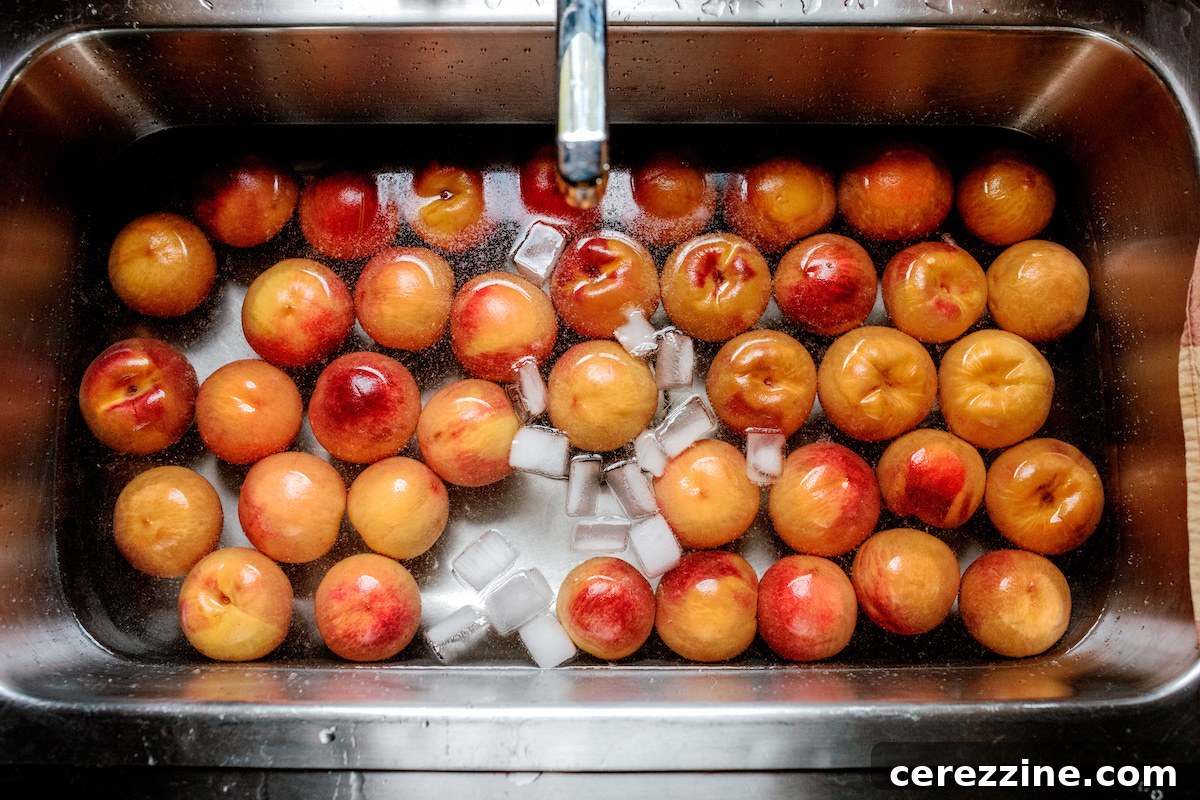
When embarking on the rewarding journey of home canning, few things are as disheartening as watching your meticulously peeled and sliced fruit succumb to an unsightly brown discoloration even before it reaches the canning jar. This phenomenon, scientifically known as enzymatic browning, is a common adversary for home preservers. It occurs when the exposed flesh of cut fruits reacts with oxygen in the air, transforming their vibrant hues into dull, unappetizing shades of brown. However, this perfectly natural process, while harmless to consume, can significantly detract from the visual appeal of your preserves. The good news is that preventing this color change is remarkably simple and achievable with the right techniques and a little know-how.
Whether your canning endeavors involve the succulent sweetness of peaches, the crisp elegance of pears, or the classic charm of apples, incorporating a simple antioxidant soak into your preparation routine is a game-changer. This crucial step ensures that every batch you preserve maintains its fresh, inviting appearance, making your canned goods not only delicious but also visually appealing, ready to be enjoyed or proudly shared.
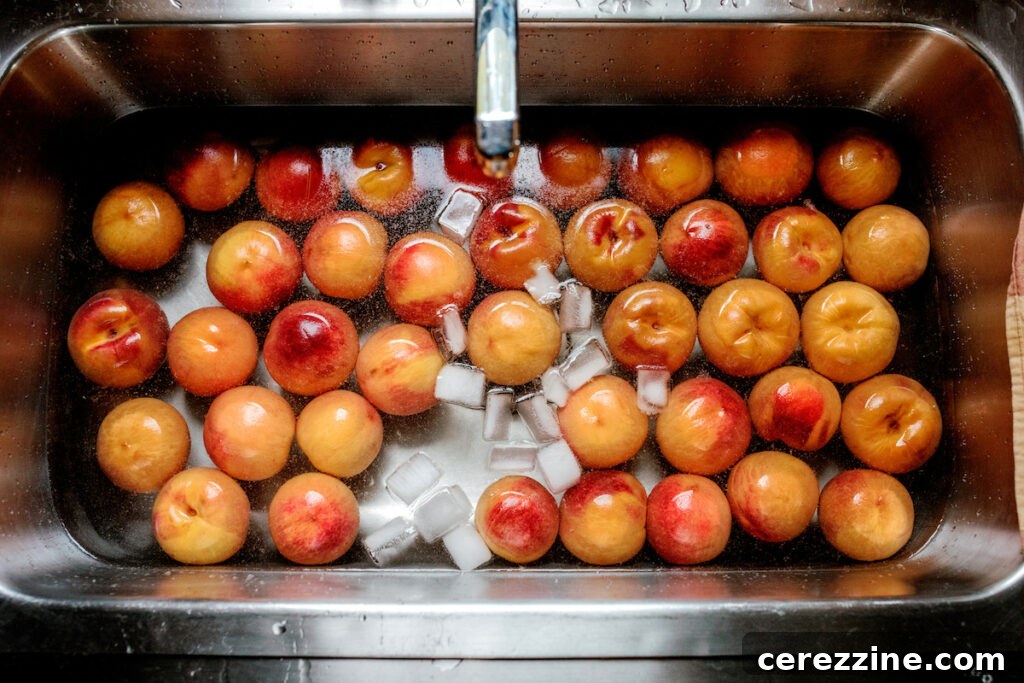
For many passionate home canners, efficiency is key, leading them to peel and chop large quantities of fruit in a single, focused session. This approach can be incredibly time-saving, but it also increases the window of opportunity for enzymatic browning to occur. If you’ve ever paused during prep to discover your beautifully cut apples, pears, or peaches already beginning to brown, you’ve witnessed the swift action of enzymatic browning firsthand. This process, while entirely safe and not indicative of spoilage, results in a less appealing final product. The core of this transformation lies in specific enzymes found within the fruit reacting with oxygen from the air. This chemical interaction leads to the oxidation of phenolic compounds present in the fruit, turning them brown. While the nutritional value and safety of the fruit remain unaffected, the dull, often unattractive appearance can make your home-canned fruit seem less desirable to eat.
Fortunately, overcoming this challenge is straightforward. There are several safe, highly effective, and easily accessible methods to prevent browning, ensuring your fruit remains bright and beautiful throughout the entire canning preparation process, from initial peel to sealed jar.
Why Fruit Turns Brown: Understanding the Science of Oxidation
The moment the protective skin of certain fruits is broken—whether by peeling, slicing, or bruising—the internal flesh becomes exposed to oxygen in the surrounding air. This exposure triggers a natural biochemical reaction, commonly referred to as oxidation, that causes discoloration. Fruits particularly susceptible to this rapid change include popular canning choices such as apples, pears, peaches, nectarines, apricots, and quinces. This is analogous to how a freshly sliced apple left on the counter quickly begins to darken. The longer these cut surfaces are left exposed to the air before being packed or cooked, the more pronounced and darker the browning becomes.
This challenge is most apparent when working with substantial batches of fruit for canning. The intricate process of peeling, coring, slicing, and preparing the fruit for jars, followed by covering it with syrup or juice, naturally takes time. During this extended preparation window, each piece of exposed fruit is continuously reacting with oxygen, necessitating preventative measures to maintain its fresh appearance. Understanding this enzymatic reaction is the first step in effectively combating it, ensuring your hard work yields visually stunning as well as delicious preserves.
When to Treat Fruit for Browning: Aesthetic vs. Culinary Necessity
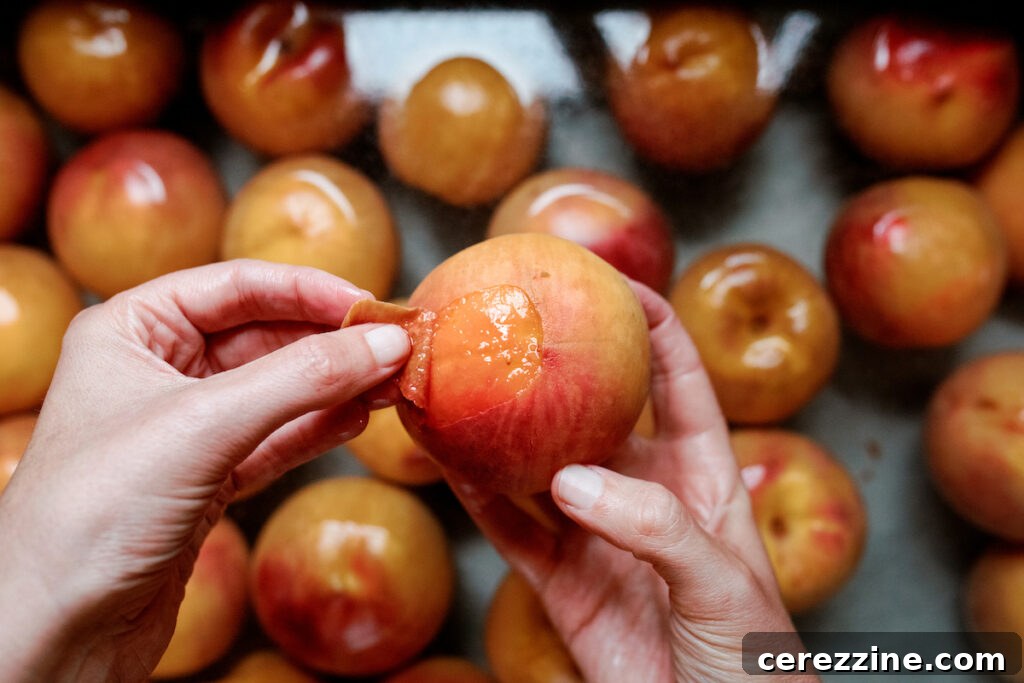
Deciding when to implement anti-browning treatments often depends on the specific canned product you are aiming for. It is unequivocally most important to treat fruits when canning whole pieces, halves, or large chunks, particularly for items like canning peaches, canning apricots, or canning pears in syrup. In these preparations, the aesthetic integrity of the fruit is paramount. A vibrant, unblemished piece of fruit in a jar is far more appealing than one that has turned brown. While browning does not compromise safety, it significantly impacts consumer perception – we often “eat with our eyes” before our mouths. Beautifully colored food simply enhances the overall eating experience, making it taste better and feel more special.
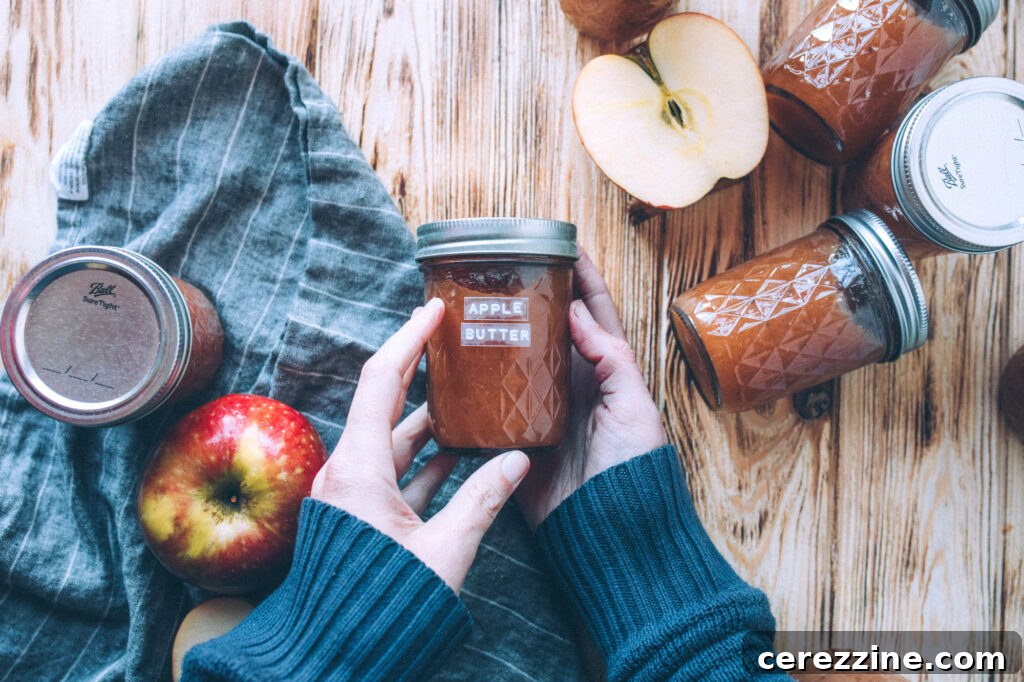
Conversely, for certain preserves, pre-treatment to prevent browning is less critical, or even unnecessary. This is especially true for items like apple butter and pear butter. In these recipes, the fruit is slow-cooked over an extended period, which inherently darkens the mixture and develops caramelized flavors. The deep, rich brown color is not only expected but actively desired in these products, as it signifies the concentrated fruit sugars and spices. Therefore, skipping the pre-treatment for browning in these specific canned goods will not detract from the final product’s quality or appeal; in fact, it aligns with the intended culinary outcome.
While some fruits exhibit only a subtle darkening upon cutting, others can brown almost instantaneously, drastically altering their appearance within minutes. To ensure the highest quality and visual appeal of your canned goods, the following fruits are among the most prone to rapid enzymatic browning and should always be diligently pre-treated before being processed for canning:
- Apples: Known for their rapid oxidation, especially varieties like Granny Smith or Fuji.
- Pears: These can turn brown very quickly once peeled and sliced.
- Peaches: Their delicate flesh is highly susceptible to browning, affecting their golden color.
- Nectarines: Similar to peaches, nectarines benefit greatly from pre-treatment.
- Apricots: Their vibrant orange hue fades to a dull brown without intervention.
- Quinces: These firm, aromatic fruits also oxidize readily upon cutting.
On the other hand, fruits with naturally high acid levels, such as cherries, cranberries, or various citrus fruits, typically possess inherent protection against browning and generally do not require pre-treatment. The acidity acts as a natural inhibitor to the browning enzymes. However, there are exceptions; sour cherries, for instance, are a notable example. Despite their tartness, they can often begin to brown quite rapidly as soon as they are pitted. In such cases, it is a prudent practice to consider a quick heat treatment or an acidic soak immediately after pitting, especially if you’re preparing something like sour cherry jam, where maintaining a bright, appealing color is desirable for the finished product.
Effective Ways to Prevent Browning in Fruits for Canning
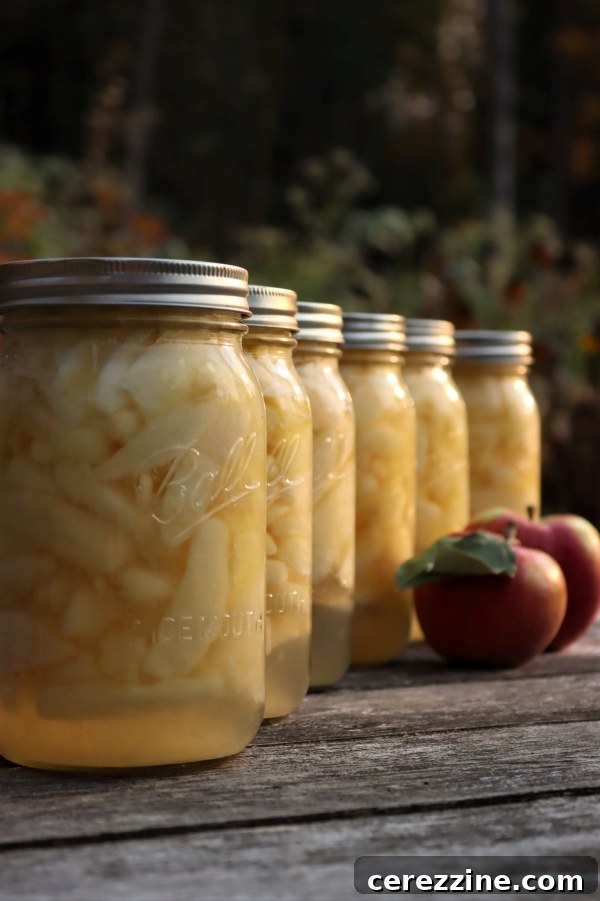
The good news for home canners is that preventing enzymatic browning in fruits is not only achievable but also surprisingly simple. By employing a few targeted treatments, you can effectively slow down or entirely halt the enzyme activity responsible for oxidation, ensuring your canned fruit retains its vibrant, natural color. The primary strategy involves creating an antioxidant holding solution, typically utilizing some form of food-grade acid. Each method has its unique characteristics and instructions, offering flexibility to suit your preferences and what you have on hand.
Citric Acid or Lemon Juice: Readily Available and Popular Options
For many home canners, the convenience of ingredients readily available in most kitchens makes lemon juice a highly popular choice for preventing fruit browning. Its natural acidity provides a good level of protection, making it the most common go-to solution for many. While perhaps not quite as potent as pure ascorbic acid, its ease of access and natural origin make it an excellent and reliable option. Similarly, citric acid, often found in the spice aisle or canning supply sections, is another effective and common acid that many home canners keep on hand.
Using these acids involves creating a simple holding solution:
- To make a lemon juice holding solution: Combine ½ cup of bottled lemon juice (which has a standardized acidity, unlike fresh lemon juice) with 2 quarts of cold water. As soon as you peel or slice your fruit, immerse it immediately into this solution. Allow the fruit to soak while you continue to prepare the remainder of your batch. This continuous immersion ensures consistent protection.
- To use citric acid: Dissolve 1 teaspoon of food-grade citric acid crystals per quart of water. Submerge the prepared fruit in this solution for approximately 5 to 10 minutes prior to packing it for canning.
It is important to acknowledge that both citric acid and lemon juice are generally considered less effective than ascorbic acid in their browning prevention capabilities. However, they remain highly valuable and useful backup options, especially for smaller, quicker batches or when pure ascorbic acid is not immediately available. They provide a noticeable improvement in color retention compared to no treatment at all and are perfectly safe for consumption.
Ascorbic Acid (Vitamin C): The Gold Standard for Color Preservation
When it comes to the most effective natural antioxidants for preventing fruit browning, ascorbic acid, commonly known as Vitamin C, stands out as the “gold standard.” Its powerful antioxidant properties work by actively halting the enzymatic reaction that leads to discoloration. Ascorbic acid functions as a reducing agent, meaning it reacts with the oxygen in the fruit’s environment before the browning enzymes can, effectively neutralizing the oxygen and preventing it from interacting with the fruit’s phenolic compounds. This method is completely safe for home use, imparts no noticeable flavor, and is highly recommended by canning experts.
You have several options for sourcing ascorbic acid:
- Pure ascorbic acid powder: This is the most concentrated and effective form, often found in health food stores, baking supply sections, or online.
- Crushed Vitamin C tablets: A convenient alternative if you have them on hand. Ensure they are plain Vitamin C tablets, not effervescent or chewable varieties with added sugars or flavors.
- Commercial products: Many commercial fruit preservers list ascorbic acid as their primary active ingredient.
Here’s how to prepare and use an ascorbic acid solution:
- To make an ascorbic acid solution using powder: Dissolve 1 teaspoon of pure ascorbic acid crystals in 1 gallon of cold water. Place your peeled or sliced fruit into this solution immediately after cutting. Allow the fruit to soak for approximately 10 minutes to ensure adequate penetration and protection.
- If using Vitamin C tablets: Crush six 500 mg Vitamin C tablets thoroughly and dissolve them in 1 gallon of cold water. You might notice the solution appears slightly cloudy; this is due to inert fillers often present in the tablets, but it does not affect the safety or effectiveness of the solution.
This method yields particularly impressive results for fruits highly prone to browning, such as canning pears, apples, peaches, and apricots. Once the fruit has been thoroughly soaked and treated, simply drain it well and proceed with packing it into jars as you normally would, using your preferred syrup, water, or juice.
Another related acid, known as Erythorbic acid, also referred to as iso-ascorbic acid, is chemically very similar to ascorbic acid. While it lacks the Vitamin C activity (meaning it doesn’t provide the same nutritional benefit), it functions in precisely the same way as ascorbic acid to prevent oxidation and preserve the vibrant color of fruits. If you encounter erythrobic acid, you can confidently use it in the same proportions and method as you would pure ascorbic acid for equally effective anti-browning results.
Commercial Anti-Browning Products: Convenience in a Can
For individuals who frequently engage in large-batch fruit canning, or those seeking maximum convenience and ease of use, opting for a commercial anti-browning product can be an excellent choice. Brands such as Ball® Fruit-Fresh®, Mrs. Wages® Fresh Fruit Preserver, or other similar “fresh fruit color protector” products are widely available and specifically formulated for this purpose.
These commercial solutions typically contain a carefully balanced blend of ascorbic and citric acids, combining the strengths of both. Some formulations may also include minor amounts of sugar or starch, which primarily serve to help the powdered ingredients dissolve more evenly and completely in water. The main advantage of these products lies in their pre-measured and expertly formulated composition, taking the guesswork out of creating your own solution.
To use them, simply follow the specific directions provided on the package. Most products will instruct you to mix a few teaspoons of the powder into a quart or gallon of cold water, after which you submerge your prepared fruit. Commercial mixes are valued for their shelf-stability, user-friendliness, and their proven effectiveness in preserving the natural color of both home-canned and frozen fruit, making them a reliable tool for any serious canner.
Heat Treatments: Deactivating Enzymes with Temperature
Beyond acidic soaks, another highly effective strategy to combat enzymatic browning involves the application of heat. Heat works by denaturing (destroying the structure of) the enzymes responsible for browning, rendering them inactive. While not always practical for every type of fruit or every stage of canning, heat treatments are particularly useful in specific scenarios:
- Blanching: This technique involves briefly submerging fruits like apples, peaches, or apricots in boiling water, typically for one to two minutes, before peeling and further preparation. Blanching serves a dual purpose: it helps to loosen the skins, making them much easier to peel, and critically, it inactivates the browning enzymes. This quick burst of heat effectively “shuts down” the oxidation process, providing a head start on color preservation.
- Cooking Fruits: When you’re preparing recipes that involve cooking the fruit prior to canning, such as making applesauce, apple pie filling, or fruit purees, the cooking process itself inherently prevents browning. The sustained heat during cooking permanently deactivates the enzymes throughout the fruit, eliminating the need for separate anti-browning soaks. In these cases, any browning that occurs during initial chopping will be naturally addressed by the cooking step.
- Canning Process Itself: It’s important to understand that the high temperatures reached during the actual canning process (whether water bath or pressure canning) apply enough heat to permanently destroy any remaining browning enzymes within the jars. This means that once your fruit is safely canned and sealed, future darkening within the jar due to enzymatic browning will not occur. Therefore, the primary goal of pre-treatment methods is to keep the fruit bright and attractive specifically during the preparatory phase—from peeling and slicing up until the jars are sealed and placed in the canner.
What Not To Use: Avoiding Unsafe or Discouraged Methods
While the goal of preventing fruit browning is important, it’s equally crucial to ensure the methods used are safe for home food preservation. In the past, certain chemicals were widely employed in commercial food production to prevent discoloration. However, advancements in food safety and understanding of potential health risks have led to the discontinuation of some of these practices, particularly for home use.
One such group of chemicals is sulfites. Historically, sulfites were a common agent for preventing browning in various food products. However, extensive research and clinical observations have linked sulfites to severe allergic-type reactions in some individuals, particularly those with asthma, where they can trigger respiratory distress and other adverse effects. Consequently, their use in home canning is no longer recommended or advised.
In fact, the FDA has officially banned sulfite treatment on fresh produce sold directly to consumers, underscoring the health concerns associated with them. Furthermore, most reputable university food safety extension programs and national canning guidelines strongly discourage the use of sulfites in any form of home preservation. The potential health risks far outweigh any perceived benefit, especially given the availability of safer, equally effective alternatives.
Instead of relying on outdated or potentially harmful methods, always stick with the proven and safe alternatives discussed previously, such as ascorbic acid (Vitamin C), citric acid, or lemon juice. These ingredients are just as effective at preserving the color of your fruit without introducing any health risks, ensuring your home-canned goods are both beautiful and genuinely safe for everyone to enjoy.
Practical Tips for Large Batches: Streamlining Your Canning Process
When tackling the impressive task of canning large quantities of fruit, efficiency and proper technique become even more critical. A few smart, practical steps can significantly enhance your workflow, minimize browning, and ensure a superior final product:
- Work in small, manageable batches: While you might have a mountain of fruit, resist the urge to peel and chop it all at once. Instead, process smaller, more manageable portions (e.g., enough to fill 2-3 jars at a time). This doesn’t mean canning in smaller batches, but rather prepping the fruit in smaller increments. This limits the total exposure time of each individual piece of fruit to air, giving the anti-browning agents more immediate and effective action while you continue working through the rest of the fruit.
- Submerge peeled fruit immediately: This is perhaps the most crucial tip. The moment a piece of fruit is peeled or cut, it should be dropped directly into your chosen anti-browning solution. Do not leave it exposed to air even for a few minutes while you finish other pieces; speed is key here.
- Use cold water for soaking solutions: Always prepare your antioxidant soaks with cold water. Warm water tends to accelerate enzymatic reactions, which is precisely what you are trying to prevent. Cold water helps to slow down these reactions, providing an added layer of protection.
- Keep cut fruit covered: While soaking, ensure the fruit remains fully submerged. If you’re pausing between batches or have fruit waiting in a bowl, cover the bowl with a lid or plastic wrap. This minimizes air exposure, further reducing oxidation even within the anti-browning solution.
- Avoid metal containers for soaking: When preparing or soaking fruit in acidic solutions (like those containing citric acid, lemon juice, or ascorbic acid), it is vital to avoid using reactive metal containers. Acids can react with certain metals, potentially causing undesirable off-flavors, unwanted discoloration, or even leeching metallic tastes into your fruit. Instead, always opt for non-reactive materials such as glass bowls, food-grade plastic containers, or enamel-coated pots and bowls.
In the world of home canning, preventing browning in fruit extends far beyond merely aesthetic considerations or the desire to win blue ribbons at a local fair. It is fundamentally about upholding the quality, freshness, and appetizing appeal of your home-canned goods. A jar of bright, beautifully colored fruit is not only a joy to behold but also signifies careful preparation and attention to detail, making it more inviting for consumption and a source of pride for the canner. Whether your preferred method involves the potent protection of ascorbic acid, the readily available acidity of citric acid or lemon juice, or the convenience of a specially formulated commercial anti-browning mix, integrating a proper fruit soak into your preparation routine is a small step that yields significant dividends.
For any canner preparing pears, apples, peaches, apricots, or any other fruit variety that is known to oxidize quickly, the simple act of setting up a dedicated bowl of antioxidant solution before you even begin the peeling process can dramatically elevate the final outcome. This one thoughtful and easy-to-implement step makes an enormous difference in ensuring that every single jar you preserve remains vibrant, beautiful, and as appealing on the inside as it is on the outside, ready to brighten your pantry and your table.