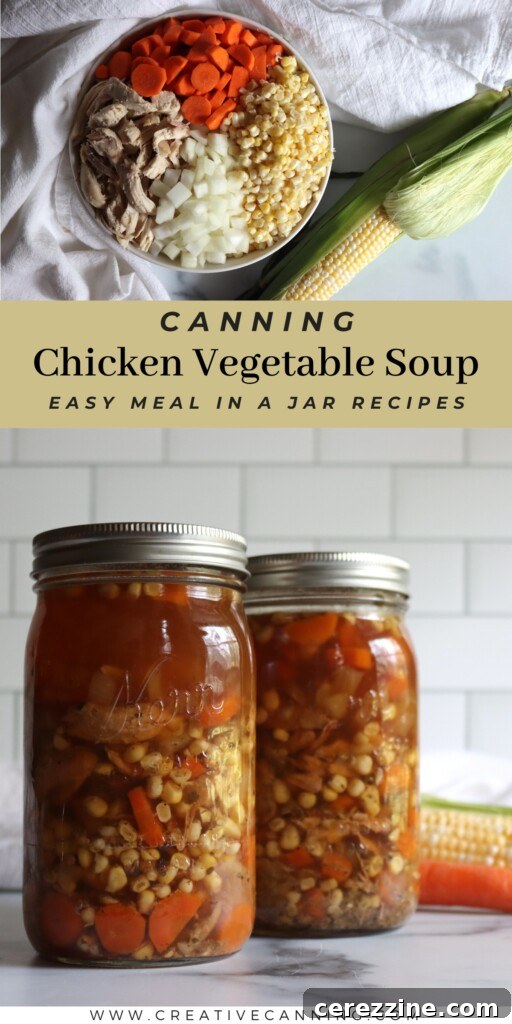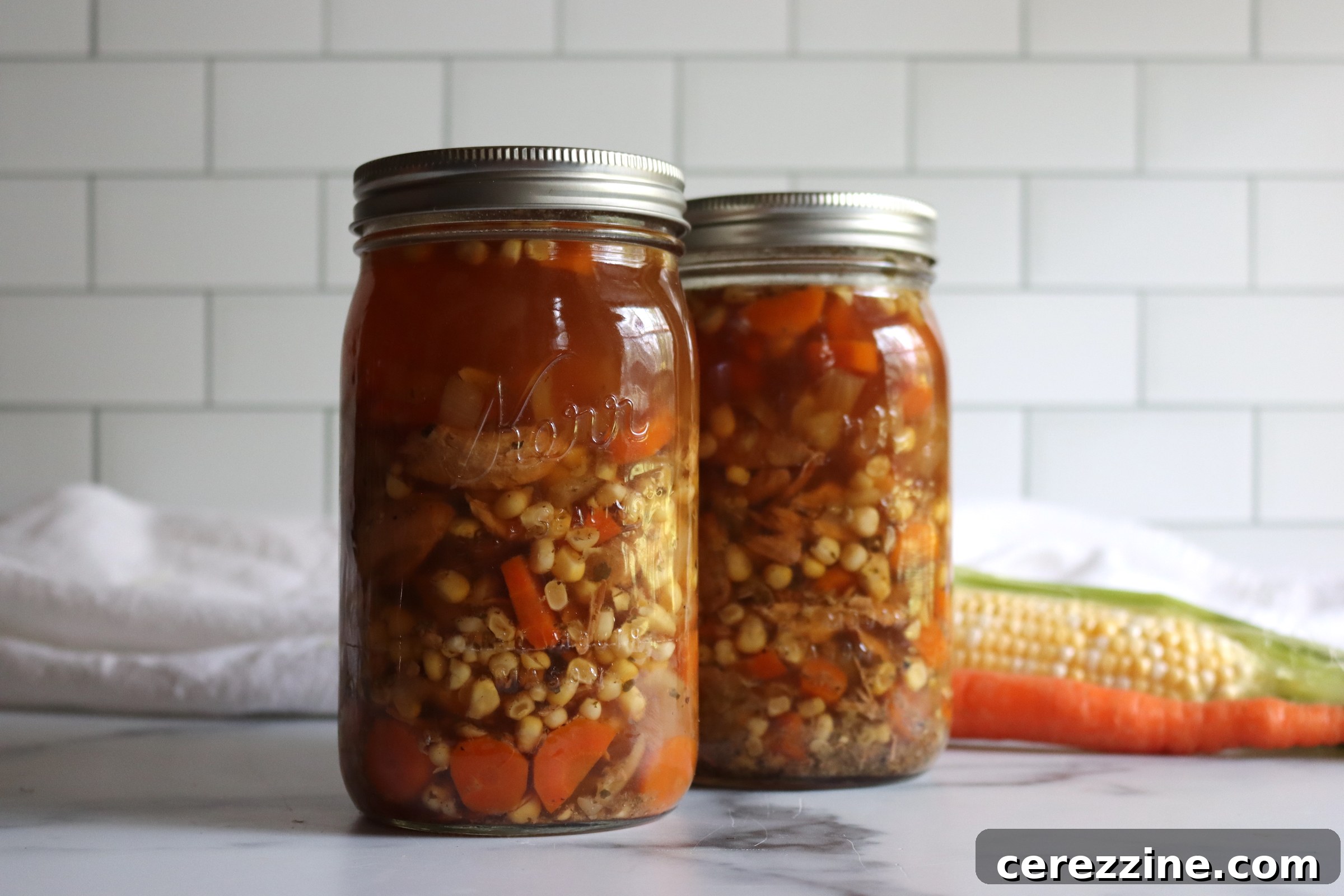
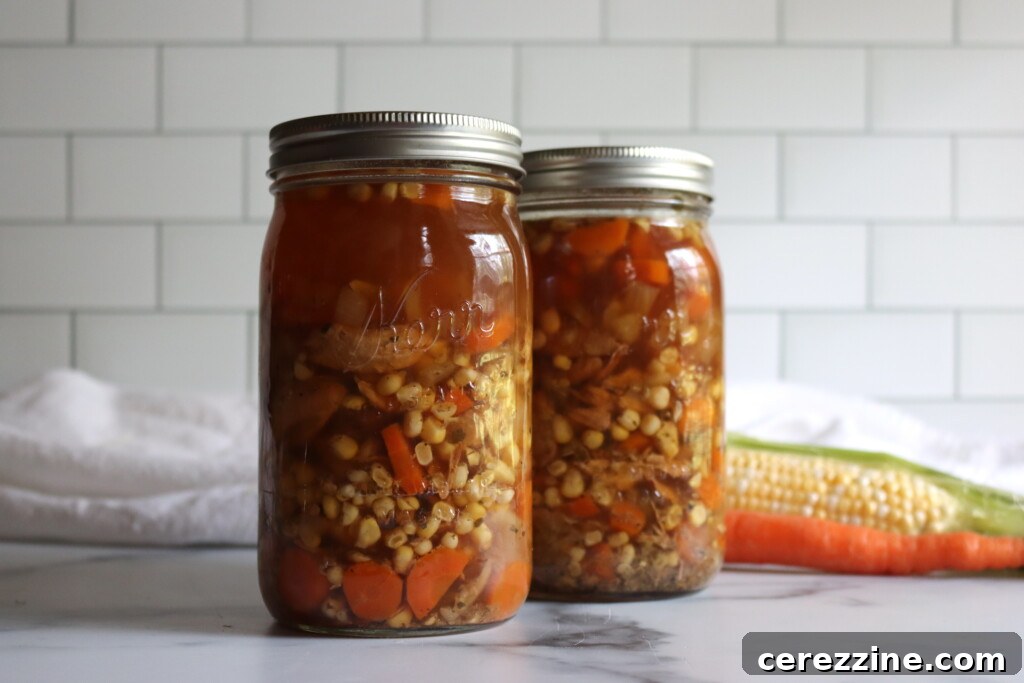
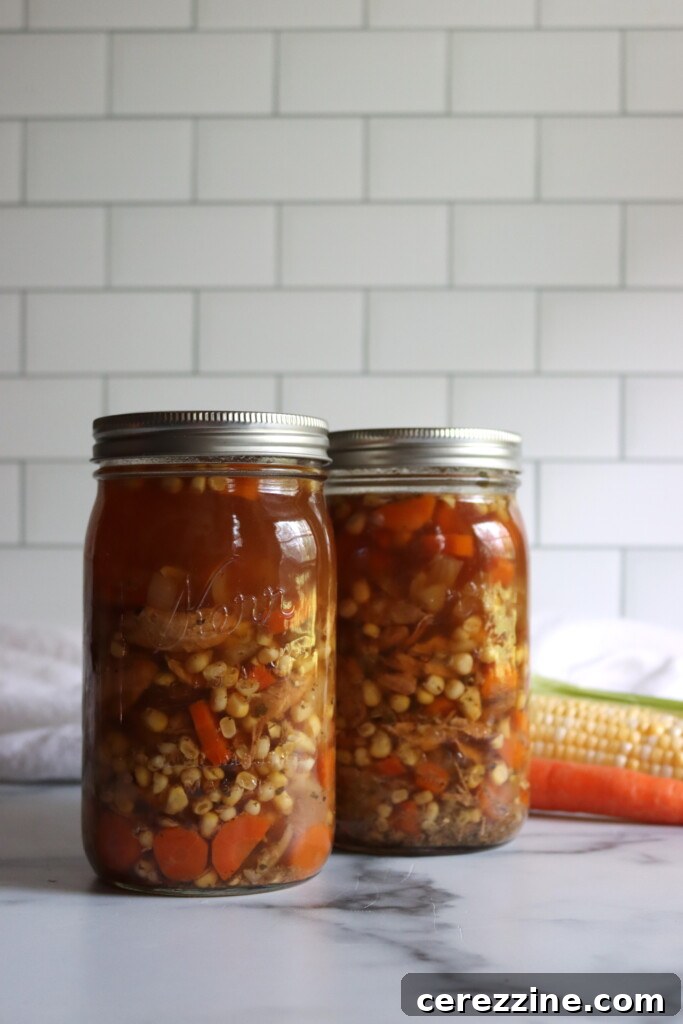
Welcome to the world of home canning, where convenience meets comfort in every jar. Imagine a chilly evening, a busy weeknight, or even an unexpected power outage, and the solution is a hearty, homemade meal ready in minutes. This comprehensive guide will walk you through crafting the perfect **pressure canned chicken and vegetable soup**, a classic, comforting base packed with tender chicken, wholesome carrots, sweet corn, and a rich, savory broth. It’s a versatile, shelf-stable meal that stands alone beautifully or can be elevated with dumplings, rice, or noodles. Mastering this recipe means always having a nourishing, homemade option at your fingertips, transforming your pantry into a treasure trove of quick and delicious dinners.
Why Pressure Can Your Own Chicken Vegetable Soup?
In a world of fast-paced living, the art of home canning offers an unparalleled blend of convenience, control, and peace of mind. Pressure canning homemade chicken vegetable soup isn’t just a culinary endeavor; it’s a lifestyle choice that brings numerous benefits to your kitchen and your family’s table:
- Unmatched Convenience: Say goodbye to last-minute meal stresses. With jars of delicious, ready-to-heat soup in your pantry, a wholesome dinner is just minutes away. No thawing, no extensive prep – just open, heat, and serve.
- Superior Flavor & Nutrition: Unlike many store-bought alternatives, your homemade soup uses fresh ingredients and a broth simmered to perfection. You control the sodium, preservatives, and quality of every component, resulting in a healthier, more flavorful meal.
- Cost-Effective Meal Prep: Canning in batches allows you to take advantage of seasonal produce sales and bulk chicken purchases, significantly reducing your grocery bill over time. It’s an economical way to feed your family nourishing meals.
- Emergency Preparedness: A well-stocked pantry of pressure canned goods is invaluable during emergencies. Whether it’s a natural disaster, power outage, or simply an unexpected event, you’ll have shelf-stable, satisfying meals without relying on electricity.
- Ultimate Customization: This recipe is a fantastic base, but the real magic lies in its adaptability. Once canned, you can customize each serving with your favorite grains, pasta, fresh herbs, or a dollop of sour cream to suit any palate or mood.
- Reduced Food Waste: Canning allows you to preserve surplus chicken and vegetables, preventing them from going to waste. It’s a sustainable practice that makes the most of your culinary resources.
This timeless recipe, adapted from Angi Schneider’s expertise in Pressure Canning for Beginners and Beyond, provides a foolproof method for creating a reliable and delicious staple that you’ll turn to again and again.
Crafting Your Delicious Soup: Key Ingredients
This recipe is designed to yield a generous batch of 4 quarts or 8 pints, making it an efficient choice for a full canner run. Each jar will be brimming with wholesome goodness, thanks to a careful selection of ingredients:
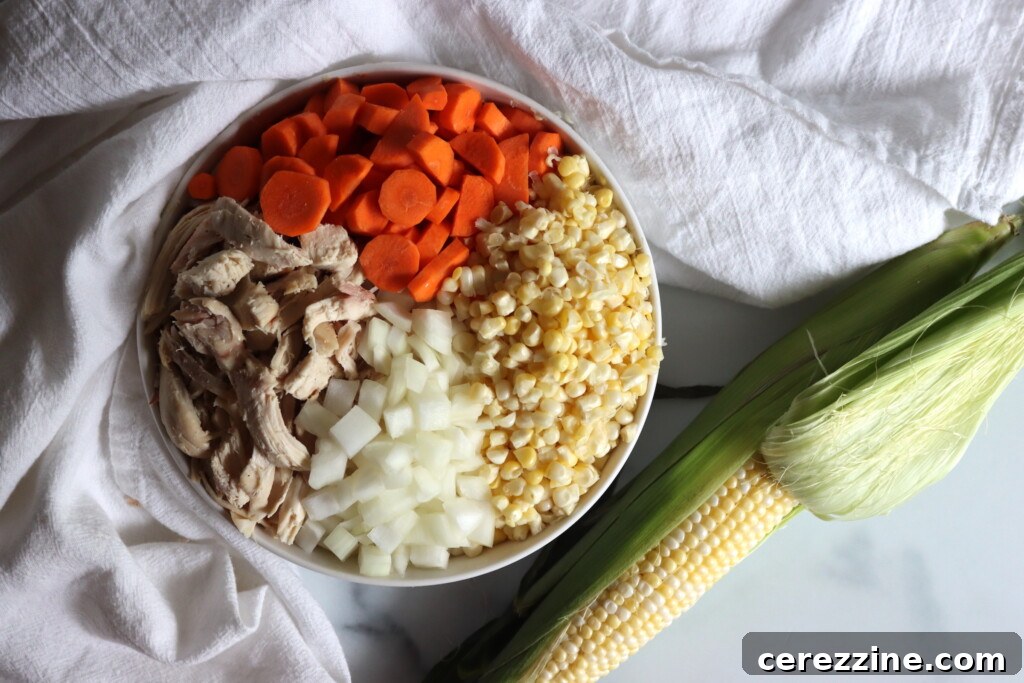
- Cooked Chicken: The star of the show! You’ll need 1 1/2 lbs of cooked chicken. Whether you prefer succulent white meat, flavorful dark meat, or a combination of both, shredded or diced, it all works wonderfully. This is an excellent opportunity to utilize leftover rotisserie chicken, baked chicken breasts, or any home-cooked chicken you have on hand. Ensure the chicken is fully cooked before adding it to the soup mixture.
- Chicken Broth: The foundation of any great soup is its broth. Six cups of rich, well-seasoned chicken broth are crucial for imparting depth of flavor. Opt for homemade broth for the best taste, or choose a high-quality store-bought option. Crucially, select an unsalted or low-sodium broth to maintain control over the overall seasoning, as canning salt will also be added.
- Fresh & Vibrant Vegetables: A harmonious blend of vegetables provides texture, nutrients, and sweetness. You’ll need:
- 1 cup chopped onions: These provide an aromatic base, adding a foundational savory note.
- 1 cup corn kernels: Sweet and tender, corn adds a delightful pop of flavor. Both fresh (off the cob) or frozen corn kernels are suitable for canning.
- 2 cups peeled and diced carrots: Carrots bring natural sweetness, vibrant color, and essential vitamins. Dice them evenly to ensure consistent cooking and proper packing.
- Optional Vegetable Additions: While the recipe keeps it simple, feel free to experiment with other canning-safe vegetables like diced celery, green beans, or potatoes (ensure potatoes are fully cooked or par-cooked before canning for best results and safety, and diced small). Always check NCHFP guidelines for adding non-specified vegetables to ensure safety.
- Thoughtful Seasonings: A simple yet effective blend enhances the natural flavors without overpowering them:
- 2 tsp canning salt: Essential for both flavor and safe canning practices. Canning salt is pure, without anti-caking agents that can cloud your broth.
- 1 tsp black pepper: A universal spice that adds a subtle warmth and a touch of zest.
- 1 tsp dried thyme: Earthy and aromatic, thyme complements chicken and vegetables beautifully.
- 1 tsp garlic powder: Provides a robust garlic flavor without the texture of fresh garlic, which can sometimes change during canning.
- Seasoning Tips: Feel free to adjust these to your taste or consider adding bay leaves (removed before canning) or a pinch of dried parsley for extra nuance.
Step-by-Step Guide to Pressure Canning Chicken Vegetable Soup
Creating your own shelf-stable chicken vegetable soup is a rewarding process. Follow these detailed steps carefully to ensure a safe and delicious outcome:
- Prepare Your Canning Equipment: Begin by thoroughly cleaning and sterilizing your canning jars. Place them in your pressure canner or a large pot of water and bring the water to about 180°F (82°C) for a hot pack. This ensures the jars are hot when the hot soup is ladled in, preventing thermal shock and potential breakage. Heat your canner water to the specified temperature (often 180°F for hot pack) and prepare your lids and rings according to manufacturer instructions.
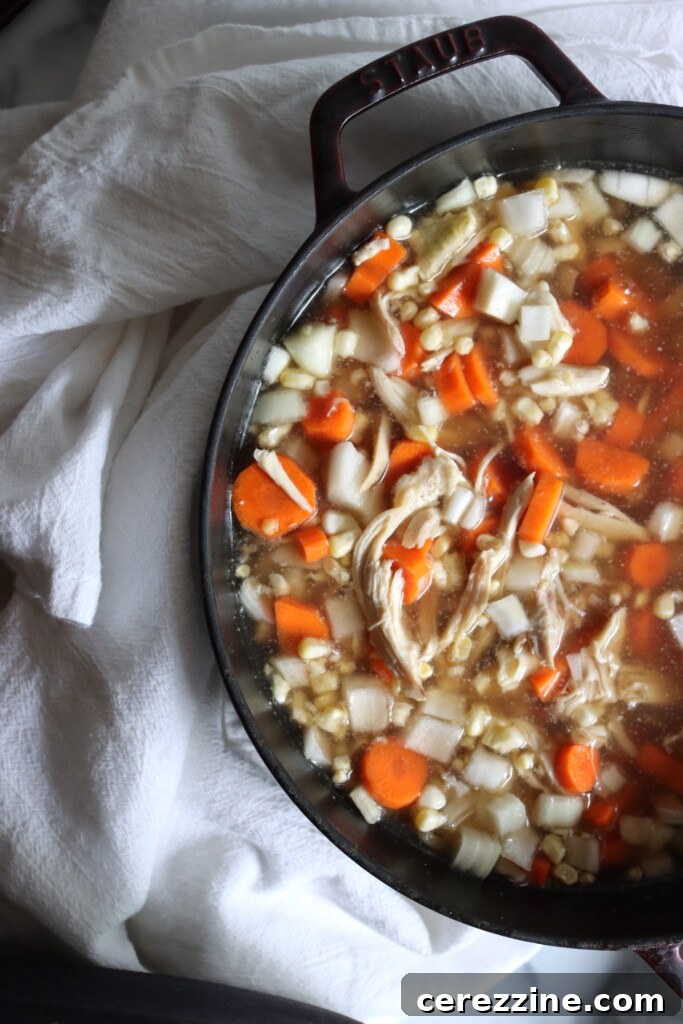
- Assemble the Soup Base: In a generously sized stockpot or Dutch oven, combine all your prepared ingredients: the cooked, shredded chicken, chicken broth, chopped onions, corn kernels, diced carrots, canning salt, black pepper, dried thyme, and garlic powder.
- Simmer to Perfection: Stir all the ingredients together thoroughly to ensure the seasonings are well distributed. Bring the mixture to a rolling boil over medium-high heat. Once boiling, reduce the heat to a gentle simmer and let it cook for at least 5 minutes. This crucial step ensures all ingredients are heated through, which is vital for a safe hot pack and helps release and meld the flavors.
- Fill the Jars with Precision: Carefully ladle the hot soup mixture into your prepared, hot canning jars, leaving precisely 1 inch of headspace. Headspace is the empty space between the food and the rim of the jar, essential for proper sealing and preventing siphoning during processing.
- Eliminate Air Bubbles & Clean Rims: Using a non-metallic utensil (like a plastic spatula or specialized debubbler), carefully remove any trapped air bubbles by sliding it around the inside of the jar. Check the headspace again after removing bubbles and add more soup if necessary to maintain the 1-inch headspace. Wipe the rims of each jar thoroughly with a clean, damp cloth to remove any food particles that could interfere with the seal.
- Apply Lids and Rings: Center a warm, clean two-piece canning lid on each jar. Apply the screw bands (rings) to fingertip tightness. This means tightening until resistance is met, then backing off just a quarter turn. This allows air to escape during processing but ensures a proper seal forms.
- Process in the Pressure Canner: Place the filled jars onto the rack in your pressure canner, ensuring they are not touching. Secure the canner lid. Bring the canner to a boil and exhaust steam for 10 minutes to remove all air. Then, place your weighted gauge or close your dial gauge vent. Process the jars at the correct pressure:
- For Weighted Gauge Canners: Process at 10 pounds pressure.
- For Dial Gauge Canners: Process at 11 pounds pressure.
Important: Adjust pressure for your altitude as necessary (refer to the Altitude Adjustments section below).
Process pint jars for 75 minutes and quart jars for 90 minutes. Maintain a consistent pressure throughout the entire processing time. - Cool Down Naturally: Once the processing time is complete, turn off the heat and allow the pressure canner to cool down naturally and completely. Do not attempt to force cool the canner or open it prematurely, as this can lead to siphoning (loss of liquid from jars) or unsealed jars.
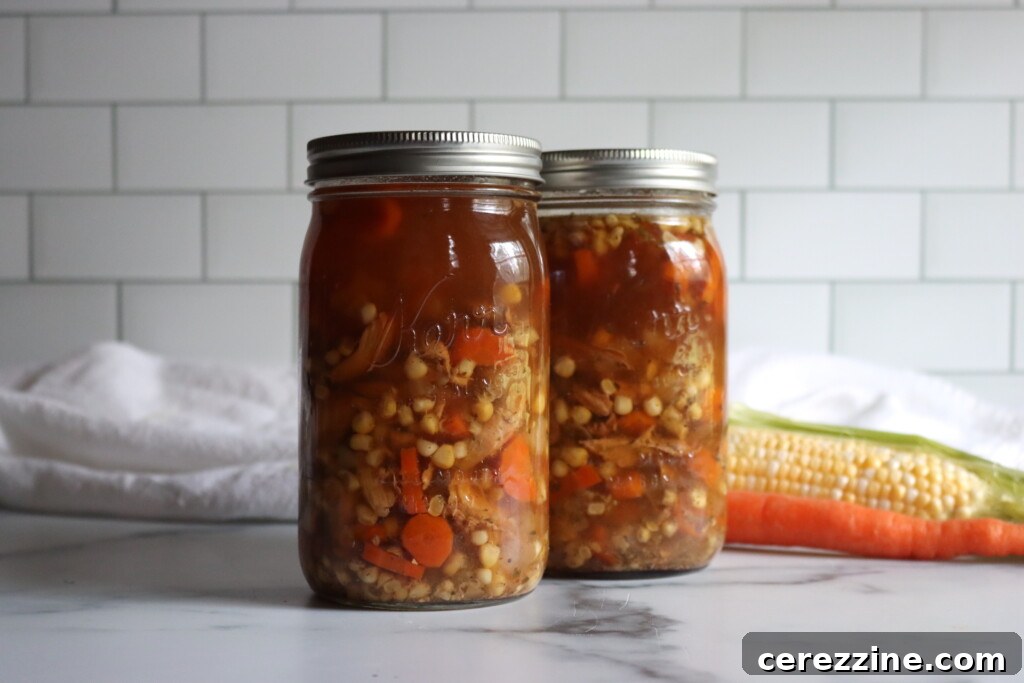
- Check Seals and Store: Once the pressure has returned to zero and the lid can be safely opened, carefully remove the jars using a jar lifter and place them on a towel-lined surface, leaving ample space between them. Let them rest undisturbed for 12–24 hours. After this period, check each jar for a proper seal. The center of the lid should be concave and not flex when pressed. Remove the rings, wipe down the jars, label them with the contents and date, and store them in a cool, dark, dry place.
Altitude Adjustments for Pressure Canning
When pressure canning, it’s crucial to adjust the pressure setting based on your geographical altitude to ensure food safety. While processing times remain consistent, the required pressure changes to achieve the necessary temperature for safe preservation. Here are the standard altitude adjustments for pressure canning soup:
For Dial Gauge Pressure Canners:
- 0 to 2,000 feet in elevation – 11 lbs pressure
- 2,001 to 4,000 feet in elevation – 12 lbs pressure
- 4,001 to 6,000 feet in elevation – 13 lbs pressure
- 6,001 to 8,000 feet in elevation – 14 lbs pressure
For Weighted Gauge Pressure Canners:
- 0 to 1,000 feet in elevation – 10 lbs pressure
- Above 1,000 feet – 15 lbs pressure
Always verify your local altitude and consult reputable sources like the National Center for Home Food Preservation (NCHFP) for the most accurate and up-to-date guidelines.
Creative Serving Ideas & Customization
The beauty of this pressure canned chicken and vegetable soup lies in its incredible versatility. While it’s perfectly delightful served as-is, you can easily transform it into a multitude of delicious meals:
- Hearty Add-ins: When reheating, enhance the soup’s substance by stirring in cooked grains like rice, barley, or quinoa. Alternatively, add your favorite pasta noodles (egg noodles, ditalini, or even broken spaghetti) and cook them directly in the simmering soup until tender.
- Classic Chicken and Dumplings: For the ultimate comfort food, bring your canned soup to a gentle simmer on the stovetop. Prepare your favorite raw dumpling dough (biscuits cut into pieces work well) and drop them directly into the hot broth. Cover and cook until the dumplings are light, fluffy, and cooked through.
- Flavor Boosters: Elevate each bowl with fresh garnishes. A sprinkle of fresh parsley, dill, or chives adds vibrant color and fresh flavor. A squeeze of lemon juice can brighten the broth, while a dash of hot sauce or a pinch of red pepper flakes can add a welcome kick.
- Creamy Indulgence: For a richer, creamier soup (similar to a chowder), stir in a splash of heavy cream, half-and-half, or even a spoonful of plain yogurt or sour cream just before serving. Never add dairy products before canning, as they are not safe for pressure canning.
- Sidekick Pairings: Serve your soup with a crusty slice of sourdough bread, warm biscuits, cornbread, or a simple side salad for a complete and satisfying meal.
- Meal Prep Powerhouse: Portion out reheated soup into containers for quick, wholesome lunches throughout the week. It’s a fantastic alternative to takeout!
This comforting, simple, and endlessly customizable soup ensures that a delicious, homemade meal is always within reach.
8
servings, makes 4 quarts or 8 pints
Pressure Canned Chicken Vegetable Soup
This pressure canned chicken and vegetable soup is a classic, comforting base packed with tender chicken, carrots, corn, and savory broth. It’s perfect on its own or served with dumplings, rice, or noodles. A versatile and shelf-stable meal for easy weeknight dinners.
15 mins
5 mins
1 hr 30 mins
1 hr 50 mins
Save Recipe
Pin Recipe
Rate This
Print Recipe
Equipment
-
Pressure Canner
Ingredients
- 1 1/2 lb cooked chicken, white or dark meat, shredded
- 6 cups chicken broth
- 1 cup onions, chopped
- 1 cup corn kernels, fresh or frozen
- 2 cups carrots, peeled and diced
- 2 tsp canning salt
- 1 tsp black pepper
- 1 tsp dried thyme
- 1 tsp garlic powder
Instructions
-
Prepare a pressure canner and sterilize jars for hot pack. Heat the canner water to about 180°F (82°C).
-
In a large stockpot or Dutch oven, combine the chicken, broth, onions, corn, carrots, salt, pepper, thyme, and garlic powder. Stir well.
-
Bring the mixture to a boil, then reduce to a simmer and cook for 5 minutes to heat through all ingredients.
-
Ladle the hot soup into clean, hot jars, ensuring to leave 1 inch of headspace.
-
Remove air bubbles using a non-metallic utensil, adjust headspace if needed, wipe jar rims clean with a damp cloth, and apply two-piece lids and rings to fingertip tightness.
-
Process jars in a pressure canner at 10 lbs pressure (for weighted gauge) or 11 lbs (for dial gauge), making sure to adjust for your altitude.
-
Process pint jars for 75 minutes and quart jars for 90 minutes.
-
Allow the pressure canner to cool naturally until pressure is at zero. Remove jars and let them rest undisturbed on a towel-lined surface for 12–24 hours. Check seals before labeling and storing.
Notes
Canning Safety Note
This soup contains low-acid ingredients and must be pressure canned. Never use a water bath for this recipe. Always follow tested processing times and adjust pressure for your elevation to ensure safety.
Altitude Adjustments
Adjust your pressure based on elevation:
Dial Gauge Canners
- 0–2,000 ft: 11 lbs
- 2,001–4,000 ft: 12 lbs
- 4,001–6,000 ft: 13 lbs
- 6,001–8,000 ft: 14 lbs
Weighted Gauge Canners
- 0–1,000 ft: 10 lbs
- Above 1,000 ft: 15 lbs
Serving Suggestions
Serve as-is, or stir in cooked noodles, rice, or barley before serving. For chicken and dumplings, heat the soup and drop in raw dumplings to cook in the broth. Top with fresh herbs, a sprinkle of black pepper, or enjoy with a biscuit or slice of bread.
Nutrition
Calories: 189kcal, Carbohydrates: 9g, Protein: 23g, Fat: 6g, Saturated Fat: 2g, Polyunsaturated Fat: 1g, Monounsaturated Fat: 2g, Cholesterol: 67mg, Sodium: 1655mg, Potassium: 391mg, Fiber: 2g, Sugar: 4g, Vitamin A: 5399IU, Vitamin C: 4mg, Calcium: 36mg, Iron: 2mg
Nutrition information is automatically calculated, so should only be used as an approximation.
We hope this detailed guide empowers you to confidently create your own batches of pressure canned chicken and vegetable soup. This recipe is more than just a meal; it’s an investment in convenience, quality, and peace of mind. Imagine the satisfaction of knowing your pantry is stocked with wholesome, homemade food, ready to nourish your family whenever hunger strikes or unexpected circumstances arise. Embrace the art of home canning and enjoy the delicious rewards!
Explore More Chicken Canning Recipes
Once you’ve mastered this chicken and vegetable soup, you might be eager to expand your repertoire of simple, wholesome chicken pressure canning recipes. The world of home-canned chicken is vast and rewarding:
- While this Chicken and Vegetable Soup is a fantastic base for adding grains or dumplings, if you’re craving a rich and creamy classic, consider Chicken and Corn Chowder. Remember to finish it with cream just before serving for that signature velvety texture, as dairy cannot be safely canned.
- For another comforting and easy meal prep option, try Canning Chicken Pot Pie Filling. It’s packed with chicken, peas, and carrots, ready to be poured into a crust and baked for a heartwarming pie.
- If you’re in the mood to spice things up, our Thai Red Curry Chicken recipe is an excellent choice, offering bold, aromatic flavors that are easy to serve over rice for an exotic weeknight dinner.
- And of course, for a truly timeless and comforting cold-weather staple, you absolutely can’t go wrong with plain Canning Chicken Soup. It’s the ultimate versatile base for any add-ins you desire.
Each of these recipes offers unique flavors and culinary possibilities, ensuring your pantry is always equipped with delicious, homemade options. Happy canning!