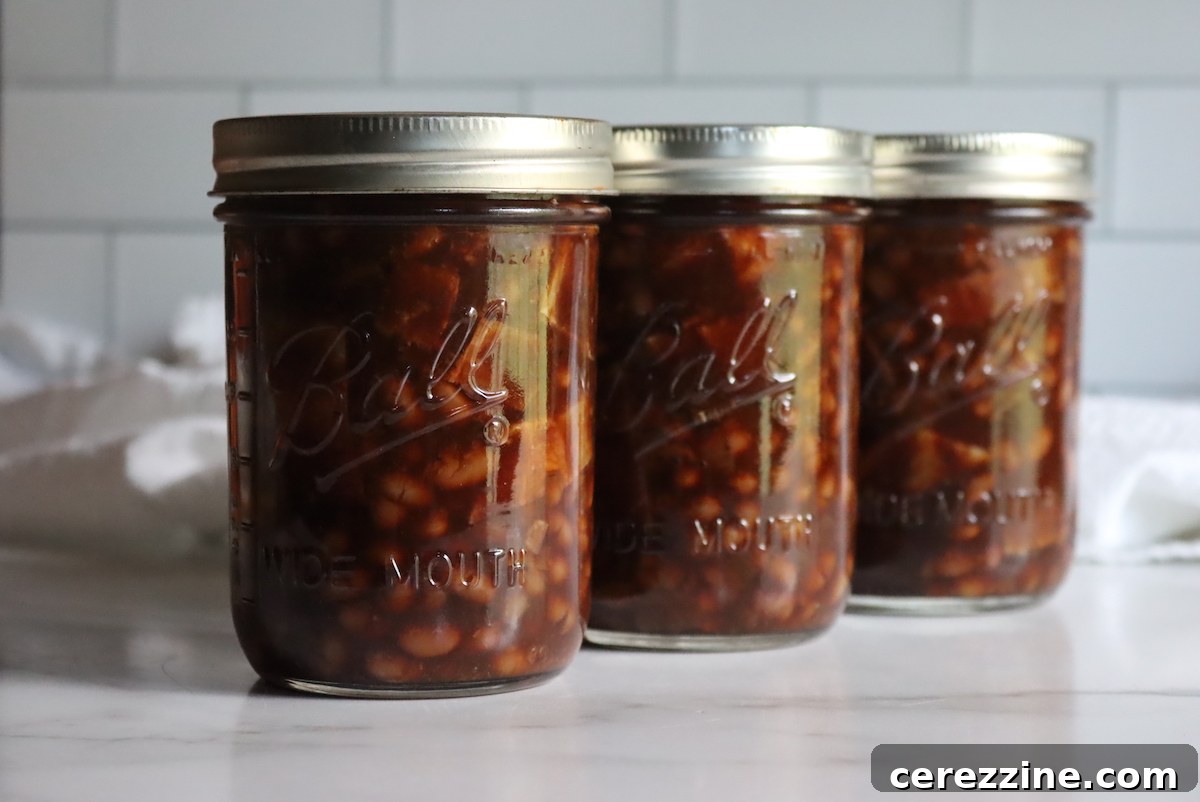
Canning baked beans is an incredibly rewarding culinary endeavor, transforming a beloved comfort food into a shelf-stable pantry staple. Imagine the satisfaction of reaching for a jar of homemade baked beans, ready to heat and serve, any time of year. While everyone cherishes their own unique version of this classic dish, the good news is that numerous safe and tested baked bean canning recipes exist, catering to a wide spectrum of tastes and preferences.
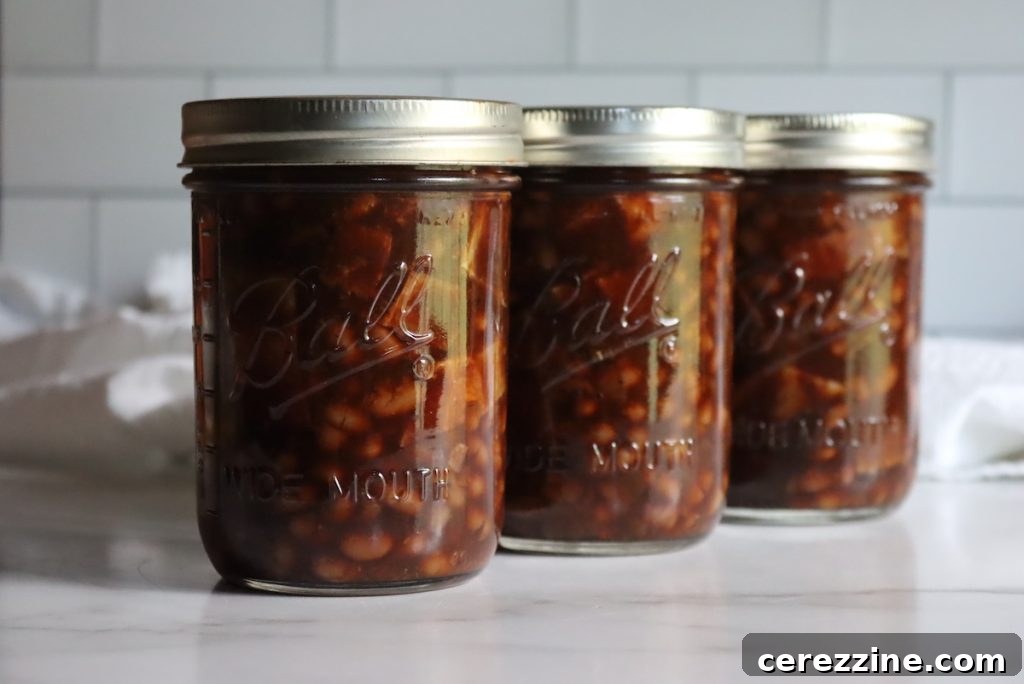
Baked beans, with their rich, savory-sweet flavor, have become synonymous with summer celebrations in modern times. They’re a quintessential accompaniment at Memorial Day picnics, Father’s Day barbecues, Fourth of July cookouts, and countless other outdoor gatherings. We often associate them with warm weather, served alongside grilled ribs and deviled eggs, but their origins tell a different story.
Historically, baked beans were a hearty, slow-cooked winter meal. They would simmer gently for hours, often overnight, in a Dutch oven nestled in the warmth of a wood stove or a slow oven. This long cooking process created deep, complex flavors, making them a nourishing and comforting dish during colder months.
How, then, did such a robust, labor-intensive winter staple transition into a convenient summer side dish, especially when the thought of baking beans all day in July seems utterly impractical?
The answer, quite simply, is canning.
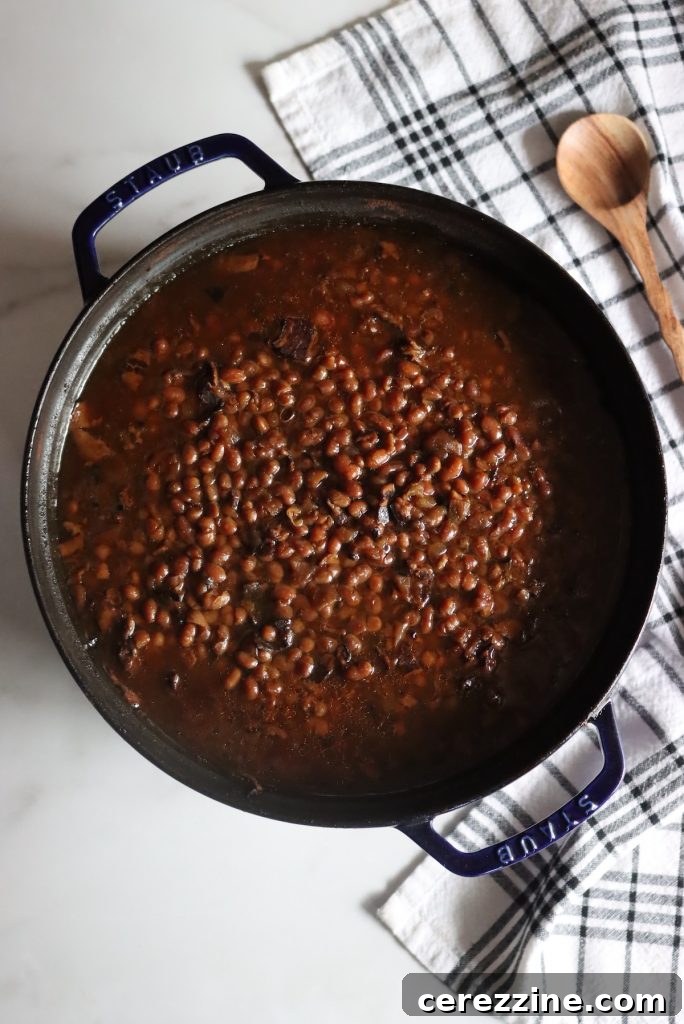
Today, home-canned baked beans eliminate the arduous task of preparing this traditional meal from scratch every time, saving you from heating up your kitchen during the sweltering summer months. While commercially canned baked beans are readily available, they rarely match the unparalleled flavor of a homemade batch. Furthermore, many store-bought options are often laden with high-fructose corn syrup and artificial ingredients, compromising both taste and health benefits.
By learning how to safely can baked beans at home, you unlock the ability to enjoy their incredible, deeply satisfying flavor year-round. You can embrace the tradition of slow-cooking them during the cooler seasons, filling your home with their inviting aroma, then preserve them for effortless enjoyment when summer arrives. This method allows for complete control over ingredients, ensuring a healthier and more delicious product tailored precisely to your family’s unique tastes and dietary needs.
Understanding the Diverse World of Baked Bean Flavors: Why There Are So Many “Right” Ways
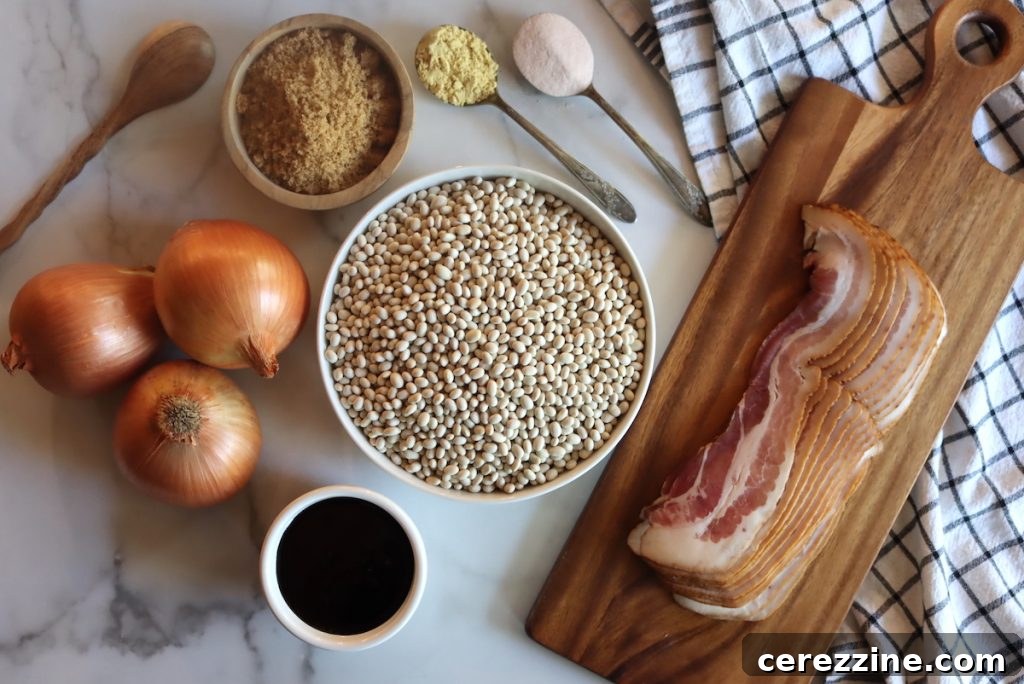
The definition of “classic” baked beans is deeply personal and often shaped by the flavors one experienced growing up. This culinary heritage has given rise to a rich tapestry of regional variations, each with its devoted followers. For instance, New England-style baked beans are renowned for their profound sweetness, relying heavily on the dark, rich notes of molasses and brown sugar. These are often further enhanced by the smoky, salty depth of salt pork, though some families might opt for bacon or even ham as their preferred choice.
Travel southward, and you’ll encounter a distinctly different profile. In the Southern United States, baked beans frequently showcase a prominent barbecue influence. Here, ingredients like ketchup, mustard, and vinegar introduce a tangy, robust edge, sometimes complemented by a touch of smoky heat from chili powder or other spices.
Beyond regional styles, individual preferences also dictate the desired characteristics. Some aficionados prefer their beans swimming in a generous amount of sauce, creating a lusciously moist dish. Others seek a thicker, more viscous sauce that clings to each bean, offering a denser texture. The spectrum of sweetness also varies wildly; some desire a decidedly sweet pot of beans, while others lean towards a more savory and smoky concoction. This diversity is part of the charm of baked beans.
The excellent news for home canners is that reliable, pressure-canning-friendly baked bean recipes have been developed to encompass all these delightful styles. The key is always to start with a tested recipe from a reputable source. These recipes are meticulously formulated to ensure safety by maintaining the crucial bean-to-liquid ratio within safe parameters, guaranteeing proper heat penetration during the canning process.
Essential Canning Instructions for Baked Beans: Ensuring Safety and Quality
Regardless of which delicious baked bean recipe you select, the underlying canning method remains consistent and critically important due to the nature of beans themselves. Beans are classified as a low-acid food, meaning they pose a risk of botulism if not processed correctly. Therefore, it is imperative to understand this fundamental rule: baked beans must be pressure canned. A boiling water bath canner, suitable for high-acid foods like pickles or jams, is absolutely not safe for canning beans, even if they are prepared in a tomato-based sauce, as the acidity of the sauce alone is insufficient to prevent spoilage.
Always adhere strictly to a tested recipe from a trusted source, such as the National Center for Home Food Preservation (NCHFP) or Ball canning guides. Generally, most baked bean canning recipes require processing for a minimum of 60 minutes for pint jars and 75 minutes for quart jars. Some specific recipes, particularly those with a thicker consistency or denser ingredients, may necessitate longer processing times, extending to 80 minutes for pints and up to 95 minutes for quarts. The precise duration depends entirely on the tested recipe and its exact ingredient list, as variations in thickness can affect heat penetration.
When selecting a recipe, ensure that its processing times fall within this established range. You will not find any reputable bean canning recipes (whether baked or plain dry beans) that recommend a processing time less than 60 minutes per pint. Deviating from these tested times can compromise the safety of your home-canned goods.
Furthermore, it is crucial to adjust your pressure canner’s pressure setting according to your altitude above sea level. Ignoring altitude adjustments can lead to under-processing, making your canned food unsafe. Details on these adjustments are provided below.
Pressure Canning Altitude Adjustments
When pressure canning, the processing times specified in recipes remain constant regardless of your altitude. However, the pressure level required within the canner must be increased at higher elevations to compensate for the lower atmospheric pressure and ensure that the internal temperature reaches a safe level for killing harmful bacteria. Here are the essential altitude adjustments for pressure canning:
For dial gauge pressure canners (which require calibration and regular checks for accuracy):
- 0 to 2,000 feet in elevation – Maintain 11 lbs pressure
- 2,001 to 4,000 feet in elevation – Maintain 12 lbs pressure
- 4,001 to 6,000 feet in elevation – Maintain 13 lbs pressure
- 6,001 to 8,000 feet in elevation – Maintain 14 lbs pressure
For weighted gauge pressure canners (which use jiggler weights for pressure indication):
- 0 to 1,000 feet in elevation – Use a 10 lbs weight
- Above 1,000 feet – Use a 15 lbs weight (or the appropriate combination to achieve 15 lbs)
Always consult a reliable altimeter or local government resources to determine your exact elevation before canning.
Critical Safety Tips for Canning Baked Beans
Adhering to safety guidelines is paramount when home canning, especially with low-acid foods like baked beans. These rules are not suggestions but non-negotiable requirements to prevent the growth of harmful bacteria and ensure your food is safe for consumption:
Avoid Thickening Agents. Absolutely do not add flour, cornstarch, Clear Jel (unless specifically called for in a *tested* pressure canning recipe for that item, which is rare for beans), or any other ingredient designed to make the sauce “gravy thick.” Thickeners inhibit heat penetration, preventing the heat from reaching the center of the jar effectively during processing. This can create cold spots where dangerous bacteria, such as those causing botulism, can survive. The sauce will naturally thicken upon cooling after canning.
Maintain Ample Liquid. It is crucial to keep the beans submerged in plenty of liquid. If the beans are too dry when packed into jars, they can appear “done” or fully processed before the internal temperature has reached a safe level throughout the entire jar. Tested recipes specify a particular bean-to-liquid ratio for a reason: it ensures efficient and safe heat transfer during pressure canning. Dry spots or areas with insufficient liquid can become breeding grounds for bacteria.
Respect Jar Size. Jar size matters significantly in canning. If a recipe is specifically written for pint jars, do not automatically assume that quart jars are also permissible (and vice versa). Larger jars require longer processing times because heat takes longer to penetrate to the center. Using an incorrect jar size can lead to under-processing. When in doubt, always stick precisely to the jar sizes listed in the tested recipe to guarantee safety.
Exercise Caution with Meat Additions. Modifying meat ingredients in canning recipes is not a free-for-all. If your chosen recipe includes salt pork, ham, or bacon, you must follow the tested amount and preparation method exactly. If the original recipe is vegetarian, do not add meat unless you are using a specifically tested variation that was formulated with meat. Adding untracked amounts or types of meat can alter the density and heat transfer properties of the mixture, making the recipe unsafe.
The Process of Preparing Baked Beans for Canning
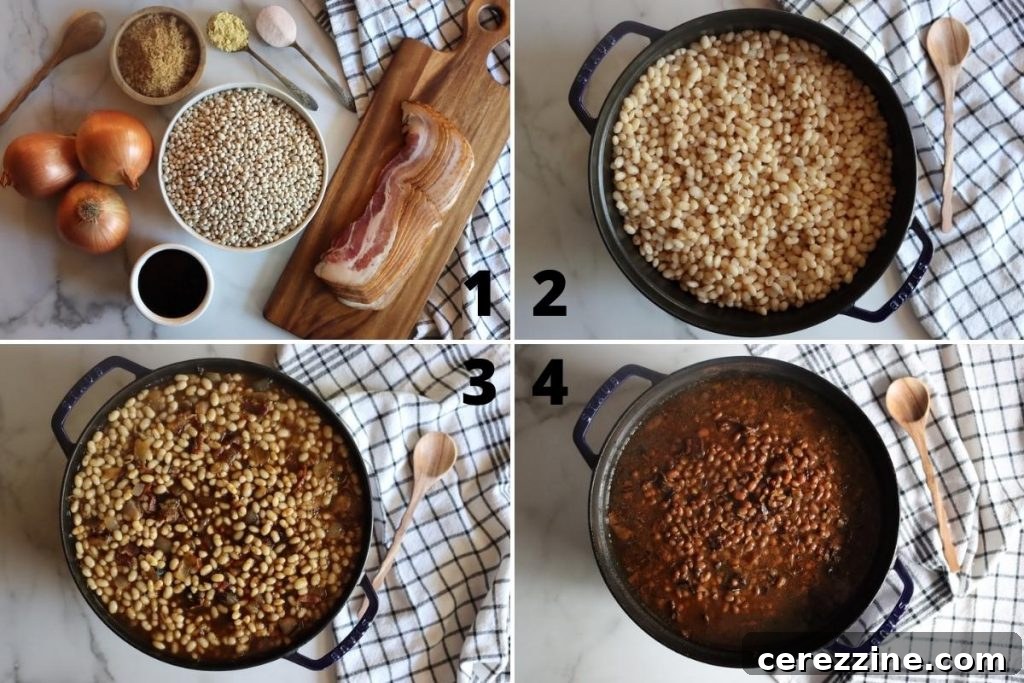
One aspect that often takes first-time canners by surprise is that you are not canning dry beans straight from the bag. Every single tested canning recipe for baked beans begins with fully hydrated beans, and most will also require you to partially cook them before they are ever packed into jars. This pre-treatment is essential for proper hydration, consistent texture, and safe processing.
Here’s a general outline of the steps you will typically encounter in nearly every reliable baked bean canning recipe:
- Sort and Rinse Beans. Begin by carefully sorting through your dry beans, removing any small stones, damaged beans, or foreign debris. Then, rinse them thoroughly under cold running water.
- Soak the Beans. This step rehydrates the beans, reducing cooking time and ensuring even texture. Recipes typically call for either an overnight soak (covering beans with several inches of water and letting them sit for 8-12 hours) or a quick-soak method (boiling beans for 2 minutes, then letting them soak for an hour off the heat). Always follow your chosen recipe’s specific soaking instructions.
- Pre-cook the Beans. After soaking, the beans are typically simmered or boiled until they are heated through and have started to soften. However, it’s crucial that they are still firm and hold their shape, not falling apart or mushy. This step helps ensure uniform density for safe canning.
- Prepare the Sauce. While the beans are pre-cooking, prepare your desired baked bean sauce. This could be a rich molasses-based sauce, a tangy tomato-based sauce, a smoky BBQ-style sauce, or any other flavor profile specified in your recipe.
- Combine and Simmer. Gently combine the pre-cooked beans with the hot sauce. Briefly simmer the mixture together for a few minutes. This ensures that all ingredients are thoroughly heated through and evenly distributed, which is vital for a safe hot pack.
- Hot Pack into Jars. Ladle the hot bean and sauce mixture into clean, hot canning jars, leaving precisely 1-inch headspace from the rim of the jar. Remove any air bubbles with a non-metallic utensil, adjust headspace if necessary, wipe jar rims clean, apply lids, and screw on bands finger-tight. Finally, pressure can using the specific times and pressures determined by your recipe and altitude.
It’s worth noting that some recipes are labeled “baked beans” primarily because their flavor profile mirrors classic baked beans, even if they don’t involve an actual oven baking step before canning. Other recipes, however, do incorporate an oven-bake phase to further concentrate flavors and achieve a specific texture prior to jarring. Both approaches can be perfectly safe, provided you meticulously follow a tested process and ensure the beans are packed hot with an adequate amount of liquid, maintaining the required headspace.
Exploring Popular Baked Bean Canning Recipes and Their Distinct Flavors
The world of home-canned baked beans offers a delightful array of flavors, each rooted in culinary tradition and rigorously tested for safety. Below, we delve into some of the most common and beloved styles you’ll find published by trusted sources like Ball, the NCHFP/USDA, and reputable pressure canning cookbooks. These recipes provide excellent starting points for your home canning journey, ensuring both delicious results and peace of mind.
Boston Baked Beans: A New England Sweet Classic
If your memory of baked beans conjures images of sweet, dark, and wonderfully glossy beans, then Boston baked beans are likely what you’re picturing. This quintessential New England dish is defined by its deep, caramelized sweetness, deriving primarily from liberal amounts of molasses and brown sugar. To add an unmistakable layer of savory depth and smoky complexity, these beans traditionally include salt pork. However, variations sometimes use bacon or ham, offering a slightly different but equally satisfying salty backbone. These beans are perfect for those who crave that authentic, hearty New England taste and are ideal for large gatherings and potlucks.
- Canning Boston Baked Beans
- Vegetarian Boston Baked Beans (for those who prefer a meat-free option without sacrificing flavor)
Simple Baked Beans: Uncomplicated Homemade Flavor
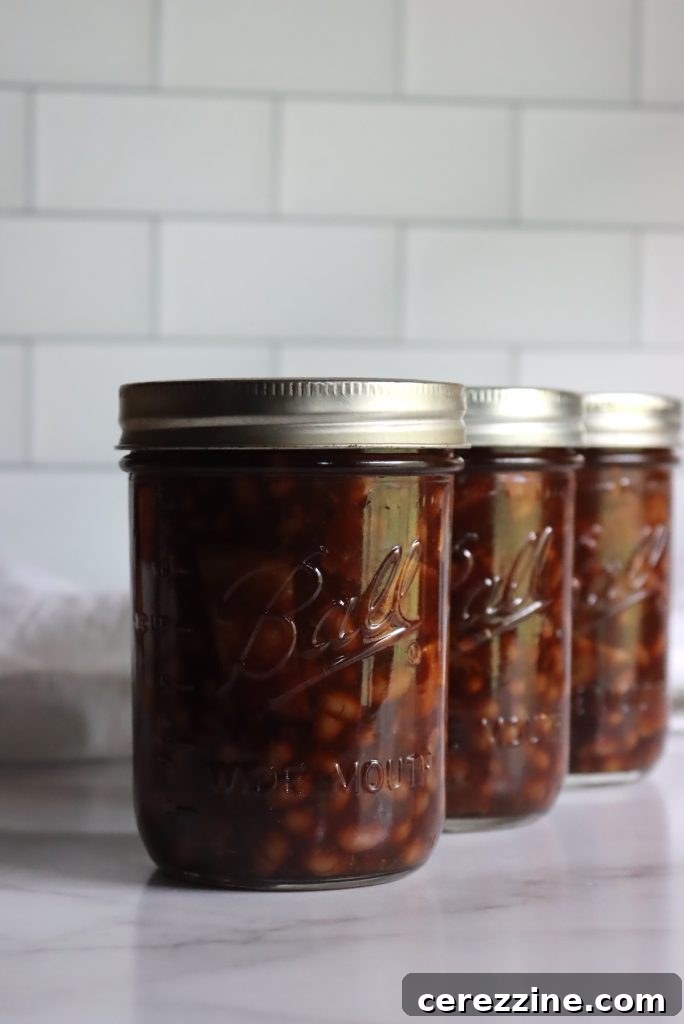
Many pressure canning cookbooks include a “simple baked beans” option, which still captures the beloved sweet baked bean flavor profile but with a more streamlined approach. These recipes often feature minimal seasoning, making them less assertive than some of their counterparts. They typically aren’t heavily reliant on tomato sauce or a multitude of spices, focusing instead on the pure, comforting taste of beans in a subtly sweet sauce. This style avoids overwhelming flavors, making them incredibly versatile.
This “simple” approach is an excellent choice when you desire homemade baked beans that are universally appealing and not overly dominant in any single flavor direction. While Boston baked beans can sometimes feel robust and intensely smoky, simple baked beans offer a lighter, more adaptable taste that pairs well with a wider variety of meals.
- Simple Baked Beans (Bernardin)
Baked Beans with Molasses Sauce (USDA-style): A Balanced Classic
Often considered the “straight down the middle” baked bean flavor profile, this USDA-style recipe presents a balanced and approachable taste. These directions are frequently written in a very standardized manner in older government publications, making them a reliable and predictable choice. The sauce is straightforward, primarily seasoned with molasses and dry mustard, resulting in a distinctly sweet and richly brown-colored bean dish. It delivers that unmistakable “baked beans” taste without being aggressively sweet, making it a fantastic base recipe, especially if you’re catering to picky eaters or those who prefer a traditional yet understated flavor.
- Baked Beans with Molasses Sauce
Seasoned Baked Beans: Tailoring Your Flavor Profile
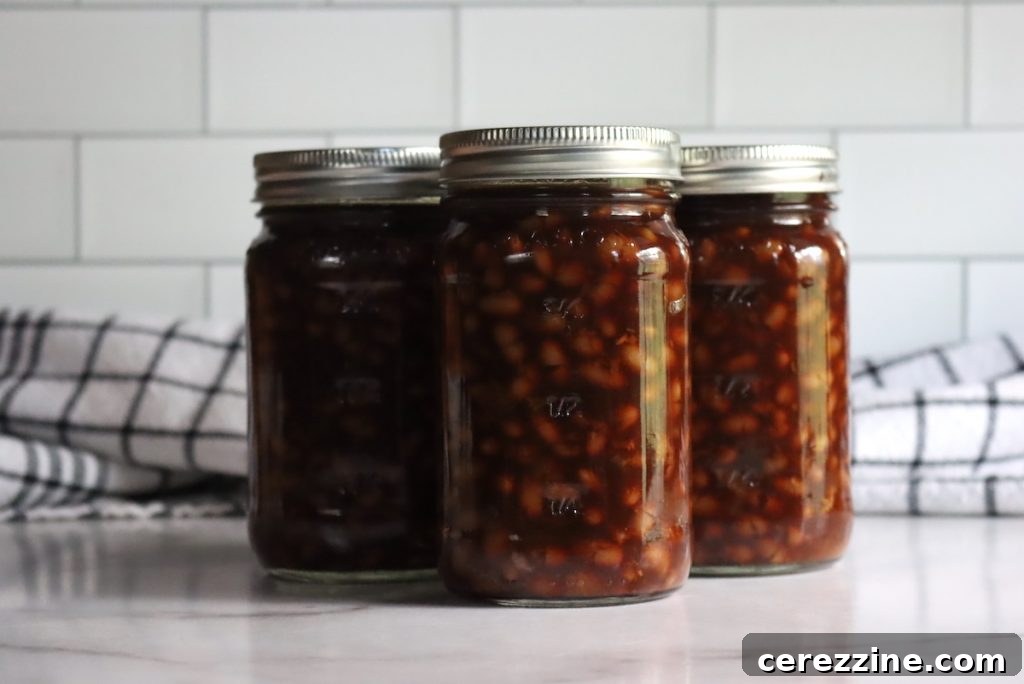
Some tested recipes offer variations, often distinguishing between a basic molasses sauce and a more “seasoned” version. The seasoned baked beans typically incorporate a greater quantity of onion, a more pronounced mustard flavor, and sometimes additional warm spice notes like ginger or allspice, which can add a subtle layer of complexity.
This particular style serves as an excellent reminder of where you have the most flexibility in home canning without compromising safety. Small adjustments to dry seasonings are generally the safest area for personalization. If you aim for your home-canned beans to truly reflect “your family’s beans,” the spice cabinet is the ideal place to experiment. Avoid altering the sauce’s thickness, the bean-to-liquid ratio, or making significant changes to meat ingredients, as these factors are critical for safe heat penetration and proper processing.
The following recipe from Healthy Canning adapts an NCHFP recipe, specifically enhancing the seasoning to create a more robust and classic baked bean flavor.
- Seasoned Baked Beans
Baked Beans with Tomato Sauce (English-style): A Tangy Twist
If your palate gravitates towards the familiar taste of commercially canned “British beans,” then the English-style baked beans with tomato sauce are precisely what you’re seeking. This version is distinctly tomato-forward, offering a mildly sweet and tangy profile, often complemented by a unique blend of warm, slightly old-fashioned spices (in the best possible way). It’s a comforting and robust flavor that many find incredibly satisfying.
The NCHFP provides two distinct tested versions for the tomato sauce:
Tomato Sauce – Version 1: This method involves mixing 1 quart of rich tomato juice with 3 tablespoons of sugar, 2 teaspoons of salt, 1 tablespoon of finely chopped onion, and 1/4 teaspoon each of ground cloves, allspice, mace, and cayenne pepper. This mixture is then heated to a boil before being combined with the beans.
Tomato Sauce – Version 2: A quicker and often more kid-friendly option, this version combines 1 cup of tomato ketchup with 3 cups of the bean cooking liquid. This sauce is also heated to boiling before incorporation. The ketchup version typically yields a flavor profile closer to that of many store-bought baked beans, making it a familiar and often favored choice, especially for families with children.
The tomato juice version offers a more “from-scratch” pantry sauce taste, with deeper, more nuanced flavors from the individual spices. Both are safe and delicious options, explained in greater detail here:
- Baked Beans with Tomato Sauce
Pork and Beans: The Utilitarian Pantry Essential
Consider pork and beans as the more practical, less elaborate cousin of baked beans. They are typically less sweet and often feature less heavy spicing than their baked bean counterparts. Instead, they lean into a savory tomato-and-pork profile, serving more as an everyday pantry staple than a “special occasion” side dish. For many, any can of beans in a tomato sauce was simply called “pork and beans” growing up, and this style lives up to that functional reputation.
If you’re looking to stock your pantry with a versatile jar that can perform double duty, this is an excellent choice. While delicious as a standalone side dish, pork and beans also excel as a fundamental building block for quick and easy meals. Think hearty bean soups, rustic skillet dinners, or comforting pantry casseroles – this style provides a robust and flavorful base that simplifies meal preparation.
- Beans with Pork & Tomato Sauce
Expert Tips for Choosing the Perfect Baked Bean Recipe for Your Pantry
Deciding which baked bean recipe to can first can be a delightful dilemma, given the rich variety of options. To help you navigate your choices and stock your pantry effectively, here’s a strategic way to approach your decision:
- For the Quintessential Potluck Beans: If your goal is to produce a show-stopping dish that embodies tradition and pleases a crowd, opt for the rich and sweet flavors of Boston baked beans or a classic, simple baked bean recipe that highlights molasses and brown sugar. These deliver that deeply satisfying, familiar taste everyone expects at gatherings.
- For Everyday Pantry Versatility: When you need a jar that can seamlessly integrate into various meals throughout the week, choose pork and beans, or a less-sweet molasses sauce version. These styles are designed to be adaptable, working well as a simple side, a base for soups, or an addition to skillet meals, making them incredibly practical for busy households.
- For Kids Who Prefer Store-Bought Beans: If you’re looking to transition younger palates (or even nostalgic adults) from commercially canned beans to homemade versions, the English-style tomato sauce beans are an excellent starting point. Specifically, the ketchup-based version often mirrors the mild, tangy sweetness of many popular store brands, making it a comfortable and appealing choice for those accustomed to that flavor profile.
No matter which recipe you choose, the effort of home canning your baked beans will be richly rewarded with delicious, wholesome food tailored to your preferences, ready whenever you need it. Embrace the joy of preserving!
More Pantry Stocking Recipes
Are you inspired to expand your home-canned food collection? Discover more incredible ways to stock your pantry with delicious, shelf-stable meals and ingredients that bring convenience and homemade goodness to your kitchen!
Canning Boston Baked Beans
Canning Chili Con Carne
Canning Chicken Pot Pie Filling