Mastering German Senfgurken: A Traditional Mustard Pickle Recipe for Overripe Cucumbers
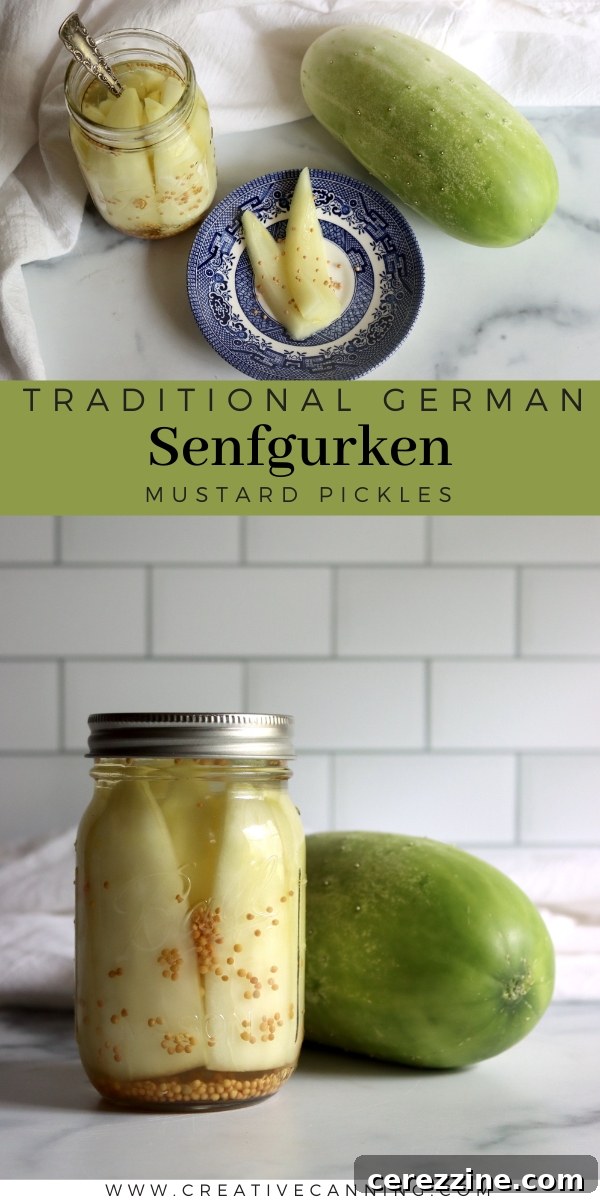
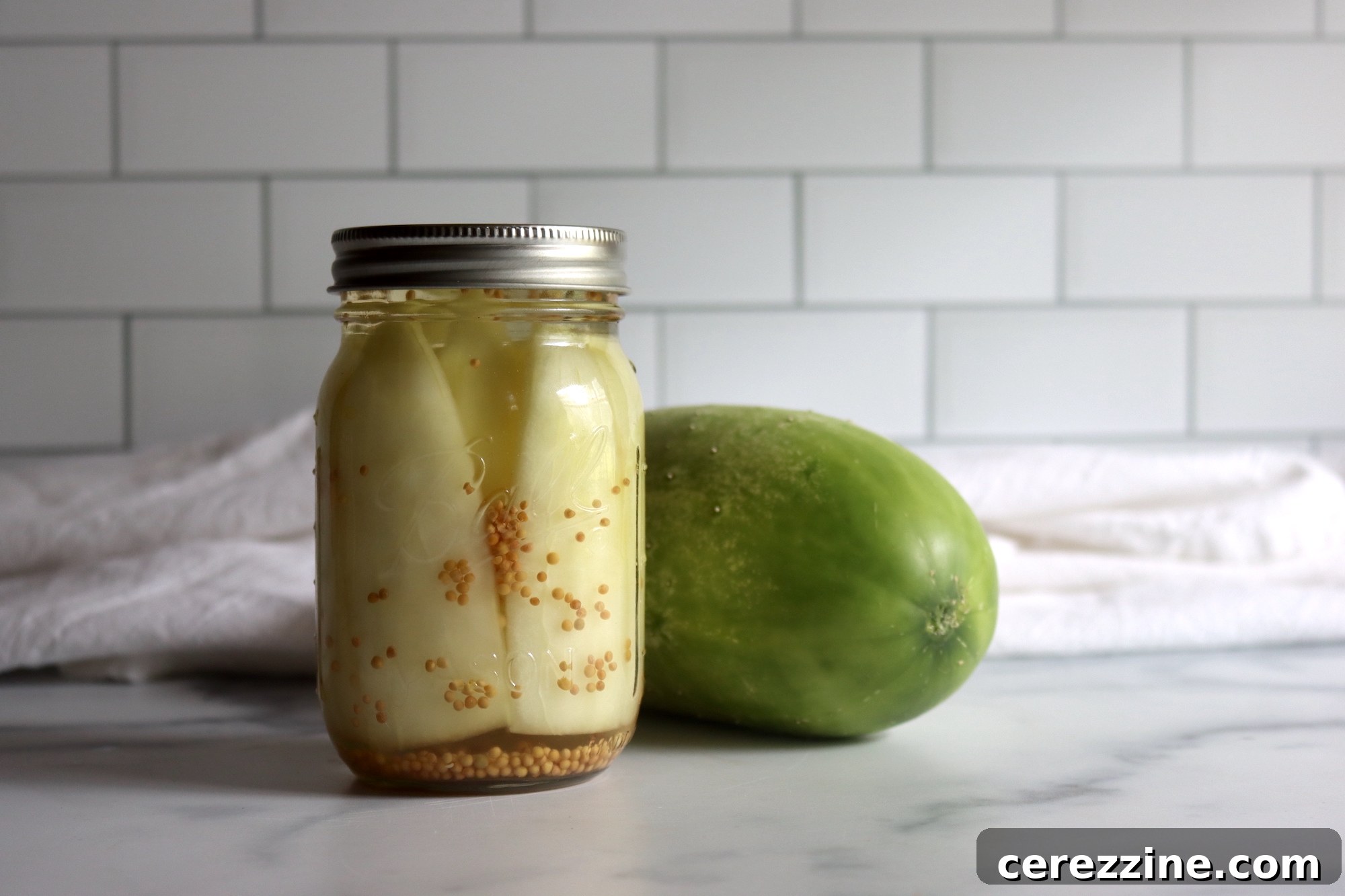
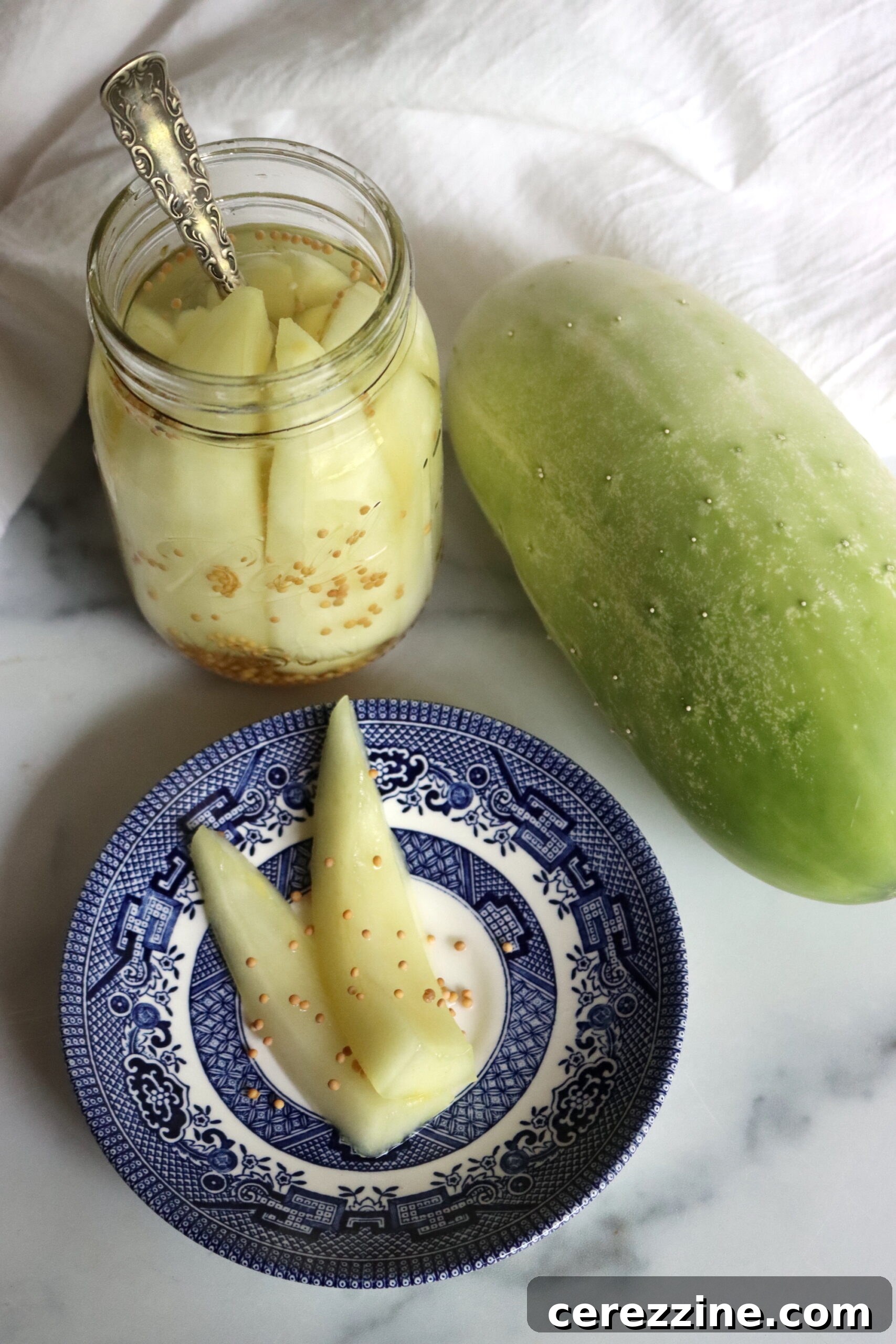
Senfgurken, deeply rooted in German culinary traditions, are exquisite mustard pickles crafted from cucumbers. These thrifty and flavorful spears are a testament to efficient food preservation, typically made by peeling and seeding overripe cucumbers at the very end of the growing season. This method not only prevents waste but also turns a humble vegetable into a staple condiment, rich in tangy flavor and a subtle mustard kick.
The Gardener’s Delight and Dilemma: The Abundance of Overripe Cucumbers
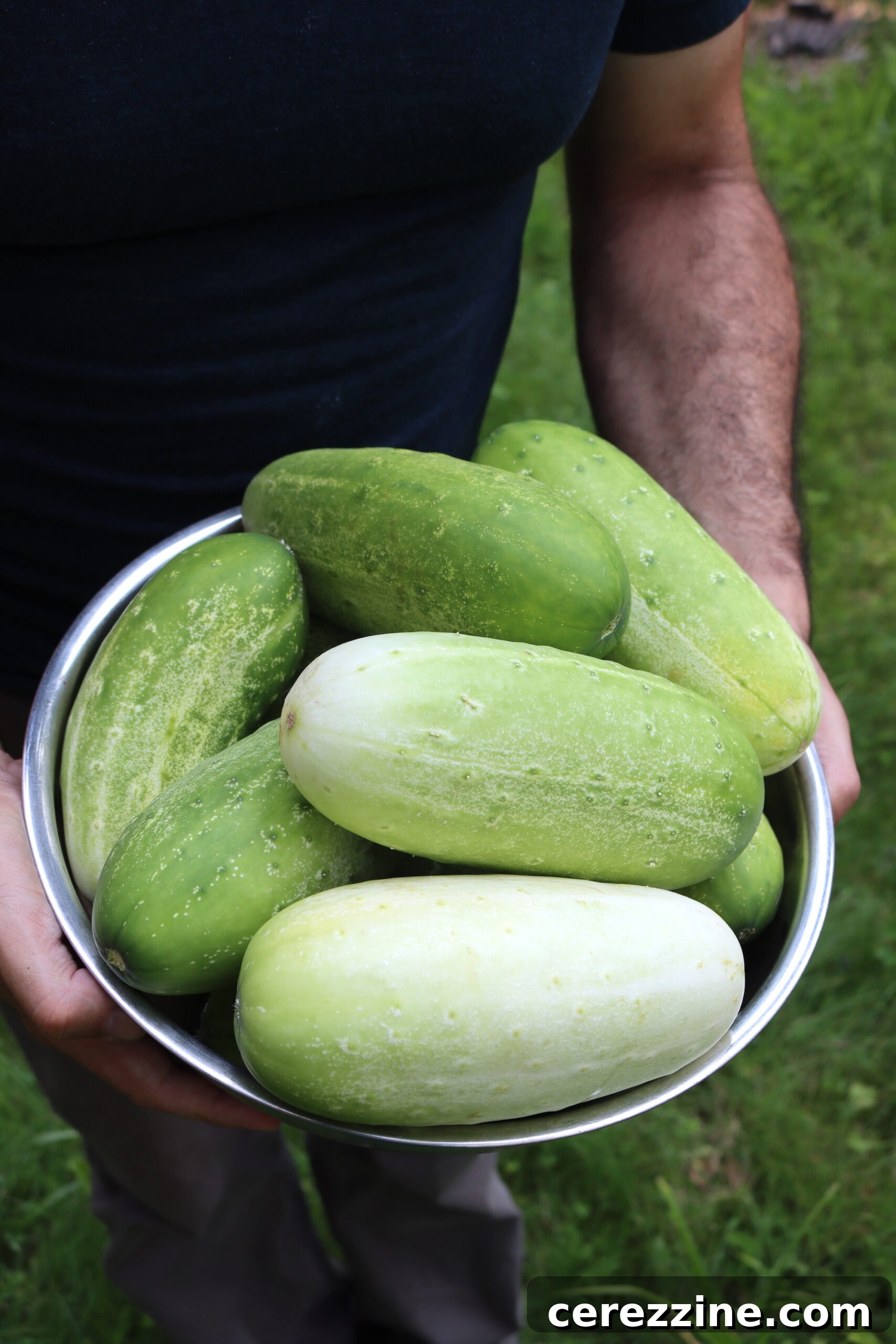
Every home gardener knows the feeling: one moment, your cucumber patch is yielding perfect, crisp young specimens, and the next, it seems to explode with gigantic, yellowing gourds that are far past their prime for fresh eating. This year, my garden certainly got the better of me, leaving me with buckets of these overgrown cucumbers. It’s a common scenario, and many find themselves wondering what to do with this unexpected bounty.
While tiny cucumbers are ideal for delicate French Cornichons or fresh salads, their larger, more mature counterparts require a different approach. Fortunately, culinary traditions worldwide offer ingenious solutions for transforming these giants into delectable preserves. Instead of composting them, we can embrace the rich history of food preservation to create something truly special and economical.
A World of Pickles: Preserving Cucumbers Across Cultures
The art of pickling cucumbers is a universal practice, a testament to humanity’s ingenuity in extending the shelf life of seasonal produce. Almost every culture with a history of growing cucumbers boasts its own unique recipes for dealing with the mature or overripe portion of the crop. These methods not only preserve food but also imbue it with distinct flavors and textures, often becoming integral parts of regional cuisines.
From tangy slices to robust spears, the variety of cucumber pickles is vast and inspiring. Some notable examples include:
- Russian Bear Claw Pickles: Known for their hearty texture and robust flavor profile.
- Vermont Cucumber “Tongue” Pickles: A unique shape and delightful taste, popular in American regional cooking.
- Danish Asier Pickles: Large, sweet, and sour pickles often served with meat dishes.
- Dutch Pickles: Frequently characterized by a sweet and savory balance.
- Ruth’s Pickles (from the American South): A beloved regional recipe, typically sweet and spicy.
- Sunshine Pickles: A widely enjoyed variety, often bright in color and flavor.
Amidst this rich tapestry of global pickling, German Senfgurken stand out for their elegant simplicity and distinctive mustard-infused character. These pickles are traditionally made into spears submerged in a straightforward vinegar brine, flavored predominantly with whole mustard seeds. Some regional variations might incorporate a hint of mixed pickling spices, but many purists stick to the pure, pungent essence of mustard. Both approaches yield incredibly satisfying results, offering a delightful balance of tang, sweetness, and spice.
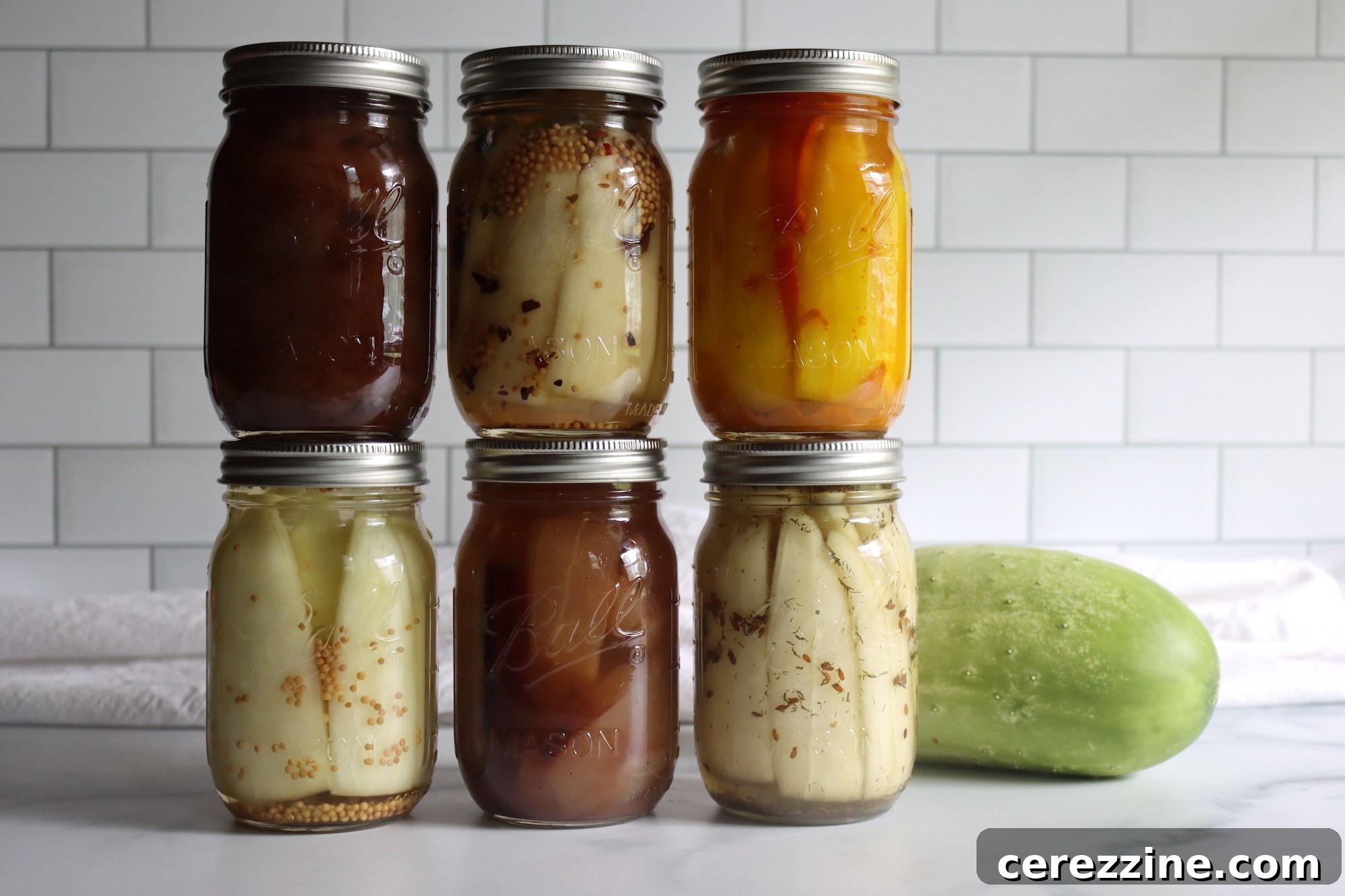
The Art of Senfgurken: What Makes German Mustard Pickles Unique
Senfgurken are more than just a pickle; they are a culinary tradition, reflecting a long-standing German preference for robust and flavorful preserves. The distinguishing feature of Senfgurken is, of course, the mustard seed. Whole mustard seeds are steeped in a sweet and sour vinegar brine, infusing the cucumbers with a warm, earthy, and subtly spicy flavor that is utterly unique. Unlike many dill-based pickles, Senfgurken offer a different aromatic profile that pairs wonderfully with hearty German fare, sandwiches, or as a vibrant side dish.
The beauty of this recipe lies in its adaptability. While mustard seeds are non-negotiable for authentic Senfgurken, the addition of a small amount of mixed pickling spices can introduce layers of complexity, incorporating notes of allspice, cloves, bay leaf, and peppercorns. Whether you prefer the pure, unadulterated mustard flavor or a more intricate spice blend, this recipe provides the flexibility to cater to your palate.
Essential Ingredients for Authentic German Senfgurken
To successfully craft approximately 4 pints of these delightful German Mustard Pickles, gather the following high-quality ingredients. The precision in measuring and selecting ingredients is key to achieving both excellent flavor and safe preservation.
For the Pre-Soak:
- 5 pounds ripe cucumbers: This typically amounts to about 4 large, overgrown cucumbers. Look for those that are firm, even if slightly yellowed, as they will hold up best during the pickling process.
- 1/4 cup pickling salt: Essential for drawing out excess water from the cucumbers, which helps maintain their crispness. Do not substitute with table salt, which often contains anti-caking agents that can cloud your brine.
For the Pickling Brine:
- 3 cups cider vinegar (5% acidity): The acidity is crucial for both flavor and food safety. Always use vinegar with at least 5% acidity. Cider vinegar offers a slightly fruity and mellow tang that complements the mustard beautifully.
- 1 1/2 cups sugar: Balances the tartness of the vinegar and enhances the overall flavor of the pickles. This recipe yields a sweet and sour profile typical of Senfgurken.
- 4 tsp whole mustard seeds: The star ingredient, providing the signature flavor. This translates to about one teaspoon per pint jar. You can use yellow, brown, or a mix of mustard seeds for varied flavor and appearance.
- 4 tsp mixed pickling spices (optional, 1 tsp per pint): If you desire a more complex flavor profile, add these spices. They often include ingredients like dill seed, coriander, bay leaves, and peppercorns. If you don’t have them on hand or prefer a pure mustard taste, feel free to omit them. I’ve prepared Senfgurken both with and without these additional spices, and both versions are delicious.
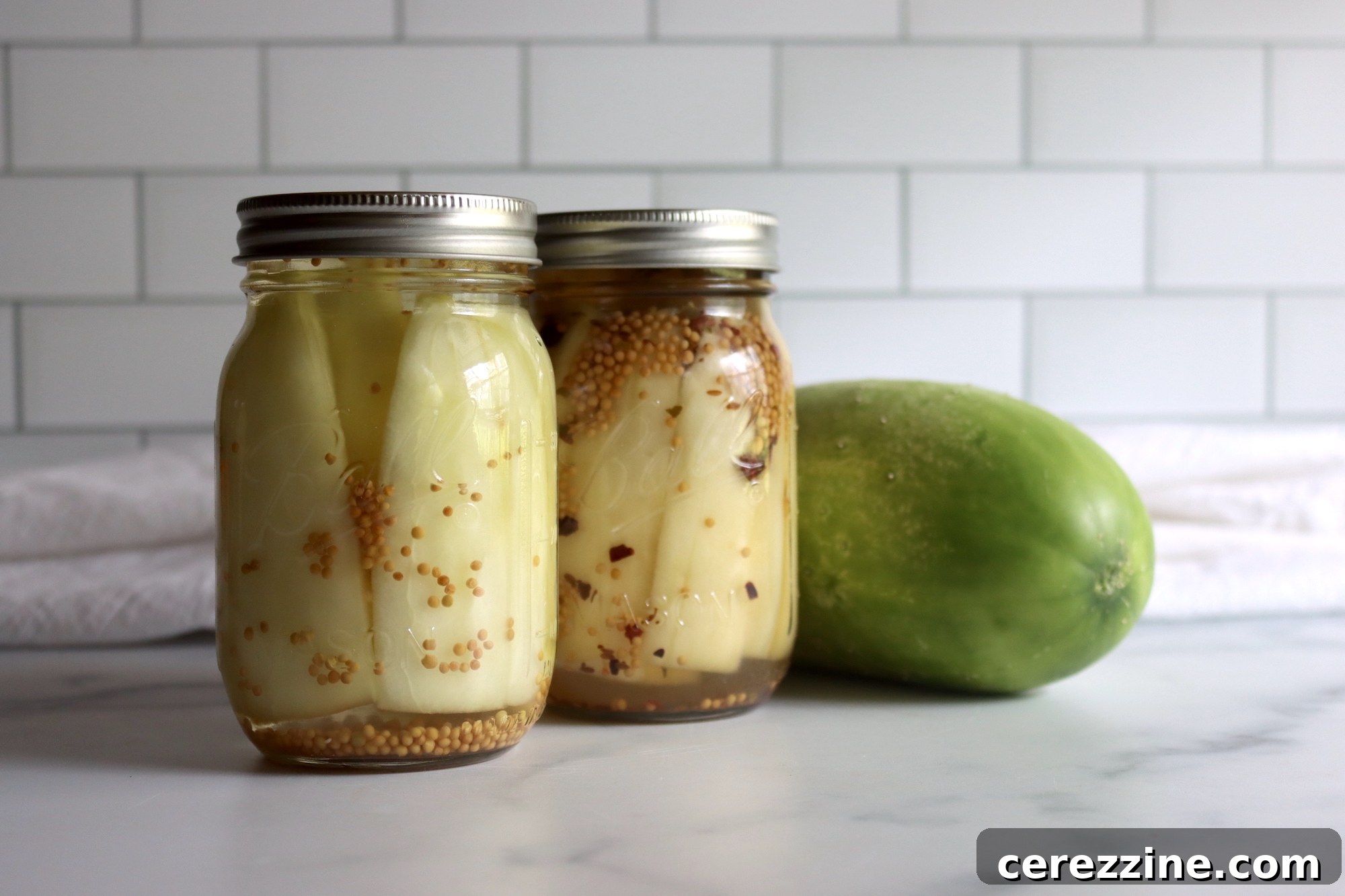
Step-by-Step Guide: Crafting Your Own Senfgurken
The process of making Senfgurken involves a few key stages: preparing the cucumbers, an essential pre-salting step, crafting the brine, and finally, safe water bath canning. Follow these detailed instructions to ensure delicious and shelf-stable pickles.
Preparing the Cucumbers
- Peel the cucumbers completely: Use a sharp vegetable peeler to remove all of the tough outer skin. This step is important, especially for overripe cucumbers which tend to have thicker skins.
- Slice and deseed: Slice each peeled cucumber in half lengthwise. Using a spoon, carefully scoop out all the seeds and the surrounding pulpy material. This prevents the pickles from becoming mushy and ensures a firm texture.
- Cut into spears: At this stage, you’ll have “half cucumber boats.” Cut each boat in half crosswise, leaving a curved end at each side. Then, cut these half-boats lengthwise into spears, and repeat the process if necessary, aiming for uniform pieces. Each full cucumber should yield a total of 16 pieces, meaning 8 spears from each seeded half. Consistent sizing is important for even pickling and a pleasing presentation.
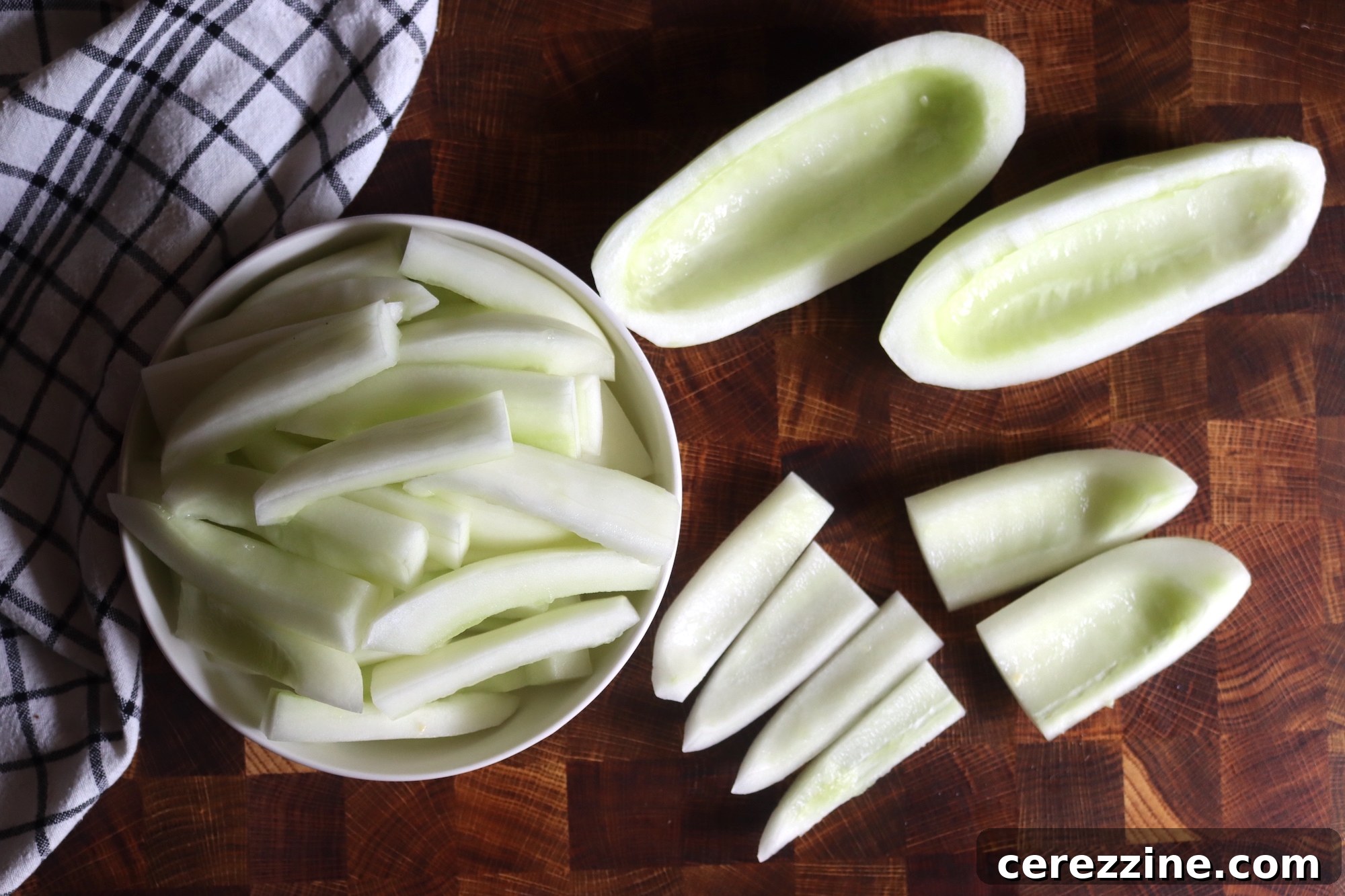
The Salting Process
- Salt soak: Place the cut cucumber pieces into a large bowl. Sprinkle them with the pickling salt and mix thoroughly to ensure all pieces are coated. Add just enough water to fully cover the cucumbers. This salt water bath is crucial for drawing out excess moisture, which helps keep the pickles crisp, and also infuses them with initial flavor. Allow them to sit for 8 to 12 hours, or conveniently, overnight.
- Drain thoroughly: After the soaking period, drain the cucumbers completely. You can rinse them lightly if desired, but ensure they are well-drained as any excess water will dilute the brine.
Making the Brine and Initial Boil
- Prepare jars and spices: While the cucumbers are draining, prepare your canning jars. Wash them thoroughly with hot, soapy water, rinse well, and sterilize them. Keep them hot until ready to use. Add the specified amount of mustard seeds (and mixed pickling spices if you are using them) to the bottom of each prepared hot jar.
- Combine brine ingredients: In a large, non-reactive pot, combine the cider vinegar and sugar. Bring the mixture to a rolling boil over medium-high heat, stirring until the sugar is completely dissolved.
- Brief cucumber boil: Add the drained cucumber pieces to the boiling brine. Allow them to boil for just 1 minute. This brief boil helps the cucumbers absorb the brine flavor and ensures they are hot before jarring, which is important for proper sealing.
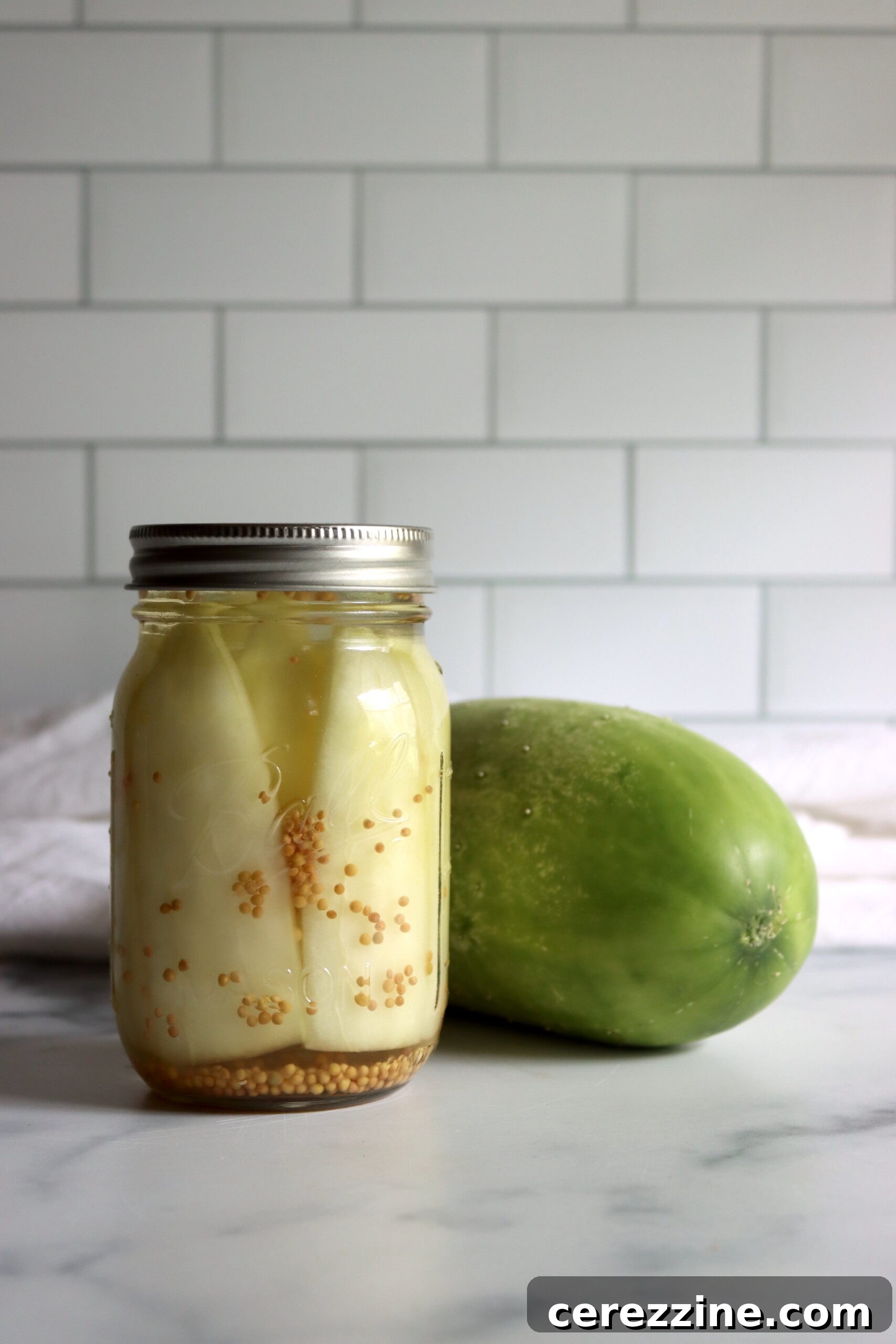
Jarring and Water Bath Canning
- Load jars: Carefully transfer the hot cucumber spears into the prepared hot jars, packing them snugly but without crushing. Pour the hot pickling brine over the cucumbers, ensuring you leave 1/2 inch of headspace from the rim of the jar. Remove any air bubbles with a non-metallic utensil, adding more brine if needed to maintain headspace.
- Seal and process: Wipe the rims of the jars clean with a damp cloth. Place the lids and screw bands on, tightening to fingertip-tight. Process the filled jars in a boiling water bath canner. For pint jars, process for 10 minutes. For quart jars, process for 15 minutes. Remember to adjust processing times according to your altitude for safe canning. Once processing is complete, carefully remove the jars and let them cool undisturbed on a towel for 12-24 hours. Check seals; properly sealed jars will have a concave lid.
Crucial for Safety: Water Bath Canning Altitude Adjustments
When canning, it’s vital to remember that water boils at a lower temperature at higher altitudes. This means that at increased elevations, jars need to be processed for a longer duration to ensure proper sterilization and food safety. Failing to adjust processing times can lead to unsafe preserves. Please consult the following altitude adjustments for canning your Senfgurken:
- For 0 to 1,000 Feet in Elevation: Process pint jars for 10 minutes, and quart jars for 15 minutes.
- For 1,001 to 6,000 Feet in Elevation: Process pint jars for 15 minutes, and quart jars for 20 minutes.
- Above 6,001 Feet in Elevation: Process pint jars for 20 minutes, and quart jars for 25 minutes.
64 servings, Makes 4 Pints
Senfgurken (German Mustard Pickles)
Ashley Adamant
Senfgurken are traditional German pickles spiced with mustard seed. They’re thrifty little spears, made by peeling and seeding overripe cucumbers at the end of the growing season.
10 mins
5 mins
15 mins
30 mins
Equipment
-
Water Bath Canner
Ingredients
For the Pre-Soak:
-
5
lbs
ripe cucumbers,
or about 4 large cucumbers -
1/4
cup
pickling salt
For the Pickling Brine:
-
3
cups
cider vinegar,
5% acidity -
1 1/2
cups
sugar -
4
tsp
mustard seeds,
one for each pint -
4
tsp
mixed pickling spices,
optional, 1 tsp per pint
Instructions
-
Peel the cucumbers.
-
Slice the peeled cucumbers in half lengthwise and use a spoon to scoop out the seeds.
-
At this point, you have half cucumber boats. Cut the boat in half, leaving a curved end at each end. Next, cut the half boats in half lengthwise, and then repeat. Each cucumber yields a total of 16 pieces, or 8 from each seeded half.
-
Mix the cucumber pieces with salt, and then add just enough water to cover. Allow them to sit for 8 to 12 hours, or overnight.
-
Drain the cucumbers.
-
Prepare your jars and add mustard seeds (and pickling spices if using) to each jar.
-
Add the vinegar and sugar to a pot and bring it to a boil. Add the cucumbers and boil for 1 minute.
-
Load the hot cucumbers into the jars and top with brine, leaving 1/2 inch headspace.
-
Process the jars in a water bath canner for 10 minutes for pints (or 15 minutes for quarts), adjusting for altitude.
Notes
Water boils at a lower temperature at higher altitudes, so jars need to be processed a bit longer as you go up in elevation. Here are the altitude adjustments for canning Senfgurken:
- For 0 to 1,000 Feet in Elevation – Process pint jars for 10 minutes, and quart jars for 15 minutes.
- For 1,001 to 6,000 Feet in Elevation – Process pint jars for 15 minutes, and quart jars for 20 minutes.
- Above 6,001 Feet in Elevation – Process pint jars for 20 minutes, and quart jars for 25 minutes.
Nutrition
Calories: 26 kcal, Carbohydrates: 6g, Protein: 0.3g, Fat: 0.1g, Saturated Fat: 0.01g, Polyunsaturated Fat: 0.02g, Monounsaturated Fat: 0.04g, Sodium: 443mg, Potassium: 58mg, Fiber: 0.3g, Sugar: 5g, Vitamin A: 26 IU, Vitamin C: 1mg, Calcium: 7mg, Iron: 0.1mg
Nutrition information is automatically calculated, so should only be used as an approximation.
Like this? Leave a comment below!
Enjoying Your Homemade Senfgurken
Once your Senfgurken have been properly canned and allowed to cure for a few weeks (this allows the flavors to fully meld), they are ready to be enjoyed! These versatile pickles are a fantastic addition to a variety of meals. Serve them alongside traditional German sausages like bratwurst or schnitzel, or pair them with a hearty roast. They also make an excellent accompaniment to sandwiches, adding a bright, tangy crunch that elevates any lunch. Don’t hesitate to chop them up and add them to potato salads or serve them as part of a charcuterie board. Their distinctive sweet-sour-mustard profile offers a refreshing contrast to rich and savory dishes.
Properly canned Senfgurken can be stored in a cool, dark place for up to a year, making them a wonderful way to enjoy the flavors of the harvest long after the growing season has ended. Once opened, store them in the refrigerator and consume within a few weeks for the best quality.
Explore More Pickling Adventures
If you’ve enjoyed making these traditional German mustard pickles and are eager to expand your pickling repertoire, there’s a whole world of preserved delights waiting to be discovered. Pickling is a rewarding craft that allows you to capture the essence of fresh produce and enjoy it year-round. Here are a couple more popular cucumber pickle recipes to inspire your next canning project:
- Dill Pickle Spears: The quintessential tangy and garlicky pickle, perfect for snacking.
- Bread and Butter Pickles: A classic sweet and savory pickle, great with burgers and sandwiches.
Happy canning!