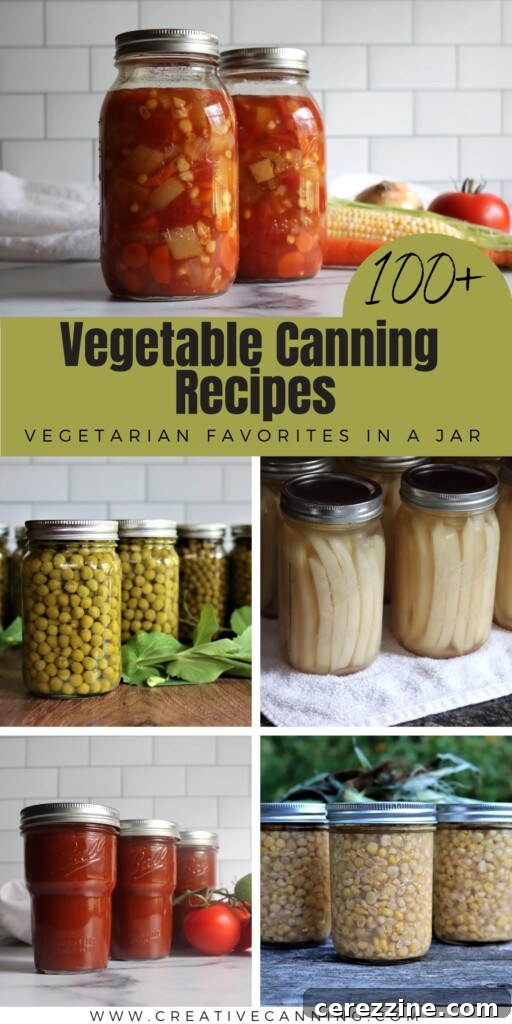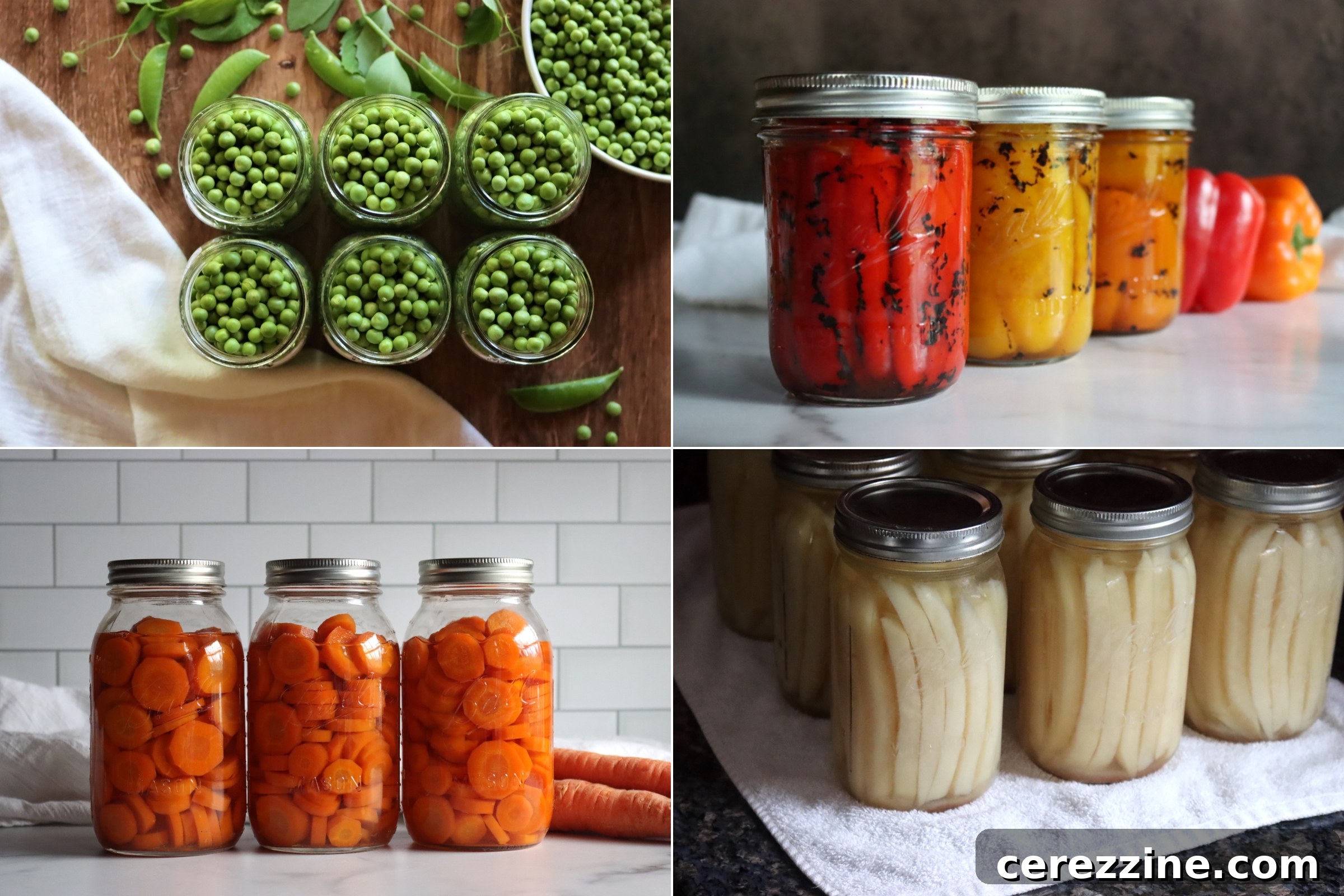
Transforming your seasonal bounty into shelf-stable jars of goodness is a deeply satisfying endeavor. Whether you’re celebrating a prolific harvest from your own garden or capitalizing on fantastic deals at your local farmers market, canning vegetables is an age-old tradition that remains incredibly relevant today. It offers a practical and efficient method for preserving the harvest, eliminating the need for a traditional root cellar or extensive freezer space.
Historically, before modern canning equipment became widely accessible, many families relied on root cellars to store staple vegetables like carrots, cabbages, and various winter squash. However, the convenience of a modern root cellar is largely a luxury, often found only on older farms, making this preservation method impractical for most contemporary homesteaders and home gardeners.
While alternative preservation methods exist, each comes with its own set of challenges. Dehydrating vegetables, for instance, is a viable option, but it’s often a time-consuming process. If you own only one dehydrator, processing a large volume of vegetables before they begin to spoil can be a race against time. Furthermore, dehydrated vegetables require considerable rehydration time before they’re ready for consumption. This might be suitable for slow-cooking soups or stews, but for quick, weeknight meals, the convenience of readily available canned vegetables is unmatched. I personally prefer having canned veggies on hand that can be heated and served in minutes.
Freezing vegetables is another common method, and one I sometimes employ, especially for certain produce. However, preserving an entire garden’s yield through freezing would demand an immense amount of chest freezer capacity. For us, living on an off-grid homestead with limited power resources, maintaining multiple large freezers isn’t a sustainable or practical solution. Even for those connected to a traditional power grid, freezing presents potential drawbacks. An array of chest freezers can significantly inflate electricity bills, and the risk of a single power outage could compromise an entire season’s hard-won harvest. The peace of mind that comes with shelf-stable food storage is invaluable.
Considering these factors, canning vegetables consistently emerges as my preferred method for preserving our garden’s bounty. Canned goods are perfect for crafting quick, nourishing weeknight meals, they boast an impressively long shelf life, and, crucially, they require absolutely no electricity for storage. This independence from power sources makes canning an ideal choice for self-sufficient living and emergency preparedness alike.
Understanding Pressure Canning vs. Water Bath Canning for Vegetables
When embarking on your canning journey, it’s crucial to understand the distinction between pressure canning and water bath canning. This choice is primarily dictated by the acidity level of the food you wish to preserve, a critical factor for ensuring food safety and preventing spoilage. Most vegetables commonly consumed are low-acid foods, meaning they do not naturally contain enough acidity to prevent the growth of harmful bacteria, particularly Clostridium botulinum, when processed in a water bath canner. Therefore, virtually all water bath canning recipes for vegetables you’ll encounter are for pickles, relishes, or other condiments that incorporate a significant amount of vinegar or other acidifying agents to lower their pH.
To safely preserve most plain vegetables without adding a substantial amount of vinegar or citrus, pressure canning is the only approved method. This technique reaches temperatures far higher than boiling water, effectively neutralizing potential threats in low-acid foods. For this comprehensive guide, I’ve made sure to include both pressure canning and water bath canning options for each vegetable where safe and appropriate recipes exist, offering you maximum flexibility in your preservation efforts.
Generally, I lean towards pressure canning plain vegetables because it allows me to preserve them simply in water. This approach yields incredibly versatile ingredients that can be incorporated into a wide array of recipes later on. For example, my plain pressure-canned corn, come winter, can be transformed into a hearty chowder, a comforting shepherd’s pie, or delicious corn fritters. In contrast, corn relish, preserved via water bath canning, is typically limited to serving as a side dish or condiment due to its distinctly acidic flavor profile.
If you’re new to the world of pressure canning, I highly recommend consulting a reliable beginner’s guide to pressure canning before you start. Understanding the proper techniques and safety protocols is paramount. Similarly, for those just beginning their food preservation adventure, exploring a beginner’s guide to water bath canning will provide a solid foundation for safely preserving higher-acid foods.
Essential Vegetable Canning Recipes: Your Guide to Preserving the Harvest
Over the years, I’ve diligently canned and collected a vast array of recipes. To streamline your search for the perfect preservation method, I’ve meticulously organized all the vegetable canning recipes I’ve found into one easy-to-navigate list. This compilation is structured by vegetable type, aiming to include as many common and some less common vegetables as possible, along with diverse recipe options. If you notice any omissions or have a beloved recipe that isn’t featured, please don’t hesitate to share it in the comments section so I can enhance this valuable resource for everyone.
While the majority of my personal vegetable canning involves pressure canning for plain, versatile ingredients, this list consciously incorporates both pressure canning and water bath canning recipes. The water bath canning recipes are specifically designed for items with added acidity, such as flavorful relishes, crisp pickles, and sweet or savory jams. It’s important to note that every recipe included here adheres to the latest and most rigorous safety guidelines established by the National Center for Home Food Preservation, ensuring your canned goods are not only delicious but also completely safe for consumption.
Hearty Vegetarian Soups & Meals in a Jar
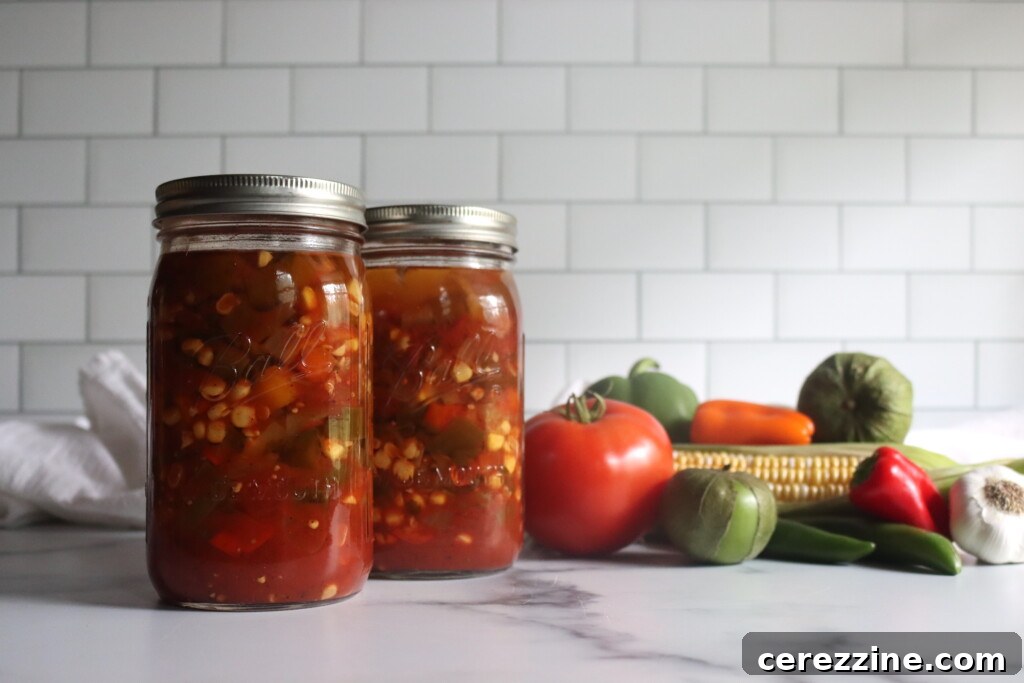
Before delving into specific individual vegetables, let’s kick off with the ultimate convenience food: pre-made vegetarian soups and complete meals in a jar. These incredible recipes are designed for maximum ease, offering a “heat and eat” solution that’s absolutely perfect for those hectic weeknights when time is precious. Imagine coming home after a long day and having a delicious, homemade meal ready to warm up in minutes from your pantry.
My husband is particularly fond of a classic tomato basil soup, while my personal go-to for a burst of flavor is the vibrant southwestern vegetable soup. These meal-in-a-jar options not only save time but also provide wholesome, nutritious food without relying on processed alternatives.
20+ Vegetarian Soup Canning Recipes
Roasted Red Pepper Soup
Roasted Poblano Corn Chowder
Southwestern Vegetable Soup
Canning Asparagus: Preserving a Spring Delicacy
There’s truly nothing quite like the flavor of fresh garden asparagus, a quintessential taste of spring. However, preserving this delicate vegetable for year-round enjoyment can be surprisingly tricky. In my experience, canned asparagus offers the superior way to savor its unique flavor and texture long after its season has passed.
I’ve often found that frozen asparagus tends to lose its vibrant flavor and can become unpleasantly stringy upon thawing. Dehydrating asparagus is another option I generally forgo, simply because it’s not an ingredient I typically incorporate into the long-simmering soups and stews that benefit from rehydrated vegetables. My preference for asparagus is in simple preparations—whether alongside egg dishes or as a quick side—which just doesn’t align well with the texture of rehydrated varieties.
For these reasons, my absolute favorite method for preserving asparagus is to pressure can it plain. This yields tender, flavorful spears that are perfect for enjoying in the depths of winter as a delicious side dish to fish or meat. I also make it a point to put up a few jars of pickled asparagus. While not as frequently used as its plain counterpart, pickled asparagus is a delightful treat. I often find it superior to pickled cucumbers, and it makes an excellent, tangy addition to sandwiches, offering a refreshing crunch.
Canning Asparagus Soup Base
Canning Asparagus Potato & Leek Soup
Canning Beets: From Earthy Delicacy to Pantry Staple
Beets hold a unique place in my culinary preferences, as they are one of the few vegetables I genuinely enjoy even more when canned than when fresh. There’s a particular satisfaction in grabbing a jar of perfectly preserved beets right from the pantry and enjoying them as a quick, wholesome snack. One of my favorite simple preparations involves draining them, drizzling with a touch of balsamic vinegar, and adding a tiny pinch of salt – pure deliciousness.
To maximize their utility, I make sure to pressure can a generous supply of plain beets in water. These versatile gems are perfect for incorporating into vibrant salads, serving as a colorful side dish, or even forming the base of uncooked meals like a chilled beet soup. Their earthy flavor, ease of use, and adaptability make them an indispensable addition to my pantry.
Beyond plain beets, I also dedicate time to preparing a substantial batch of pickled beets. The addition of warm, aromatic spices such as cloves and cinnamon, complemented by a hint of sugar, elevates their flavor profile, making them even more enticing than their plain counterparts. I particularly relish the sweet and sour complexity of pickled beets, finding them to be an excellent accompaniment to the richer, heavier dishes we enjoy during the colder winter months. My family, for instance, adores pairing pickled beets with savory potato latkes, a combination that never fails to please.
Classic Pickled Beets
Canning Cabbage: Focus on Flavorful Acidic Preparations
Unfortunately, there is no safely tested or recommended recipe for canning plain cabbage, nor does the National Center for Home Food Preservation endorse canning it in soups. This recommendation stems primarily from quality concerns rather than outright safety hazards. As Healthy Canning articulates in an excellent article, plain canned cabbage subjected to the long processing times required for low-acid vegetables can develop an unpalatably strong and off-putting flavor and texture. For this reason, official food preservation guides have not bothered to develop or test such recipes.
However, this doesn’t mean cabbage is off-limits for canning! The key lies in changing its acidity. Canning sauerkraut is a notable exception to the rule against plain cabbage. The fermentation process transforms fresh cabbage into a highly acidic product, making it perfectly safe for quicker processing in a water bath canner. This method yields a delicious, tangy sauerkraut that is a far cry from the unappetizing plain canned version.
Similarly, many traditional mixed relish and chow-chow recipes feature cabbage as a key ingredient. These recipes, by their very nature, are packed with vinegar, which acidifies the mixture sufficiently for safe water bath canning. The high acidity not only ensures safety but also helps to maintain a better texture and imbues the cabbage with a vibrant, flavorful profile, completely overcoming the quality issues associated with plain pressure-canned cabbage. These pickled preparations offer a fantastic way to preserve cabbage with delicious results.
24+ Relish Recipes for Canning (Beyond Pickle Relish)
Southern Chow Chow (Traditional Green Tomato Relish)
Amish Chow Chow
Green Tomato Piccalilli (New England Style)
Canning Carrots: Preserving a Versatile Root Vegetable
Even with a well-equipped root cellar on our Vermont homestead, successfully storing fresh carrots has consistently presented a challenge. While potatoes, onions, and garlic thrive in the dry conditions of our cellar, it simply isn’t humid enough for optimal carrot storage, leading to quicker spoilage. We do manage to overwinter some carrots directly in the garden, but digging them out from under heavy snow during winter can be quite a chore, especially when I’m pressed for time on a busy weeknight. Typically, the bulk of these overwintered carrots are harvested in early spring, still wonderfully fresh, crisp, and full of flavor.
For these reasons, I always make sure to cultivate an abundance of hardy storage carrot varieties specifically for pressure canning. Pressure-canned plain carrots, when using these robust types, retain excellent flavor and a desirable texture, avoiding mushiness. It’s crucial to select hardy varieties for this method; tender summer carrots tend to become too soft and unappealing after pressure canning.
Keeping several jars of pressure-canned carrots in our pantry is a game-changer. They serve as a quick and healthy side dish and are a convenient addition to any soup or stew. While dehydrated carrots also work well in soups, they require longer rehydration times and aren’t typically suitable as a standalone side. In contrast, canned carrots are ready to go straight from the jar.
In addition to plain carrots, I enjoy preparing a variety of pickled carrots using the water bath canner. Carrot pickles are exceptionally delicious. Some variations are perfect for enjoying as a simple snack, while others, like my ginger-pickled carrots, are specifically prepared for specialty culinary projects, such as garnishing udon bowls and other Asian-inspired dishes. The sweet, tangy, and sometimes spicy notes of pickled carrots add an exciting dimension to meals.
Canning Pot Roast in a Jar
Canning Beef Burgundy (Julia Child’s Recipe)
Canning Beef Pot Pie Filling
Canning Carrot Soup
Canning Cauliflower: Embracing Pickling for Best Results
Similar to its botanical relative, cabbage, cauliflower is another vegetable that unfortunately does not withstand the process of pressure canning well. There are no safe, tested, or officially recommended recipes for canning plain cauliflower, primarily because the resulting product would be entirely unappetizing. The high heat and extended processing times required for pressure canning low-acid vegetables would cause cauliflower to break down significantly, yielding a mushy texture and a rather unpleasant flavor.
Therefore, if you find yourself with an abundance of fresh cauliflower, my definitive advice is to transform it into delicious cauliflower pickles through water bath canning. This method is perfectly suited for cauliflower and produces exceptional results.
Cauliflower has a remarkable ability to absorb the flavors of various spices and brines, making it an outstanding candidate for pickling. Furthermore, it tends to retain its desirable crisp texture much better than many other vegetables, including cucumbers, during the pickling process. While many enjoy incorporating cauliflower into a medley of pickled vegetables, it also shines when pickled on its own, allowing its unique, subtly nutty flavor to come through, beautifully complemented by the tangy brine.
Piccalilli (English Style Mustard Pickles)
Pickled Cauliflower with Curry Spices
Canning Corn: Sweet Harvest for Year-Round Enjoyment
Every growing season, we dedicate a substantial portion of our garden to sweetcorn. There’s arguably no vegetable that evokes the essence of summertime quite like fresh, tender corn on the cob. Although botanically classified as a grain, corn’s culinary application firmly places it in the vegetable category, and its abundant harvest necessitates its inclusion in any comprehensive canning guide to help preserve any surplus from your garden.
While the process of pressure canning corn can be lengthy, the exceptionally delicious results are undeniably worth the effort. Given its starchy nature, plain corn requires significant processing times: pints must be held at pressure for 55 minutes, and quarts for 85 minutes. This makes it one of the longest processing times you’ll encounter among vegetable canning recipes, but the reward is a versatile and flavorful product.
Beyond the flexibility of plain pressure-canned corn, there’s also a delightful array of water bath canned corn salsas and relish recipes that are bursting with flavor. Southwestern corn salsa and pickled corn relish are among my personal favorites, offering a tangy and sweet counterpoint to many meals. The crucial step in making these recipes safe for water bath canning is the addition of acid, typically in the form of vinegar or citrus juice, which lowers the overall pH of the mixture.
Additionally, for those looking to utilize every part of the harvest, there are a few safe and approved corn cob jelly recipes. These unique and surprisingly tasty jellies ingeniously transform a typically discarded by-product into a delightful culinary creation.
Chicken Vegetable Soup
Chicken and Corn Chowder
Southwestern Corn Salsa
Pickled Corn
Canning Cucumbers: A World of Pickles and Relishes
When it comes to cucumbers, you won’t find any recipes for pressure canning them – frankly, the result would be an unappealing, mushy mess. However, what you *will* discover is an impressive array of hundreds of pickling recipes for cucumbers, allowing you to preserve their crisp texture and refreshing flavor in countless ways. Pickling is the definitive method for canning cucumbers, transforming them into beloved condiments and snacks.
Among the classics, bread and butter pickles are a staple on my hamburgers, offering a delightful balance of sweet and tangy notes. For sandwiches and subs, I invariably reach for crisp, savory dill pickle slices, which provide that essential tangy crunch. Beyond these traditional favorites, the world of cucumber pickles extends to many creative recipes that explore unique spice blends and flavor profiles.
Perhaps one of the most surprising and unique ways I’ve seen cucumbers preserved is in the form of a tasty jam. With the appropriate addition of enough lemon juice or citric acid to ensure a safe pH level, cucumbers can be water bath canned into a truly unexpected and delightful preserve. This unconventional approach highlights the versatility of cucumbers and the endless possibilities in home canning.
Classic Pickle Relish
Cucumber Relish
Sweet Pickle Relish
Dill Relish
Canning Green Beans: A Productive Garden Favorite
Green beans are arguably one of the most productive vegetables you can cultivate. Even from a modest raised bed, you can easily find yourself with baskets overflowing with fresh green beans. While I absolutely adore eating them fresh during the harvest season, we inevitably end up with a surplus too vast to consume at once, making preservation a necessity.
My primary method for managing this abundance is pressure canning plain green beans. While freezing is also an option, our limited freezer space means I prioritize the pressure canner. Canned green beans are an excellent addition to holiday casseroles, lending a touch of home-grown flavor to festive tables, and they are indispensable for savory winter soups and stews. A crucial safety reminder: always remember that plain green beans MUST be pressure canned. Disregard any online sources that suggest water bath canning plain green beans; it is not a safe practice due to their low acidity!
For a different culinary experience, pickled green beans, often known as “dilly beans,” are a fantastic option and are perfectly safe for water bath canning because they are preserved in an acidic vinegar solution. Dilly beans maintain a wonderful crisp texture and shape, and I find them every bit as delicious, if not more so, than traditional dill-pickled cucumbers. They are incredibly versatile, perfect for serving alongside a lunch plate, or adding a tangy, crunchy element to sandwiches and wraps. These offer a delightful variation to your green bean preservation efforts.
Pickled Dilly Beans (Dill Pickled Green Beans)
Canning Onions: Beyond Simple Storage
Onions are quite amenable to storage without canning, making them less of a central focus during my peak canning season. They keep remarkably well in a cool, dry place. However, there are a couple of distinct ways I enjoy having them preserved in jars, transforming them into convenient ingredients and delectable condiments.
There is one specific recipe for canning plain onions, but it’s quite particular: it only works effectively for pearl onions or other very small, whole onions. Attempting to can sliced onions plain will result in an undesirable texture and is not recommended for safety or quality. For general cooking, storing larger onions fresh is often the best approach.
Where onions truly shine in the canning world is as versatile condiments. Savory onion jam, with its rich, sweet-and-sour profile, and tangy pickled onions are two of my absolute favorites. These add a gourmet touch to sandwiches, charcuterie boards, or main dishes. Beyond these, onions are frequently found as a foundational ingredient in many other canned goods, playing a vital role in salsas, various onion relishes, and homemade pasta sauces. They are also a common and welcome addition to many pressure-canned soups, providing a depth of flavor. Thus, while not often canned plain in large quantities, onions are integral to a multitude of popular canning recipes.
Lime Pickled Onions
Onion Relish
Pepper Onion Relish
Summer Fruit Salsa with Honey & Balsamic
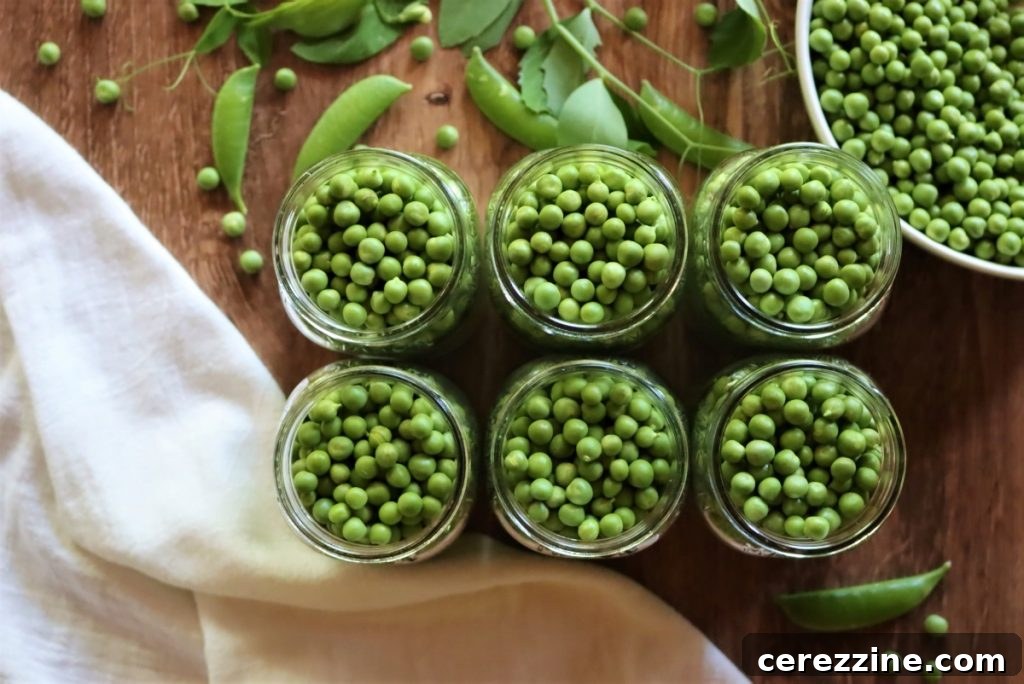
Canning Peas: The Sweet Reward of a Summer Afternoon
While not everyone might concur, I firmly believe that shelling peas is a wonderfully worthwhile expenditure of time. There’s something uniquely calming and delightful about spending a summer afternoon on the porch, with a gentle breeze, engaging in the repetitive yet satisfying task of shelling peas. Even when a myriad of other homestead chores beckon, this quiet activity, perhaps with good company, feels like time truly well spent.
And when you’ve successfully navigated the joyful, albeit sometimes tedious, process of shelling, those homegrown peas are absolutely fantastic for pressure canning. Canned peas retain their sweet, delicate flavor and provide a taste of summer long into the colder months. They make a comforting addition to stews, casseroles, or simply as a side dish. While canned plain peas are a pantry staple, you can also find hearty recipes like the one below to make the most of your pea harvest.
Canning Split Pea Soup
Canning Peppers: A Splash of Color and Flavor Year-Round
Peppers, in all their glorious stages of ripeness—from vibrant green to sunny yellow and fiery red—are, without a doubt, some of the most visually stunning produce I cultivate. Their beauty isn’t confined to the garden; they look equally impressive neatly arranged in jars on the pantry shelf, promising a burst of color and flavor throughout the year.
I find that plain, pressure-canned peppers are an exceptional ingredient for a variety of winter recipes. They integrate beautifully into hearty chilis, add a welcome sweetness to rich pasta dishes, and enhance many other savory meals, providing a garden-fresh taste even when fresh peppers are out of season. Their texture holds up well to the pressure canning process, making them a versatile pantry staple.
Beyond plain canning, I also regularly utilize the water bath canner to create a range of delicious pickled peppers. These tangy preserves are fantastic additions to pizzas, provide a zesty kick to sandwiches, and serve as an all-purpose relish that can brighten up almost any dish. Whether you prefer the mild crunch of pickled bell peppers or the spicy zing of pickled jalapeños, canning peppers offers a wonderful way to enjoy their diverse flavors and vibrant hues long after the summer harvest.
Pickled Banana Peppers
Peach Salsa
Tomato Salsa with Tomato Paste (Thickened Salsa)
Apricot Salsa
Canning Potatoes: Convenience in a Jar
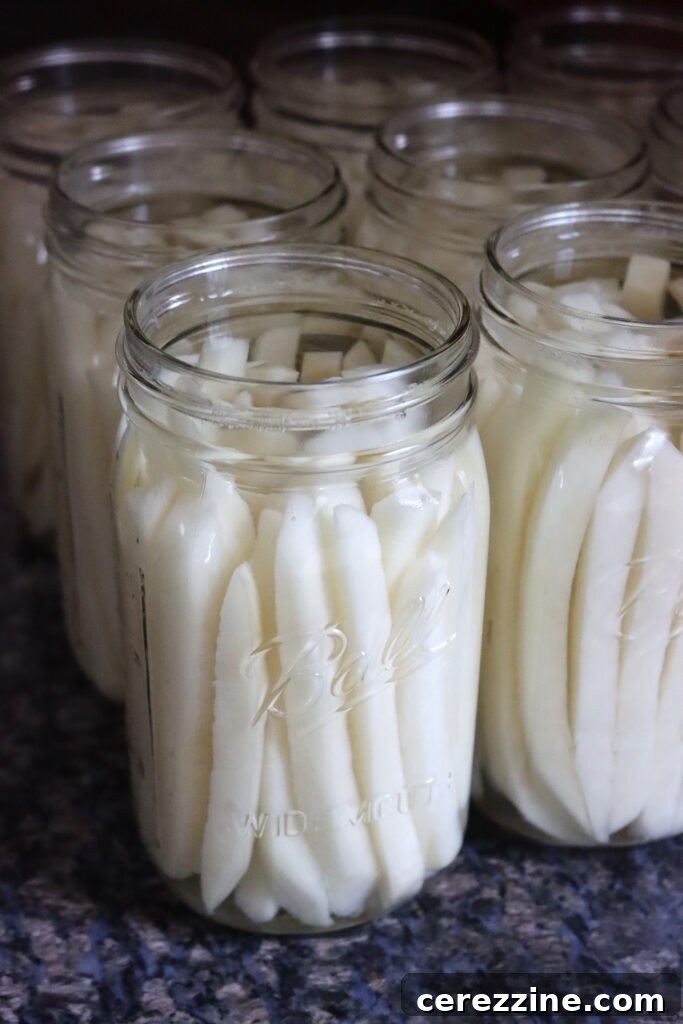
While canning potatoes might not be a preference for every home preserver, I personally find it an incredibly rewarding and worthwhile endeavor. One significant advantage is that fresh, new, small potatoes, which typically have a shorter shelf life and don’t store well on their own for extended periods, can be beautifully and safely canned. This extends their usability dramatically.
The true magic of canned potatoes, however, lies in their unparalleled convenience: they are literally ready to use straight out of the jar. This makes them an absolute lifesaver on busy weeknights or whenever you need a quick meal component. They are perfectly pre-cooked and tender, ideal for whipping up a fast batch of creamy mashed potatoes without the peeling and boiling time, or for quickly preparing crispy hashbrowns for breakfast or brunch. Having canned potatoes in the pantry significantly reduces meal prep time, offering a taste of home-cooked goodness with minimal effort.
Canning Chicken and Gravy Meal in a Jar
Canning French Fries
Canning Potato Leek Soup
Canning Sausage Potato and Kale Soup (Copycat Zuppa Toscana)
Canning Pumpkin & Winter Squash: Cubes for Culinary Versatility
Pumpkin and various winter squash varieties are excellent candidates for pressure canning, providing a taste of autumn throughout the year. However, it is absolutely critical to follow specific processing guidelines for safety. You must only can pumpkin and winter squash as cubes. Pureed pumpkin, or any other thick squash puree, is too dense for the heat to adequately penetrate to the center of the jar during the canning process. This insufficient heat penetration means that purees cannot be safely canned using any home method, posing a significant risk of botulism.
If your recipe calls for pumpkin puree, you can easily achieve it by mashing the safely canned pumpkin cubes immediately after opening the jar. This method ensures both safety and convenience. Furthermore, canned pumpkin cubes are incredibly versatile, proving to be a fantastic ingredient for a wide array of dishes. They can be readily incorporated into savory soups, hearty stews, warming curries, or even pureed for pies and baked goods, offering endless culinary possibilities from your pantry shelf.
Pickled Sugar Pumpkin
Canning Pumpkin (& Other Winter Squash)
12+ Pumpkin, Butternut & Winter Squash Canning Recipes
Canning Rhubarb: A Tart Vegetable, Sweetly Preserved
While I typically use rhubarb in ways more commonly associated with fruit—think delectable strawberry-rhubarb crisp, which is truly to die for—it is, botanically speaking, a vegetable. I’ve chosen to include it in this compilation because many gardeners in my region proudly dedicate a patch of their vegetable garden to this wonderfully tart plant, and it offers fantastic canning opportunities.
Rhubarb’s natural acidity makes it a perfect candidate for water bath canning as stewed rhubarb. This versatile preserve is exquisite served with ice cream, yogurt, or as an accompaniment to various other desserts. Alternatively, you can thicken it into a delightful rhubarb pie filling, providing a convenient base for a heartier, homemade treat. Beyond these, rhubarb can be safely water bath canned into vibrant rhubarb jam, sparkling rhubarb jelly, and even more adventurous recipes such as tangy rhubarb chutney, zesty BBQ sauce, and more, offering a delightful sweet and sour dimension to your pantry.
Rhubarb also harmonizes beautifully when combined with other fruits. It’s particularly lovely in blueberry rhubarb jam, peach rhubarb jam, and orange rhubarb jam, where its tartness brightens the sweetness of its fruit companions. The British, in particular, have a fondness for pairing it with ginger, creating warm and inviting preserves.
Sweet Pickled Rhubarb
Blueberry Rhubarb Jam
Rhubarb Chutney
Rhubarb Jelly
Canning Tomatillos: The Tangy Heart of Salsa Verde
While tomatillos possess a naturally tart and often acidic flavor, their actual pH levels can fluctuate significantly based on various growing conditions. To ensure absolute safety in canning, it is always best to err on the side of caution and incorporate additional acid into your tomatillo recipes. My personal preference is to add lime juice, as its bright, zesty flavor complements tomatillos exceptionally well and enhances the overall taste profile of the final product.
For safe water bath canning of plain tomatillos, I recommend adding 1 tablespoon of bottled citrus juice (lemon or lime) to each pint jar, or 2 tablespoons per quart jar. This critical step ensures that the pH is consistently low enough for safe water bath processing. It’s important to use bottled juice for its consistent acidity, unlike fresh juice which can vary.
Furthermore, if you’re preparing a mixed salsa that includes tomatillos along with other low-acid ingredients like peppers and onions, you will need to add a considerably larger amount of vinegar or citrus juice. This is essential to bring the pH of the entire mixture down to a safe range for water bath canning. Always consult tested recipes for specific quantities to guarantee safety and delicious results.
Salsa Verde (Tomatillo Salsa)
Canning Tomatillo Sauce (Enchilada Sauce or Simmer Sauce)
Roasted Tomatillo Salsa
Chipotle Tomatillo Salsa
Canning Tomatoes: The Essential Acidification Rule
Many traditional, older canning recipes often categorize tomatoes as sufficiently acidic to be safely preserved using only a water bath canner. However, contemporary food preservation science has revealed that tomatoes actually fall precariously close to the borderline of safe acidity for canning. Furthermore, modern tomato varieties, in particular, may exhibit a higher pH (meaning they are less acidic) than their heirloom counterparts. Environmental factors such as sunlight exposure, water availability, and fertilizer applications can also influence a tomato’s final pH level, adding further variability.
Therefore, to ensure absolute safety, all safe tomato canning recipes today unequivocally recommend and often mandate the addition of extra acid. This can come in the form of citric acid, vinegar, or bottled lemon juice. This critical step applies to both pressure canning and water bath canning recipes, as they have all been meticulously tested with the inclusion of this additional acid to guarantee a safe pH level and prevent the growth of harmful bacteria, especially Clostridium botulinum.
As of the time this article was penned, there are no approved or safe recipes for pressure canning plain tomatoes without the addition of acid. This is a non-negotiable step in modern tomato preservation. Never skip this crucial acidification process, regardless of whether you are pressure canning or water bath canning your tomatoes; it is fundamental to the safety and reliability of your canned goods.
Canning Tomatoes in Wine
Heirloom Tomato Soup
Hearty Tomato Salsa (with Paste Tomatoes)
Salsa Ranchera
Canning Zucchini: Creative Ways to Handle the Abundance
It might come as a surprise to many gardeners, but there’s a surprisingly extensive collection of safe, tested zucchini canning recipes available. Perhaps this wealth of recipes stems from the annual zucchini “problem” many gardeners happily face – an abundance that often surpasses fresh consumption! Whatever the reason, there are truly delicious and safe ways to transform your zucchini harvest into pickles, relishes, and even unique jams, ensuring none of it goes to waste.
These acidic recipes are all approved and perfectly safe for water bath canning, allowing you to create shelf-stable jars of zucchini goodness that offer diverse flavors and uses. From tangy pickles to sweet jams, zucchini’s versatility truly shines in these preparations.
Unfortunately, there are no approved recipes for pressure canning plain zucchini. This is due to a fundamental issue: zucchini, when subjected to the high heat and extended processing times of a pressure canner, tends to break down completely, transforming into an unappetizing, pasty mush. Beyond its less-than-ideal texture and flavor, pressure canning plain zucchini would also be unsafe. Because it doesn’t maintain its chunky form, the heat cannot adequately penetrate the entire jar to thoroughly kill bacteria, creating a potential food safety hazard.
The only exception for pressure canning zucchini is in specific mixed recipes, such as a combination of zucchini and tomato chunks. In these recipes, the tomato chunks help to keep the zucchini separated, preventing it from becoming a solid mass, and also contribute acidity, which can help reduce the overall pressure canning time required for the mixture. This type of canned mix makes an excellent base for quick soups and pasta dishes, offering a safe and flavorful way to incorporate zucchini into your pressure-canned pantry items.
13+ Zucchini Canning Recipes
Canning Zucchini in Pineapple Juice
Bread and Butter Zucchini Pickles
Zucchini Relish Recipe for Canning
Continue Your Canning Adventure!
This comprehensive guide offers a wealth of proven, safe, and delicious recipes for canning a wide variety of vegetables. By mastering these techniques, you can enjoy the bounty of your garden or local market year-round, enhance your self-sufficiency, and always have nutritious, ready-to-eat food at your fingertips. Canning is not just about preserving food; it’s about preserving flavor, nutrition, and peace of mind.
What other vegetables do you love to can that I might have missed in this compilation? Which are your absolute favorite recipes for preserving the harvest? I’d love to hear your thoughts and suggestions. Please leave me a note in the comments below so I can continue to expand and refine this resource for our growing community of home canners!