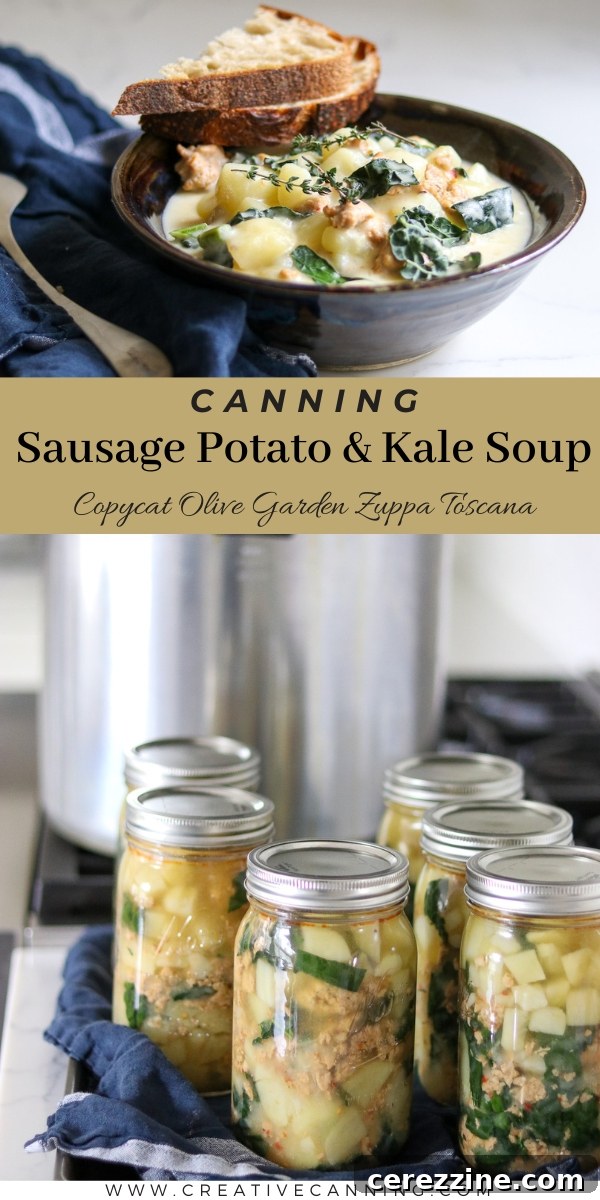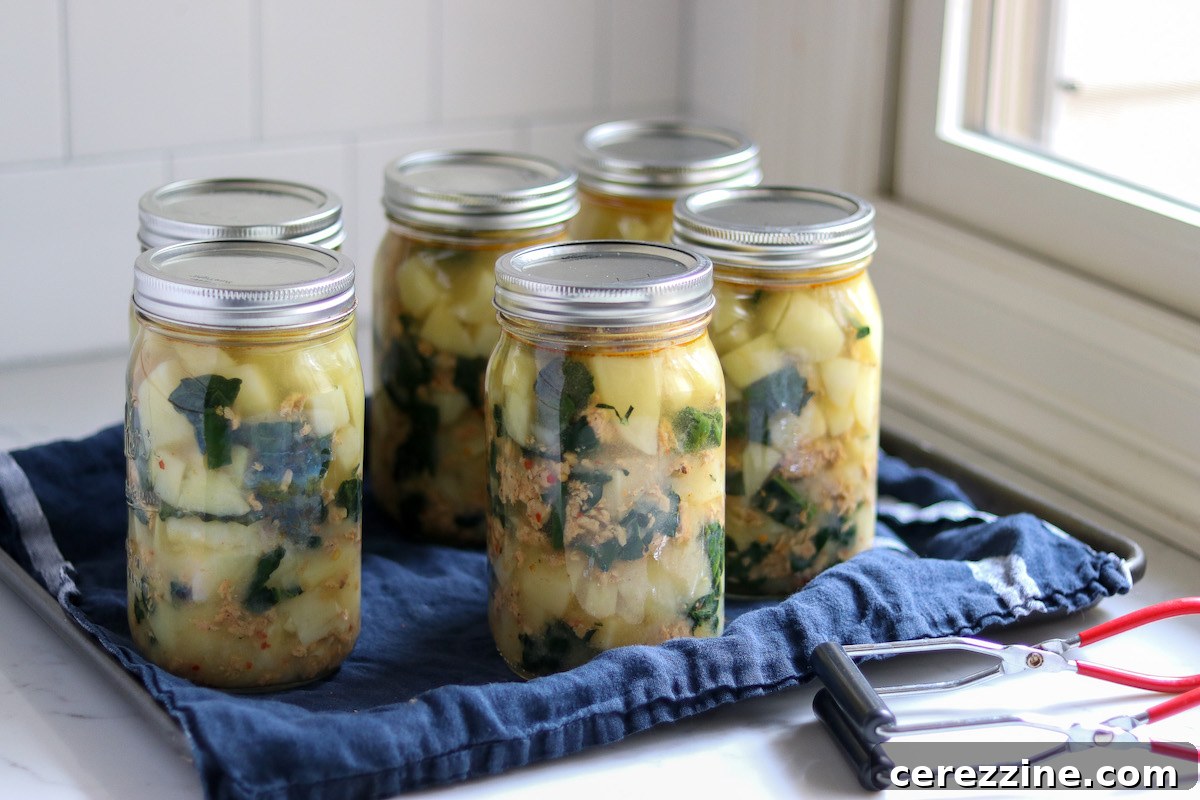
Imagine a chilly evening, and within minutes, a steaming bowl of hearty, homemade soup is ready to warm you from the inside out. That’s the magic of home canning this delicious sausage, potato, and kale soup. This recipe is often compared to Olive Garden’s beloved “Zuppa Toscana,” and with a final swirl of cream, it truly rivals, if not surpasses, the restaurant favorite. Beyond its comforting flavor, canning this soup offers unparalleled convenience, transforming staple ingredients into ready-to-eat meals stored safely on your pantry shelf.
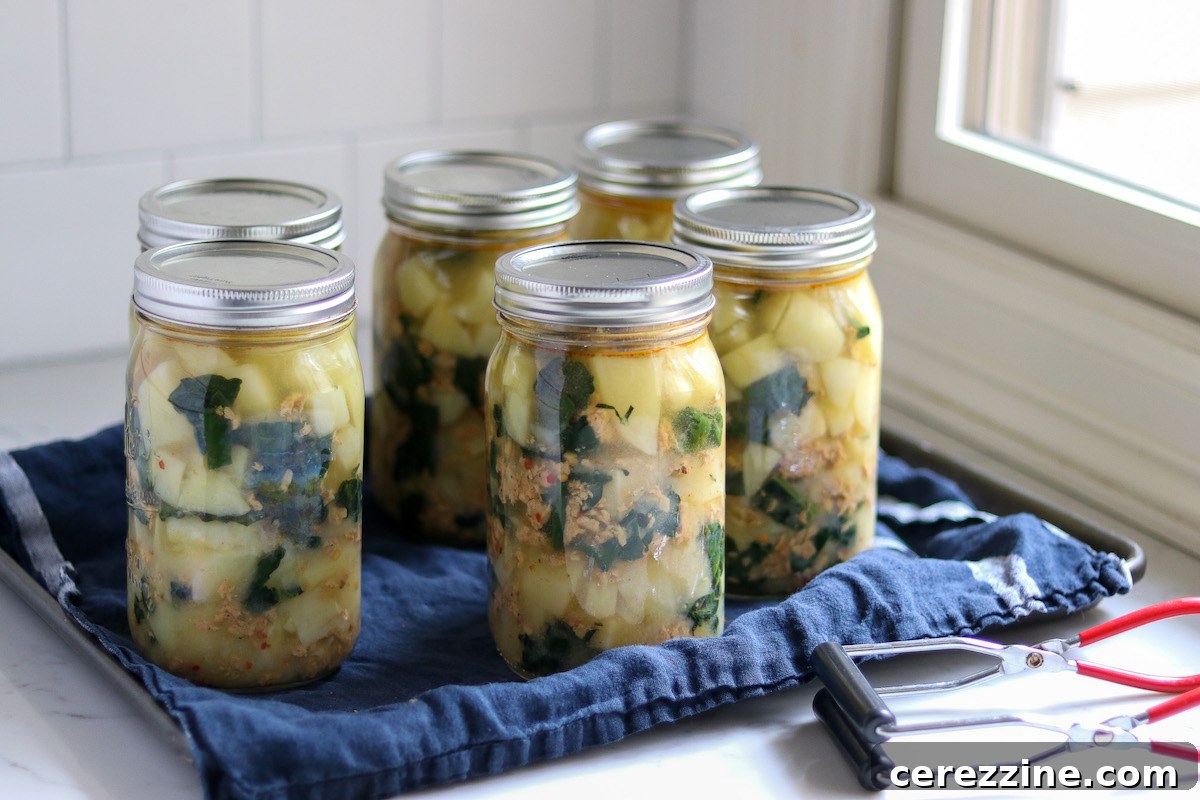
Home canning is a fantastic way to stock your pantry with nutritious, wholesome meals, making weeknight dinners or emergency meal prep a breeze. This particular sausage, potato, and kale soup is a standout for its rich flavors and satisfying textures. It’s a perfect example of a hearty, nourishing dish that can be enjoyed straight from the jar after a quick reheat, or elevated with a touch of cream and some crusty bread for a more gourmet experience. The convenience of having such a delicious, comforting meal on hand makes the effort of pressure canning truly worthwhile.
This simple yet robust recipe is a popular copycat of Olive Garden’s “Zuppa Toscana.” While it can’t be thickened before canning (a crucial safety rule for pressure canning), you can easily add a thickener or a splash of cream when serving to achieve that classic restaurant-style richness. Alternatively, it’s absolutely delicious as is – just heat, serve, and savor!
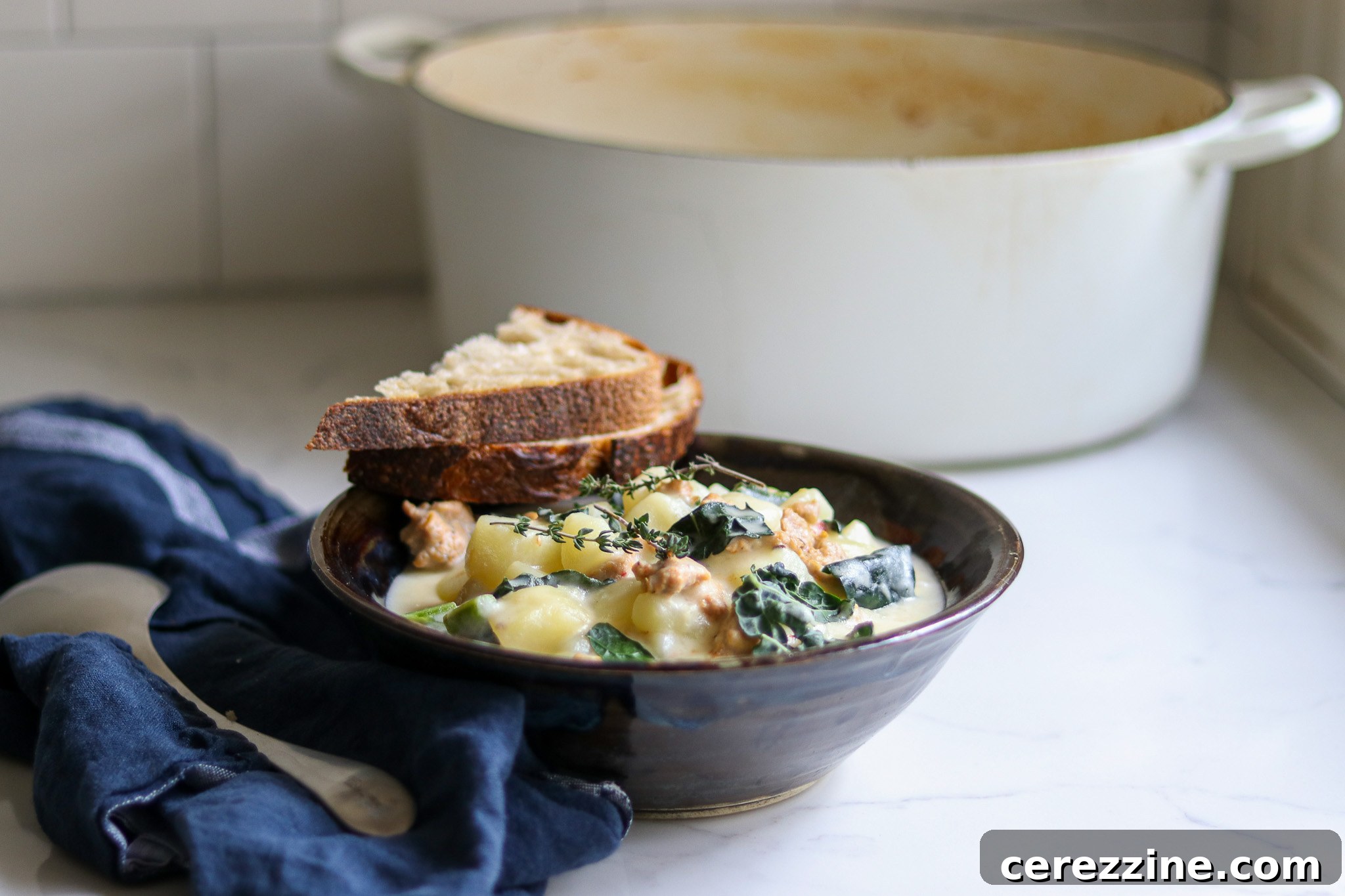
Essential Ingredients for Canning Zuppa Toscana Style Soup
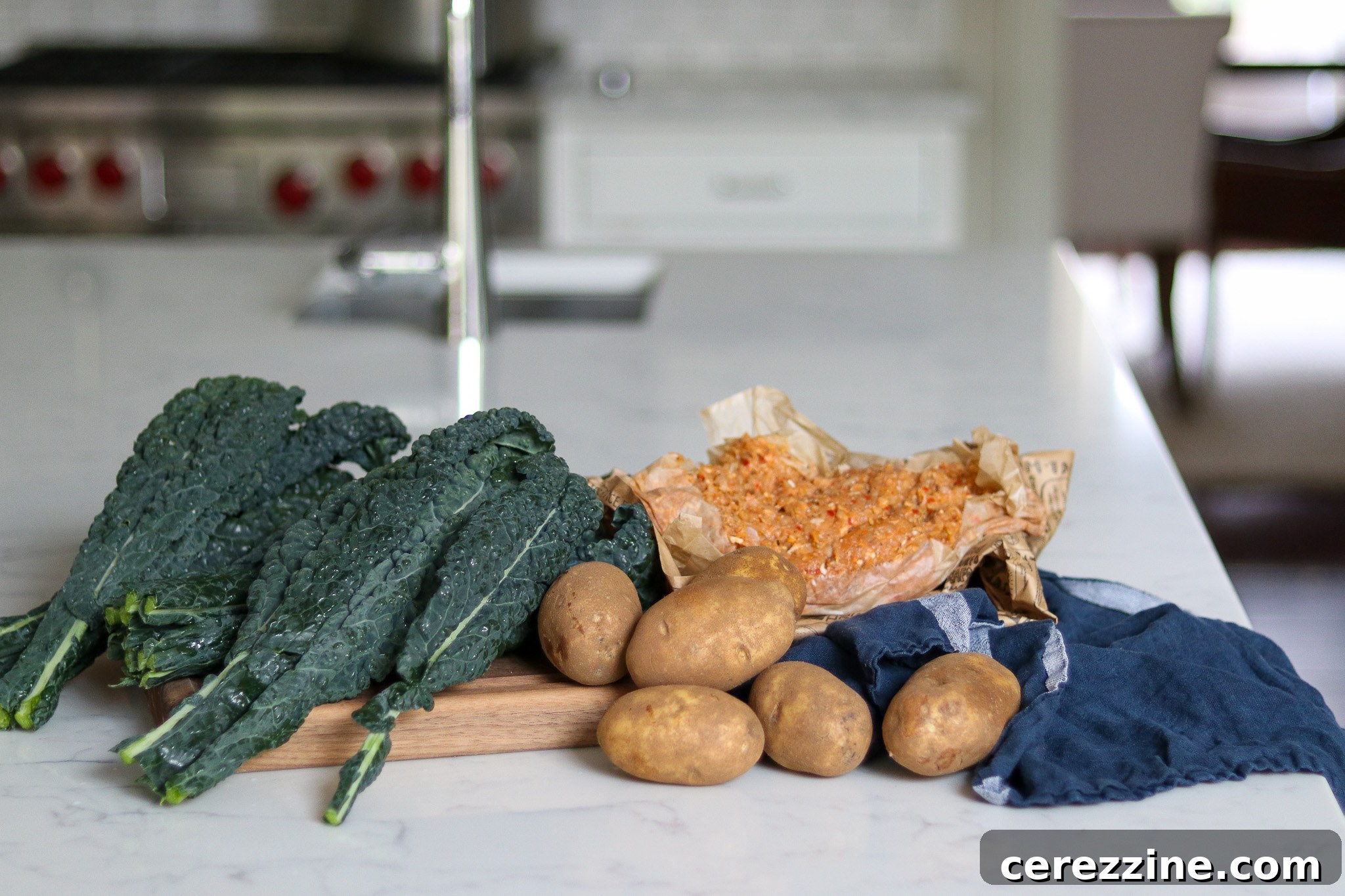
Creating a batch of this flavorful sausage, potato, and kale soup for canning requires a straightforward list of ingredients. The beauty of this recipe lies in its simplicity and the robust flavors that emerge from minimal components. For a canner batch that yields approximately 7 quarts (or 14 pint jars), gather the following high-quality ingredients:
- 3 lbs (1.4 kg) Ground Sausage: You can opt for seasoned varieties like Italian sausage or chorizo for an extra layer of flavor, or use plain ground pork.
- 4 1/2 lbs (2 kg) Potatoes: Choose firm, starchy potatoes. These should be peeled and cubed into 1/2-inch pieces. Remember, this weight is for the *prepared* potatoes, so you’ll need slightly more (around 5 lbs) as purchased.
- 1 lb (450 g) Kale: Ensure the kale is de-stemmed and chopped. Similar to potatoes, this is the weight after preparation. Expect to purchase about 1 1/4 to 1 1/2 lbs of kale with stems to yield 1 lb of trimmed leaves.
- 10 cups Chicken Broth, Vegetable Broth, or Water: High-quality broth will enhance the soup’s depth. Homemade chicken or vegetable broth is ideal, but store-bought options work well. You can also use a combination of broth and water, or entirely water if preferred.
- 1 to 2 tbsp Canning Salt: This is a crucial ingredient for flavor and safety in canning. The amount can be adjusted based on the salt content of your chosen sausage and broth.
- 1 Tbsp Ground Black Pepper: A foundational seasoning that adds a pleasant warmth.
When selecting your sausage, keep in mind that seasoned varieties already contain salt and spices. If you use unseasoned ground pork, you’ll likely want to increase the canning salt slightly and consider adding dry spices like garlic powder, onion powder, or paprika to taste. Canning recipes allow for adjustments to salt and dry seasonings to suit your personal preferences, as long as the total solid-to-liquid ratio and processing times are strictly followed for safety.
It’s vital to note that cream, milk, or any dairy products cannot be added before canning due to safety concerns and potential spoilage. Similarly, thickeners like cornstarch or flour should only be added at the time of serving. These additions would interfere with the heat penetration during pressure canning and could make the product unsafe or compromise its quality. For a richer, thicker soup, plan to incorporate these elements *after* the jar has been opened and heated.
Once your delicious soup is safely canned, you have several options for serving. For that signature creamy Zuppa Toscana finish, stir in about 1/2 cup of heavy cream or half-and-half per quart jar after heating. If you prefer a thicker consistency, a cornstarch slurry (1 tbsp cornstarch mixed with a small amount of cold water per quart) can be added to the hot soup and simmered until it reaches your desired thickness. These enhancements truly elevate the soup, transforming it into an even more decadent comfort meal.
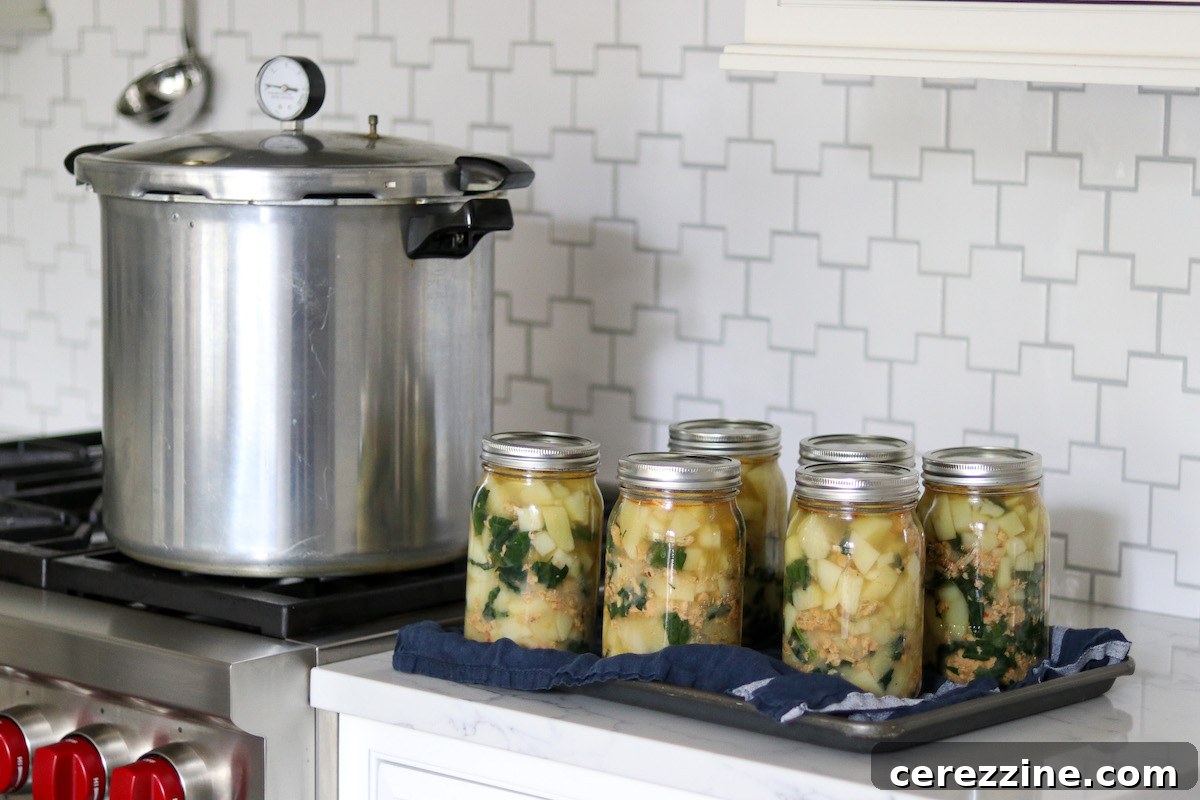
Step-by-Step Guide to Canning Sausage, Potato & Kale Soup
This recipe utilizes the hot pack method, meaning all ingredients are simmered together before being transferred to canning jars. This ensures even heating and helps achieve a better seal. Always prioritize safety and follow USDA-recommended canning guidelines.
Preparing Your Pressure Canner and Jars
Before you begin making the soup, prepare your pressure canner, along with clean mason jars, lids, and rings. For most canners, this involves adding 2 to 3 inches of water to the canner and bringing it to a gentle simmer (around 180°F or 82°C). Ensure your jars are sterilized and kept warm to prevent thermal shock when filling with hot soup. Always consult your specific pressure canner’s instruction manual for precise preparation steps.
Vegetable Preparation
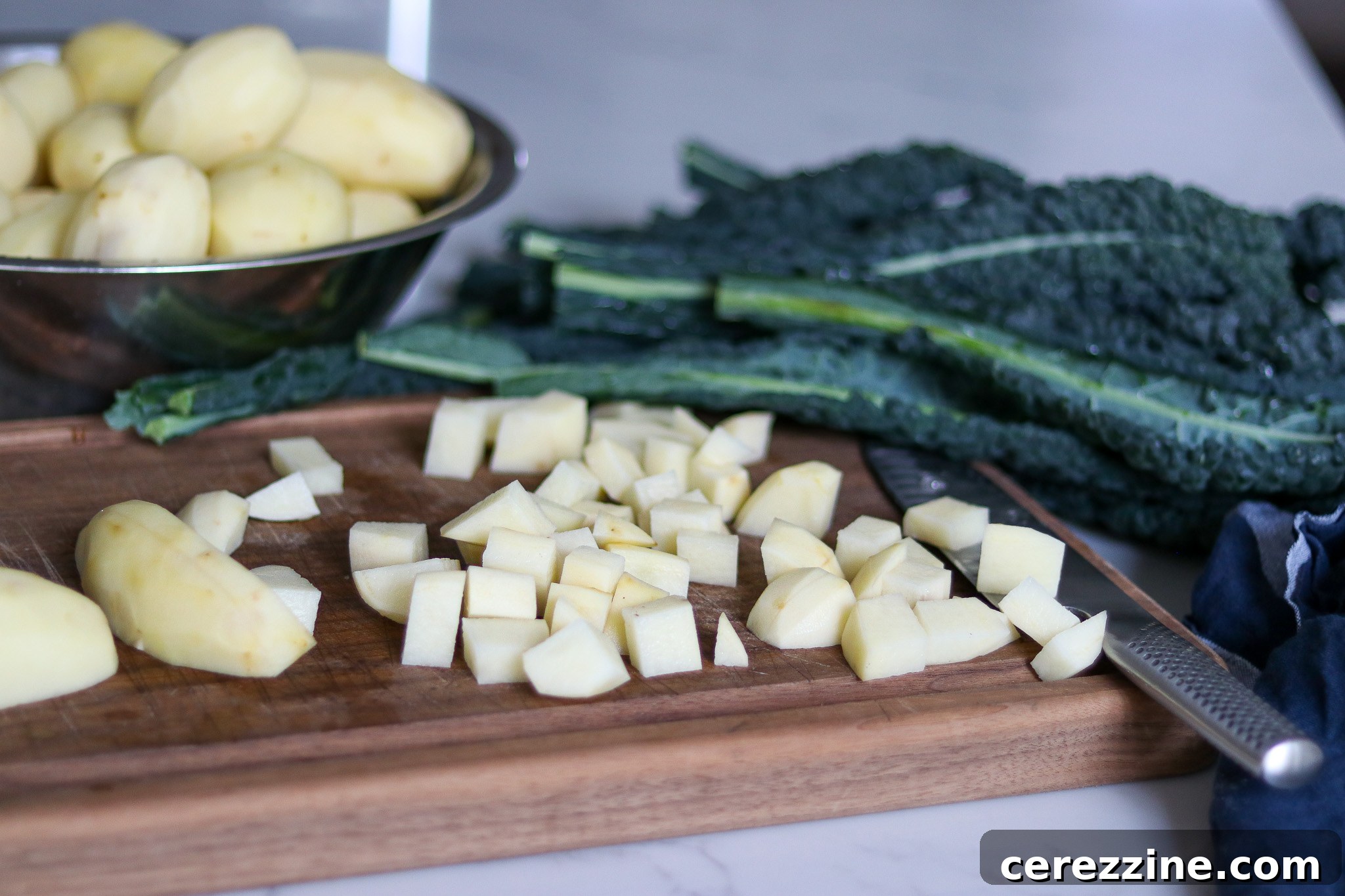
Begin by preparing your potatoes. You’ll need approximately 5 lbs of potatoes as purchased to yield 4 1/2 lbs once peeled and uniformly diced into 1/2-inch cubes. Uniform sizing is important for even cooking and proper heat penetration during canning.
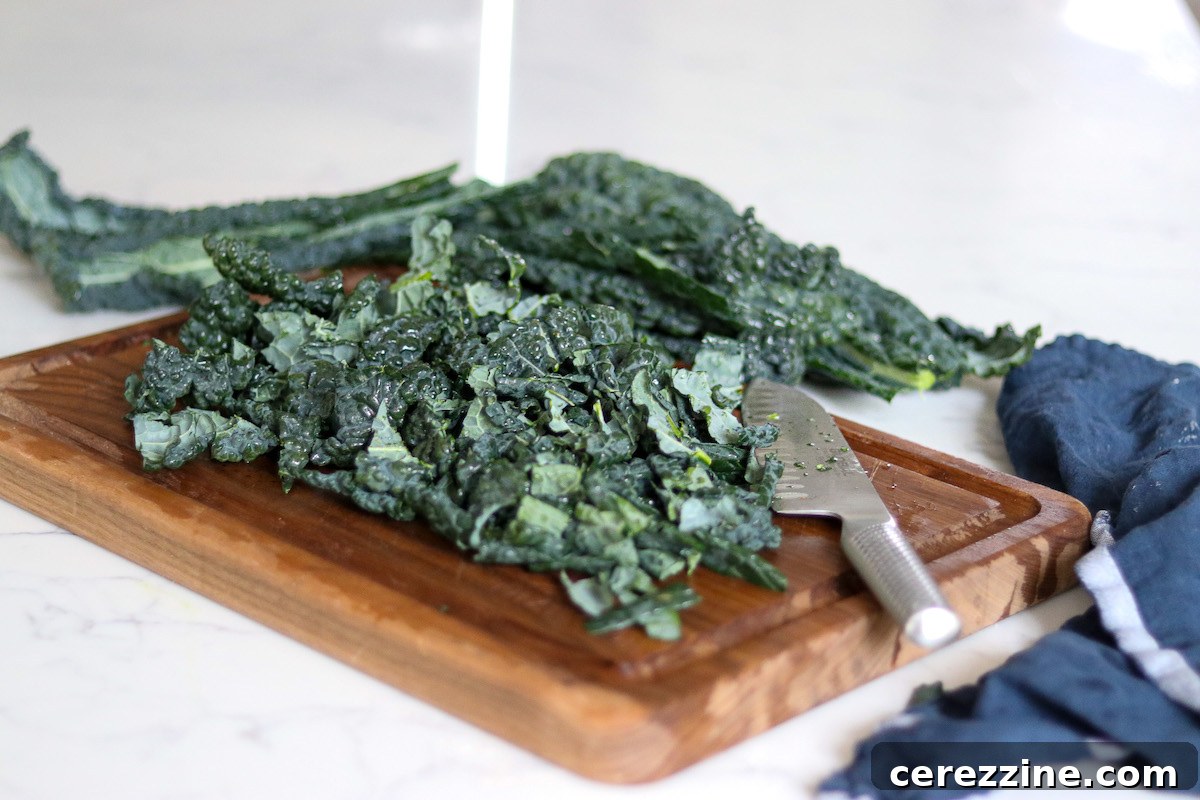
Next, prepare the kale. While kale stems are edible, they tend to become tough and fibrous after the canning process. For a more enjoyable texture, it’s highly recommended to remove the tough stems and only use the leaves. You’ll need about 1 1/4 to 1 1/2 lbs of kale as purchased to get 1 lb of trimmed leaves. If you prefer, chard can be used as a substitute for kale, and its stems can be left in, offering a slightly different but equally delicious outcome.
Browning the Sausage
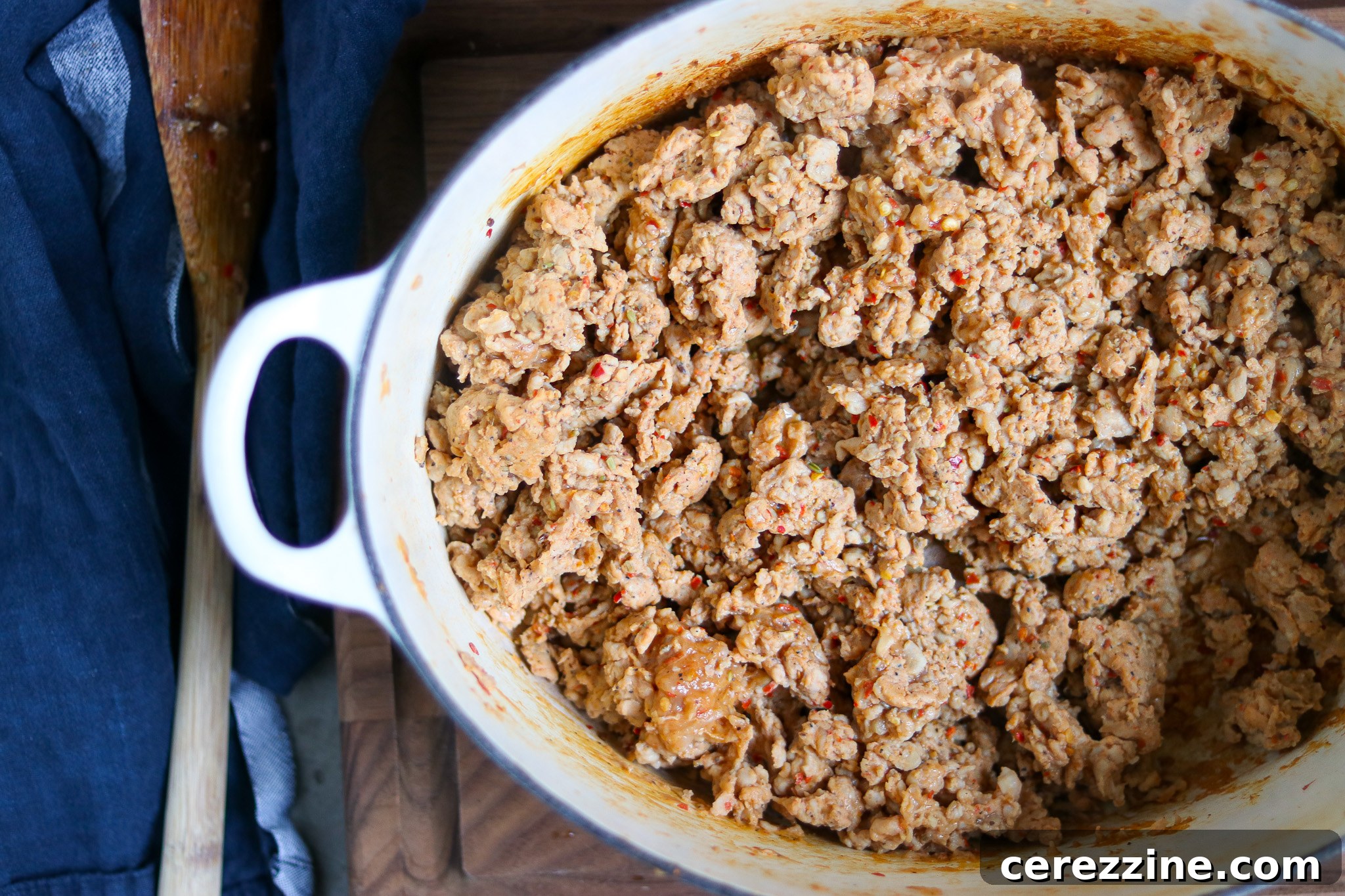
The next crucial step is browning the ground sausage. Pre-browning meat before canning is essential for both quality and safety. Raw meat can result in an unappetizing texture and color in home-canned soups. Brown the sausage over medium heat in a large pot or Dutch oven for about 8 to 10 minutes, stirring occasionally to ensure even browning. Aim to leave some small chunks of sausage rather than breaking it up too finely, as this contributes to the soup’s texture.
Combining and Simmering the Soup
Once the sausage is nicely browned, drain any excess fat if desired (though a little fat can add flavor). Add the prepared diced potatoes, chopped kale, seasonings (canning salt and black pepper), and your chosen broth or water to the pot with the sausage.
Using a rich homemade chicken or vegetable broth will significantly deepen the soup’s flavor compared to using just water. If your broth is already salted, remember to reduce the amount of canning salt you add to the recipe. Bring the entire mixture to a gentle simmer on the stove and cook for approximately 5 minutes, ensuring all ingredients are thoroughly heated through. This hot pack method helps prevent raw ingredients from clumping and ensures uniform heating in the jars.
Filling the Jars
Carefully remove the pot from the heat. Ladle the hot soup into your prepared, warm canning jars (pints or quarts), ensuring you leave a precise 1-inch headspace. Headspace is critical in pressure canning; too little can cause siphoning, while too much can lead to unsealed lids or inadequate processing.
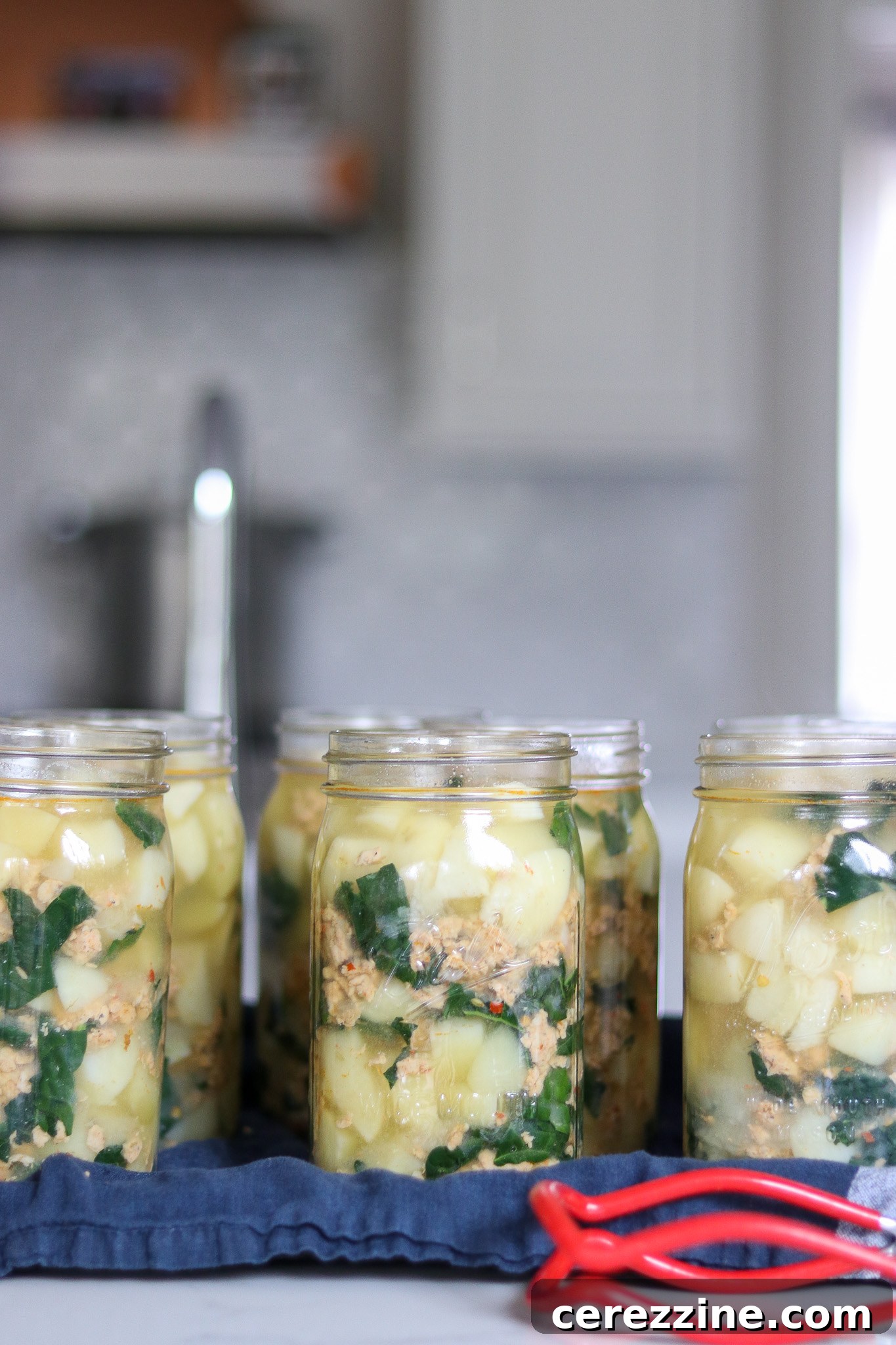
After filling, use a clean, non-metallic utensil (like a plastic de-bubbler or chopstick) to remove any air bubbles trapped in the jars. Gently press the solids down to ensure liquid covers them and re-adjust headspace if necessary by adding more hot broth. Wipe the rims of the jars clean with a damp cloth to ensure a proper seal. Finally, center new, warm canning lids on the jars and apply the rings finger-tight. Do not overtighten, as air needs to escape during processing.
Pressure Canning Process
Place the filled and lidded jars onto the canning rack or trivet inside your preheated pressure canner. Secure the canner lid, ensuring it’s properly locked into place. Turn the heat up to high. Allow the canner to vent a steady stream of steam for a full 10 minutes. This critical step ensures all air is expelled from the canner, creating a pure steam environment for accurate pressure.
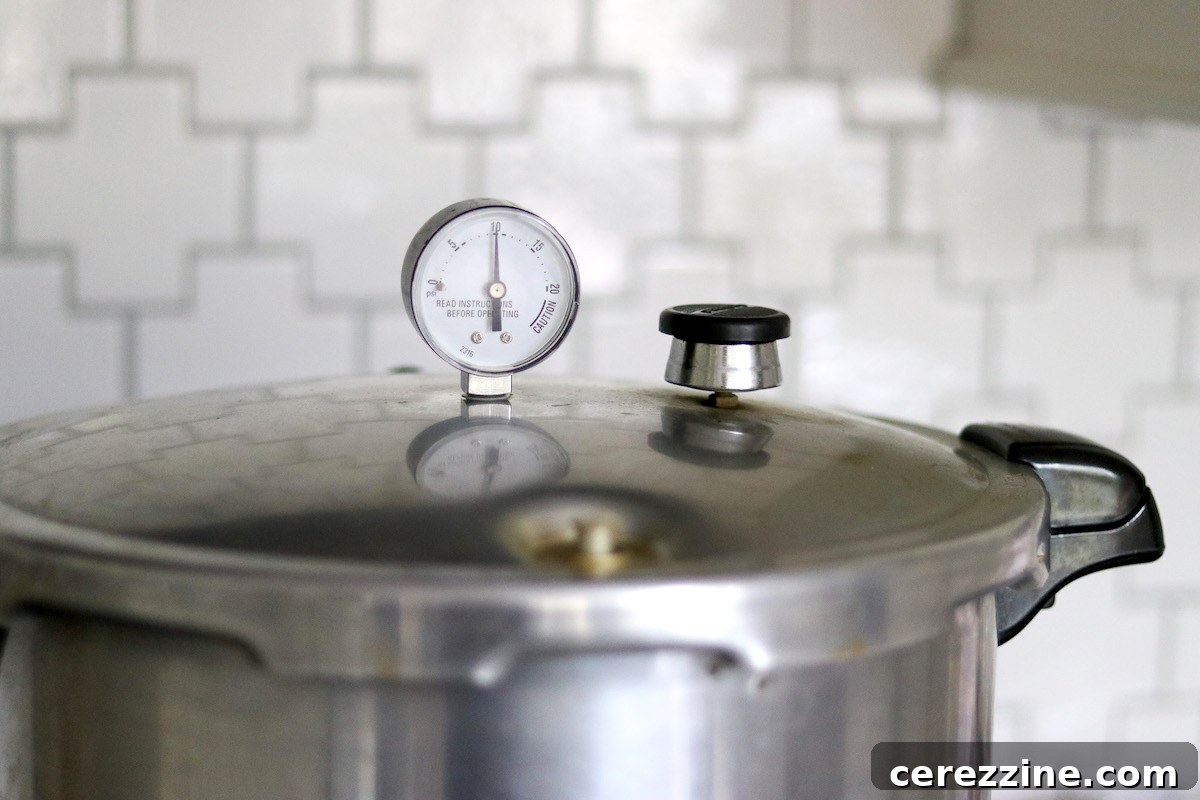
After venting, close the vent or apply the weighted gauge (depending on your canner type) to seal the canner and allow the pressure to rise to the recommended level. This soup needs to be processed at 10 pounds of pressure at sea level. However, altitude adjustments are essential for safe canning.
Process pint jars for **75 minutes** and quart jars for **90 minutes**. It is crucial to maintain a consistent pressure throughout the entire processing time. If the pressure drops at any point, you must bring it back up to the required level and restart the processing time from the beginning. This specific processing time accounts for the density of the ingredients in this hearty soup, which is longer than generic soup processing times.
Crucial Altitude Adjustments for Safe Pressure Canning
Altitude plays a significant role in pressure canning. As elevation increases, the boiling point of water decreases, meaning more pressure is required to reach the necessary processing temperature to safely preserve food. While the canning *time* for this sausage, potato, and kale soup remains constant at 75 minutes for pints and 90 minutes for quarts, the *pressure* must be adjusted according to your elevation and the type of pressure canner you are using.
Ignoring altitude adjustments can lead to under-processed food, which carries a risk of spoilage and foodborne illness, including botulism. Always confirm your local altitude and adjust your canner pressure accordingly to ensure the safety and quality of your home-canned goods.
For Dial Gauge Pressure Canners:
- 0 to 2,000 feet in elevation – 11 lbs pressure
- 2,001 to 4,000 feet in elevation – 12 lbs pressure
- 4,001 to 6,000 feet in elevation – 13 lbs pressure
- 6,001 to 8,000 feet in elevation – 14 lbs pressure
For Weighted Gauge Pressure Canners:
- 0 to 1,000 feet in elevation – 10 lbs pressure
- Above 1,000 feet – 15 lbs pressure
It’s important to remember that this recipe uses processing times (75 minutes for pints, 90 minutes for quarts) designed for dense, full-jar recipes containing meat, similar to USDA guidelines for meat-based stews. This is a longer processing time than general soup recipes, which often contain much more liquid relative to solids. Do NOT use the generic soup processing instructions; stick to the specified times for this robust sausage, potato, and kale soup to ensure proper safety and preservation.
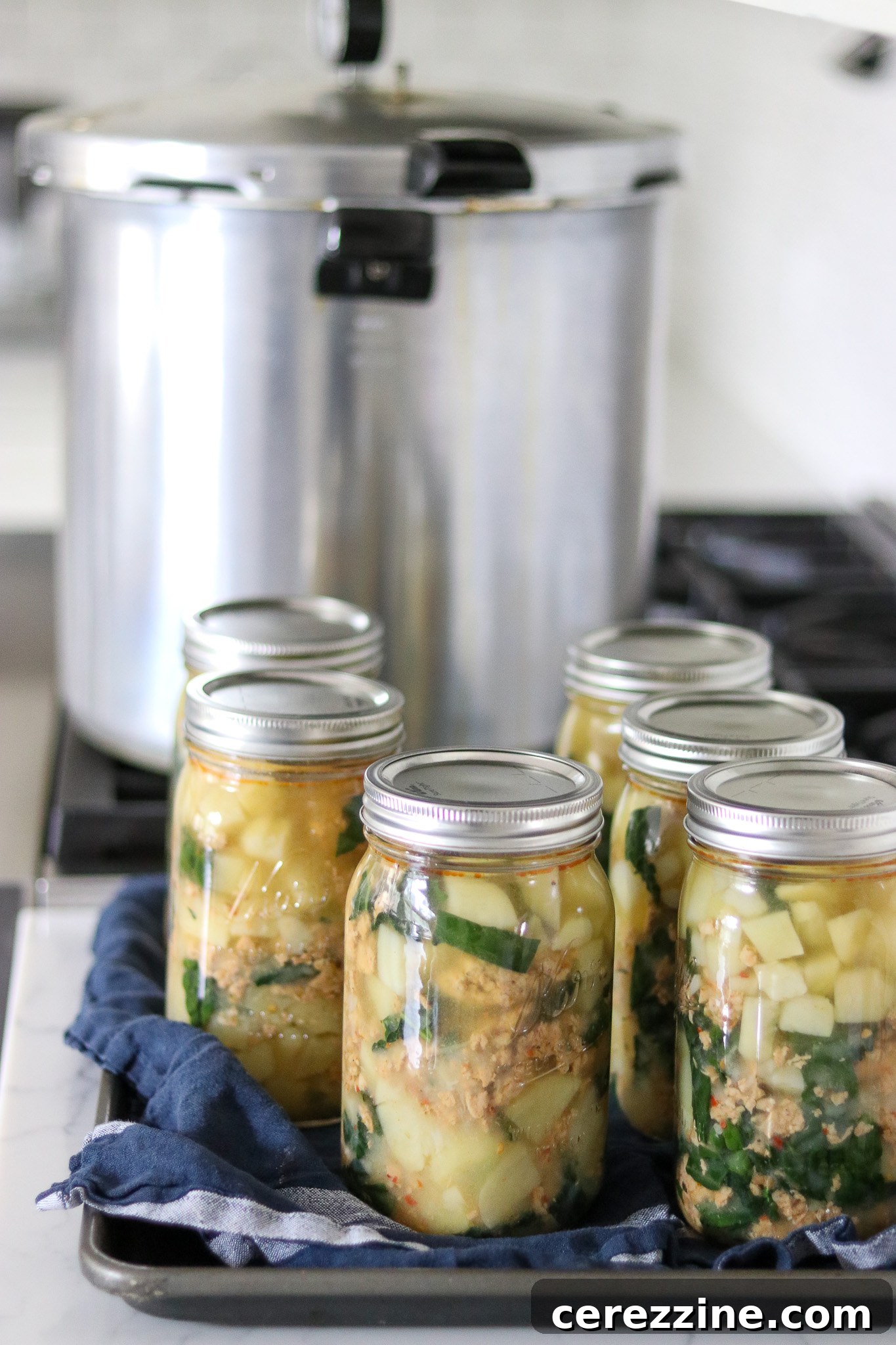
Once the processing time is complete, turn off the heat and allow the pressure canner to cool down naturally and completely. Do not attempt to force cool the canner or open it prematurely, as this can cause siphoning, seal failures, and is a safety risk. The pressure gauge must return to zero, and the lock should disengage before you carefully remove the lid.
Once the canner is cool, remove the hot jars using a jar lifter and place them on a clean towel on your countertop. Allow them to cool undisturbed for 12 to 24 hours. During this time, you will hear the satisfying “ping” as the lids seal, creating a vacuum.
After they have fully cooled, check all jar seals by pressing the center of each lid; if it doesn’t flex, the jar is sealed. Remove the rings, wipe the jars clean, label them with the contents and date, and store any unsealed jars in the refrigerator for immediate use. Properly pressure-canned and sealed jars of sausage, potato, and kale soup will maintain their peak quality on the pantry shelf for 12 to 18 months. Beyond this period, they are still safe to eat if properly sealed, but the quality, flavor, and nutritional value may begin to degrade. Always refrigerate after opening.
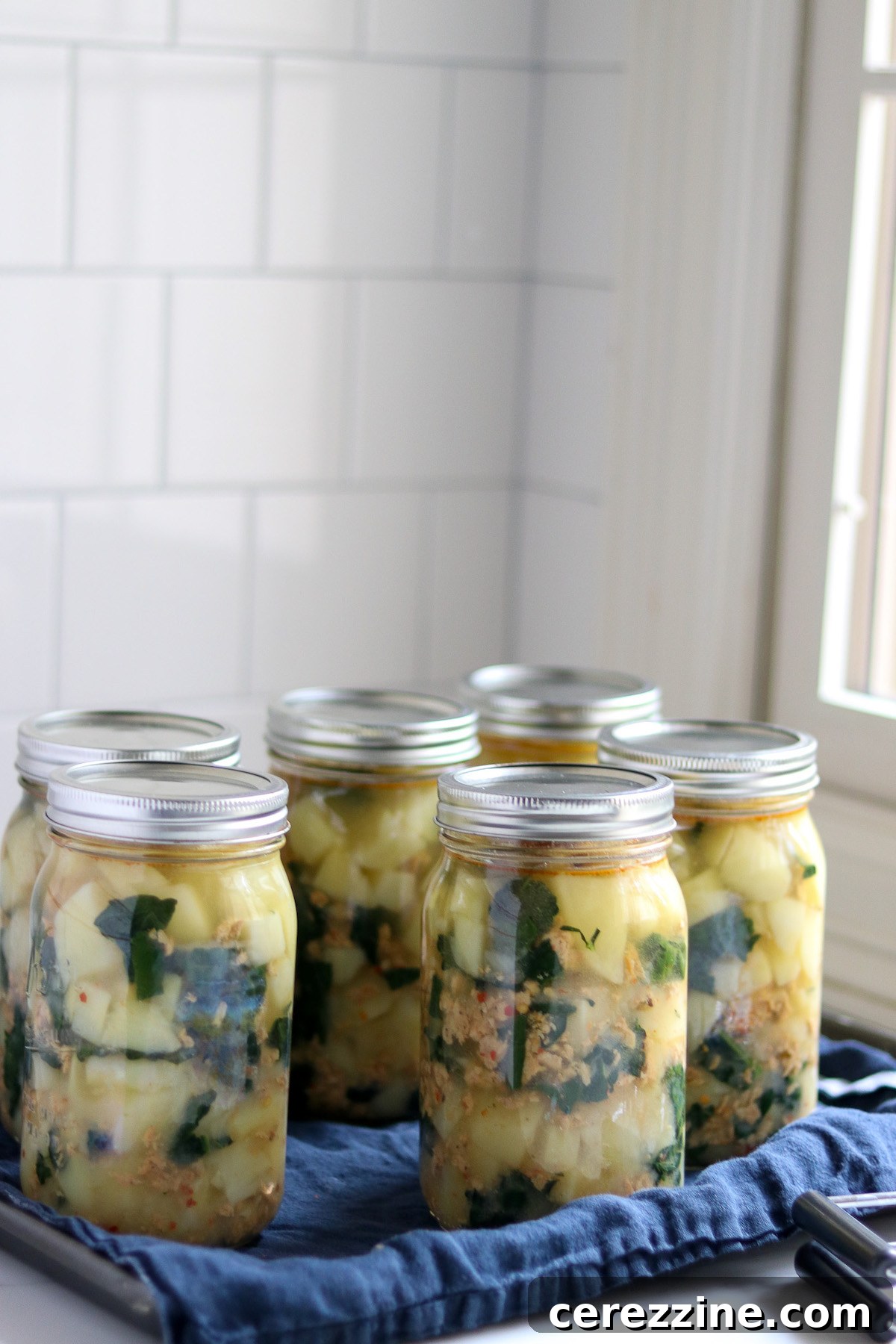
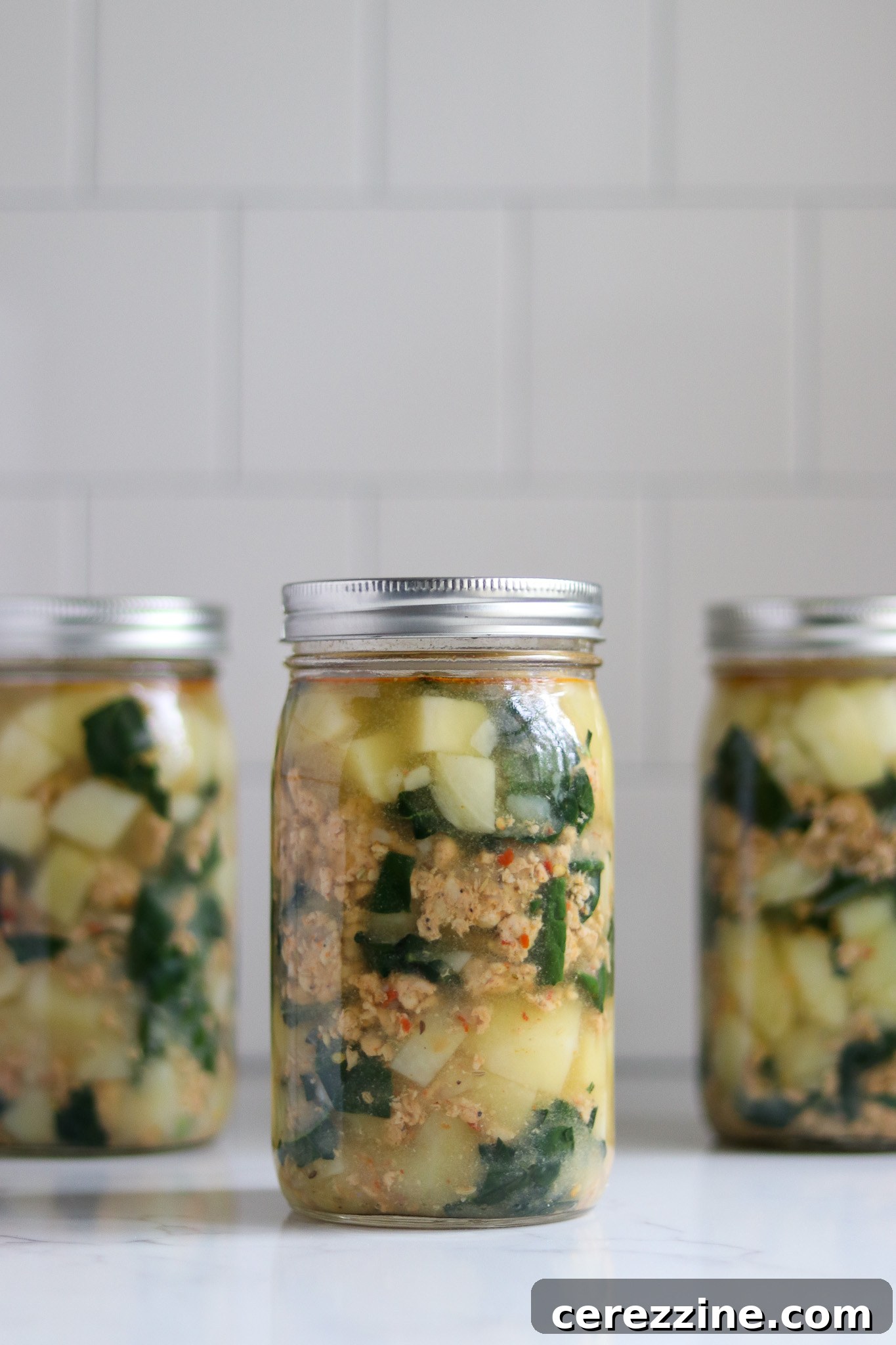
Delightful Ways to Serve Your Home-Canned Sausage, Potato & Kale Soup
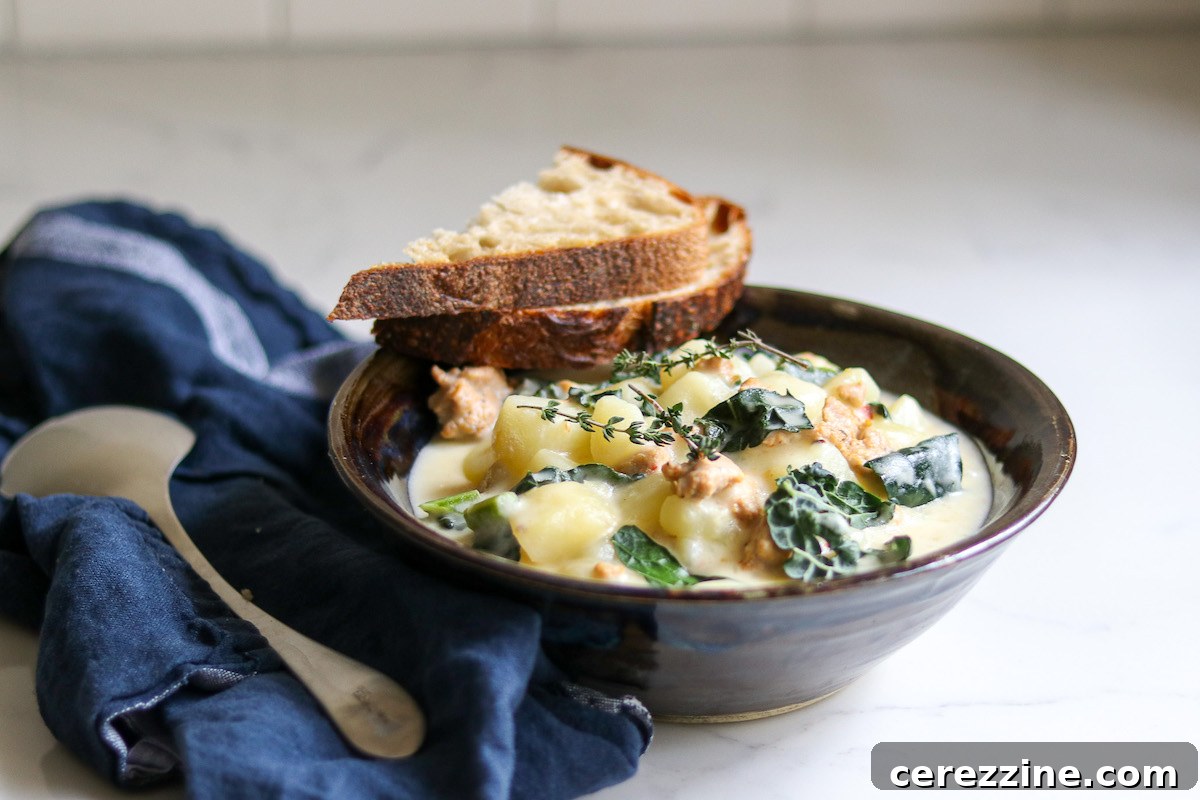
Serving your perfectly canned sausage, potato, and kale soup is delightfully simple. To prepare, empty the contents of a quart jar into a saucepan and gently heat it over medium-low heat. It should take approximately 10 minutes for the soup to heat thoroughly, ensuring all the delicious flavors are revitalized.
For those who love the classic Zuppa Toscana experience, now is the time to add your finishing touches. You can thicken the soup by whisking in a cornstarch slurry (made with 1 tablespoon of cornstarch mixed with a small amount of cold water per quart of soup) and simmering until it reaches your desired consistency. Alternatively, for a richer, creamier texture, stir in about 1/2 cup of heavy cream or half-and-half per quart. These additions transform the soup into a truly indulgent meal.
A final sprinkling of fresh herbs, such as chopped parsley or chives, can add a vibrant burst of flavor and color. This hearty soup is best served with a side of warm, crusty bread, toasted baguette slices, or traditional breadsticks, perfect for soaking up every last drop. While these enhancements are optional, they certainly elevate the dining experience, making your home-canned soup feel like a gourmet offering. Even as a simple heat-and-eat meal, it stands as a testament to the comfort and convenience of home canning.
Explore More Delicious Soup Canning Recipes
Once you’ve mastered this recipe, keep your pressure canner busy with more delightful soup canning projects. Expand your pantry with these other fantastic home-canned soup options:
- Canning Carrot Soup
- Canning Split Pea Soup
- Canning Beef Stew
- Canning Chicken Soup
This canning recipe for Sausage, Potato, and Kale soup is thoughtfully adapted from Angi Schneider’s comprehensive cookbook, Pressure Canning for Beginners and Beyond. Stunning photography by Chez LaRae.
Canning Sausage Potato and Kale Soup (Copycat Zuppa Toscana)
Canning sausage, potato, and kale soup provides a comforting and convenient meal in a jar. This recipe, reminiscent of Olive Garden’s “Zuppa Toscana,” is perfect for quick dinners, especially when finished with a touch of cream.
Author: Ashley Adamant
Servings: 14 servings (Makes 7 quarts or 14 pints)
Prep Time: 20 minutes
Cook Time: 10 minutes
Canning Time: 1 hour 30 minutes (for quarts)
Total Time: Approximately 2 hours (excluding canner cool-down)
Equipment
- Pressure Canner
- Large pot or Dutch oven
- Mason jars (pint or quart), lids, and rings
- Jar lifter, funnel, de-bubbler tool
Ingredients
- 3 lbs (1.4 kg) ground sausage (seasoned or plain)
- 4 1/2 lbs (2 kg) potatoes, peeled and cut into 1/2 inch cubes
- 1 lb (450 g) kale, destemmed and chopped
- 10 cups chicken broth, vegetable broth, or water
- 1 to 2 tbsp canning salt (adjust for seasoned broth/sausage)
- 1 Tbsp ground black pepper
Instructions
- Prepare your pressure canner by adding 2-3 inches of water and bringing it to a simmer (approx. 180°F). Keep jars, lids, and rings warm.
- Chop potatoes into 1/2-inch cubes (aim for 4 1/2 lbs prepared). De-stem and chop kale (aim for 1 lb prepared).
- Brown the ground sausage in a large pot over medium heat for 8-10 minutes, breaking it up slightly but leaving some chunks.
- Drain excess fat from the sausage if desired. Add the prepared potatoes, kale, canning salt, ground black pepper, and broth/water to the pot.
- Bring the soup mixture to a simmer and cook for 5 minutes, ensuring all ingredients are heated through.
- Remove the pot from heat. Ladle the hot soup into prepared warm jars, leaving a crucial 1-inch headspace.
- Use a de-bubbler tool to remove air bubbles, adjust headspace if needed by adding more hot liquid, and wipe jar rims clean.
- Center new lids on the jars and apply rings finger-tight.
- Load jars into the pressure canner on the trivet, secure the lid, and turn heat to high.
- Vent steam from the canner for 10 minutes, then seal the canner and bring it up to the appropriate pressure for your altitude (10 lbs at sea level; see altitude adjustments).
- Process pint jars for 75 minutes and quart jars for 90 minutes, maintaining consistent pressure.
- Once processing is complete, turn off heat and allow the canner to cool naturally until pressure returns to zero.
- Remove jars, place them on a towel, and let them cool for 12-24 hours. Check seals, then remove rings, label, and store.
Notes
Ingredient Notes
For seasoned sausage like Italian or chorizo, you may need less canning salt. If using unseasoned ground pork, you might add more salt and dry spices (garlic, paprika) to taste. Potato and kale weights are for prepared (peeled/de-stemmed) quantities.
Altitude Adjustments
Processing time is fixed (75 min for pints, 90 min for quarts). Adjust pressure based on your elevation:
- Dial Gauge: 0-2000 ft (11 lbs), 2001-4000 ft (12 lbs), 4001-6000 ft (13 lbs), 6001-8000 ft (14 lbs).
- Weighted Gauge: 0-1000 ft (10 lbs), Above 1000 ft (15 lbs).
- Important: Use these specific times, not generic soup canning instructions, due to the density of this recipe.
Serving Notes
To serve, heat soup gently. Optionally, thicken with a cornstarch slurry (1 tbsp cornstarch per quart) or add 1/2 cup heavy cream/half-and-half per quart for a richer soup. Garnish with fresh herbs and serve with bread or breadsticks.
Variations and Changes
Onions or garlic can be safely added. Reduce the potato quantity by 1-2 cups and substitute an equal amount of diced onion, or add an extra jar to the batch if you wish to keep the potato amount the same and add onion.
Nutrition (Approximate per 2 cups serving)
- Calories: 430 kcal
- Carbohydrates: 28g
- Protein: 20g
- Fat: 27g
- Saturated Fat: 9g
- Polyunsaturated Fat: 4g
- Monounsaturated Fat: 12g
- Trans Fat: 0.2g
- Cholesterol: 73mg
- Sodium: 1765mg
- Potassium: 1004mg
- Fiber: 5g
- Sugar: 2g
- Vitamin A: 3318 IU
- Vitamin C: 60mg
- Calcium: 117mg
- Iron: 3mg
Nutrition information is automatically calculated and should be used as an approximation.
More Pressure Canning Recipes to Master
Keep that pressure canner running and your pantry stocked with these reliable pressure canning recipes, perfect for expanding your home-preserved food collection:
- Canning Chicken
- Canning Beef Broth
- Canning Boston Baked Beans
- Canning Thai Red Curry Duck