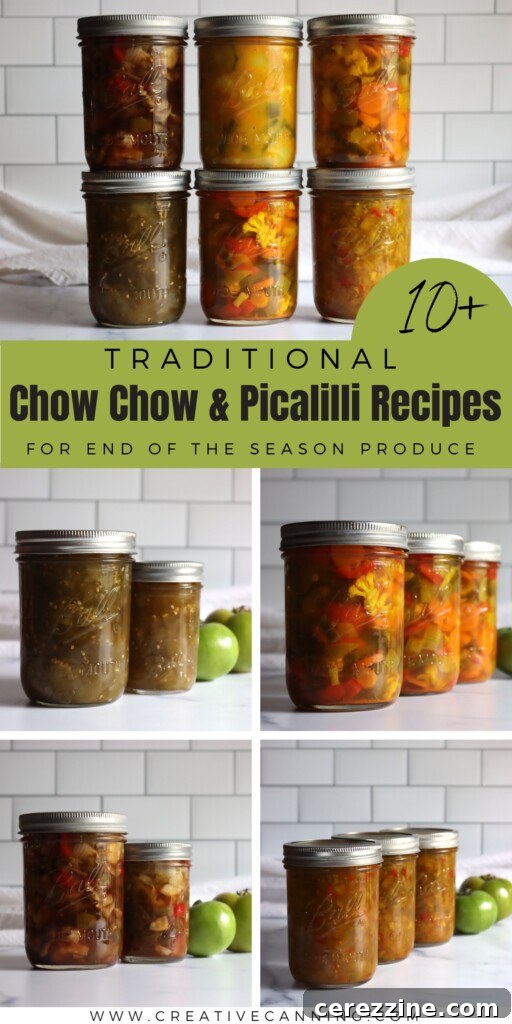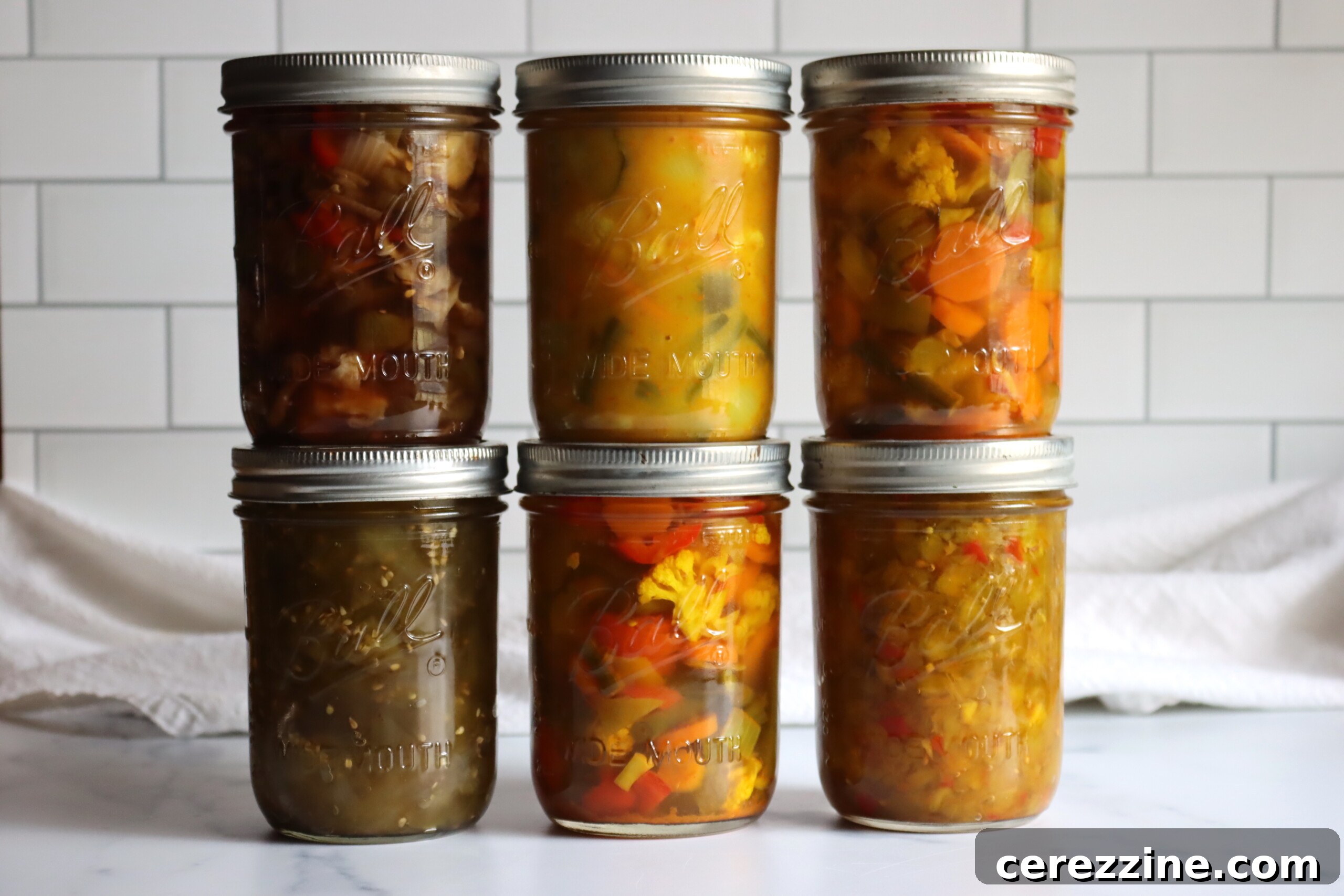
Welcome to the wonderfully diverse world of chow chow and piccalilli! These vibrant, tangy, and often sweet garden relishes are more than just condiments; they are culinary traditions, born from the resourceful spirit of preserving the season’s bounty. While the names “chow chow” and “piccalilli” might conjure different images depending on your location, they all share a common purpose: transforming a late-season harvest into a jar of sunshine.
From the cabbage-rich Southern style that graces many a barbecue plate, to the robust green tomato variations prevalent in Canada, and the boldly spiced, mustard-packed Piccalilli of New England and the UK, there truly is a chow chow or piccalilli for every palate and every pantry. This comprehensive guide will navigate the fascinating regional differences, covering major types like Amish, Appalachian, Midwestern, and even Western recipes, ensuring you find the perfect one to match your tastes or utilize your garden’s surplus.
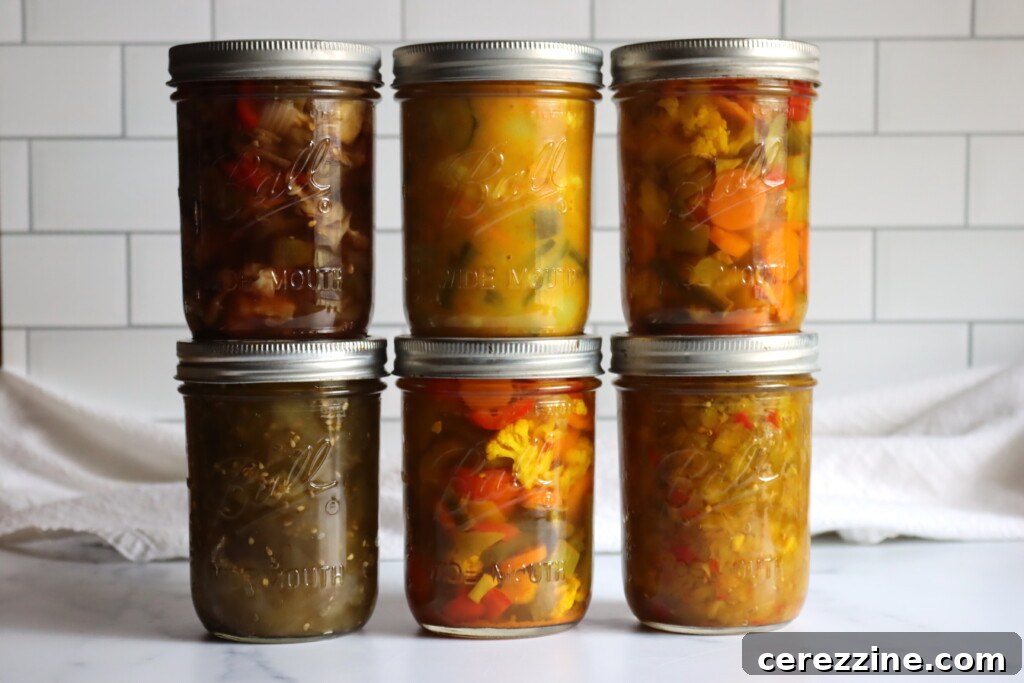
Chow chow stands out as one of the most intriguing and, at times, confusing condiments you might encounter. Its identity is deeply tied to geography; what one person calls a tangy vegetable relish, another might describe as a thick mustard pickle. Some versions are almost exclusively made with green tomatoes, while others feature a bountiful mix of cauliflower, beans, and other garden vegetables. And then there’s British piccalilli, a venerable English cousin distinguished by its distinctively spiced yellow sauce.
Despite their apparent differences, all chow chows and piccalillis share fundamental characteristics: they are crafted from end-of-season produce, expertly preserved in vinegar, and bursting with flavor. Whether you call it chow chow, piccalilli, or simply green tomato relish, these traditional recipes offer a delicious and practical method to utilize what remains in your garden before the first hard frost arrives, ensuring no precious harvest goes to waste.
If your primary interest lies in green tomatoes, we offer a dedicated collection of green tomato canning recipes, perfect for stocking your pantry shelves. Should you wish to explore beyond chow chow, our extensive list of relish recipes provides dozens more delicious options to try.
What’s the Difference Between Chow Chow and Piccalilli?
Defining the precise difference between chow chow and piccalilli is largely a matter of semantics, rooted in regional culinary traditions and preferred terminology. Both are essentially types of pickled vegetable relish, designed to preserve the garden’s final offerings. However, their compositions, flavor profiles, and origins can vary dramatically, leading to their distinct names.
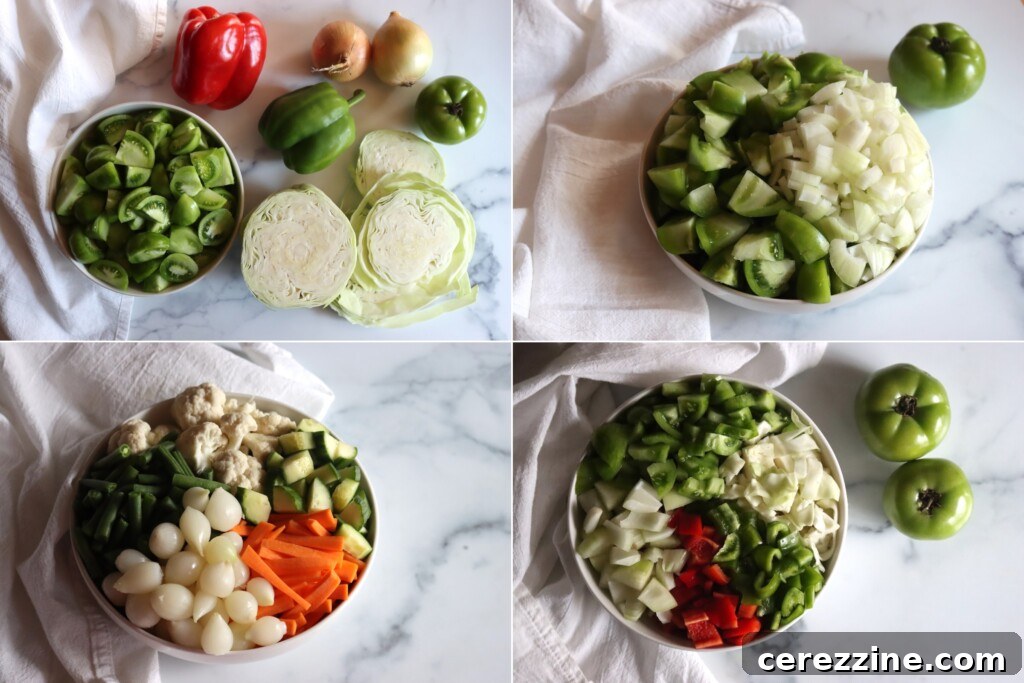
Many chow chows, particularly in the Southern U.S., feature a medley of vegetables such as cabbage, peppers, green beans, and cauliflower, often with a prominent base of green tomatoes. These tend to be sweet-and-sour, with varying degrees of spice. On the other hand, the term piccalilli, especially in its traditional British form, denotes a thick, bright yellow mustard pickle, typically heavy on cauliflower and cucumbers, with a bold, savory spice blend.
The confusion deepens when we consider variations like New England piccalilli, which often closely resembles a sweet-and-sour green tomato relish, incorporating brown sugar and cider vinegar, much like some chow chows. In stark contrast, Chicago piccalilli is famously a neon green relish, specifically designed for hot dogs, showcasing how dramatically a name can adapt to local tastes and uses.
Ultimately, both chow chow and piccalilli serve the same heartwarming purpose: transforming garden “odds and ends,” particularly those abundant green tomatoes, into shelf-stable, flavorful condiments. The name you choose to use will likely depend more on your geographic upbringing and family traditions than on a strict culinary definition. It’s a delightful parallel to the “soda,” “pop,” and “coke” debate – same basic concept, different regional nomenclature that evokes a sense of home and heritage.
To help you navigate these delicious distinctions, here’s a detailed breakdown of the most popular versions of chow chow and piccalilli, complete with historical context, ingredient highlights, and links to tested canning recipes you can easily make at home.
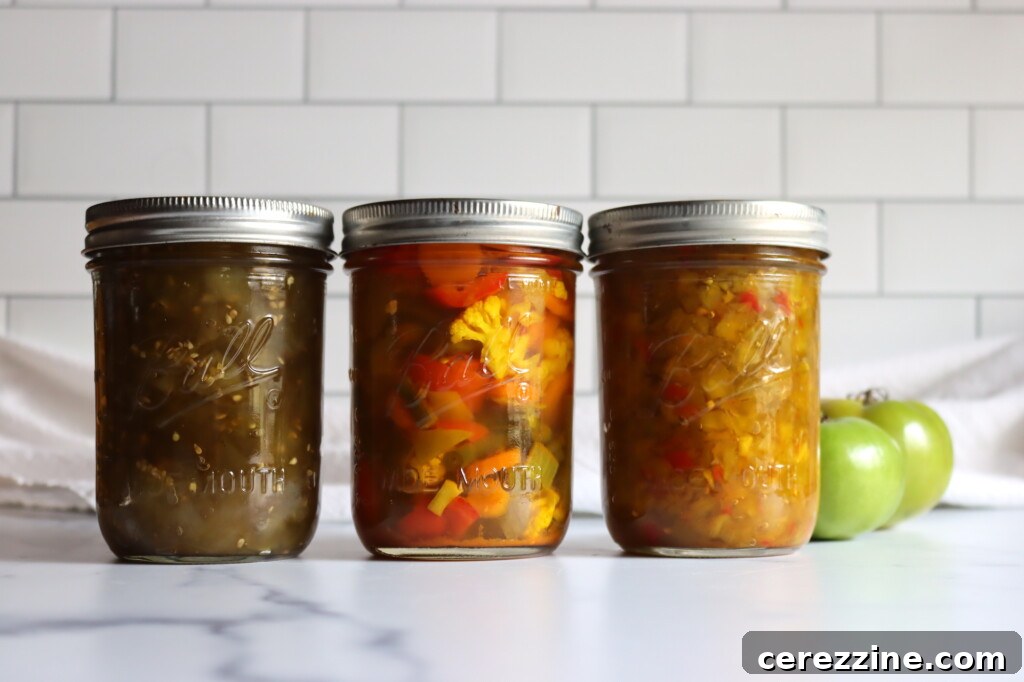
Canning Safety: Essential Guidelines for Home Preserving
All the relish recipes detailed in this guide are carefully formulated for safe water bath canning. This safety is ensured by the generous amount of vinegar included, which acidifies the vegetables to a level suitable for this canning method. It’s crucial to understand that while canning certain vegetables like cabbage independently is generally not recommended due to their low acidity, they become safe when pickled in an acidified relish mixture, or when undergoing a fermentation process like canning sauerkraut. The same principle applies to other ingredients frequently found in these relishes, such as cauliflower, celery, and green beans.
For your safety and to ensure the longevity of your preserved goods, it is absolutely imperative not to decrease the amount of vinegar specified in any of these chow chow or piccalilli recipes. Furthermore, always verify that the vinegar you use is standardized to at least 5% acidity. Using vinegar with lower acidity can compromise the safety of your canned products. Adhering to these guidelines will allow you to enjoy your homemade relishes with complete peace of mind.
Southern Chow Chow: The Quintessential American Relish
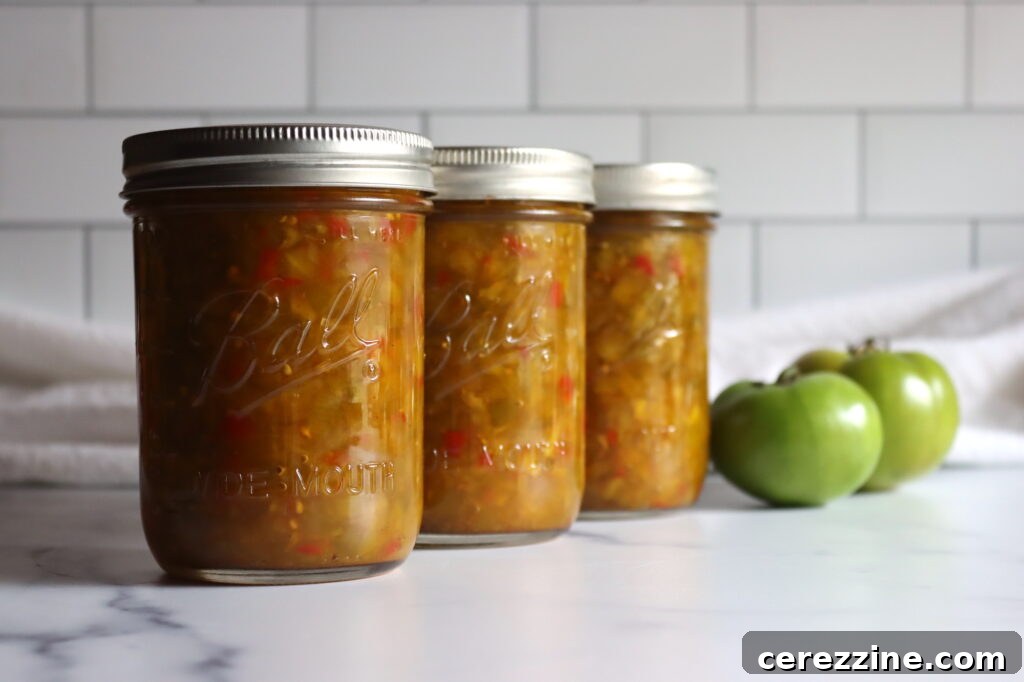
Southern chow chow is perhaps the most iconic and widely recognized version in the United States, deeply ingrained in the culinary fabric of regions like the Carolinas, Georgia, and Tennessee. This delightful relish is characterized by its balanced tangy-sweet flavor profile and a hearty mix of chopped green tomatoes, crisp cabbage, pungent onions, and vibrant red bell peppers. While many families prefer a sweet and mild rendition, others enthusiastically incorporate hot peppers, such as cayenne or jalapeño, to add a spirited kick.
The signature taste of Southern chow chow comes from its carefully crafted vinegar-sugar-spice brine, frequently seasoned with aromatic celery seed and pungent mustard seed. Traditionally, it serves as an indispensable accompaniment to classic Southern comfort foods like hearty beans, collard greens, and succulent smoked meats, where its bright acidity and complex flavor cut through richness and elevate every bite. For those who appreciate a bit of heat, exploring the hot version of Southern chow chow is a must.
- Get the Authentic Southern Chow Chow Recipe Here
Tennessee Chow Chow: A Hearty Appalachian Twist
Tennessee chow chow stands as a close, yet distinct, cousin to the broader Southern style, distinguished by its nuanced use of apple cider vinegar, which imparts an additional layer of depth and fruitiness to its flavor profile. While it maintains the foundational ingredients of cabbage, green tomatoes, onions, and bell peppers, many Tennessee variations proudly feature a wider array of vegetables. You might discover carrots adding a touch of sweetness, hot peppers delivering a fiery punch, and even green beans contributing to its hearty texture.
The flavor of Tennessee chow chow is a harmonious blend of sweet and tart, underpinned by a robust backbone of spices. This makes it an ideal complement to rich dishes like barbecue sandwiches or tender pulled pork, where its bright notes beautifully balance the savory richness. Some traditional recipes even call for enclosing canning spice blends in a sachet, allowing for a more complex and aromatic infusion into the brine.
While specific documented recipes for Tennessee Chow Chow can be surprisingly elusive online, it’s a testament to its deep roots in family kitchens and handed-down traditions. We believe this unique regional relish deserves more recognition. If you have a beloved family recipe for Tennessee Chow Chow, please consider sharing it in the comments below! We are actively developing a dedicated recipe for the blog, eager to share this delightful regional specialty with a wider audience.
Appalachian & Hill Country Chow Chow: The Art of Resourceful Preservation
In the rugged and beautiful Appalachian region and throughout the American hill country, chow chow transcends the definition of a mere condiment; it embodies a deeply ingrained cultural practice of making do and preserving every last bit of the garden’s bounty before winter’s frost descends. These traditional versions are often affectionately referred to as “end-of-season” or “clearing-the-garden” relish, reflecting their resourceful origins.
Recipes for Appalachian chow chow were rarely formally written down, passed instead through generations by word of mouth and demonstration. Each family developed its unique method, dictated by the specific vegetables available in their garden. Sometimes called “West Virginia Chow Chow,” this variant shares similarities with Southern Chow Chow but is famously flexible, incorporating whatever vegetables are on hand, embracing the spirit of adaptability.
The essence of this tradition is beautifully captured in a description found on the Appalachia Sub Reddit:
“In West Virginia, we called it chow chow and/or “piccalilli” alternately, but it usually had cabbage, green and red bell pepper, onion, corn, celery, lots of green tomatoes that hadn’t ripened and the weather was gonna frost, and maybe if you wanted, hot or mild peppers if you had those. Most of the time it was sweet and not hot. My grandmother told me you chopped up a ‘whole mess of vegetables that were left in the garden,’ salted them with pickling salt and hung this mixture in pillowcases tied up and strung to the laundry line (to drain overnight). She didn’t rinse the salt off, and in the morning she’d boil up the pickle, which was apple cider vinegar, mustard seed, celery seed, sugar and turmeric. Packed the vegetable mix in clean, hot jars tightly, poured in the pickling liquid until the vegetables were covered by about 1/2″ with the liquid, and heat processed/canned them to put in the pantry for winter. We enjoyed it with everything.”
In the hill country, chow chow remains a staple, commonly served alongside hearty beans and cornbread. Its bright acidity and nuanced flavors provide a welcome contrast to the richness of long-simmered pinto or soup beans. It also functions as a versatile table condiment, enhancing fried meats, greens, and even scrambled eggs, proving its enduring utility and delicious appeal.
Similar to its Tennessee counterpart, a definitive online recipe for this specific Appalachian variation can be hard to pinpoint, underscoring its personal, family-based transmission. We are keen to bridge this gap and will be posting a recipe on our site soon. Once again, if you hold a cherished family recipe for Appalachian or Hill Country Chow Chow, please consider sharing it in the comments below – your culinary heritage is invaluable!
New England Piccalilli: A Sweet and Spiced Green Tomato Tradition
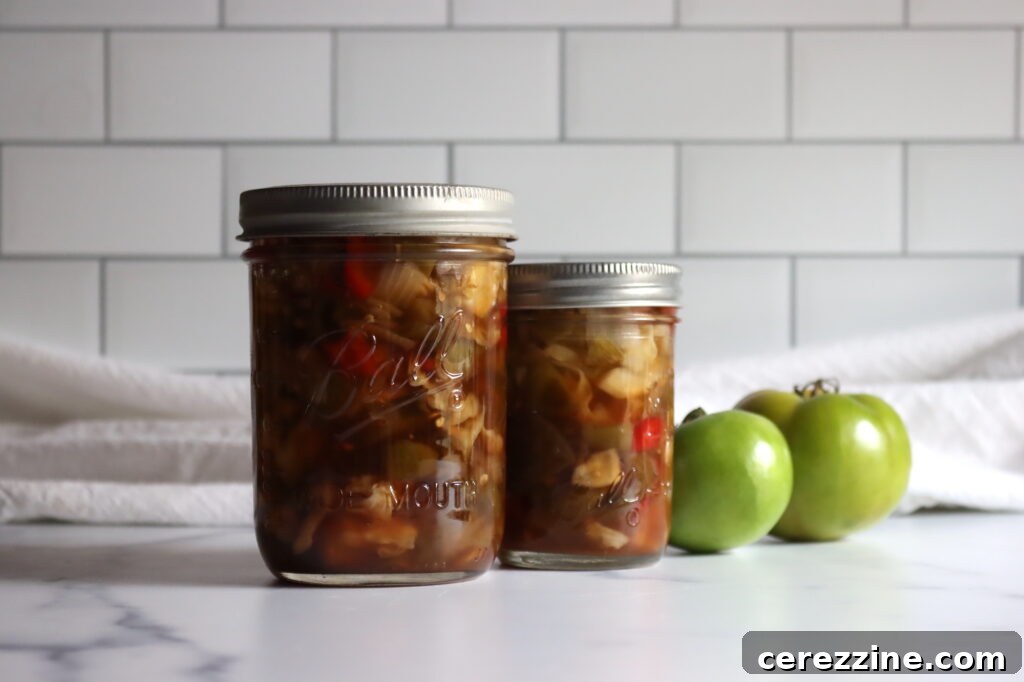
In the distinctive culinary landscape of the Northeastern United States, particularly New England, piccalilli has evolved into a unique condiment, representing a fascinating fusion of British piccalilli’s influence and the more vegetable-centric Canadian chow chow. While green tomatoes remain a pivotal component, this regional variant embraces a broader mix of other garden vegetables, including crisp cabbage and various peppers, creating a relish that is both colorful and texturally rich.
The defining characteristic of New England piccalilli lies in its unique flavor profile, which emerges from a blend of vinegar, rich brown sugar, and a thoughtfully curated selection of pickling spices. These spices often include warming notes like cinnamon and allspice, which infuse the relish with a complex, sweet-and-sour warmth. The molasses inherent in brown sugar plays a crucial role, contributing a distinctive depth and richness that sets it apart.
This version is notably coarsely chopped, resulting in larger, more substantial pieces of vegetables, giving it a consistency that leans more towards pickled vegetables suspended in a spiced molasses brine rather than the finely textured Southern chow chow. Often referred to simply as “green tomato piccalilli” or “New England chow chow,” its chunky, sweet, and tangy character, derived from a generous helping of vinegar, makes it an unforgettable pantry staple.
- Discover the New England Style Green Tomato Piccalilli Recipe Here
Amish Chow Chow: A Medley of Garden Goodness
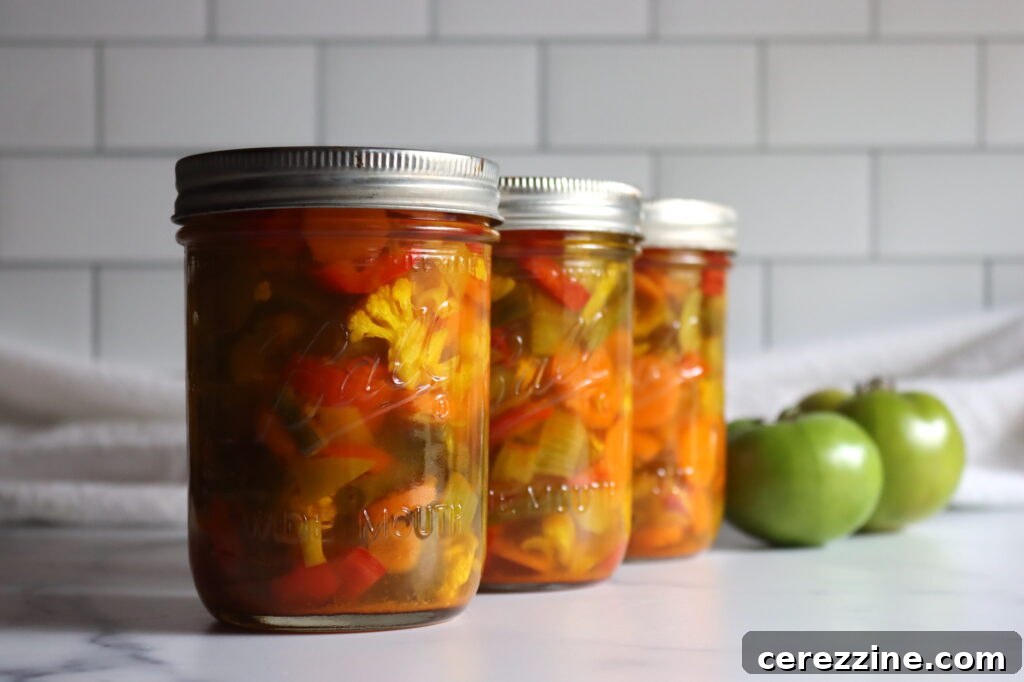
Amish chow chow is a celebration of garden abundance, distinguished by its chunky texture, vibrant colors, and a generous assortment of mixed vegetables. It typically features a wide array of produce such as crisp cauliflower, tender green beans, sweet carrots, earthy lima beans, crunchy celery, various peppers, and sweet corn. Some versions even incorporate pickling cucumbers or robust navy or kidney beans. While cabbage may occasionally make an appearance, it rarely dominates as it does in the Southern style, allowing other vegetables to shine.
The hallmark of Amish chow chow is its distinctly sweet vinegar brine. This brine often consists of an equal 1:1 ratio of sugar to cider vinegar, creating a perfectly balanced sweet-tart foundation. The spicing is typically kept simple yet effective, relying on the classic combination of mustard seed and celery seed to enhance the natural flavors of the vegetables. This style is often served as a versatile side dish or a refreshing cold salad, making it an excellent accompaniment to roast meats or a vibrant addition to a charcuterie spread.
Much like the New England variation, Amish chow chow is characteristically chunky, presenting itself less as a finely chopped relish and more as a sweet, mixed pickle that allows the individual textures and flavors of the vegetables to stand out beautifully.
- Find the Traditional Amish Chow Chow Recipe Here
Midwestern Piccalilli: The Green Relish of the Heartland
In the heartland of America, specifically the Midwest, piccalilli underwent its own unique transformation. Here, it largely evolved into a straightforward green tomato relish, a beloved accompaniment served with hearty dishes such as pork, sausages, and even the region’s famous hot dogs. Unlike the robustly mustard-thickened British version or the diverse mixed-vegetable New England style, Midwestern piccalilli tends to be a simpler, more direct condiment focusing on green tomatoes and sweet peppers, often with a more subdued, yet distinctly tangy, vinegar base.
This regional piccalilli is typically cooked down to achieve a thick consistency, but notably, it avoids becoming jammy like some Canadian versions. The spicing is generally understated and classic, usually featuring celery seed, mustard seed, and occasionally a hint of warming spices like cinnamon or clove, adding a subtle complexity without overpowering the fresh vegetable flavors.
You can still find charming references to piccalilli in older Midwestern cookbooks, especially those cherished community church collections and prized county fair canning guides, highlighting its enduring popularity. Some variations lean sweeter, while others embrace a tangy profile with a gentle bite of apple cider vinegar. It tends to be less chunky than Amish chow chow and typically excludes cabbage or cauliflower, establishing it as a close cousin to Canadian green tomato chow chow, but with a distinct Midwestern pantry spin.
If you have fond memories of a jar of bright green relish gracing your Thanksgiving table in states like Ohio, Indiana, or Illinois, chances are you were enjoying Midwestern piccalilli. While recipes are abundant in printed community cookbooks, finding a reliable, specific recipe online can be a challenge. If you possess a cherished family recipe for Midwestern piccalilli, we warmly invite you to share it in the comments below – help us preserve this regional treasure!
Chicago Piccalilli: The Iconic Hot Dog Topping
A fascinating and iconic variation within the Midwestern piccalilli spectrum is the Chicago style, particularly famous for its role as an indispensable hot dog topping. Chicago piccalilli distinguishes itself by including diced gherkins and featuring a more pronounced cucumber presence than its general Midwestern counterparts. It’s a bright, often neon-green relish that is integral to the classic Chicago-style hot dog, adding a signature sweet and tangy crunch.
Interestingly, while this specific style of piccalilli is traditional on the South Side of Chicago, other parts of the city might simply refer to their green hot dog topping as “relish,” even if the ingredients bear a strong resemblance. This subtle linguistic and ingredient distinction further highlights the intricate regionality of these beloved condiments.
Despite its widespread recognition and the numerous discussions online praising its unique flavor, locating a definitive, step-by-step recipe for authentic Chicago piccalilli can be surprisingly difficult. If you have a cherished family recipe for this distinct relish, we would be incredibly grateful if you would share it with our community!
Western Piccalilli: A Modern Homesteading Interpretation
In the expansive and diverse regions of the Pacific Northwest and the Upper Rockies, piccalilli may not possess the same deeply rooted historical presence as it does in the East, but where it does appear, it reflects a vibrant blend of local produce and a contemporary homesteading ethos. Western piccalilli recipes frequently embrace the abundance of the late summer garden, often incorporating unique ingredients like zucchini, sweet corn, or even apples, depending on what is most plentiful in the local harvest. These are typically blended with green tomatoes and sweet peppers to create a colorful, lightly spiced relish that celebrates regional flavors.
In contrast to the heavy, mustard-based sauce found in traditional British piccalilli, the Western version typically favors a lighter, clearer vinegar-sugar brine. The spice profile is often characterized by bright notes from turmeric, earthy celery seed, and the gentle warmth of yellow mustard powder. This approach results in a condiment that is fresh, tangy, and allows the natural flavors of the diverse vegetables and fruits to shine.
Home canners in states such as Oregon, Montana, and parts of Colorado often view piccalilli as an inventive and practical way to utilize end-of-season garden odds and ends. This spirit is quite similar to the fundamental purpose of chow chow, but with a distinctive “westward whimsy” that highlights the unique agricultural offerings and innovative culinary traditions of the American West.
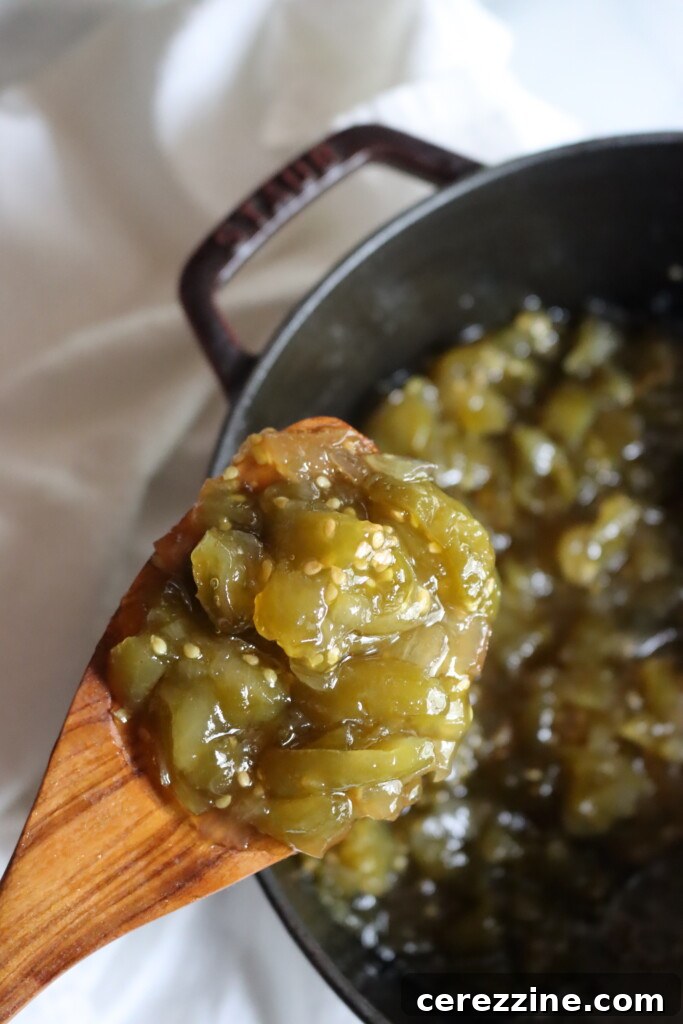
Canadian Green Tomato Chow Chow: The Jammy Maritime Delight
In the picturesque Maritime provinces of Canada, chow chow takes on a distinctively simpler yet incredibly flavorful form. Locally known as Canadian chow chow or sometimes even green tomato ketchup, this version is almost entirely focused on the pure, vibrant flavors of green tomatoes and white onions. Notably, it typically excludes ingredients like cabbage, cauliflower, or beans, allowing the sweet and tangy essence of the tomatoes themselves to be the star.
While simpler than many mixed-vegetable relishes, it offers more complexity than straightforward pickled green tomatoes, and boasts a chunkier texture and, in many opinions, a more developed flavor profile than American-style green tomato ketchup. The preparation involves salting the vegetables overnight to draw out excess moisture, which helps to preserve their desirable texture and concentrate their flavors.
Following this initial step, the salted vegetables are gently cooked down for a substantial period, typically 1.5 to 2.5 hours, with sugar, vinegar, and pickling spices (often contained within a spice bag for easy removal). This slow cooking process transforms the mixture into a thick, richly jammy preserve. Canadian green tomato chow chow is traditionally served with classic dishes like tourtière (meat pie), other savory meat pies, or as a bright counterpoint to holiday turkey dinners, where its sweet-tart notes provide a delightful balance.
- Get the Authentic Canadian Green Tomato Chow Chow Recipe Here
British Piccalilli: The Bold and Zesty Mustard Pickle
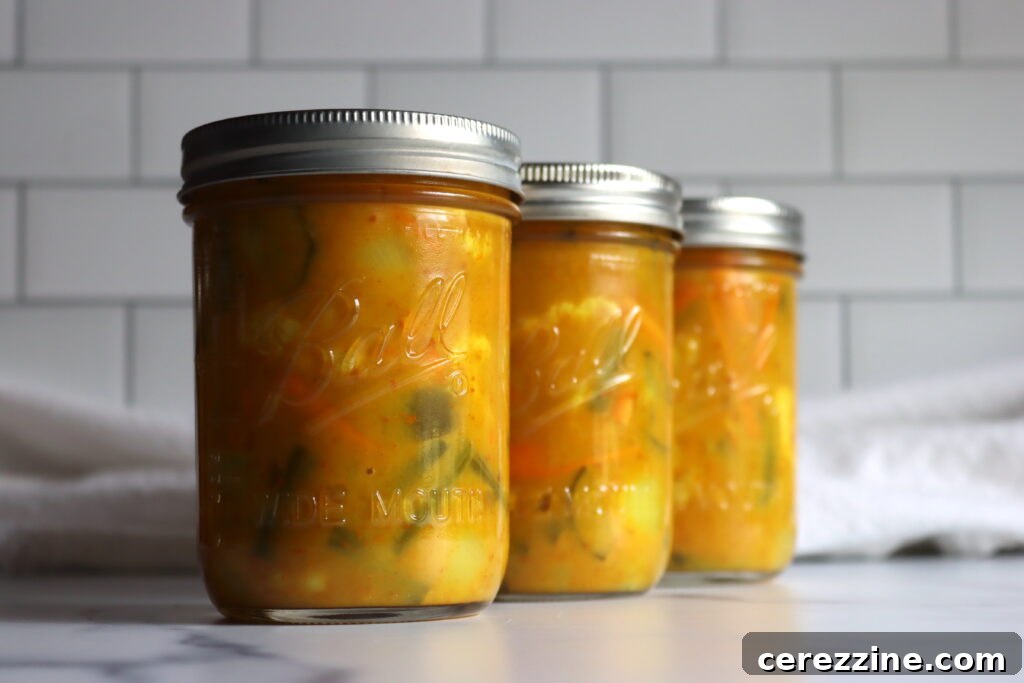
British piccalilli is a truly distinctive condiment, renowned for its bright yellow hue, chunky texture, and an unmistakably bold mustard-forward flavor. This classic mustard pickle typically features a robust base of crisp cauliflower florets, sweet pearl onions, and crunchy cucumbers, though other vegetables like green beans and peppers can also be included. However, it is the rich, thick mustard sauce that truly sets it apart and defines its character.
The vibrant yellow sauce is meticulously crafted with a blend of pungent mustard powder, earthy turmeric (which imparts its signature color), and tangy malt vinegar. To achieve its characteristic smooth, spreadable consistency, the sauce is traditionally thickened with agents such as clear jel, cornstarch, or flour. This ensures it coats the vegetables beautifully and delivers that satisfying mouthfeel.
The origins of British piccalilli can be traced back to the 1700s, where it emerged as an adaptation inspired by the aromatic and spicy pickles brought back from East India. Today, it remains an enduring favorite across the UK, serving as a cherished accompaniment to a wide array of dishes. It is commonly served with cold meats, mature cheeses, and hearty savory pies, where its bold, tangy, and undeniably mustard-infused flavor provides a delightful contrast and cuts through richness.
While the national center for food preservation still offers several traditional mustard pickle recipes that utilize flour as a thickener, modern adaptations, like the recipe below, often incorporate clear jel to achieve an even smoother and more consistent texture.
- Explore the Authentic British Style Piccalilli Recipe Here
Other Exciting Chow Chow Variations to Explore
The beauty of chow chow and piccalilli lies in their remarkable adaptability. For generations, home canners have embraced the philosophy of making do with what’s available, creating countless delicious variations by utilizing whatever produce is abundant in their late-season gardens. This spirit of culinary innovation means there are endless possibilities to discover and create your own unique relish.
Some families enjoy adding seasonal squash or zucchini to their chow chow for extra texture and flavor. Others venture into sweeter realms by incorporating fruits like apples, pears, or even tropical pineapple, creating a delightful sweet-and-sour preserve. In the Southern regions, a fiery kick from cayenne pepper and other hot peppers is a popular addition, while Northern styles often lean into the vibrant hues and pungent flavors of mustard and turmeric.
No matter where you reside, what your garden yields, or your personal taste preferences, there is undoubtedly a chow chow or piccalilli recipe perfectly suited to help you transform a late-season glut of vegetables into something wonderfully delicious, shelf-stable, and uniquely yours. Embrace the tradition of preserving, and let your creativity flourish in the kitchen!
If you have a cherished chow chow or piccalilli recipe that has been lovingly passed down through your family, or a unique variation you’ve created and adore, we would absolutely love to hear about it! Please take a moment to share your culinary heritage or innovative ideas in the comments section below – your insights enrich our community!
Other Mixed Vegetable Pickles: Giardiniera, Chutney, and Achar
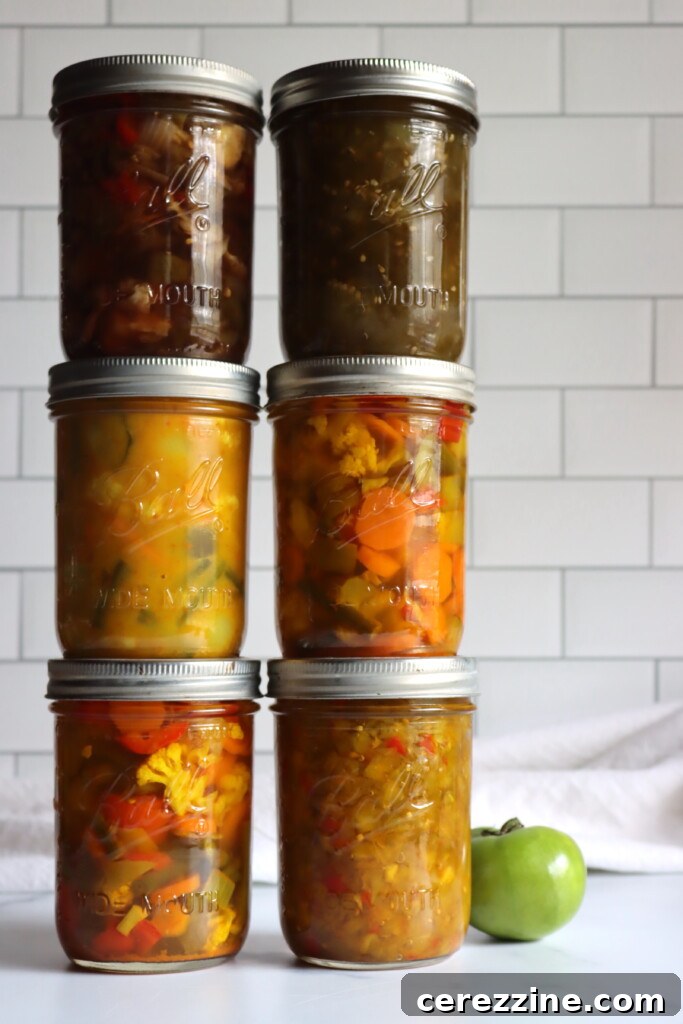
While chow chow often gets broadly categorized with other tangy vegetable condiments, it’s actually quite distinct from similar global preserves like giardiniera, chutney, and achar. Although all these preparations typically involve vinegar or acid and a blend of vegetables or fruits, their flavors, preparation techniques, and profound cultural roots vary considerably, making each a unique culinary experience.
Giardiniera, an Italian-American culinary staple, is characterized by its crunchy pickled vegetables, which commonly include cauliflower, carrots, celery, and various peppers. It’s traditionally soaked in a vinegar brine, and in the popular Chicago style, it’s often packed in oil, whereas the more traditional Italian form is kept in vinegar. The flavor of giardiniera is typically sharper and frequently spicier than chow chow, and the oil-packing method imparts a completely different texture and luxurious mouthfeel. Chow chow, in contrast, is never oil-packed and usually presents a sweeter, more balanced vinegar-sugar base, making it a distinctly different preserve.
Chutney, with its origins deeply rooted in Indian cuisine, can be enjoyed fresh or preserved. Preserved chutneys—such as the beloved mango chutney or savory tomato chutney—are thick, spoonable spreads distinguished by a pronounced sweet and sour profile. Their flavors are frequently enhanced with an array of warming spices, including ginger, cinnamon, cloves, or mustard seed. While chow chow may share some of these ingredients, it maintains a chunkier texture and a less concentrated, more vinegary flavor. Whereas chutney is often served as an integral part of a meal with rice or curries, chow chow finds its home as a vibrant condiment on a barbecue plate or alongside a hearty sandwich.
Achar is a broad and diverse term encompassing South Asian pickles, which are typically made with oil, salt, acid (sometimes vinegar, sometimes lemon juice), and a powerful blend of strong, aromatic spices. Unlike chow chow, which is generally processed through canning for long-term shelf storage, many achars are either fermented or oil-preserved, boasting incredibly bold and complex flavors derived from ingredients like fenugreek, mustard oil, and various chili peppers. Achar is renowned for its pungent, intensely spicy, and deeply savory profile—a stark contrast to the lightly sweet, bright-tasting character of North American chow chow. Both are exquisite in their own right, but they play very distinct and essential roles at the global table.
In summary, while these four condiments share some foundational elements, each brings something truly unique and invaluable to the pantry. Chow chow stands as a distinctly North American creation, deeply rooted in regional home canning traditions and defined by its harmonious balance of vegetables, vinegar, and sugar, with the versatile green tomato frequently taking on a starring role.
Explore More Pickle & Relish Recipes
30+ Cucumber Pickle Recipes (Beyond Dill Pickles)
24+ Relish Recipes for Canning (Beyond Pickle Relish)
20+ Green Tomato Canning Recipes
Frequently Asked Questions About Chow Chow and Piccalilli
Chow chow is indeed a specific type of relish, but it’s important to remember that not all relishes are chow chow. The term “relish” is a broad category encompassing various chopped, pickled vegetables or fruits, often served as a condiment. Chow chow, however, refers to a particular regional style of relish, predominantly found in North America. It typically features a distinctive sweet-tart flavor profile and commonly includes ingredients like green tomatoes, onions, and/or cabbage. It’s often enjoyed as a versatile condiment alongside hearty beans, various meats, or traditional fried foods, enhancing meals with its unique tang.
The specific vegetables used in chow chow vary significantly depending on its regional style and the availability of seasonal produce. For instance, Southern chow chow most commonly incorporates a blend of cabbage, green tomatoes, onions, and sweet bell peppers. In contrast, Northern and Amish versions often present a more diverse medley, which might include cauliflower, carrots, green beans, and even lima beans, offering a heartier texture and broader flavor spectrum. Canadian chow chow, particularly in the Maritime provinces, tends to be simpler, made almost exclusively with green tomatoes and white onions, allowing their natural flavors to shine through.
Chow chow is wonderfully versatile and can be prepared to be either sweet or spicy, or a delightful combination of both! Many traditional chow chow recipes lean towards a balanced sweet-tart profile, which is achieved through the harmonious blend of sugar and vinegar in the brine. However, for those who appreciate a kick, numerous versions incorporate hot peppers, such as cayenne or jalapeño, or zesty mustard seed to introduce a degree of heat and tang. The exact spicing, and whether it leans towards sweetness or heat, often varies considerably from one family recipe to another and across different regions, reflecting diverse culinary preferences.